


Did you know that rabies, a viral disease almost always fatal once symptoms appear, is primarily spread by certain wild animals? Understanding which animals carry rabies most frequently is crucial for your safety and that of your pets. In the U.S., rabies is most commonly found in wild animals like bats, raccoons, and skunks^[1[1].
Awareness of these key carriers can protect you from potential exposure and equip you with the knowledge to safeguard your dogs and cats, who may inadvertently encounter these wildlife species. This article delves into which animals are the most significant rabies vectors, providing essential facts and safety tips to help you navigate the risks involved. Stay informed and proactive to ensure a safe environment for you and your furry companions.
Contents
- 1 What Animals Are Most Likely to Carry Rabies?
- 2 Understanding Rabies: Transmission and Symptoms
- 3 Key Differences Between Rabies Carriers
- 4 The Role of Wildlife in Rabies Transmission
- 5 Domestic Pets: Understanding Their Rabies Risk
- 6 The Importance of Vaccination for Pets
- 7 Rabies in Urban vs. Rural Areas
- 8 Emerging Concerns: New Animals and Rabies Risks
- 9 Frequently asked questions
- 10 Closing Remarks
What Animals Are Most Likely to Carry Rabies?
When considering which animals are most likely to carry rabies, it’s crucial to understand that any mammal can be infected with this deadly virus. However, certain species are recognized as primary reservoirs for rabies, significantly contributing to its transmission to humans. Bats are the most notorious rabies carriers, identified as the predominant vector of the virus in the United States. They harbor various strains of rabies, making them vital players in the disease’s ecology. Their ability to fly and their nocturnal habits allow them to spread rabies across vast regions, impacting both urban and rural areas.
Another major group of rabies carriers includes terrestrial mammals such as raccoons, skunks, and foxes. Raccoons, in particular, have adapted to thrive in human-dominated environments, increasing their potential for contact with domesticated animals and humans. Skunks are known for their aggressive demeanor when infected and pose a serious threat, especially in regions where they are prevalent. Foxes, although less common in urban settings, can also be a source of rabies transmission, especially in rural environments.
Domestic pets like cats and dogs are often seen as potential rabies carriers, especially if they are not vaccinated. Stray and unvaccinated animals have higher chances of contracting the virus from wildlife reservoirs. The risk escalates when these animals come into contact with rabid wild animals. In fact, according to the CDC, unvaccinated pets can play a significant role in the human rabies transmission cycle, especially in areas where rabies is more prevalent.
To prioritize safety, pet owners should be aware of these risk factors and take preventative measures, such as ensuring that pets are well-vaccinated against rabies. Understanding the behavior and habitat of common carriers can also help in avoiding potential encounters. Engaging with wildlife and maintaining a safe distance is vital, as is reporting any signs of rabid behavior in animals to local health authorities. By staying informed and vigilant, both pets and humans can be better protected against this hazardous disease.
Understanding Rabies: Transmission and Symptoms
The rabies virus is a deadly pathogen that primarily attacks the central nervous system of mammals, including humans. Once contracted, the rabies virus is transmitted primarily through bites or scratches from an infected animal, allowing it to enter the body through open wounds or mucous membranes. The key to understanding transmission lies in the saliva of infected animals, which can harbor the virus. The most common carriers include bats, raccoons, skunks, and foxes, alongside domestic pets like cats and dogs, especially when they are unvaccinated.
Animal behavior plays a crucial role in the transmission of rabies. For instance, bats, being agile and capable of covering great distances, are considered significant reservoirs in the U.S., often leading to human cases of rabies. In contrast, terrestrial mammals like raccoons and skunks are more likely to spread the virus in suburban or rural areas. Their interactions with domestic animals can elevate risks, particularly when these wild animals venture into human habitats. Understanding these dynamics is essential in mitigating the risk of rabies transmission.
The incubation period for rabies can vary, generally ranging from a few weeks to several months, depending on factors such as the location of the entry wound and the amount of virus introduced. Symptoms typically do not show until the virus has reached the brain, leading to severe neurological complications. Early symptoms may include fever, headache, and general malaise, which can progress to anxiety, confusion, and agitation. As the disease advances, more severe symptoms such as hallucinations, paralysis, and ultimately, coma can occur. It is vital for pet owners and outdoor enthusiasts to recognize these symptoms and take immediate action if exposure to a potentially rabid animal is suspected.
To ensure safety, individuals should proactively protect themselves and their pets against rabies. This includes keeping pets vaccinated and avoiding contact with wild animals. If bitten or scratched, it is crucial to wash the wound thoroughly and seek medical attention immediately, as post-exposure prophylaxis (PEP) is highly effective when administered promptly. Awareness and knowledge about rabies transmission and its symptoms can empower pet owners and outdoor enthusiasts to take the necessary precautions, significantly reducing the risk of this preventable but fatal disease.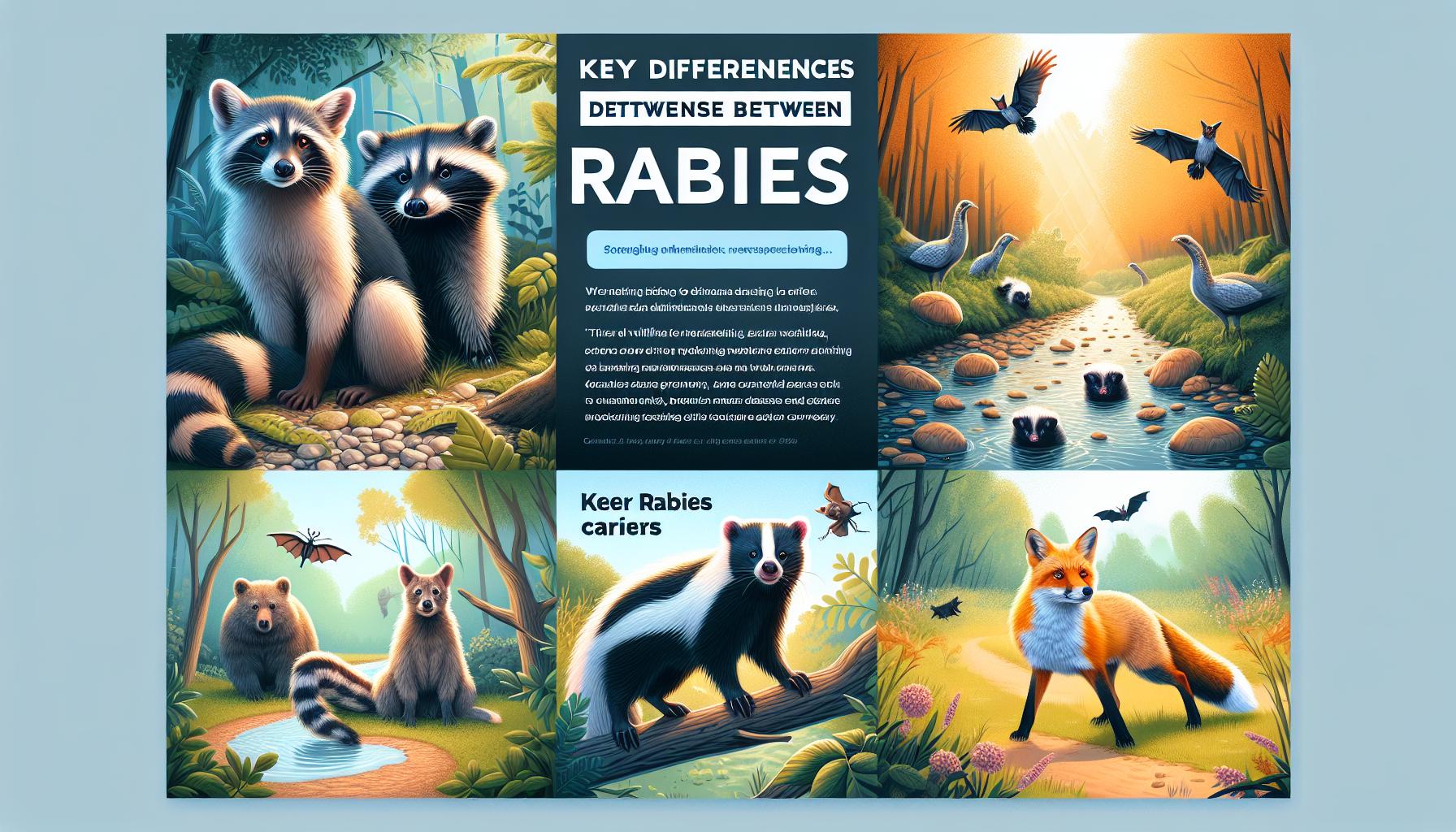
Key Differences Between Rabies Carriers
The rabies virus, lurking in the shadows of our everyday wildlife interactions, has a fascinating cast of characters that play distinct roles in its transmission to humans. Understanding these differences is crucial, especially for pet owners and outdoor enthusiasts who may unknowingly encounter these carriers. Among the most notorious carriers are bats, raccoons, skunks, and foxes, each presenting unique behavioral traits and habitats that influence their risk levels.
Bats, often heralded as significant reservoirs of rabies, are particularly fascinating due to their agility and nocturnal habits. They can cover vast distances, which heightens the chances of contact with humans and pets, especially in urban areas where human encroachment on natural habitats is common. Their tendency to roost in attics or caves provides ample opportunity for potential exposure, as rabies can be transmitted through bites or even through contact with saliva from scratches or bites.
On the other hand, terrestrial mammals like raccoons and skunks are more commonly found in suburban and rural environments, where their interactions with domestic pets can lead to increased rabies risk. Raccoons’ curious nature often leads them into backyards and garbage bins, making them prime candidates for encounters with unsuspecting pets or humans. Skunks, known for their defensive spraying, may also carry the virus and can pose a risk when startled or cornered.
Understanding the differences in habitat and behavior among these carriers can help individuals recognize potential threats. For instance, while all these animals can transmit rabies, the circumstances under which they pose a threat differ. Pet owners should be particularly cautious about unvaccinated domestic animals interacting with these wild species. Regular vaccinations for pets not only protect them but also help curb the spread of rabies in local wild populations.
By educating ourselves about these carriers and reinforcing preventive measures-such as keeping pets leashed during walks, vaccinating pets against rabies, and avoiding interaction with wild animals-we can significantly reduce the risk of rabies transmission, protecting both our loved ones and the delicate balance of wildlife around us.
The Role of Wildlife in Rabies Transmission
Bats play a pivotal role in the transmission of rabies, often being the primary reservoir of the virus. These nocturnal creatures possess the ability to fly vast distances, which increases the likelihood of contact with both humans and domesticated pets. A startling fact is that in many regions, bats are responsible for a significant proportion of rabies cases in wildlife. Their unique behaviors, such as roosting in close proximity to human habitations-like attics and barns-can lead to increased encounter rates, making awareness of their presence and habits essential for safeguarding both pets and humans.
Raccoons are another major player in the rabies transmission narrative, prevalent in suburban and rural landscapes. Their highly inquisitive nature leads them into backyards, trash cans, and other human-dominated areas, often bringing them into direct contact with unsuspecting pets and owners. Reports of raccoons displaying unusual behavior, such as being active during the daytime, can be a key indicator of rabies infection. This particular behavior makes them more likely to interact with domestic animals, emphasizing the need for vigilance during outdoor activities.
Skunks, with their defensive nature, pose a similar threat. Typically shy and nocturnal, they may become aggressive if cornered, risking bites or scratches that can transmit rabies. Their presence is often noted in suburban settings where pet owners might let their dogs roam or explore. As with raccoons, avoiding encounters by keeping pets leashed and supervised can significantly reduce the risk of rabies transmission.
By understanding the habitats and behaviors of these wildlife species, pet owners can implement proactive measures to minimize risks. Regular vaccination of pets against rabies, alongside educating family members about the dangers of interacting with wild animals, is crucial. This knowledge not only protects pets from the virus but also contributes to broader public health efforts in controlling rabies within local wildlife populations. Maintaining a balance between appreciating wildlife and ensuring safety underscores the importance of responsible pet ownership and community awareness.
Domestic Pets: Understanding Their Rabies Risk
The very idea of rabies evokes fear, not only for the disease itself but for the impact it can have on beloved domestic pets that are seen as part of the family. While dogs and cats are our closest companions, they also face significant risks from rabies, particularly when they encounter wildlife that is a known carrier of the virus. Understanding the rabies risk for domestic pets is important for any responsible pet owner, especially with animals like raccoons, skunks, and bats being prominent vectors for the disease.
To mitigate these risks, pet owners should focus on two key areas: awareness of surroundings and vaccination. Pets are often curious, and their natural instincts may lead them to investigate potentially dangerous wildlife. By supervising outdoor excursions and keeping pets on a leash, owners can help reduce encounters that might lead to bites or scratches. Signs of rabies in wildlife can include unusual behavior patterns, such as nocturnal animals being active during the day. Recognizing these signs can guide pet owners in keeping their animals safe.
Vaccination stands as the most effective line of defense against rabies. Most municipalities require rabies vaccinations for dogs and cats, and compliance is crucial. Pet owners should ensure that their pets are vaccinated and that records are kept current. Not only does this provide individual protection, but a vaccinated pet plays a role in community health safety, reducing the overall risk of rabies transmission within both domestic and wild animal populations.
In addition to preventive measures, it’s vital for pet owners to remain vigilant. Close contact with pets should be minimized if they exhibit signs of aggression or illness-this can be indicative of rabies. If a pet is bitten by a wild animal, immediate veterinary care is imperative. Understanding these dynamics not only fosters a safer environment for pets but also enriches the shared bond between humans and their animal companions, reinforcing the joy of responsible pet ownership amidst the thrilling unpredictability of nature.
The Importance of Vaccination for Pets
The stakes are high when it comes to protecting our furry companions from rabies, a viral disease that can be fatal if left untreated. With an estimated 59,000 rabies-related deaths occurring worldwide each year, ensuring pets receive their vaccinations is not just a matter of legality; it’s a vital shield against a preventable illness that poses risks not only to the pet but also to humans who come in contact with them. Vaccination against rabies is essential and serves as the cornerstone of public health initiatives.
A vaccinated pet is an immunized pet, effectively reducing the risk of the infamous rabies virus crossing into human populations. Rabies vaccines stimulate an immune response that enables the body to recognize and fight off the rabies virus if exposed. Dogs, in particular, are often at a higher risk due to their nature to roam and be more exposed to wildlife that may be carrying the virus. In fact, many regions mandate rabies vaccinations for dogs and cats, highlighting the recognition that a vaccinated animal reduces the risk of transmission within the community.
Beyond legal requirements, vaccination plays an important role in the dynamics of animal behavior. Vaccination not only protects the individual animal but contributes to herd immunity-a concept that indicates the overall community becomes less susceptible to the disease as more pets are vaccinated. This is particularly crucial in densely populated urban areas where the likelihood of encounters with rabid animals, such as bats or raccoons, increases. The National Association of State Public Health Veterinarians emphasizes that vaccinating pets is a proactive approach that helps minimize rabies outbreaks, making it clear that responsible pet ownership includes ensuring that pets’ vaccinations are up-to-date and recorded.
It’s essential to schedule routine veterinary check-ups to maintain vaccination schedules and address any questions about rabies or other health concerns. Moreover, pet owners should stay informed about local rabies cases and emerging threats, as awareness can further bolster preventive care. Ultimately, when it comes to rabies, vaccination isn’t just a personal responsibility-it’s a community duty to safeguard pets and humans alike against this dangerous virus.
Rabies in Urban vs. Rural Areas
In the ongoing battle against rabies, understanding how urban and rural environments shape the risk landscape is crucial for pet owners and public health advocates alike. Urban areas, teeming with human activity and vibrant community life, present unique challenges regarding rabies exposure and transmission. For instance, while cities may boast higher pet vaccination rates and more robust public health campaigns, they also facilitate interactions with wild animals like raccoons, bats, and foxes that may carry the virus. These urban wildlife species often thrive in parks, green spaces, and even alleyways, increasing the likelihood of encounters that could expose pets to rabies.
In contrast, rural areas face a different set of challenges. The interaction between domestic pets and livestock with wildlife, such as coyotes and skunks, can lead to higher rabies exposure risks. Rural environments often lack access to immediate veterinary care, which can delay treatment for bite wounds and increases the potential for rabies transmission. The differing dynamics of these landscapes underscore the importance of tailored rabies prevention strategies. For instance, rural pet owners might need to be more vigilant about keeping pets leashed and supervising them outdoors, especially during dawn and dusk when wildlife is most active.
Furthermore, vaccination strategies must adapt to these varying environments. In urban settings, comprehensive outreach programs can promote vaccination clinics and community awareness, while rural areas may need to prioritize educational efforts focusing on the importance of vaccination and responsible pet ownership, as well as access to veterinary services. Successfully navigated, these distinct challenges create an opportunity for community engagement, transforming rabies prevention into a shared responsibility. By understanding the unique factors influencing rabies risk in both urban and rural settings, pet owners can make informed decisions that not only protect their beloved animals but also contribute to broader public health efforts in their communities.
Emerging Concerns: New Animals and Rabies Risks
Many are surprised to learn that rabies is not just a concern for commonly known carriers; the landscape of potential rabies carriers is continually evolving. As human encroachment on wilderness areas increases, interactions between domestic animals and previously less-contacted wildlife pose new threats. Rabies is a viral infection that can be transmitted through the saliva of infected animals, and while traditional carriers such as bats, raccoons, and skunks are well recognized, new vectors of risk are increasingly coming to light.
Among emerging concerns are animals like feral cats and non-native species that are adapting to urban environments. Feral cats not only thrive in cities but also have the potential to interact with wildlife and other pets, thereby increasing infection risks. Research indicates that they can be asymptomatic carriers of the virus, spreading it unnoticed among local wildlife and domestic pets. Moreover, the rise of non-native species, such as certain raccoon populations that have expanded into new territories, brings unique challenges to rabies control efforts. These populations may not have the same vaccination history, leading to increased susceptibility and transmission rates in their habitats.
To mitigate these risks, pet owners should be vigilant about monitoring their pets’ interactions with wildlife and implementing preventive measures, such as keeping cats indoors and supervising dogs while on walks. Vaccination is essential, not just for your own pets but as part of a larger community protective strategy. Owners can play a critical role by educating themselves and others about rabies symptoms in animals and the importance of reporting any suspected cases to local authorities.
Understanding the changing dynamics of rabies carriers is crucial in safeguarding our pets and communities. As wildlife continues to adapt and interact with urban environments, continuous education and proactive measures remain essential components in the fight against this serious viral disease.
Frequently asked questions
Q: Which animals are most commonly associated with rabies?
A: The most common rabies carriers include bats, raccoons, skunks, and foxes. Among these, bats are particularly notable, as they are responsible for a large percentage of human rabies cases in the United States. Understanding the behavior and habitats of these animals can help you avoid potential exposure.
Q: How can I tell if an animal has rabies?
A: Signs of rabies in animals may include unusual aggression, excessive drooling, disorientation, or paralysis. If you encounter a wild animal displaying these symptoms, it’s crucial to stay at a safe distance and contact local animal control or wildlife authorities.
Q: What can I do to protect my pets from rabies?
A: Keep your pets vaccinated against rabies, especially if they interact with wildlife. Regular vet check-ups and ensuring they are supervised outdoors can also reduce the risk of encounters with rabid animals. Consider reading more in the “Preventive Measures: Protecting Pets and Humans” section for additional tips.
Q: Are there specific breeds of dogs that are more prone to rabies?
A: All dogs, regardless of breed, are at risk for rabies if they are not vaccinated. It’s vital to ensure that even indoor and less active breeds receive vaccinations, as they can still come into contact with rabid wildlife.
Q: What should I do if I suspect an animal has rabies?
A: If you suspect an animal may be rabid, do not approach it. Contact your local animal control or wildlife agency immediately. They can safely assess the situation and provide guidance on how to proceed.
Q: Why is rabies more common in urban or suburban areas?
A: Urban and suburban areas often have closer human-wildlife interactions due to habitat encroachment. This increases the likelihood of encounters with rabid animals, such as raccoons and bats, making awareness and preventive measures crucial.
Q: When is rabies vaccination required for pets?
A: Rabies vaccination is typically required for pets when they are three to four months old, with booster shots given every one to three years depending on the vaccine used. Refer to the “The Importance of Vaccination for Pets” section for detailed guidelines.
Q: What do I do if bitten by an animal suspected of having rabies?
A: Immediately wash the wound with soap and water, and seek medical attention. Timely post-exposure prophylaxis is essential for preventing rabies after a potential exposure. For more on this topic, see the “Post-Exposure Protocol: What to Do If Bitten” section.
Closing Remarks
Understanding which animals are most likely to carry rabies is crucial for your safety and the well-being of your pets. Remember, it’s not just wildlife that poses risks; domestic animals can also be carriers. Take proactive steps: ensure your pets are vaccinated, observe animal behavior, and if you encounter a suspicious animal, maintain a safe distance and report it. For further insights, explore our articles on pet vaccination essentials and the behaviors of wild animals to stay informed.
Ready to learn more? Join our newsletter for the latest in animal health and safety tips, and check out our guide on caring for pets in a wildlife-rich environment. Your understanding and action today can protect your loved ones tomorrow. Don’t hesitate to comment below with your questions or share your experiences to foster a community of informed pet owners!


