


Did you know that walruses can weigh up to 2,000 pounds and have tusks that can grow over three feet long? These fascinating marine mammals, found predominantly in the Arctic, are not just impressive in size but also play a critical role in their ecosystem. Understanding walruses can deepen your appreciation for wildlife and the delicate balance of marine life.
As you dive into “10 Fun Facts About Walruses That Will Amaze You,” prepare to uncover some astonishing insights into their behaviors, unique adaptations, and social structures. From their distinctive whiskers to their playful nature, these creatures offer not only wonder but also important lessons in conservation. By learning more about walruses, you join a larger conversation about the health of our oceans and the species that inhabit them.
Stay curious as you explore these ten surprising facts that highlight just how remarkable walruses truly are!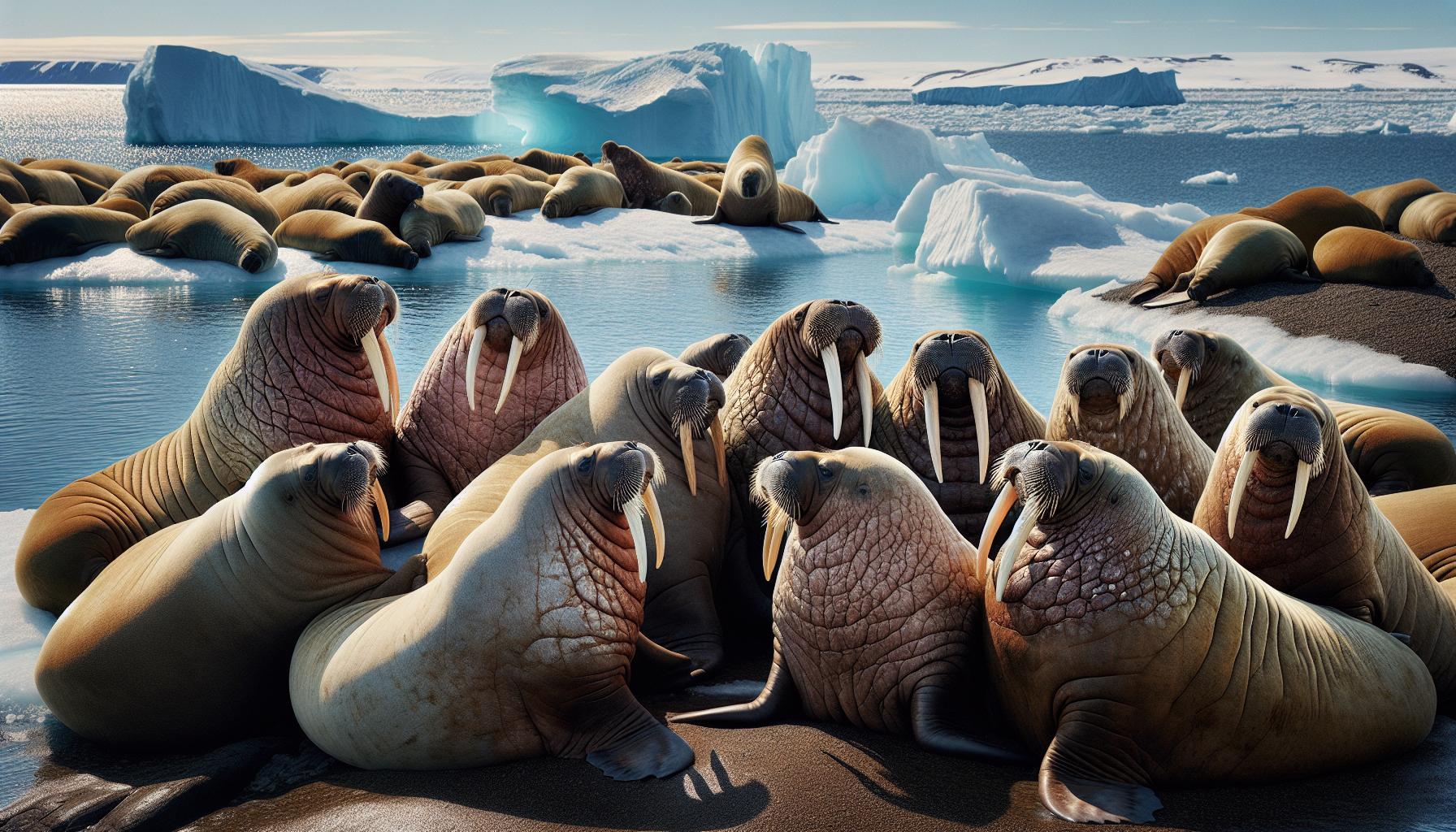
Contents
- 1 Fun Facts About Walrus Social Behavior
- 2 The Amazing Physical Attributes of Walruses
- 3 How Walruses Adapt to Their Arctic Habitat
- 4 The Diet of Walruses: What Do They Eat?
- 5 Understanding Walrus Communication Styles
- 6 Incredible Walrus Migration Patterns
- 7 The Importance of Walruses in Marine Ecosystems
- 8 Comparing Walruses with Other Pinnipeds
- 9 How to Care for a Pet Walrus: Myth vs. Reality
- 10 Fascinating Walrus Myths and Cultural Significance
- 11 Faq
- 12 In Conclusion
Fun Facts About Walrus Social Behavior
Walruses are fascinating creatures known for their remarkable social behavior, which reflects their highly social nature. Living in large groups or herds, they often gather in pods that can range from a handful to several hundred individuals. This social structure is crucial not only for protection against predators but also for nurturing strong bonds within the herd. Walrus mothers, for example, form nurturing relationships with their calves, providing care for up to two years, which is essential for the calf’s survival in such a harsh environment.
Another fascinating aspect of walrus social behavior is their vocal communication. These marine mammals use a variety of sounds to convey their emotions and intentions, including growls, barks, and whistles. Such vocalizations are vital during breeding seasons and for establishing social hierarchies within the herd. The social interactions between walruses can also display behavior such as dominance displays, where larger males may engage in physical confrontations to assert their status, particularly during mating seasons.
Moreover, walruses are known to haul out together on sea ice or land, a behavior that serves multiple purposes. Hauling out provides them the opportunity to rest, bask in the sun, and maintain body heat, but it also fosters social bonds. When resting, walruses engage in playful interactions that further strengthen their ties. It is during these gatherings that young walruses learn essential survival skills and social cues from adults, highlighting the importance of communal living in their development and survival.
In summary, walruses exemplify the beauty of social behavior in the animal kingdom. Their interactions are not just about survival; they also build complex social structures that enhance their adaptability and resilience in the unforgiving Arctic environment. Understanding these aspects of walrus life can deepen our appreciation for these majestic marine mammals and underscores the importance of protecting their natural habitats.
The Amazing Physical Attributes of Walruses
Walruses are extraordinary creatures that encapsulate the wonder of marine life with their remarkable physical attributes. One of the most striking features of these pinnipeds is their impressive size, which can reach lengths of up to 12 feet and weights of over 2,000 pounds. This substantial bulk is primarily due to their thick layer of blubber, which not only insulates them against icy Arctic waters but also serves as an energy reserve during times of food scarcity. The blubber, sometimes exceeding 6 inches in thickness, is essential for their survival in a harsh environment, allowing them to maintain body warmth while they dive to great depths in search of food.
Another notable characteristic is the walrus’s prominent tusks, which can grow to be over 3 feet long. These elongated canine teeth are used for a variety of purposes, from social interactions and dominance displays to aiding in hauling their massive bodies out of the water and onto ice or land. In addition to their impressive tusks, walruses exhibit a unique skin texture, displaying folds and wrinkles that play a role in thermoregulation. The surface of their skin is covered in sensitive whisker-like structures called vibrissae, allowing them to detect and forage for prey, such as clams and mollusks, on the ocean floor.
Adaptations for Life in the Cold
To thrive in their frigid environment, walruses possess several adaptations that enhance their physical endurance. Their large flippers are designed for powerful swimming and can also support their weight when they haul out on ice. These flippers are important for maneuverability in the water, allowing walruses to travel significant distances in search of food. Furthermore, their coloration, which can range from light brown to gray, helps them camouflage against the seafloor and ice, giving them an advantage during foraging and evading predators.
Understanding these remarkable physical traits offers insight into the life of a walrus, from their impressive size and unique tusks to their specialized adaptations for surviving in cold waters. Each attribute is not merely a random feature but serves a distinct purpose, contributing to their overall survival and success in the challenging Arctic environment. This fascinating combination of traits makes walruses one of the most compelling marine mammals, deserving of our admiration and protection.
How Walruses Adapt to Their Arctic Habitat
Walruses are remarkable examples of nature’s ingenuity, perfectly adapted to survive in the harsh and frigid conditions of the Arctic. One of their most critical adaptations is the thick layer of blubber that lies just beneath their skin. This insulating layer can be up to 6 inches thick, providing vital warmth against freezing water temperatures while also serving as an energy reserve during food shortages. This blubber not only keeps them comfortable during deep dives but is also crucial for maintaining their body heat in icy environments.
These marine mammals possess large, powerful flippers that facilitate both swimming and hauling themselves out onto ice. The flippers aid in their ability to travel long distances in search of food, such as clams and other mollusks, while offering support on land or ice floes. The strength and flexibility of these appendages ensure that walruses can maneuver adeptly in their ocean habitat, making the most of their environment.
Coloration plays a significant role in the walrus’s survival as well. Their skin, often a mottled mix of browns and grays, helps to camouflage them against the seafloor and the icy landscape, which is vital for both hunting and evading predators. Additionally, walruses have a unique skin texture characterized by folds and wrinkles, believed to assist in thermoregulation. These skin features can trap air, which enhances insulation, allowing them to withstand extreme cold temperatures.
To thrive in this challenging habitat, walruses also rely on social behaviors. They often gather in large groups, which not only fosters social interaction but also helps them retain body heat through physical contact. This communal living is particularly essential during the colder months when temperatures plummet and food becomes scarce. By understanding these adaptations, one can appreciate how walruses exemplify resilience and adaptability in one of the planet’s most extreme environments.
The Diet of Walruses: What Do They Eat?
Walruses are fascinating, large marine mammals known for their distinctive tusks and impressive size, but their dietary habits are equally compelling. Primarily, walruses are benthic feeders, meaning they forage on the ocean floor for their sustenance. Their diet predominantly consists of various mollusks, especially clams, which play a crucial role in their daily nutritional intake. In fact, adult walruses can consume between 3,000 to 6,000 clams in a single feeding session, reflecting their high caloric needs to maintain their substantial body mass[2[2].
When hunting, a walrus uses its sensitive whiskers, called vibrissae, to detect prey hidden in the sediment. The walrus utilizes its powerful flippers to plow through the ocean floor, exposing clams, crustaceans, and other marine invertebrates. They mainly favor clams, but their diet can also include a variety of seafood such as shrimp, fish, and occasionally other benthic creatures[1[1]. This diverse diet is essential, as walruses need to consume approximately 3% to 6% of their body weight daily to sustain their energy levels, particularly during the cold Arctic months when their foraging can be more challenging[2[2].
Understanding the feeding habits of walruses unveils their importance within their marine ecosystem. As they consume large quantities of benthic organisms, walruses help regulate marine populations and contribute to the overall health of their habitats. For those considering pet ownership of these magnificent creatures, it’s vital to note that replicating their natural diet is nearly impossible due to the specialized conditions they require, emphasizing the need for responsible wildlife conservation and care practices.
Understanding Walrus Communication Styles
Walruses are not only fascinating marine mammals but also possess a rich toolkit of communication styles that help them interact with one another in their icy habitats. With a diverse range of vocalizations and visual displays, walruses convey messages that resonate deeply within their social structures. From the resonant bell-like sounds made by males in the depths of the ocean to the softer whistles and grunts employed in social contexts, their vocal repertoire is both complex and intriguing.
Walrus communication occurs both underwater and above the surface, facilitating interactions during various social situations such as mating, social bonding, and establishing hierarchies within groups. When communicating, walruses use a variety of sounds, including growls, taps, and rasps, with each sound carrying distinct meanings. During the mating season, males engage in vocal displays that not only attract females but also assert dominance over competitors. Their ability to produce these diverse sounds enables them to navigate the intricate social dynamics of walrus life effectively.
Visual cues also play a significant role in walrus communication. During courtship, males may showcase their impressive tusks and engage in physical displays that signal their strength and fitness. This combination of auditory and visual signals allows walruses to create a rich tapestry of interactions that ensures their survival in a challenging environment. Understanding these communication styles enhances our appreciation of their behavioral ecology and provides insights into the complexities of walrus social interactions.
For those interested in walrus care, it’s crucial to comprehend that these communication methods stem from evolutionary adaptations to their environment. Replicating such social structures and communication dynamics in a pet setting is nearly impossible. Therefore, anyone considering the idea of keeping a walrus as a pet should be mindful of the species’ vast social needs and the challenges of meeting them outside their natural habitat. Embracing responsible wildlife practices emphasizes the importance of preserving these magnificent creatures in the wild rather than attempting to domesticate them.
Incredible Walrus Migration Patterns
Walruses are remarkable travelers, demonstrating migration patterns that can captivate anyone with an interest in wildlife. Their journeys are intricately tied to seasonal changes in sea ice, which serves as both their habitat and a platform for resting. On average, walruses can migrate vast distances, leading them from their summer haunts in the Chukchi Sea and Bering Sea northwards to colder waters during the winter months. This movement is not merely instinctual; it plays a crucial role in their survival, helping them access food sources and safe breeding grounds.
During their migration, walruses exhibit fascinating adaptations. For instance, they often travel in groups, utilizing social behaviors that enhance their safety against predators and facilitate communication with one another. As they navigate the icy waters, they rely on the receding sea ice to rest and haul out, which further enriches their migratory experience. Recent studies have illustrated shifts in migration timings, such as Atlantic walruses arriving in Nunavik one month earlier than in previous years due to changing ice conditions-emphasizing the adaptability of these mammals to environmental changes [[1]].
Migration is not just about movement; it highlights the walrus’s strong connection to its habitat. Their ability to cover distances exceeding 3,000 kilometers (1,863 miles) showcases their endurance and resilience against the harsh Arctic climate. As they search for food-primarily benthic organisms like clams and mollusks-walruses exhibit a well-honed skill for foraging and spatial navigation. Understanding these patterns is vital not only for marine conservation efforts but also for ensuring the continued survival of walruses in a rapidly changing world.
For anyone considering adopting a walrus as a pet, it’s essential to recognize that their migratory behavior is a fundamental aspect of their biology. Replicating such migratory journeys or providing a suitable environment that meets their needs outside of their natural habitat is virtually impossible. Thus, responsible wildlife practices must prevail, favoring conservation and respect for these majestic creatures in their natural surroundings.
The Importance of Walruses in Marine Ecosystems
Walruses are not just fascinating creatures to observe; they play a crucial role in the marine ecosystems of the Arctic. These magnificent pinnipeds influence their environment in various ways, serving as both predators and prey within the food web. Their primary diet consists of benthic invertebrates, such as clams and mollusks, which helps to maintain healthy populations of these species and contributes to the balance of the benthic community. By foraging for these organisms, walruses aid in the turnover of sediments on the ocean floor, promoting nutrient cycling and supporting the overall health of marine ecosystems.
Additionally, walruses serve as a vital food source for larger predators. In the Arctic regions, their size and population make them a significant part of the diet for species such as polar bears and killer whales. This predator-prey dynamic is essential for maintaining the natural balance within these ecosystems. Furthermore, walrus carcasses contribute to nutrient cycling; when they die, their remains provide food for scavengers ranging from seabirds to crabs, further enriching the marine environment.
Walruses also have profound cultural and economic significance for Indigenous communities in the Arctic. For many of these communities, walrus hunting is not only a traditional practice but also a vital source of sustenance and cultural heritage. The health of walrus populations directly affects local economies and food security, making their conservation critical not just for ecological reasons, but for social and cultural sustainability as well.
In examining the significance of walruses to marine ecosystems, it becomes clear that their presence is indicative of environmental health. Changes in walrus populations can signal shifts in ecosystem dynamics, prompting broader conservation initiatives to ensure the stability of these fragile environments. Understanding this interconnectedness emphasizes the urgency for conservation efforts and the protection of these remarkable creatures and their habitats.
Comparing Walruses with Other Pinnipeds
Walruses are truly unique among pinnipeds, distinguished not just by their size but also by their behaviors and adaptations that set them apart from their close relatives, such as seals and sea lions. While many pinnipeds share the aquatic lifestyle, walruses are particularly notable for their remarkable tusks, which are actually elongated canine teeth. These impressive tusks can reach lengths of over three feet and serve multiple functions: males use them to assert dominance and compete for mates, while both males and females utilize them for hauling themselves onto ice or land.
Comparatively, seals tend to lack such prominent tusks and have a more streamlined body, which aids their agility in the water. Seals are more reliant on speed and agility to evade predators like killer whales and polar bears, while walruses leverage their bulk and tusks for defense and social interaction. Both groups, however, share common traits such as blubber for insulation and flippers for swimming, emphasizing their evolution as marine mammals adapted to cold environments.
Social Structures and Behaviors
The social dynamics of walruses also differ significantly from other pinnipeds. Walruses are known for their gregarious nature, often forming large herds that can consist of hundreds or even thousands of individuals. This social behavior is in stark contrast to many seal species, which may be more solitary or have smaller groups. Walruses communicate through a range of vocalizations, often creating a cacophony of sounds, especially during the breeding season, when they gather in large numbers.
In terms of maternal care, walruses exhibit notable dedication; females nurse their young for up to two years. This long nurturing period allows for the strong bonds that walrus mothers develop with their calves, essential for survival in the harsh Arctic environment. Many seals also exhibit maternal care but often have shorter weaning periods, emphasizing variations in life history strategies among different pinniped species.
- Walrus: Average weight of 1,800 to 3,700 pounds (males up to 4,400 pounds), prominent tusks, and large social groups.
- Harbor Seals: Smaller, typically weighing around 200 to 300 pounds, lack tusks, and prefer solitude or small groups.
- Sea Lions: Medium-sized, weights ranging from 300 to 800 pounds, known for their playful behavior and social structures.
Understanding these differences enriches our appreciation of walruses and underlines the diversity within the pinniped group, showcasing the remarkable adaptations that allow each species to thrive in their specific habitats.
How to Care for a Pet Walrus: Myth vs. Reality
Caring for a walrus as a pet may sound like an adventurous idea, but the reality is far more complex. These incredible marine mammals are not suited for life in a domestic setting or as household companions. In the wild, walruses thrive in harsh Arctic environments, spending most of their time in chilling waters, socializing in massive herds, and relying on specific diets that would be nearly impossible to replicate in captivity. The notion that walruses could adapt to a typical pet lifestyle is deeply misleading.
To begin with, walruses are huge animals that can weigh between 1,800 to 3,700 pounds, and males can reach up to 4,400 pounds. Providing adequate space and facilities for such a large creature is not feasible for most individuals. Their social behavior, which includes forming herds of hundreds or even thousands of individuals, means that a solitary walrus would experience severe isolation and stress outside its natural habitat. Captivity can lead to detrimental effects on their mental and physical health, including aggressive behavior and anxiety.
Feeding a walrus adds another layer of complexity. In the wild, their diet consists of a variety of bivalve mollusks, crustaceans, and other seafood, which is essential for their health. Capturing and providing the vast amounts of fresh seafood they require would pose a significant challenge, not to mention the cost involved in sourcing appropriate food consistently. Most pet owners may overlook the specialized nutritional needs of walruses, leading to possible health issues.
There’s also the matter of climate and environmental requirements. Walruses are adapted to live in icy waters and require cold conditions to thrive. Creating an artificial environment that mimics their natural habitat, including water temperature and salinity, would be prohibitively expensive and practically impossible for private individuals. Even if all these factors were somehow managed, the logistics of veterinary care for such a unique and large animal would pose a significant challenge.
It’s important to remember that keeping wildlife as pets generally leads to unfavorable outcomes for both animals and humans. Instead of imagining a walrus as a pet, consider supporting wildlife conservation efforts that advocate for the protection of these majestic creatures in their natural habitats. Engage with educational resources and support marine conservation initiatives to help walruses continue their vital role in Arctic ecosystems. By doing so, you contribute to the preservation of their species and support the biodiversity that sustains our planet.
Fascinating Walrus Myths and Cultural Significance
The walrus, with its iconic tusks and bulk, has woven itself into the fabric of various indigenous cultures, particularly in the Arctic regions. Revered for both its physical attributes and its role in the ecosystem, the walrus stands as a symbol of strength and survival. Many cultures have developed myths to explain the existence and importance of walruses, embodying their relationship with these magnificent creatures in stories passed down through generations.
One prevalent myth within Inuit culture describes the walrus as the guardian of the sea, a protector of marine animals that aids hunters by presenting itself for harvest. Such narratives not only highlight the walrus’s significance as a food source but also emphasize respect for nature. The stories often focus on the walrus’s ability to teach humans about balance and sustainability, encouraging a harmonious relationship between people and wildlife.
From a broader cultural standpoint, the walrus’s physical features have inspired a myriad of artistic expressions, from carvings to songs, reflecting its importance to the community. For instance, Inuit artists create intricate sculptures carved from walrus ivory, using their artistic skill to celebrate the animal’s beauty and role in their lives. Through storytelling and art, these cultures preserve their connection to the walrus, highlighting its significant contribution not just as a resource, but as part of their identity.
Interestingly, modern literature and media have also embraced the walrus, often representing it as a whimsical and wise character, further embedding it into popular culture. This duality of the walrus’s perception-as both a vital resource and a figure of folklore-demonstrates the evolving human relationship with nature, calling attention to the need for conservation efforts today. Understanding these myths and cultural significances fosters a greater appreciation for the walrus and underscores the importance of protecting the habitats these creatures depend on for survival.
Faq
Q: What are some unique adaptations walruses have for their cold environment?
A: Walruses are equipped with a thick layer of blubber that insulates them in icy waters. Their tusks, which can grow over three feet long, help them break through ice and assist in climbing onto ice floes. These adaptations are vital for survival in the Arctic.
Q: How do walruses communicate with each other?
A: Walruses use a variety of vocalizations, including barks, whistles, and growls, to communicate. Their social structures are reinforced through these sounds, especially during breeding season or when establishing dominance within a group. Discover more in the section on Understanding Walrus Communication Styles.
Q: How do walruses contribute to the marine ecosystem?
A: Walruses play a significant role in maintaining the health of marine ecosystems. They help control the population of their prey, mainly benthic invertebrates, and their feeding behavior helps aerate the sea floor, supporting biodiversity. Learn more in the section on The Importance of Walruses in Marine Ecosystems.
Q: What do walruses eat, and how do they find food?
A: Walruses primarily feast on clams, snails, and other benthic organisms. They use their sensitive whiskers to detect food on the ocean floor, diving to depths of about 300 feet to forage. Insights into their diet can be found in the section on The Diet of Walruses.
Q: What threats are walruses currently facing?
A: Climate change, habitat loss, and hunting pose significant threats to walrus populations. Melting ice affects their breeding and feeding grounds, while increased shipping traffic and pollution threaten their health. For more detailed conservation efforts, refer to the section on Threats Facing Walruses and Conservation Efforts.
Q: How do walruses differ from other pinnipeds?
A: Walruses are distinguishable from seals and sea lions mainly by their size and tusks. Their social behavior also differs; walruses often gather in large herds on ice, whereas other pinnipeds may be more solitary. Compare these traits in the section Comparing Walruses with Other Pinnipeds.
Q: Can walruses be kept as pets?
A: While some myths suggest that walruses can be domesticated, keeping them as pets is impractical and illegal in many regions due to their size, habitat needs, and social structure. More on this can be found in the section How to Care for a Pet Walrus: Myth vs. Reality.
Q: What cultural significance do walruses have in indigenous communities?
A: In many Arctic indigenous cultures, walruses are vital for their food, materials, and cultural identity. They are featured in traditional stories and practices, highlighting their importance to the community’s heritage. Explore more in the section on Fascinating Walrus Myths and Cultural Significance.
In Conclusion
Thank you for joining us on this journey through the fascinating world of walruses! From their impressive tusks to their social habits, these incredible marine mammals hold many secrets that continue to amaze us. If you found these facts enlightening, don’t stop here-dive deeper into the captivating realm of marine wildlife with our articles on 10 Amazing Arctic Animals and How Climate Change Affects Marine Life.
Ready to learn more about the wonders of nature? Subscribe to our newsletter for the latest updates on wildlife conservation and tips on how you can make a difference right from your home. Have thoughts or questions about walruses? Share them in the comments below, and let’s keep the conversation going! Your engagement not only enriches our community but also helps spread awareness about these magnificent creatures. Remember, every fact you learn contributes to protecting their future!


