


In the captivating realm of aquatic amphibians, the mudpuppy and the hellbender stand out as magnificent giants, each boasting unique adaptations and ecological significance. Did you know that the mudpuppy, with its distinctive bushy red gills, is a sign of clean water ecosystems, while the hellbender is the largest salamander in North America, playing a crucial role in its habitat?
Understanding the differences between these two fascinating creatures is vital not only for wildlife enthusiasts but also for conservation efforts aimed at preserving their environments. As we dive into the characteristics, behavior, and habitats of the mudpuppy and the hellbender, you’ll discover what makes each species extraordinary. This exploration not only addresses the broader ecological implications but also uncovers important insights for pet owners considering these unique amphibians for companionship. Join us on this journey to determine which aquatic giant truly reigns supreme!
Contents
- 1 Understanding the Mudpuppy: Habitat, Diet, and Behavior
- 2 Hellbender Highlight: Unique Features and Ecology
- 3 Comparative Anatomy: Mudpuppy vs. Hellbender
- 4 Habitat Preferences: Where Do They Live?
- 5 Feeding Habits: What Do They Eat?
- 6 Lifespan and Reproduction: Life Cycle Insights
- 7 Conservation Status: Protecting Aquatic Giants
- 8 Caring for a Mudpuppy: Tips for Pet Owners
- 9 Capturing the Hellbender: Animal Care Guidelines
- 10 Threats to Survival: Pollution and Habitat Loss
- 11 Cultural Significance: Folklore and Science
- 12 Future of Aquatic Giants: Research and Conservation Efforts
- 13 Faq
- 14 Wrapping Up
Understanding the Mudpuppy: Habitat, Diet, and Behavior
The mudpuppy, a fascinating aquatic resident of North America, captivates nature lovers and pet enthusiasts alike with its unique lifestyle. Known scientifically as Necturus maculosus, this amphibian thrives in diverse freshwater environments, including lakes, rivers, and streams, often choosing to dwell among rocky and log-strewn habitats. Mudpuppies prefer environments that provide plenty of cover, making them adept bottom-dwellers, and they are primarily nocturnal-venturing out to hunt during the cool, quiet of the night. However, under certain weather conditions, such as cloudy days, they may also be spotted hunting during daylight hours in sheltered waters.
When it comes to diet, mudpuppies are opportunistic feeders that primarily consume smaller aquatic creatures. Their diet typically includes a variety of invertebrates, such as worms, insects, and crustaceans, along with small fish. This adaptability in feeding habits contributes to their resilience in various habitats. For pet owners, replicating their natural diet in captivity is essential. Providing a mix of live food and high-quality pellets will help ensure that they receive the necessary nutrients.
Behaviorally, mudpuppies exhibit intriguing characteristics that make them popular among amphibian enthusiasts. They are known for their ability to regenerate lost limbs, which not only speaks to their adaptability but also places them among other remarkable amphibians. Unlike many frogs and salamanders, mudpuppies remain in their larval form throughout their lives-a phenomenon known as neoteny. This means they retain their external gills and aquatic lifestyle, offering pet owners a unique opportunity to observe these fascinating traits up close.
In terms of care, aspiring mudpuppy owners should be encouraged to create an aquarium that mimics their natural habitat. This includes ample hiding spots, such as rocks and aquatic plants, and maintaining clean, cool, and well-oxygenated water, reflecting their preference for clear environments. Understanding their habitat requirements and natural behaviors will foster a deeper appreciation for this extraordinary amphibian and enhance success in keeping them as pets.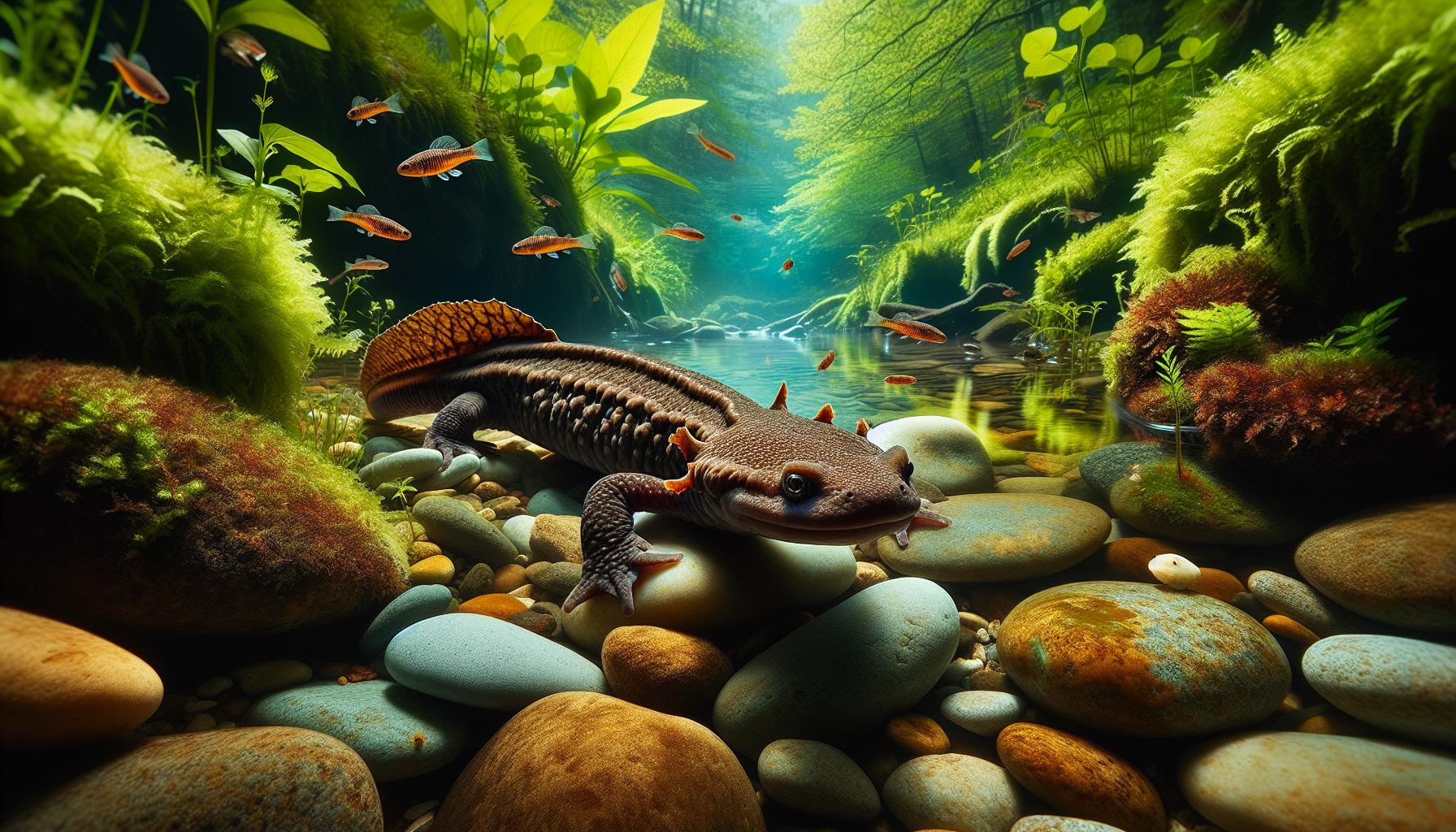
Hellbender Highlight: Unique Features and Ecology
The hellbender, regarded as North America’s largest aquatic salamander, is not just a fascinating creature; it’s a remarkable testament to the resilience of nature. These elusive giants can grow up to 29 inches long, showcasing a unique, wrinkled body that is often camouflaged against rocky riverbeds. Hellbenders boast a sleek, elongated form with a flattened body, allowing them to navigate swiftly through the water, while their large size can be intimidating. Their skin, often a brownish or grey hue, is covered with numerous folds and wrinkles, an adaptation that increases the surface area for respiration, making them highly efficient at absorbing oxygen from the water.
Ecologically, hellbenders play a crucial role in their freshwater habitats. They are opportunistic feeders, primarily consuming a diet of aquatic invertebrates, including crayfish, as well as small fish. Their presence in rivers is indicative of healthy water quality, as they are sensitive to pollution and habitat degradation. Conservation efforts are paramount, especially as these creatures are facing significant threats from habitat loss, pollution, and climate change. In ensuring clean waterways, we not only protect hellbenders but also numerous other species that share their ecosystems.
For those interested in keeping a hellbender, it’s essential to replicate their natural environment closely. A spacious aquarium or habitat with appropriate water quality is vital, considering their preference for cool, clean, flowing water. Ample hiding spots made from rocks and logs will create a secure space for these creatures, reflecting their natural tendency to seek shelter in crevices and underwater environments. Maintaining a stable temperature and ensuring clean conditions will promote a healthy life for these magnificent salamanders, allowing you to appreciate their unique beauty and ecological importance firsthand.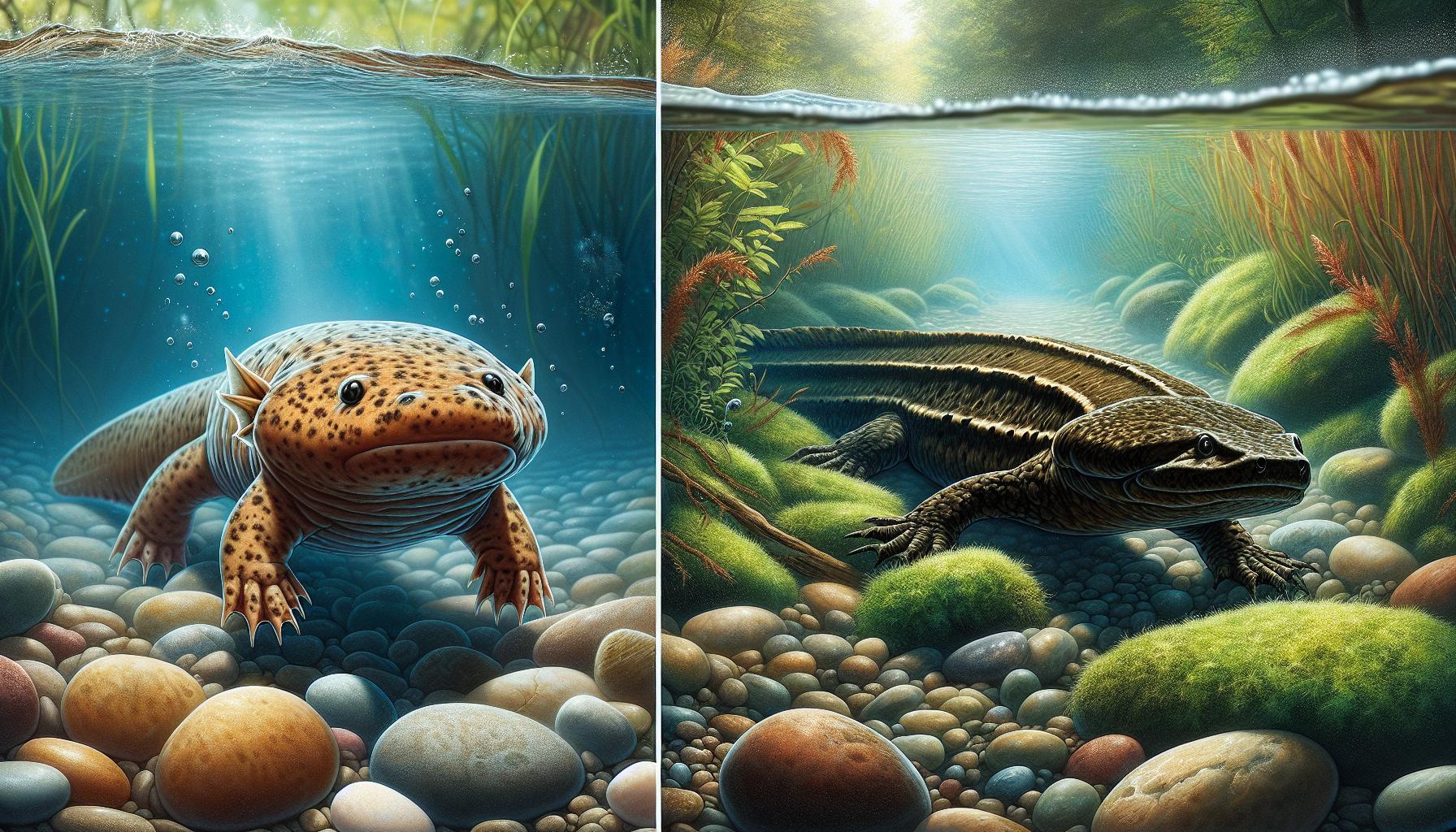
Comparative Anatomy: Mudpuppy vs. Hellbender
The mudpuppy and the hellbender are two captivating aquatic salamanders that not only intrigue wildlife enthusiasts but also serve important ecological roles. While both are amphibians thriving in freshwater environments, their physical characteristics and adaptations set them apart. The mudpuppy (Necturus maculosus) contrasts sharply with the hellbender (Cryptobranchus alleganiensis alleganiensis) in both size and morphology.
At first glance, the most noticeable difference is size. Hellbenders can grow up to a daunting 29 inches in length, making them the largest aquatic salamander in North America. In contrast, mudpuppies are relatively smaller, averaging around 8 to 15 inches. Despite their smaller stature, mudpuppies are known for their vibrant, spotted skin that can vary in color from gray to brown, providing excellent camouflage among the submerged rocks and debris of their habitats.
Both species possess external gills, which are particularly prominent in mudpuppies and give them their distinctive appearance. These feather-like appendages allow for effective respiration in oxygen-poor waters. However, hellbenders have evolved to utilize their skin for gas exchange due to their larger size and the associated need for greater oxygen intake. Their bodies are characterized by a wrinkled, flattened form, which enhances the surface area for oxygen absorption directly from the water. This adaptation is critical, especially considering their preference for clean, fast-flowing rivers.
In terms of behavior and habitat, the two species have unique preferences. Mudpuppies are primarily nocturnal, often hiding under logs and rocks during the day in shallow waters, whereas hellbenders are more inclined to stay hidden during the day but are less restricted to shallow habitats. Hellbenders prefer deeper waters and are known to cling to large rocks for shelter.
Understanding these anatomical and behavioral differences can greatly benefit pet owners who may consider keeping either of these aquatic giants as pets. It is crucial to replicate their distinct habitat needs: mudpuppies thrive in cooler, darker environments with ample hiding spots, while hellbenders require a more spacious setup that mimics their natural flowing streams and rocky substrates. Careful consideration of these factors will ensure a healthier life for either species in captivity.
Ultimately, while both mudpuppies and hellbenders are fascinating in their own right, their differences make each uniquely adapted to their roles in the ecosystem, showcasing nature’s diversity among aquatic life.
Habitat Preferences: Where Do They Live?
In the enchanting world of aquatic salamanders, habitat plays a crucial role in their survival and behavior. The mudpuppy (Necturus maculosus) and the hellbender (Cryptobranchus alleganiensis alleganiensis) inhabit distinct aquatic environments, each finely tuned to their physiological needs and lifestyle intricacies. Mudpuppies thrive in a variety of freshwater habitats, ranging from clear lakes and rivers to more turbid and weedy streams. They are typically found lingering in shallow waters under rocks, logs, or within aquatic vegetation, providing them with abundant hiding spots to evade predators and ambush prey. This species is often drawn to areas with slower-moving waters, where they can comfortably navigate in a nocturnal lifestyle, emerging at night to forage for food.
Conversely, hellbenders exhibit a preference for deeper, fast-flowing rivers or large streams. These awe-inspiring giants utilize rocky substrates for shelter, often clinging to large stones and boulders in their dynamic environments. The hellbender’s remarkable wrinkled skin not only presents fascinating physical characteristics but greatly aids in respiration and species survival, allowing these creatures to thrive in clean, oxygen-rich waters. As ecological indicators, hellbenders are sensitive to water quality, generally favoring environments free from pollution and excessive sedimentation, making their habitat selections critical for both their health and for indicating the overall health of their aquatic ecosystems.
When considering these salamanders for an aquarium setup, replicating their natural habitats can promote well-being and longevity. For mudpuppies, consider a tank that mimics the cooler, darker, and quieter aspects of their natural environment, incorporating plenty of hiding spots with rocks and plants. For hellbenders, a spacious aquarium that emulates flowing waters, depth, and substantial rocky areas is necessary to replicate their native streams effectively. Ensuring water quality and temperature align with their specific requirements is crucial in both cases, highlighting the importance of understanding these animals’ unique habitat preferences for successful care and conservation.
Ultimately, appreciating the habitat preferences of mudpuppies and hellbenders not only enhances the enjoyment of their natural behaviors but also underscores their crucial roles in maintaining ecological balance in freshwater systems. As pet owners or wildlife enthusiasts, advocating for the protection and preservation of their natural habitats remains vital for the future of these captivating aquatic giants.
Feeding Habits: What Do They Eat?
The feeding habits of the mudpuppy and hellbender reveal not only their unique adaptations but also their crucial roles in their aquatic ecosystems. Both species, as ambush predators, rely on a diet rich in various small organisms, but they have distinct preferences that reflect their environments and hunting strategies.
Mudpuppies (Necturus maculosus) are primarily carnivorous, consuming a diverse array of prey found in their freshwater habitats. Their diet consists mainly of:
- Aquatic invertebrates: This includes insects, crustaceans, and various worms.
- Fish: Mudpuppies are known to feed on smaller fish, which they capture with their stealthy approach.
- Amphibians: Occasionally, they may consume other smaller amphibians.
These nocturnal hunters utilize their keen sense of smell and tactile gills to locate prey in murky waters, often hiding under rocks or submerged debris until an unsuspecting target comes close.
In contrast, hellbenders (Cryptobranchus alleganiensis alleganiensis) prefer a more specialized diet that hinges on their unique aquatic environment. They mainly consume:
- Stream-dwelling invertebrates: Hellbenders feed largely on crayfish, which are abundant in their fast-flowing river habitats.
- Insects: They will also eat various aquatic insects that drift by, taking advantage of the strong currents to bring potential meals within reach.
- Small fish: Like the mudpuppy, hellbenders are opportunistic and may also prey on smaller fish species.
Their remarkable ability to absorb oxygen through their skin allows them to inhabit oxygen-rich waters, where they can better thrive on their preferred diet of invertebrates and occasionally fish.
For pet owners considering either species, it’s essential to replicate their natural feeding habits to maintain their health and happiness. A balanced diet for mudpuppies can include high-quality pellets, live or frozen food such as bloodworms, and gut-loaded insects. For hellbenders, a focus on protein-rich foods, such as live crayfish or specially formulated amphibian chow, is vital. Monitoring feeding behavior can provide insights into their health while ensuring both species receive the dietary components necessary for proper growth and vitality.
Ultimately, understanding the feeding habits of these fascinating aquatic giants not only aids in responsible pet ownership but also highlights their ecological importance as predators. They play pivotal roles in controlling populations of aquatic organisms and contribute significantly to the health of their respective freshwater environments.
Lifespan and Reproduction: Life Cycle Insights
The lifespan and reproductive strategies of mudpuppies and hellbenders showcase their remarkable adaptability and biological diversity. Mudpuppies (Necturus maculosus) are known to enjoy a long lifespan, often living up to 15 years in natural environments, and even longer in captivity, where they may reach ages over 20 years. Their reproductive cycle typically takes place from late fall to spring, during which males perform elaborate courtship displays to attract females. Once paired, the female lays her eggs, which can number from 20 to over 100, often attaching them to submerged vegetation or rocky substrates. Interestingly, the eggs are left to develop independently, with no parental care involved.
In the case of hellbenders (Cryptobranchus alleganiensis alleganiensis), their lifespan mirrors that of mudpuppies, with these aquatic giants living around 30 years in the wild. Hellbenders typically breed in the late summer months, with males creating nesting sites under large rocks where females can lay their eggs. A single female can lay up to several hundred eggs, which are then guarded and cared for by the male until they hatch. This attentive paternal behavior is somewhat rare among amphibians and highlights the hellbender’s unique reproductive strategy in ensuring the survival of their offspring in sometimes chaotic river environments.
When considering these species as pets, it’s crucial to understand their potential longevity and reproductive habits. Keep in mind that maintaining stable environmental conditions is essential, particularly for breeding scenarios. Regular monitoring of water quality, temperature, and habitat structure enhances the well-being of both mudpuppies and hellbenders. If breeding is among your goals, creating appropriate nesting sites and observing changes during their mating seasons can provide fascinating insights into their life cycle. Balancing wonder for these aquatic giants with informed care choices will lead to a rewarding experience as a pet owner.
Conservation Status: Protecting Aquatic Giants
The decline of mudpuppies and hellbenders exemplifies broader ecological challenges faced by aquatic ecosystems today. Both species, while unique in their adaptability and intriguing biology, are increasingly threatened by habitat degradation, pollution, and climate change. The mudpuppy, primarily found in clean waters of rivers and lakes across Eastern North America, thrives in environments that signal biodiversity. Conversely, hellbenders, the largest salamanders in North America, are indicators of water quality, needing clean, fast-flowing rivers for survival. Their presence-or absence-can reflect the ecological health of their surroundings.
Effective conservation strategies are critical for these aquatic giants. Habitat protection efforts, including the conservation of clean waterways, are essential for maintaining the populations of mudpuppies and hellbenders. This can involve:
- Restoration Projects: Initiatives to restore natural habitats, remove barriers to fish passage, and improve water quality.
- Community Action: Engaging local communities in conservation efforts, including clean-up campaigns and educational programs about the importance of these species.
- Regulation of Pollution: Implementing and enforcing stricter regulations to reduce pollutants entering aquatic ecosystems, thus safeguarding these species’ habitats.
For pet owners, understanding the ecological significance of mudpuppies and hellbenders is essential. By supporting conservation organizations or participating in community science projects, individuals can contribute to their protection while enjoying their fascinating presence in home aquariums. Additionally, if you choose to care for a mudpuppy, creating an environment that mimics their natural habitat-complete with clean water, appropriate temperatures, and hiding places-will not only promote their well-being but also align your practices with conservation goals.
As research and conservation efforts continue to evolve, the future of these aquatic giants depends on a collective commitment from both experts and enthusiasts alike. By prioritizing biodiversity and taking active steps to protect these remarkable creatures, we ensure that generations to come can marvel at the intricate lives of mudpuppies and hellbenders.
Caring for a Mudpuppy: Tips for Pet Owners
Mudpuppies, known for their distinct appearances and fascinating behaviors, make intriguing pets for enthusiasts willing to commit to their care. Unlike other amphibians, these creatures exhibit external gills and a unique aquatic lifestyle, offering an engaging glimpse into the world of amphibian biology. To provide a healthy environment for a mudpuppy, it’s crucial to replicate their natural habitat as closely as possible.
Setting up a suitable aquarium is the first step. A tank of at least 20 gallons is recommended, providing ample space for swimming and hiding. Use a fine substrate to avoid injury and include plenty of decorations like rocks, logs, and aquatic plants to create hiding spots. Maintaining clean, dechlorinated water with a temperature range of 50-70°F is essential, as mudpuppies thrive in cooler, well-oxygenated conditions. Regular water changes and monitoring chemical levels using a water testing kit will help keep the environment stable.
Feeding your mudpuppy involves a diet rich in protein, as they are natural carnivores. High-quality pellets specifically formulated for amphibians can be supplemented with live or frozen foods, such as worms, small fish, and shrimp. Since mudpuppies are nocturnal, feeding them in the evening can stimulate natural hunting behaviors and ensure they receive the nutrition they need.
Socializing your mudpuppy is equally important, but caution is required. Adult mudpuppies can be territorial, so it is advisable to house them alone unless you have a sizeable environment to mitigate aggression. As you care for these creatures, remember they have a long lifespan-sometimes up to 15 years in captivity-so prepare for a long-term commitment. Educating yourself about their behavior and health needs, including the signs of illness, can help ensure a fulfilling experience with your unique aquatic companion.
Capturing the Hellbender: Animal Care Guidelines
Capturing a hellbender, the largest salamander in North America, demands a careful blend of respect for its natural habitat and understanding of its unique care requirements. These captivating creatures can reach lengths of up to 29 inches and are known for their distinctive, flabby bodies and remarkable ability to absorb oxygen through their skin. If you are fortunate enough to house a hellbender, it’s essential to replicate the conditions of their native streams and rivers, rich in clean, flowing water and well-oxygenated environments.
Creating an appropriate habitat for a hellbender involves selecting a spacious aquarium, ideally at least 75 gallons, to accommodate their sizable bodies and active behaviors. The tank should be designed to mimic a rocky streambed, incorporating smooth, flat stones and hides that provide refuge and security. Maintain a water temperature of 60-70°F with a slightly acidic pH range of 6.5-7.5. A strong water filtration system is crucial; hellbenders thrive in freshwater with a high oxygen content, so regular water changes are necessary to keep the environment clean.
When it comes to their diet, hellbenders are voracious carnivores, primarily feeding on aquatic invertebrates, small fish, and worms in the wild. In captivity, ensure a varied diet that includes high-quality pellets designed for amphibians, supplemented with live or frozen offerings such as earthworms, crayfish, and small fish. These salamanders are nocturnal hunters, so feeding them in the evening can encourage natural behaviors and increased activity.
It’s essential to handle hellbenders with care. Their skin is sensitive and should not be exposed to chemicals or oils from human hands; it’s best to use wet gloves or netting when interacting with them. Additionally, due to their specific habitat requirements and sensitivity to water quality, potential owners should be fully committed to maintaining optimal living conditions for these remarkable amphibians. With proper care, hellbenders can live for several decades, providing a long-term and rewarding companionship for those who appreciate their unique role in aquatic ecosystems.
Threats to Survival: Pollution and Habitat Loss
The survival of aquatic giants like the mudpuppy and hellbender is alarmingly threatened by pollution and habitat loss. Both species rely on clean, well-maintained aquatic environments, making them particularly susceptible to changes in water quality and availability. Instances of toxic runoff, heavy metals, and agricultural pesticides find their way into rivers and lakes, creating hostile environments that can lead to significant health problems for these creatures. For example, studies have shown that pollutants can disrupt the endocrine systems of amphibians, leading to reproductive failures and increased mortality rates.
Habitat loss is another dire concern, primarily driven by urbanization, land development, and dam construction. The fragmentation of their natural habitats disrupts migratory patterns, reduces breeding grounds, and limits access to clean water. Mudpuppies, which thrive in lakes and rivers, often find their homes encroached upon by construction, while hellbenders require specific rocky environments for breeding and protection. The destruction of these habitats not only jeopardizes their existence in the wild but hampers efforts to breed them in captivity for conservation.
Given these pressing challenges, individuals interested in keeping mudpuppies or hellbenders as pets must commit to ensuring their environments are as clean and natural as possible. Regular water testing, the use of dechlorinated water, and mindful sourcing of live food can significantly minimize the impact of pollutants in a home aquarium. Furthermore, by supporting local conservation efforts and advocating for pollution reduction measures, pet owners can play a vital role in the survival of these remarkable species.
Understanding the gravity of these issues inspires not only responsible pet ownership but also a broader commitment to protecting our aquatic ecosystems, ensuring that future generations can appreciate these gentle giants in their natural habitats.
Cultural Significance: Folklore and Science
In the rich tapestry of American folklore and scientific exploration, both mudpuppies and hellbenders hold significant cultural and ecological importance. These fascinating amphibians not only weave tales of mystery but also serve as critical indicators of environmental health. The mudpuppy, known for its vibrant colors and unique vocalizations, has earned its place in local legends, often depicted as a mystical creature that bridges the realms of land and water. Its name derives from the mistaken belief that it can bark, leading to a variety of stories that paint it as a creature of the night, lurking beneath rocks and logs, invoking curiosity and wonder among those who share its habitat.
Conversely, the hellbender, the largest salamander in North America, has garnered attention beyond legend for its ecological role. Revered by some tribal communities as a spiritual entity, the hellbender symbolizes the health of freshwater ecosystems. The decline in hellbender populations serves as a warning; these creatures thrive only in clean, flowing waters. Their presence or absence can signal the overall quality of the aquatic environment, drawing a critical connection between cultural reverence and scientific observation.
Scientific Insights and Conservation
From a scientific perspective, understanding the life cycles and behaviors of these aquatic giants is essential for their conservation. Both mudpuppies and hellbenders are sensitive to pollution and habitat changes, making them vital subjects in ecological research. For pet owners, appreciating the delicate balance of these species’ ecosystems can influence responsible ownership practices.
When creating a suitable habitat for a pet mudpuppy or hellbender, consider the following:
- Water Quality: Regular testing for pollutants and maintaining appropriate temperatures are crucial.
- Natural Environment: Mimic their natural habitats by incorporating rocks, logs, and plants.
- Diet: Offer a varied diet mimicking their natural food sources to ensure health and vitality.
By learning and respecting these creatures, pet owners can contribute to the broader efforts of conservation, ensuring that such intriguing species continue to thrive for generations to come. The interplay between folklore and scientific inquiry enriches our understanding of mudpuppies and hellbenders, creating a compelling narrative about the importance of protecting their aquatic environments.
Future of Aquatic Giants: Research and Conservation Efforts
The resilience and adaptability of mudpuppies and hellbenders make them fascinating subjects for ongoing research and conservation efforts. Both species serve as vital indicators of aquatic ecosystem health, reflecting the impacts of pollution, habitat degradation, and climate change on their environments. Understanding the intricacies of their life cycles and behaviors is crucial for developing effective conservation strategies that can ensure their survival for future generations.
Research initiatives are increasingly focused on habitat restoration and pollution mitigation. For instance, studies have shown that restoring riparian zones-vegetated areas near rivers and streams-can significantly enhance the quality of habitats for both mudpuppies and hellbenders. These zones act as buffers, absorbing pollutants and providing crucial cover and breeding sites. Citizens can play an essential role in these efforts by participating in local clean-up events, advocating for responsible land use, and supporting legislation aimed at protecting freshwater resources.
For pet owners considering a mudpuppy or hellbender, education about these species’ ecology is vital. Providing a habitat that closely mimics their natural conditions not only supports their health but also contributes to broader conservation efforts. Owners should invest in high-quality filtration systems to maintain water purity and emulate natural environments by including plants, rocks, and logs, creating a sanctuary that reflects an ecosystem in balance.
Additionally, documenting observations and sharing them with local conservation organizations can help researchers gauge population health and habitat conditions. By engaging in citizen science, pet owners can directly contribute to the data collection needed for monitoring these aquatic giants. Through combined efforts-from scientific research to community-driven initiatives-both mudpuppies and hellbenders can continue to thrive in their natural habitats, reinforcing the interconnectedness of healthy ecosystems and responsible stewardship.
Faq
Q: What is the primary habitat difference between mudpuppies and hellbenders?
A: Mudpuppies predominantly inhabit lakes, rivers, and swamps across eastern North America, often residing among rocks and logs. In contrast, hellbenders thrive in fast-flowing, clean rivers and streams, often hiding under large boulders, favoring high-oxygen environments. Understanding their habitats is crucial for conservation efforts.
Q: How do the diets of mudpuppies and hellbenders differ?
A: Mudpuppies are opportunistic feeders, primarily consuming insects, small fish, and crustaceans. Hellbenders, however, mainly feed on aquatic insects and small fish, relying on their ability to ambush prey. Their dietary preferences highlight their adaptations to different environments and feeding strategies.
Q: What are the key anatomical differences between mudpuppies and hellbenders?
A: Mudpuppies possess external gills and a flattened body adapted for a bottom-dwelling lifestyle, while hellbenders have a robust, elongated body, smooth skin, and large, internal gills, aiding respiration in rivers. These anatomical traits reflect their unique ecological roles and habitats.
Q: How do the lifespans of mudpuppies and hellbenders compare?
A: Mudpuppies can live up to 15 years in captivity, while hellbenders typically have a shorter lifespan of around 30 years in the wild. Their differing lifespans can influence conservation strategies and the management of their respective populations.
Q: Why are mudpuppies and hellbenders considered important to their ecosystems?
A: Both species play critical roles in maintaining aquatic ecosystems. Mudpuppies help control insect populations, while hellbenders contribute to nutrient cycling by preying on invertebrates. Their presence indicates ecosystem health, making their conservation vital.
Q: What threats do mudpuppies and hellbenders face in their natural habitats?
A: Both species are threatened by habitat loss, pollution, and climate change. Mudpuppies are particularly vulnerable to pollution in slower-moving waters, while hellbenders are endangered by siltation and diminished water quality in rivers. Addressing these threats is essential for their survival.
Q: Can mudpuppies and hellbenders be kept as pets, and what are the care requirements?
A: Mudpuppies can be kept as pets with proper care, requiring a spacious aquarium with clean water and hiding spots. Hellbenders, being more challenging to maintain due to their size and habitat needs, are less commonly kept. Potential owners should thoroughly research care requirements before acquiring either species.
Q: How do mudpuppies and hellbenders communicate, and what sounds do they make?
A: Mudpuppies are known for their vocalizations, which can resemble squeaks or grunts, making them one of the few salamanders that produce sounds. Hellbenders typically communicate through body language and pheromones, as they do not vocalize. Understanding their communication can enhance comprehension of their behaviors.
Wrapping Up
As we wrap up our deep dive into “Mudpuppy vs hellbender: Which Aquatic Giant Reigns Supreme?”, you now hold a wealth of knowledge about these fascinating creatures and their unique habitats. Whether you’re captivated by the mudpuppy’s playful nature or the hellbender’s impressive size, these amphibians serve as excellent reminders of the biodiversity in our aquatic ecosystems. Don’t miss the chance to explore more about their care and conservation by checking out our articles on amphibian habitats and care tips for aquatic pets.
Feeling inspired? Dive deeper into the world of aquatic life by subscribing to our newsletter for the latest updates and insights. And if you have any questions or want to share your thoughts, drop a comment below – we love hearing from you! Keep navigating through our site to discover even more about the incredible world of wildlife, and remember, your next adventure starts with just one click!


