


Groundhogs, also known as woodchucks, are intriguing creatures often celebrated for their weather-predicting antics on Groundhog Day. But beyond their cultural significance, understanding what these large rodents eat is crucial for their health and well-being. Proper nutrition not only supports their growth but also affects their behavior and longevity in captivity or when caring for them as pets.
As a pet owner or wildlife enthusiast, knowing which foods are safe and which can be harmful is essential to ensure that groundhogs thrive. From fresh greens to potential toxins in common household items, this comprehensive guide will help you navigate the dos and don’ts of their diet, fostering a deeper connection with these fascinating animals. Keep reading to learn more about creating a balanced diet that meets their nutritional needs while keeping them safe and healthy.
Contents
- 1 What Do Groundhogs Naturally Eat?
- 2 Understanding Groundhog Dietary Needs
- 3 Safe Fruits and Vegetables for Groundhogs
- 4 Nuts and Seeds: Groundhog Favorites
- 5 Common Unsafe Foods for Groundhogs
- 6 Feeding Groundhogs: Dos and Don’ts
- 7 Supplementing a Groundhog’s Diet: Best Practices
- 8 How Often Should Groundhogs Be Fed?
- 9 Groundhog Feeding Behavior: Natural Instincts
- 10 Understanding Groundhog Digestive Health
- 11 Adapting Groundhog Diet for Captivity
- 12 Wild vs. Pet Groundhogs: Dietary Considerations
- 13 Q&A
- 14 To Conclude
What Do Groundhogs Naturally Eat?
Groundhogs, also known as woodchucks, are fascinating creatures with a remarkably varied diet that reflects their adaptability in the wild. Primarily herbivores, these rodents thrive on a rich assortment of plant materials, which not only sustains them but also plays a critical role in their local ecosystems. Groundhogs naturally feast on a medley of fruits, vegetables, greens, and other plant-based items readily available in their habitats. This diverse diet enables them to adapt to different seasonal changes, ensuring they have the nutrients necessary for healthy growth and development.
A keen forager, the groundhog indulges in a wide spectrum of plants, from tender leafy greens to crunchy roots. They particularly enjoy clover, dandelions, and alfalfa, which are commonly found in their grassy habitats. Groundhogs are also known to munch on a variety of vegetables like carrots, peas, and corn when the opportunity arises. They should be treated with respect in their natural habitats, as their foraging contributes to soil aeration and the dispersal of seeds, supporting widespread plant growth.
Moreover, seasonality significantly impacts what groundhogs consume. During spring and summer, they feast on abundant leafy greens and blossoms. As fall approaches, their diet shifts to include more grains and seeds, as they prepare for winter by accumulating fat reserves. Understanding this natural diet not only provides insights into groundhog behavior but also serves as a guiding principle for those caring for them in captivity, ensuring that their dietary needs are met with appropriate and nutritious offerings.
While many animal lovers may find it tempting to feed groundhogs in their yards, it’s crucial to remember that their health thrives best when they forage naturally. Feeding wild groundhogs can create dependency on human-provided food sources, which may disrupt their natural behaviors and lead to health issues. Observing these remarkable animals in their true element can be a captivating experience, allowing us to appreciate their role in nature while fostering a respectful distance.
Understanding Groundhog Dietary Needs
Groundhogs are not just cute, burrowing creatures; they possess a remarkable adaptability when it comes to their diet. Understanding their dietary needs is integral to appreciating their role in the ecosystem and ensuring their health, particularly for those caring for them in captivity. Native to North America, these herbivorous rodents primarily consume a diverse array of plants, demonstrating a natural penchant for foraging. Their diet, characterized by a preference for fresh vegetation, is crucial not only for their sustenance but also for the well-being of their habitats.
The principle of dietary necessity for groundhogs involves an instinctive drive to consume a variety of nutrient-dense foods. In an ideal setting, they thrive on grasses, legumes, fruits, and vegetables. Some of their favorites include clover, dandelions, and alfalfa, especially during the lush growth of spring and summer. As groundhogs prepare for winter, their caloric intake shifts to include more seeds and grains to build fat reserves. This behavioral adaptation showcases their evolutionary strategy to store energy in times of scarcity, reflecting a complex understanding of their environmental cues.
For those observing groundhogs in the wild or caring for them as pets, it’s vital to replicate their natural dietary habits as closely as possible. This means providing a mixture of leafy greens alongside seasonal fruits and vegetables. However, caution should be exercised with regards to the foods offered. Not all human foods are suitable; items high in sugar or processed ingredients can lead to serious health issues.
Recognizing the importance of a balanced diet involves not only the variety of food but also understanding groundhog digestive health. These animals are equipped for a high-fiber diet, relying on their digestive systems to efficiently process roughage. Owners should be aware of the signs of digestive distress, such as lethargy or changes in droppings, which might indicate dietary issues or health problems. In sum, a proper understanding of groundhog dietary needs not only enhances their quality of life but ensures that they remain healthy and active, fulfilling their important ecological role while thriving in their surroundings.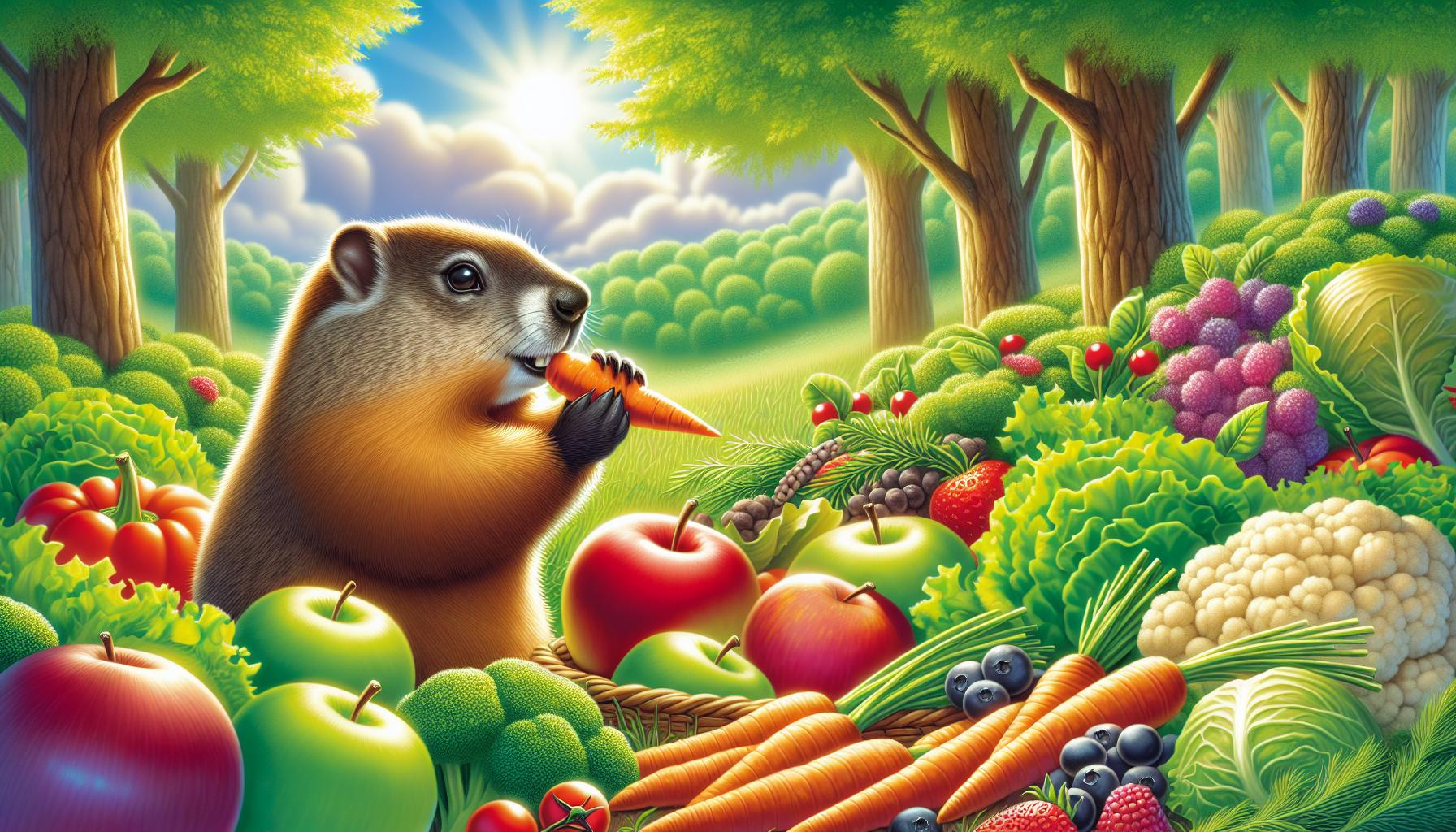
Safe Fruits and Vegetables for Groundhogs
Groundhogs, with their burrowing habits and charismatic charm, are primarily herbivorous creatures that thrive on a varied diet of plant matter. When contemplating what fruits and vegetables are safe for these delightful rodents, it’s crucial to focus on their natural preferences while ensuring their health and well-being. In the great outdoors, groundhogs instinctively forage for the freshest greens, vibrant fruits, and crunchy vegetables, which provide essential nutrients for their active lifestyles.
A selection of safe fruits for groundhogs includes staples like apples and pears, which can be offered in moderation due to their higher sugar content. Groundhogs will also enjoy berries, such as strawberries and blueberries, which are rich in antioxidants. When it comes to vegetables, leafy greens are always a hit. They particularly enjoy kale, romaine lettuce, and dandelion greens. Other safe options include carrots, zucchini, and bell peppers, which not only provide essential vitamins but also a satisfying crunch that mimics their wild foraging habits.
Fruits Groundhogs Can Enjoy
- Apples (sliced, seeds removed)
- Pears (sliced, seeds removed)
- Strawberries
- Blueberries
- Raspberries
Vegetables for Groundhogs
- Kale
- Romaine lettuce
- Dandelion greens
- Carrots
- Zucchini
- Bell peppers
When incorporating fruits and vegetables into a groundhog’s diet, it is essential to wash them thoroughly to remove any pesticides or harmful residues. Offering these foods in small portions allows groundhogs to experience new tastes without overwhelming their sensitive digestive systems. Additionally, the vibrant colors and varied textures of fruits and vegetables can stimulate their natural foraging instincts, keeping their minds engaged and promoting a healthy lifestyle.
In summary, a well-rounded diet for groundhogs should include a variety of safe fruits and vegetables, encouraging them to thrive both physically and mentally. By offering this nutritious selection, you not only delight these creatures but also play a role in their longevity and overall health.
Nuts and Seeds: Groundhog Favorites
Groundhogs are not just adorable garden visitors; they are also opportunistic foragers with a keen taste for nuts and seeds. While primarily herbivorous, these creatures relish the crunch and richness of various seeds and nuts, which serve as excellent sources of nutrients and energy. In the wild, groundhogs might scavenge nuts that have fallen from trees, instinctively recognizing their nutritional value, particularly in late summer and fall when these food sources become abundant.
In terms of favorites, groundhogs tend to enjoy a variety of nuts and seeds including sunflower seeds, pumpkin seeds, and acorns. Sunflower seeds, for example, are a popular treat due to their high fat content, which provides essential energy for these animals as they prepare for hibernation. Similarly, pumpkin seeds are not only nutritious but also provide a delightful crunch that groundhogs find irresistible. Acorns, meanwhile, offer both a satisfying taste and the seasonal sustenance needed before they burrow underground for winter.
When incorporating nuts and seeds into a groundhog’s diet as supplemental treats, moderation is key. Overindulgence can lead to obesity and digestive issues given the higher fat content in these foods. It’s advisable to offer these treats sparingly to maintain a balanced diet that leans heavily on their preferred greens and vegetables. Always ensure that any nuts provided are unsalted and free from additives, keeping in mind that some nuts, such as almonds, may be hard for groundhogs to digest and should be avoided.
Feeding groundhogs in a controlled manner, especially in a domesticated or captivity setting, is crucial. Ensuring they have access to their natural forage, alongside a few select seeds and nuts, will not only satisfy their cravings but also promote their overall health. Therefore, understanding the right varieties and appropriate quantities of nuts and seeds can create a harmonious balance, enriching their diet while respecting their natural tendencies.
Common Unsafe Foods for Groundhogs
Groundhogs, those charming creatures often seen roaming through gardens, may appear to have a simple diet, but the reality is that not all foods are safe for them. Understanding which foods can be harmful is crucial for their health and well-being. While groundhogs are primarily herbivorous, certain items can trigger adverse reactions, making it essential for pet owners and wildlife enthusiasts to be informed.
One of the most notable unsafe foods for groundhogs is cooked beans. Although beans are often a source of protein for many animals, cooked varieties can lead to gastrointestinal disturbances in groundhogs due to their complex carbohydrate content. Similarly, potatoes, especially raw or green ones, contain solanine, a toxin that can be harmful if ingested. Groundhogs should also be kept away from onions and garlic, as these can cause oxidative damage to their red blood cells, resulting in anemia.
Equally problematic are certain fruits and vegetables that may seem nutritious. Rhubarb leaves contain high levels of oxalic acid, which can disrupt the calcium balance in their bodies, ultimately leading to kidney failure. Other backyard staples like cabbage and broccoli should be given cautiously; while they are not toxic, they can cause excessive gas, discomfort, and bloating in groundhogs if fed in large amounts.
When feeding groundhogs, it’s also important to avoid processed foods, such as those high in sugar or salt. Foods like bread and chips can lead to obesity and other health issues, disrupting their natural diet consisting of fresh grasses, fruits, and vegetables. A good rule of thumb is to stick to a diet rich in leafy greens and safe fruits, avoiding anything that has additives or preservatives.
In summary, ensuring that groundhogs eat safe, natural foods is a key component of their care. By steering clear of the hazardous options highlighted above, you’ll be promoting a healthier lifestyle for these captivating animals while avoiding unnecessary health risks.
Feeding Groundhogs: Dos and Don’ts
Groundhogs are delightful creatures known for their burrowing habits and, of course, their penchant for munching on garden goodies. However, understanding what constitutes a proper diet for these furry foragers is essential not only for their health but also for maintaining harmony in your garden. Feeding groundhogs requires a thoughtful approach with an emphasis on what foods promote their well-being and what foods could create digestive distress or, worse, toxicity.
Dos for Feeding Groundhogs
- Prioritize Fresh Greens: Offer a variety of leafy greens such as dandelion greens, collard greens, and romaine lettuce. These provide essential nutrients and hydration.
- Incorporate Safe Fruits: Fruits like apples (without seeds), pears, and strawberries can be great treats. These should be given in moderation due to their sugar content.
- Explore Vegetables: Safe vegetables include carrots, bell peppers, and zucchini. These are not only enjoyed by groundhogs but also contribute to a balanced diet.
- Maintain Portion Control: Introduce new foods gradually and in small quantities to prevent digestive upset and to monitor their reactions.
Don’ts for Feeding Groundhogs
- Avoid Toxic Foods: Completely steer clear of cooked beans, potatoes, onions, garlic, and rhubarb leaves. These can cause serious health issues.
- No Processed Foods: Resist the urge to feed groundhogs snacks intended for humans, such as bread, chips, or items high in sugars and salts.
- Say No to Overfeeding: Groundhogs have a natural instinct to overeat when food is abundant, so it’s important to avoid excess treats to prevent obesity.
- Do Not Replace Wild Diets: While a captive groundhog may rely on you for nourishment, they still have a natural instinct to forage, so incorporate elements of wild diets by introducing a variety of textures and flavors.
By adhering to these dos and don’ts, you’ll ensure that your interactions with these charming rodents are beneficial, meaning happier groundhogs and a healthy relationship with the wildlife inhabiting your garden. Remember, providing a balanced diet enhances their natural behaviors while keeping their essential foraging instincts alive.
Supplementing a Groundhog’s Diet: Best Practices
Supplementing a groundhog’s diet can enhance their overall health and well-being while ensuring that they maintain their natural foraging behaviors. When considering how to provide these fascinating creatures with treats alongside their main meals, it’s essential to prioritize options that are both safe and nutritious. Groundhogs are primarily herbivores, so focusing on plant-based supplements will align well with their dietary needs. Incorporating a range of fresh foraged greens, fruits, and vegetables not only caters to their taste preferences but also mimics their natural diet found in the wild.
To enrich a groundhog’s diet, introduce seasonal fruits and vegetables that are safe for them. Fresh produce such as kale, broccoli, and carrots can serve as delightful additions. However, moderation is key, as too many sugary fruits may disrupt their digestive system. Dandelion greens and clover can also be beneficial, as they are often found in their natural habitats, ensuring that the groundhogs are receiving familiar nutrients. These foods not only provide essential vitamins and minerals but also satisfy their instinctive behaviors by presenting them with varied textures and flavors.
It’s important to remember that while supplementation can be advantageous, consistency in what is offered plays a critical role. Create a feeding schedule that allows groundhogs to discover and explore their food, stimulating their natural foraging instincts. This engagement can promote mental health and well-being, reducing stress in captivity. By providing a variety of options and rotating treats regularly, you keep their interest piqued while preventing dietary boredom.
Moreover, always be cautious of potential allergens or new foods that could cause digestive upset. When introducing a new supplement, monitor for any adverse reactions and adjust accordingly. This attentive approach guarantees that the groundhog thrives, reinforcing the delicate balance between wild instincts and a secure environment.
How Often Should Groundhogs Be Fed?
Groundhogs, also known as woodchucks, are fascinating creatures that rely on a consistent feeding schedule to maintain their health and energy levels. In the wild, these herbivorous mammals typically graze throughout the day, consuming a variety of plant materials. Understanding their feeding habits is vital for anyone looking to care for them in captivity or observe them in their natural habitats.
To support the nutritional needs of groundhogs, it’s recommended to feed them two to three times a day. This schedule allows them to mimic their natural behavior of foraging intermittently, which not only caters to their dietary requirements but also stimulates their instincts. Providing fresh foods such as leafy greens, vegetables, and occasional fruits during these feeding sessions can keep their diet varied and healthy. It’s also essential to factor in the size and age of the groundhog; younger or smaller individuals may require more frequent feedings to sustain their growing bodies, while older, larger groundhogs might be satisfied with fewer meals.
In terms of portion size, be mindful that groundhogs have a relatively small stomach capacity. Overfeeding can lead to digestive issues and obesity, which can significantly affect their overall health. Instead of offering a large amount at once, consider providing smaller portions and refreshing their food containers to maintain freshness and encourage natural foraging behaviors. Monitor their eating habits closely; if they consistently leave food uneaten, this may indicate that portions are too large or that they might not enjoy certain items.
Lastly, keep in mind that while their wild counterparts must adjust to seasonal changes in food availability, captive groundhogs rely on their caregivers to provide a stable diet year-round. Hence, flexibility is crucial when selecting foods based on seasonal accessibility while ensuring they receive a balanced diet. By establishing a thoughtful feeding routine, you not only support your groundhog’s health but also enrich their life, allowing them to thrive by staying connected to their natural behaviors.
Groundhog Feeding Behavior: Natural Instincts
Groundhogs are not just adorable furry creatures; they are also adept foragers finely tuned to their environments. These animals exhibit fascinating feeding behaviors that showcase their instincts as opportunistic eaters. In the wild, groundhogs spend a significant portion of their day grazing, using their keen senses to detect and select various plants. Their diet mainly consists of grasses, clovers, dandelions, and other leafy greens, reflecting their herbivorous nature. However, they are known for being versatile eaters, occasionally indulging in fruits, vegetables, and even insects when available.
Understanding their natural instincts can greatly enhance their care in captivity. Groundhogs typically graze intermittently, reflecting their need for frequent access to food throughout the day. Ideally, pet owners can replicate this behavior by providing meals two to three times daily. To optimize their foraging instincts, offering a variety of safe foods during these feeding sessions promotes natural behavior. This not only helps maintain their physical health but also keeps them mentally stimulated, reducing potential boredom and stress.
Moreover, groundhogs have unique preferences formed by their natural habitats. They favor plants abundant in their environment, which may vary by season. For instance, during spring, young shoots and flowers are particularly enticing, while summer could bring ripe garden produce into their diets. Recognizing and accommodating these natural instincts can be beneficial for anyone caring for captive groundhogs. By embracing their foraging behavior and offering a diverse menu, pet owners can ensure their groundhogs thrive physically and emotionally, enjoying a quality of life that mirrors their wild counterparts.
In summary, the dietary habits of groundhogs are intricately linked to their natural instincts. By catering to these behaviors through a thoughtfully curated diet, caregivers can nurture healthy and happy groundhogs, whether in the wild or in captivity. Understanding these instincts is essential for replicating an environment that fulfills their needs and enriches their lives.
Understanding Groundhog Digestive Health
The complex digestive system of groundhogs reflects their herbivorous diet and their need to extract nutrients efficiently from various plant materials. With a gastrointestinal tract designed for processing tough fibers found in grasses and leafy greens, understanding the ins and outs of their digestive health is crucial for ensuring these charming rodents thrive in captivity. Groundhogs possess a cecum, a specialized part of their large intestine, which houses bacteria that help ferment and break down cellulose from plant matter, thereby playing a pivotal role in digestion. This unique adaptation allows them to maximize nutrient absorption from a largely fibrous diet.
Groundhogs demonstrate a natural instinct to consume a diet high in roughage, which not only helps them meet their nutritional requirements but also supports their digestive health. Timely grazing behavior is essential; when housed in captivity, owners should provide a continuous supply of fresh hays or fibrous vegetables, such as carrots and leaves. It is also beneficial to introduce high-quality pellets formulated for herbivores, which can offer balanced nutrition. However, pet owners must be cautious about sudden dietary changes, as groundhogs have sensitive digestive systems that can lead to gastrointestinal distress if introduced to new foods abruptly.
A well-rounded diet for groundhogs should be low in fats and sugars while being rich in fiber to ensure smoother digestion. Certain fruits and vegetables can be offered as occasional treats, but it is essential to monitor their effects on digestion and avoid overindulgence. Foods high in starch-like corn-may disrupt their digestive processes and should be limited. Signs of digestive upset, such as lethargy, reduced appetite, or diarrhea, require immediate attention. In such cases, consulting a vet experienced in exotic or small animal care can provide the needed guidance for rectifying dietary imbalances.
Ultimately, nurturing a healthy digestive system for groundhogs involves a careful balance of their natural dietary needs and understanding how their bodies process food. By providing a varied yet controlled diet that emphasizes fibrous content, owners can contribute significantly to their overall health and well-being. Regular veterinary check-ups can further assist in monitoring digestive health and preemptively addressing any emerging concerns.
Adapting Groundhog Diet for Captivity
Groundhogs, or woodchucks, are fascinating creatures with intricate dietary needs that reflect their wild foraging habits. In captivity, adapting their diet requires a thoughtful approach to replicate their natural feeding behavior as closely as possible. While groundhogs thrive on a primarily herbivorous diet in the wild, incorporating a variety of safe, affordable plant-based foods is crucial for maintaining their health and well-being in a domestic setting.
To create a balanced diet for groundhogs in captivity, it’s essential to focus on providing high-fiber foods that mimic their natural consumption patterns. Fresh hay, particularly timothy or orchard grass, should be the cornerstone of their diet as it aids in digestion and helps keep their teeth worn down-a crucial aspect of preventing dental issues common in rodents. Additionally, an assortment of leafy greens like kale, dandelion greens, and romaine lettuce can be offered daily to fulfill their nutritional needs while adding variety to their meals.
Introducing Fruits and Vegetables
Fruits and vegetables can complement a groundhog’s diet, but moderation is key. Options such as carrots, bell peppers, and squash provide essential vitamins and minerals. However, ensure fruits are kept to an occasional treat due to their higher sugar content. Items like apples and berries can delight their palates without overwhelming their digestive systems, allowing for a balanced intake of nutrients.
Avoiding Unsafe Foods
While it may be tempting to introduce a wide range of foods, certain items must be strictly avoided to ensure the health and safety of captive groundhogs. High-starch foods, such as bread and corn, can disrupt their gastrointestinal balance. Additionally, toxic plants like rhubarb and potatoes should never be included in their diet, as they can cause severe health issues.
When transitioning a groundhog to a new diet, begin gradually to avoid digestive upset. Introduce one new food at a time, allowing the groundhog’s body to adjust. Monitor their eating habits and consult a veterinarian specializing in exotic animals to tailor their diet further depending on individual health needs.
In conclusion, adapting a groundhog’s diet for captivity requires a delicate balance of fresh, fibrous foods, occasional fruits, and a keen awareness of what should be avoided. By replicating their wild dietary habits as closely as possible, owners can ensure their groundhogs remain happy, healthy, and thrive in a domestic environment.
Wild vs. Pet Groundhogs: Dietary Considerations
Groundhogs, often seen as adorable backyard inhabitants, showcase a remarkable adaptability in their diet, which varies significantly between their wild and captive environments. In the wild, groundhogs maintain a diet primarily composed of wild grasses, herbs, and plants, but when they are kept as pets, their dietary needs must be carefully curated to mimic these natural instincts while avoiding harmful foods. Understanding these dietary considerations is essential for providing optimal care and ensuring the well-being of pet groundhogs.
In their natural habitat, groundhogs forage extensively, consuming a wide variety of plants and vegetables, including clover, dandelion leaves, and various fruits during the warmer months. This diet not only provides the necessary nutrients but also allows them to engage in their instinctual behaviors, such as burrowing and foraging. In contrast, pet groundhogs rely on humans for sustenance, necessitating a balanced diet that replicates their wild intake. Fresh hay is crucial as it supports digestive health and helps maintain their teeth, while leafy greens like kale and dandelion greens should be introduced regularly as staple components of their meals.
To fill the nutritional gaps while keeping their dietary regimen interesting, pet groundhog owners can introduce safe fruits and vegetables. Snacks like carrots, zucchini, and bell peppers can enhance their diet but should be offered in moderation due to their higher sugar content. Avoiding dangerous foods is equally important; for instance, starchy items such as corn and bread can lead to obesity and digestive problems. Instead, focusing on a diverse array of safe, high-fiber foods helps replicate the groundhog’s natural foraging habits, promoting both physical health and mental stimulation in a captive environment.
Ultimately, bridging the gap between wild and domestic diets is key for pet groundhogs. By providing a mix of fresh hay, safe vegetables, and the occasional treat, pet owners can create a feeding routine that respects their natural instincts while ensuring health and vitality. This thoughtful approach not only cultivates a strong bond between pet and owner but also fosters an enriching environment where groundhogs can thrive.
Q&A
Q: What fruits are safe for groundhogs to eat?
A: Groundhogs can safely enjoy a variety of fruits, including apples, berries, and melons. These fruits provide essential vitamins and hydration. However, moderation is key, as too much sugar can harm their health. For more insights on safe fruits, check the “Safe Fruits and Vegetables for Groundhogs” section.
Q: Are vegetables a part of a groundhog’s diet?
A: Yes, groundhogs thrive on a range of vegetables, such as carrots, greens, and squash. These foods offer vital nutrients and support their digestive health. Always wash vegetables before offering them, and slice them into manageable pieces.
Q: Can groundhogs eat nuts?
A: Groundhogs can eat nuts in small amounts, with favorites being walnuts and almonds. Nuts are high in fat, so they should be treats rather than staples in their diets. For more about their dietary preferences, see the “Nuts and Seeds: Groundhog Favorites” section.
Q: What foods should groundhogs avoid?
A: Groundhogs should steer clear of processed foods, sugary treats, and toxic plants like nightshade and onions. These can cause digestive issues or toxicity. Refer to the “Common Unsafe Foods for Groundhogs” section for a comprehensive list.
Q: How can I tell if a groundhog is overfed?
A: Signs of overfeeding in groundhogs include lethargy, obesity, and digestive problems. It’s essential to monitor their weight and activity levels. Offer diverse foods in moderation to meet their dietary needs without overindulgence.
Q: Can I feed groundhogs bread or grains?
A: While groundhogs can occasionally eat bread or grains, these should not be primary food sources. Opt for whole-grain options and limit the quantity to prevent digestive issues. For best practices, see the “Feeding Groundhogs: Dos and Don’ts” section.
Q: How often should a groundhog be fed?
A: Groundhogs typically need to eat daily, with their diet consisting of fresh vegetables, fruits, and some nuts. Regular feeding times help establish a routine. For more on frequency, check the “How Often Should Groundhogs Be Fed?” section.
Q: Is it safe to feed groundhogs human food leftovers?
A: It’s generally not safe to feed groundhogs human food leftovers, as many contain salt, preservatives, or other harmful ingredients. Stick to natural, unprocessed foods to ensure their health. For a complete guide, see the “Feeding Groundhogs: Dos and Don’ts” section.
To Conclude
Understanding what groundhogs can safely eat is essential for responsible pet ownership and wildlife appreciation. By distinguishing between safe and unsafe foods, you can ensure these fascinating creatures thrive in their environments. Remember, providing a balanced diet rich in fruits, vegetables, and grains is not just about nutrition; it’s about fostering their natural behaviors and health.
Ready to take the next step? Explore our detailed guides on common garden pests and natural repellents to keep both your plants and wildlife safe (Tips to get rid of pesky groundhogs or learn about their habits and habitats in our wildlife section. Share your thoughts or questions in the comments below; we’d love to hear from you! For more updates, consider signing up for our newsletter, where we share tips on wildlife care and management regularly. Your journey into the enchanting world of groundhogs starts here-don’t let it end without exploring more!


