


Did you know that crocodiles have existed for over 200 million years, making them one of the oldest living species on Earth? These remarkable reptiles are not only fearsome predators but also fascinating creatures with unique behaviors that continue to surprise scientists and wildlife enthusiasts alike.
In this exploration of interesting facts about crocodiles, we’ll uncover their astonishing adaptations, dietary habits, and social behaviors. Whether you admire these powerful animals from afar or are considering their care as a pet, understanding their biology and ecology can deepen your appreciation for them. Join us as we dive into the amazing world of crocodiles, where each fact reveals a new layer of their complex existence and importance in our ecosystems.
Contents
- 1 Unique Anatomy: What Makes Crocodiles Fascinating
- 2 Crocodilian Behavior: Social Structures and Communication
- 3 Crocodile Habitats: Where They Thrive in the Wild
- 4 The Diet of a Predator: What Do Crocodiles Eat?
- 5 Reproduction and Life Cycle of Crocodiles
- 6 Adaptations: How Crocodiles Survive in Various Environments
- 7 Crocodiles vs. Alligators: Key Differences Explained
- 8 Conservation Status: Protecting Crocodiles in the Wild
- 9 Crocodiles in Popular Culture: Myths and Realities
- 10 Caring for a Pet Crocodile: Essential Tips and Guidelines
- 11 Amazing Survival Skills of Crocodiles
- 12 Curious Crocodile Facts: Surprising Tidbits You Didn’t Know
- 13 FAQ
- 14 Future Outlook
Unique Anatomy: What Makes Crocodiles Fascinating
Crocodiles are among the most fascinating creatures in the animal kingdom, boasting unique adaptations that have allowed them to thrive for millions of years. One of the most striking features of these reptiles is their incredible jaw structure. Crocodiles possess one of the strongest bites of any living animal, with a bite force that can exceed 3,700 pounds per square inch. This strength is crucial for capturing prey, which often includes species larger than themselves. Their jaws are equipped with sharp, conical teeth designed for gripping and tearing, while their elongated snouts reduce water resistance as they swim.
Another captivating aspect of crocodilian anatomy is their highly efficient respiratory system. Unlike most reptiles, crocodiles possess a unique unidirectional airflow in their lungs, allowing for more effective gas exchange. This adaptation means they can remain submerged for longer periods by utilizing their oxygen reserves efficiently. Additionally, crocodiles have a specialized heart structure that separates oxygenated and deoxygenated blood, enhancing their oxygen-carrying capabilities during both active swimming and resting phases.
Their skin is also an extraordinary feature, housing armored plates called osteoderms that provide both protection and camouflage. This tough, scaly skin accommodates a network of glands that can excrete excess salt, allowing crocodiles to thrive in brackish and saltwater environments. This adaptability showcases not only their resilience but also their evolutionary success in varying habitats.
When caring for a pet crocodile, understanding these anatomical features is crucial. A suitable habitat must mimic their natural environment, incorporating elements that allow for temperature regulation and sufficient water access for swimming and basking. Providing a diet that meets their nutritional needs while ensuring proper dental health is vital to support their powerful jaw and teeth. Observing these remarkable creatures in a well-facilitated environment can deepen appreciation for their unique biological attributes and natural behavior.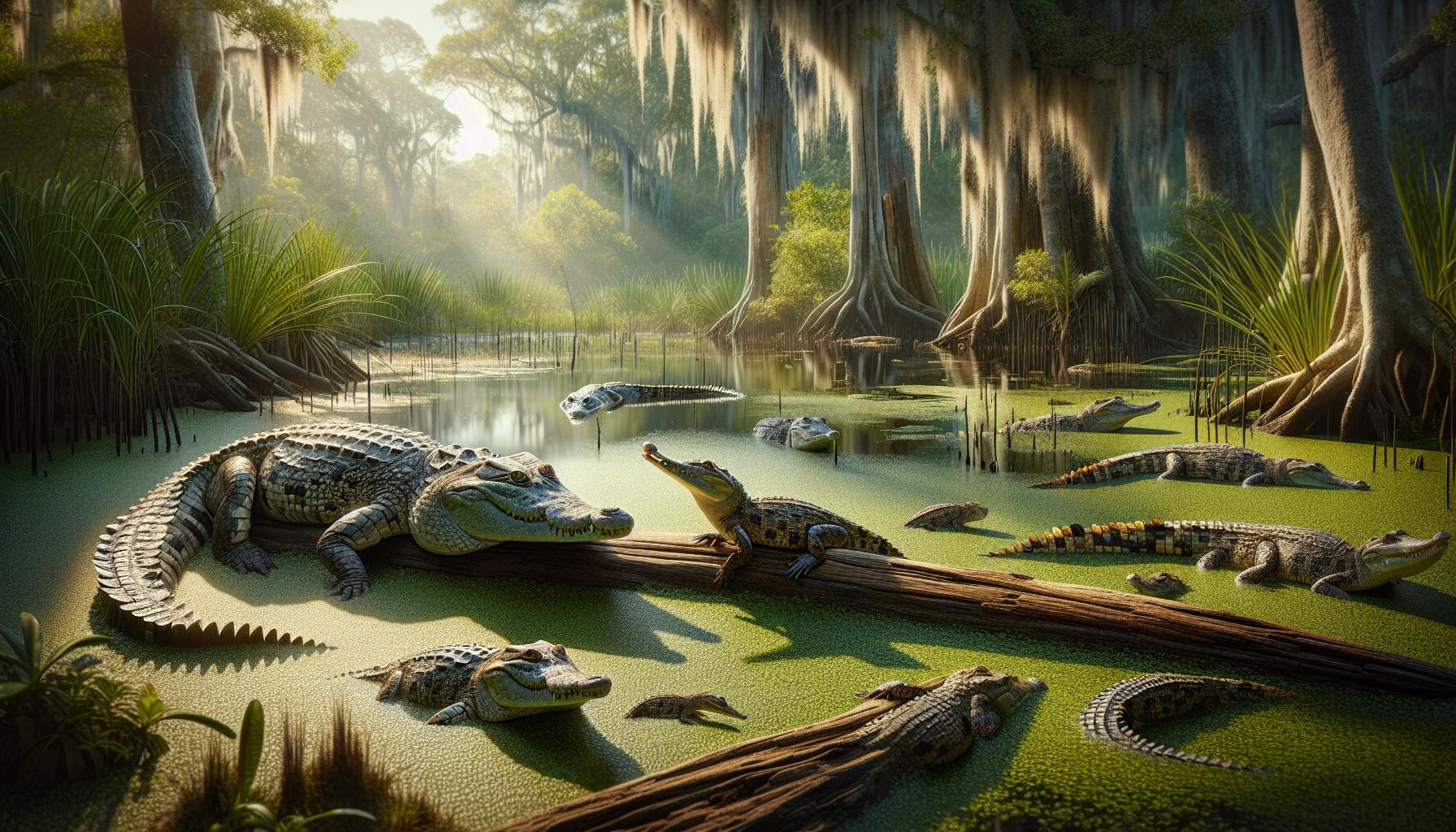
Crocodilian Behavior: Social Structures and Communication
Crocodilians exhibit a rich tapestry of social behaviors and intricate communication skills that might surprise many. These remarkable reptiles are often perceived as solitary predators, but they possess complex social structures that become especially evident during mating seasons or territorial disputes. Notably, crocodiles can form loose aggregations, especially in environments rich with resources. This behavior is not just coincidental; it plays a crucial role in their survival and reproductive success.
Communication among crocodiles is multifaceted, incorporating a range of vocalizations and body language. They commonly produce a variety of sounds, such as hissing, growling, and bellowing, which serve different purposes: establishing territory, attracting mates, or signaling distress. One fascinating aspect of their social interaction is their use of body postures combined with vocalizations to convey dominance or submission. For example, during hostile encounters, a larger male may exhibit an impressive display of body size, characterized by raised heads and opened jaws, to assert dominance over rivals and deter threats. This can often be witnessed in territorial disputes, which may involve prolonged hisses and physical confrontations where the stakes are high.
In addition to vocal and physical communication, crocodiles also engage in tactile interactions, particularly during courtship. Males may demonstrate intricate courtship rituals that include gentle nipping, nudging, or rubbing against the female. These behaviors are essential not only to establish pair bonds but also to synchronize reproductive readiness. Understanding these behaviors is vital for potential crocodile owners, especially if you’re caring for more than one. Providing ample space and hiding spots can alleviate stress during these natural interactions and promote healthier social dynamics.
As fascinating as their social structures may be, it’s crucial to promote an enriched environment when keeping crocodiles as pets. Mimicking elements of their natural habitat can encourage natural behaviors and help them thrive. Incorporating ample water for swimming, basking areas, and even structures for hiding can facilitate a healthier social environment and reduce the potential for conflict among individuals. Monitoring their interactions closely can provide valuable insights into their well-being, ensuring that their social behaviors are both safe and rewarding. Understanding the complexities of crocodilian behavior not only deepens one’s appreciation for these extraordinary animals but also enhances responsible pet ownership.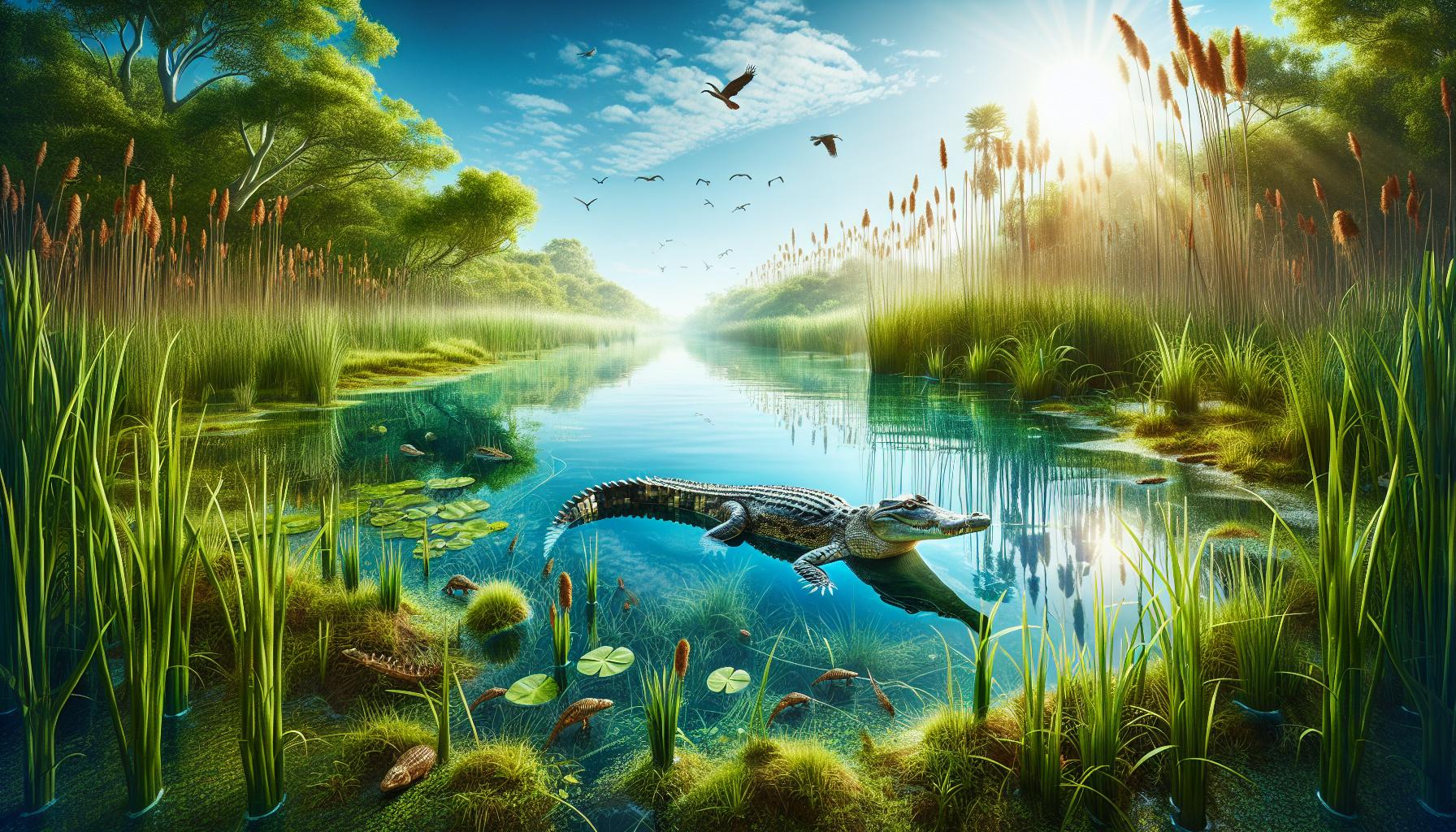
Crocodile Habitats: Where They Thrive in the Wild
Crocodiles are often seen basking in the sun on riverbanks or lurking just below the surface of water, ready to pounce on unsuspecting prey. Their habitats are as diverse as the species themselves, spanning from freshwater rivers and swamps to coastal areas and brackish waters. These remarkable reptiles thrive in environments that provide the perfect combination of water for hunting and basking spots for sunning themselves.
Crocodilians predominantly inhabit regions with abundant water sources, such as tropical and subtropical areas. For example, the American crocodile (Crocodylus acutus) can be found in the mangroves and wetlands of South Florida, where it enjoys the relative warmth and rich biodiversity. They are semiaquatic and can often adapt to both freshwater and saltwater, allowing them to exploit a wider range of habitats while demonstrating an impressive resilience to varying environmental conditions.
Understanding the specific habitat preferences of crocodiles is crucial not only for conservation efforts but also for those considering keeping one as a pet. If you’re contemplating crocodile ownership, it’s essential to create an environment that mimics their natural habitat. This means ensuring ample swimming space, access to freshwater, basking areas with adequate sunlight, and hiding places that allow them to feel secure.
Innovative management practices are vital for both wild populations and those in captivity. For wildlife enthusiasts, maintaining healthy ecosystems where these reptiles reside protects them from habitat destruction and human interference. Providing proper habitat in captivity ensures that pet crocodiles display their natural behaviors, ultimately leading to healthier and happier animals. The more we appreciate and understand their habitat needs, the better we can contribute to their conservation and succeed in caring for them as pets.
The Diet of a Predator: What Do Crocodiles Eat?
Crocodiles are formidable predators with a diverse and opportunistic diet that makes them one of the most efficient hunters in the animal kingdom. With their powerful jaws and keen sensory abilities, these reptiles can target a variety of prey, showcasing both their adaptability and predatory prowess. From fish to mammals, the diet of a crocodile is not only fascinating but essential for understanding their ecological role and ensuring proper care in captivity.
Crocodiles are primarily carnivorous, consuming an array of animals prevalent in their habitats. Their diet typically includes:
- Fish: A staple food source, they utilize their sharp teeth and strong jaws to catch and consume various fish species.
- Birds: Crocodiles are known to ambush birds that come close to the water’s edge, utilizing their impressive stealth.
- Mammals: Larger crocodiles can prey on mammals such as deer, capybaras, and even livestock, demonstrating their ability to hunt impressive-sized animals.
- Reptiles and Amphibians: They may also consume smaller reptiles and frogs, adding to their dietary diversity.
- Invertebrates: Young crocodiles often include insects and crustaceans in their diet as they begin to grow.
Adult crocodiles are apex predators, meaning they have few natural enemies, allowing them to dominate their ecological niche. Their hunting techniques vary significantly based on their environment and the available prey. For instance, crocodiles often engage in a behavior called “sit-and-wait” hunting, where they remain motionless in the water, camouflaged among reeds and vegetation, to ambush animals that come to drink. Alternatively, some species, like the Nile crocodile, have been observed using cooperative hunting strategies, where multiple individuals work together to catch larger prey ([[1]](https://en.wikipedia.org/wiki/Dietary_biology_of_the_Nile_crocodile)).
For pet owners, understanding the diet of a crocodile is crucial for ensuring the health and well-being of these remarkable creatures. It is essential to provide a varied diet that replicates their natural feeding habits. Freshwater fish, appropriately sized rodents, and commercially available reptile pellets can form a balanced diet for captive crocodiles. Avoid offering livestock or human food, as these may lack necessary nutrients and can lead to health issues. By closely monitoring dietary intake and adjusting based on the specific species and size, owners can help maintain healthy growth and vibrant energy levels in their pets.
Reproduction and Life Cycle of Crocodiles
Crocodiles have a remarkable and intricate reproductive process that adds to their mystique. Females generally become sexually mature between 8 to 12 years of age, depending on the species and environmental conditions. During mating season, which varies by location, male crocodiles display territorial behaviors and courtship rituals to attract females. These rituals can include physical displays such as bellowing, tail slapping, and vigorous swimming to impress potential mates. Once a female selects a partner, they engage in a complex mating dance often observed in shallow waters.
After successful mating, the female lays between 10 to 100 eggs in a nesting site she constructs. This nest, typically formed from vegetation and mud, is crucial for maintaining the right temperature and humidity to incubate the eggs. The female exhibits an incredible level of maternal care, often guarding the nest against predators and threats. Depending on the species and environmental factors, the incubation period lasts about 70 to 90 days. Interestingly, the temperature at which the eggs are incubated also determines the sex of the hatchlings-a phenomenon known as temperature-dependent sex determination.
When the hatchlings emerge from their eggs, they emit distinct vocalizations that alert the mother of their arrival. The mother gently assists them in reaching the water, showcasing her protective instincts. For those interested in keeping crocodiles as pets, understanding this nurturing behavior and the importance of creating a safe environment is essential. Newly hatched crocodiles, known as hatchlings, are extremely vulnerable and require specific care as they adapt to their surroundings.
Maintaining proper conditions for captive breeding, including temperature control and a suitable habitat, is vital for the survival of hatchlings. Providing enough space to mimic their natural environment is essential, as crocodiles are social and require opportunities for natural behaviors. By recognizing the intricacies of their reproductive cycle, pet owners can better appreciate their unique needs while ensuring healthy growth and successful longevity in captivity.
Adaptations: How Crocodiles Survive in Various Environments
Crocodiles are extraordinary creatures, finely tuned to thrive in their diverse habitats, from lush wetlands to murky rivers and even coastal areas. Their evolutionary adaptations have equipped them with remarkable features that enhance their survival. These formidable reptiles possess a unique combination of physiological traits, behavioral strategies, and environmental adaptations, allowing them to dominate their ecosystems effectively.
The first line of defense for crocodiles is their powerful jaws, engineered to exert immense bite force, capable of crushing bones and tearing flesh. Their conical teeth are designed for gripping slippery prey, while their strong, muscular tails enable swift swimming and quick movements on land. Additionally, crocodiles have specialized glands in their mouths that help excrete excess salt when living in brackish or saltwater environments, showcasing their versatility in habitat adaptability.
Physiological Adaptations
Crocodiles boast a unique respiratory system that allows them to hold their breath for extended periods-often up to two hours-underwater. This ability is crucial for ambush hunting, as they can stealthily approach prey while remaining submerged. Their eyes and nostrils are positioned on top of their heads, enabling them to see and breathe while lying low in the water. Furthermore, their tough, scaly skin is not only a protective barrier but also plays a role in temperature regulation. By basking in the sun or submerging themselves in cooler waters, crocodiles effectively manage their body temperature.
Behavioral Adaptations
In terms of behavior, crocodiles are ambush predators, utilizing their camouflage and patience to catch unsuspecting prey. They often remain motionless in the water, waiting for the right moment to strike. Socially, crocodiles are known to communicate through a range of vocalizations, body postures, and visual displays, establishing territories and engaging in mating rituals.
For those considering keeping a crocodile as a pet, understanding these adaptations is vital. Create an environment that mimics their natural habitat, offering plenty of water for swimming and basking areas for temperature regulation. It’s essential to provide them with appropriate prey that caters to their predatory instincts, while also ensuring that the habitat is spacious enough to allow for natural behaviors. By respecting their inherent nature and biology, pet owners can significantly contribute to the well-being and longevity of their crocodilian companions.
Crocodiles vs. Alligators: Key Differences Explained
The distinctions between crocodiles and alligators extend beyond mere appearances; they encompass significant behavioral traits and habitat preferences that reflect their unique adaptations. For wildlife enthusiasts and potential pet owners alike, understanding these differences is essential for appreciation and responsible care.
One of the most noticeable differences is in their physical features. Crocodiles have a V-shaped snout, which is narrower and more elongated compared to the U-shaped snout of alligators. This difference in snout shape correlates with their dietary preferences-crocodiles tend to prey on fish and crustaceans, while alligators, with their broader snouts, are more suited for consuming larger prey like mammals. Moreover, when their mouths are closed, the upper teeth of crocodiles fit over the lower teeth, making them visible, whereas alligators’ upper jaws cover their lower sets, leading to a less intimidating appearance.
Crocodiles display a more aggressive temperament than alligators; they are often more territorial and less likely to coexist peacefully in shared habitats. In contrast, alligators tend to exhibit social behaviors, sometimes basking together and forming small communities, which can be beneficial for thermoregulation and predator awareness. This leads to a practical consideration for pet owners; if keeping a crocodilian in captivity, ensure understanding of their more aggressive nature and provide sufficient space for them to establish territory.
Their environmental preferences also diverge significantly. Alligators thrive in freshwater environments, such as swamps, rivers, and lakes, primarily found in the southeastern United States and China. Crocodiles, on the other hand, are more adaptable to a range of habitats, including brackish and saltwater regions, and can be found across tropical regions worldwide. Owners aiming to mimic these habitats should ensure that freshwater environments are maintained for alligators but prepare for more complex setups that cater to the specific needs of crocodiles, including saltwater acclimatization features.
For those considering the care of a pet crocodile or alligator, remember that both require large enclosures with plenty of water for swimming, as well as basking areas to regulate their body temperature. A diet tailored to reflect their natural feeding habits is crucial- fish and meat for crocodiles and a similar but broader range for alligators. Research and prepare thoroughly to respect their complex behaviors and environmental needs, ensuring a nurturing and suitable home for these magnificent reptiles.
Conservation Status: Protecting Crocodiles in the Wild
While often portrayed as fearsome predators, crocodiles are facing serious threats that endanger their survival across the globe. Approximately 15 of the 23 recognized crocodilian species are currently listed as threatened or endangered, primarily due to habitat loss, poaching for their skin, and conflicts with humans over water resources. The alarming rate of habitat destruction-from wetlands draining for agriculture to urban development-disrupts their breeding grounds and access to food, making conservation efforts crucial.
Effective conservation strategies for crocodiles require comprehensive programs that address both the preservation of their natural habitats and the reduction of human-wildlife conflict. Implementing protected areas where crocodiles can breed and grow without disturbance is vital for their long-term survival. Additionally, educational outreach in local communities is essential to foster coexistence, informing people about the ecological importance of crocodiles and sustainable practices that can minimize confrontations. For example, initiatives that promote crocodile tourism can create economic value for local populations while simultaneously incentivizing the protection of these reptiles and their habitats.
Captive breeding programs also play a vital role in conservation efforts. These programs breed crocodilians in controlled environments and release them back into their natural habitats, supporting population recovery in the wild. Successful examples include programs for the Orinoco crocodile in Venezuela, which has shown promising results in stabilizing population numbers.
Pet owners considering crocodiles as exotic companions can contribute to conservation as well. Seeking licensed breeders who adhere to ethical standards ensures that pet crocodiles are raised responsibly and humanely, which can reduce the demand for wild-caught animals. Moreover, pet owners can promote awareness of crocodile conservation by engaging in local conservation groups or supporting habitat restoration projects.
In summary, protecting crocodiles in the wild is a multifaceted issue that requires collaboration between governments, conservation organizations, and local communities. By understanding and addressing the challenges these magnificent reptiles face, everyone can play a part in ensuring their survival for future generations.
Crocodiles in Popular Culture: Myths and Realities
Crocodiles have long captured the human imagination, often depicted in films and folklore as ferocious beasts lurking beneath the surface, waiting to strike. While these portrayals can be thrilling, they often overshadow the fascinating truths about these ancient creatures. Contrary to popular belief, crocodiles are not mindless killers. Their intelligence and complex social behaviors are largely overlooked. For instance, studies have shown that crocodiles are capable of using tools, displaying problem-solving abilities and even learning through observation. Their ability to communicate through a range of vocalizations, from growls to hisses, highlights the depth of their social structures.
In addition to their intelligence, crocodiles are steeped in cultural significance across various societies. They feature prominently in myths and folklore, symbolizing both danger and power. In Ancient Egypt, the crocodile god Sobek represented both the fertility of the Nile and the potential for destruction. This duality reflects how these creatures inspire both reverence and fear. Similarly, in many Indigenous cultures, crocodiles are seen as protective spirits; hunting them for sport or food is often frowned upon. This complex relationship between humans and crocodiles can lead to both a genuine fascination for these animals and often misplaced perceptions.
For those considering keeping a crocodile as a pet, it’s essential to understand the practical challenges involved. Potential owners must be aware of local regulations, as crocodiles require specific permits and can be illegal in many areas. Moreover, they need specialized habitats, diets, and care that can be vastly different from more traditional pets. Responsible ownership involves comprehensive research and an understanding of their needs, including their need for proper space to swim and bask, temperature control, and a diet that mimics their natural prey. Engaging with wildlife conservation groups can also provide insights into how to coexist with these magnificent reptiles, helping to dispel myths while fostering a more accurate understanding of crocodiles in society.
In essence, crocodiles encapsulate a blend of myth and reality, their importance transcending mere predators of the wild. Their representation in popular culture serves as a reminder of the ongoing interplay between mankind and nature, urging a deeper appreciation and responsible stewardship of these remarkable creatures.
Caring for a Pet Crocodile: Essential Tips and Guidelines
Caring for a crocodile as a pet is not only a fascinating endeavor but also a significant responsibility. These reptiles, with their prehistoric lineage and unique adaptations, require specialized care that diverges sharply from traditional pet ownership. First and foremost, potential owners must ensure they can legally own a crocodile, as many regions have strict laws and regulations governing their ownership, including permits and habitat guidelines. Thus, it’s vital to research local laws thoroughly before making a commitment.
Creating an appropriate habitat is paramount. Crocodiles thrive in environments that closely mimic their natural habitats. This typically includes a large aquatic space for swimming, along with a basking area where they can warm themselves. A basic rule of thumb is to provide a minimum of 10 gallons of water per inch of the crocodile’s length. The water must be kept clean and filtered to prevent health issues, and maintaining the right temperature is crucial for their metabolism. A basking area should be maintained at a temperature of around 85-90°F (29-32°C), while the water temperature should be around 75-85°F (24-29°C).
Feeding these reptiles adds another layer of complexity to ownership. Crocodiles are carnivorous and require a diet that mimics their natural prey to ensure they receive all necessary nutrients. This can include whole prey items such as fish, poultry, and rodents, along with vitamin and mineral supplements to ensure a well-rounded diet. It’s important to feed them in moderation to prevent obesity, a common issue among captive crocodiles, which can lead to serious health problems.
Additionally, social and behavioral aspects must be taken into account. While crocodiles are solitary by nature, they do exhibit social behaviors, particularly during breeding season. Understanding these behaviors can help owners provide a more enriching environment that caters to their natural instincts. Enrichment methods such as hiding food or providing structures for climbing can keep them mentally stimulated. However, caution should be taken during interactions. Crocodiles can exhibit aggressive tendencies, especially when they feel threatened, so safety precautions are crucial for both the owner and the animal.
In summary, owning a crocodile is a commitment filled with wonder, but it demands serious consideration and planning. Thorough preparation will not only enhance the quality of life for your crocodile but will also ensure a safer, more enjoyable experience for you as an owner. By understanding their unique needs and characteristics, you can effectively bridge the gap between coexisting with this magnificent species and fulfilling the responsibilities of pet ownership.
Amazing Survival Skills of Crocodiles
Crocodiles are some of the most formidable survivors on the planet, boasting a myriad of incredible skills that have allowed them to thrive in diverse environments for millions of years. One of their most remarkable traits is their ability to utilize adaptive camouflage, which helps them remain undetected by both prey and predators. When submerged in water, their eyes and nostrils are positioned on top of their heads, enabling them to see and breathe while keeping the majority of their bodies hidden. This stealthy approach is particularly effective when stalking unsuspecting prey, showcasing the crocodile’s evolutionary excellence as an ambush predator.
Moreover, these reptiles have developed powerful hunting techniques that enhance their survival. They are capable of executing a “death roll,” in which they spin rapidly in the water to disorient and tear apart larger prey. This technique is not only efficient but is also a testament to their physical strength, as they can exert extraordinary force with their jaws and powerful tails. Crocodiles possess a unique muscle structure that allows them to efficiently transition between various actions-swimming, lunging, and flipping with impressive agility.
Crocodiles are also equipped with incredible physiological adaptations that further cement their place as survivors. Their skin is covered in tough, armored scales that provide protection from external threats and reduce water loss, allowing them to thrive in hot environments. Additionally, their ability to regulate body temperature through basking in the sun or seeking shade ensures they can maintain optimal conditions for metabolism and digestion. Intriguingly, crocodiles can tolerate both salt and freshwater, thanks to specialized salt glands in their tongues, giving them access to a wider range of habitats.
For those considering ownership of a crocodile, understanding these survival skills is crucial. Their instinctive behaviors-such as territoriality and aggression, particularly during mating seasons-can pose challenges in captivity. Owners must provide secure habitats and enrichment activities that cater to their natural instincts, ensuring that these magnificent creatures remain mentally stimulated and physically engaged. حماية! Recognizing and respecting these survival skills will enhance the quality of life for captive crocodiles while ensuring their remarkable abilities are appreciated in a responsible pet ownership context.
Curious Crocodile Facts: Surprising Tidbits You Didn’t Know
Crocodiles are much more than just aquatic predators; they are astonishing creatures filled with fascinating traits that often surprise even the most seasoned animal lovers. For starters, did you know that crocodiles can hold their breath underwater for over an hour? This remarkable ability allows them to remain hidden while stalking prey or waiting for the perfect moment to ambush their next meal. Their extraordinary lungs and highly efficient circulatory system enable this extended breath-holding, making them formidable hunters.
Another curious fact about crocodiles is their unique communication style. They are not the solitary beings often perceived; instead, they have a complex social structure and communicate through various vocalizations such as hisses, growls, and bellows. For example, mothers use specific sounds to communicate with their hatchlings, signaling when it’s safe to come out of their eggs. This maternal behavior showcases the depth of social interaction among these reptiles, highlighting their intelligence beyond mere instinctual behavior.
In terms of diet, crocodiles are opportunistic feeders, which means their diet can include a wide array of prey from fish and birds to larger mammals. Remarkably, while they prefer fresh meat, they can survive extended periods without food, thanks to their slow metabolism. This adaptation is beneficial during times when food is scarce.
Furthermore, crocodiles have a remarkable ability to produce a potent anticoagulant from their saliva that prevents their prey’s blood from clotting. This allows them to keep their catch alive longer, ensuring a fresh meal over an extended period. However, for those considering the challenges of crocodile ownership, it is crucial to understand these natural behaviors and ensure that their needs are met in captivity. Securing a suitable environment, observing social tendencies, and offering a diverse diet that mirrors their wild counterparts are essential for fostering a healthy pet crocodile. By appreciating the unique traits of these ancient reptiles, pet owners can create a more enriching and rewarding experience for both themselves and their extraordinary companions.
FAQ
Q: How do crocodiles communicate with each other?
A: Crocodiles communicate using a variety of vocalizations, body language, and chemical signals. They can produce hissing, growling, and grunting sounds to convey different messages. Understanding these communication methods can help predator and prey species avoid conflict and enhance their survival strategies.
Q: What unique adaptations do crocodiles have for hunting?
A: Crocodiles are equipped with specialized adaptations such as camouflaged skin, powerful jaws, and a keen sense of smell. Their ability to remain motionless for extended periods allows them to ambush unsuspecting prey effectively, making them skilled hunters in their aquatic environments.
Q: What is the lifespan of a crocodile in the wild?
A: Crocodiles can live for 70 to 100 years in the wild, depending on their species and environmental conditions. Their long lifespan is supported by their slow growth rates and low natural predation, allowing them to thrive in their habitats over decades.
Q: Where are the largest crocodiles found?
A: The largest crocodiles, such as the saltwater crocodile, can be found in various regions across Southeast Asia, Australia, and parts of India. These massive reptiles can grow up to 23 feet long and weigh over a ton, showcasing their dominance in the food chain.
Q: How do crocodiles regulate their body temperature?
A: Crocodiles are ectothermic, meaning they rely on external heat sources to regulate their body temperature. They bask in the sun to warm up and spend time in water to cool down. This temperature regulation is crucial for their metabolism and overall health.
Q: Why are crocodiles considered keystone species in their environments?
A: Crocodiles are considered keystone species because they play a critical role in maintaining the health of their ecosystems. As apex predators, they help control the populations of other species, ensuring a balanced food web and the overall health of their habitats.
Q: Can crocodiles see in the dark?
A: Yes, crocodiles have excellent night vision due to a high concentration of rod cells in their eyes, which allows them to see well in low-light conditions. This capability enhances their ability to hunt effectively during dusk and dawn when many prey species are active.
Q: Are crocodiles able to swim long distances?
A: Crocodiles are highly skilled swimmers and can travel long distances in water. Their streamlined bodies and strong tails enable them to swim efficiently, aiding in hunting, migration, and escaping threats. They are known to traverse rivers and even open seas.
Future Outlook
As we’ve explored, crocodiles are not just fearsome predators but also fascinating creatures with complex behaviors and adaptations that help them thrive in their environments. From their impressive size to their unique hunting techniques, understanding these incredible reptiles opens the door to deeper wildlife appreciation. Don’t stop here! Discover more about the critically endangered Orinoco crocodile and learn how their conservation efforts impact our ecosystems.
Curious about how these majestic reptiles compare to other species? Check out our article on the saltwater crocodile and get insights into their habitats and behavior. If you’re considering becoming a responsible pet owner for reptiles, our guide on essential care tips can set you on the right path.
Join our community by subscribing to our newsletter for the latest insights into wildlife and pet care, and share your thoughts in the comments below! Your engagement not only fuels our passion for wildlife education but also fosters a supportive environment for fellow enthusiasts. Keep exploring, and let the wonders of the animal kingdom inspire you!


