Axolotls are one of nature’s most extraordinary creatures, captivating both wildlife enthusiasts and pet owners alike. Did you know these remarkable amphibians can regenerate lost limbs and even parts of their heart and brain? As you delve into “100 Axolotl Facts You Won’t Believe Are True,” you’ll uncover a treasure trove of fascinating insights that not only showcase their unique biology but also emphasize the importance of their conservation.
Whether you’re a seasoned axolotl caretaker or simply curious about these enchanting beings, this collection offers invaluable knowledge. From their incredible regeneration abilities and unique habitat preferences to their playful personalities, these facts will deepen your appreciation for this extraordinary species. In addition, knowing these details empowers responsible pet ownership and encourages a deeper commitment to preserving their natural environments. Get ready to be amazed-exploring the world of axolotls will leave you with both wonder and wisdom!
Contents
- 1 Unique Axolotl Characteristics You Didn’t Know
- 2 The Science Behind Axolotl Regeneration
- 3 Popular Myths About Axolotls Debunked
- 4 Understanding Axolotl Habitats and Ecosystems
- 5 The Fascinating History of Axolotls in Culture
- 6 Axolotl Care: Maintaining a Healthy Aquarium
- 7 Feeding Your Axolotl: Best Practices and Tips
- 8 Breeding Axolotls: Everything You Need to Know
- 9 Axolotls and Their Unique Lifecycles
- 10 Conservation Status: Protecting the Axolotl Species
- 11 Unbelievable Axolotl Adaptations in Nature
- 12 The Future of Axolotls: Research and Conservation Efforts
- 13 Frequently asked questions
- 14 In Summary
Unique Axolotl Characteristics You Didn’t Know
The axolotl is not just a captivating creature with its adorable appearance; it is brimming with unique characteristics that set it apart from other amphibians. One of the most fascinating traits of axolotls is their ability to regenerate lost body parts, a phenomenon that not only intrigues scientists but also has significant implications for medicine. Unlike most species, axolotls can regrow their limbs, spinal cord, and even portions of their heart and brain without scarring. This regenerative magic occurs due to a unique cellular process that allows tissue to revert to a more primitive state, facilitating complex tissue regrowth.
In addition to regeneration, axolotls are notable for their neotenic traits, meaning they retain gills and other juvenile characteristics throughout their adult lives. This trait allows them to live fully aquatic lives without undergoing metamorphosis, unlike their cousins who transition to land-dwelling forms. The vibrant colors of axolotls also make them unique; they can come in a variety of hues, including wild type, leucistic (pink with red eyes), golden albino, and melanoid (dark pigmentation), turning them into charming pets that appeal to many aquarists.
Another lesser-known characteristic is their impressive lifespan. In a well-maintained aquarium, axolotls can live for up to 15 years, with reports of some living even longer in optimal conditions. Alongside their intriguing biology, axolotls display a gentle temperament, making them easy to handle for enthusiasts. However, they do require specific care conditions: a cooler water temperature, ample hiding spots, and a diet of high-quality pellets, earthworms, or small shrimp to thrive. Understanding these unique characteristics allows pet owners and enthusiasts to appreciate axolotls not just as pets but as fascinating biological wonders of the animal kingdom.
The Science Behind Axolotl Regeneration
The axolotl stands out not just for its iconic smile and vibrant colors, but especially for its remarkable regenerative abilities that continue to astound scientists. When faced with injury or loss of limbs, these extraordinary creatures can regrow not only their limbs but also their spinal cords and portions of their heart and brain, all without any scarring. This fascinating regenerative capability has garnered significant research interest, as understanding the mechanisms behind it could unlock new avenues in medical treatment for wound healing and tissue regeneration in humans.
Central to the axolotl’s regeneration is a unique process involving dedifferentiation-a phenomenon where specialized cells revert to a more primitive cell state. Upon sustaining an injury, the axolotl’s immune response clears away damaged tissue while all surrounding cells at the injury site transform into a type of progenitor cell. These progenitor cells aggregate to form a structure known as a blastema, which serves as a foundation for regeneration. Within the blastema, these cells can then differentiate into various types of tissues, facilitating the regrowth of limbs or other body parts. This process is not only impressive but raises enthralling questions about the limits of biological regeneration.
Practical Insight for Enthusiasts
For those who keep axolotls as pets, their remarkable regenerative abilities underscore the importance of providing a proper environment to minimize injury risks. Key care tips to ensure your axolotl remains healthy include:
- Tank Size and Setup: Utilize a spacious aquarium (at least 20 gallons) with smooth substrates to avoid injuries from sharp rocks or decorations.
- Water Conditions: Maintain cool water temperatures (between 60°F and 68°F) and ensure excellent filtration to keep the environment clean.
- Feeding Practices: Offer a varied diet that includes high-quality pellets, earthworms, and small shrimp to keep your axolotl strong and resilient.
Maintaining the right conditions not only supports overall health but can also optimize the axolotl’s natural abilities, enhancing its ability to recover from minor injuries while remaining a cherished and unique companion in your aquatic setup. Engaging with the axolotl’s incredible biology and ensuring its wellbeing enriches the experience for both pet owners and these fascinating creatures.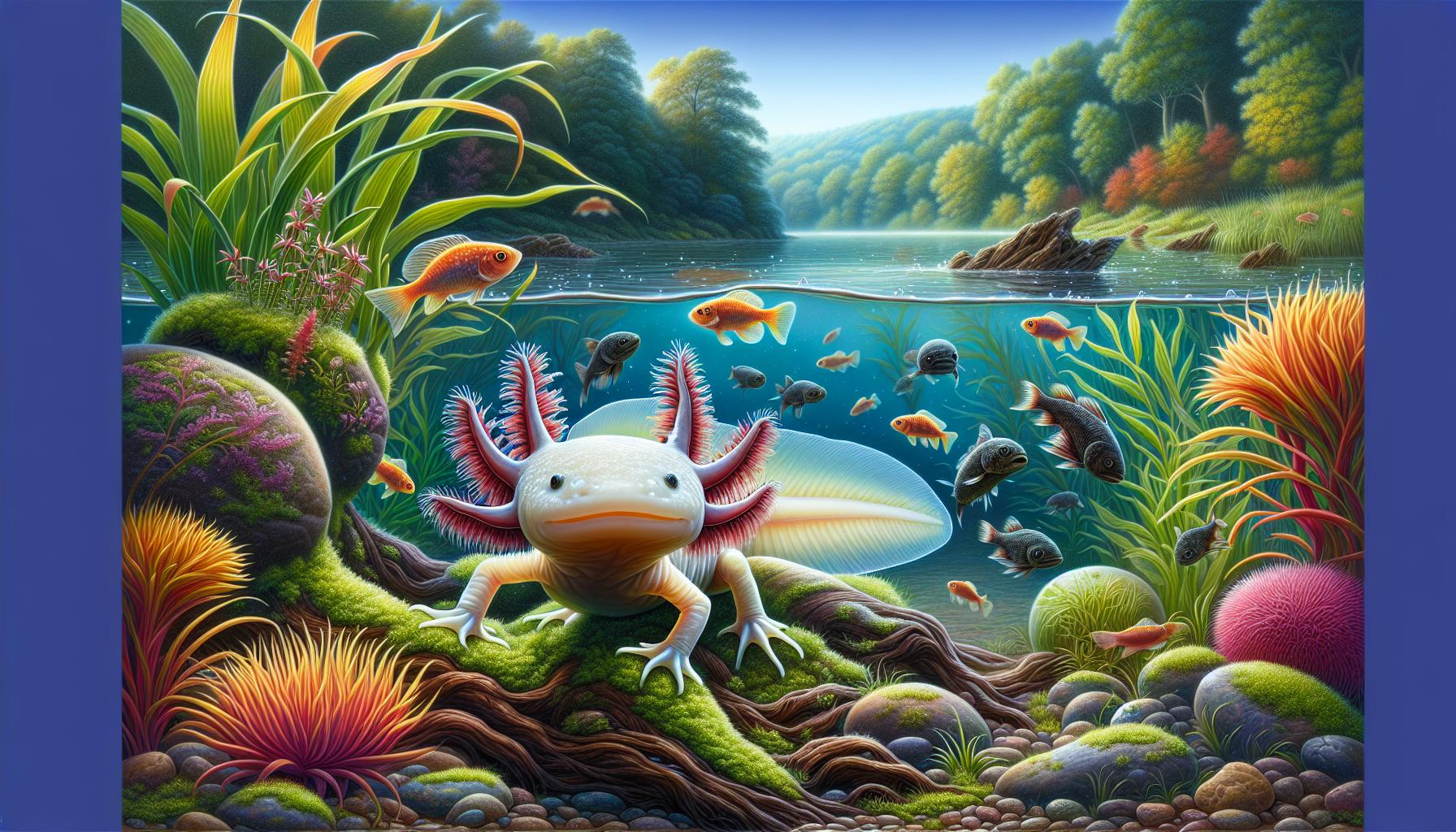
Popular Myths About Axolotls Debunked
The axolotl, a mesmerizing creature often mistaken for a permanently juvenile salamander, is the subject of numerous myths that distort our understanding of its biology and care needs. One prevalent myth is that axolotls are entirely aquatic and can live in any type of water. In reality, while they thrive in aquatic environments, the water quality is crucial to their health. Axolotls require cool, clean water, ideally between 60°F and 68°F, with excellent filtration to prevent harmful buildup of waste and toxins. This means maintaining a stable environment that mimics their native habitat in the lakes of Mexico City.
Another common misconception is that axolotls can regenerate any part of their body, including their heads. While their regenerative capabilities are extraordinary, allowing them to regrow limbs, parts of their heart, and even sections of their spinal cord without scarring, they do have limits. Regeneration is primarily restricted to limbs and certain internal organs; major structures, like the brain, do not regenerate. This myth oversells their abilities and could lead to disappointment if owners expect an injured or missing head to regrow.
Some also believe axolotls do not need much care because they’re low-maintenance pets. Yet, this oversight can lead to serious health issues. They need regular water changes, a balanced diet that includes high-quality pellets, earthworms, and small shrimp, and monitoring for signs of stress or illness. Many first-time owners underestimate the importance of tank size as well; a spacious tank of at least 20 gallons is essential for their well-being.
Misunderstandings about axolotl behavior are common as well. For instance, many think they are interactive pets like dogs or cats. However, axolotls are more solitary creatures with unique behaviors that differ greatly from typical pet expectations. They may appear aloof, but they are fascinating to observe, showcasing unique feeding habits and playful interactions with their environment. Understanding these distinctions is vital for anyone considering adding an axolotl to their home, ensuring a rewarding and realistic experience as a pet owner.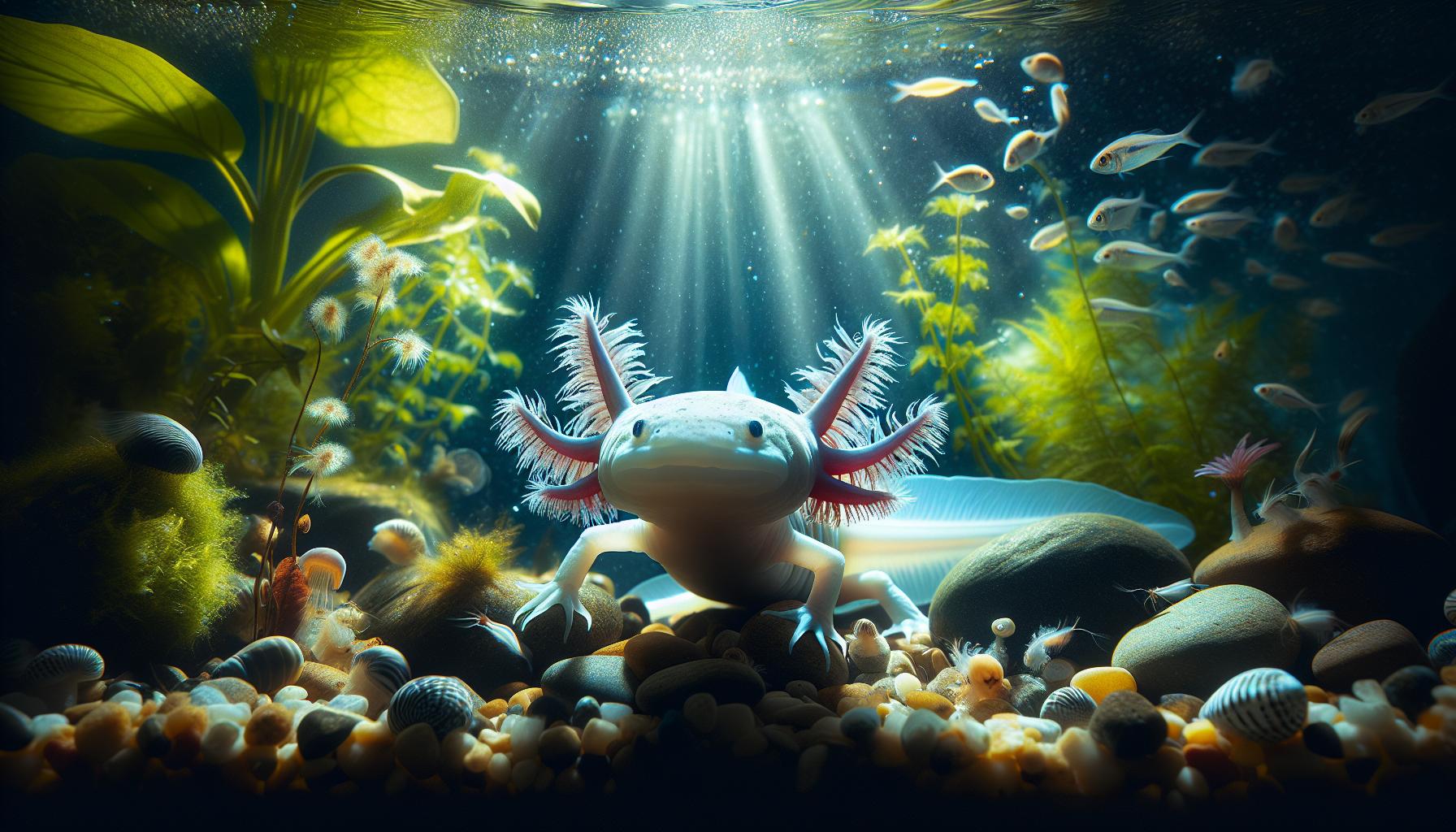
Understanding Axolotl Habitats and Ecosystems
The axolotl, a unique and enchanting amphibian, is a master of adaptation that calls the ancient lakes and canals of Mexico City its home. This remarkable creature thrives in a very specific ecosystem that has shaped its extraordinary biology over thousands of years. Unlike its terrestrial relatives, the axolotl remains entirely aquatic throughout its life, relying heavily on its environment, which includes cool, murky waters filled with vegetation and hiding spots. These habitats, primarily found in the remnants of Lake Xochimilco, are critical for the survival of the axolotl, not just for its physical needs but also for its social and health aspects.
Maintaining water quality and temperature in an axolotl’s habitat mimics the natural conditions found in its native lakes is vital. In the wild, these creatures prefer water temperatures ranging from 60°F to 68°F, which helps in regulating their metabolism and overall health. Ensuring that your aquarium environment closely aligns with these conditions will not only promote vibrant coloration but also stimulate their natural behaviors. Given that axolotls are sensitive to pollution and high levels of toxins, it’s crucial to employ effective filtration and conduct frequent water changes. Regularly testing for ammonia, nitrite, and nitrate helps prevent harmful buildup which can lead to significant health issues.
The richness of their ecosystem also provides various food sources and hiding places that keep axolotls both nourished and safe from predators. In the wild, they feed on worms, insects, and small fish, showcasing their role as an apex predator in their environment. In captivity, it’s essential to replicate this diet with high-quality pellets, live or frozen foods like earthworms and brine shrimp, ensuring their nutritional needs are met adequately. Remember to provide ample substrate and decor in the tank, such as rocks and plants, which not only enhance their habitat’s aesthetics but also offer essential areas for exploration and resting.
In summary, understanding and replicating the axolotl’s natural habitat is critical for any enthusiast looking to keep these fascinating creatures. A balanced aquarium that mirrors their native ecosystem-complete with clean, cool water, natural decor, and appropriate food-will result in thriving axolotls that reflect the beauty of their wild counterparts. By fostering such an environment, pet owners can appreciate the full splendor of these unique animals while contributing to their well-being.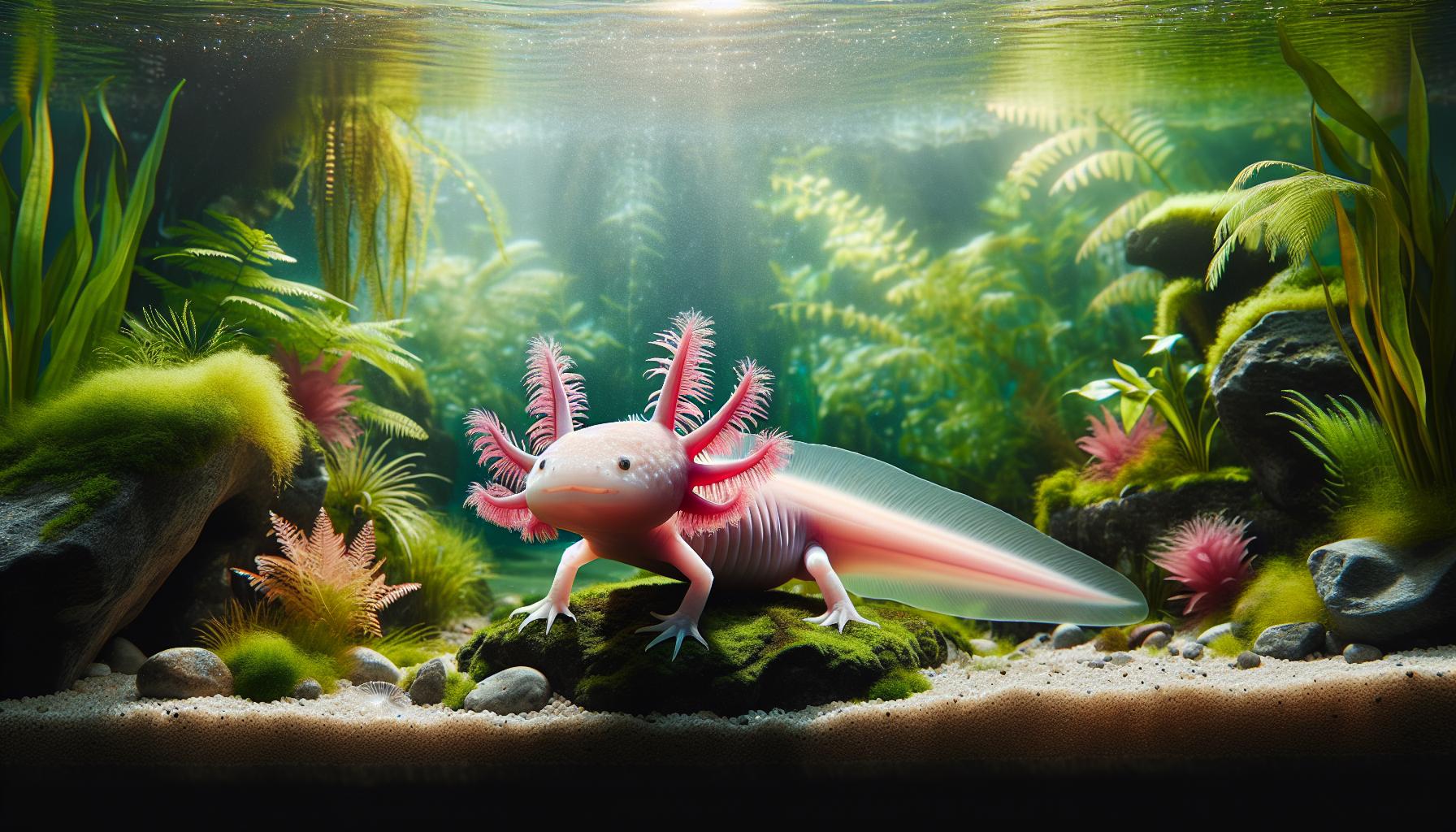
The Fascinating History of Axolotls in Culture
The axolotl has captivated human imagination long before it became a popular pet or subject of scientific study. Originating from the ancient lakes of Mexico, particularly Lake Xochimilco, this amphibian rests at the intersection of myth and reality, weaving itself into the fabric of local culture. The name “axolotl” derives from the Nahuatl word “atl,” meaning water, and “xolotl,” the Aztec god of fire and lightning, which highlights the creature’s prominence in mythology. Aztecs regarded the axolotl as a symbol of transformation and regarded it as sacred, associating it with their belief in the afterlife and resurrection.
In scientific history, the axolotl gained significance in the late 19th and early 20th centuries when it became a prime research subject due to its remarkable regenerative abilities. Scientists recognized its capability to regenerate limbs, spinal cord tissue, and even parts of the brain, making it a focal point for studies in developmental biology and regenerative medicine. This fascination sparked a broader interest that transcended academia, leading to its depiction in various artistic expressions and pop culture, from illustrations in scientific papers to appearances in cartoons and video games.
As the axolotl found a place in the realm of pets, its unique qualities continued to draw enthusiasts. Keeping an axolotl in a home aquarium not only requires understanding their care needs but also allows owners to appreciate a living piece of natural history. Understanding their aquatic environment, including water temperature and quality, is crucial. Moreover, their captivating appearance-especially the external gills and diverse coloration-adds an enchanting dimension to pet ownership.
Modern conservation efforts highlight the axolotl’s precarious status as an endangered species, largely due to habitat loss and pollution in its native lakes. This has sparked awareness campaigns aimed at preserving the remaining populations and educating the public about their ecological significance. Engaging in these conservation initiatives not only helps protect the axolotl but also allows enthusiasts to contribute positively to the survival of this extraordinary creature. By recognizing and celebrating the enigma of the axolotl, we can cherish its unique history and play a part in safeguarding its future in both culture and biodiversity.
Axolotl Care: Maintaining a Healthy Aquarium
Maintaining a healthy aquarium for your axolotl is crucial not only for their wellbeing but also for creating a thriving environment that mimics their natural habitat. These enchanting creatures thrive in cool, clean water, primarily found in their native lakes in Mexico. To ensure your axolotl remains vibrant and healthy, several key care factors must be meticulously managed.
First and foremost, water quality and temperature are paramount. Axolotls prefer cooler temperatures ranging from 16°C to 18°C (60°F to 64°F). Higher temperatures can lead to stress and potential health issues, including gill deterioration. Regular water tests should be conducted to monitor parameters such as ammonia, nitrite, and nitrate levels. Maintaining ammonia and nitrite levels at 0 ppm and nitrate below 20 ppm is essential. Utilize a quality water filtration system designed for aquariums, ideally with a gentle flow, as axolotls do not like strong currents. Additionally, performing partial water changes (about 20-30% weekly) will help maintain water quality and minimize harmful toxins.
Creating an appropriate habitat that caters to the axolotl’s natural preferences is equally important. The substrate is a significant aspect of their environment; fine sand is often recommended over gravel, as it reduces the risk of impaction if ingested. Incorporating hiding spots like caves, rocks, or plants can reduce stress and provide security for your axolotl. Live plants can enhance the beauty and functionality of the aquarium by offering additional hiding spots and improving water quality through natural filtration.
Feeding your axolotl the right diet also plays a critical role in their overall health. A varied diet of high-quality pellets, live or frozen foods, like bloodworms, brine shrimp, or earthworms, will ensure they receive adequate nutrition. Overfeeding can lead to obesity and water quality issues, so it’s crucial to provide appropriate portions-often a few worms or pellets in a feeding session every 2-3 days.
Lastly, keeping an observant eye on your axolotl can help catch any signs of distress or illness early on. Look for changes in behavior, such as decreased appetite or abnormalities in their gills and skin. Quick intervention can often prevent more severe health issues. Engaging in thorough research and joining online communities can provide additional support and knowledge as you navigate the captivating journey of keeping axolotls.
By paying careful attention to these aspects of care, you’ll create a healthy aquarium environment that supports your axolotl’s unique needs, ensuring they remain the vibrant, living treasures they are.
Feeding Your Axolotl: Best Practices and Tips
Understanding how to properly feed axolotls is essential to their health and happiness, as these captivating creatures can have quite the appetite! In the wild, axolotls are opportunistic eaters, often consuming a variety of small prey, including insects, worms, and even small fish. When it comes to your pet axolotl, replicating this diet is key to ensuring they receive the proper nutrients they require to thrive.
To maintain optimal health, it’s crucial to provide a balanced diet that includes a mix of high-quality commercial pellets designed for axolotls, along with fresh or frozen foods. The following are excellent dietary choices:
- Earthworms: A favorite among axolotls; they provide essential protein and nutrients.
- Bloodworms: These high-protein treats can entice even the pickiest eaters.
- Brine shrimp: A great source of protein, these can be fed live or frozen.
- Shrimp pellets: Specifically formulated for aquatic pets, these aid in maintaining water quality.
It’s important to feed your axolotl appropriately to avoid overfeeding, which can lead to serious health complications, including obesity and poor water quality in their habitat. A good rule of thumb is to offer food every 2-3 days; ensure that each feeding involves a few morsels that can be consumed in one sitting-typically, a piece or two of earthworms or several pellets.
Monitoring your axolotl’s feeding habits and physical condition can provide valuable insights into their diet and overall health. If they appear to be disinterested in food, or if they are consistently leaving uneaten portions, you may want to consider adjusting the type or amount of food offered. Regularly assess their body condition; a healthy axolotl should have a well-defined body shape and robust limbs without excessive bulk.
By combining high-quality foods with proper feeding practices, you’ll not only ensure your axolotl enjoys its meals but you’ll also greatly contribute to its vibrant health and longevity in your home aquarium. With the right care, these fascinating amphibians will thrive and become a delightful addition to your aquatic world.
Breeding Axolotls: Everything You Need to Know
Breeding axolotls can be a rewarding endeavor for both hobbyists and dedicated enthusiasts, offering a fascinating glimpse into the reproductive behaviors and lifecycle of these extraordinary salamanders. One of the most captivating aspects of axolotl breeding is their method of reproduction, which involves a remarkable courtship display. Males will often engage in a ritualistic dance to attract females. This display may include a series of spins and gentle nudges, as the male attempts to deposit his sperm onto a surface, which the female subsequently collects to fertilize her eggs.
Once the courtship is successful, the female can lay up to 1,000 eggs at a time, typically attaching them to plants or other surfaces in their aquatic environment. These eggs will hatch in about 10 to 14 days, depending on water temperature and conditions. It is crucial for breeders to provide a separate tank or breeding environment that supports optimal conditions for the eggs, as well as suitable hiding places for the newly hatched larvae. Providing clean, well-filtered water and maintaining stable temperatures between 16°C to 20°C (60°F to 68°F) will create an ideal setting for the developing axolotls.
Care for Hatchlings
Once the larvae emerge, they will absorb their yolk sacs within a few days and become independent. At this stage, feeding becomes essential. Newly hatched axolotls are best fed with tiny live foods such as freshly hatched brine shrimp or micro-worms. After a week, you can introduce finely crushed high-quality pellets designed specifically for axolotls.
- Feeding Schedule: Establish a regular feeding routine, offering small amounts 2-3 times a day.
- Tank Setup: Use shallow tanks to minimize stress and prevent unwanted injuries during their initial growth stages.
- Water Quality: Regularly monitor ammonia and nitrite levels, as developing axolotls are sensitive to poor water quality. Perform partial water changes to keep the habitat pristine.
As your axolotls grow, they will undergo several morphological changes, including limb development and color variations resulting from genetic factors. Selective breeding can introduce different morphs, such as leucistic, golden albino, or melanoid axolotls, each showcasing unique colors and patterns. Understanding the genetic components of axolotl color can inspire future breeding projects that enhance the beauty and diversity of these remarkable creatures.
In conclusion, breeding axolotls requires attention to detail and a commitment to their care. By providing the right environment, proper nutrition, and considering genetic factors, budding breeders can enjoy the thrill of witnessing these captivating animals flourish from small eggs into vibrant adults. With careful effort, breeding axolotls can enhance your appreciation for their bewildering biology and rich natural history.
Axolotls and Their Unique Lifecycles
Once the eggs are fertilized, axolotls embark on a breathtaking journey through their lifecycle that sets them apart from most amphibians. In a remarkable twist of nature, these creatures exhibit a phenomenon known as neoteny-this means they retain their larval features throughout their entire lives instead of undergoing a typical metamorphosis into terrestrial forms. This fascinating characteristic allows axolotls to thrive in their aquatic environment, maintaining their feathery external gills and a wide, flattened head.
The lifecycle begins when a female axolotl lays up to 1,000 eggs, typically adhering them to aquatic plants or structures. These eggs hatch within 10 to 14 days, influenced by various factors such as temperature and water quality. Newly hatched larvae are independent and rely on their yolk sacs initially but quickly adapt to classic aquatic life, showcasing the importance of clean, well-maintained habitats as they grow. Providing ideal conditions during this critical stage is essential; stable water temperatures ranging from 16°C to 20°C (60°F to 68°F) and regular water quality monitoring will safeguard their delicate development.
As these larvae grow, they go through several distinct but very much aquatic phases, including notable morphological changes. Developments such as limb growth, and varying pigmentation occur, which can be influenced by genetic factors and environmental conditions. Different morphs-like leucistic, golden albino, and melanoid-demonstrate incredible diversity in color and pattern, offering a visual spectacle as axolotls mature.
While maintaining their juvenile forms, axolotls can reproduce multiple times throughout their lives, typically maturing between six months to a year. This life strategy not only enhances their adaptability and resilience but also captivates aquarists and biologists alike, ensuring the axolotl remains a splendid subject of study in both natural habitats and aquarium settings. With the right care and understanding of their unique lifecycle, pet owners can foster a thriving environment for these enchanting aquatic ambassadors.
Conservation Status: Protecting the Axolotl Species
The axolotl, a mesmerizing creature known for its regenerative abilities, faces critical challenges in the wild, primarily due to habitat loss, pollution, and the introduction of invasive species. Native to the ancient canals of Xochimilco near Mexico City, this unique amphibian’s natural habitat has suffered severe degradation over the years. Urbanization has encroached upon these waterways, transforming green spaces into concrete jungles that disrupt the delicate ecosystems that axolotls rely on. The destruction of their aquatic environment has resulted in a dramatic decline in numbers, pushing these extraordinary organisms toward the brink of extinction.
Key Threats to Axolotl Survival
To appreciate the gravity of the axolotl’s conservation status, it’s essential to recognize the multifaceted threats they encounter:
- Urban Development: Rapid urbanization in Mexico City has led to the draining of natural water bodies, diminishing the axolotl’s habitat.
- Pollution: Agricultural runoff and untreated wastewater contaminate their native waters, severely impacting their health and survival.
- Invasive Species: Fish and other non-native organisms introduced into their habitat compete for resources, further endangering the axolotl populations.
With these challenges in mind, various conservation efforts are underway to protect and preserve the axolotl. Organizations are focusing on habitat restoration, public education, and breeding programs to increase their numbers. For example, breeding initiatives in captivity have seen some success, producing axolotls that can be reintroduced into their natural environments. Moreover, educating local communities about the ecological importance of axolotls and the necessity of preserving their habitats is crucial.
Actions You Can Take
If you’re passionate about supporting axolotl conservation, consider these actionable steps:
- Support Local Conservation Groups: Donate or volunteer with organizations dedicated to axolotl habitat restoration and awareness.
- Advocate for Environmental Protection: Engage in discussions about the importance of clean water and natural habitats with policymakers.
- Spread Awareness: Share information about axolotls and their plight on social media to raise awareness and inspire others to take action.
The axolotl’s captivating presence serves as a reminder of the fragile balance within our ecosystems. By fostering awareness and contributing to conservation initiatives, we can help ensure that future generations will also marvel at these remarkable creatures and understand the vital role they play in their native habitats.
Unbelievable Axolotl Adaptations in Nature
The axolotl, a captivating amphibian famed for its incredible regenerative abilities, possesses an array of adaptations that allow it to thrive in its unique environment. One of the most astonishing traits of axolotls is their neoteny: they remain in a larval stage throughout their lives, retaining their external gills and aquatic lifestyle instead of undergoing metamorphosis like other salamanders. These feathery external gills not only facilitate respiration in water but also enhance their ability to absorb oxygen, allowing axolotls to thrive in environments where other species might struggle.
Additionally, axolotls are endowed with natural camouflage. In their wild habitats, they can exhibit a variety of colors that help them blend into the murky waters and rich vegetation of the Xochimilco canals. While wild-type axolotls typically display shades of brown or green, they can also possess genes for more vibrant colorations, such as leucistic (white with red eyes) or albino (golden with pinkish-white skin), depending on their genetic makeup. This capacity for color variation highlights their adaptability and offers insight into their genetic diversity.
In terms of their feeding adaptations, axolotls are voracious predators. Their capacity to regenerate lost limbs is paired with an astonishing ability to regenerate parts of their heart, eyes, and even sections of their brain. This remarkable capability stems from specialized cells called “neoblasts,” which are akin to stem cells and can differentiate into various cell types. Their keen sense of smell and ability to detect vibrations in the water also play crucial roles in hunting prey, which primarily consists of worms, small fish, and insects.
Understanding these adaptations not only deepens our appreciation of the axolotl but also guides pet owners in creating optimal environments for these unique animals. Ensuring a spacious aquarium with plenty of hiding spots, maintaining water quality, and mimicking their natural habitats can significantly contribute to the well-being of axolotls in captivity. As guardians of these extraordinary creatures, enthusiasts can draw inspiration from their natural adaptations to foster healthy and enriching environments.
The Future of Axolotls: Research and Conservation Efforts
As the axolotl continues to enchant scientists and pet owners alike, its future hangs delicately in the balance. This remarkable creature, native to the Xochimilco waters in Mexico, faces significant threats from habitat loss, pollution, and invasive species, which have led to its classification as critically endangered. Concerted research and conservation efforts are crucial to securing its survival and understanding its unique biology, especially its extraordinary regenerative capabilities.
Innovative research initiatives are underway, focusing on understanding the genetic and molecular mechanisms that underpin axolotl regeneration. Scientists are deciphering how axolotls can regrow limbs, spinal cords, and even parts of their heart. This knowledge has the potential to revolutionize regenerative medicine-not just for axolotls but also for human therapies. By studying axolotls, researchers hope to unlock secrets that could lead to groundbreaking advancements in treating severe injuries and degenerative diseases in humans.
Conservation Efforts
Many organizations are spearheading efforts to conserve and protect axolotl populations in their native habitats. Key actions include:
- Habitat Restoration: Projects aimed at restoring the natural ecosystems of Xochimilco are critical. This involves removing pollution, controlling invasive species, and restoring aquatic vegetation.
- Captive Breeding Programs: Breeding axolotls in controlled environments plays a significant role in preventing extinction. These programs not only supplement dwindling wild populations but also provide important research opportunities.
- Public Education and Awareness: Raising awareness about the plight of axolotls helps garner public support for conservation initiatives. Educational programs that highlight the importance of biodiversity and the need for ecological balance are essential.
Pet owners can also contribute to conservation efforts by promoting responsible ownership practices. It is vital to ensure that those who keep axolotls as pets source them ethically, avoiding wildlife trafficking and instead opting for captive-bred specimens. Enthusiasts should also be encouraged to participate in local conservation efforts or advocacy groups dedicated to preserving the axolotl’s natural habitat.
In summary, the future of axolotls hinges on a combination of scientific research, effective conservation practices, and community awareness. As we deepen our understanding of these extraordinary creatures, we also become better equipped to foster a thriving environment where both axolotls and their ecosystems can flourish. The road ahead is challenging, yet with dedicated efforts, we can help ensure that this unique amphibian continues to amaze generations to come.
Frequently asked questions
Q: What are some incredible adaptations of axolotls that aid their survival?
A: Axolotls possess remarkable adaptations, including external gills for underwater breathing and the ability to regenerate lost limbs, organs, and even parts of their heart and brain. These adaptations allow them to thrive in their natural habitat, making them unique creatures within the amphibian family.
Q: How do axolotls contribute to their ecosystem?
A: Axolotls play an essential role in their ecosystem by helping control the populations of small aquatic organisms, such as insects and worms, which can otherwise overpopulate. Their predatory behavior helps maintain a balanced ecosystem in the water bodies they inhabit.
Q: Why are axolotls often referred to as “Mexican walking fish”?
A: Despite their nickname “Mexican walking fish,” axolotls are not fish but amphibians. This name arises from their unique appearance, with limbs reminiscent of land animals. Their ability to live in water while maintaining features typical to land species is puzzling and fascinating.
Q: What are the primary threats to axolotl populations today?
A: Axolotls face significant threats from habitat loss, pollution, and invasive species in their native lakes. With their ecosystems declining, they are considered critically endangered, prompting conservation efforts to protect this unique species.
Q: How can I create a suitable habitat for my axolotl at home?
A: To create a suitable habitat for an axolotl, provide a spacious aquarium with clean, cool water (around 16-18°C or 60-64°F). Use a filter to maintain water quality, avoid sharp decorations, and include areas of hiding to mimic their natural environment. This ensures a healthy and enriching living space.
Q: What do axolotls eat, and how can I ensure they have a balanced diet?
A: Axolotls primarily eat small live or frozen foods such as bloodworms, brine shrimp, and daphnia. To ensure a balanced diet, offer a variety of these foods and sometimes incorporate pellets formulated for axolotls to meet their nutritional needs effectively.
Q: How long can axolotls live in captivity?
A: Axolotls can live for up to 10-15 years in captivity when properly cared for. This lifespan underscores the importance of providing a stable environment and a suitable diet to promote their health and longevity.
Q: What is the significance of axolotls in scientific research?
A: Axolotls are significant in scientific research due to their extraordinary regenerative abilities, attracting studies aimed at understanding tissue regeneration and potential applications in medicine. Their unique biology could provide insights into healing and recovery processes across species.
These questions and answers aim to provide valuable information while encouraging readers to explore further about axolotls in your detailed article.
In Summary
As you wrap up your journey through “100 Axolotl Facts You Won’t Believe Are True,” it’s clear that these amphibians are not just fascinating creatures but also captivating pets that require special care. If you’re intrigued by their unique biology, consider exploring our detailed guide on axolotl habitat needs or tips for maintaining a healthy aquatic environment. Don’t miss our article on common axolotl health concerns, ensuring you’re well-prepared for responsible ownership.
Ready to deepen your knowledge? Subscribe to our newsletter for the latest insights on exotic pet care, wildlife conservation, and fascinating animal facts. And if you enjoyed learning about axolotls, share this article with a friend or comment below with your favorite fact! Your engagement means the world to us and helps us bring more captivating content to you. Dive into our site for more amazing wildlife stories and practical pet care resources today!