


Did you know that axolotls, with their incredible regenerative abilities, can regrow lost limbs and even parts of their heart and brain? These fascinating creatures, native to the lakes of Mexico, embody the wonders of nature while also raising awareness about endangered species and habitat conservation.
In “100 Facts About Axolotls: The Ultimate Guide,” you’ll uncover not only their captivating biology but also practical insights for pet owners interested in caring for these unique amphibians. Whether you are a lifelong axolotl aficionado or a newcomer to aquatic pets, understanding their needs and characteristics is vital for providing the best care possible.
Join us as we dive into a world of vibrant gills, playful personalities, and the importance of conserving their natural habitats. Let your curiosity guide you through this ultimate resource, designed to enhance your knowledge of these extraordinary animals and equip you for successful and responsible ownership.
Contents
- 1 Characteristics That Make Axolotls Unique
- 2 The Fascinating Habitat of Axolotls
- 3 Understanding Axolotl Biology and Physiology
- 4 Different Axolotl Species and Their Traits
- 5 Caring for Your Axolotl: A Complete Guide
- 6 Diet and Nutrition for Healthy Axolotls
- 7 Common Axolotl Health Issues and Solutions
- 8 Breeding Axolotls: What You Need to Know
- 9 The Role of Axolotls in Science and Research
- 10 Cultural Significance of Axolotls Around the World
- 11 Myths and Misconceptions About Axolotls
- 12 Fun Facts About Axolotls That Will Surprise You
- 13 Frequently asked questions
- 14 In Retrospect
Characteristics That Make Axolotls Unique
The axolotl, often whimsically dubbed the “Mexican walking fish,” captivates enthusiasts with its extraordinary characteristics. Unlike typical salamanders, axolotls possess external gills that shimmer like feathers, enabling them to efficiently extract oxygen from water. This unique adaptation not only enhances their aquatic lifestyle but also grants them a striking appearance, making them a favorite among aquarists and researchers alike. Furthermore, they are neotenous, meaning they retain juvenile features throughout their adult lives. This remarkable trait allows them to live underwater and retain a larval morphology, setting them apart from most amphibians that undergo complete metamorphosis.
One of the most intriguing aspects of axolotl biology is their remarkable regenerative abilities. They can effortlessly regenerate complex body parts, including limbs, spinal cords, and even parts of their heart and brain. This natural prowess makes them invaluable in scientific research, particularly in the fields of medicine and regenerative biology. Understanding how axolotls heal could pave the way for advancements in treating human injuries and degenerative diseases, making them not just a pet curiosity but a beacon of hope for healing.
Axolotls also display a range of color morphs, such as the popular leucistic, golden albino, and wild type, each showcasing different pigments and skin textures. This diversity can have implications for the care and breeding of axolotls in captivity, as variations can influence their health and behavior. Proper knowledge of these traits enables pet owners to provide tailored environments that encourage the well-being of these unique amphibians. Overall, axolotls stand as a testament to the wonders of evolution, embodying a blend of beauty, resilience, and biological intrigue that continues to inspire awe and curiosity.
The Fascinating Habitat of Axolotls
In the slow-moving waters of Mexico’s Lake Xochimilco and Lake Chalco, where the axolotl resides, is a habitat teeming with intricate ecological dynamics. This unique amphibian has adapted to thrive in a very specific environment dominated by still water ecosystems, often characterized by its rich biodiversity and the presence of chinampas-artificial islands that function as floating farms. These chinampas not only provide critical habitats for axolotls but also underscore the need for sustainable agricultural methods that do not compromise their delicate surroundings.
The axolotl’s native waters are a sanctuary from predation, allowing these remarkable creatures to flourish without the need to metamorphose into terrestrial forms, as many amphibians do. The neotenic nature of axolotls is closely tied to their home environment, which consists of shallow lakes, canals, and marshy areas filled with aquatic vegetation. This facilitates a lifestyle finely tuned to their habitat, enabling them to explore both open waters and dense plant cover, where they hunt and find shelter.
However, the axolotl’s habitat is critically endangered, heavily impacted by pollution, habitat degradation, and the diversion of water for urban development. As human populations expand, these natural ecosystems face the threat of shrinking habitats, decreasing water quality, and reduced food sources. Thus, understanding and advocating for the conservation of their natural environment is crucial not only for the axolotls themselves but also for the biodiversity and ecological health of the entire region.
For those caring for axolotls in captivity, replicating their natural habitat can enhance their health and well-being. Consider the following tips for creating an ideal aquatic environment:
- Water Quality: Maintain pristine water conditions with a suitable filtration system, performing regular water changes to remove toxins.
- Temperature Control: Keep the water cool, ideally between 60°F and 68°F (15°C to 20°C), as axolotls are sensitive to temperature changes.
- Substrate and Decor: Provide a soft substrate and structures that mimic their natural habitat, such as plants and hiding spots, to promote natural behavior.
By prioritizing the needs of these fascinating creatures, caretakers can help ensure their vitality, while also raising awareness about the urgent conservation efforts required to protect their dwindling natural habitats.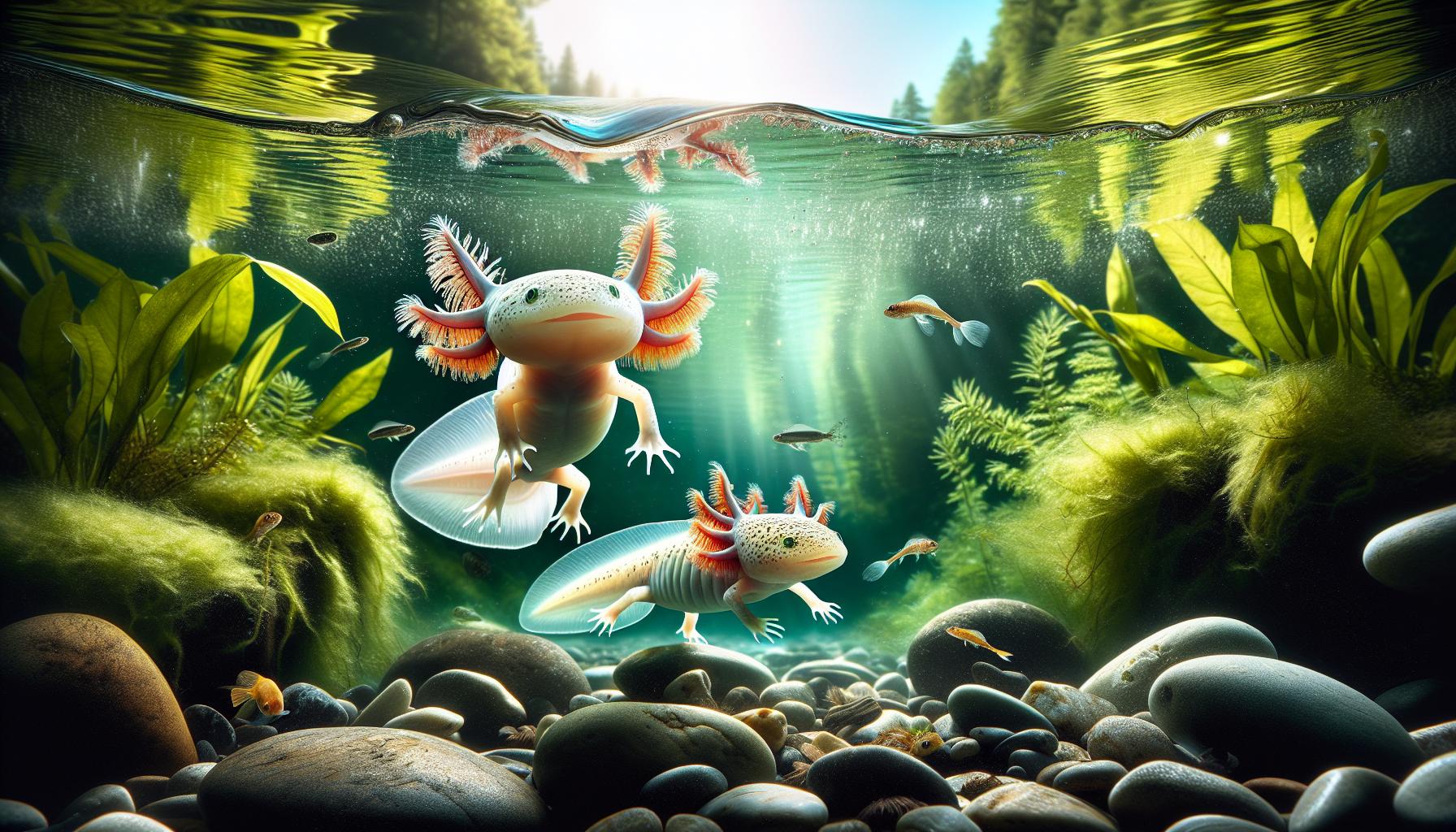
Understanding Axolotl Biology and Physiology
The axolotl, often dubbed the “Mexican walking fish,” is not a fish at all, but rather an extraordinary amphibian renowned for its remarkable biological features and physiological traits. One of the most captivating aspects of axolotl biology is its ability to regenerate lost limbs-an ability that has made it a key subject of scientific research. Unlike most vertebrates, axolotls can regenerate not only their limbs but also parts of their heart, spinal cord, and even their eyes. This regenerative capability is due to unique cellular mechanisms that allow for the transformation of wound tissue into a blastema, a mass of cells capable of growing into new structures.
Another distinguishing characteristic of the axolotl is its neoteny, meaning it retains its larval features throughout its adult life. While most amphibians undergo metamorphosis, transitioning from a water-dwelling larva to a terrestrial adult, axolotls remain in their aquatic larval form, complete with external gills and a finned tail. This adaptation allows them to thrive in their specific ecological niche-shallow, water-rich environments. They possess a cartilaginous skeleton that provides flexibility and enhances swimming efficiency, which makes them highly adept at navigating their aquatic habitat.
Axolotls have a unique physiology that suits their lifestyle and habitat preferences. Their external gills, which resemble feathery appendages, allow for efficient gas exchange in the water, enabling them to absorb oxygen directly from their environment. This adaptation is critical for survival in the often low-oxygen waters of their native lakes. Additionally, their skin, which can range in color from wild-type dark brown to leucistic and golden variations, plays an important role in their camouflage and thermoregulation in the wild.
When caring for axolotls in captivity, it’s crucial to understand these biological and physiological quirks. For example, providing a stable, cool environment is essential, as temperature fluctuations can lead to stress and health complications. A suitable aquarium setup should include low-flow filtration and ample hiding spots to mimic their natural habitat, encouraging natural behaviors and reducing anxiety. With the right care, these incredible aquatic creatures can thrive, offering both a remarkable pet experience and insight into the wonders of amphibian biology.
Different Axolotl Species and Their Traits
Known for their enchanting appearance and remarkable biological attributes, axolotls are often celebrated for their diverse colorations and forms. The axolotl, primarily the species Ambystoma mexicanum, is the most recognized in the pet trade, but several notable variations exist. Each of these comes with unique traits that not only appeal to enthusiasts but also play a role in their care and management in captivity.
One of the most well-known variations is the Leucistic Axolotl, distinguished by its pale pink or white coloring and striking dark eyes. This variation is celebrated for its aesthetic appeal and is often seen as a favorite among pet owners. The leucistic axolotl exhibits limited pigmentation, which is particularly useful for observing the underlying biology, such as the blood vessels and other physiological aspects. Caring for leucistic axolotls is similar to caring for their darker counterparts, although some owners may need to provide slightly more cover in the habitat to prevent stress from bright light exposure.
The Melanoid Axolotl offers a stark contrast with its dark brown to black skin, resulting from a mutation that inhibits the development of iridophores, which are pigment cells that reflect light. These axolotls can be slightly less sensitive to light, making them a hardy choice for owners who may not have optimal aquarium lighting. Their bold appearance can also make them a striking focal point in any aquarium setup, provided their habitat includes plenty of hiding spots to maintain their comfort.
In addition to these common varieties, the Golden Albino Axolotl showcases a radiant yellow hue with striking red or orange eyes. This striking coloration is not only visually appealing but also indicates a specific genetic background that some breeders strive to establish. Golden albino axolotls are often more sensitive to light due to their lack of pigmentation, so creating a shaded environment is crucial for their well-being.
Lastly, the Wild-type Axolotl remains a classic choice, recognizable by its dark, mottled coloration that helps with camouflage in their natural habitat. Wild-types retain the features typical of juvenile axolotls, yet they can often thrive in various conditions, making them an excellent starting point for new axolotl owners. When caring for wild-types, it’s especially important to monitor water quality, as they can be more reactive to poor environmental conditions due to their typically more active nature.
In summary, understanding the not only enhances your appreciation of these fascinating creatures but also equips you with the necessary knowledge to provide appropriate care. Regardless of the variation, maintaining optimal water conditions, providing suitable hiding spots, and managing lighting can help ensure a healthy and thriving axolotl, making your aquatic environment as enchanting as their unique appearances suggest.
Caring for Your Axolotl: A Complete Guide
Caring for axolotls is a rewarding experience that combines understanding their unique biological needs with creating an ideal habitat. These enchanting aquatic creatures are not only captivating but also require attentive care to thrive in a home aquarium. With proper knowledge and preparation, you can ensure that your axolotl lives a happy, healthy life.
To begin, water quality is paramount. Axolotls are sensitive to their environment, so maintaining pristine conditions is key. Regularly test the water parameters including temperature (ideally between 16-18°C or 60-64°F), pH (6.5-8.0), and ammonia/nitrite/nitrate levels. A good filtration system is essential, but avoid strong water currents which can stress your axolotl. Regular water changes-about 20% weekly-help maintain water quality and minimize waste buildup.
Next, creating a suitable habitat is crucial. Axolotls need a spacious tank with a minimum of 20 gallons for one individual. The substrate should be soft, like sand or bare bottom, to prevent accidental ingestion (which can cause health issues). Incorporate plenty of hiding spots such as caves, plants, and decorations where they can feel secure. Since axolotls are nocturnal, dim lighting is recommended to help reduce stress and mimic their natural habitat.
Feeding is another important aspect of their care. Axolotls are primarily carnivorous and will thrive on a diet consisting of high-quality pellets, worms (like earthworms or bloodworms), and small fish. It’s essential to feed them the right portions to avoid overfeeding, which can lead to health problems. A good guideline is to feed juveniles daily and adults every 2-3 days, keeping in mind that younger axolotls require more frequent meals due to their rapid growth.
Regular health monitoring is vital for keeping track of any changes that might indicate illness. Look for signs such as changes in appetite, physical deformities, or abnormal behaviors. Common health issues include skin infections and fungal diseases, often stemming from poor water conditions or stress. If you notice any concerning symptoms, consulting a veterinarian experienced with amphibians is imperative to ensure timely treatment.
By focusing on these core areas-water quality, habitat setup, appropriate feeding, and health monitoring-you can create a thriving environment for your axolotl. Their unique beauty and fascinating behaviors make them captivating companions, and with your commitment to their care, they will surely enchant you for years to come.
Diet and Nutrition for Healthy Axolotls
Feeding axolotls is not merely an act of tossing food into their tank; it’s a vital aspect of their health and well-being. These aquatic amphibians are primarily carnivorous and thrive on a diet rich in protein. Their unique feeding habits reflect their lifestyle as both predators and scavengers in their natural habitat, primarily in the lakes of Mexico. Understanding their dietary needs ensures that your axolotl remains vibrant and healthy throughout its life.
To maintain optimal health, axolotls should be fed a varied diet that includes high-quality sinking pellets designed for carnivorous aquatic creatures, earthworms, bloodworms, and small fish. Each of these food sources provides essential nutrients that support growth, enhance coloration, and boost overall vitality. Juveniles, having faster growth rates, require more frequent feedings than adults. As a guideline, feed juveniles daily and provide adults with food every 2-3 days. Portion control is crucial; overfeeding can lead to obesity and subsequent health complications.
Feeding Schedule Example
| Life Stage | Feeding Frequency | Food Types |
|---|---|---|
| Juvenile | Daily | Pellets, earthworms, bloodworms |
| Adult | Every 2-3 days | Pellets, earthworms, small fish |
Another key aspect of axolotl nutrition is the size of the food. Offering appropriately sized prey ensures that your axolotl can easily consume its meals without the risk of choking or ingestion issues. A good rule of thumb is to provide food that is roughly the same width as the axolotl’s head.
It’s essential to keep an eye on your axolotl’s appetite and behavior during feeding. If they frequently refuse food or display lethargy, it may signal underlying health problems that warrant further investigation. Regularly varying their diet can also prevent food boredom, making mealtime more exciting for these captivating creatures.
In conclusion, providing a balanced and varied diet is foundational for the health and happiness of axolotls. Striking the right balance of nutrients through proper feeding practices not only ensures their survival but enhances their vibrant colors and unique personalities, allowing them to flourish as a beloved part of your home.
Common Axolotl Health Issues and Solutions
In the enchanting world of axolotls, their vibrant colors and whimsical appearance often captivate enthusiasts. However, like any pet, these unique amphibians can encounter health issues that need addressing to ensure their well-being. One of the most common problems faced by axolotl owners is bacterial infections, which can manifest through excessive mucus production on the skin or gills, along with a lack of appetite or lethargy. It’s crucial to maintain optimal water quality, as stress from a polluted environment can weaken their immune systems, making them susceptible to these infections. Regular water changes and ensuring proper filtration can mitigate these problems.
Another frequent concern is the risk of impaction, particularly in juveniles who may accidentally consume substrate like gravel or sand. This can lead to serious digestive issues. To prevent this, owners should opt for bare bottom tanks or use substrates safe for axolotls, such as smooth river rocks that are too large to be ingested. Always watch for signs of discomfort or changes in bowel movements, as early detection can be key in avoiding severe complications.
Moreover, axolotls are vulnerable to temperature fluctuations. These creatures thrive in cool waters, ideally between 60°F and 64°F (16°C to 18°C). Elevated temperatures can induce stress and make them more prone to diseases. Using an aquarium chiller or carefully adjusting the tank environment during warmer months can be beneficial. It’s essential for owners to invest in reliable thermometers to monitor their beloved pet’s habitat consistently.
Lastly, axolotls are known for their regenerative abilities; however, they are not invincible. Injuries from aggressive tank mates or rough handling can hinder their ability to heal. If you notice any physical trauma or wounds, immediate isolation from other creatures and consulting a veterinarian with experience in amphibians is advisable. Through vigilant care and quick action to address health issues, axolotls can flourish, continuing to be fascinating companions in the home.
Breeding Axolotls: What You Need to Know
Breeding axolotls can be a rewarding venture for enthusiasts, providing fascinating insights into the life cycle of these extraordinary amphibians. Unlike many common pets, axolotls exhibit external fertilization, meaning that the female lays eggs, which are then fertilized by the male as they are released into the water. This unique reproductive process makes understanding their breeding habits essential for anyone wishing to witness the wonder of axolotl development firsthand.
To initiate breeding, ensure your axolotls are healthy and well-cared-for. It’s generally recommended to have a male-to-female ratio of 1:1 or 2:1, as this increases the likelihood of successful mating. Prior to breeding, it’s beneficial to simulate seasonal changes in their environment. Gradually lower the water temperature to around 60°F (16°C) for several weeks to mimic the winter season, then raise it back to 68°F-72°F (20°C-22°C) to encourage breeding behaviors. This temperature fluctuation can stimulate hormonal changes that prompt mating.
Once breeding occurs, females typically lay between 100 to 1,000 eggs at a time, often attaching them to surfaces such as plants or decorations within the tank. After laying, it’s crucial to remove the adults from the breeding tank, as they may consume the eggs. Following a caring, observed protocol can lead to successful hatching typically occurring within 14 to 21 days, depending on the water temperature.
Newly hatched axolotls, or larvae, are extremely delicate and require specific care to thrive. The first few weeks are critical; they should be kept in a separate rearing tank with gentle filtration and ample aeration. It’s important to feed them appropriately sized food such as infusoria or specialized larvae foods until they grow large enough to consume more substantial offerings like brine shrimp or finely chopped earthworms.
Understanding the nuances of axolotl breeding not only enhances your experience as an owner but also contributes to the health and genetic diversity of captive populations. With patience and careful observation, breeding axolotls can lead to the joy of raising these remarkable creatures while fostering a deeper appreciation for their biology and lifecycle.
The Role of Axolotls in Science and Research
The remarkable regenerative abilities of axolotls have positioned them as key subjects in scientific research, revealing insights that could influence regenerative medicine for humans. Unlike most vertebrates, axolotls can regenerate entire limbs, parts of their heart, and even sections of their spinal cord without scarring. This biological phenomenon has captivated scientists, who aim to unlock the secrets behind this extraordinary capability to develop new therapies for injuries and diseases.
Research on axolotls extends beyond their regenerative properties; they also serve as valuable models for studying evolutionary biology, genetics, and developmental processes. For instance, axolotls exhibit neoteny, retaining juvenile traits such as gills and aquatic lifestyles throughout their lives. This characteristic allows researchers to explore genetic and environmental factors influencing development and metamorphosis, providing vital information on similar processes in other species, including humans.
Moreover, axolotls play an essential role in environmental science. Being natives of the unique ecosystem of Lake Xochimilco in Mexico, they offer insights into ecological health and biodiversity. As bioindicators, changes in their population can signal shifts in water quality and habitat conditions, aiding conservation efforts. As urbanization encroaches on their natural habitat, research on axolotls contributes to understanding the impacts of pollution and habitat loss, emphasizing the importance of preserving their environment.
In summary, the contributions of axolotls to science and research are profound. Their unique biological traits not only spark curiosity but also hold potential for groundbreaking advancements in medicine and environmental science. As knowledge expands, the axolotl remains a critical key in unlocking mysteries that could enhance human health and ecological understanding.
Cultural Significance of Axolotls Around the World
The axolotl, often referred to as the “Mexican walking fish,” has captured the imagination of cultures around the globe, symbolizing resilience and adaptability. This fascinating creature, with its distinctive external gills and vibrant coloration, represents more than just a unique aquatic species; it has deep roots in Mexican culture and has become a global icon of biodiversity.
Historically, axolotls were revered in Aztec mythology, where they were associated with the aquatic god Xolotl, who was known for his connection to death and the afterlife. This cultural significance continues today; axolotls are celebrated in local art, literature, and folklore. In modern Mexico, they appear in various forms of artistic expression and are often viewed as a national treasure, reminding people of the importance of conservation, especially as their natural habitat has been severely threatened by urbanization and pollution.
Internationally, the axolotl has become a symbol in the scientific community, representing the frontline of biodiversity conservation. Their contributions to research in regenerative medicine and biological studies have not only made them a subject of fascination among scientists but have also drawn the public’s attention to the plight of many endangered species. Initiatives promoting the axolotl highlight the importance of sustaining diverse ecosystems, encouraging a global dialogue on environmental health and conservation.
Educationally, axolotls serve as an engaging entry point to discussions about genetics, evolution, and ecological balance. Schools around the world are incorporating axolotls into their curricula, utilizing their unique biological attributes to inspire students in fields ranging from environmental science to advanced biology. Through storytelling, interactive projects, and conservation efforts, the axolotl plays a critical role in fostering a sense of responsibility towards our planet, urging future generations to take action in preserving the biodiversity that enriches our lives.
Myths and Misconceptions About Axolotls
Many myths and misconceptions surround the axolotl, often leading to misunderstandings about this unique amphibian. One of the most common beliefs is that axolotls are merely juvenile versions of salamanders. In reality, axolotls are a distinct species, capable of retaining their larval features, such as external gills, throughout their lives-a phenomenon known as neoteny. This unique aspect not only defines their biology but also differentiates them from other salamanders that undergo metamorphosis into terrestrial forms.
Another misconception is that axolotls are “fish.” While they are often referred to as “Mexican walking fish” due to their aquatic nature and gill structures, axolotls are, in fact, amphibians, closely related to frogs and toads. Unlike fish, which have scales and fins, axolotls possess smooth skin and external gills, contributing to their charm and appeal. This distinction is vital for proper care and understanding of their needs in captivity.
Many people also believe that axolotls are easy to keep as pets, equating them with more common aquarium species. While they can be kept in home aquariums, axolotls have specific requirements regarding water temperature, filtration, and tank mates. For instance, they prefer cooler waters (around 60-64°F) and can sustain injury from more aggressive fish. Understanding these nuances is critical for anyone considering bringing an axolotl into their home.
Finally, it’s important to address the myth that axolotls are invincible due to their impressive regenerative capabilities. While they can regenerate limbs, tails, and even parts of their hearts and brains, this does not mean they are immune to disease or poor tank conditions. Good husbandry practices, including maintaining clean water and a balanced diet, are essential to ensuring their health and longevity. By debunking these myths, potential axolotl owners can foster a more informed and compassionate approach to caring for these incredible creatures.
Fun Facts About Axolotls That Will Surprise You
The axolotl, often referred to as the “Mexican walking fish,” possesses a plethora of unique traits that can astonish even the most seasoned animal enthusiasts. One of the most remarkable features of these creatures is their extraordinary regenerative abilities. Unlike many other species, axolotls can regrow entire limbs, sections of their spinal cord, heart muscles, and even parts of their brain without any scarring. This capability has made them invaluable in scientific research, particularly in the fields of regenerative medicine and genetic studies.
Another fascinating aspect of axolotls is their neoteny. This means that they retain juvenile characteristics, such as their external gills and aquatic lifestyle, throughout their entire lives. Whereas most amphibians undergo metamorphosis, transitioning from aquatic larvae to terrestrial adults, axolotls remain in a larval state, even reaching reproductive maturity. This unique trait sets them apart in the animal kingdom and underscores their adaptability to specific environmental conditions.
Interestingly, axolotls come in various colors due to selective breeding, showcasing hues ranging from the wild-type brown to leucistic, albino, and golden variations. This diversity not only adds to their visual appeal for pet owners but also helps provide insights into genetic variation and developmental biology. If you’re considering an axolotl as a pet, it is essential to note that their care must align with their unique needs. They thrive in cooler water temperatures (around 60-64°F), which is critical for their health.
Moreover, axolotls communicate through a combination of subtle body language and chemical signals in the water. They may change their position or display vivid colors to express their mood or intentions. This social behavior can be captivating to observe, further enhancing the unique experience of keeping axolotls in your home aquarium. Their engaging and bizarre characteristics make axolotls a truly remarkable amphibian worthy of exploration beyond what meets the eye.
Frequently asked questions
Q: What do axolotls eat in the wild?
A: In the wild, axolotls primarily feed on small fish, worms, and crustaceans. Their diet consists of live prey, which they capture using their quick reflexes and suction feeding. Ensuring a varied diet mimicking their natural feeding habits is essential for pet axolotls’ health and vitality.
Q: How long do axolotls live as pets?
A: Axolotls can live for 10 to 15 years as pets with proper care. Providing optimal water conditions, a balanced diet, and regular veterinary check-ups can prolong their lifespan. Monitor their health closely to ensure early detection of any potential issues.
Q: Can axolotls regenerate body parts?
A: Yes, axolotls are famous for their remarkable ability to regenerate limbs, tails, and even parts of their heart and brain. This regenerative capability is a key focus of scientific research, with implications for understanding healing processes in humans.
Q: How often should I feed my axolotl?
A: Adult axolotls should be fed 1-2 times a week, while younger axolotls may require daily feedings. Offering a diet of high-protein foods such as worms or specialized pellets is crucial for their proper growth and nutrition.
Q: What water parameters are ideal for axolotls?
A: Axolotls thrive in cold, clean water with a temperature between 60-68°F (15-20°C). Maintaining a pH level of 6.5-7.5 and a low ammonia and nitrite concentration is vital for their health. Regular water testing and changes will help maintain these conditions.
Q: Are axolotls social animals?
A: Axolotls are generally solitary and territorial, preferring to live alone. While they may tolerate companions, it’s crucial to monitor their interactions to avoid stress or aggression, particularly in smaller aquarium setups.
Q: Why are axolotls endangered in the wild?
A: Axolotls are endangered due to habitat loss, pollution, and the introduction of invasive species in their natural habitat, primarily the lakes of Xochimilco in Mexico. Conservation efforts focus on habitat protection and breeding programs to support their populations.
Q: Can axolotls change color?
A: Yes, axolotls can change color slightly based on their mood, environment, and health. Stress or illness may lead to fading colors, while optimal conditions can enhance their vibrant hues. Regular monitoring of their coloration is important for assessing their well-being.
In Retrospect
As we wrap up our fascinating journey through “100 Facts About Axolotls: The Ultimate Guide,” remember that these unique amphibians are more than just captivating creatures; they hold secrets to both wildlife marvels and responsible pet ownership. Whether you’re enchanted by their regenerative abilities or considering bringing one into your home, the knowledge you’ve gained here is invaluable. Don’t let your curiosity stop-dive deeper by exploring our related articles on axolotl care and conservation efforts, and discover the wonders of other unique amphibians.
If you found this guide helpful, share your thoughts in the comments below, and be sure to subscribe to our newsletter for more incredible insights and expert tips. Your journey into the world of axolotls doesn’t have to end here-visit our resources to learn about habitat requirements, feeding tips, and breeding practices. The more you know, the more you can protect and appreciate these extraordinary creatures. Act now, and continue exploring the vibrant ecosystem around these magical salamanders!


