
Did you know that ligers, a fascinating hybrid of lions and tigers, can sometimes live for over two decades? These majestic creatures not only captivate our imaginations with their incredible size but also raise important questions about their lifespan and well-being. Understanding the lifespan of a liger is essential, whether you’re a wildlife enthusiast or exploring responsible pet ownership options.
Ligers typically have a life expectancy ranging from 13 to 18 years, but they can occasionally surpass this, with one record-breaking liger living up to 24 years. This variation in lifespan is influenced by multiple factors such as genetics, health, and care. By delving into the lifespan of these giant hybrids, you can gain valuable insights into their unique biology and the responsibilities involved in their care. Join us as we explore the fascinating world of ligers and unveil what it truly means to nurture these remarkable animals.
Contents
- 1 Liger Lifespan: Understanding Their Unique Biology
- 2 Factors Influencing Liger Lifespan
- 3 Comparing Liger Lifespan to Other Big Cats
- 4 Health Issues Affecting Ligers Over Time
- 5 Dietary Needs for Longevity in Ligers
- 6 The Role of Environment in Liger Lifespan
- 7 Care Practices for Longer Liger Life
- 8 Common Myths About Liger Lifespan Debunked
- 9 Breeding and Genetic Influences on Longevity
- 10 How to Provide Enrichment for Happy Ligers
- 11 Conservation Efforts Impacting Liger Populations
- 12 Frequently Asked Questions
- 13 Closing Remarks
Liger Lifespan: Understanding Their Unique Biology
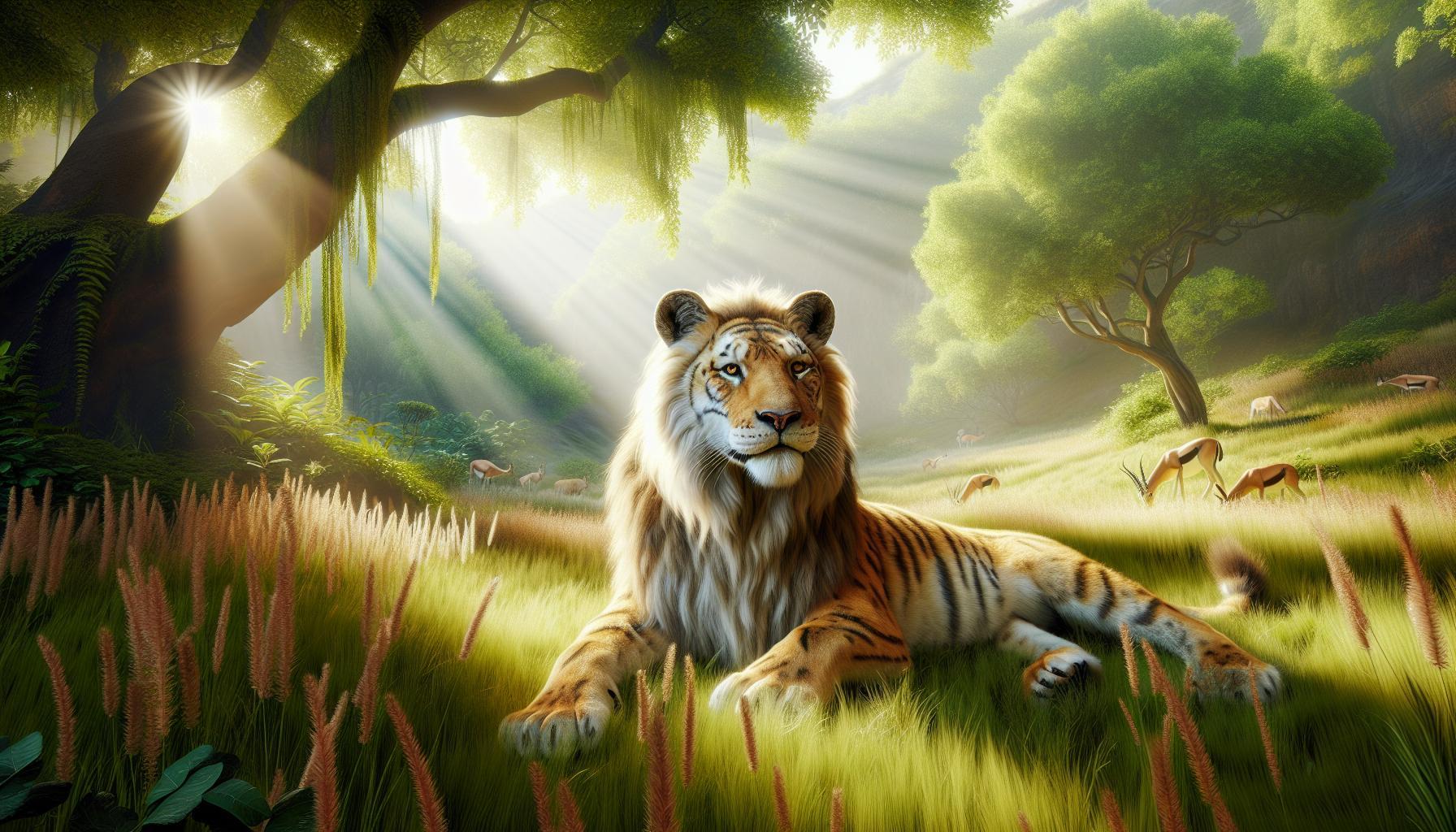
Ligers, the magnificent hybrids born from the union of a male lion and a female tiger, present a striking example of the complexities of interspecies genetics. Unlike their wild counterparts, which typically enjoy a natural lifespan ranging from ten to twenty years, ligers exhibit a notably intriguing life expectancy. Documented cases reveal that they can live between 13 and 18 years, with some exceptional individuals, such as a liger named Shasta, reportedly reaching up to 24 years. This extended lifespan is attributed to various factors, including genetics, care practices, and their unique biological makeup.
Understanding the factors influencing the longevity of ligers is critical for both conservationists and potential owners. Firstly, their genetic composition leads to unique growth patterns, resulting in ligers becoming the largest known felines. This size can contribute to specific health complications, including joint issues and increased susceptibility to certain diseases. Therefore, maintaining optimal health becomes paramount in ensuring that ligers reach the higher end of their lifespan range.
While diet, environment, and healthcare all play essential roles in the longevity of these creatures, the intricacies of liger biology suggest that a holistic approach is needed. Providing a nutrient-rich diet tailored to meet their unique needs, alongside regular veterinary checkups, contributes significantly to improving their quality of life. Incorporating elements of enrichment, such as space to roam and engage in natural behaviors, furthers this goal. Each of these factors can either enhance or diminish a liger’s lifespan, making it vital for caretakers to adopt informed strategies that promote a healthy, balanced life for these extraordinary hybrids.
Factors Influencing Liger Lifespan
Ligers, the stunning hybrids of lions and tigers, not only mesmerize with their immense size but also intrigue scientists and enthusiasts alike with their complex care needs. Their lifespan can be greatly influenced by a multitude of factors, making it essential for caretakers to grasp the underlying elements that contribute to their longevity. One critical aspect is genetics: ligers are prone to certain health issues stemming from their hybridization, including heart problems and joint disorders due to their massive size. This emphasizes the need for responsible breeding practices that prioritize health over novelty.
A balanced diet plays a pivotal role in a liger’s lifespan. Unlike typical house cats or even some larger felines, ligers require a protein-rich diet tailored to support their rapid growth and maintain their health. Veterinary guidance is crucial for establishing an appropriate nutritional plan. Regular veterinary check-ups ensure that any health concerns are promptly addressed, enhancing their overall well-being. Additionally, the incorporation of vitamins and minerals can help counteract potential deficiencies that may arise from their unique dietary needs.
Environmental factors also significantly impact the lifespan of these magnificent creatures. Ligers thrive in expansive enclosures that allow them to exhibit natural behaviors, such as roaming and climbing. Environmental enrichment is vital to keeping them mentally stimulated and physically active, reducing the risk of obesity-related health issues. Offering a variety of interactive toys and safe climbing structures can transform their living space into an enriching habitat that fosters exploration and play.
Finally, caretakers must be vigilant about the psychological health of ligers. The bond that develops with human caregivers and the presence of other animals in their environment can help mitigate stress, which is a known factor in reducing the lifespan of many animals. By fostering a stable, caring environment combined with proper nutrition and healthcare, the potential for increasing a liger’s lifespan becomes significantly greater.
Comparing Liger Lifespan to Other Big Cats
The liger, a captivating hybrid of lions and tigers, presents a unique perspective when compared to its parent species in terms of lifespan. Generally, ligers tend to live between 10 to 14 years, which aligns closely with the life expectancy of tigers. In contrast, most lions typically live around 10 to 16 years in the wild but can live longer in captivity. This similarity in lifespan raises intriguing questions about the biology and care of hybrid animals, as they exhibit traits and health issues derived from both parent species.
When comparing the longevity of ligers with that of tigers and lions, it’s essential to consider the factors influencing their health. For instance, ligers face specific health challenges due to their hybrid genetics, including larger body size that can lead to heart issues and mobility problems. These health concerns may contribute to a potentially shorter lifespan compared to tigers, which rarely face such disproportionate growth. Tigers, in their natural habitats, also have the advantage of a more consistent prey diet and less human interference, influencing their overall health and longevity.
In terms of care, ligers require specialized environments that mimic the natural behaviors of both lions and tigers. Forcing a liger into an environment that doesn’t allow for plenty of space to roam can lead to stress and obesity, which can shorten their lifespan. Additionally, nutrition plays a crucial role; a properly balanced diet rich in protein is vital for supporting their unique physiology compared to the dietary habits of pure lions and tigers. Regular health check-ups combined with a tailored diet can enhance their lifespan significantly, revealing how informed care can offset some disadvantages of hybrid vigor.
Understanding these comparisons not only informs potential caretakers about the responsibilities involved in hybrid ownership but also highlights the importance of considering hybrid species like ligers as unique animals through a lens of both wonder and ethical care. By recognizing the varying lifespans and care requirements of ligers against their large-cat counterparts, we can better appreciate their role in the animal kingdom, ensuring their health and happiness in captivity.
Health Issues Affecting Ligers Over Time
Ligers, the fascinating hybrids resulting from the union of a male lion and a female tiger, face a myriad of health challenges that significantly affect their well-being and lifespan. One of the most prevalent health issues is their predisposition to genetic abnormalities, often stemming from their hybrid status. Many ligers exhibit a range of health problems, including neurological defects, heart disease, and skeletal issues. These conditions can arise due to the combination of the two parent species’ distinct genetic traits, leading to complications unique to hybrids. For instance, their extraordinary size, often exceeding that of their parent species, can put immense stress on their organs, resulting in conditions such as cardiomyopathy, which is particularly alarming as it may manifest symptoms like impaired mobility and lethargy.
Moreover, ligers are plagued by reduced immune function compared to their pure counterparts, making them more susceptible to infections and chronic diseases. This diminished immunological resilience can be attributed to the diverse genetic backgrounds of their parents, which may interfere with normal biological functions. Oversized ligers, often weighing several hundred pounds, frequently experience joint issues and arthritis, exacerbated by the extra weight they carry. Their larger-than-average body size does not just pose physical challenges; it can also lead to lifestyle restrictions that prevent them from engaging in essential physical activity, further diminishing their health.
To mitigate these health concerns, it’s imperative for caretakers to adopt a proactive approach to the care of ligers. Regular veterinary check-ups should focus on early detection of potential health issues. Furthermore, maintaining an appropriate weight through a balanced diet rich in protein and low in carbohydrates is vital for their wellbeing. Ensuring ligers have ample space for exercise is equally important, as physical activity plays a critical role in maintaining not only their physical health but also mental well-being. Investing in enriched environments that promote natural behaviors-like climbing and playing-can also contribute significantly to their overall health, allowing these magnificent creatures to thrive despite the inherent risks associated with their hybrid lineage.
Ultimately, understanding the complex health issues affecting ligers is crucial for ensuring they live a full and healthy life. By providing knowledgeable care and support that aligns with their unique biological needs, owners can help these majestic hybrids overcome some of the challenges they face and enhance their quality of life.
Dietary Needs for Longevity in Ligers
The diet of ligers is a critical element in ensuring their longevity and overall health. These magnificent hybrids, the offspring of a male lion and a female tiger, possess the immense size and dietary demands of their parent species. An adult liger can consume about 25 to 30 pounds of meat daily, but under optimal conditions, they can even devour up to 100 pounds in one sitting. This staggering amount of food not only sustains their size but also supports their energy needs and metabolic functions.
To thrive, ligers require a carefully balanced diet that mirrors the carnivorous needs typical of both lions and tigers. The primary focus should be on high-protein, low-carbohydrate foods. A diet primarily composed of raw meats, such as beef, chicken, and fish, ensures they receive essential amino acids and fats that are crucial for their health. Regularly rotating the types of meat can prevent nutritional deficiencies and stimulate their appetite, keeping these large creatures engaged and satisfied during feeding times.
Dietary Considerations for Longevity
- Age and Size: Younger ligers may require diets rich in vitamins and minerals to support their growth, while older ligers might need adjustments to prevent obesity and associated health issues.
- Hydration: Fresh and clean water should always be available, as hydration is vital for digestive health and metabolic functions.
- Observation: Caretakers should monitor the liger’s eating habits closely. Sudden changes in appetite can signal health problems, such as dental issues or digestive disorders.
While feeding these giants, proper portion control is essential to avoid obesity, which is a common health concern among ligers. Achieving the right body condition score helps ensure they remain active and healthy, preventing complications linked to their massive size. By understanding the intricate dietary requirements specific to ligers and implementing a carefully structured feeding regime, caretakers can significantly enhance the longevity and quality of life for these incredible animals.
The Role of Environment in Liger Lifespan
The environment in which ligers live plays a crucial role in determining their overall lifespan and well-being. Unlike their purebred counterparts, lions and tigers, ligers often face unique challenges due to their hybrid status. These magnificent creatures thrive best in environments that cater to their specific physical and psychological needs, underscoring the importance of habitat quality in extending their life expectancy.
A spacious and enriched habitat can help mitigate some of the health issues commonly associated with ligers. For instance, an inadequate space can lead to obesity and related complications due to a lack of physical activity. Providing a large enclosure that allows for natural behaviors, such as climbing, exploring, and running, is essential. This space should include various terrains, shelters, and elements that mimic their natural habitat, allowing ligers to express instincts akin to both lions and tigers.
- Environmental Enrichment: Incorporating enrichment activities is vital. This may include toys that stimulate hunting instincts, water features for play, and varied terrain to encourage exploration and physical exertion. Such mental and physical stimulation reduces boredom and behavioral issues, which can lead to stress-an enemy of longevity.
- Temperature Control: Ligers, being hybrids, inherit traits that may make them sensitive to extreme temperatures. Ensuring adequate shade and temperature regulation within their habitat is vital to prevent heat stress or chilling during colder months, as both conditions can significantly shorten their lifespan.
- Social Dynamics: While ligers do not exist naturally, if housed with other big cats, careful consideration of social dynamics is crucial. Aggressive interactions can lead to injuries or chronic stress, both detrimental to a liger’s health. Therefore, their environment should be designed to provide a balance between social interaction and personal space.
Maintaining a clean environment is also paramount. Regular habitat cleaning reduces the risk of disease and parasites, ensuring a healthier life for ligers. By cultivating a habitat that prioritizes space, enrichment, temperature control, social awareness, and cleanliness, caregivers can foster an environment where ligers can flourish, vastly improving their chances for a longer, healthier life.
Care Practices for Longer Liger Life
Creating optimal care practices for ligers is paramount for ensuring their longevity and overall well-being. These striking hybrids, born from male lions and female tigers, have unique needs that must be addressed to thrive in captivity. Understanding these requirements can significantly influence their health and lifespan, particularly as ligers can live up to 20 years in human care, significantly longer than their wild counterparts, who typically live only up to around 15 years due to natural hazards and health challenges[[3](https://www.quora.com/How-long-is-a-ligers-lifespan)].
One of the cornerstones of their care is a nutrient-dense diet tailored to their substantial size and energy needs. A balanced mix of high-quality proteins, including beef, chicken, and fish, is essential. Caregivers should also include vitamins and minerals specifically formulated for large felids to prevent deficiencies that could impact growth and immune function. Regular veterinary check-ups are crucial, as they can identify health issues early on, ranging from dental problems to obesity caused by nutritional imbalances.
Active Environment
An enriching environment is imperative for a liger’s physical and psychological health. It’s important to provide a spacious habitat that mimics their natural terrain. Such environments should incorporate climbing structures, water features for play, and various textures and surfaces to stimulate their senses and encourage physical activity. Regularly rotating toys that mimic prey and stimulating mental challenges can help keep ligers mentally engaged, reducing stress and preventing behavioral issues commonly associated with boredom.
Human Interaction and Training
While ligers are solitary by nature, safe and positive human interactions can enhance their well-being. Gentle handling can help familiarize them with caregivers and decrease stress during routine care. Additionally, enrichment through interactive training sessions can improve their cognitive function and enforce healthy behavioral patterns. Training should always focus on positive reinforcement methods, using treats and praise to build trust and foster a secure bond.
In summary, comprehensive care for ligers revolves around a well-rounded diet, a stimulating environment, and positive human interactions. By addressing these diverse needs, caregivers can significantly contribute to a liger’s quality of life and longevity, ensuring these magnificent creatures thrive well into their later years.
Common Myths About Liger Lifespan Debunked
The lifespan of ligers, which are hybrids of male lions and female tigers, often gives rise to various misconceptions. One prevalent myth is that ligers live significantly longer than both their parent species due to their hybrid vigor. While hybrids can exhibit certain genetic advantages, this does not universally translate to a longer life expectancy. In fact, ligers typically have a lifespan of about 10 to 14 years, similar to that of their tiger and lion counterparts in the wild, where they face numerous risks and health challenges. However, in captivity, they can live up to 20 years with proper care, showing the distinct advantage of a controlled environment that supports their health[3[3].
Another common misconception is that ligers are prone to fatal health issues solely due to their hybrid status. While it’s true that they may be more susceptible to certain diseases, such as obesity and diabetes, many health issues are preventable through proper diet and veterinary care. Regular check-ups and a diet rich in high-quality proteins and essential nutrients can mitigate many of the risks associated with their unique biology. This underscores the importance of understanding these creatures as individuals rather than simply as hybrid anomalies.
Moreover, some people believe that ligers exhibit extreme growth patterns, leading them to grow indefinitely. While it is true that ligers are typically larger than both lions and tigers, they do reach a genetic limit based on their lineage. Misleading information often circulates about an endless growth potential; however, the largest recorded ligers still conform to a size range closely associated with wild cats. Thus, while they can grow larger than either parent species, their size is inherently conditioned by genetics and overall health.
Lastly, the myth that ligers require vastly different care compared to lions and tigers can lead to confusion. Like all big cats, ligers have specific care requirements, including diet, habitat enrichment, and social interaction. They thrive in environments that offer stimulation and promote physical activity, similar to their parent species. Caregivers should ensure that the habitats for ligers are as enriching as possible, with considerations for their size, strength, and natural behaviors. When properly cared for, ligers can indeed live fulfilling lives, debunking myths surrounding their existence and longevity.
Breeding and Genetic Influences on Longevity
Breeding ligers-hybrids of male lions and female tigers-raises compelling questions about genetic influences on their lifespan. The blending of the two distinct genetic backgrounds contributes not only to the ligers’ remarkable size but also to a range of health outcomes that can dramatically affect how long they live. While they may inherit robust features from both species, they are also susceptible to specific hereditary health issues that can shorten their lifespan.
The genetic makeup of a liger is complex and can vary significantly even between siblings. Factors such as inbreeding practices can exacerbate health problems, limiting the advantages that hybrid vigor typically provides. Indeed, ligers often experience health challenges, including obesity and related metabolic issues, if not carefully managed through diet and exercise. To help ensure longer lives, breeding programs should prioritize genetic diversity and the selection of healthy parental stock, which can contribute to the vigor and resilience of the offspring.
Moreover, environmental conditions during the early stages of a liger’s life, influenced by breeding choices, also play a critical role in longevity. For instance, ligers bred in environments that mimic their natural habitats-as opposed to more sterile, confined settings-may develop better physical and mental health. This reflects the broader principle that both genetics and environment work in concert to influence health and lifespan outcomes.
In terms of practical advice for potential liger caretakers, understanding these vital genetic considerations can aid in making informed decisions about diet, habitat enrichment, and overall care practices. Attention to genetic lineage not only fosters improved livability but emphasizes the responsibility of caregivers in ensuring that these magnificent creatures lead fulfilling and healthy lives. By prioritizing both hybrid vigor and health-conscious breeding strategies, it is possible to enhance the longevity and quality of life for ligers, bridging the gap between their spectacular animal heritage and the realities of hybrid existence.
How to Provide Enrichment for Happy Ligers
Captivating audiences worldwide with their impressive size and hybrid lineage, ligers thrive in environments that stimulate their physical and mental prowess. To ensure these magnificent creatures remain content and engaged, their caretakers must prioritize enrichment activities that mimic the diverse challenges of their natural habitats. Enrichment is not merely a luxury; it is a crucial element that can significantly influence a liger’s happiness and overall health, ultimately impacting their lifespan.
One effective method of providing enrichment is through physical play. Ligers, being descendants of two of the most formidable big cats, have immense energy levels and require ample space to roam, climb, and explore. Caretakers can incorporate large climbing structures or splashing water features to inspire natural instincts, similar to those exhibited in the wild. Interactive toys-think giant balls or food puzzles-can also keep a liger mentally stimulated, encouraging problem-solving behavior that mimics hunting strategies.
In addition to physical stimulation, sensory enrichment plays a vital role. Creating a dynamic environment filled with scents, sounds, and textures can activate a liger’s senses and promote natural behaviors. For instance, hiding food in various locations encourages foraging, stimulating both the mind and body. Utilizing scents, such as herbs or spices, introduces new experiences that engage their keen sense of smell, often leading to active exploration and interaction with their surroundings.
Regular social interaction is also an enriching experience for ligers, but it must be carefully managed. While ligers may benefit from the presence of other big cats, ensuring compatibility is essential to prevent stress or aggression. Additionally, incorporating training sessions using rewards can further enrich their lives. Positive reinforcement methods not only build trust but also offer ligers a chance to learn new skills, thereby enhancing their cognitive abilities and emotional well-being.
Ultimately, a well-rounded enrichment program demands creativity, patience, and an understanding of a liger’s inherent behavior patterns. By creating an engaging environment that stimulates both mind and body, caretakers can help promote a happier, healthier liger, contributing to improvements in their lifespan and well-being.
Conservation Efforts Impacting Liger Populations
Conservation efforts for ligers, while they may seem niche due to the hybrids’ unique lineage, are vital in the broader context of wildlife preservation and education. Ligers are hybrids of lions and tigresses, and they do not have their own unique population status in conservation terms. However, they reflect significant issues surrounding the conservation of both parent species, whose natural habitats are dwindling due to human activity. By raising awareness about ligers, we can prompt discussions on the preservation of lions and tigers in their native environments.
Organizations focusing on big cat conservation often highlight the ligers’ plight as a way to educate the public on the importance of conserving the wild counterparts. This advocacy can lead to funding and support directed towards protecting natural habitats, combating poaching, and promoting biodiversity. Furthermore, ligers’ existence raises awareness about the complications of hybridization, emphasizing how important genetic diversity and species integrity are in conservation science. Captive breeding programs can only serve as a temporary solution without addressing the broader existential threats to both lions and tigers.
Effective conservation strategies impact liger populations indirectly through enhanced education and awareness campaigns that galvanize the public’s interest. These initiatives often include exhibitions featuring ligers alongside educational materials about their parent species. By understanding the ecological roles that lions and tigers play and witnessing their hybrid counterparts, visitors can develop a deeper appreciation for wildlife conservation overall.
In addition, conservation organizations emphasize the importance of responsible ownership and care practices for ligers. Educating potential owners about the challenges and responsibilities associated with caring for hybrids can reduce the impulse breeding and unethical practices that lead to more ligers in captivity. By promoting ethical care and conservation practices, the longevity and welfare of these magnificent creatures can be better supported, thereby ensuring that they live their fullest, healthiest lives in either captivity or through partnerships that support their wild relatives.
Frequently Asked Questions
Q: What is the average lifespan of a liger in the wild?
A: The average lifespan of a liger in the wild is around 10 to 15 years. This shorter lifespan is often due to factors like habitat challenges and lack of veterinary care compared to those in captivity.
Q: How does a liger’s lifespan compare to that of lions and tigers?
A: Ligers typically live longer than wild lions and tigers, which average about 10 to 14 years in the wild. In captivity, while tigers can live up to 20 years, ligers may reach ages of 16 to 20 years due to better care and medical attention.
Q: What factors can influence the lifespan of a liger?
A: A liger’s lifespan can be influenced by genetics, diet, environment, health care access, and the quality of their habitat. Ensuring a balanced diet and proper living conditions fosters longevity.
Q: Do ligers face specific health issues that affect their lifespan?
A: Yes, ligers can suffer from health issues like obesity, organ problems, and genetic disorders due to hybrid vigor or inbreeding. Regular veterinary check-ups can help mitigate these risks.
Q: Why do ligers tend to live longer in captivity?
A: Ligers in captivity often live longer due to a controlled environment, regular veterinary care, and consistent food supply, which are factors not available in the wild.
Q: Can liger breeding practices impact their lifespan?
A: Yes, breeding practices can significantly affect liger health and lifespan. Genetic diversity is crucial, and responsible breeding can help reduce the chances of inherited health issues.
Q: What dietary needs should be met to ensure a long liger lifespan?
A: To promote longevity, ligers require a balanced diet rich in protein, vitamins, and minerals, similar to that of their parent species. Consulting with a veterinarian can help tailor their diet for optimal health.
Q: How can environmental enrichment impact the lifespan of a liger?
A: Environmental enrichment, such as stimulating play and social interaction, can enhance a liger’s quality of life and reduce stress, potentially leading to a longer lifespan.
Closing Remarks
As you’ve discovered, ligers boast a remarkable lifespan that ranges from 13 to 18 years, with some occasionally crossing into their 20s. This unique hybrid inherits traits from both lions and tigers, presenting a fascinating blend of behaviors and needs for care. If you’re captivated by the incredible lives of hybrids or want to deepen your knowledge of big cats, don’t miss our articles on “Tiger Care Tips” and “The Majestic Lion: An In-Depth Look.”
We encourage you to stay connected with us for more insights into the world of wildlife, hybrids, and responsible pet care. Subscribe to our newsletter for expert advice and updates, or dive deeper into our resource section to learn how to give the best care to your pets while satisfying your curiosity about the animal kingdom. Remember, understanding these magnificent creatures not only enhances your appreciation but also promotes their well-being. Share your thoughts and questions in the comments below-we love hearing from fellow animal enthusiasts!