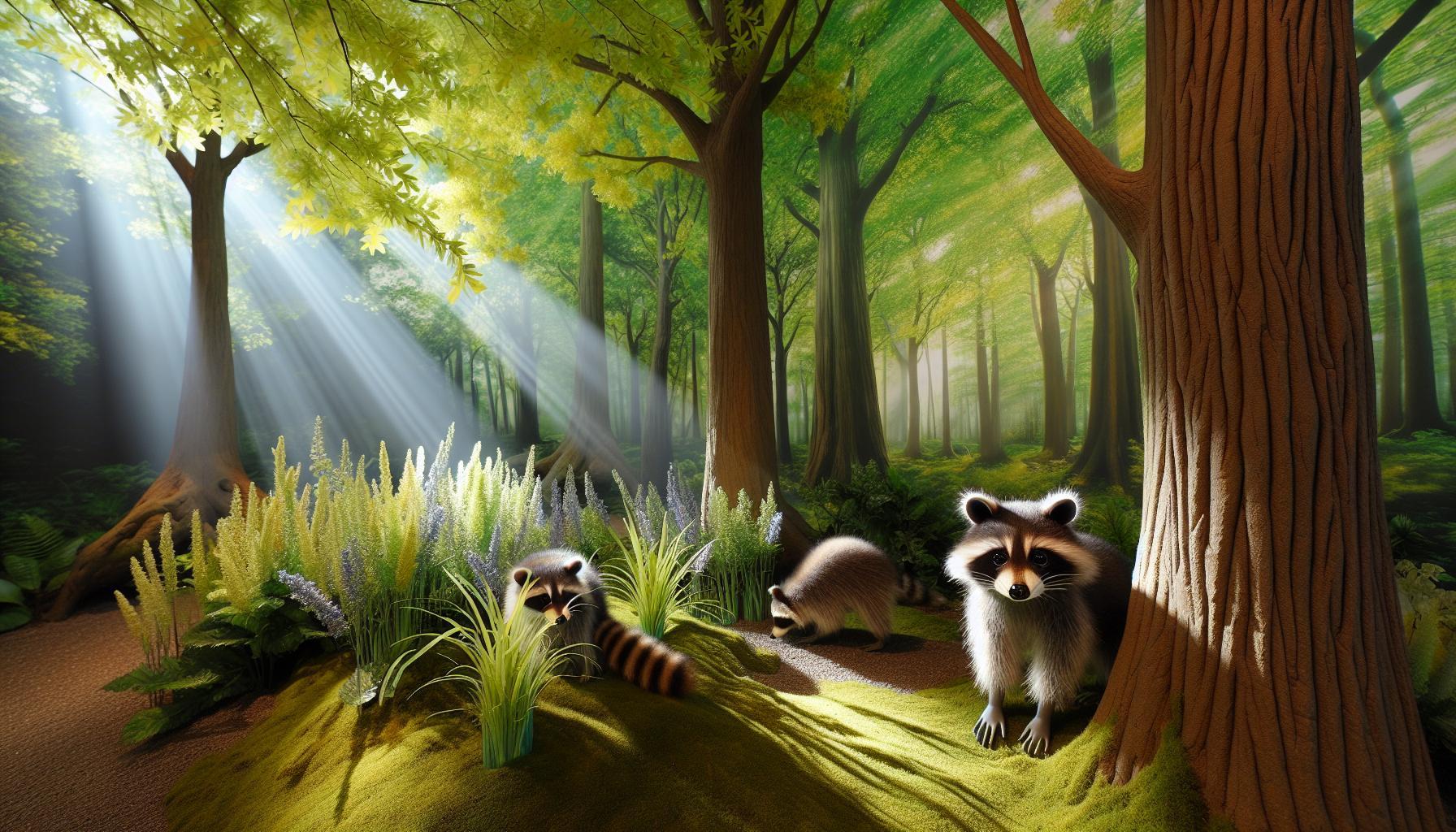
Did you know that raccoons possess the remarkable ability to remember solutions to tasks for up to three years? These intelligent creatures, often found rummaging through trash cans, are far more than just urban scavengers. With their distinctive facial masks, dexterous paws, and playful nature, raccoons have captured the fascination of people everywhere.
In this article, we’ll delve into 20 fun facts about raccoons that will not only surprise you but also enhance your understanding of their behavior and ecology. Whether you’re a wildlife enthusiast or simply intrigued by these masked bandits, learning about raccoons can deepen our appreciation for the diverse and complex ecosystem we share. From their unique feeding habits to their surprisingly social structures, each fact reveals a new layer of their lives. So, join us in uncovering the hidden world of raccoons and discover what makes them such captivating creatures!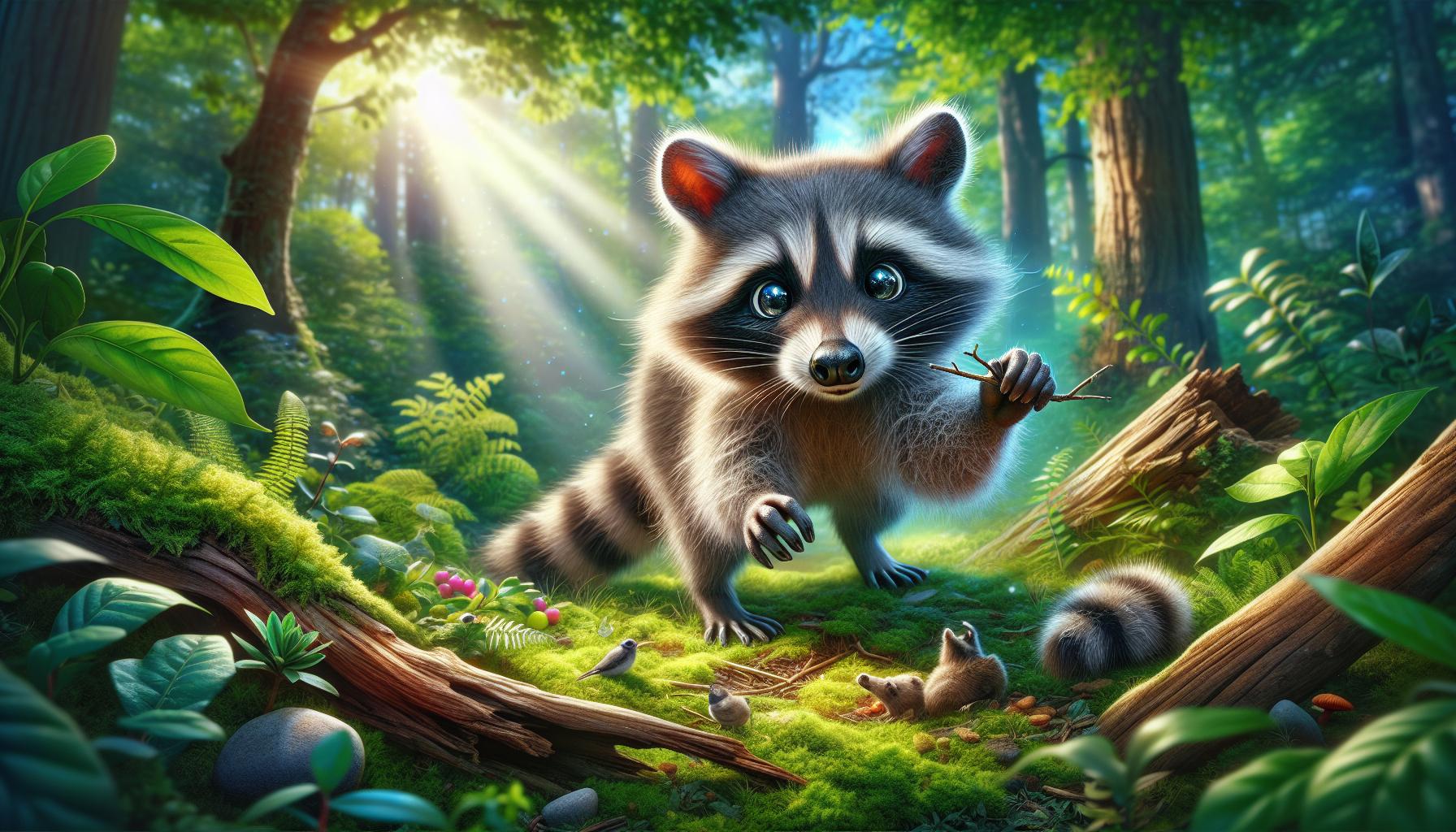
Contents
- 1 Fun and Quirky Raccoon Behaviors You’ll Love
- 2 The Amazing Adaptations of Raccoons Explained
- 3 Raccoon Diet: What Do They Really Eat?
- 4 Raccoons in Urban Environments: Coexisting with Nature
- 5 The Science Behind Raccoon Intelligence and Problem Solving
- 6 Raccoon Communication: Sounds and Signals You Should Know
- 7 Understanding Raccoon Habitats: Where They Live and Thrive
- 8 The Role of Raccoons in Ecosystems: Nature’s Cleanup Crew
- 9 Caring for Raccoons: How to Be a Responsible Owner
- 10 Common Myths About Raccoons Debunked
- 11 The Life Cycle of a Raccoon: From Kitten to Adult
- 12 Why Raccoons Make Fascinating Pets: Pros and Cons
- 13 Frequently Asked Questions
- 14 To Conclude
Fun and Quirky Raccoon Behaviors You’ll Love
Raccoons are a delightful mix of curiosity and playfulness, making them one of the most entertaining animals in the wild. One of the quirks that sets them apart is their incredible dexterity. Thanks to their highly flexible front paws, raccoons can manipulate objects with astonishing skill. They have often been observed opening jars, door latches, and even unlocking cages to access food. This intelligence is not just for show; it enables them to forage for a variety of food sources in diverse environments.
Moreover, raccoons are known for their unique “washing” behavior, which often resembles the act of washing their food before eating it. When observed near water, they may dip their paws in and rub the food items, giving the impression that they are “washing” them. While this has been misinterpreted as a habitual cleaning process, it is actually linked to their exploratory behavior and heightened senses. The tactile experience is essential for raccoons, as their front paws contain sensitive touch receptors, aiding them in identifying different textures and items while foraging.
Their nocturnal lifestyle adds another layer of intrigue. Raccoons are primarily active at night, which allows them to avoid many potential predators while scavenging for food. This adaptability has facilitated their thriving presence in urban environments, where they can be quite adept at navigating the maze of human habitats. They often use their intelligence to raid trash cans and bird feeders, making them a common sight in suburban neighborhoods as they become accustomed to human activities.
Lastly, raccoon social behavior can also be fascinating. While often solitary, they might form loose family groups during mating season or when caring for their young. This social flexibility showcases their ability to adapt to varying circumstances, a trait that not only sparks wonder but also speaks to their survival skills. Understanding these quirks can deepen our appreciation for racoons as complex creatures of nature, while also highlighting the importance of responsible coexistence with these charismatic animals.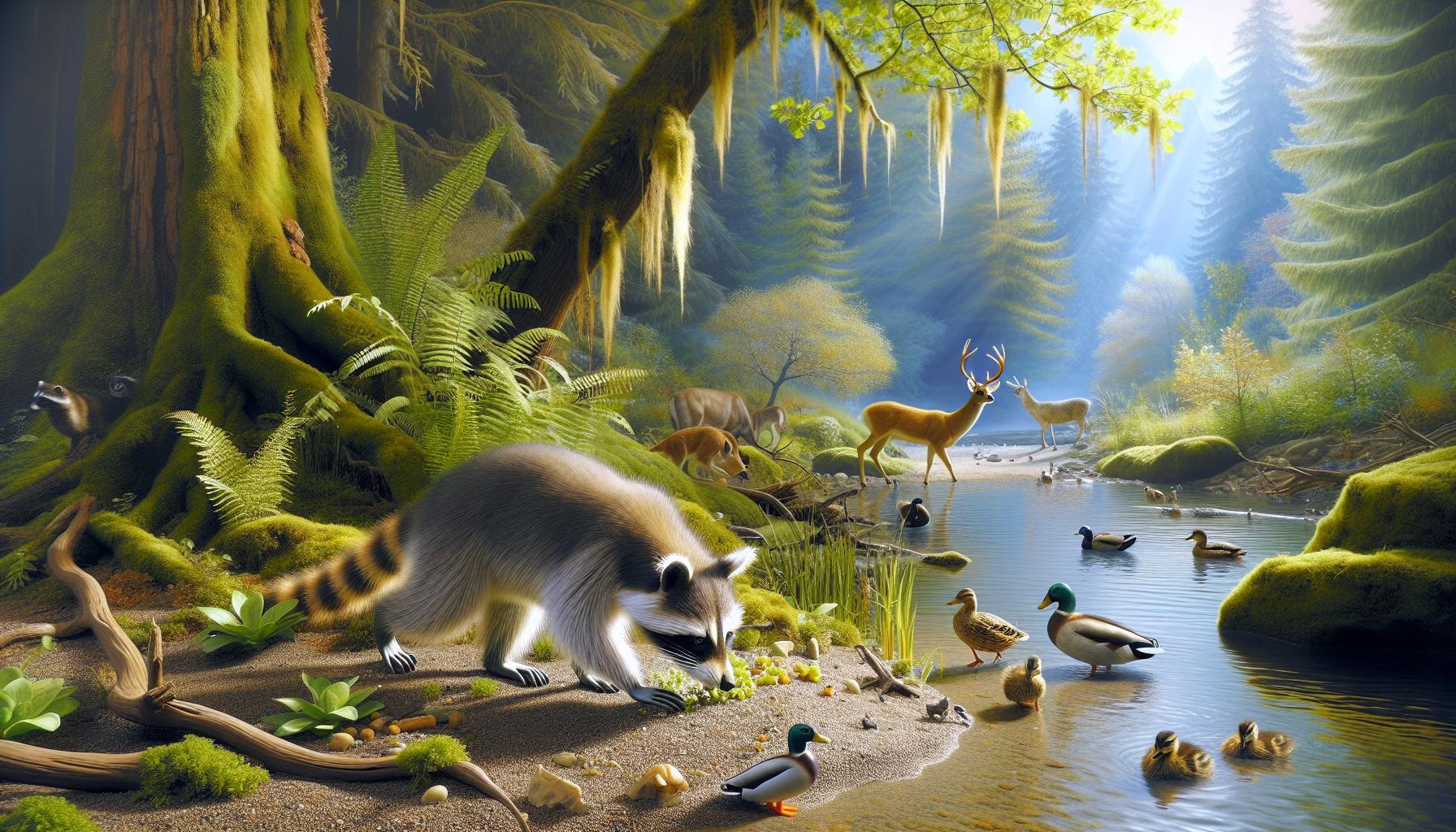
The Amazing Adaptations of Raccoons Explained
Raccoons are remarkable creatures, exhibiting a suite of adaptations that allow them to thrive in a diverse range of environments, from dense forests to bustling urban neighborhoods. One of their most distinctive attributes is their incredible dexterity, stemming from their highly flexible front paws. This anatomical feature enables raccoons to skillfully manipulate objects, which has led to fascinating observations, such as them opening containers, latches, and even unlocking cages to access food. This level of problem-solving highlights their intelligence, making them adept foragers capable of adjusting their diet based on available resources.
Another fascinating aspect of raccoon behavior is their unique tactile exploration method. Often seen in or near water, raccoons engage in a behavior that looks like washing their food. This behavior involves dipping their paws into water and rubbing their food items, which is linked more to their exploratory nature than to a cleaning habit. The sensitive receptors located in their front paws allow them to discern different textures and shapes, enhancing their foraging success. This behavior not only serves a practical purpose but also showcases their adaptability and cleverness.
Raccoons are primarily nocturnal, which plays a crucial role in their survival strategy. Being active at night helps them avoid many natural predators while allowing them to forage under the cover of darkness. Their exceptional vision and hearing, combined with an acute sense of smell, enable them to navigate their environments effectively. This nocturnal lifestyle is especially advantageous in urban areas, where humans are less active, allowing raccoons to raid trash cans and bird feeders with relative impunity.
Moreover, raccoons demonstrate social flexibility that further exemplifies their adaptability. Although often solitary, they can come together during mating seasons or when rearing young. This behavior emphasizes their ability to adjust to various circumstances, enhancing their survival in dynamic environments. Understanding these amazing adaptations not only fosters appreciation for raccoons as intelligent animals but also underscores the importance of mindful coexistence with these fascinating creatures in our increasingly shared spaces.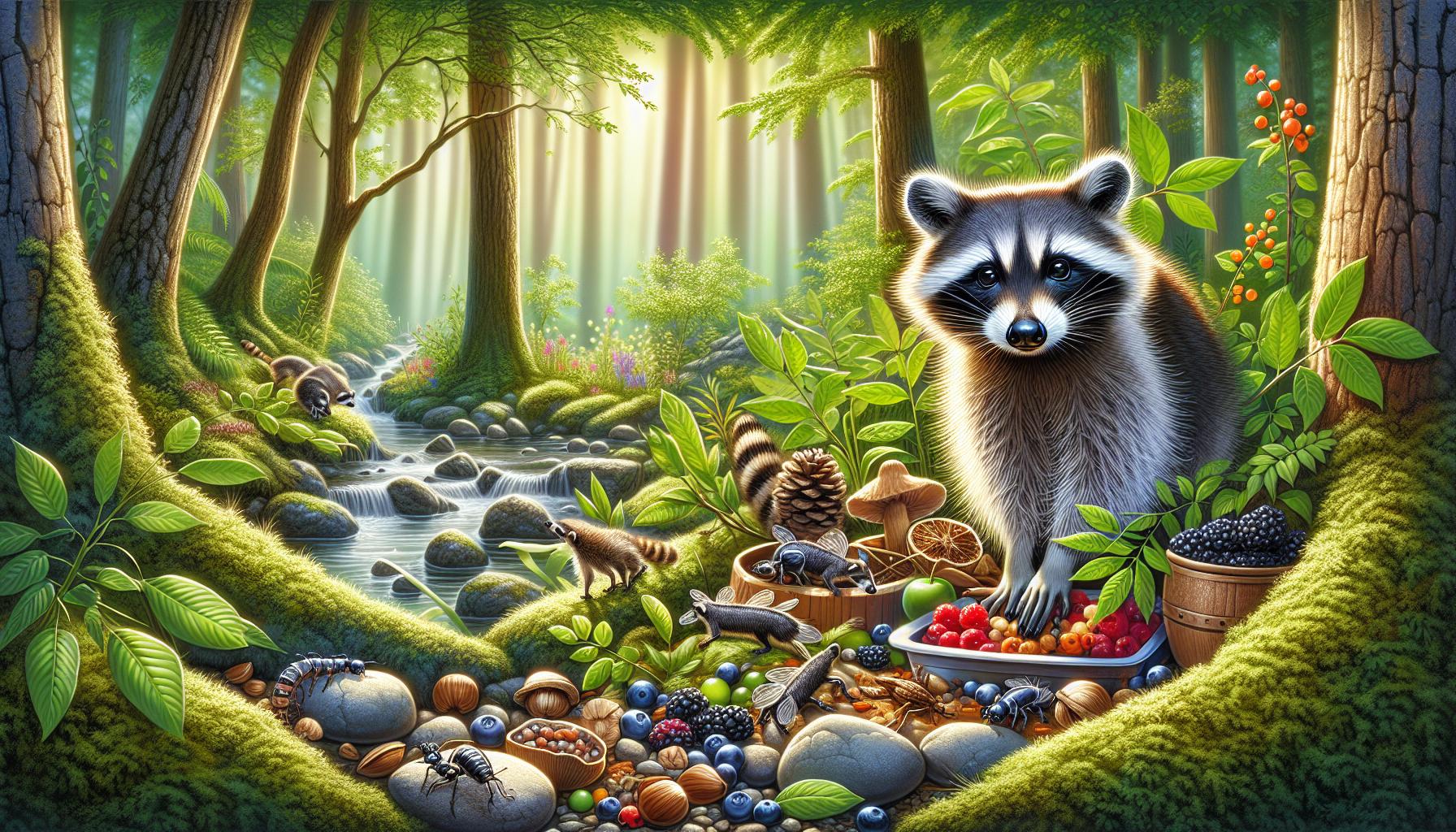
Raccoon Diet: What Do They Really Eat?
Raccoons are notorious for their opportunistic feeding habits, making their diet as diverse as their habitats. Often perceived as garbage scavengers, these clever creatures are actually omnivorous and their diets reflect a fascinating adaptability to their environment. Whether rummaging through refuse or foraging in the wild, raccoons consume a variety of foods that range from fruits and nuts to small animals and insects. This dietary flexibility is vital for their survival, particularly in urban settings where natural food sources may be scarce.
What Do Raccoons Prefer? The raccoon menu is a smorgasbord of options, including
- Fruits like berries, apples, and grapes
- Nuts such as acorns and walnuts
- Vegetables like corn and carrots
- Small animal protein from eggs, birds, and rodents
- Invertebrates including insects and crustaceans
Raccoons are particularly attracted to high-calorie foods, which are essential for their energy reserves, especially in preparation for winter months when food becomes scarcer.
In urban areas, raccoons have adapted to take advantage of human resources, often feasting on pet food, garden produce, and even raiding compost bins. This not only benefits their diet but it has also led many to mistakenly view raccoons as pests. In fact, these adaptable beings play a crucial role in their ecosystems by helping to control pest populations and acting as nature’s cleanup crew by consuming waste.
If you find raccoons visiting your backyard, it’s important to manage your outdoor space responsibly. Avoid leaving pet food outside after dark and securely cover garbage cans to deter them. However, should you be interested in feeding these wild visitors, consider healthier options like dry dog food or fruits which provide more balanced nutrition than processed humans foods or sweets.
For anyone considering adopting a raccoon, understanding their dietary needs is essential. A pet raccoon should have a well-rounded diet that mimics their natural foraging habits, supplemented with high-quality pet food, fresh fruits, and occasional proteins. Always consult a veterinarian experienced with exotic pets to ensure their nutritional requirements are met, promoting a healthy and thriving life for your curious companion.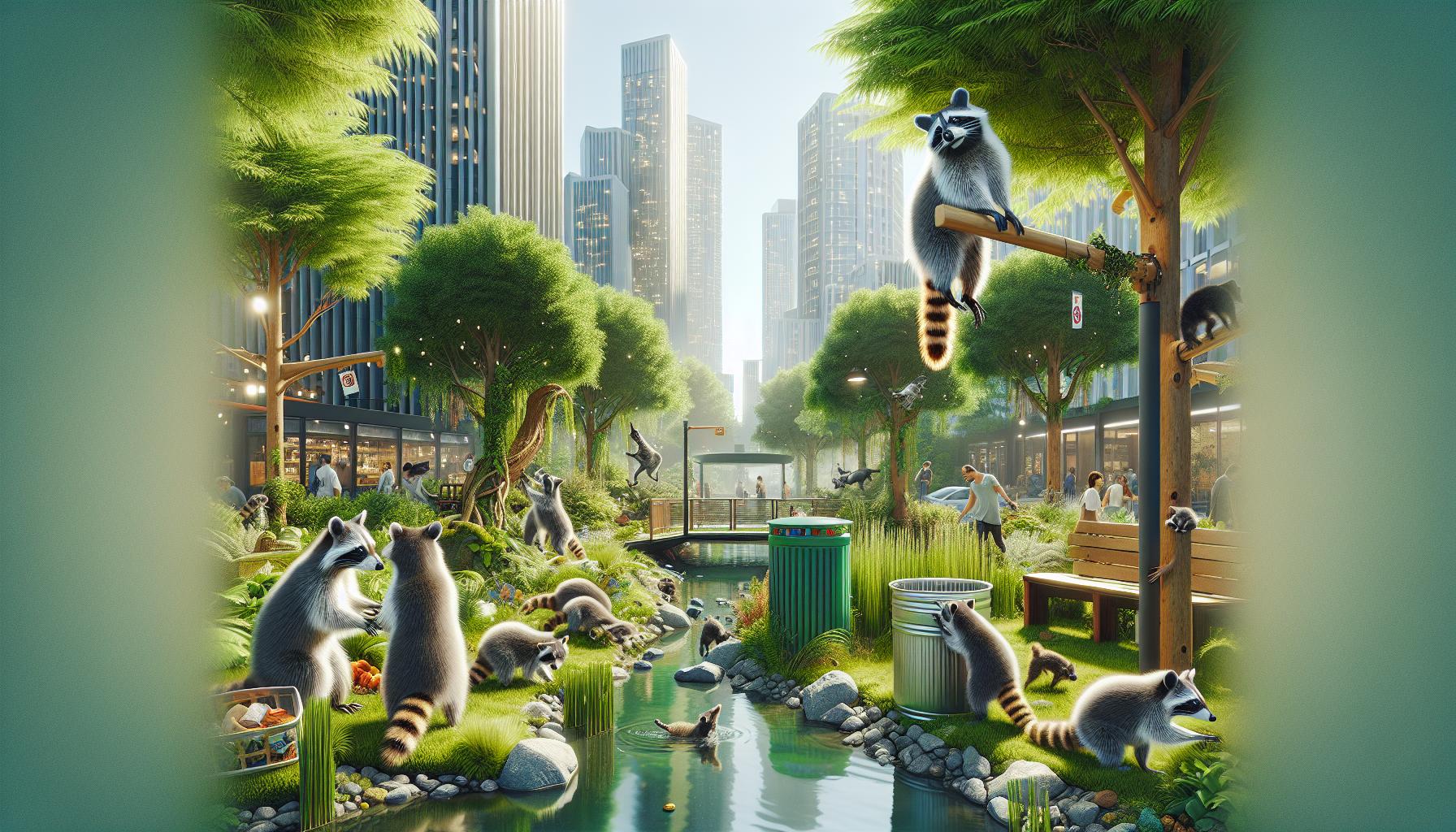
Raccoons in Urban Environments: Coexisting with Nature
Urban environments have unwittingly become a playground for raccoons, who exhibit remarkable adaptability to city living. These clever animals have mastered the art of resourcefulness, often turning human habitats into their own buffet. One fascinating fact is that raccoons can remember solutions to tasks for over three years, illustrating their incredible intelligence and ability to navigate the complexities of urban life.
To coexist peacefully with these nocturnal foragers, homeowners can implement a few practical strategies. Securing garbage cans is essential; using raccoon-proof lids prevents them from easily accessing food waste. Additionally, reducing litter and securing compost bins can minimize enticing smells that attract raccoons. It’s advisable to avoid leaving pet food outdoors overnight, as this can become a reliable midnight snack for these inquisitive creatures.
Raccoons are also naturally curious and enjoy exploring their surroundings, which sometimes leads them into backyards. Those lucky enough to catch a glimpse of a raccoon can appreciate their playful antics, whether it’s rummaging through leaves or investigating new territories. While their antics can be amusing, understanding that raccoons are essential to their ecosystem is crucial. As nature’s cleanup crew, they help control pest populations and contribute to soil health through their foraging habits.
By fostering a respectful coexistence with raccoons, urban residents contribute to a balanced local ecosystem. Embracing the quirky behavior of raccoons can spark greater appreciation for wildlife and encourage more environmentally conscious practices. The key lies in managing the environment with foresight while enjoying the delightful presence of these remarkable animals in our urban landscapes.
The Science Behind Raccoon Intelligence and Problem Solving
Raccoons are remarkable creatures, often outwitting humans through their clever problem-solving abilities. These masked bandits have shown intelligence that not only rivals our furry companions at home but also competes with some of the most intelligent animals in the wild. For instance, studies have demonstrated that raccoons possess a high level of cognitive function, ranking just under monkeys in intelligence tests while showcasing skills in memory and learning. They can remember solutions to tasks for over three years, suggesting a remarkable retention of knowledge that helps them navigate their complex surroundings and urban environments.
One fascinating aspect of raccoon intelligence is their dexterous front paws, which are akin to human hands, allowing them to manipulate objects with stunning precision. This physical adaptation plays a crucial role in their ability to solve problems, such as opening latches and unlocking containers. Raccoons have even been observed working their way past obstacles to access food sources, demonstrating both their tenacity and reasoning skills. When faced with a challenge, such as a locked trash can, they may attempt various tactics until they discover a solution, showcasing not only intelligence but a factor of persistence.
Raccoon social structures also lend insight into their cognitive capabilities. When they encounter obstacles or challenges, they often engage in cooperative behaviors, learning from each other and sharing knowledge within their groups. This social learning enhances their problem-solving skills, as younger raccoons observe and mimic older, experienced individuals. This interaction further enriches their ability to adapt to various environments, making them not just survivors, but skilled foragers able to thrive alongside urban development.
For those considering cohabitation with raccoons, understanding their complex behavior is essential. Create environments that engage their natural curiosity without allowing them unfettered access to potential dangers. Raccoons thrive when they have opportunities for mental stimulation-using toys and puzzle feeders can aid in their emotional and cognitive growth if you’re caring for these fascinating animals as pets. Recognizing the extent of raccoon intelligence not only deepens our appreciation for these animals but also emphasizes the importance of responsible ownership and coexistence in our shared spaces.
Raccoon Communication: Sounds and Signals You Should Know
Raccoons are not just adorable creatures with distinct facial masks; they are also highly expressive animals that communicate through a complex array of vocalizations and body language. Understanding their “language” can unlock a wealth of knowledge about their behaviors, intentions, and emotional states. Raccoons make a variety of sounds, such as chirps, growls, screams, and even purrs, each indicating different feelings and situations [1[1].
Vocalizations
Raccoons can produce specific vocalizations that serve unique purposes:
- Chirps and Whines: Often used by young raccoons to communicate with their mothers, these soft sounds can indicate anxiety or the need for attention.
- Hisses and Growls: These sounds may signal discomfort or warning. When a raccoon feels threatened, it will hiss or growl to ward off perceived dangers.
- Purrs: A soothing sound, purring can indicate contentment, similar to domestic cats, reflecting a calm and secure state.
- Screams: Raccoons may scream during aggressive encounters or fights, serving as a warning to other raccoons or predators nearby [2[2].
Body Language
In addition to sounds, raccoons also communicate through body language. Observing their posture, tail movements, and facial expressions offers deeper insights into their feelings:
- Tail Position: A raccoon holding its tail high displays confidence, while a lowered tail may indicate fear or submission.
- Facial Expressions: Raccoons are capable of conveying emotions through their expressions, showing curiosity, aggression, or submission, which can be crucial for recognizing social dynamics within a group.
- Posture: A raised body stance often signals readiness to play or confront, while crouching may suggest submissiveness or caution [3[3].
Practical Advice for Pet Owners
For those considering raccoons as pets or simply wishing to coexist peacefully with their wild counterparts, understanding these vocalizations and body signals is essential. Recognizing when a raccoon is feeling anxious or threatened can prevent misunderstandings, fostering a safer environment for both humans and raccoons alike. For domestic raccoons, establishing a comfortable and secure living space with appropriate enrichment can help them express their natural behaviors without fear or stress. By engaging actively with them and observing their reactions to various stimuli, responsible owners can enhance their raccoon’s emotional well-being while deepening their own understanding of these remarkable animals.
Understanding Raccoon Habitats: Where They Live and Thrive
In the wild, raccoons exhibit incredible adaptability, thriving in a diverse array of habitats that range from densely wooded areas to bustling urban landscapes. Often seen as a nuisance in cities, raccoons have beautifully adapted to human environments while maintaining their natural behaviors. Their dexterous front paws and clever problem-solving skills empower them to navigate and manipulate their surroundings, whether they are rummaging through garbage cans or foraging in backyards.
Raccoons prefer habitats that offer cover and resources, ideally comprising access to water, food, and shelter. They typically favor areas with abundant vegetation, such as forests, marshes, and wetlands. However, their ability to thrive in urban settings demonstrates their remarkable flexibility. Here are a few insights into their preferred environments:
- Wooded Areas: Traditionally, raccoons make their dens in trees or underground burrows near rivers, lakes, or wetlands, providing protection and plentiful food.
- Suburban Environments: Suburban backyards, often filled with gardens and pet food left outdoors, present an enticing menu for raccoons, offering easy access to food and shelter.
- Urban Landscapes: In cities, raccoons adapt by using buildings, trash receptacles, and parks as resources, illustrating their ability to thrive where human activity is prevalent.
This ability to live in diverse habitats can come with challenges, particularly for those considering keeping raccoons as pets. Maintaining a suitable environment that mimics their natural habitat is crucial to their well-being. Understanding their habitat preferences-not just for wild raccoons but also for those in captivity-can help owners provide a more enriching and fulfilling life. This includes creating spaces where they can engage in climbing, digging, and foraging, reflecting their wild instincts.
Ultimately, whether in the heart of a forest or the middle of a city, raccoons showcase nature’s resilience, providing lessons in adaptability that resonate with their fascinating lifestyles.
The Role of Raccoons in Ecosystems: Nature’s Cleanup Crew
Raccoons play a fascinating and vital role in maintaining ecosystem balance, often regarded as nature’s cleanup crew. Their omnivorous diet allows them to consume a wide variety of organic materials, including fruits, insects, small animals, and even human waste. This dietary flexibility enables them to aid in waste decomposition, ultimately enriching the soil and promoting plant growth. In urban environments, they can be found foraging through trash and compost, contributing to waste recycling while inadvertently helping to aerate the soil and mix nutrients back into the ground.
One of the essential functions raccoons serve as scavengers is seed dispersal. By consuming fruit and seeds, they transport these seeds across various distances in their droppings, which can lead to the growth of new plants in different locations. This behavior not only facilitates forest regeneration but also contributes to the overall biodiversity of their habitats. Their presence helps ensure that certain plant species continue to thrive, creating a more resilient ecosystem.
Furthermore, raccoons impact populations of other animals by preying on species like rodents and insects, helping regulate these populations and maintaining balance within the food web. This predation prevents overpopulation of certain species, which can lead to habitat degradation and disease spread.
By appreciating the ecological contributions of raccoons, we can foster coexistence with these intriguing animals. Homeowners can promote this coexistence by securing trash bins, minimizing attractants, and creating raccoon-friendly spaces in their gardens. Understanding their role in the ecosystem can transform our perspective on these often-misunderstood creatures, highlighting the importance of respecting and protecting wildlife in our shared environments.
Caring for Raccoons: How to Be a Responsible Owner
Caring for a raccoon as a pet can be an enriching yet challenging endeavor that demands dedication and understanding of their unique needs. These highly intelligent and curious creatures require an environment that satisfies both their physical and mental stimulation needs. Providing ample space to roam is crucial-an outdoor enclosure combined with indoor access can mimic their natural habitat, allowing them to explore and engage with their surroundings. Raccoons are known for their dexterity and need for enrichment, so offering a variety of toys, puzzles, and activities is essential to keep them entertained and mentally sharp.
Feeding a pet raccoon presents another layer of responsibility. While raccoons are omnivorous scavengers in the wild, their diet in captivity should be carefully managed to ensure optimal health. A balanced diet may consist of high-quality cat food supplemented with fruits, vegetables, and proteins such as cooked poultry or fish. It’s important to avoid processed human foods, as these can lead to health issues. To maintain good digestive health, consider providing small amounts of high-fiber foods and consulting with an exotic veterinarian who can recommend a tailored dietary plan.
Socialization is another critical aspect of raccoon care. These animals are naturally social and thrive on interaction, both with their human caregivers and, ideally, with other raccoons. Establishing a routine that includes playtime and bonding with your raccoon will help build a strong relationship and mitigate behavioral issues, such as aggression or loneliness. Be prepared for a learning curve, as raccoons can sometimes exhibit challenging behaviors, especially during their adolescent phase, leading to the need for patience and consistent training efforts.
Lastly, it’s crucial for potential raccoon owners to be aware of the legal considerations and welfare implications of keeping such a unique pet. In some regions, raccoons are classified as exotic animals, which may require special permits or prohibit ownership altogether. Additionally, it’s vital to have access to a veterinarian experienced in treating raccoons, as their health requirements differ significantly from more common pets. Being well-informed and committed to their well-being not only improves the quality of life for your raccoon but also enhances the bond you share. Adopting responsible ownership practices ultimately fosters a fulfilling and harmonious relationship between you and this captivating creature.
Common Myths About Raccoons Debunked
Raccoons are often misunderstood creatures, cloaked in a haze of myths and misconceptions. One common belief is that these clever critters are strictly nocturnal and that spotting one during the day indicates rabies or illness. In reality, while raccoons are primarily active at night, it is entirely normal for them to venture out during daylight hours, especially if food sources are scarce or if they feel secure in their environment. This myth can lead to unnecessary alarm and misunderstanding of their natural behavior.
Another prevalent myth is that raccoons are inherently aggressive and dangerous to humans. While their dexterous paws and keen intelligence often lead them into trouble-like raiding trash cans or unlocking food containers-they are typically curious and wary animals that tend to avoid confrontation. With proper management and removal strategies facilitated by professionals, raccoons can coexist peacefully with humans, highlighting the need for humane raccoon control and education about their behavior rather than fear of aggression.
It’s also a myth that raccoons are solitary animals. In fact, raccoons often exhibit social behaviors, forming groups to share resources, especially in urban areas where food is abundant. Observing raccoons working in unison can be fascinating, revealing their playful nature and intelligence that allows them to thrive in various environments. Recognizing these social tendencies can enhance understanding and lead to more compassionate interactions with these creatures.
Understanding the facts about raccoons is essential not only for wildlife enthusiasts but also for those considering them as pets. The misconceptions surrounding raccoons can affect their treatment in both the wild and in captivity. By debunking these myths, we can foster a greater appreciation for raccoons’ ecological role and the unique charm they bring to our environments.
The Life Cycle of a Raccoon: From Kitten to Adult
The journey of a raccoon from a tiny kitten to a full-grown adult is both fascinating and educational. Raccoons typically mate from January to March, with a gestation period lasting about 63 days. By late spring, female raccoons give birth to a litter that usually contains four to six adorable kits. These kits are born blind and helpless, weighing merely a few ounces. Within the first few weeks, they begin to open their eyes and start to explore their surroundings, all while remaining under the careful watch of their mother.
As they grow, juvenile raccoons exhibit remarkable changes. By the age of 2-3 months, they become increasingly active and curious, often seen following their mother around as she forages for food. It’s during this time that they start to learn essential survival skills, like climbing and using their dexterous front paws to manipulate objects. This is also when their innate curiosity becomes apparent, as they begin to experiment with their environment, showcasing behaviors that will enable them to thrive in the wild or in urban settings where they often find themselves.
By the end of summer, the kits usually begin to wean off their mother’s milk and transition to a more varied diet, learning to scavenge and hunt for food alongside her. This period is crucial for their development, as raccoons are highly intelligent creatures known for their problem-solving skills. Once they reach maturity at around 1 year of age, they start to establish their territories and may disperse from their mother to find their own homes, ready to face the world independently.
Understanding the life cycle of raccoons provides insight into their behaviors and needs, which is particularly important for those considering them as pets. Responsible ownership starts with recognizing that young raccoons require ample socialization and stimulation, as well as an environment that mimics their natural habitat. For potential pet owners, being aware of these developmental stages can help create a nurturing and enriching environment that allows for healthy growth into adulthood.
Why Raccoons Make Fascinating Pets: Pros and Cons
There’s something undeniably captivating about raccoons. With their dexterous paws and iconic masked faces, these creatures are not only charming but also display a remarkable array of behaviors that can be fascinating to observe. However, potential pet owners should understand the complex reality behind bringing a raccoon into their lives. The allure of having a raccoon as a pet comes with both delightful benefits and considerable challenges that must be weighed carefully.
One of the major advantages of having a raccoon as a pet is their intelligence. Raccoons are known for their exceptional problem-solving skills, akin to those of a three-year-old child. They thrive on mental stimulation, which can translate into engaging play sessions and training opportunities. Their ability to manipulate objects and learn tricks can foster a unique bond between the pet and the owner. Moreover, raccoons are highly social animals. When raised in a nurturing environment, they can form deep attachments and display affectionate behaviors, making them lovable companions.
However, the cons of pet raccoons often overshadow their charms. These animals are wild by nature, requiring a significant amount of attention, space, and social interaction to thrive. Unlike domesticated pets like cats and dogs, raccoons possess strong instincts that can lead to troublesome behaviors, such as nocturnal activity and a propensity for mischief. They are notorious for being curious and can get into everything, leading to potential destruction of household items and making them unsuitable for all living situations. Additionally, legal restrictions on raccoon ownership vary widely, with only 16 states allowing them as pets. This legal complexity can add layers of difficulty for potential owners seeking to keep a raccoon legally and responsibly.
In sum, while raccoons can indeed be fascinating pets that enrich your life with playfulness and intelligence, they come with a set of demands that require serious consideration. Potential owners must be well-informed and prepared to offer an environment that caters to their unique behavioral needs while complying with state regulations to ensure they are making a responsible decision.
Frequently Asked Questions
Q: What is the average lifespan of a raccoon in the wild?
A: The average lifespan of a raccoon in the wild is about 2 to 3 years, but some can live up to 5 to 7 years with ideal living conditions. Factors like predation, disease, and food availability significantly influence their longevity.
Q: Are raccoons solitary or social animals?
A: Raccoons are primarily solitary animals, although they can exhibit social behavior, especially when foraging for food. They often gather in groups during the mating season or when raising young, but adults usually prefer to live alone outside of these periods.
Q: How do raccoons communicate with each other?
A: Raccoons communicate through a variety of vocalizations, body language, and scent marking. They use sounds like chirps, growls, and purrs to convey messages, while scent marking helps them establish territory and recognize each other.
Q: What unique adaptations do raccoons have for foraging?
A: Raccoons possess highly flexible forelimbs and dexterous paws, which allow them to manipulate objects and open containers. Their forepaws have sensitive nerve endings that enhance their sense of touch, making them skilled foragers in various environments.
Q: Can raccoons see well at night?
A: Yes, raccoons are crepuscular and possess excellent night vision. Their eyes have a high number of rod cells, which enables them to see in very low light conditions, perfect for their nocturnal foraging habits.
Q: What role do raccoons play in their ecosystems?
A: Raccoons serve as important scavengers in their ecosystems. They help control insect and rodent populations while facilitating seed dispersal through their diet, thus contributing to ecological balance.
Q: How intelligent are raccoons compared to other animals?
A: Raccoons are known for their high intelligence, ranking above many other animals in problem-solving skills. They can remember solutions to tasks and show adaptability, similar to primates and dogs in cognitive abilities.
Q: Why are raccoons often associated with urban environments?
A: Raccoons thrive in urban environments due to their adaptability and resourcefulness. They can find ample food sources like garbage and are skilled at navigating human structures, allowing them to coexist with city life.
To Conclude
Thank you for exploring these fun and fascinating facts about raccoons! As you dive deeper into the world of these clever creatures, remember that knowledge is not just entertaining-it’s the key to understanding and appreciating wildlife in our backyards. If you’re intrigued by their intelligence and adaptability, check out our articles on how to responsibly coexist with raccoons and the best ways to care for them if they become your pets.
Don’t miss our comprehensive guide on raccoon behavior, which can enhance your knowledge even further. Subscribe to our newsletter for ongoing insights and tips on wildlife care; you’ll be part of a community that shares your passion! If there are any questions or thoughts stirring in your mind, feel free to comment below-your experiences make this journey even richer. Let’s keep exploring together, and remember, every bit of knowledge empowers us to respect and protect nature!