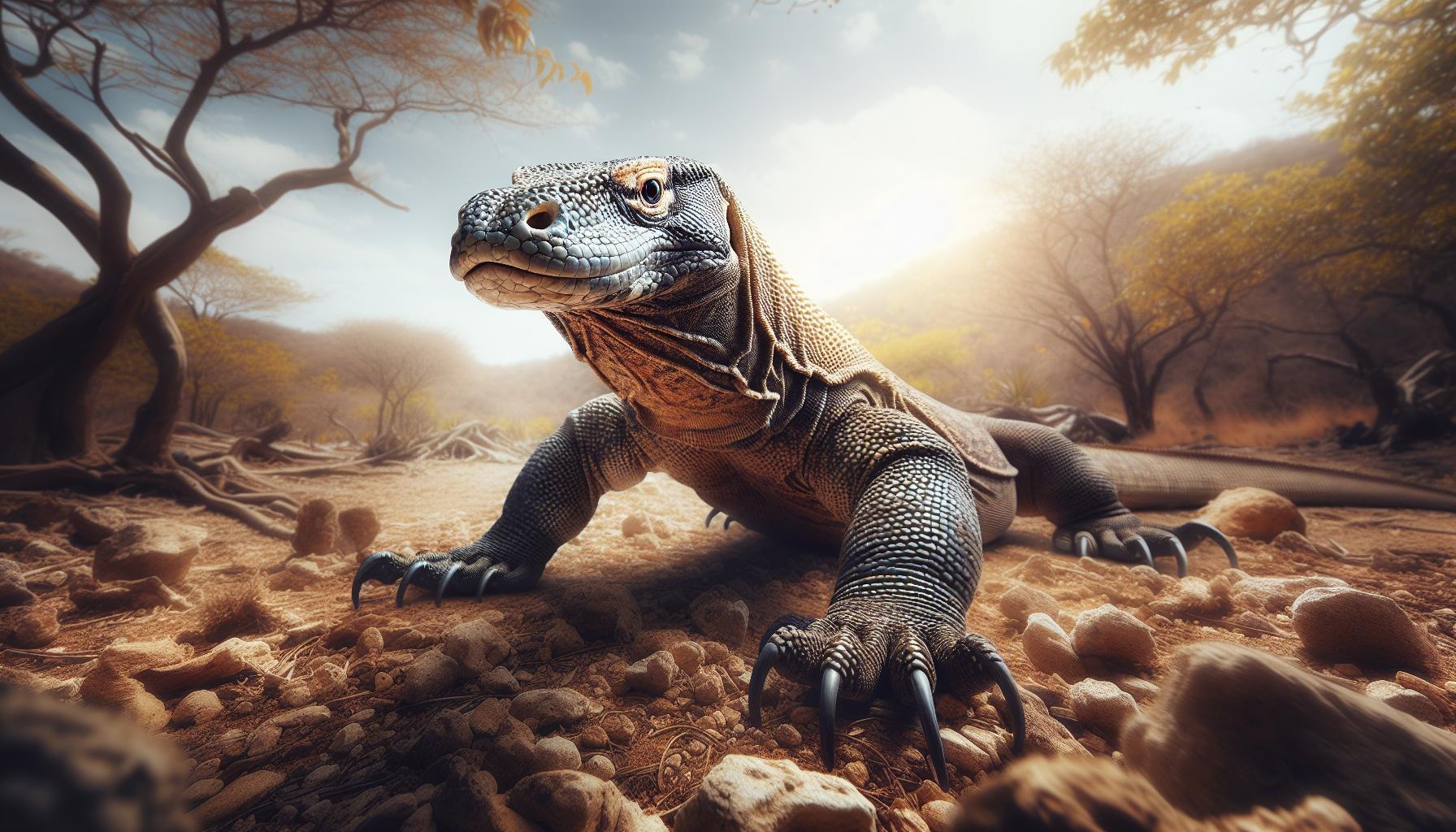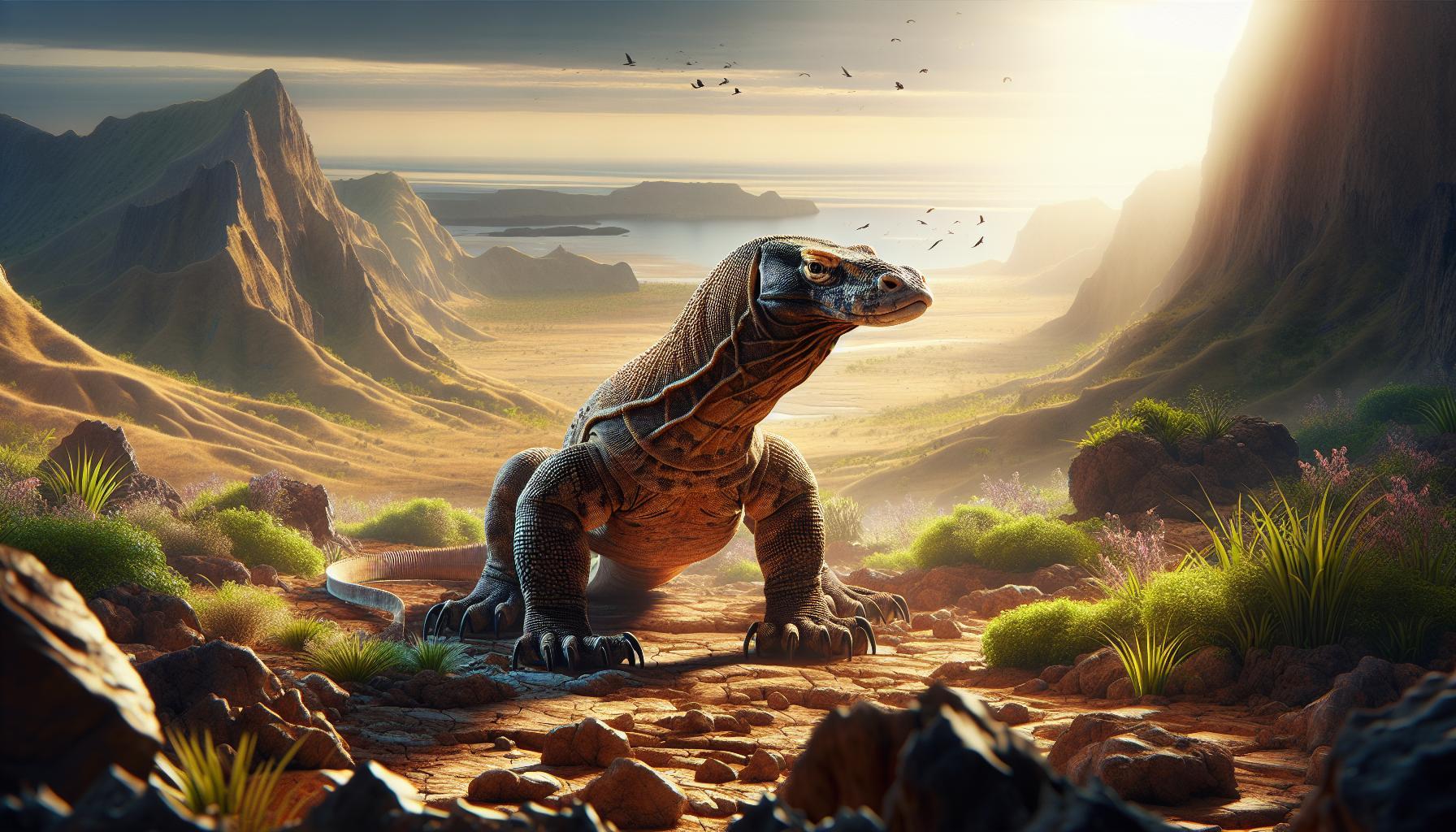

With their imposing size and fearsome reputation, Komodo dragons often inspire both awe and fear. As the largest lizards on Earth, these apex predators command attention; yet, how dangerous are they really to humans? While attacks are rare, the lethal truth about their behavior and interactions with people is crucial for anyone who ventures into their territory or considers them for exotic ownership.
Understanding the balance between fascination and caution is essential. These remarkable creatures have adapted to avoid human contact, but their power and unpredictability pose inherent risks, particularly for those unprepared. In this article, we delve into their biology, behavior, and the realities of encountering a Komodo dragon, providing readers with vital knowledge that can foster both respect and safety. Prepare to uncover the facts behind the myth and learn what truly makes these dragons both captivating and potentially dangerous.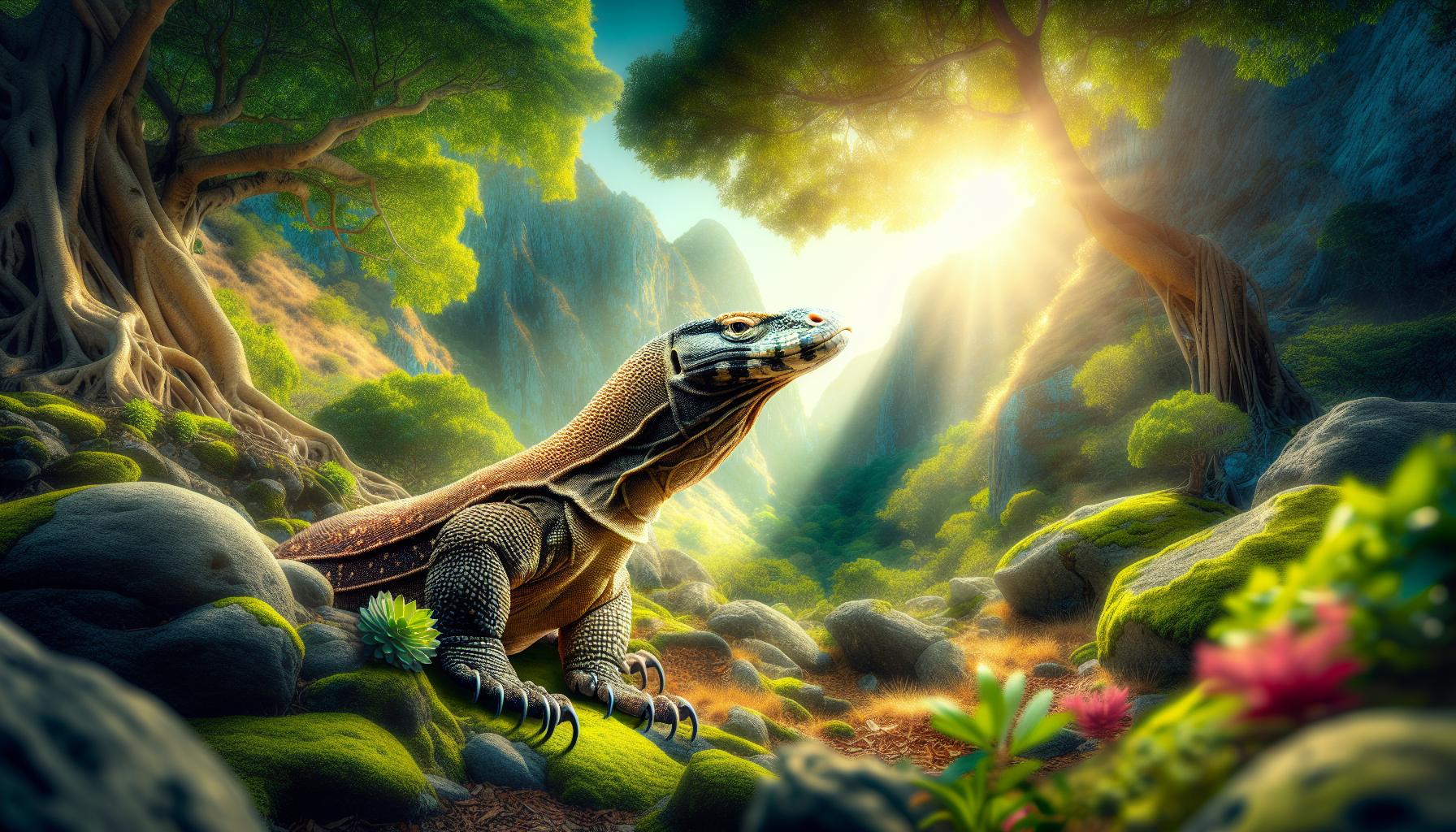
Contents
- 1 Are Komodo Dragons Dangerous? Understanding Their Behavior and Threats
- 2 The Myth vs. Reality of Komodo Dragon Attacks
- 3 How Venomous Are Komodo Dragons? The Science Explained
- 4 Natural Habitats: Where Do Komodo Dragons Live?
- 5 Komodo Dragon Diet: What Makes Them Apex Predators?
- 6 Understanding Komodo Dragon Behavior: Predatory Instincts
- 7 Risks of Komodo Dragons to Humans and Pets
- 8 The Role of Komodo Dragons in Ecosystems
- 9 Komodo Dragons in Captivity: Safety and Care Considerations
- 10 Journey to the Komodo Islands: Wildlife Tourism and Safety Tips
- 11 Conservation Status: Are Komodo Dragons Endangered?
- 12 How to Safely Observe Komodo Dragons in the Wild
- 13 Q&A
- 14 Concluding Remarks
Are Komodo Dragons Dangerous? Understanding Their Behavior and Threats
Komodo dragons are not just the largest lizards on Earth; they also hold a reputation that intertwines fascination with a measure of fear. As apex predators, these formidable reptiles can display aggressive behavior, especially when their territory is threatened or during the mating season. Encounters with humans can escalate quickly, as they may perceive people as intruders. Their impressive size-males reaching up to 3 meters long and weighing up to 150 kg-combined with their powerful jaws, puts them in a league of their own in the animal kingdom [[1]].
Despite the terrifying size and strength of Komodo dragons, it’s crucial to separate myth from reality. While there have been a number of well-documented instances of attacks on humans, these are relatively rare and often occur when the dragons feel threatened or cornered. The creatures are opportunistic eaters, capable of consuming prey much larger than themselves, including deer and water buffalo, but human casualties are usually due to provoked interactions rather than random predation [[2]]. Thus, understanding their behavior is essential for both conservation efforts and for ensuring safety during wildlife tourism.
When it comes to their venomous nature, Komodo dragons possess a unique biological weapon. Their bite is not just a result of raw power but is also enhanced by venom that can inhibit blood clotting and induce shock in their prey. This venomous quality adds a fascinating layer to their predatory instincts and plays a role in their ability to dominate the ecosystems they inhabit. Those looking to observe them in the wild should be aware of the specific threats they pose, both to other wildlife and, occasionally, to humans [[3]]. For anyone visiting their natural habitats, maintaining a safe distance and following established guidelines is essential to avoid dangerous encounters.
Understanding Komodo dragons and their behaviors significantly aids in mitigating threats to humans and emphasizes the importance of responsible interaction. As conservation efforts continue to protect these magnificent creatures, awareness of their potential dangers and the need for respect in their presence become paramount for both safety and their preservation in the wild.
The Myth vs. Reality of Komodo Dragon Attacks
Komodo dragons are formidable creatures, renowned for their size, strength, and predatory skills. Yet, they are often misunderstood, leading to exaggerated perceptions about their threat to humans. Historical narratives and sensational stories sometimes paint a picture of these reptiles as indiscriminate killers, fueling fear that can overshadow the reality of their behavior. However, a closer look reveals that while Komodo dragons can be dangerous, the circumstances surrounding their attacks are often more nuanced.
One compelling aspect to consider is that most attacks on humans occur under specific conditions, such as when the animal feels threatened or provoked. For instance, reports indicate that many of these incidents involve people entering the dragon’s territory without caution or engaging in behavior that triggers a defensive response. Understanding this context is vital; it underscores that these animals do not typically seek out humans as prey. Rather, they are opportunistic feeders, primarily targeting animals like deer and wild boar. This behavioral insight helps demystify the fear surrounding them: it is not the species itself that is inherently murderous, but rather the interplay of circumstances that leads to aggression.
The Nature of Komodo Dragon Attacks
In fact, documented cases of Komodo dragon attacks on humans remain rare, despite the creatures’ capabilities. Reports show that most incidents occur when the dragons perceive an individual as a threat or during conflicts over territory or food. For example, an account of an individual surviving a Komodo dragon attack emphasizes the importance of awareness in avoiding such encounters. It highlights how respect for the animal and its space can significantly reduce risk. When in their habitats, tourists and local inhabitants alike are encouraged to maintain a safe distance and avoid behavior that could be seen as intrusive or confrontational.
Moreover, the venom of the Komodo dragon, which was previously thought to lead to fatalities following an attack, is less lethal to humans than once believed, primarily affecting smaller prey. Although their bite can be painful and may lead to serious infections due to bacteria, many survivors attest that while the experience is alarming, fatal outcomes are rare when appropriate medical attention is sought.
Conclusion: Balancing Fear and Understanding
Exploring the myth versus the reality of Komodo dragon attacks extends beyond mere statistics; it delves into our understanding of these remarkable reptiles. By recognizing the underlying factors that contribute to attacks, we can foster a more respectful coexistence with these apex predators. Educating the public about safe practices when in proximity to Komodo dragons and promoting conservation efforts are crucial steps in preserving their future while safeguarding human interactions with them. Embracing both the awe and respect that these creatures command enhances our relationship with the natural world, allowing us to appreciate their role in the ecosystem without succumbing to unfounded fears.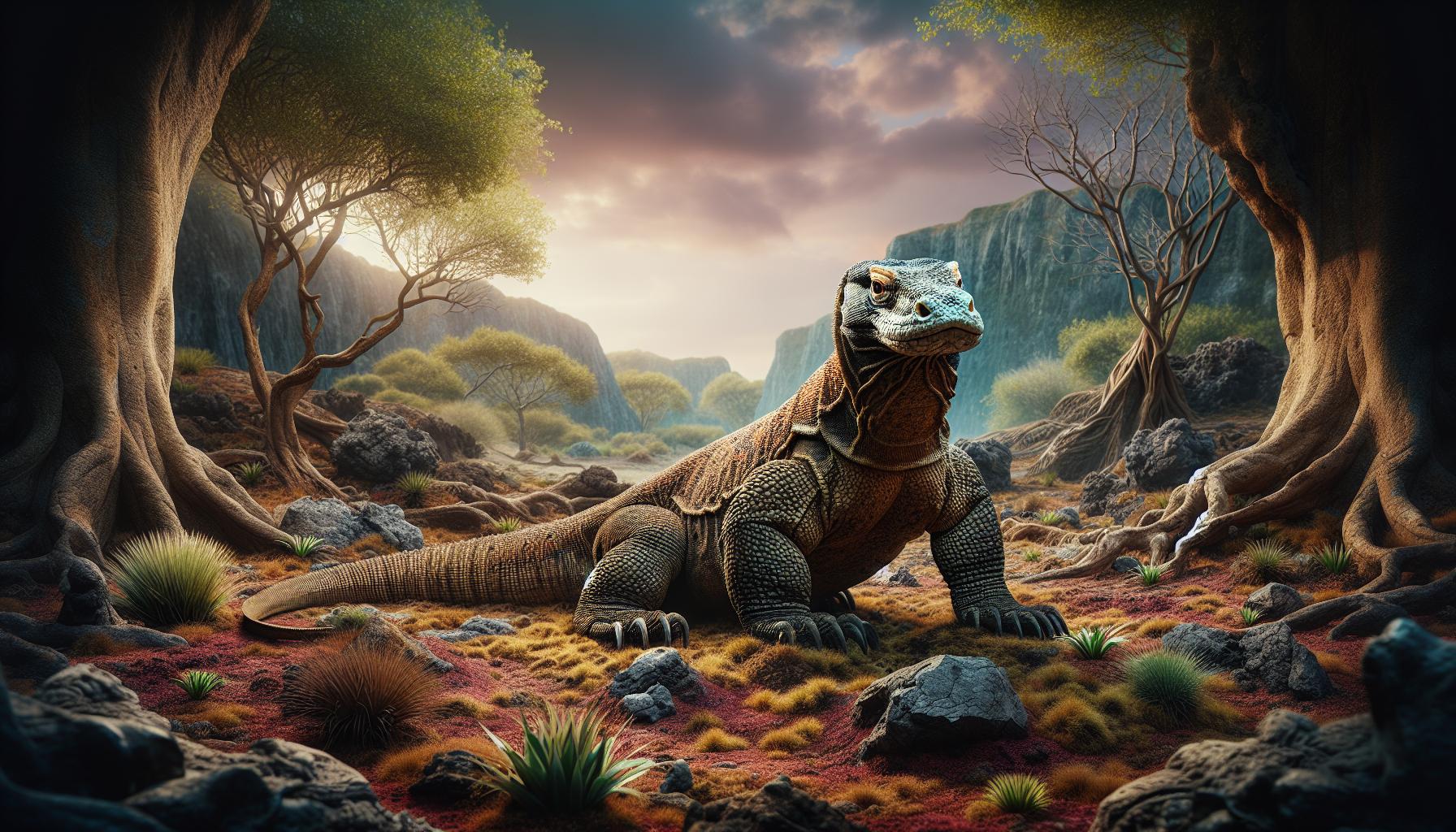
How Venomous Are Komodo Dragons? The Science Explained
The Komodo dragon, the largest living lizard on Earth, possesses a complex and somewhat surprising defensive mechanism: venom. For years, it was thought that their infamous bite resulted in severe infections primarily due to the bacteria found in their mouths. However, recent studies have unveiled that Komodo dragons are indeed venomous. In fact, their venom contains a cocktail of proteins that can induce shock, prevent blood clotting, and lead to serious physiological changes in their prey, making their attacks formidable.
When a Komodo dragon bites, it injects venom through grooves in its teeth. This venom is less lethal to humans than it is to its usual prey, which includes deer and other animals. The proteins in the venom act quickly, affecting the prey’s ability to escape and, in smaller animals, can lead to incapacitation within moments. While the risk of death for humans is lower than previously feared, the bite can still cause significant pain and swelling, and may lead to secondary infections if not treated promptly.
- Understanding Adaptations: The Komodo dragon’s ability to produce venom is a fascinating evolutionary adaptation, allowing it to remain a top predator within its environment. This venom enhances its hunting success against larger and potentially dangerous prey.
- Medical Implications: For those exploring the natural habitats of these lizards, awareness of the symptoms following a bite-such as intense pain, swelling, and potential infection-is crucial. Immediate medical attention is highly recommended to manage any injuries swiftly.
One notable aspect of their venomous nature is the ongoing research into its components. Some scientists are investigating its potential applications in medicine, particularly its anticoagulant properties, which could lead to new treatments for blood clotting disorders. This intersection of wildlife biology and human health emphasizes the importance of these creatures, not only as apex predators but also as valuable subjects in scientific study.
In conclusion, while the venom of Komodo dragons adds a layer of danger to their already fearsome reputation, understanding its effects is essential. Knowledge and respect for this magnificent species can promote safer interactions in their habitats while highlighting their role in the ecosystem. Always approach these environments with caution and an appreciation for the unique biology of the Komodo dragon.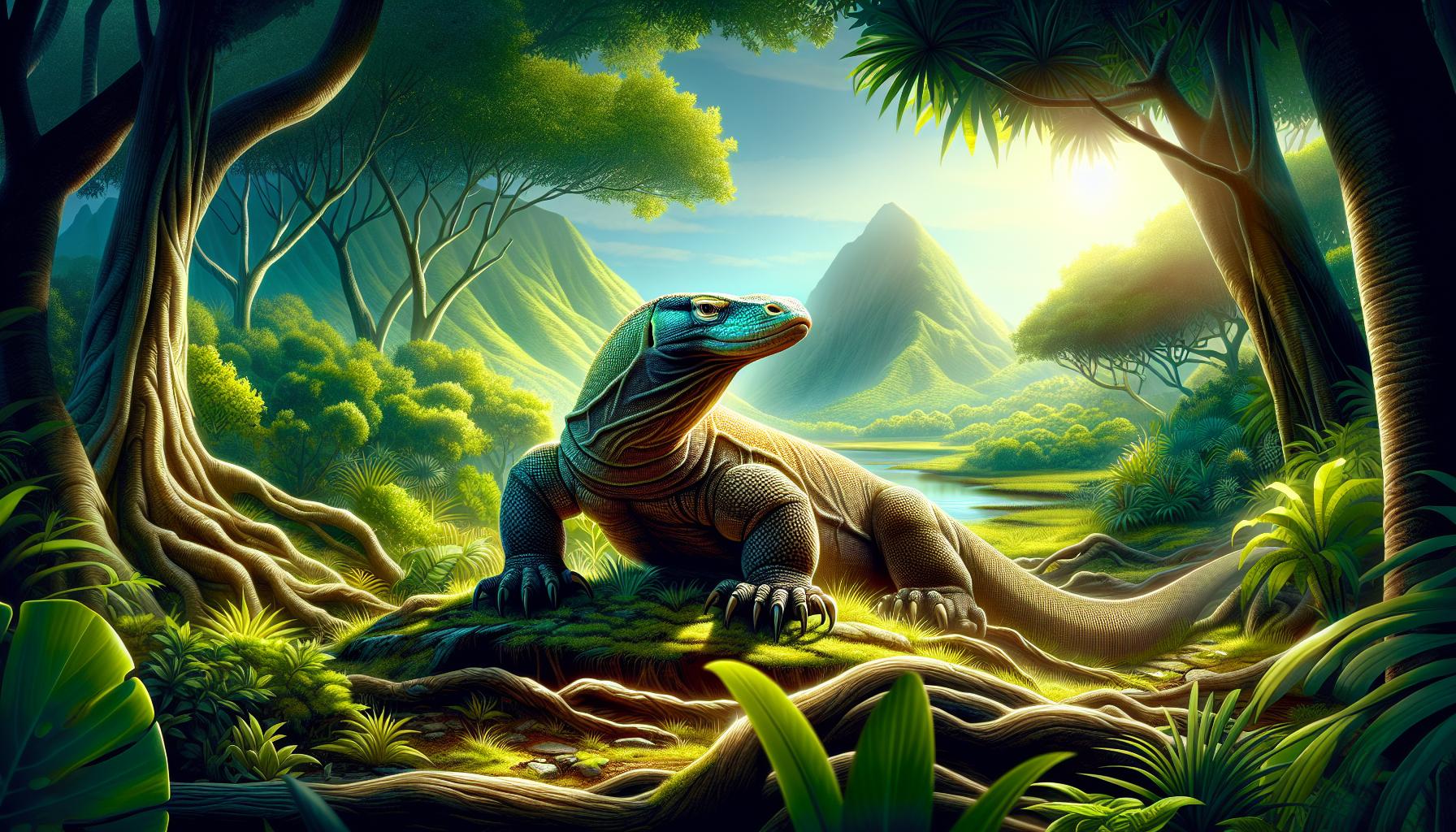
Natural Habitats: Where Do Komodo Dragons Live?
The stunning natural habitats of Komodo dragons are confined to a select few islands in Indonesia, primarily the Komodo, Rinca, Flores, and Gili Motang islands, all part of the Lesser Sunda Islands. These formidable lizards thrive in the rugged terrain of this region, which comprises dry savannas, scrublands, and tropical forests. This unique environment plays a crucial role in the lives of Komodo dragons, providing them with ample opportunities to hunt and express their natural behaviors.
Komodo dragons prefer habitats that are characterized by elevations ranging from sea level to about 1,000 meters, where they can bask in the sun and stalk their prey. They predominantly roam in open areas, which allows them to utilize their exceptional sense of smell to detect carrion from several miles away. Because these dragons are largely solitary, their habitats often overlap with those of other species, resulting in a complex web of predator and prey interactions that defines the ecosystem.
The climate in their natural habitats is typically hot and arid, with distinct wet and dry seasons. This seasonal variation influences the availability of prey and the overall behavior of the dragons. For example, during the dry season, komodos often congregate around water sources, a sharp reminder of their need for hydration in a landscape that can become exceedingly parched. An understanding of these environmental patterns is vital for conservation efforts, as it allows researchers to predict changes in population dynamics and habitat use.
As apex predators, Komodo dragons play a pivotal role in maintaining the health of their ecosystems. By controlling the population of herbivores and scavengers, they contribute to a balanced environment. However, the impact of human activity and climate change threatens their natural habitats. Conservation initiatives are essential to protect these majestic creatures, ensuring that their ecological legacy continues while fostering a deeper appreciation for their unique role in the wild. To engage with these extraordinary animals responsibly, exploring their natural habitats should involve adhering to conservation guidelines and respecting their space, affirming the need for coexistence amid nature’s wonders.
Komodo Dragon Diet: What Makes Them Apex Predators?
The Komodo dragon, with its formidable size and predatory prowess, is not just the largest lizard on Earth; it is also a quintessential example of an apex predator. These ferocious reptiles dominate their native habitats, which are primarily the islands of Indonesia, by engaging in a diet that is as diverse as it is ruthless. With their keen sense of smell, which allows them to detect carrion from several miles away, Komodo dragons primarily hunt large ungulates such as deer and wild boars. They are capable of taking down prey much larger than themselves, showcasing their role at the top of the food chain.
Their diet consists mainly of:
- Large ungulates: Adult Komodo dragons often hunt deer, water buffalo, and wild boars, consuming significant amounts of meat in a single meal.
- Scavenging: They frequently scavenge on carrion, which allows them to thrive even when living prey is scarce.
- Smaller animals: In addition to large prey, they will consume birds, rodents, and other smaller creatures, ensuring a varied diet.
What sets Komodo dragons apart from other reptiles is their unique physiological traits that enhance their predatory success. They possess venomous saliva, which contains toxins that can cause shock and inhibit blood clotting in their prey, making it easier for them to overwhelm larger animals. This lethal combination of size, strength, and venom positions them at a critical juncture in their ecosystem, where they not only regulate prey populations but also help maintain ecological balance.
Understanding their place in the food web highlights why these creatures must be treated with respect and caution. They are capable of inflicting serious harm if threatened, using their powerful bodies and razor-sharp teeth. For anyone interested in keeping reptiles as pets, it’s crucial to appreciate the intricate behaviors and needs of such apex predators, recognizing that the skills and instincts that make Komodo dragons efficient hunters are at the heart of their enigmatic appeal.
Understanding Komodo Dragon Behavior: Predatory Instincts
The Komodo dragon’s predatory instincts are a fascinating blend of raw power and acute sensory perception that allow these magnificent reptiles to excel as hunters in their natural habitat. These ancient lizards are equipped with a sophisticated array of adaptations that contribute to their status as apex predators. A remarkable aspect of their hunting strategy lies in their extraordinary sense of smell-Komodo dragons can detect carrion from distances up to five miles away, which is crucial for locating food in the dense jungles and open savannas of the Indonesian islands.
When it comes to stalking their prey, Komodo dragons exhibit incredible stealth and patience. They often employ a strategy of ambush, lying in wait for unsuspecting animals to approach water sources or feeding spots. This hunting technique is defined by a combination of strength, cunning, and the element of surprise. Once they identify an opportunity, these reptiles can sprint surprisingly fast for short distances, latching onto their prey with powerful jaws enhanced by serrated teeth designed to tear flesh. Their instinctual behavior is refined and effective, optimized for a life where every meal counts.
Adaptive Hunting Techniques
The predatory behavior of Komodo dragons is not merely instinctual; it is also highly adaptable. Depending on the availability of food and environmental conditions, these lizards can switch between active hunting and scavenging, allowing them to thrive in diverse settings. An adult Komodo dragon can consume up to 80% of its body weight in a single meal, which is essential for survival during lean times when hunting may be less fruitful.
Moreover, their venomous bite adds an alarming element to their predatory prowess. The saliva of Komodo dragons contains toxins that can incapacitate prey by inducing shock and preventing blood clotting. This biological weaponry not only makes it easier to overpower large animals but also serves as an effective hunting strategy, allowing the dragon to track injured prey over distances. This dual approach of hunting and scavenging illustrates their ecological role as both predator and scavenger, accentuating the delicate balance they maintain within their ecosystems.
In conclusion, understanding the predatory behavior of Komodo dragons reveals much about their survival skills and the respect they command as apex predators. For anyone looking to keep these remarkable creatures as pets, it’s crucial to recognize the challenges involved and to provide an environment that mimics their natural behavior as much as possible. This understanding of their instincts not only enhances the appreciation for Komodo dragons but also informs better care practices for those who aim to provide a home for these unique reptiles.
Risks of Komodo Dragons to Humans and Pets
The mere mention of a Komodo dragon often sends chills down the spine, and for a good reason. These formidable reptiles, measuring up to 10 feet in length and weighing up to 150 pounds, are not just another lizard; they embody a predatory prowess that can pose serious risks to both humans and pets. With a potent combination of speed, strength, and a venomous bite, a Komodo dragon represents a significant threat, particularly in the wild or in areas where human encroachment intersects with their natural habitat.
One of the main risks arises from their unpredictable behavior. While Komodo dragons are not naturally aggressive towards humans, instances of attacks have been recorded, often when they feel threatened or are provoked. They are known for their sharp teeth and powerful jaws that can deliver deep lacerations, and their venom can induce shock and prevent blood clotting, making even minor bites potentially dangerous. In rural areas around Komodo National Park, locals are advised to maintain a safe distance from these reptiles, as encounters can turn perilous quickly, especially if an unsuspecting person stumbles too close to a nest or a feeding site.
For pet owners, introducing a Komodo dragon into a domestic environment is fraught with peril. These creatures have an instinctive drive to hunt and an overwhelming prey drive, making them a risk to small pets such as dogs, cats, and even rabbits. The natural behavior of a Komodo dragon is that of an apex predator, and if given the opportunity, it will likely view smaller animals as potential prey. Therefore, it is essential to ensure that any pet is kept well away from a Komodo dragon’s vicinity, ideally in a fully secure and separate environment.
Managing the risks associated with Komodo dragons involves more than just maintaining distance; it encompasses a broader understanding of their behavior and ecology. For individuals planning to visit regions where Komodo dragons are native, such as the Komodo Islands, safety measures should be taken seriously. Employing knowledgeable guides, adhering to safety protocols established by park authorities, and understanding the terrain can greatly reduce the risk of negative encounters. Awareness and education are critical components for anyone interacting with or living near these awe-inspiring reptiles.
The Role of Komodo Dragons in Ecosystems
The Komodo dragon, often considered a fearsome apex predator, plays a critical role in its ecosystem that extends far beyond its impressive size and venomous bite. Found exclusively on a few Indonesian islands, including Komodo, Rinca, and Gili Motang, these remarkable reptiles are not merely hunters; they are essential to maintaining the health and balance of their environments. By removing weak and sickly animals from the population, Komodo dragons help to ensure that the prey species, such as deer and wild boar, remain vigorous and resilient.
Komodo dragons are regarded as scavengers, engaging in behaviors that optimize the ecological processes on the islands they inhabit. They are instrumental in cleaning up carcasses, consuming dead animals, which helps mitigate disease spread and fosters a healthier ecosystem. This scavenging role contributes to nutrient cycling within their habitats, supporting a diverse range of flora and fauna. As such, they help maintain the health of the entire food web, from the lowliest decomposers to other apex predators that share their domain.
In their natural habitats, Komodo dragons exhibit unique social behaviors, including the establishment of dominance hierarchies. These social dynamics play a role in controlling territorial disputes, allowing for a more stable population structure. The presence of Komodo dragons also influences the behavior of other species, often keeping prey populations in check. By regulating herbivore numbers, they indirectly support vegetation growth, thus contributing to the overall biodiversity of the islands.
It’s essential to recognize the ecological significance of Komodo dragons, as their decline or extinction could lead to unforeseen consequences in their habitats. Human encroachment and habitat destruction threaten these majestic reptiles, which not only imperils their population but also jeopardizes the delicate balance of the ecosystems they maintain. Conservation efforts are crucial in ensuring that these incredible reptiles continue to thrive, safeguarding the intricate interplay of life on the islands they call home. For pet owners and wildlife enthusiasts, understanding the ecological role of Komodo dragons underscores the importance of respecting their habitats and supporting conservation initiatives.
Komodo Dragons in Captivity: Safety and Care Considerations
In the world of reptiles, few creatures spark as much intrigue and caution as the Komodo dragon. Captivating in appearance but formidable in nature, these lizards require a nuanced approach to their care, especially when kept in captivity. Breeders and zoos emphasizing the health and safety of both the animals and their handlers implement specific measures to manage these giant lizards, whose weight can surpass 150 pounds and whose venomous bite demands respect.
To create an optimal living environment, it is essential to replicate the Komodo dragon’s natural habitat as closely as possible. This involves providing spacious enclosures that allow for ample movement and behavioral expression. A well-planned habitat might include the following:
- Sunbasking areas: Essential for thermoregulation, these spaces allow lizards to maintain their body temperature.
- Deep soil: This feature is beneficial for nesting and egg-laying, crucial for breeding females.
- Pools for swimming: Water access is vital for hydration and helps in maintaining cleanliness.
- Diverse flora: Durable plants provide shade and enrich the environment, enhancing the lizard’s well-being.
When it comes to handling, Komodo dragons are not suited for novice reptile keepers. Their strong jaws and the potential for aggressive behavior necessitate experienced oversight. It is recommended that individuals handling these lizards wear protective gloves and ensure two or more handlers are present to manage any aggressive or unpredictable behavior. The enclosure must also be secure since their strength and intellect enable them to escape if given the opportunity.
Feeding practices are equally important. As apex predators, Komodo dragons require a diet rich in protein, primarily consisting of whole prey such as rodents, birds, and rabbits. Caregivers should ensure that food is offered in a manner that encourages natural foraging behaviors, which contributes to mental stimulation and prevents obesity-an issue that can afflict captive reptiles due to lack of exercise.
Monitoring health is paramount for any animal kept in captivity. Regular veterinary check-ups can detect potential health issues early, allowing for prompt treatment. Remember that even in captivity, Komodo dragons can carry diseases that may infect other animals or humans. Adhering to strict health and safety protocols not only enhances the animals’ well-being but also safeguards handlers and visitors alike.
Understanding the needs of Komodo dragons in a captive setting is crucial for those interested in these magnificent reptiles. Their care is a commitment that requires knowledge, respect, and an appreciation for their wild nature, ensuring these ancient mariners of the reptilian world can thrive even beyond their native islands.
Journey to the Komodo Islands: Wildlife Tourism and Safety Tips
Venturing into the realm of the Komodo Islands is akin to stepping into a living diorama of ancient ecosystems, where the legendary Komodo dragon reigns as a living testament to the power and mystery of nature. Each year, intrepid travelers flock to this Indonesian paradise, drawn by the allure of observing these incredible reptiles in their natural habitat. However, venturing into this wild habitat requires careful planning and respect for both the wildlife and the environment.
To fully enjoy your experience while minimizing risks, it’s essential to choose a reputable tour guide familiar with the terrain and the local regulations governing interactions with wildlife. Guides are crucial not only for your safety but also as they often have invaluable insights about the dragons’ behaviors and habitats. When preparing for your visit, ensure to wear sturdy walking shoes and sun protection, as much of the trek involves walking on rocky, uneven paths under intense sunlight. Always maintain a safe distance from the dragons-recommended at least 10 meters-since their impressive size and strength can make them unpredictable. Never approach them, especially if they appear to be feeding or resting, as these are times when they might become defensive.
It’s worth noting that while Komodo dragons are fascinating creatures, they are also apex predators with the ability to be aggressive if they feel threatened or cornered. When taking guided tours, listen attentively to your guide’s instructions and stay in designated areas. Observing the feeding behaviors of these incredible reptiles can be thrilling, but personal safety should always be the top priority. One of the most critical tips is to never attempt to feed the dragons, which can provoke aggressive encounters and disrupt their natural hunting instincts. By ensuring you are well-informed and taking the necessary precautions, you can appreciate the majesty of these lizards while keeping both yourself and them safe.
Accommodation options near the national park often include eco-friendly lodges that support sustainable tourism, allowing visitors to contribute to the preservation of the pristine ecosystem while enjoying modern comforts. Participating in wildlife conservation efforts during your visit, such as guided night walks or research volunteering, can deepen your understanding of Komodo dragons and their environment, making your adventure not only exhilarating but also enriching. Iconic yet endangered, the Komodo dragons are a species in dire need of protection and respect; thus, your responsible tourism plays a vital role in their ongoing conservation.
Ultimately, experiencing the Komodo Islands is a once-in-a-lifetime opportunity that combines the thrill of wildlife encounters with the beauty of unspoiled nature. With the right mindset and approaches, your journey can contribute to the respect and preservation of these incredible creatures and the breathtaking landscapes they inhabit.
Conservation Status: Are Komodo Dragons Endangered?
In the shadow of their imposing stature and prehistoric charm, Komodo dragons are facing a pressing crisis: their conservation status is now classified as endangered. Recent estimates reveal that fewer than 1,400 adult individuals remain in the wild, a sobering statistic reflecting the myriad threats to their survival, including climate change, habitat destruction, and human encroachment on their natural environments [[1]](https://bagheera.com/komodo-dragon/). As sea levels rise-a direct consequence of climate change-there is a looming threat that these magnificent creatures could lose vital parts of their habitat, pushing them closer to extinction [[3]](https://www.nhm.ac.uk/discover/news/2021/september/komodo-dragon-is-now-listed-as-endangered-from-rising-sea-levels.html).
The primary forces driving the endangerment of Komodo dragons are tied to human activities. Agricultural expansion and tourism often lead to habitat loss, as local ecosystems are altered or destroyed to accommodate development [[2]](https://www.aza.org/connect-stories/stories/zootampa-hatches-endangered-komodo-dragons). Furthermore, as apex predators within their ecosystems, the decline of Komodo dragons could destabilize local biodiversity. Their unique role in controlling prey populations underlines the importance of their conservation-not only for the species itself but for the ecological balance it helps maintain.
Protecting Komodo dragons requires coordinated global and local conservation efforts. The establishment of protected areas, such as Komodo National Park, has proven crucial in safeguarding their habitats while promoting sustainable tourism practices. Engaging local communities in conservation initiatives is essential, as it fosters a sense of stewardship and ensures that the livelihoods of those who reside in and around these areas are not at odds with wildlife preservation.
To ensure the future of Komodo dragons, responsible tourism plays a vital role. Tourists can contribute by supporting eco-friendly tour operators, participating in conservation programs, and educating themselves about the significance of these animals in their natural habitats. It is not just a quest for adventure but a call to action to preserve a unique ecological treasure, making every visit an act of conservation. As these lizards inspire awe and wonder, their fate rests in our hands-only through dedicated efforts can we hope to secure their place in the wild for future generations.
How to Safely Observe Komodo Dragons in the Wild
To witness the enigmatic allure of Komodo dragons in their natural habitat truly is a once-in-a-lifetime experience, yet it must be approached with utmost respect and caution. These remarkable reptiles, which can weigh over 150 pounds and reach lengths of up to 10 feet, possess not only an awe-inspiring presence but also predatory instincts that warrant careful observation. Understanding how to safely enjoy this wild encounter can help ensure both your safety and the well-being of these incredible creatures.
Staying at a safe distance is paramount. Visitors should maintain a minimum distance of 3-5 meters (approximately 10-15 feet) from Komodo dragons, granting them enough space to avoid triggering their instinctive responses. Despite being generally not aggressive towards humans, they can exhibit unpredictability if they feel threatened or cornered, particularly if they associate a person with food. Tourists are strongly advised to follow the guidance of trained local guides who are experts at reading dragon behavior and navigating these wild terrains safely.
Here are key tips to enhance your experience while ensuring safety:
- Stay Grouped: Always move in groups when exploring Komodo Island. This not only deters dragons but also increases your safety should an unexpected situation arise.
- Avoid Feeding: Do not attempt to feed or attract Komodo dragons with food. This can create dangerous associations and disrupt their natural hunting behaviors.
- Stay Calm and Quiet: Sudden movements or loud noises can startle these reptiles. Approach with calmness and observe their behavior from a distance.
- Wear Sturdy Footwear: The terrain can be rugged; appropriate footwear will help you navigate safely without accidents that could lead to complications if you’re in close proximity to these animals.
- Observe from Designated Areas: There are often designated viewing areas where safety measures are in place, offering optimum chances to see Komodo dragons without compromising safety.
Engaging in wildlife tourism requires a mindset of respect and awareness of both the animal and the environment. By adhering to safety protocols, you not only safeguard yourself but also contribute to a more respectful interaction with the stunning biodiversity of Komodo Island. Practicing responsible tourism speaks volumes about your commitment to the preservation of these magnificent creatures and their habitat.
Q&A
Q: Are Komodo dragons aggressive towards humans?
A: While Komodo dragons can be dangerous, they are not typically aggressive towards humans unless provoked. Maintaining a safe distance and respecting their territory is crucial to prevent unwanted encounters. Always follow safety guidelines when observing them in the wild.
Q: What should you do if a Komodo dragon approaches you?
A: If a Komodo dragon approaches, do not run as this may trigger their hunting instincts. Instead, back away slowly and avoid direct eye contact. Ensure you are in a safe area, ideally with a local guide who can help manage the situation effectively.
Q: How strong is a Komodo dragon’s bite?
A: Komodo dragons have incredibly strong jaws and sharp teeth that can easily crush bones. Their bite delivers a potent mix of bacteria and venom, which can lead to severe infections or systemic reactions, making their bite particularly dangerous to prey and humans alike.
Q: Can you get killed by a Komodo dragon?
A: Yes, there have been fatal incidents involving Komodo dragons attacking humans. While such events are rare, their size, strength, and venom can pose serious risks if humans do not adhere to safety protocols during encounters with these reptiles.
Q: How do Komodo dragons hunt their prey?
A: Komodo dragons hunt using a combination of stealth and speed. They often ambush unsuspecting prey before using their powerful jaws to deliver a fatal bite. Once injured, the prey may succumb to the deadly bacteria in the dragon’s saliva over time.
Q: Are there any precautions to take when visiting Komodo dragons?
A: Visitors to Komodo dragons should always use local guides who are trained for safety. It is advised to stay in groups, avoid loud noises, and refrain from wearing strong perfumes, as these can attract the dragons. Respect their space to ensure safe observation.
Q: Do Komodo dragons have any natural predators?
A: Adult Komodo dragons have few natural predators due to their size and position as apex predators. However, younger dragons may fall prey to larger birds or even adult Komodo dragons if food is scarce, highlighting the harsh realities of their survival.
Q: How can the public contribute to Komodo dragon conservation?
A: The public can support conservation efforts by raising awareness, participating in wildlife tours that promote responsible viewing, and contributing to organizations focused on habitat preservation. Engaging with and respecting local communities can also enhance conservation initiatives.
Concluding Remarks
While Komodo dragons may appear mesmerizing, understanding their behaviors and potential dangers is crucial for wildlife enthusiasts and pet owners alike. As we’ve discussed, their impressive size and venomous bite make them formidable in their natural habitat, but with respectful observation, they can be appreciated safely. If you’re intrigued by other fascinating reptiles, check out our in-depth article on “The Most Venomous Snakes in the World” or explore tips in “How to Care for Exotic Pets” for responsible ownership practices.
Don’t miss the chance to stay informed; subscribe to our newsletter for the latest insights on wildlife and tips for pet care. Have questions or thoughts about what you’ve learned? We invite you to comment below and join the conversation! Remember, knowledge empowers responsible actions-whether you’re admiring these incredible creatures or considering a unique pet for your home. Your journey into the animal kingdom continues here-explore further and deepen your understanding!