


Woodchucks, also known as groundhogs, boast a diverse palate that influences their behavior and habitat choices. Understanding what woodchucks love to eat can unlock insights into their natural environment and even aid in gardening techniques to protect cultivated crops. These fascinating creatures enjoy everything from clover flowers to garden favorites like beans and squash, making them a key part of many ecosystems.
As you delve into the world of woodchucks, you’ll discover not just their favorite treats but also how these preferences impact their role as foragers in the wild. Knowing which foods attract them can help gardeners mitigate potential damage to their plants while nurturing a healthy appreciation for these creatures. Join us as we explore the tasty treats that woodchucks savor, and enrich your understanding of their habits and preferences. This knowledge might just inspire effective strategies for coexisting with our furry foragers!
Contents
- 1 What Do Woodchucks Eat? Understanding Their Diet
- 2 Top 5 Favorite Foods of Woodchucks
- 3 Nutritional Needs of Woodchucks Explained
- 4 How to Feed Woodchucks in Your Backyard
- 5 Are Woodchucks Herbivores, Omnivores, or Carnivores?
- 6 The Impact of Seasonal Changes on Woodchuck Diet
- 7 Safe vs. Unsafe Foods for Woodchucks
- 8 How Woodchucks Forage in the Wild
- 9 The Role of Woodchucks in Ecosystems
- 10 Common Myths About Woodchuck Feeding Habits
- 11 Can Woodchucks Be Kept as Pets? Feeding Guidelines
- 12 Q&A
- 13 Final Thoughts
What Do Woodchucks Eat? Understanding Their Diet
Woodchucks, often affectionately known as groundhogs, have a rather diverse diet that reflects their adaptability as herbivores. These charming creatures primarily thrive on a plethora of vegetation that can be found in their natural habitats. From luscious greens to vibrant flowers, their diet typically consists of a rich array of plant materials that not only nourish them but also allow them to thrive in various environments.
Favorite Foods of Woodchucks
Some of the woodchucks’ top culinary delights include:
- Alfalfa – A favorite among woodchucks for its soft texture and high nutritional value.
- Dandelions – These common weeds are not just garden nuisances; they serve as a hearty meal for groundhogs.
- Grasses – Woodchucks enjoy an assortment of grassy varieties, which are abundant in their habitats.
- Clovers – Soft and sweet, clover is another popular forage choice.
- Fruits and Vegetables – Berries, carrots, and even tree bark can occasionally find their way onto a woodchuck’s menu, particularly in managed backyard settings.
Their diet is not strictly plant-based as they may consume insects and larvae, especially when plant sources are scarce. This omnivorous tendency showcases their adaptability and resourcefulness in the wild. Understanding the dietary preferences of woodchucks is crucial for anyone interested in their care, particularly if you’re aiming to attract them to your garden or maintaining their populations in the wild.
Nutritional needs are best met through a balanced diet of greens and vegetables, ensuring that these creatures can maintain their health and energy levels. For backyard enthusiasts aiming to support local wildlife, planting a diverse range of flora that flourishes throughout the season can create a welcoming environment that supports woodchucks and enhances your garden’s biodiversity.
Top 5 Favorite Foods of Woodchucks
Woodchucks, or groundhogs, have developed a taste for various types of vegetation, making their dining experiences quite diverse and fascinating. Their dietary preferences reveal not only their adaptation to different environments but also their roles within ecosystems. Here are some of their top culinary favorites that are sure to excite both the woodchucks and those who admire them:
- Alfalfa – This nutrient-rich forage is a favorite among woodchucks. Its soft texture makes it easy for them to munch on, while its high fiber and protein content supports their health and energy levels. Alfalfa is often abundant in fields, making it an accessible treat.
- Dandelions – More than just a common weed, dandelions are a hearty meal for groundhogs. Their leaves, flowers, and roots are all edible and packed with vitamins, making them an essential part of the woodchuck’s spring and summer diet.
- Grasses – Woodchucks are keen grazers and enjoy a variety of grassy plants. Grasses provide hydration and fiber, both crucial for their digestive health. You’ll often spot them roaming meadows and fields, feasting on everything from bluegrass to ryegrass.
- Clovers – These sweet-tasting plants rank high on a woodchuck’s list of favorites. Clover is not only a source of nourishment but also helps with hydration due to its high water content. The palatable nature of clover makes it an appealing option for these critters.
- Fruits and Vegetables – In a managed garden setting, woodchucks may indulge in berries, carrots, and even tree bark. While these are not their primary food sources in the wild, they show flexibility in their diet. For gardeners aiming to attract woodchucks, incorporating some of these options can enhance the likelihood of visits.
Fostering an understanding of these preferred foods not only helps in appreciating the woodchuck’s dietary habits but also aids those looking to create a hospitable environment. By planting a variety of these favorites, you can invite groundhogs into your garden, enriching both your landscape and local wildlife interactions. This harmonious balance of nature not only supports woodchucks but contributes to the broader ecological web.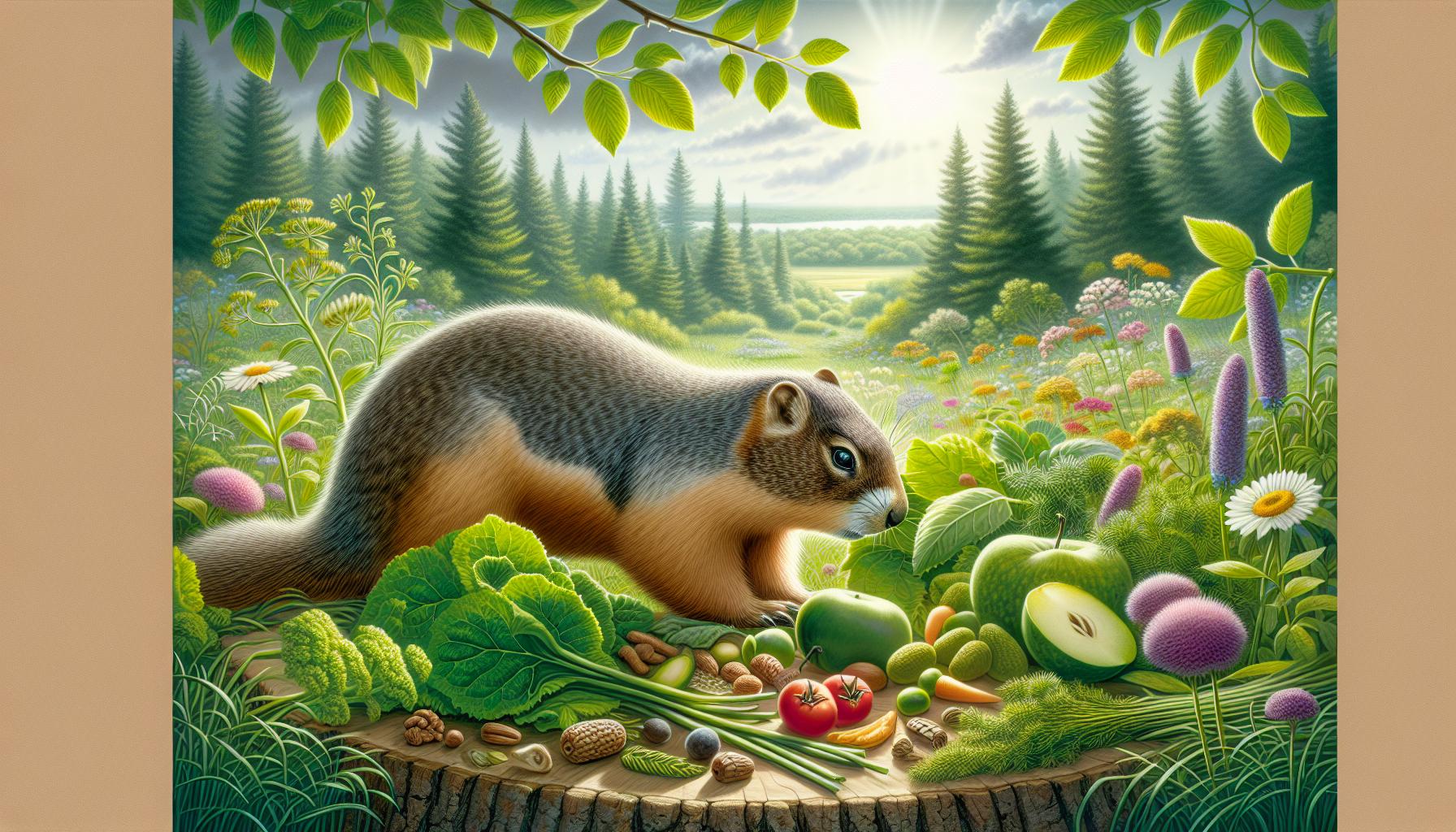
Nutritional Needs of Woodchucks Explained
Woodchucks, or groundhogs, need a well-rounded diet that meets their specific nutritional requirements to thrive in the wild and in captivity. One key aspect of their nutrition is the balance of fibers, carbohydrates, proteins, vitamins, and minerals that sustain both their health and energy levels. Responsible owners or caretakers should be aware that these fascinating creatures flourish on a diet that mirrors their natural foraging behavior, which typically consists of a variety of vegetation.
To maintain optimal health, woodchucks require a high-fiber diet primarily derived from grasses and leafy greens. This fiber is crucial for their digestion and overall gastrointestinal health, preventing issues such as bloating or obstruction. For example, the inclusion of alfalfa and clover not only meets their protein needs but also provides essential vitamins and minerals that are key to their developmental growth and immune function.
In addition to fiber, woodchucks need hydration, which they obtain from their food. Fresh, leafy vegetables like dandelions and certain fruits contribute to their water intake, particularly during the warm months when dehydration can be a risk. It is crucial to ensure they have access to clean water, especially if their diet is lower in moisture content.
While it can be tempting to offer woodchucks an assorted range of treats, ensuring that the majority of their diet comes from high-quality forages is essential. This is where a deeper understanding of their dietary habits can assist in providing the best care. Incorporating a variety of safe, nutritious plants can both enrich their diet and mimic the diverse meals they would encounter in their natural habitats, supporting their physical health and well-being.
How to Feed Woodchucks in Your Backyard
Woodchucks, or groundhogs, are not only cute burrowing animals but also fascinating foragers that thrive in diverse habitats. If you’re interested in attracting these lively creatures to your backyard, understanding their dietary preferences is key. These herbivores primarily feast on a variety of plant materials, so carefully curated feeding can make your yard a popular dining spot for woodchucks.
To effectively feed woodchucks, create a welcoming environment with plants they love. Some top choices include:
- Alfalfa: A vital source of fiber and protein.
- Raspberry and Blackberry Bushes: Sweet fruits that attract them, especially during summer.
- Dandelions: Not just weeds; these leafy greens are rich in nutrients, offering essential vitamins.
- Grasses and Clover: These form the bulk of their diet in the wild and should be abundant.
- Vegetable Scraps: Occasionally offering safe vegetable scraps, such as carrots or beans, can provide variety.
In addition to providing enticing foods, keep in mind that woodchucks benefit from a natural foraging setup. Consider planting these preferred plants in patches to encourage exploration. They enjoy digging, so some loose soil or mulch can also help stimulate their natural behavior. Water is crucial, too; ensure clean water is easily accessible, especially during the hotter months when they may need extra hydration.
Remember that while feeding woodchucks can be an enjoyable experience, it’s essential to avoid foods that are harmful or unsuitable for their health. For instance, processed foods, sugary snacks, or those high in starch should be strictly off-limits. Instead, focus on creating a natural habitat that supports their nutritional needs and allows them to express their natural behaviors. By doing this, you can foster a harmonious relationship with these charming residents of your backyard while ensuring they remain healthy and well-fed.
Are Woodchucks Herbivores, Omnivores, or Carnivores?
Woodchucks, often referred to as groundhogs, are intriguing creatures primarily known for their herbivorous diet. These animals thrive on a wide range of plant materials, showcasing a fascinating array of preferences that demonstrates their role as plant eaters. Unlike omnivores or carnivores, woodchucks exhibit a strict herbivorous disposition. Their diet consists predominantly of leaves, flowers, fruits, and vegetables found abundantly in their natural habitats. This specialization not only highlights the adaptability of these creatures but also their crucial place within the ecosystem as foragers who help manage plant populations.
Diving deeper into their dietary habits, woodchucks particularly relish tender greens, legumes, and various garden favorites. They often target plants like alfalfa, which provides essential nutrients, as well as berries, and dandelions. The choice of food is often influenced by the season, as woodchucks will modify their foraging behaviors to adapt to what’s available. During spring and summer, their diet may include softer shoots and fresh flowers, while fall brings a preference for seeds and roots as they prepare for winter hibernation. This seasonal adaptability underscores their herbivore classification and emphasizes the importance of a diverse plant diet in their nutritional intake.
For those interested in attracting these lively animals to their gardens, understanding their food choices can facilitate a more inviting environment. Offering a selection of their favorite plants, such as clover, raspberries, and grasses, can turn your backyard into a haven for these charming creatures. It’s also crucial to ensure that any feeding practices support their health and natural eating behaviors. By appreciating the woodchuck’s role as an herbivore, both in your garden and in the greater ecosystem, you can foster a relationship that celebrates these fascinating animals while also contributing positively to the environment.
The Impact of Seasonal Changes on Woodchuck Diet
As the seasons shift, the diet of woodchucks, or groundhogs, transforms in tandem with the natural rhythms of their environment. These intriguing creatures expertly navigate the food landscape, adjusting their dietary preferences to optimize their nutritional intake based on seasonal availability. This adaptability not only showcases their role as herbivores but also reflects the interconnectedness of ecosystem health.
In the warm embrace of spring and summer, woodchucks feast on a rich variety of tender greens, which are abundant after the thaw. They particularly enjoy soft shoots, clover, and dandelions, which are packed with vital nutrients needed for their energy-intensive lifestyles. As they prepare for the reproductive season, the availability of lush vegetation allows them to replenish energy stores effectively. The vibrant plant life during these months supports their growth and overall health, enabling them to thrive in their habitats.
As the year progresses into fall, the changing landscape necessitates a shift in their foraging behavior. With the decline of softer greens, woodchucks turn to seeds, nuts, and roots, which provide essential carbohydrates and fats to build up their reserves for the winter months. Understanding this seasonal dietary shift is pivotal for anyone looking to attract woodchucks to their gardens or for those interested in observing these fascinating animals. Creating a diverse environment that includes both summer greens and fall harvests will help sustain these animals throughout the year and enhance the ecological richness of your space.
In summary, the dietary habits of woodchucks are intricately linked to seasonal changes, demonstrating their adaptability as herbivores. By recognizing and supporting their dietary needs throughout the seasons, we foster a deeper connection to these remarkable creatures and contribute positively to the ecosystems they inhabit.
Safe vs. Unsafe Foods for Woodchucks
Woodchucks, also known as groundhogs, are primarily herbivorous creatures that thrive on a diet rich in greens, vegetables, and other plant matter. However, understanding what foods are safe versus unsafe is crucial for ensuring their health and wellbeing, especially for those interested in feeding them in their backyards or as pets. Providing the right types of foods can help promote their growth and overall health while avoiding the risk of harmful substances.
When it comes to safe foods, woodchucks enjoy an array of leafy greens and vegetables. Some of their favorites include:
- Clovers – A common favorite that is both nutritious and easy to find.
- Dandelion greens – These greens are packed with vitamins and are a staple in their diet.
- Carrots – Crunchy and sweet, carrots provide a delicious snack.
- Beans – Rich in protein and fiber, beans are a great addition to their meals.
- Fruits – While not their primary food source, occasional treats like berries or apples are enjoyed.
Conversely, certain foods should be avoided as they can pose health risks to woodchucks. Here are some examples of unsafe foods:
- Processed foods – These can contain preservatives and additives harmful to woodchucks.
- High-starch vegetables – Foods like potatoes and corn can lead to digestive issues due to their high starch content.
- Citrus fruits – These can be too acidic and may upset their stomachs.
- Hay or grain-based foods – While some herbivores require these, woodchucks primarily thrive on fresh produce.
By knowing what constitutes safe and unsafe food, you can ensure that woodchucks receive balanced and healthy meals. For anyone curious about attracting these charming creatures to their garden or caring for them, sticking to their preferred leafy greens and avoiding harmful substances can create a welcoming environment for them. It’s essential to provide a variety of options while remaining aware of certain foods that could lead to health problems, demonstrating a compassionate approach to wildlife interaction.
How Woodchucks Forage in the Wild
Woodchucks, or groundhogs, are fascinating creatures whose foraging strategies reflect their keen adaptability to the environment. As herbivores, they predominantly consume a varied diet consisting of fresh greens, which they diligently seek out in the wild. Their foraging patterns are typically influenced by seasonal availability, with woodchucks using strong senses of smell and sight to locate edible plants in their natural habitats. This ability to identify food sources is crucial for their survival, especially in early spring when vegetation begins to emerge after winter.
Foraging Behaviors
Woodchucks typically forage during the early morning and late afternoon, aligning their activity with cooler temperatures. They explore their surroundings carefully, often standing upright to get a better view of potential food sources. Their primary staples include clover, dandelion leaves, grasses, and a variety of fruits and vegetables. By efficiently moving through fields, meadows, and gardens, they can cover large areas in search of their favorite foods. The diverse diet allows them to access the necessary nutrients for growth and reproduction, which is particularly vital during the breeding season.
Moreover, during the late summer and fall, woodchucks increase their consumption of high-energy foods like fruits and grains to build up fat reserves before hibernation. This adaptation ensures that they have sufficient energy stored to survive the long winter months when food is scarce. Their foraging behavior reflects an intricate balance of instinct, environmental adaptation, and seasonal rhythm, making them an integral part of the ecosystem.
Food Choices and Nutritional Needs
Aside from their plant-based diet, groundhogs may occasionally consume insects or small creatures when plant matter is limited, showcasing their opportunistic feeding behavior. However, the core of their diet remains rooted in vegetation, which provides essential vitamins and minerals necessary for maintaining their health. Understanding these foraging habits not only enlightens us about the behavior of woodchucks but also offers valuable insights for those interested in attracting them to gardens or ensuring their wellbeing in captivity.
For pet owners considering keeping a woodchuck, replicating aspects of their natural foraging environment can be beneficial. Providing a variety of safe, leafy greens and occasional treats can encourage natural behaviors and contribute to their overall well-being. Always remember to prioritize their nutritional needs and avoid any harmful foods that could jeopardize their health. By appreciating their natural foraging instincts, we can foster a greater understanding and respect for these charming creatures.
The Role of Woodchucks in Ecosystems
Woodchucks play a vital role in their ecosystems, acting as both consumers and contributors to the biodiversity around them. Their herbivorous diet, primarily consisting of grasses, clover, and various vegetables, positions them as critical players in the plant community. As they forage, they help control plant populations, which can promote a diverse range of species by preventing any single species from becoming overly dominant. This natural balance ensures that different plants thrive and contribute to a healthy ecosystem.
Moreover, woodchucks are crucial for soil health. Their burrowing activities aerate the ground, facilitating better drainage and promoting the growth of vegetation. These burrows can serve as habitats for other wildlife, enhancing local biodiversity. By digging, they also help in nutrient cycling, as their waste products return essential minerals to the soil, benefiting not just the plants they directly consume, but the entire ecosystem. This interconnectedness highlights the importance of woodchucks beyond their physical presence; they are integral to maintaining a balanced environment.
Their feeding habits also impact agricultural landscapes. While they may be seen as pests by farmers due to their fondness for garden crops, their role in controlling invasive plants and promoting native vegetation can be beneficial in larger ecological contexts. Understanding this balance is crucial for developing strategies that allow coexistence with these creatures, enabling both woodchucks and farmers to thrive.
In terms of practical guidance for pet owners considering woodchucks, fostering an environment that mimics their natural habitat can not only support their needs but also echo their ecological importance. Providing a variety of plants in a safe outdoor area can facilitate natural foraging behaviors, enriching their lives and maintaining the ecological principles that support their existence. By valuing woodchucks for their role in ecosystems, we can cultivate a deeper appreciation for the delicate balance of nature that they help sustain.
Common Myths About Woodchuck Feeding Habits
Woodchucks, often mischievous in their garden raids, are surrounded by a variety of myths that can cloud our understanding of their feeding habits. One prevalent misconception is that these creatures stick strictly to certain foods or that they have a singular favorite treat. In reality, woodchucks are opportunistic feeders with a diverse palate. Their diet primarily consists of a wide range of plants, including grasses, clover, and even some fruits and vegetables, which they consume based on seasonal availability.
Another common myth is that woodchucks are destructive pests with no positive contributions to their ecosystems. However, their foraging behavior plays a crucial role in maintaining plant diversity. By consuming plants that may otherwise dominate a landscape, they help prevent any one species from overwhelming others. This natural balancing act not only promotes biodiversity but also contributes to the health of the soil and overall ecosystem.
Some people mistakenly believe that woodchucks will eat anything they find, lumping them with other rodents that have indiscriminate feeding habits. Woodchucks are actually selective herbivores. While they may sample a wide variety of edible plants, they tend to favor specific types, such as young greens and tender shoots, and avoid toxic plants. This selectivity is vital for their health, ensuring they obtain the necessary nutrients while avoiding harmful substances.
When considering woodchucks as potential pets, another myth persists: that they can thrive solely on commercially available rodent food. While some commercial diets might seem convenient, it’s essential to replicate their natural feeding behaviors with a variety of fresh, natural foods, including greens and vegetables. This not only respects their dietary needs but also allows them to exhibit natural foraging behaviors essential for their well-being in captivity.
By debunking these myths, we can cultivate a more accurate understanding of woodchuck feeding habits. Encouraging coexistence with these fascinating animals often starts with recognizing their role in the ecosystem and respecting their dietary preferences, striking a balance that benefits both woodchucks and the environments they inhabit.
Can Woodchucks Be Kept as Pets? Feeding Guidelines
While the idea of keeping a woodchuck as a pet might spark delight, it’s crucial to understand their specific dietary requirements to ensure they thrive in a domestic environment. Wild woodchucks enjoy a varied diet that includes grasses, clover, dandelions, and fruits, which makes it essential for pet owners to simulate this diversity in a captive setting. A balanced diet not only promotes health but also caters to their natural behaviors, offering a satisfying experience for both the woodchuck and its keeper.
To provide a wholesome diet for a pet woodchuck, include a mix of fresh greens such as alfalfa, kale, and dandelion greens. They delight in fruits like raspberries, blueberries, and apples. Interestingly, while they may nibble on young vegetables as well, root vegetables should be offered sparingly due to their high starch content. It can also be beneficial to occasionally include certain grains, like oats, to enhance the variety in their diet, mimicking the foraged foods they would seek in the wild.
Feeding Practices to Consider
When planning meals for a woodchuck, consider these practical tips to enrich their eating experience and promote optimal health:
- Fresh Food Daily: Offer a mix of leafy greens, fruits, and vegetables daily, ensuring they remain fresh and free from pesticides.
- Portion Control: Monitor portion sizes closely, as overfeeding can lead to obesity. A sample daily intake might include a modest handful of greens and a small portion of fruit.
- Provide Variety: Rotate their food items frequently to prevent boredom and ensure a wide range of nutrients.
- Avoid Processed Foods: Limit or avoid commercially prepared pellets, as they often do not meet the fresh diet needs of these herbivores.
It’s also important to remember that woodchucks are naturally inclined to forage. Providing elements that encourage foraging behavior in their environment, such as hiding food or scattering it throughout their enclosure, can stimulate their mental wellness and mimic their natural hunting instincts. Keep in mind that, while it may be tempting to introduce pet foods or treats, any additions should adhere to their dietary needs to avoid potential health issues.
The joy of keeping a woodchuck brings a unique responsibility-one that requires a commitment to understanding and providing for their complex dietary needs. By appreciating their natural preferences and ensuring a balanced diet, you’ll not only foster a healthy pet but also celebrate the fascinating behaviors of these remarkable creatures.
Q&A
Q: What are the best vegetables to feed a woodchuck?
A: Woodchucks love a variety of vegetables, particularly leafy greens like kale and romaine lettuce, as well as carrots, broccoli, and bell peppers. These vegetables are nutritious and mimic their natural diet. For more details on safe feeding practices, refer to our section on safe vs. unsafe foods.
Q: How can I attract woodchucks to my garden?
A: To attract woodchucks, plant their favorite foods, including clover, dandelions, and other leafy plants. Ensure you provide plenty of cover and shelter nearby. For more tips on feeding woodchucks, check out our article section on how to feed woodchucks in your backyard.
Q: Are woodchucks good for pest control in gardens?
A: Yes, woodchucks can help control garden pests as they eat insects and weeds. However, be mindful of their tendency to nibble on your garden plants, so balance their presence carefully. Explore the role of woodchucks in ecosystems for more insights.
Q: What fruits do woodchucks enjoy the most?
A: Woodchucks particularly enjoy berries and fruits, such as strawberries, apples, and blueberries. These foods are not only tasty but also provide essential nutrients. To learn more about safe fruit options, see our article’s section on safe vs. unsafe foods.
Q: When do woodchucks typically eat?
A: Woodchucks are primarily crepuscular, meaning they are most active at dawn and dusk. This is when they forage for food. Understanding their foraging habits can help you better appreciate their behavior and ecology.
Q: How much food does a woodchuck eat per day?
A: A woodchuck can eat approximately 1-2 pounds of food each day, depending on availability and season. Providing the right amounts of their favorite foods can help maintain their health. For further information on nutritional needs, refer to our section on nutritional needs of woodchucks explained.
Q: Is it safe to feed woodchucks bread or dairy?
A: Feeding woodchucks bread or dairy products is not recommended, as these foods can upset their digestive systems. Stick to natural vegetation and fresh produce instead. Consult our safe vs. unsafe foods section for more details.
Q: How do woodchucks adapt their diet with the seasons?
A: Woodchucks adjust their diet seasonally, consuming more green leafy plants in the spring and summer and switching to roots and bark in the fall and winter. This dietary versatility allows them to thrive in varying conditions. To delve deeper, view our section on the impact of seasonal changes on woodchuck diet.
Final Thoughts
Understanding the dietary preferences of woodchucks reveals not only their favorite foods but also their significant role in the ecosystem. From leafy greens to succulent fruits, these delightful creatures have a varied palate that reflects their foraging nature. If you found this exploration of woodchuck favorites intriguing, don’t miss out on our detailed guides about caring for various wildlife and managing garden pests effectively.
Check out our articles on “How to Coexist with Groundhogs” and “Top Garden Vegetables That Woodchucks Love” to enhance your gardening experience further. Keep your curiosity alive-subscribe to our newsletter for updates and tips on wildlife-friendly gardening practices. By being proactive and informed, you can enjoy your garden while respecting the natural appetites of woodchucks. Dive deeper into wildlife nutrition and stay engaged with us, as there’s always more to uncover about the fascinating world around us!


