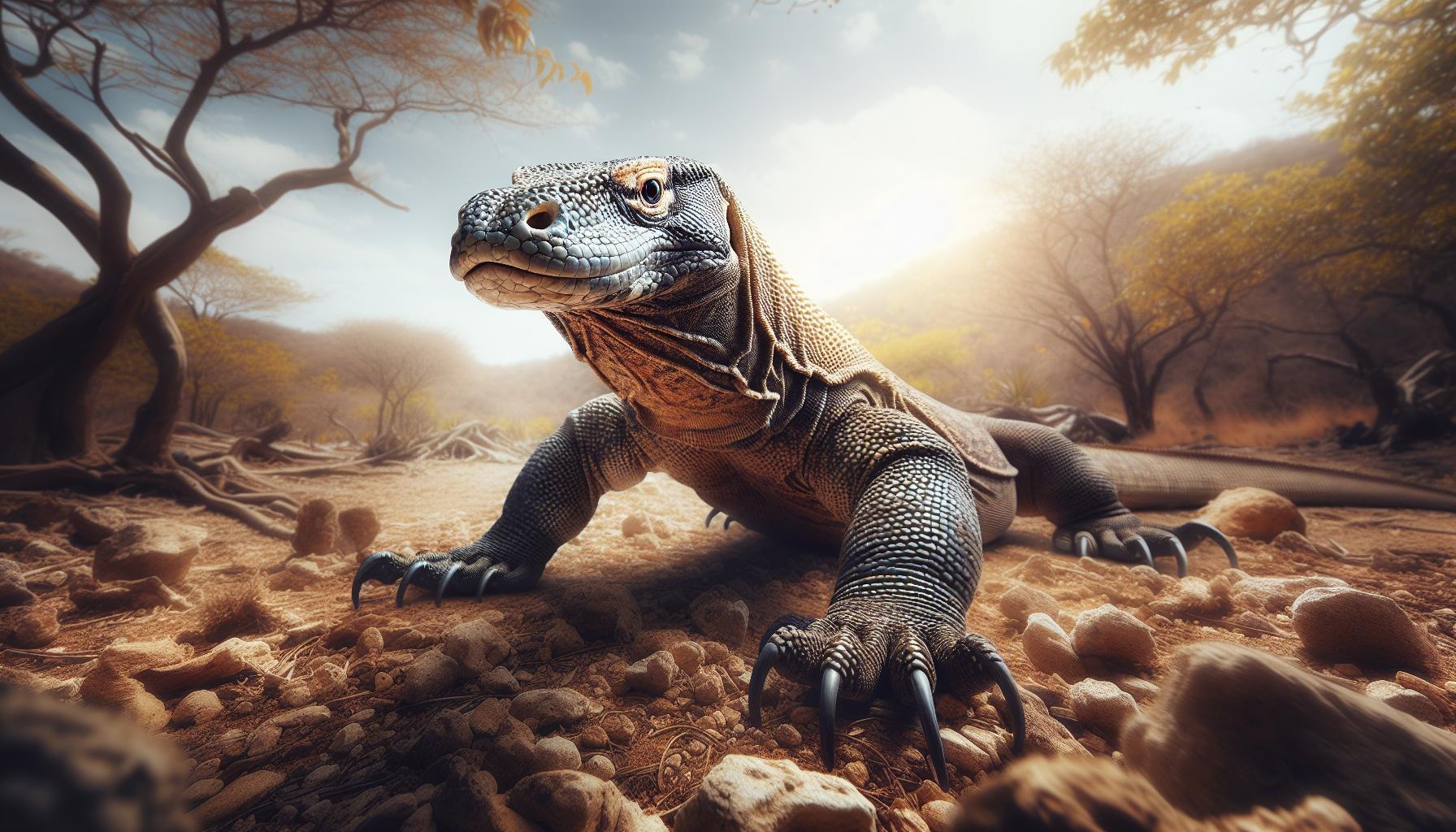

The Komodo dragon, the largest lizard on Earth, is a creature that commands both awe and caution. Known for their impressive size-growing over 10 feet long and weighing up to 300 pounds-these powerful predators are equipped with venomous bites that can have devastating effects. As fascinating as they are fearsome, understanding the true danger posed by these mighty lizards is essential for anyone interested in wildlife or considering the implications of owning exotic pets.
Whether you’re captivated by their unique biology or concerned about their unpredictable nature, it’s crucial to explore the potential risks associated with encounters. Armed with knowledge about their behavior, habitat, and feeding habits, you can make informed decisions about these fascinating creatures and foster a healthy respect for their role in the ecosystem. Dive deeper to uncover just how deadly these lizards can be and what it means for enthusiasts and conservationists alike.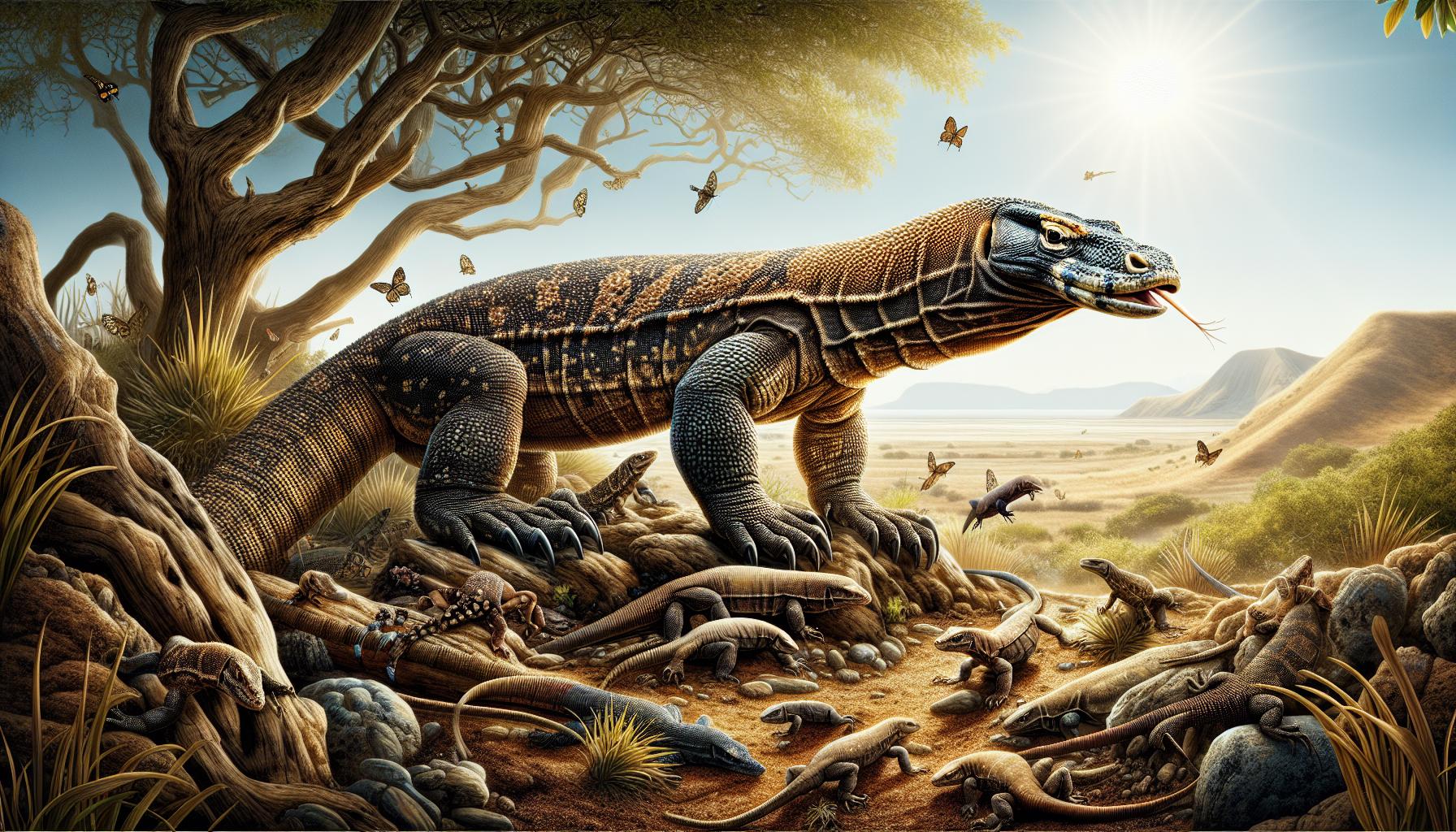
Contents
- 1 Understanding the Komodo Dragon’s Venomous Bite
- 2 The Komodo Dragon: An Apex Predator
- 3 Natural Habitats and Behavior of Komodo Dragons
- 4 Are Komodo Dragons Dangerous to Humans?
- 5 Infamous Attacks-Real-Life Encounters
- 6 Comparative Foreboding: Komodo Dragons vs. Other Predators
- 7 Conservation Status and Risks of Extinction
- 8 Caring for Komodo Dragons in Captivity
- 9 What You Need to Know Before Owning One
- 10 Fascinating Facts About Komodo Dragons
- 11 Myths and Misconceptions About Their Danger
- 12 How to Stay Safe in the Presence of Komodo Dragons
- 13 Frequently asked questions
- 14 In Conclusion
Understanding the Komodo Dragon’s Venomous Bite
The Komodo dragon, known for its formidable size and predatory prowess, wields a venomous bite that is as fascinating as it is fearsome. Unlike many reptiles that rely solely on brute force, the Komodo dragon has evolved a sophisticated method of subduing prey through its venom. This venom is a potent cocktail that not only causes shock and pain but also interferes with blood coagulation, resulting in severe bleeding that can incapacitate larger animals. The lethal potency of their bite is complemented by the dragon’s sharp, serrated teeth, which can easily inflict deep wounds, allowing harmful bacteria present in their saliva to infiltrate the flesh of their prey and exacerbate its suffering.
Research indicates that the venom of the Komodo dragon allows it to adopt a unique hunting strategy. The dragon can deliver a potent bite, then trail its wounded prey for days until it succumbs to the combined effects of venom and infection from the bite. This method of predation is particularly effective in their natural habitats, where escape routes for prey are limited. With their keen sense of smell, Komodo dragons can track their victims over long distances, showcasing a predatory efficiency that is both impressive and chilling.
Understanding the nuances of the Komodo dragon’s venom and its role in their predatory behavior is crucial for anyone interested in these remarkable reptiles. Potential pet owners must recognize that owning a Komodo dragon requires specialized care and knowledge. Their unique biology and the implications of their venom mean that responsible ownership involves secure enclosures and comprehensive understanding of their dietary and environmental needs. Striking a balance between admiration for their wild nature and responsible stewardship is essential for anyone considering bringing a Komodo dragon into their life.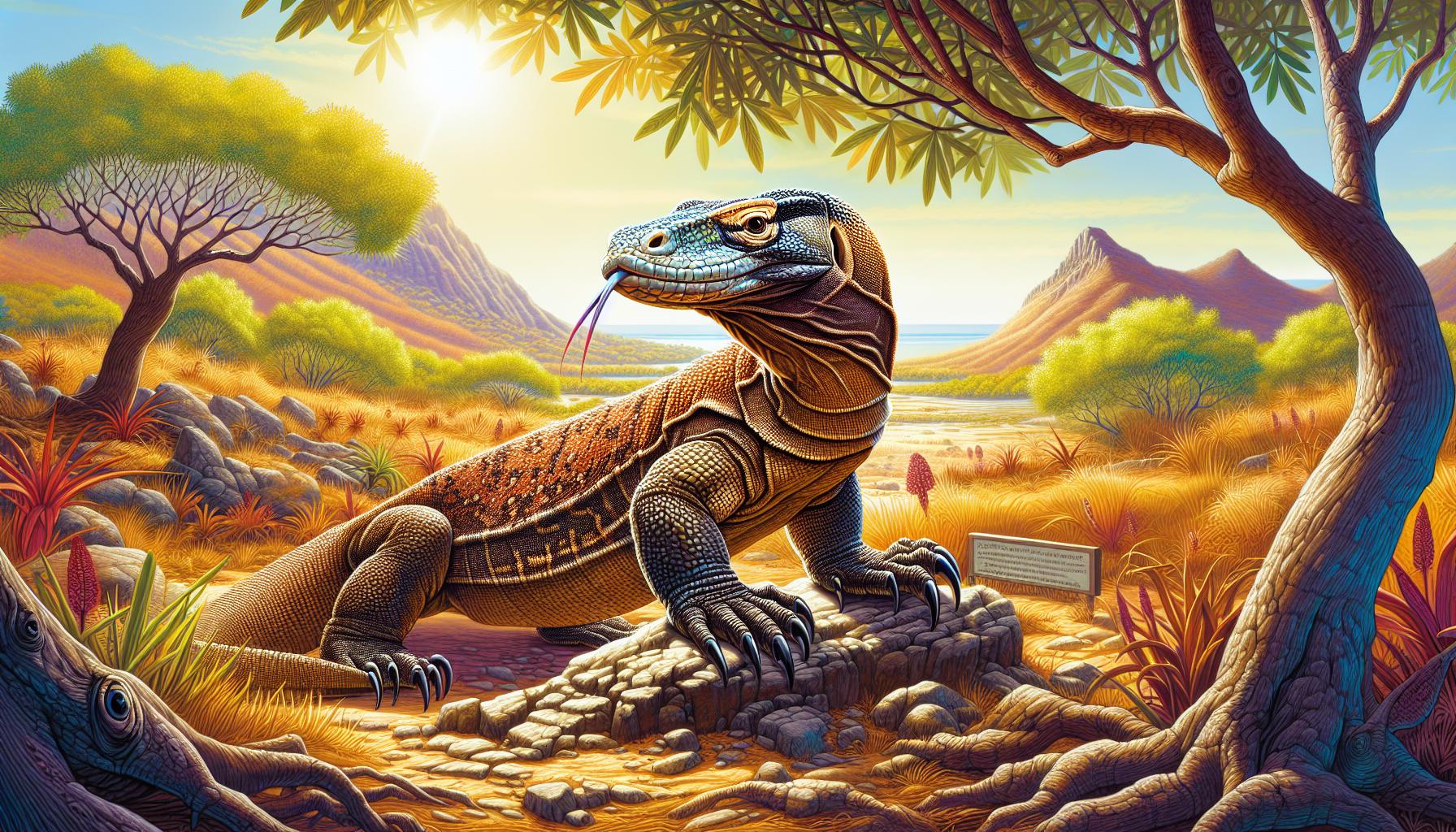
The Komodo Dragon: An Apex Predator
The Komodo dragon reigns supreme as an apex predator, a majestic testament to nature’s raw power and evolutionary ingenuity. These enormous reptiles, reaching lengths of up to 10 feet and weighing over 300 pounds, are not only formidable hunters but also master strategists in the wild. An extraordinary feature of the Komodo dragon’s predatory prowess lies in their ability to consume prey larger than themselves. Their robust build, combined with razor-sharp teeth and extensive jaws, allows them to deliver devastating bites, making them a crucial balance within their ecosystems.
Komodo dragons primarily inhabit the arid savannahs and tropical forests of Indonesia’s Lesser Sunda Islands, where their hunting techniques are finely tuned to their environment. Utilizing keen senses, particularly their acute sense of smell, they can detect carrion over miles. Their patience as hunters is unmatched; they often remain still for hours, waiting for the perfect moment to strike. When stalking prey, they employ a combination of stealth and speed, capable of sprinting up to 13 miles per hour in short bursts. Once they make contact, their venomous bite contributes to their success. Research has shown that the venom can cause paralysis and severe bleeding, incapacitating victims over time and significantly enhancing their hunting effectiveness.
For those considering the complexities of keeping a Komodo dragon in captivity, understanding their predatory nature is vital. A secure environment mimicking their natural habitat is essential, as this minimizes stress and promotes health. Moreover, their diet requires high-quality protein, typically consisting of whole prey or specialized reptile feed, to replicate their natural feeding habits. Aspiring pet owners should also be aware of the legal and ethical implications of ownership, as these magnificent animals require expert care and proper permits due to their conservation status.
Being an apex predator, the Komodo dragon plays an essential role in controlling prey populations, thus maintaining the ecological balance of their habitats. Recognizing their significance in the ecosystem alongside their potential danger highlights the importance of respectful stewardship. Engaging with these creatures responsibly ensures that their majesty and power are preserved for future generations to admire and study.
Natural Habitats and Behavior of Komodo Dragons
In the rugged and diverse landscapes of Indonesia’s Lesser Sunda Islands, the Komodo dragon thrives in a unique blend of environments, ranging from arid savannahs to tropical forests. These regions are not just a backdrop but an integral part of the dragons’ behavior and survival strategies. The mix of rocky terrain, low vegetation, and sandy beaches offers ample opportunities for both hunting and basking. This adaptability to different habitats is crucial, allowing Komodo dragons to maintain the upper hand as apex predators within their ecosystem.
Komodo dragons primarily employ a sit-and-wait strategy, blending into their surroundings, where they remain motionless for hours, relying on their incredible sense of smell to detect prey. Their keen olfactory sense can detect carrion nearly 5 miles away, making them adept scavengers as well as hunters. When in pursuit, they can reach speeds of up to 13 miles per hour in short bursts, showcasing their impressive physical capabilities. The dragons’ behavior is further characterized by territoriality and social dominance; they often establish hierarchies based on size and strength, influencing their feeding opportunities and breeding rights.
When considering the natural behaviors of Komodo dragons, it’s crucial to acknowledge their complex social interactions. These lizards exhibit both solitary and communal behaviors; they are often seen basking in groups during the day but prefer to hunt alone. This blend of solitary and social traits can complicate their care in captivity. For pet owners, replicating their natural environment requires not only substantial space but also designs that promote the dragons’ instinctual behaviors, like hunting and territorial displays, while ensuring safety for both the dragons and their caretakers.
To recreate a habitat conducive to their well-being, incorporate elements that mimic their natural settings. This includes providing rocky outcrops, shaded areas for retreat, and diverse substrate types to bury themselves. Their diet in captivity should mirror their natural feeding habits, consisting of high-quality protein such as whole rodents or specialized reptile diets. Understanding these needs is essential for maintaining their health and well-being, thus ensuring that the majesty of these incredible creatures is preserved, whether in the wild or in human care.
Are Komodo Dragons Dangerous to Humans?
Komodo dragons, the largest lizards on the planet, hold an awe-inspiring yet frightening reputation. Weighing in at up to 200 pounds and reaching lengths of over ten feet, these formidable predators are not to be taken lightly. Their mouths harbor a cocktail of harmful bacteria, but it is their venomous bite that truly elevates their danger level. This venom can induce shock, lower blood pressure, and cause tissue damage-effects that can be fatal if left untreated, especially in humans.
While attacks on humans are relatively rare, their potential consequences can be severe. Most encounters occur in the Komodo National Park and surrounding islands, where tourists and locals share space with these apex predators. Reports indicate that Komodo dragons are curious and may approach people, sometimes perceiving them as potential threats or easy targets. Their aggressive defense behavior can result in bites, which have proven to be more than just a scrape or bruise. Immediate medical care is crucial if bitten, as infections may set in rapidly due to the bacteria thriving in their saliva.
For those considering owning a Komodo dragon, it is essential to recognize that their care comes with significant responsibility. Given their size and strength, these creatures require purpose-built enclosures that mimic their natural habitats while ensuring safety for both the lizard and the owner. Prospective pet owners must be aware that even captive-bred dragons retain their wild instincts, making proper handling and environmental management critical to avoiding dangerous interactions. An understanding of their behavior and biology can greatly reduce the risks associated with keeping such a powerful reptile.
In summary, while Komodo dragons are fascinating creatures that embody the raw power of wildlife, they also pose potential dangers to humans. With respect, careful observation, and proper care, one can appreciate these magnificent lizards while minimizing the risks associated with their captivating nature.
Infamous Attacks-Real-Life Encounters
In the wild, the Komodo dragon’s imposing presence is accompanied by its infamous reputation for aggression, especially in instances where they perceive a threat. One of the most notable real-life attacks occurred in 2009 when a tourist was bitten on Komodo Island while hiking. This incident underscores the risks associated with wandering too close to these reptiles, which may view humans as intruders in their territory. While such violent encounters are rare, their severe consequences, including infections from their toxic saliva, highlight the urgent need for caution around these magnificent lizards.
Another chilling case took place in 2016, when a local fisherman suffered a serious bite while filming a Komodo dragon in its natural habitat. This unfortunate event illustrates that even experienced locals can find themselves in perilous situations. The dragon’s reaction, triggered by feeling cornered, led to a life-threatening encounter that required immediate medical attention. In addition to their lethal bite, one must consider the potential for secondary infections from the numerous pathogens that thrive in their mouths, emphasizing why medical care post-bite is essential.
The horrifying nature of Komodo dragon attacks doesn’t just stem from their physical capability; it also arises from their predatory instincts. Observers and researchers note that Komodo dragons may engage in predatory behavior towards larger animals, including humans, if provoked or surprised. A prime example of this was observed on Rinca Island, where a dragon was documented stalking a group of unsuspecting tourists before retreating into the bush, leaving those present both shaken and in awe of these perilous creatures. Such behaviors reinforce the necessity for tourists in Komodo National Park to adhere strictly to guidelines and maintain a respectful distance from these apex predators.
Understanding the realities of Komodo dragon encounters shapes our approach to coexistence with these extraordinary reptiles. Individuals visiting their habitats must be equipped with knowledge about their behavior and the instinctual responses that could lead to aggressive actions. Proper safety precautions include maintaining a safe distance, avoiding sudden movements, and remaining aware of one’s surroundings. Only through education and respect can we appreciate the power and beauty of Komodo dragons while ensuring both human safety and the preservation of these incredible lizards in their native ecosystems.
Comparative Foreboding: Komodo Dragons vs. Other Predators
The Komodo dragon, often regarded as the largest lizard in the world, exudes an awe-inspiring yet chilling presence that prompts comparisons with other formidable predators in the animal kingdom. With a length of up to 10 feet and weighing over 150 pounds, these reptiles dominate their ecosystems much like big cats and other top-tier hunters do. Their method of hunting involves a combination of stealth, speed, and a unique predatory strategy that becomes increasingly alarming when viewed alongside their more conventional predator counterparts.
Unlike many of the apex predators in both land and water environments-such as lions and great white sharks-the Komodo dragon’s method of attack includes the use of venom and bacteria-laden saliva. This toxic mix not only incapacitates their prey but can also lead to severe infections after a bite, showcasing a brutal efficiency that can rival even the deadly strikes of a venomous snake. For example, while a lion may depend on raw power and immediate prowess during a hunt, the Komodo dragon relies on its ability to deliver a stealthy bite and then patiently follow its prey until it succumbs to shock or infection, using the environment to its advantage.
Another critical aspect differentiating Komodo dragons from other predators is their feeding behavior. In contrast to social hunters like wolves that strategically work as packs, Komodo dragons are solitary hunters. Their hunting style often involves an ambush, preying on animals as large as water buffalo. When comparing their dietary habits to the great white shark, which sometimes swallows large prey whole, it becomes evident that Komodo dragons prefer a systematic approach of biting and then waiting for the prey to weaken-reflecting a complex behavioral adaptation to their ecological niche.
Understanding these distinctions not only adds to the fascination surrounding Komodo dragons but also emphasizes the respect and caution necessary when interacting with them. Whether considering them through a lens of wildlife observation, pet ownership, or conservation efforts, knowing how their predatory instincts operate will guide responsible behavior in their presence. Ultimately, the Komodo dragon stands as a testament to evolution’s ingenuity, marrying characteristics of both traditional and unconventional predators to ensure its survival in the wild.
Conservation Status and Risks of Extinction
The Komodo dragon, a true marvel of nature, faces significant threats that have led to its vulnerable conservation status. These ancient reptiles, which roam the shores and forests of Indonesia’s Komodo National Park and surrounding islands, have seen their populations decline due to habitat loss, poaching, and climate change. As the largest lizard species on the planet, they play an essential role in their ecosystem, yet their survival is precarious, making conservation efforts more critical than ever.
A primary concern for the future of Komodo dragons is the fragmentation of their habitat. Deforestation and human encroachment have reduced their natural range, limiting access to vital resources such as prey and breeding sites. Additionally, rising temperatures and changing weather patterns threaten the delicate balance of their ecosystem. Strong conservation measures, including the protection of their habitats and creating wildlife corridors, are essential to ensuring these iconic creatures can thrive.
Another factor contributing to the risks faced by Komodo dragons is illegal hunting and poaching. Their unique status as apex predators makes them targets for poachers seeking trophies or using their body parts for traditional medicine. Surveillance and stricter law enforcement within protected areas are crucial in combating these illegal activities to preserve Komodo populations.
To actively participate in the conservation of Komodo dragons, individuals can engage in eco-tourism, which supports local economies while raising awareness about the importance of preserving these majestic lizards. Donations to reputable wildlife organizations focused on the protection of Komodo dragons can also contribute significantly to ongoing research and preservation efforts. By fostering a greater appreciation for these creatures and their ecosystems, we can collectively work towards a future where Komodo dragons continue to roam the earth-symbols of ancient power and evolutionary success.
Caring for Komodo Dragons in Captivity
Caring for a Komodo dragon in captivity is an endeavor that requires not only appropriate knowledge and preparedness but also a deep respect for this magnificent creature. As the largest lizard in the world, the Komodo dragon embodies an ancient power that demands a carefully crafted environment to thrive outside its natural habitat. Understanding their unique physiological needs is paramount for anyone considering this responsibility.
To begin with, the enclosure setting may emulate their natural habitat as closely as possible while ensuring safety. Ideal habitats must feature a mix of sunny basking areas and shaded cool spots, as Komodo dragons naturally require temperature gradients ranging from 30°C to 38°C (86°F to 100°F). An effective terrarium must include a spacious ground area, where dragons can wander, sniff, and explore, mimicking the vast territories they occupy in the wild. For example, enclosures should ideally be at least several hundred square feet, indicating ample space to roam.
Dietary considerations are equally crucial due to their position as apex predators. In captivity, they should be fed a varied diet consisting mainly of whole prey items-rabbits, rats, and other small mammals provide the necessary protein and nutrients. Some facilities have successfully integrated whole prey feeding schedules that mirror hunting conditions in the wild, which can engage their hunting instincts and prevent boredom. However, it’s essential to monitor their health closely, ensuring that any food provided is disease-free and safe for consumption.
In terms of socialization and handling, it is important to recognize that Komodo dragons are inherently wild animals, even in captivity. Frequent and gentle handling can desensitize them to human presence, but introducing humans into their space should be done cautiously, respecting their boundaries to prevent stress. Engaging with an experienced herpetologist or participating in educational programs can enhance understanding, allowing for both excitement and safety in interactions.
As guardians of this ancient species, potential owners must also commit to a significant long-term investment-in terms of time, resources, and a passion for conservation. The journey of caring for a Komodo dragon not only enhances personal understanding of this incredible species but contributes to broader awareness concerning their conservation. Individuals should also consider the legal implications and environmental responsibilities involved since these creatures, though bred in captivity, still play a vital role in their ecosystems and conservation efforts. Creating safe, respectful, and enriching environments will ensure that these formidable reptiles not only survive but thrive in captivity.
What You Need to Know Before Owning One
Owning a Komodo dragon is not just a remarkable endeavor; it is an immense responsibility that requires a profound commitment to their care and well-being. As the largest living lizard, reaching lengths up to 10 feet and weighing as much as 300 pounds, they are a true embodiment of nature’s marvel. However, their size and unique behaviors come with significant considerations for any potential owner. Before embarking on this journey, understanding their legendary status as apex predators is crucial, for their sheer strength and abilities can pose dangers not only to their prey but to humans as well.
The Komodo dragon’s bite is infamous not just for its physical force but also for the venom that can immobilize smaller animals. While their venom is not typically lethal to humans, it can cause severe infections requiring immediate medical attention. Therefore, ensuring safe interactions is paramount. Responsible ownership entails creating a safe environment both for the animal and for handlers. Enclosures should include reinforced boundaries and sensory barriers to limit unexpected encounters, as even a moment of surprise can lead to defensive reactions from these powerful reptiles. Engaging with trained professionals or herpetologists for guidance in safe handling practices is advisable to prevent any accidents.
Considerations about dietary and habitat needs also play a pivotal role. In captivity, Komodo dragons require high-protein diets resembling their natural prey, such as whole rodents or reptiles. Their enclosure must consist of environments that replicate the varied terrain of their natural habitat, with temperatures tailored to their requirements. Illustratively, a temperature range between 30°C and 38°C (86°F to 100°F) is essential for their well-being. These aspects are critical not only for health but also for reducing stress, which can be detrimental in these intelligent and instinct-driven creatures.
Moreover, legal and ethical factors must not be overlooked. Many regions have strict regulations regarding the ownership of exotic species, including Komodo dragons. Understanding your local laws and considering the ethical implications of owning such a creature is critical. Ideally, they should be kept in specialized sanctuaries or zoos where professional care can be provided in accordance with conservation efforts. Therefore, prospective owners should assess their capacity for a long-term commitment, appointing a lifestyle that accommodates the unique needs of these extraordinary lizards while promoting their conservation and welfare.
Fascinating Facts About Komodo Dragons
The Komodo dragon, the largest living lizard, is a fascinating blend of biological marvel and deadly predator. These remarkable creatures can reach lengths of up to 10 feet and weigh over 300 pounds, making them a powerful force in their natural habitats of Indonesia’s Komodo, Rinca, Flores, and Gili Motang islands. With their keen senses and incredible hunting prowess, Komodo dragons are equipped with both physical strength and unique adaptations that contribute to their position as apex predators in the animal kingdom.
An intriguing aspect of the Komodo dragon is its venomous bite. Researchers have identified that the saliva contains a complex mix of toxins that hinder blood clotting and induce shock in prey, allowing the dragon to subdue animals larger than itself, such as deer and wild boar. This venomous capability is not typically lethal to humans but can lead to significant infections that necessitate immediate medical attention. This duality of attraction and danger poses unique challenges for anyone interested in caring for a Komodo dragon.
When considering the care of these fascinating lizards, it is essential to provide an environment that mirrors their natural ecosystem. They thrive in varied terrains that include both sandy and rocky surfaces, temperature ranges between 30°C and 38°C (86°F to 100°F), and ample space to roam and explore. Their dietary needs are equally specific; in captivity, they require high-protein diets, often consuming whole rodents or reptiles. Additionally, understanding the intricate nature of their behavior is crucial for caretakers and enthusiasts to ensure safe interactions and promote their well-being.
In sum, while the Komodo dragon’s reputation is rooted in its formidable size and predatory abilities, its care demands a respect for its natural habitat, dietary requirements, and behavioral complexities. By recognizing the balance between fascination and responsibility, potential owners can appreciate these remarkable reptiles while ensuring their health and conservation in captivity.
Myths and Misconceptions About Their Danger
The Komodo dragon, often dubbed the “dragon” of the animal kingdom, evokes a blend of fascination and fear. While these magnificent creatures are indeed apex predators with a formidable presence, many myths surrounding their danger overshadow the reality of their behaviors and interactions with humans. One prevailing myth is that their bites are instantly lethal, akin to the fabled dragon’s breath. In truth, although their bites can deliver venom that poses serious health risks, it rarely results in immediate death for humans. Instead, the more significant danger comes in the form of infections after a bite, which often requires prompt medical treatment to avoid severe complications.
Another common misconception is that Komodo dragons are uncontrollable threats to human life in their habitats. While it’s true that these lizards have been known to engage in aggressive behavior, such incidents are relatively rare and often result from human encroachment on their territories or during mating rituals. Most encounters with Komodo dragons occur in protected environments like Komodo National Park, where both visitors and the lizards can coexist more safely. Understanding that these animals are not inherently aggressive but rather react to perceived threats can significantly alter how one approaches interactions in the wild.
Caring for a Komodo dragon in captivity carries additional responsibilities and myths to unpack. Often, prospective owners may underestimate the complexity of their care, thinking they can simply house them as they would other reptiles. However, the reality is that maintaining a healthy environment for a Komodo dragon involves a delicate balance of space, temperature, diet, and social needs. They thrive in environments that mimic their natural habitat, complete with appropriate climates and ample space to roam. Ignoring these factors can lead to stress and health issues in captivity, illustrating how critical it is for enthusiasts to equip themselves with accurate knowledge rather than relying on exaggerated myths.
By educating ourselves about the true nature of Komodo dragons, we can appreciate their unique role in the ecosystem while also understanding how to minimize risks effectively. Knowledge about their behavior, habitat needs, and the real dangers they pose allows for a more respectful and safe interaction, whether in the wild or in a conservation setting.
How to Stay Safe in the Presence of Komodo Dragons
Approaching the domain of the Komodo dragon can be as thrilling as it is daunting. As the largest lizard on Earth, reaching up to 10 feet in length and weighing over 300 pounds, the sheer presence of these creatures commands respect. Understanding how to navigate their territory safely is crucial for anyone hoping to encounter them in the wild or manage them in captivity.
When visiting habitats like Komodo National Park, it’s vital to adhere strictly to safety guidelines. Always remain in the company of a knowledgeable guide, as they are trained to interpret and react to the behavior of Komodo dragons. Keeping a respectful distance-generally at least 10 feet away-can help minimize the risk of aggression. Signs of discomfort in a Komodo dragon include hissing, lunging, or an upright stance; recognizing these cues is essential for maintaining safety. Always avoid sudden movements, which may startle the lizard and provoke a defensive response.
While myths abound about the dangers posed by these reptiles, actual incidents are often the result of reckless behavior rather than inherent aggression. Some practical tips to stay safe include:
- Stay in Groups: Komodo dragons are less likely to approach larger groups, so always enter their habitat with others.
- Avoid Feeding: Never attempt to feed or attract Komodo dragons with food, as this can lead to aggressive behavior.
- Respect Their Territory: If you encounter a Komodo dragon basking in a sunny spot or resting, give it space and do not encroach upon its area.
- Move Quietly: Loud noises can provoke curiosity or alarm in Komodo dragons; maintain a calm demeanor while observing them.
In the event of a bite, immediate medical attention is crucial. Komodo dragon bites can introduce bacteria from their saliva into wounds, leading to serious infections. Seek help without delay, even if the injury seems minor. Knowledge, preparation, and respect for these incredible lizards can drastically reduce risks, transforming potential fear into awe-filled appreciation for one of nature’s most fascinating yet formidable predators.
Frequently asked questions
Q: How dangerous are Komodo dragons to humans?
A: Komodo dragons can be dangerous to humans due to their powerful bite and venomous saliva. While attacks on humans are rare, they can be lethal. It’s crucial to maintain a safe distance and avoid provoking these lizards in their natural habitat.
Q: What is the venom of a Komodo dragon and how does it affect its prey?
A: The venom of a Komodo dragon contains toxic proteins that prevent blood clotting and induce shock in its prey. This allows them to subdue animals such as deer more effectively, leading to a slow decline of their victims after a bite.
Q: Are baby Komodo dragons less dangerous than adults?
A: Baby Komodo dragons are generally less dangerous than adults due to their smaller size and less developed hunting skills. However, they can still bite if threatened, so caution is always necessary when encountering any age of this species.
Q: Can a Komodo dragon kill a human?
A: Yes, a Komodo dragon can kill a human, especially if it feels threatened or cornered. Fatal attacks have occurred, underscoring the importance of respecting their space in the wild and following safety guidelines when visiting their habitats.
Q: How should you behave if you encounter a Komodo dragon?
A: If you encounter a Komodo dragon, remain calm and do not approach it. Back away slowly without turning your back to the animal. Employ preventive measures such as traveling in groups and heeding local guidelines to minimize risks.
Q: Do Komodo dragons actively hunt humans?
A: Komodo dragons do not actively hunt humans but may attack if they feel threatened or if provoked. They typically prefer to prey on smaller animals. Awareness of their presence and vigilance can help avoid dangerous encounters.
Q: How does the Komodo dragon compare to other dangerous reptiles?
A: Komodo dragons are among the largest lizards and possess a unique combination of size, strength, and venom, making them more dangerous than many other reptiles. In contrast, some snakes also have potent venom, but their attack styles differ significantly.
Q: What precautions should tourists take when visiting Komodo dragon habitats?
A: Tourists should follow local guidelines, travel in groups, and stay close to guides when in Komodo dragon habitats. Avoiding direct eye contact and not carrying food can further reduce the risk of attracting these powerful reptiles.
In Conclusion
Understanding the danger of Komodo dragons is not just an academic exercise; it’s essential for those fascinated by wildlife and potential pet owners alike. These powerful lizards are not only awe-inspiring but also formidable predators with complex behaviors that require respect and knowledge. If you’re captivated by their lethal charm, explore our related articles on reptile care and the ethics of exotic pet ownership to ensure you’re well-prepared for any adventure you embark on.
Now that you know how deadly these creatures can be, don’t hesitate to dive deeper into wildlife conservation efforts or even consider how to responsibly appreciate reptiles in your own environment. Sign up for our newsletter for the latest research and care tips, and let us guide you through every step of your journey in understanding and caring for the exotic pets you admire. We’re here to feed your curiosity and empower responsible pet ownership-join our community and share your thoughts below!