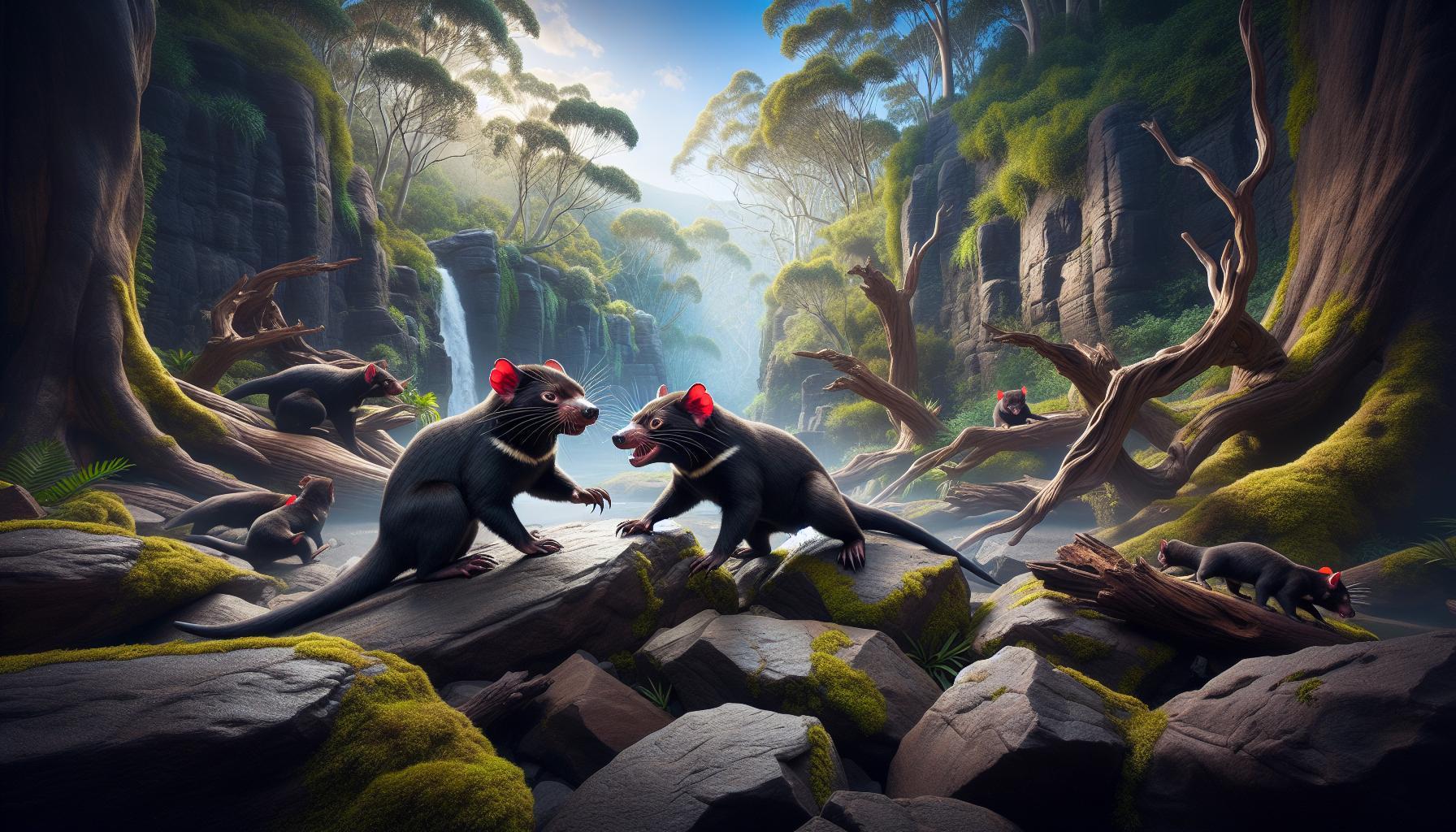

The Tasmanian devil, a unique and iconic creature of Australia, is often enveloped in mystery. Many wonder if this fascinating animal belongs to the marsupial family, and the answer is a resounding yes! As one of the few living marsupials that feed on carrion, Tasmanian devils play a critical role in their ecosystem.
Understanding their biology not only enriches our knowledge of wildlife but also highlights the conservation challenges they face today. As climate change and habitat loss threaten their survival, exploring the unique traits and behaviors of these remarkable animals becomes ever more important.
Join us on a journey into the world of Tasmanian devils, where we will uncover their distinct characteristics, fascinating lifestyles, and the vital role they play in maintaining ecological balance. This exploration will not only satisfy your curiosity but also empower you to contribute to their preservation.
Contents
- 1 The Fascinating Classification of Tasmanian Devils
- 2 Exploring Unique Traits of Tasmanian Devil Biology
- 3 Differences Between Tasmanian Devils and Other Marsupials
- 4 Understanding the Behavior and Ecology of Tasmanian Devils
- 5 How Tasmanian Devils Adapt to Their Environment
- 6 Tasmanian Devils in the Wild: Their Role in Ecosystems
- 7 Caring for Tasmanian Devils: Insights for Pet Owners
- 8 Conservation Status: Protecting the Tasmanian Devil
- 9 Myths and Facts About Tasmanian Devils You Should Know
- 10 The Future of Tasmanian Devils: Challenges and Hope
- 11 Frequently asked questions
- 12 To Conclude
The Fascinating Classification of Tasmanian Devils
The Tasmanian devil, an iconic and captivating creature of Australia, stirs the curiosity of many, particularly regarding its classification as a marsupial. Belonging to the Dasyuridae family, which includes other carnivorous marsupials like quolls and the now-extinct Tasmanian tiger, the Tasmanian devil’s unique characteristics and behaviors enrich our understanding of this fascinating group. Notably, these animals are distinguished by their distinctive pouch, where mothers carry their young until they are old enough to venture into the world.
Marsupials, characterized by their reproductive method, give birth to underdeveloped young that mature in a pouch. The Tasmanian devil exemplifies this trait; female devils have a well-defined pouch that provides a safe, nurturing environment for their young. This evolutionary strategy is particularly effective in the devil’s natural habitat, where they may face numerous threats. The young are born tiny, hairless, and blind, requiring the protection and warmth of their mother’s pouch for survival during the critical early weeks of life.
While their classification as marsupials links them to beloved Australian wildlife like kangaroos and koalas, Tasmanian devils exhibit behaviors and adaptations that set them apart. They are primarily nocturnal and possess a powerful bite, capable of crushing bones, allowing them to thrive as scavengers and opportunistic predators. Their role in the ecosystem as both predator and scavenger is crucial, as they help maintain the balance by controlling populations of other species and aiding in the decomposition of carrion.
For those considering caring for a Tasmanian devil, understanding their needs is essential. These animals require spacious habitats that mimic their natural environments, with plenty of opportunities for mental and physical stimulation. Fostering an appreciation for their unique biology can lead to better conservation efforts and support for their protection, emphasizing the importance of preserving the ecological niches they occupy. With their growing conservation status as a focus of attention, it becomes ever more crucial to ensure these remarkable marsupials thrive in the wild for future generations to admire.
Exploring Unique Traits of Tasmanian Devil Biology
The Tasmanian devil is a remarkable creature that piques curiosity for its unique biological attributes and behaviors. One striking characteristic is their bite force; with powerful jaws and a bite strong enough to crush bones, these marsupials are formidable scavengers. This characteristic not only defines their feeding strategy but also plays a critical role in their ecological niche, allowing them to consume carrion that few other animals can handle. Besides their impressive dentition, their speed and agility, coupled with their keen sense of smell, enhance their predatory prowess, showcasing their adaptation to a challenging environment.
Physical Characteristics
The Tasmanian devil’s build contributes to its survival. They possess a robust frame with a thick neck and short, strong limbs, designed for quick bursts of speed. Their black fur, often marked with white patches, provides camouflage in the dense Tasmanian bush, while also serving a social function. These markings can communicate important information to other devils regarding fitness and identity. Female devils feature a pouch, similar to other marsupials, allowing them to nurture their young safely until they are independent.
Unique Behavior Patterns
Darwin’s survival shines through in the devil’s behavior as well. Tasmanian devils are primarily nocturnal, a trait that helps them avoid competition and predation from diurnal species. Their social behavior includes vocalizations that range from growls to screams-sounds that echo through the forests at night, often signaling disputes over food or territory.
For pet owners and enthusiasts considering Tasmanian devils, understanding their high energy levels and complex social structures is vital. An ideal habitat should mimic their natural environment, which involves providing opportunities for climbing, digging, and interacting with varied enrichment items to stimulate their minds and instincts. Furthermore, creating a space that allows for social interactions can help replicate the pack dynamics these animals exhibit in the wild, fostering healthier behavior and well-being in captivity.
By appreciating the intricacies of Tasmanian devil biology, conservationists, pet owners, and wildlife enthusiasts can work together to protect these exceptional animals, ensuring they continue to thrive in their natural habitats while enriching our ecological landscape.
Differences Between Tasmanian Devils and Other Marsupials
The Tasmanian devil stands out among marsupials with its unique blend of physical traits, behaviors, and ecological roles. These fascinating creatures differentiate themselves significantly from other marsupials, such as kangaroos or koalas, in several key ways that contribute to their distinctive survival strategies. For instance, while kangaroos and koalas are primarily herbivorous, feeding on grasses and eucalyptus leaves respectively, Tasmanian devils are carnivorous scavengers, adapted to consume carrion. Their strong jaws and powerful bite force enable them to break through tough hides and bones, a specialization that few other marsupials share.
Furthermore, the Tasmanian devil exhibits a complex social structure and behavior that is notably different from many other marsupials. Unlike solitary species like koalas, Tasmanian devils are often social animals that engage in face-to-face interactions during feeding and mating rituals. Their nocturnal lifestyle and vocal communication, which includes growls and screeches, help them establish hierarchies and maintain social bonds within groups. This social complexity is contrasted sharply with the more solitary or loosely social behaviors observed in species such as the wombat or the bandicoot.
In terms of habitat, Tasmanian devils are more flexible compared to their marsupial counterparts, thriving in various environments ranging from forests to savannah-like regions. This adaptability coincides with their role as scavengers in the ecosystem, facilitating their ability to find food and shelter in different climates. The unique lifestyle of these devils has implications for their care, particularly for owners who may be interested in keeping them as pets or supporting their conservation in sanctuaries. Understanding their need for social interaction, proper diet, and environmental enrichment can significantly increase their quality of life, aligning with the instincts that drive their behavior in the wild.
Ultimately, the distinctions between Tasmanian devils and other marsupials highlight the diversity within the animal kingdom, showcasing the evolutionary adaptations that allow these creatures to carve out unique niches in their respective habitats. As awareness grows about their natural history and the challenges they face, it becomes increasingly essential for conservation efforts to address their specific needs and promote their survival in the wild.
Understanding the Behavior and Ecology of Tasmanian Devils
The Tasmanian devil, while often associated with its fierce reputation, exhibits a rich tapestry of behavior and ecology that is crucial to its survival. These nocturnal scavengers are sociable creatures that thrive in their group dynamics, often foraging and feeding together. Unlike many other marsupials that are solitary, Tasmanian devils engage in complex social structures, which is vital for understanding their interactions, particularly around food sources. Their strong sense of smell plays a significant role in locating carrion, allowing them to communicate effectively through vocalizations to establish dominance and hierarchy during feeding frenzies.
Living in a variety of habitats, from dense forests to open grasslands, the Tasmanian devil displays a remarkable ability to adapt to diverse ecological niches. They maintain territories and are known to be both playful and aggressive, especially during mating seasons or when feeding on larger carcasses. Their behaviors are not only fascinating to observe but also crucial for their role as scavengers in the ecosystem, as they help to recycle nutrients back into the environment.
Caring for Tasmanian devils, particularly in captivity, requires a keen understanding of their natural behaviors. Owners should create environments that replicate their wild habitats, allowing for climbing structures and social interaction to satisfy their instinctual needs. Regular enrichment activities are essential to prevent boredom and foster natural behaviors, such as foraging and socializing. It’s also important to consider their dietary needs, as these animals thrive on high-protein diets that mimic their natural scavenging habits.
Incorporating these insights into care practices ensures a healthier, happier life for pet Tasmanian devils. As awareness of their behavioral ecology grows, so does the understanding of the critical roles these animals play in their natural habitats, paving the way for enhanced conservation efforts and responsible pet ownership. By recognizing the interplay between their behaviors and ecological roles, we can better appreciate, support, and protect the Tasmanian devil as a unique member of the marsupial family.
How Tasmanian Devils Adapt to Their Environment
Adapted to the rugged landscapes of Tasmania, the Tasmanian devil exhibits a series of impressive adaptations that enable it to thrive in its challenging environment. This fascinating marsupial thrives in various habitats, ranging from dense forests to open grasslands, showcasing its remarkable ability to exploit diverse ecological niches. One of the key adaptations of the Tasmanian devil is its acute sense of smell, which is vital for locating carrion-its primary food source. This strong olfactory capability allows them to detect food from miles away, ensuring their survival as efficient scavengers.
The devil’s powerful jaw and robust teeth are specifically evolved for crushing bones and tearing through tough hides, allowing it to access nutrients that many other scavengers cannot. Its formidable bite force plays a critical role in its feeding habits, enabling it to consume large carcasses alongside other scavengers. Moreover, when competing for food, devils engage in vocalizations and posturing, which can help establish social hierarchies and mitigate physical confrontations.
Another fascinating aspect of the Tasmanian devil’s adaptation is its nocturnal behavior. As a nocturnal animal, it has evolved to be active during the night, which helps it avoid direct competition with other daytime predators. This adaptation not only allows the devil to hunt and forage under the cover of darkness but also helps conserve energy during the hottest parts of the day.
For pet owners considering a Tasmanian devil, it’s essential to replicate these natural behaviors and adaptations in captivity. Creating an environment that mimics their wild habitat-complete with climbing structures and hideaways-will allow them to express their instincts. Regular enrichment activities can help stimulate their natural scavenging behavior, promoting a healthy, active lifestyle that reflects their wild ancestry. Providing a varied, protein-rich diet will further support their well-being, catering to their specific nutritional needs as a species that scavenges on high-energy food sources in the wild.
By understanding and appreciating , pet owners can ensure that their companions lead fulfilling lives that honor their wild heritage.
Tasmanian Devils in the Wild: Their Role in Ecosystems
In the rugged landscapes of Tasmania, the Tasmanian devil plays a critical role that extends far beyond its fierce reputation. As the largest carnivorous marsupial, it occupies a unique ecological niche as a scavenger, primarily consuming carrion. This behavior not only aids in nutrient cycling but also helps regulate animal populations, thus maintaining the balance within the local ecosystem. By consuming the remains of dead animals, these devils effectively clean up the environment, preventing the spread of disease and contributing to the overall health of the ecosystem.
The Tasmanian devil’s scavenging habits also provide numerous benefits to other wildlife. When devils feed on carcasses, their leftovers serve as a food source for various species, including birds, insects, and other scavengers. This interconnectedness illustrates the importance of the Tasmanian devil in facilitating a thriving community of organisms that rely on one another for survival. Additionally, their role as apex scavengers means they help maintain the populations of smaller predators by competing for the same resources, ensuring that biodiversity remains intact.
While understanding their role in the wild is fascinating, it also highlights the responsibilities of pet owners who may care for a Tasmanian devil in captivity. Mimicking their wild contributions to the ecosystem can be pivotal for their well-being. For example, creating a habitat that encourages natural scavenging behaviors can be beneficial. Activities that mimic foraging for food-like hiding treats in their environment-can stimulate their instincts and promote mental and physical health.
In light of their ecological significance, conservation efforts are crucial for the Tasmanian devil. As they face threats from habitat loss and diseases such as Devil Facial Tumour Disease (DFTD), ensuring their survival is not just about preserving a species, but also about maintaining the intricate web of life they help sustain. Acknowledging and supporting conservation initiatives will help secure the future of this iconic marsupial and the ecosystems in which it thrives.
Caring for Tasmanian Devils: Insights for Pet Owners
Caring for a Tasmanian devil-whether in a sanctuary or as a pet-requires a deep understanding of their unique biology and ecological needs. These remarkable creatures thrive on a diet that mirrors their natural foraging behaviors, emphasizing the importance of providing a varied and enriching habitat that reflects the wild. Tasmanian devils are primarily scavengers, and their diet in captivity should include high-protein sources such as meat, supplemented with bones to promote dental health and mimic their natural eating habits.
To facilitate their instinctual behaviors, pet owners should create engaging environments that encourage exploration and activity. This could include hiding food throughout their enclosure, providing opportunities for climbing, and incorporating items that allow for chewing and shredding. Regular interaction is crucial as well; Tasmanian devils are social by nature, and enrichment activities-like puzzle feeders and scent trails-can help stimulate their minds, keeping them active and preventing boredom.
Understanding the social dynamics is equally important. While Tasmanian devils can be solitary in the wild, they exhibit complex communication and social behaviors when interacting with one another. Thus, if more than one devil is kept, owners need to be mindful of their social structures and hierarchies, ensuring they have ample space to avoid conflict. Regular observation can provide insights into their interactions and behaviors, allowing for timely adjustments in care or environment if needed.
Maintaining the health of Tasmanian devils is not solely about diet and environment; regular veterinary check-ups are essential to monitor for common health issues, including the contagious Devil Facial Tumour Disease (DFTD). Early detection and proactive management can significantly enhance their quality of life and longevity. Thus, ensuring that any care approach includes partnerships with veterinarians experienced with marsupials will provide the best outcomes for these fascinating creatures. By prioritizing their dietary needs, social structures, and health, pet owners can play a vital role in the well-being of Tasmanian devils, fostering a relationship that honors their wild heritage while ensuring their happiness and health in a captive environment.
Conservation Status: Protecting the Tasmanian Devil
Despite their fierce reputation, Tasmanian devils are one of the most vulnerable species on the planet, facing significant threats from habitat destruction and disease. A critical aspect of protecting these unique marsupials revolves around understanding the challenges they face and implementing effective conservation strategies. The most pressing issue is the Devil Facial Tumour Disease (DFTD), a transmissible cancer that has devastated wild populations since its discovery in the late 1990s. This disease is not just a health crisis; it has threatened the very existence of Tasmanian devils in their natural habitat.
Conservation Efforts and Strategies
Efforts to conserve the Tasmanian devil have gained momentum over the years, emphasizing the need for genetic diversity and disease management. One such initiative is the establishment of insurance populations in wildlife sanctuaries. By breeding Tasmanian devils in controlled environments, conservationists work to maintain genetic health while protecting them from diseases present in the wild. These sanctuaries also serve to educate the public about the plight of these marsupials and the ecological roles they play. Community involvement is vital, as local awareness and participation in conservation efforts can significantly bolster protective measures.
Another innovative strategy involves research into the genetics of Tasmanian devils to understand their immune responses better. Scientists are exploring the potential for vaccinations against DFTD, aiming to bolster resistance against this deadly disease. This blend of scientific research, public education, and on-the-ground conservation efforts creates a multifaceted approach to ensuring the survival of Tasmanian devils.
What Can You Do?
For those passionate about wildlife and conservation, supporting organizations dedicated to Tasmanian devil protection is a powerful way to contribute. Volunteer opportunities, donations, and advocacy are excellent avenues for individuals who want to make an impact. Additionally, promoting sustainable practices within local communities helps mitigate habitat destruction caused by urbanization and agricultural expansion. By raising awareness and fostering respect for these extraordinary animals, everyone can play a part in the fight to protect the Tasmanian devil, ensuring that this remarkable marsupial continues to roam the forests of Tasmania for generations to come.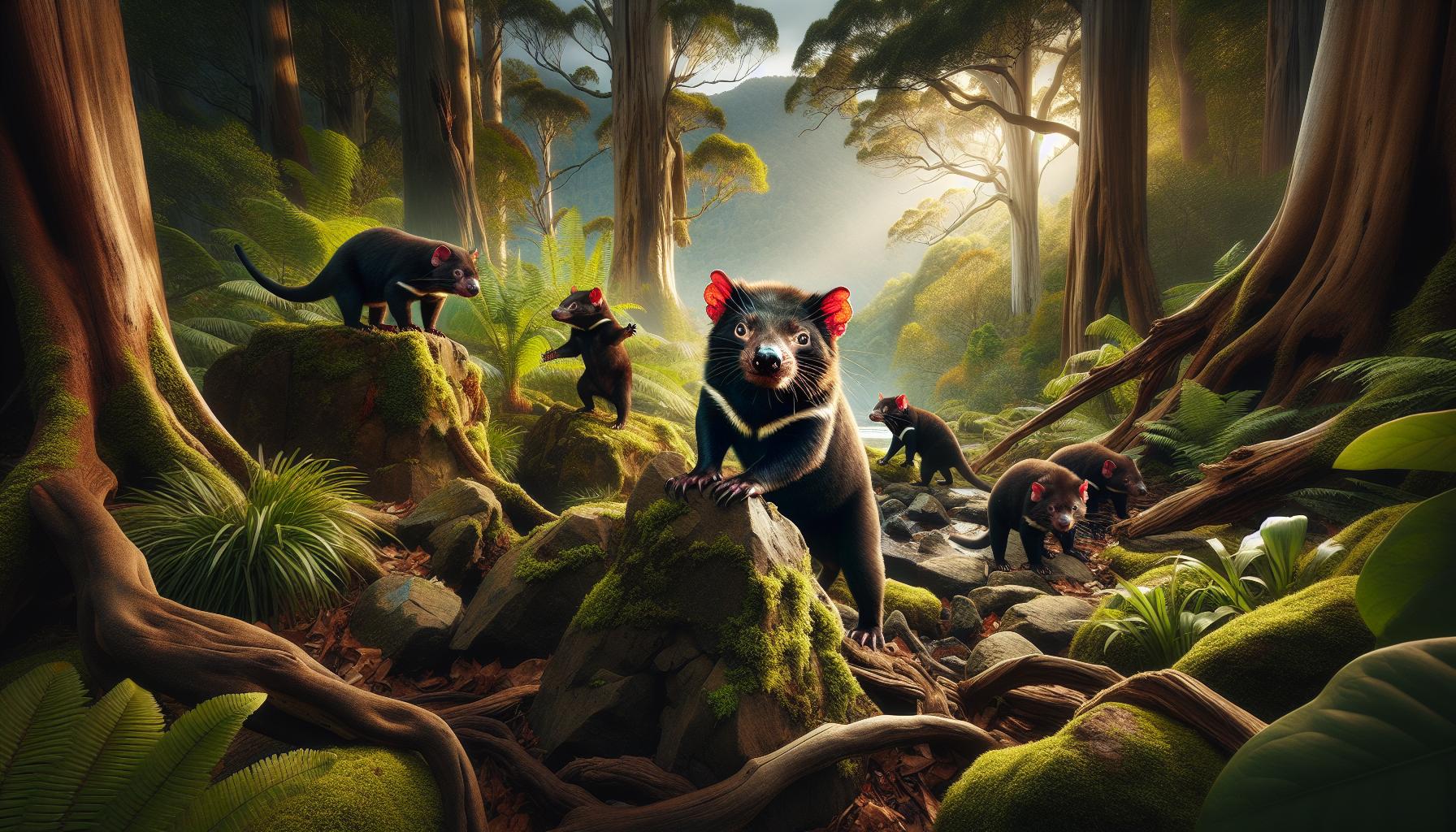
Myths and Facts About Tasmanian Devils You Should Know
The Tasmanian devil, an iconic symbol of Australia’s wildlife, has long been misunderstood, leading to some persistent myths that overshadow its fascinating biology. One of the most common misconceptions is that these carnivorous marsupials are malevolent or dangerous animals. In reality, Tasmanian devils are not out to attack humans; they are shy creatures that prefer to avoid confrontation. Their so-called ‘devilish’ appearance, characterized by a robust body, stark black fur, and a loud screech, is often misinterpreted as aggressive, but these traits primarily serve to deter rivals and attract mates in their natural habitat.
Another prevalent myth is that Tasmanian devils are related to dogs due to their physical resemblance and social pack behavior. However, they belong to the family Dasyuridae, a different lineage of marsupials entirely. Unlike dogs, Tasmanian devils have unique adaptations, such as exceptionally strong jaws capable of cracking bones, which are suited for their scavenging lifestyle. This adaptation allows them to consume almost every part of their prey, minimizing waste and contributing to the ecosystem by recycling nutrients back into it.
Moreover, the belief that Tasmanian devils are declining simply due to habitat loss overlooks the significant impact of Devil Facial Tumour Disease (DFTD). This transmissible cancer has historically decimated wild populations, making conservation efforts crucial for their survival. While habitat destruction is indeed a concern, the urgency lies in addressing the disease that has fundamentally altered their numbers and distribution.
In understanding Tasmanian devils, it’s equally vital to recognize their role in the ecosystem. As top scavengers, they help control the populations of carrion and prevent the spread of disease among other wildlife. Educational efforts and conservation initiatives aim to rectify these myths, fostering a greater appreciation for their ecological importance and the urgent need for continued protection of this unique marsupial. Supporting organizations focused on their conservation can help dispel these myths, promote awareness, and contribute to maintaining healthy populations of Tasmanian devils in the wild.
The Future of Tasmanian Devils: Challenges and Hope
Despite their resilient nature, the future of Tasmanian devils hangs in a delicate balance, teetering between hope and uncertainty. These fascinating marsupials have faced monumental challenges, particularly from the spread of Devil Facial Tumour Disease (DFTD), a transmissible cancer that has drastically reduced their populations since its emergence in the late 1990s. Conservationists, however, are working tirelessly to combat this crisis, implementing strategic breeding programs designed to boost the gene pool and enhance the health of existing populations. For instance, zoos worldwide are collaborating in breeding initiatives that aim to reintroduce genetically diverse individuals into the wild, which could lead to healthier, more resilient populations.
In parallel with disease management, habitat preservation plays a critical role in the combat against threats facing Tasmanian devils. Protecting their natural habitats from deforestation and agricultural encroachment is essential for their long-term survival. Community engagement in conservation efforts has shown promise; by raising awareness and creating eco-friendly practices, local populations can contribute significantly to safeguarding the environment that these devils call home. Education programs designed to inform the public about the ecological importance of Tasmanian devils, particularly their role as scavengers, can foster a supportive atmosphere for conservation.
Moreover, with advancements in research and technology, there is renewed optimism. Innovative approaches, such as genetic research aimed at understanding the mechanisms behind DFTD, offer potential pathways to future treatments or even preventive measures. The Tasmanian devil is also a candidate for potential relocation to areas where animals can thrive without the immediate threats of disease and habitat loss, enhancing biodiversity in those ecosystems.
As these unique marsupials continue to adapt to their changing environment, it is crucial for pet owners and wildlife enthusiasts to champion the cause. Supporting reputable organizations dedicated to Tasmanian devil conservation not only aids in direct action but enriches the understanding and appreciation of these extraordinary creatures. Engaging with local wildlife or conservation initiatives can bring about substantial changes, underscoring that we all play a part in ensuring a future where Tasmanian devils can roam wild and free, contributing to the ecological balance they are so vital to.
Frequently asked questions
Q: Are Tasmanian devils endangered?
A: Yes, Tasmanian devils are classified as endangered due to a dramatic decline in their population, primarily caused by a contagious cancer known as Devil Facial Tumor Disease (DFTD). Conservation efforts are vital for their survival. For more on their conservation status, see the section on protecting Tasmanian devils.
Q: How do Tasmanian devils reproduce?
A: Tasmanian devils are marsupials that reproduce by giving birth to underdeveloped young, which then crawl into the mother’s pouch to continue developing. This unique reproductive strategy is a characteristic feature of marsupials. Explore more about their fascinating biology in the relevant article section.
Q: What do Tasmanian devils eat?
A: Tasmanian devils are carnivorous scavengers, primarily feeding on carrion. They are known for their strong jaws and teeth, enabling them to consume bones and fur. Their role in the ecosystem as scavengers is crucial, as highlighted in the article’s discussion about their ecological contributions.
Q: How do Tasmanian devils communicate?
A: Tasmanian devils use a variety of vocalizations and body language to communicate. Their distinctive growls, screeches, and hisses help establish territory and interact with one another. For a deeper understanding of their behavior, refer to the section on their ecology and communication strategies.
Q: What is the lifespan of a Tasmanian devil in the wild?
A: In the wild, Tasmanian devils typically live for about 5 to 8 years. However, many factors, including disease and predation, affect their lifespan. Learn more about their life cycle and adaptations in the relevant article sections.
Q: Why are Tasmanian devils important to their ecosystem?
A: Tasmanian devils play a critical role in their ecosystem by helping control the population of scavengers and assisting in the decomposition of carrion. Their presence helps maintain ecological balance. Interested in their ecological role? Check out the section on Tasmanian devils in the wild.
Q: Can Tasmanian devils be kept as pets?
A: Keeping Tasmanian devils as pets is not recommended due to their specific habitat needs, dietary requirements, and legal protections in many areas. It’s essential to consider their welfare and conservation. For pet care insights, see the section on caring for Tasmanian devils.
Q: How are Tasmanian devils being protected?
A: Conservation efforts for Tasmanian devils include habitat protection, breeding programs in captivity, and research on diseases affecting their populations. These initiatives are crucial for their survival. Learn more about conservation efforts in the dedicated article section.
To Conclude
As we’ve unveiled the fascinating world of Tasmanian devils and confirmed their place as unique marsupials, it’s clear that understanding their biology enriches our appreciation of wildlife. These incredible creatures face numerous challenges, which makes learning about their behaviors and conservation status all the more vital. Ready to dive deeper into the animal kingdom? Explore our articles on marsupial care tips and the role of wildlife conservation, which provide practical insights for pet owners and wildlife enthusiasts alike.
Don’t miss out-subscribe to our newsletter for the latest updates and resources that can help you become a better steward of nature. Have questions or thoughts about Tasmanian devils? We invite you to share your comments below and engage with fellow wildlife lovers. Let’s keep the conversation going and discover more about the wonders of our natural world together!