


Capuchin monkeys, known for their intelligence and engaging personalities, typically live between 15 to 25 years in captivity, but factors such as diet, environment, and care can significantly impact their lifespan. Understanding the longevity of these remarkable creatures is essential for prospective owners considering adding a capuchin to their family.
As you delve into their fascinating lives, you’ll uncover not only their unique behavioral traits but also the vital role that proper care plays in ensuring they thrive. By grasping the nuances of their needs and life expectancy, you can make informed decisions that enhance your ability to provide a loving and nurturing environment for your future pet. So, let’s explore the lifespan of capuchin monkeys and discover how you can help them live their best lives!
Contents
- 1 Understanding Capuchin Monkey Lifespan
- 2 Factors Influencing Capuchin Monkey Lifespan
- 3 Capuchin Monkeys in the Wild vs. Captivity
- 4 Optimal Care Practices for Healthy Lifespan
- 5 Diet Essentials for Capuchin Monkeys
- 6 Common Health Issues and Lifespan Impact
- 7 Behavioral Aspects of Aging in Capuchin Monkeys
- 8 Social Structures and Longevity in Capuchins
- 9 Training and Enrichment for Longer Life
- 10 Signs of Aging in Capuchin Monkeys
- 11 Choosing a Capuchin Monkey as a Pet: What to Know
- 12 The Importance of Vet Care for Capuchin Monkeys
- 13 Faq
- 14 Insights and Conclusions
Understanding Capuchin Monkey Lifespan
Capuchin monkeys, renowned for their intelligence and sociable nature, have a lifespan that can span a remarkable range depending on various factors. In the wild, these agile primates typically live around 15 to 25 years. However, in captivity, where they often receive optimal care, protection from predators, and a consistent food supply, their lifespan can extend to 30 years or more. The impressive longevity showcased in captive settings highlights the significant role that consistent care and a controlled environment play in enhancing their overall health and life expectancy.
Several factors influence the lifespan of capuchin monkeys, including genetics, diet, environment, and social structure. For instance, capuchins that are genetically predisposed to certain health conditions may face a shorter lifespan. Additionally, the quality of their diet-rich in fruits, vegetables, and proteins-directly correlates to their overall health. Furthermore, their social structures play a critical role; capuchins that live in well-formed social groups tend to exhibit lower stress levels and better emotional health, both of which contribute positively to longevity.
In captivity, understanding these factors is essential for ensuring that these charming primates thrive. Proper enclosure design, mental enrichment, and social interactions are vital considerations that mimic their natural habitat. This holistic approach to care can not only prolong their life but also enrich their daily experiences, demonstrating the rewarding relationship humans can have with these fascinating creatures.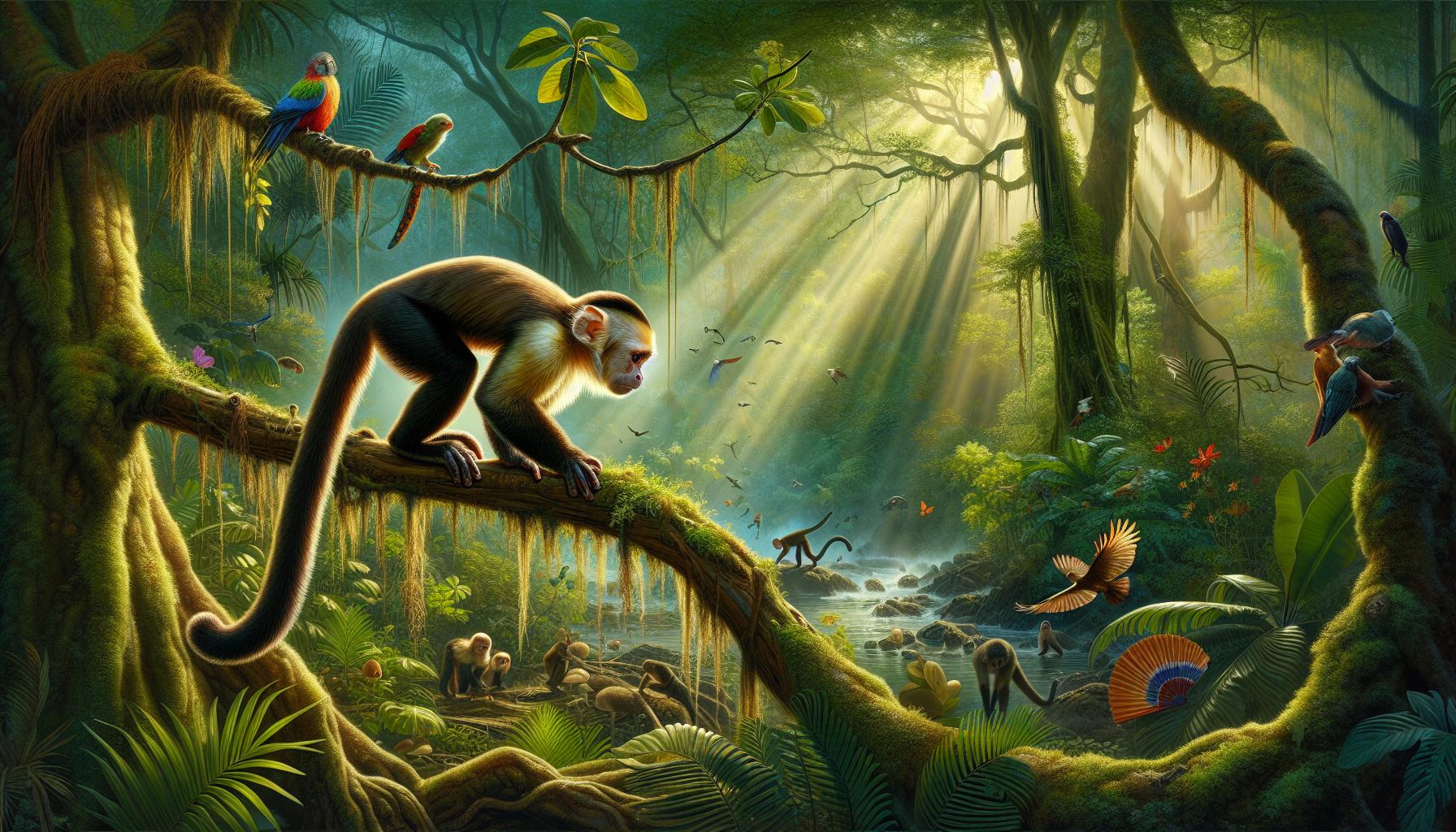
Factors Influencing Capuchin Monkey Lifespan
Capuchin monkeys are not just adorable companions; they are remarkably complex creatures whose longevity can be influenced by a myriad of factors. The interplay of genetics, diet, environment, and social structures forms a tapestry of influences that determine how long these intelligent primates will thrive. Understanding these elements is vital for anyone looking to ensure the well-being and lifespan of a capuchin monkey.
Genetics plays a significant role in the lifespan of capuchin monkeys. Those with a family history of certain health issues, such as diabetes or heart disease, may face challenges that impact their lifespans. It’s essential for potential pet owners to inquire about the medical history of the monkey’s lineage before adopting. Additionally, the diet is another pivotal factor. A capuchin’s diet should consist primarily of fresh fruits, vegetables, and proteins-nutritional choices that directly correlate with their overall health and longevity. An inadequate or imbalanced diet can lead to a host of health problems that significantly shorten their lives.
The environment in which a capuchin lives can also greatly affect its lifespan. Those housed in well-designed enclosures that mimic their natural habitats often enjoy richer, more fulfilling lives. Elements such as climbing structures, environmental enrichment, and safe, varied spaces to explore can reduce stress and stimulate mental and physical health. Furthermore, the social structure within which a capuchin resides is crucial; those integrated into cohesive social groups tend to exhibit lower stress levels, which in turn positively influences their emotional well-being and longevity. Capuchins thrive on social interaction, and those that lack companionship can suffer from psychological distress, impacting their overall lifespan.
In summary, potential capuchin owners must prioritize factors like genetic background, diet, environment, and social interaction to nurture a long and healthy life for their pet. Being mindful of these influences not only enhances the life expectancy of capuchin monkeys but also enriches the human-animal bond, leading to a rewarding experience for both.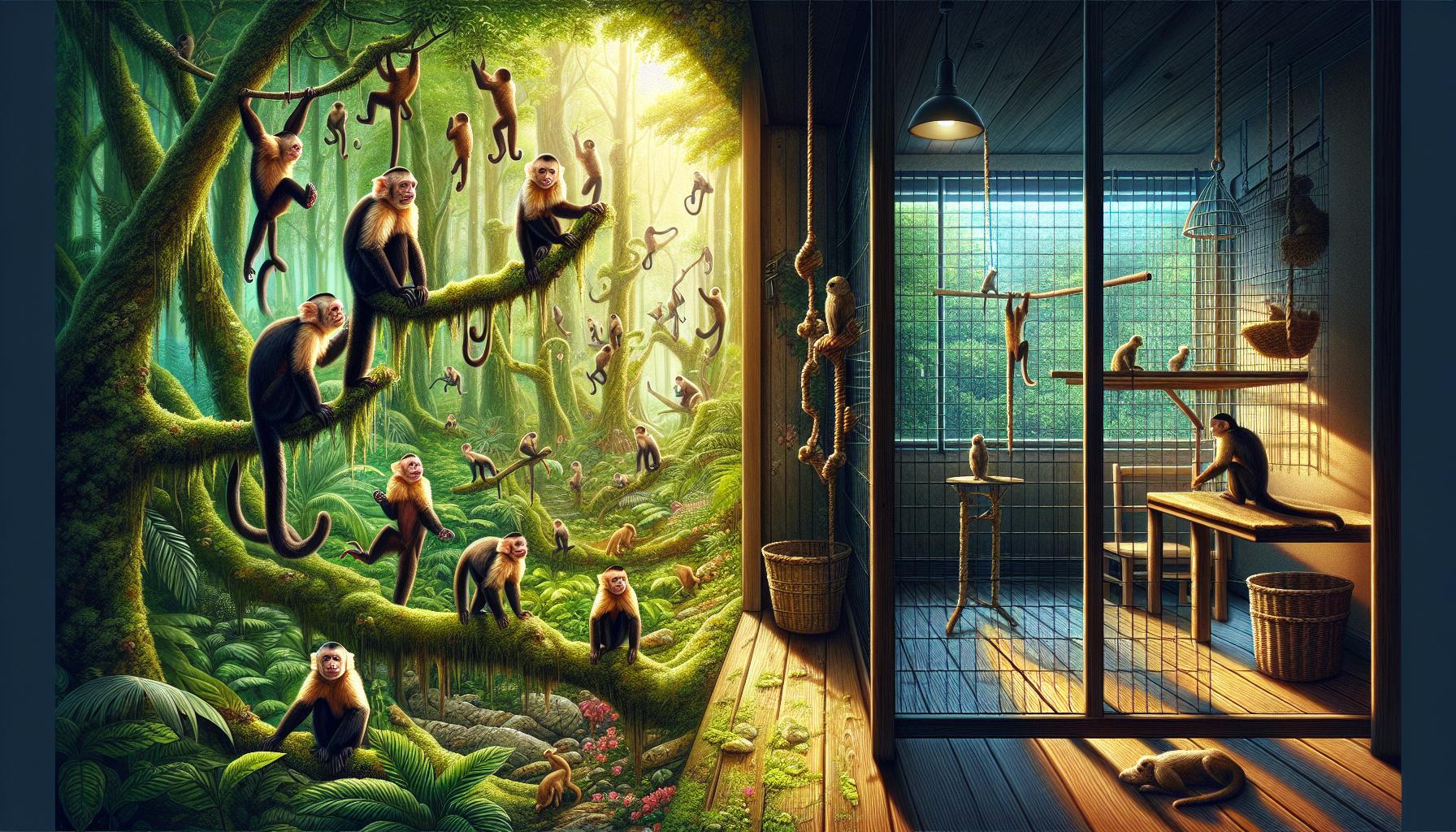
Capuchin Monkeys in the Wild vs. Captivity
In the wild, capuchin monkeys lead dynamic lives characterized by their social structures, foraging behaviors, and environmental interactions. Living in troops that can range from a few individuals to more than 30, these highly intelligent primates engage in complex social behaviors, which include grooming, vocalizations, and coordinated activities that strengthen their bonds. The social structure not only provides emotional support but also enhances survival through cooperative foraging and vigilance against predators. In their natural habitat of tropical and subtropical forests in Central and South America, capuchins primarily consume a varied diet of fruits, nuts, and insects, which they skillfully access using their dexterous hands and strong, prehensile tails.
In captivity, however, the experience of capuchin monkeys can be vastly different. While many pet owners aim to replicate a loving, engaging environment, these monkeys often face challenges that impact their well-being and lifespan. Captive environments may lack the spaciousness and stimulation found in the wild, leading to boredom and stress, which can result in behavioral issues such as excess vocalization or self-destructive behaviors. Without proper stimulation-such as climbing structures, toys, and social interaction-capuchin monkeys can struggle emotionally, leading to shorter lifespans compared to their wild counterparts, who thrive in their complex social settings and diverse environments.
To bridge this gap, responsible pet owners must emulate the capuchin’s natural habitat as closely as possible. This can be accomplished by ensuring ample space for movement, providing environmental enrichment through various toys and activities, and maintaining social contacts with other capuchins or humans. A few key practices include:
- Creating a stimulating environment: Use climbing trees, ropes, and multi-level habitats to simulate their natural surroundings.
- Social interaction: Consider keeping multiple capuchins together to fulfill their social needs, or spend substantial time interacting yourself.
- Diverse diet: Offer a varied diet that mirrors their foraging behaviors in the wild, including fruits, vegetables, and protein sources.
Understanding these differences and actively working to create a nurturing environment can enhance the longevity and quality of life for capuchin monkeys in captivity, aligning their day-to-day experience more closely with their wild counterparts.
Optimal Care Practices for Healthy Lifespan
The longevity of capuchin monkeys in captivity can be significantly boosted through dedicated and thoughtful care practices. As highly intelligent and social creatures, these monkeys thrive under conditions that mimic their natural environments. One of the most effective strategies is to provide a stimulating habitat that encourages exploration, climbing, and social interaction. Creating areas with varied structures such as climbing branches, ropes, and multi-level platforms helps replicate the dynamic environments they would encounter in the wild. This not only serves as physical exercise but also engages their curious minds, reducing the likelihood of behavioral issues stemming from boredom.
Social interactions play a crucial role in maintaining the well-being of capuchins. These primates are naturally inclined to live in groups, thriving on social bonds and cooperative behaviors. Pet owners should consider housing multiple capuchin monkeys together or ensuring they spend ample time with their human caregivers. Engaging activities such as playtime, training, and grooming can strengthen these social connections and contribute to a happier, healthier life. Furthermore, exposing them to various environments, including safe outdoor spaces (when appropriate), can diversify their experiences and enrich their lives.
Diet also plays a pivotal role in supporting a healthy lifespan. A varied diet that emulates their natural foraging behavior should be prioritized, consisting primarily of fresh fruits, vegetables, nuts, and suitable protein sources. It’s essential to ensure that their diet is balanced and free from processed foods, which can lead to health issues over time. Regular consultations with a veterinarian can help create a tailored nutritional plan that meets the specific needs of the individual monkey, taking into account its age, size, and health status.
Ultimately, excellent veterinary care cannot be overlooked. Regular check-ups ensure that any health issues are addressed promptly, contributing to a longer, healthier life. Therefore, establishing a relationship with a veterinarian experienced in primate care is a vital component of responsible ownership. Incorporating these practices creates an environment where capuchin monkeys can thrive, thus enhancing their quality of life and longevity.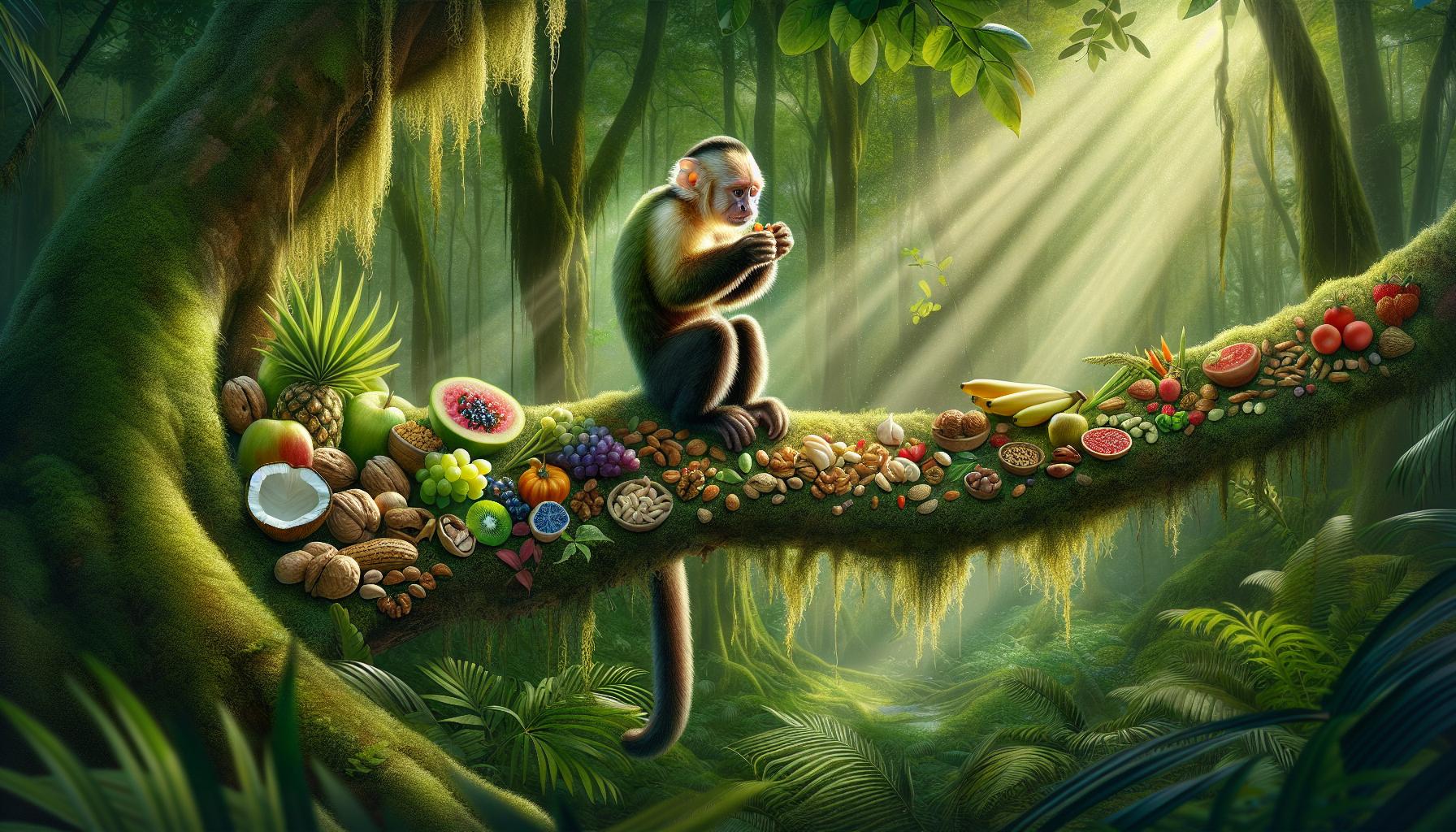
Diet Essentials for Capuchin Monkeys
Capuchin monkeys have unique dietary needs that are essential for their overall health and longevity. In the wild, these small yet highly intelligent primates exhibit omnivorous diets, primarily foraging for fruits, seeds, insects, and small vertebrates. As such, replicating this diverse nutritional intake in captivity is vital. A well-balanced diet not only keeps capuchins physically healthy but also supports their cognitive functions and behavioral health, both of which can significantly influence their lifespan.
To provide optimal nutrition, capuchin owners should focus on a varied diet that includes:
- Fruits: Fresh fruits like bananas, apples, grapes, and berries should make up a significant part of their diet. These provide essential vitamins and hydration.
- Vegetables: Leafy greens and colorful vegetables such as carrots, bell peppers, and sweet potatoes are rich in fiber and nutrients.
- Nuts and Seeds: A small handful of nuts like almonds, walnuts, or pumpkin seeds can serve as protein and healthy fats but should be given in moderation due to their high-caloric content.
- Protein Sources: Incorporating proteins such as cooked chicken, eggs, or insects helps meet their dietary requirements and promotes muscle health.
Feeding Guidelines
When establishing a feeding routine, it’s essential to remember that capuchins are naturally inclined to nibble throughout the day rather than consume large meals at once. Offering multiple small servings throughout the day can mimic their foraging behavior. Maintaining a daily feeding schedule with fresh foods is crucial, as spoiled or processed foods can lead to health complications.
Frequent dietary changes can impact gut health. Gradual transitions are recommended if introducing new food items to prevent digestive issues. Additionally, owners should consult with veterinarians experienced in primate care to devise customized feeding plans tailored to the capuchin’s age, size, and health condition.
A carefully curated diet not only contributes to the physical health of capuchin monkeys but also plays a significant role in their mental stimulation. Scatter feeding-where food is spread out in the enclosure-can encourage natural foraging behaviors, making mealtime an enriching experience that promotes a happy and active lifestyle. By pouring time and effort into understanding and fulfilling the dietary essentials of capuchins, owners can significantly enhance their pets’ quality of life and longevity.
Common Health Issues and Lifespan Impact
Capuchin monkeys, known for their intelligence and playful behavior, face a variety of health issues that can significantly impact their longevity. These fascinating primates are susceptible to conditions such as obesity, which can lead to a host of other health problems, including diabetes and cardiovascular diseases. Obesity often arises from improper diet and insufficient exercise, making it crucial for owners to monitor their monkeys’ weight and encourage active play.
Another common issue is dental disease. Capuchins are prone to periodontal disease due to their diet and the natural wear and tear of their teeth. Regular dental check-ups and the provision of hard fruits and vegetables can help maintain oral health. Additionally, capuchins can suffer from degenerative diseases as they age, such as arthritis, which affects mobility and overall quality of life. Early detection through routine veterinary care is vital for managing these conditions effectively.
Parasites, both internal and external, can also jeopardize the health of capuchin monkeys. Regular fecal examinations and preventive treatments are essential to keep these monkeys free from infestations that could compromise their health. Moreover, mental health is often overlooked; capuchins require mental stimulation to prevent boredom, which can lead to behavioral issues and stress-related health problems. Incorporating toys, puzzles, and social interactions can help mitigate these risks.
Ultimately, proactive and knowledgeable care is fundamental to enhancing the lifespan of capuchin monkeys. Owners must be vigilant about providing a balanced diet, regular veterinary care, and appropriate enrichment. By addressing these common health issues, capuchin owners can pave the way for longer, healthier lives for their beloved pets.
Behavioral Aspects of Aging in Capuchin Monkeys
As capuchin monkeys age, their behavior can reveal significant insights into their overall health and well-being. One captivating truth about these intelligent primates is that they retain cognitive function throughout their lives, but the way they engage with their environment and companions may change with age. Older capuchins may exhibit slower reactions and decreased physical agility, leading to alterations in their social interactions. While they may still be playful, older individuals might prefer gentler activities that require less physical exertion, highlighting their adaptability in the face of aging.
Maintaining an enriching environment is paramount as capuchins grow older. Their cognitive health is supported by regular stimulation in the form of complex toys, puzzles, and opportunities for socializing with both humans and other monkeys. Adjusting the complexity of these activities can accommodate the changing abilities of senior capuchins, ensuring they remain engaged and active. Furthermore, they often develop stronger bonds with their caregivers as they age, showing increased affection and reliance on human interaction, which can further support their emotional well-being.
Another notable aspect of aging in capuchin monkeys is their social behavior within groups. Older capuchins may take on more pronounced roles as mentors or caretakers, guiding younger members of their social structure. This shift in dynamic not only enriches the lives of older monkeys but also assists in the social development of younger ones. Moreover, understanding these behavioral changes can aid pet owners in recognizing when their pet requires special attention or adjustments in care.
It is essential for those caring for aging capuchin monkeys to observe any behavioral changes closely, as these can be early indicators of health issues. Signs such as withdrawal from social interaction, changes in appetite, or alterations in grooming behaviors could point to underlying concerns. By being attentive and responsive to these signs, pet owners can provide proactive care that caters specifically to their capuchin’s changing needs, helping ensure a high quality of life as they age.
Social Structures and Longevity in Capuchins
The intricate social structures of capuchin monkeys are fascinatingly linked to their longevity and overall health. These highly intelligent primates live in cohesive, matriarchal groups where social bonds and relationships are paramount. Capuchins rely heavily on social interaction, which not only satisfies their emotional needs but also plays a critical role in their lifespan. Living in a complex society, they engage in grooming, play, and cooperative activities, all of which contribute to their psychological well-being and may extend their lives.
An important aspect of these social dynamics is the presence of older individuals within the group. Contrary to a decline in roles as they age, older capuchins often assume pivotal positions of authority and mentorship. They help mentor younger members, teaching crucial survival skills and social norms which fosters a supportive community around them. This reciprocal arrangement benefits both the elder monkeys, who find purpose and engagement, and the younger ones, who gain wisdom and guidance through observation and interaction.
Moreover, the social environment impacts physical health, too. Capuchins are known to exhibit decreased stress and lower incidences of chronic illness when they are part of a stable, harmonious group. On the other hand, isolation or disruption of their social structure can lead to increased anxiety and health-related issues, ultimately negatively influencing their lifespan. Therefore, for pet owners considering capuchin monkeys, it’s vital to understand the importance of social interactions and ensure that these animals have opportunities for bonding, both with each other and with humans.
Creating a suitable social environment for a pet capuchin is essential for their longevity. This includes facilitating playtime with other monkeys, if possible, or providing ample enriching interactions and activities that stimulate their social instincts. Monitoring their social behavior and adjusting their environment ensures these remarkable primates not only thrive but can also enjoy a longer, healthier life.
Training and Enrichment for Longer Life
The longevity of capuchin monkeys can be significantly influenced by the training and enrichment they receive throughout their lives. These intelligent primates are naturally curious and thrive on mental challenges and social interactions, making it crucial to engage them in activities that stimulate both their minds and bodies. The more you can provide varied and purposeful experiences, the better you can support their well-being and extend their lifespan.
To create an enriching environment for a capuchin monkey, consider incorporating a variety of activities that cater to their inherent behaviors. Offering toys that promote problem-solving, such as puzzle feeders, encourages them to work for their food, mimicking natural foraging behaviors. This not only keeps them occupied but also enhances their cognitive skills. Interactive play sessions with caregivers can further strengthen the bond between monkey and human, providing emotional fulfillment while reducing stress.
Training Techniques
Utilizing positive reinforcement training techniques is another effective way to enrich a capuchin monkey’s life. This approach encourages desired behaviors through rewards, such as treats or praise, creating a fun learning environment. Basic commands like “sit,” “come,” or “jump” are great starting points. Additionally, training can be expanded to include tricks and tasks that engage their problem-solving skills. For instance, hidden treat searches require both physical activity and mental engagement, creating a stimulating experience that mimics their natural instincts.
Environmental Enrichment
Capuchins also benefit from a well-designed living space that imitates their natural habitat. This could include climbing structures, swings, and ropes that encourage exercise and exploration. Naturalistic settings promote not only physical health but also psychological well-being. Frequent rotation of toys and rearranging the environment keeps things fresh and interesting, helping to prevent boredom that can lead to destructive behaviors or health issues.
By providing a rich environment filled with social, physical, and mental stimulation, pet owners can ensure that capuchin monkeys not only enjoy a longer life but also fulfill their natural behaviors and instincts. Prioritizing enrichment is key to maintaining their happiness and health, creating a more rewarding experience for both the monkey and their human companions.
Signs of Aging in Capuchin Monkeys
As capuchin monkeys mature, subtle and noticeable signs of aging begin to emerge, reflecting both their physical condition and overall well-being. Typically, capuchin monkeys can live 15 to 25 years in captivity, but with age, they may experience various changes that are important for caregivers to recognize and address. One of the most evident indicators of aging in these intelligent primates is a shift in physical appearance. Fur may begin to gray, particularly around the face and muzzle, mirroring traits seen in many aging species. Additionally, a decline in muscle tone may make older capuchins appear less robust, and you might notice a decrease in their energy levels.
Another significant aspect of aging in capuchins is the potential decline in mobility. Older monkeys may show hesitance when climbing or jumping, which could lead to changes in their activity preferences. Joint stiffness or arthritis can also become apparent, making it vital for caregivers to provide appropriate living environments that minimize fall risks and offer comfortable resting areas. This change not only affects their physical capabilities but also impacts their behavior; it’s not uncommon for aging capuchins to become more cautious and less adventurous.
Social behavior in elderly capuchins can shift as well, often leading to a desire for greater solitude or a change in social dynamics within their groups. Older monkeys may prefer to retreat to quieter spaces rather than engage in rowdy play, which was once their pastime. This behavioral shift is essential to recognize; supporting these preferences can help ensure they feel secure and comfortable during their later years.
Monitoring these signs of aging is crucial for ensuring a high quality of life for capuchin monkeys as they grow older. Regular veterinary check-ups become increasingly important to identify and manage age-related health issues such as dental problems, vision decline, and metabolic disorders. Additionally, providing a tailored diet and ensuring an engaging yet safe environment can make a significant difference in the overall well-being of aging capuchins, allowing them to thrive well into their golden years.
Choosing a Capuchin Monkey as a Pet: What to Know
Choosing to bring a capuchin monkey into your home is an exciting prospect, filled with the promise of companionship and uniqueness. Known for their intelligence and playful nature, these engaging primates can form strong bonds with their caregivers. However, it’s crucial to understand the extensive commitment involved in caring for these animals, which have a lifespan ranging from 15 to 25 years in captivity. This longevity means that prospective owners should be prepared for a long-term relationship that goes beyond simple pet ownership.
Before making the leap, consider the daily needs of capuchins. These highly social creatures thrive on interaction and mental stimulation. They require more than just food and shelter; capuchins need an enriching environment where they can play, explore, and engage in problem-solving activities. Providing a large, safe enclosure with climbing structures and various toys will help foster their innate curiosity and energy. Furthermore, daily social interaction is essential, as capuchins can become lonely or stressed without companionship, leading to behavioral issues.
When contemplating adding a capuchin to your family, it is vital to familiarize yourself with local regulations regarding primate ownership. Different states or municipalities have varied legal requirements, permits, and restrictions on keeping monkeys as pets. This legal aspect isn’t just a bureaucratic hurdle; it reflects the recognition of the challenges involved in managing a monkey as a household pet, ensuring their welfare and the safety of the community.
Don’t overlook the veterinary care aspect: finding a veterinarian who specializes in exotic animals will be paramount for making informed decisions about nutrition, health, and preventative care. Capuchin monkeys have specific dietary needs, primarily consisting of fresh fruits, vegetables, and specialized primate pellets, which contribute to their overall health and longevity. Neglecting their health care can lead to serious consequences, affecting their quality of life significantly.
In summary, while the prospect of welcoming a capuchin monkey into your home can be thrilling, it comes with a significant array of responsibilities and challenges. Understanding their social, dietary, and health needs-as well as the long-term commitment-will ensure that both you and your future monkey buddy enjoy a fulfilling and harmonious life together.
The Importance of Vet Care for Capuchin Monkeys
Ensuring the well-being of capuchin monkeys hinges significantly on proper veterinary care, a crucial aspect often overlooked by prospective owners. Like all living beings, capuchins are susceptible to various health issues, some of which can be severe if not addressed promptly and appropriately. Regular veterinary check-ups play a vital role in prevention, early detection of potential problems, and maintaining their overall health, ultimately influencing their lifespan that can reach up to 25 years in captivity.
Establishing a relationship with a veterinarian who specializes in exotic animals is paramount. Such professionals not only understand the unique physiological and behavioral traits of capuchin monkeys but also recognize how these factors affect their healthcare needs. Routine visits typically include thorough physical examinations, vaccination updates, dental care, and, when necessary, diagnostic testing that can spot underlying issues before they escalate. For instance, dental problems can lead to severe pain and infection, impacting the monkey’s ability to eat and enjoy life. Therefore, regular dental check-ups are just as crucial as any other aspect of health monitoring.
Preventive nutrition management is another critical area where veterinary guidance is indispensable. Capuchin monkeys require a balanced diet that reflects their nutritional needs, which can vary based on age, health status, and particular lifestyle choices. A veterinarian can recommend diets rich in fresh fruits, vegetables, and specialized primate pellets tailored to promote optimal health. Owners should heed signs indicating dietary changes are necessary – such as changes in weight, activity levels, or behavior – that may warrant immediate consultation with a vet to prevent malnutrition or obesity-related issues.
Behavioral Observations: The Subtle Signs
Furthermore, veterinarians can offer critical insights into behavioral changes that could indicate health issues. For example, a capuchin that suddenly becomes lethargic or exhibits changes in appetite may require immediate veterinary intervention. By regularly consulting a veterinarian, capuchin monkey owners can learn to recognize these signs early, facilitating prompt and effective treatment.
In summary, veterinary care should be viewed as an ongoing partnership in health maintenance for capuchin monkeys. By prioritizing this aspect of care, owners not only safeguard their pet’s immediate well-being but also extend their longevity, ensuring many joyful years together.
Faq
Q: How long can capuchin monkeys live in captivity?
A: Capuchin monkeys can live up to 25 years or more in captivity with proper care. Ensuring a nutritious diet, regular veterinary check-ups, and social interaction are essential for their longevity.
Q: What factors influence the lifespan of capuchin monkeys?
A: The lifespan of capuchin monkeys is influenced by genetics, diet, environmental conditions, stress levels, and access to veterinary care. A stable and enriched environment promotes overall health and longevity.
Q: Do capuchin monkeys live longer in the wild or in captivity?
A: Capuchin monkeys generally live longer in captivity, often exceeding 25 years, compared to around 15-20 years in the wild. Safe environments and regular medical care contribute significantly to their extended lifespan in captivity.
Q: What are common health issues that affect capuchin monkeys’ lifespan?
A: Common health issues affecting capuchin monkeys include obesity, dental disease, and infections. Regular health check-ups and a balanced diet are crucial in preventing these issues and ensuring a longer life.
Q: How can diet affect the lifespan of capuchin monkeys?
A: A balanced diet rich in fruits, vegetables, and proteins can significantly impact a capuchin monkey’s lifespan. Providing a varied and nutritious diet helps prevent obesity and related health issues that shorten their life.
Q: What signs indicate aging in capuchin monkeys?
A: Signs of aging in capuchin monkeys include decreased activity levels, changes in grooming habits, and weight loss. Early identification of these behaviors can help in adjusting care and improving their quality of life.
Q: What is the importance of social structure in capuchin monkey longevity?
A: Social structures play a vital role in capuchin monkey longevity, as they thrive in social groups. Interaction with other monkeys reduces stress and promotes healthy behaviors, contributing to a longer lifespan.
Q: What enrichment activities can promote a longer life for capuchin monkeys?
A: Providing mental and physical enrichment activities, such as toys, puzzles, and interactive play, can enhance the well-being of capuchin monkeys. These activities stimulate their minds and prevent boredom, which positively impacts their lifespan.
Insights and Conclusions
Understanding the lifespan and care needs of capuchin monkeys is crucial for anyone considering these intelligent creatures as pets. Remember, their longevity often depends on proper care, which includes a balanced diet, social interaction, and mental stimulation. If you’re intrigued by the fascinating world of capuchins, why not dive deeper? Explore our related articles on “Best Diet for Capuchin Monkeys” and “Understanding Capuchin Monkey Behavior” for more insights.
Don’t miss your chance to share your thoughts or questions in the comments below! Your engagement not only helps us create more tailored content but also connects you with a community of fellow wildlife enthusiasts. For those ready to expand their knowledge, subscribe to our newsletter to stay updated with the latest in animal care and fascinating species facts. Embrace the adventure of responsible pet ownership today!


