


Honey badgers, known for their fierce demeanor and remarkable adaptability, face a range of threats that endanger their survival. Despite their reputation as fearless predators, human activities-from habitat loss due to agriculture and urban development to hunting-pose significant challenges. Understanding these dangers is essential not only for the conservation of this unique species but also for balancing human-wildlife interactions.
As you delve into the world of honey badgers, it’s crucial to recognize their role as both scavengers and predators within their ecosystems, showcasing their ecological importance. By exploring the factors threatening their existence, we can foster greater awareness and take actionable steps towards their protection. Join us as we uncover what truly threatens these remarkable animals and the implications for biodiversity and ecosystem health. Through this journey, we’ll connect the dots between honey badger conservation and the broader impact on wildlife and shared habitats.
Contents
- 1 Understanding Honey Badgers: Key Characteristics and Traits
- 2 The Natural Behaviors of Honey Badgers in the Wild
- 3 Predators of the Honey Badger: Who Are Their Threats?
- 4 Human Impact: Habitat Loss and Its Consequences
- 5 How Climate Change Affects Honey Badger Survival
- 6 Comparative Analysis: Honey Badgers vs. Other Predatory Animals
- 7 The Role of Honey Badgers in Ecosystems: Benefits and Challenges
- 8 Protective Strategies: How Honey Badgers Defend Themselves
- 9 Conservation Status: Are Honey Badgers Endangered?
- 10 Fascinating Facts About Honey Badgers: Myths vs. Reality
- 11 Pet Honey Badgers: Legal and Care Considerations
- 12 What You Can Do to Help Honey Badgers Thrive
- 13 Frequently asked questions
- 14 In Conclusion
Understanding Honey Badgers: Key Characteristics and Traits
The honey badger, scientifically known as _Mellivora capensis_, is a fierce and formidable creature that captivates wildlife enthusiasts with its remarkable characteristics and traits. Often lauded for its tenacity, this small yet powerful mammal is renowned for its relentless pursuit of survival in challenging environments. With a stocky body, short legs, and sturdy claws, honey badgers possess an impressive physicality that enables them to dig and burrow adeptly. Their thick, tough skin acts as natural armor, affording them protection from potential predators and harsh conditions alike.
These animals are adaptable foragers, displaying an omnivorous diet that includes insects, small mammals, and even honey-hence their name. Honey badgers’ remarkable sense of smell is crucial for finding food, while their playful yet aggressive demeanor allows them to fend off threats, even from larger animals. A famously indomitable spirit, they are known to confront snakes, including the notorious black mamba, showcasing their brave nature. There’s a fascinating interplay of tenacity and intelligence: honey badgers use tools like stones to break open hard-shelled prey, illustrating their problem-solving capabilities.
Moreover, their social structure is equally intriguing. While often solitary, honey badgers can be found in small family groups, and mothers are fiercely protective of their young. This mix of independence and familial care emphasizes their complex social behaviors. Understanding these characteristics not only enriches our knowledge of honey badgers but also highlights the importance of preserving their habitats and ecosystems. By appreciating the unique traits and resilience of these animals, we can better advocate for their conservation.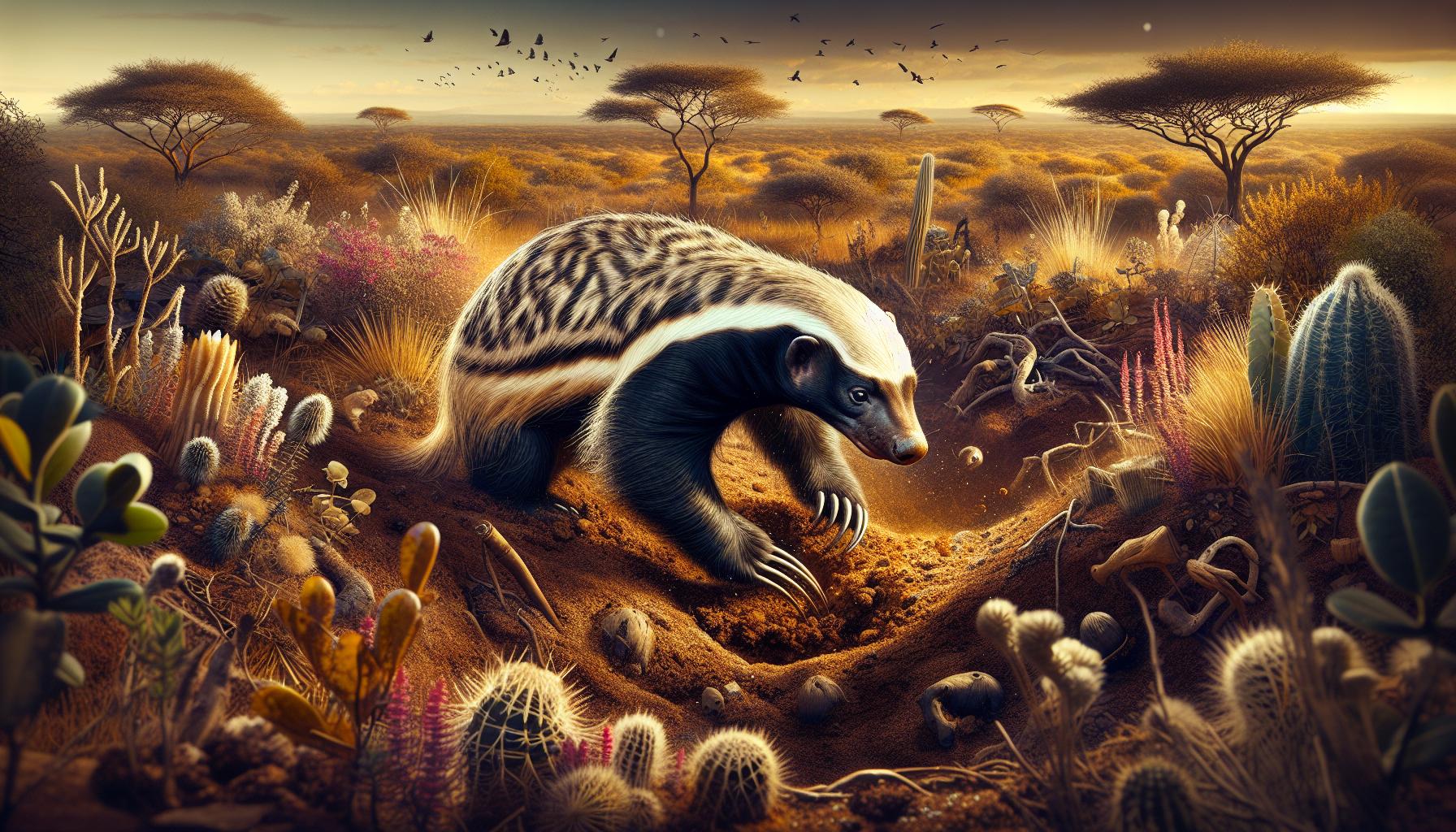
The Natural Behaviors of Honey Badgers in the Wild
Honey badgers are known for their remarkable adaptability and fierce independence, traits that contribute significantly to their survival in the wild. These animals are primarily nocturnal, which helps them evade many predators that are active during the day. When roaming their habitats, which range from dry savannas to dense forests, honey badgers employ a mix of keen senses and opportunistic foraging strategies to locate food. Their acute sense of smell allows them to track down hidden nests and burrows where insects, small mammals, or bird eggs may reside.
Despite their solitary nature, honey badgers engage in behaviors that reflect a certain level of social awareness. They are often seen foraging together when food sources are abundant, indicating an understanding of shared resources. When it comes to parenting, mothers display an extraordinary level of dedication to raising their young. The mother honey badger often digs a secure den to protect her cubs, teaching them the ropes of survival, which includes foraging techniques and defensive behaviors essential in avoiding predators.
Speaking of predators, honey badgers face threats from various animals, both large and small. While they are known for their boldness in confronting foes, their primary natural adversaries include large carnivores such as lions, hyenas, and leopards, as well as reptiles like Nile crocodiles. Yet, what sets honey badgers apart is their extraordinary defensive strategies. Equipped with thick, tough skin and a fierce disposition, honey badgers are capable of warding off attacks when threatened, often retaliating fiercely, earning them a reputation as one of the most fearless animals in the animal kingdom.
This combination of tenacity, intelligence, and adaptive behavior not only facilitates their survival but also dictates their role within the ecosystem. As notorious scavengers and foragers, honey badgers contribute to the ecological balance by controlling insect populations and serving as both prey and predators themselves. Understanding these behaviors is vital for appreciating the intricate web of life in which honey badgers exist and underscores the importance of their conservation.
Predators of the Honey Badger: Who Are Their Threats?
Honey badgers are renowned for their audacity and durability, yet even these fearless creatures face a variety of natural threats in the wild. Predation poses a significant challenge to their survival, primarily from larger carnivores that are capable of overpowering them. The most formidable threats include lions, leopards, and hyenas, who view the honey badger not just as potential food but also as an intriguing adversary. While honey badgers are known to confront these predators with tenacity, the sheer size and power of these animals can still pose serious risks, especially when multiple predators band together.
Other threats come from large reptiles such as pythons and Nile crocodiles. Honey badgers, though adept at navigating difficult terrains and detecting food, are not immune to ambush attacks from these stealthy hunters. Interestingly, honey badgers’ thick skin serves as a protective barrier, allowing them to survive bites from venomous snakes, yet their resilience can only go so far against larger predators.
Despite their fearsome reputation, honey badgers rely on cunning strategies to evade danger. They are primarily nocturnal, which significantly reduces encounters with various daytime predators. Additionally, they utilize their sharp claws for climbing and digging, giving them the option to escape threats by seeking refuge in trees or burrows. Their unique defensive behaviors, such as releasing a pungent secretion from their anal glands when threatened, help deter would-be attackers. This adaptation not only protects them but also reinforces their role as crafty survivors in the wild.
In understanding the threats faced by honey badgers, it becomes clear that their survival is a delicate balance of bravery and caution. Educating ourselves about these challenges highlights the importance of conserving their habitats and nurturing ecosystems where these remarkable animals can thrive without fear of debilitating predation. As stewards of their environment, we must advocate for biodiversity to ensure that honey badgers continue their vital role in the ecosystem while managing the intricacies of the natural food web.
Human Impact: Habitat Loss and Its Consequences
The encroachment of human civilization into wild habitats poses one of the gravest threats to honey badgers and their way of life. As urban areas expand and agricultural land stretches further into their natural inclinations, these remarkable creatures face a struggle for survival. Honey badgers thrive in diverse environments-savannas, forests, and grasslands-but habitat destruction from deforestation, farming, and urbanization fundamentally alters their ecosystems, diminishing both their populations and the biodiversity around them.
In many regions, rural and agricultural development leads to the fragmentation of the landscapes that honey badgers inhabit. This fragmentation results in isolated populations that cannot intermingle, reducing genetic diversity and making them more susceptible to diseases and genetic disorders. Furthermore, as human activity increases, it often leads to direct conflicts with honey badgers. For instance, when these animals venture into farmland, they can be perceived as pests, as they sometimes raid poultry, leading to retaliatory measures from farmers. Such dynamics contribute to the decline in honey badger numbers, showcasing the urgent need for more sustainable coexistence strategies.
The consequences of habitat loss extend beyond the immediate survival of honey badgers. As essential players in their ecosystems, they regulate populations of prey species such as rodents and insects, contributing to overall ecological balance. Their disappearance can lead to overpopulation of these species, resulting in cascading effects that disrupt the food web and habitat health. Their role as scavengers also aids in nutrient cycling, further emphasizing the intricate connections within ecosystems.
Conservation efforts are essential to mitigate the effects of habitat loss. Creating wildlife corridors to connect fragmented habitats, implementing sustainable farming practices, and fostering community awareness of the ecological importance of honey badgers are crucial initiatives that can help protect these resilient animals. Engaging local communities in conservation rather than punishing them for their interactions with wildlife can lead to a more harmonious existence for humans and honey badgers alike. By understanding and addressing the impacts of human activity, we can help ensure that these fearless animals continue to thrive in their natural environments.
How Climate Change Affects Honey Badger Survival
As the planet faces escalating climate change, honey badgers, those intrepid foragers and fearless defenders, find themselves grappling with new challenges that threaten their survival. The increasing temperatures, shifting rainfall patterns, and changing landscapes directly affect honey badgers’ habitats and food sources. With their remarkable adaptability, honey badgers typically thrive in a variety of environments, ranging from savannas to forests. Yet, as climate change disrupts these ecosystems, the very foundations of their existence are under siege.
Rising temperatures can lead to altered prey availability, which is critical for honey badgers that rely on insects, small mammals, and fruits as part of their diet. For instance, as certain insect populations decline due to extreme weather, honey badgers may struggle to find enough food, forcing them to venture into unfamiliar territory or urban areas in search of sustenance. This can increase the risk of human-wildlife conflict, as they may raid poultry or crops, leading to negative interactions with farmers who may resort to lethal measures.
Moreover, changing climates can affect the availability and stability of honey badger dens. The integrity of these shelters is essential for raising young cubs, but more frequent and intense weather events, such as droughts or heavy rains, can render them unsuitable or completely destroy them. As habitats become less hospitable, the fragmentation of their territories may follow, reducing genetic diversity and making populations more vulnerable to diseases, thereby further imperiling their survival.
To mitigate these impacts, conservation strategies must adapt to the changing climate. Promoting habitat corridors to enhance connectivity between populations can help alleviate the stresses caused by fragmentation. Additionally, engaging local communities in wildlife conservation efforts by educating them about the ecological significance of honey badgers can foster a more cooperative approach to wildlife management. By understanding and addressing how climate change shapes the lives of honey badgers, both the species and the ecosystems they help maintain stand a better chance at thriving in an uncertain future.
Comparative Analysis: Honey Badgers vs. Other Predatory Animals
In the wild, honey badgers (Mellivora capensis) are known for their tremendous courage and tenacious behavior, often taking on foes much larger than themselves. Their reputation as fierce fighters sets them apart from many other predatory animals, yet they are not without their own set of threats. Examining the competitive landscape reveals a fascinating contrast between honey badgers and their natural rivals, which includes larger carnivores as well as other smaller yet formidable species.
Honey badgers are often targets of apex predators such as leopards and crocodiles. The sheer weight and strength of these predators allow them to easily overpower a honey badger, despite the latter’s reputation for resilience. For instance, leopards are ambush hunters that rely on stealth to capture their prey, including honey badgers. The unfortunate outcome for honey badgers often lies in their underestimation of the risk posed by these larger predators.
On the opposite end of the spectrum, smaller scavengers like hyenas may pose a different kind of threat. While not necessarily hunting honey badgers, hyenas can challenge them when it comes to food resources. In the presence of aggressive groups, a honey badger may be outcompeted for carrion, which is a crucial food source in their diet. The competition can be fierce, pushing honey badgers to adapt their foraging strategies, leading them into less familiar terrains or more hazardous encounters.
Interestingly, the survival strategies of honey badgers highlight their evolutionary niche. Their thick skin and loose fur provide a degree of protection against predator attacks, while their remarkable agility and digging prowess allow them to escape danger by burrowing into the ground. This adaptability emphasizes their role as both predator and prey in the intricate web of their ecosystems, demonstrating how each species copes uniquely with the challenges of survival.
Understanding these comparative dynamics not only enriches our knowledge of honey badgers but also sheds light on the broader ecosystem in which these animals exist. The interactions among different species highlight the delicate balance of nature, where each creature plays a critical role in the survival of the others, while simultaneously navigating their own set of challenges. Continued observation and conservation efforts become vital in ensuring that these complex relationships sustain themselves amidst changing environmental pressures.
The Role of Honey Badgers in Ecosystems: Benefits and Challenges
The honey badger, known for its tenacity and fearless nature, plays a vital role in its ecosystem, influencing both predator and prey dynamics. As opportunistic foragers, honey badgers contribute significantly to controlling populations of various species, from pests to small mammals. Their foraging habits help maintain ecological balance by regulating the numbers of these species, which may otherwise proliferate unchecked. For instance, by consuming venomous snakes, honey badgers not only ensure their own survival but also mitigate potential threats to other animals and humans, demonstrating a unique benefit to biodiversity.
Despite their formidable prowess, honey badgers face numerous challenges, primarily stemming from their interactions with larger predators. Apex predators like leopards and crocodiles pose significant threats, often overpowering honey badgers due to their size and strength. This predator-prey dynamic can lead to fascinating behaviors, where honey badgers often utilize their agility and intelligence to evade capture. Observing these interactions highlights the ongoing struggle within ecosystems, wherein honey badgers must continuously adapt their strategies for survival while influencing their surroundings.
Benefits of Honey Badgers in Their Ecosystem
Honey badgers offer several ecological benefits, including:
- Prey Regulation: By hunting various rodents and snakes, honey badgers help control populations of these species, preventing overpopulation and promoting floral diversity.
- Seed Dispersal: Their foraging habits may assist in seed dispersal, contributing to plant regeneration and ecosystem health.
- Soil Aeration: Their burrowing behavior enhances soil health by aerating the ground, facilitating nutrient circulation.
Challenges Faced by Honey Badgers
Despite their advantageous position, honey badgers encounter several threats:
- Environmental Changes: Habitat loss due to human encroachment reduces their food supply and available territory.
- Competition: Larger carnivores and scavengers may outcompete them for food, exacerbating their struggle for survival in certain regions.
- Climate Impact: Shifts in climate may alter their habitats and food availability, creating additional hurdles in their survival strategies.
Through their complex interactions within ecosystems, honey badgers embody the resilience and adaptability of wildlife, continually navigating threats while fulfilling essential ecological roles. Understanding their contributions and the challenges they face highlights the need for continued conservation efforts to ensure their survival and the health of the ecosystems they inhabit.
Protective Strategies: How Honey Badgers Defend Themselves
Honey badgers are renowned for their relentless courage and formidable defensive capabilities, making them a fascinating study in the wild. One of the most intriguing aspects of their behavior is their unique approach to self-defense against larger predators such as lions, leopards, and even crocodiles. Armed with a thick, loose skin that allows them to twist and turn to avoid injury, honey badgers are more than equipped to withstand formidable attacks. This tough exterior, combined with a ferocious temperament, acts as a deterrent; predators often think twice before attacking an animal that seems so ready and willing to fight back.
Adaptability is another key feature of the honey badger’s defensive strategy. These creatures are not just strong but exhibit a range of smart tactics to evade predation. For instance, when confronted by a threat, a honey badger may resort to a series of aggressive displays such as hissing, growling, and even pretending to be more conspicuous and threatening than they truly are. This bluffing technique often tricks would-be attackers into believing that it would be too costly to engage. Moreover, when cornered, honey badgers can climb trees or burrow underground, utilizing the environment to shield themselves from danger.
Food sources also play a crucial role in their defense strategy. Honey badgers are opportunistic feeders, which allows them to shift their foraging patterns to avoid areas with high predator activity. By utilizing their keen sense of smell and exploratory nature, they can locate food elsewhere, minimizing encounters with larger carnivores. This behavioral flexibility not only aids in their survival but also affirms their status as one of nature’s resilient foragers.
Ultimately, the defensive strategies of honey badgers are a thrilling combination of physical prowess and clever behavior, showcasing nature’s ingenuity in overcoming the challenges posed by larger predators. Understanding these strategies not only highlights the honey badger’s role in the ecosystem but also provides insights into broader principles of wildlife resilience and adaptability. For those considering keeping such an extraordinary creature as a pet, recognizing these traits is essential for ensuring an environment where they can express their natural instincts and behaviors safely.
Conservation Status: Are Honey Badgers Endangered?
The honey badger, known scientifically as Mellivora capensis, is not just a fierce predator but also an important ecosystem player, yet it faces significant threats that jeopardize its survival. While current assessments do not classify honey badgers as endangered, their populations are affected by various human-induced factors and habitat challenges. Understanding these threats is crucial for ensuring their long-term viability in the wild.
One of the most pressing issues for honey badgers is habitat loss, primarily due to agricultural expansion and urban development. As humans encroach on their natural habitats, these resilient animals find themselves squeezed into smaller territories, struggling to find the resources they need to thrive. In addition to habitat alteration, incidental hunting poses a serious risk. Honey badgers are often killed as a result of poaching or in retaliation for attacks on livestock, further diminishing their numbers. Wildlife corridors and protected areas are vital to give honey badgers safe passage and access to diverse environments where they can forage and reproduce.
In consideration of climate change, this species could also face additional challenges. Altered weather patterns could impact their food sources, such as invertebrates and small mammals, leading to food scarcity. Honey badgers’ adaptability will be tested as they attempt to cope with these changes in their diet and habitat.
To aid in the conservation of honey badgers, it is imperative for local communities to engage in sustainable practices and habitat restoration efforts. Establishing and maintaining reserves, alongside education about the ecological role of honey badgers, can foster a coexistence that benefits both the animals and human populations. By promoting conservation initiatives and responsible interactions, we can help ensure that these remarkable creatures continue to dominate their ecological niches for generations to come.
Fascinating Facts About Honey Badgers: Myths vs. Reality
The honey badger, known for its fierce demeanor and relentless tenacity, is the ultimate underdog of the animal kingdom. One of the most widely shared myths about this remarkable creature is that it has no natural predators due to its bravery and robust defenses. While it’s true that honey badgers are often fearless and aggressive, they are not entirely without threats. In reality, young honey badgers and cubs are more vulnerable to larger predators such as lions and hyenas, especially in areas where their populations overlap.
Another common misconception is that honey badgers are invincible due to their thick skin and loose fur, which can help them survive bites and stings from venomous creatures. While these adaptations do provide them with some protection, they are not immune to injury. The reality is that honey badgers frequently face dangers from venomous snakes, and, despite their reputation, a single bite from a highly venomous snake can prove fatal. Their ability to withstand some toxins does not extend to all threats, illustrating that they are still part of the intricate food web and ecological balance.
When it comes to interactions with humans, people often think of honey badgers as pests, assuming they pose a significant threat to livestock. This belief can lead to retaliatory killings, further harming honey badger populations. In truth, honey badgers primarily target small mammals, insects, and occasionally fruits, rather than livestock. Education and awareness can shift perceptions, showcasing honey badgers as vital players in pest control within their ecosystems.
To better appreciate these fierce creatures, understanding the nuanced relationship they have with their environment is essential. They play an important role in maintaining ecological balance by preying on various insects and rodents, thereby managing populations that could otherwise explode unchecked. Recognizing these facts can foster a deeper connection with wildlife conservation efforts and emphasize the importance of coexisting with all species, even those that might initially seem threatening.
Pet Honey Badgers: Legal and Care Considerations
While honey badgers capture the imagination with their fierce reputation and impressive adaptability, the idea of keeping one as a pet raises numerous legal and ethical considerations. In many regions, keeping a honey badger requires navigating complex wildlife laws. Laws vary by jurisdiction, but in several places, honey badgers are categorized as exotic or wild animals, making it illegal to own them without special permits. Such regulations are often in place to protect biodiversity and ensure the humane treatment of these fierce creatures.
In addition to legalities, the care of a honey badger requires specialized knowledge that most casual pet owners may not possess. Honey badgers are naturally inquisitive and intelligent, needing ample physical exercise and stimulation to thrive. Unlike domestic pets, they are not suited to confined living situations. Their instinctual behaviors, such as digging and climbing, necessitate a secure and spacious environment that mimics their natural habitat. This means investing in an outdoor enclosure with appropriate enrichment, like tunnels and climbing structures, to keep them engaged.
Furthermore, honey badgers have unique dietary requirements that differ significantly from typical pets. They are omnivorous and have been known to consume a wide range of foods, including small mammals, insects, fruits, and honey. Providing a balanced diet can be challenging and requires access to specific food items that may not be readily available. Owners must be prepared to maintain an appropriate diet, which can be both time-consuming and costly.
Considering their behavioral traits, potential pet owners should also take into account that honey badgers can be aggressive, especially when threatened. Their notorious resilience to pain and fearless nature can pose significant challenges in a domestic setting. They are known to be solitary animals, which means they do not thrive in social interactions with humans or other pets. Thus, without diligent supervision, they may engage in harmful behaviors or become stressed in unfamiliar environments.
Ultimately, while the allure of owning a honey badger can be strong, the reality is complex. Responsible ownership goes beyond admiration and requires an understanding of legal constraints, specialized care needs, and environmental considerations. Potential pet owners should weigh these factors very carefully and consider supporting conservation efforts instead, helping to ensure the survival of these remarkable creatures in the wild where they belong.
What You Can Do to Help Honey Badgers Thrive
The honey badger, known for its fearless nature and remarkable adaptability, faces numerous threats in the wild, from natural predators to human activities. Supporting their survival requires a multi-faceted approach from individuals and communities alike. One of the most immediate actions you can take is to engage in conservation efforts aimed at protecting their natural habitat. This includes advocating for wildlife corridors that allow these resilient animals to roam freely, which is essential for their reproduction and feeding habits.
Another effective method to help honey badgers thrive is to support wildlife organizations dedicated to researching and protecting these animals. Many organizations focus on mitigating human-wildlife conflict, which often arises due to honey badgers raiding livestock. Supporting initiatives that educate farmers on coexistence measures will significantly contribute to reducing retaliation against these creatures. Encourage community outreach programs that inform locals about the ecological role of honey badgers and promote conservation as a viable solution to perceived threats.
Additionally, you can play a part in combating illegal wildlife trade and poaching. Reporting any suspicious activities and supporting legislation that protects honey badgers will help safeguard their populations. By raising awareness on social media or participating in campaigns, you inspire others to take action. Sharing information about honey badgers’ remarkable traits – such as their unique dietary needs and resistance to snake venom – can captivate attention and foster greater appreciation for their role in ecosystems.
Lastly, consider responsible tourism which emphasizes wildlife watching over hunting. Choose eco-friendly tours that provide a portion of profits to conservation efforts in habitats where honey badgers live. This not only supports local economies but also helps fund initiatives aimed at preserving the environment and ensuring the future of these incredible animals. By taking these steps, every individual can play a crucial role in ensuring that honey badgers continue to thrive in the wild, undeterred by the various challenges they face.
Frequently asked questions
Q: What are the main predators of honey badgers?
A: The main predators of honey badgers include lions, leopards, and hyenas, particularly targeting older or weaker individuals. Despite their fierce nature, honey badgers can face threats from these larger carnivores, especially in areas where their habitats overlap.
Q: How do honey badgers defend themselves from predators?
A: Honey badgers defend themselves using their sharp claws, strong jaws, and fearless demeanor. They often resort to aggressive behaviors, including charging at threats, making themselves appear larger, and using their tough skin to absorb bites from would-be attackers.
Q: Are honey badgers at risk from human activities?
A: Yes, honey badgers face risks from human activities such as habitat destruction and hunting. Urban encroachment and agricultural expansion reduce their natural habitats, while some people may hunt them due to misconceptions about their behavior or as pests on farms.
Q: Can honey badgers coexist with other predators?
A: Honey badgers can coexist with other predators but often compete for the same food sources. Their adaptability and resourceful nature help them survive in varied environments, but competition can lead to confrontations with larger carnivores.
Q: Do honey badgers have any natural allies against predators?
A: Honey badgers have a unique relationship with the Greater Honeyguide bird, which helps them locate beehives. This partnership provides honey badgers with a source of food, and while the bird does not protect them, it indirectly contributes to their survival through food availability.
Q: How does climate change threaten honey badgers?
A: Climate change threatens honey badgers by altering their habitats and food sources. Extreme weather events and altered ecosystems can reduce prey availability, forcing honey badgers to adapt to changing conditions or to migrate, which may not always be possible.
Q: What adaptations help honey badgers survive in the wild?
A: Honey badgers possess thick skin, strong claws, and incredible stamina, which help them survive in the wild. Their ability to withstand bee stings and brave encounters with venomous snakes also contributes significantly to their resilience against natural threats.
Q: What role do honey badgers play in their ecosystem?
A: Honey badgers play an important role in their ecosystems by controlling populations of pests like bees and rodents. They also contribute to soil health through their digging, which aerates the ground and facilitates nutrient cycling, benefiting various plant communities.
In Conclusion
As we’ve explored, honey badgers are resilient creatures facing numerous threats in the wild, from larger predators to habitat loss. To ensure their survival and enhance our knowledge about wildlife, consider diving deeper into the complexities of their behavior and the challenges they face. For additional insights, check out our articles on how human activities impact natural habitats or discover the fascinating relationships between honey badgers and their ecosystems.
If you found this discussion enlightening, don’t forget to share your thoughts in the comments below! Exploring the wild world of honey badgers doesn’t have to end here-subscribe to our newsletter for regular updates on wildlife news and tips for responsible pet ownership, and take your passion for nature further. Let’s keep this important conversation going as we work together to understand and protect our planet’s unique creatures!


