Huskies are captivating companions, renowned not only for their striking appearance and playful personalities but also for their impressive resilience and intelligence. Did you know that these dogs can run up to 28 miles per hour? Their unique heritage as sled dogs has endowed them with not only physical endurance but also a love for adventure.
Understanding why everyone adores Huskies goes beyond their looks; it taps into what makes them such engaging family members. Their social nature fosters strong bonds with humans and other pets, making them a fantastic addition to active households. As we dive deeper into the wonderful world of Huskies, prepare to discover fun and intriguing facts about this remarkable breed that not only inform but also inspire a deeper appreciation for their distinctive qualities. Whether you’re considering welcoming a Husky into your home or are simply a fan of this spirited breed, there’s much to learn and love about these incredible dogs.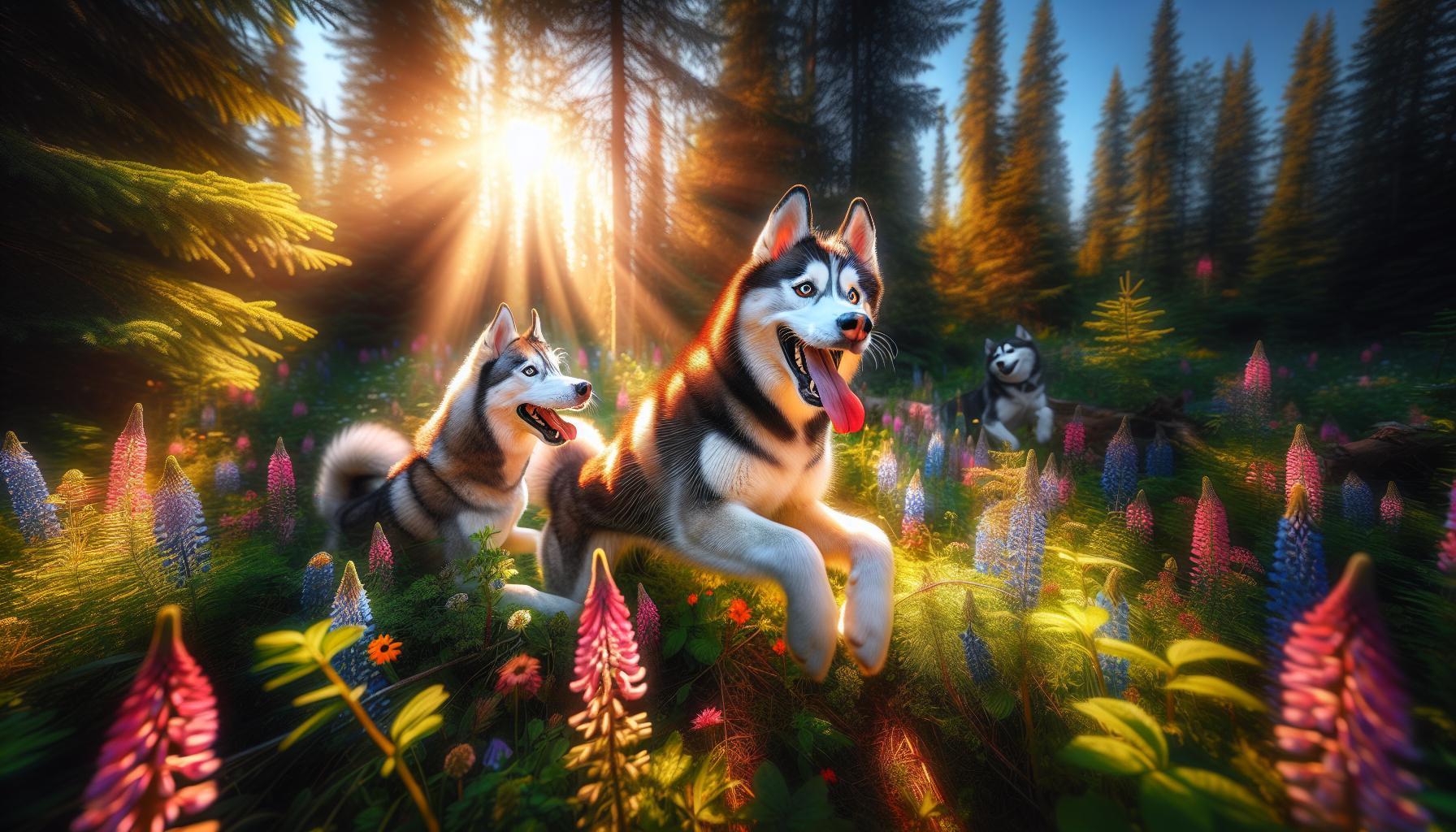
Contents
- 1 Fun and Quirky Characteristics of Huskies
- 2 The Origins and History of the Siberian Husky
- 3 Understanding the Unique Temperament of Huskies
- 4 Huskies and Their Meticulous Grooming Needs
- 5 Why Huskies are Great Family Pets
- 6 The Exercise Requirements for Huskies
- 7 Training Tips for Your Siberian Husky
- 8 Dietary Needs and Feeding Guidelines for Huskies
- 9 Common Health Issues in Huskies and Prevention
- 10 Husky vs. Other Popular Dog Breeds: A Comparison
- 11 Activities and Games to Keep Your Husky Engaged
- 12 The Importance of Socialization for Your Husky
- 13 Frequently asked questions
- 14 In Summary
Fun and Quirky Characteristics of Huskies
Huskies are not just known for their striking beauty and friendly demeanor; they are also celebrated for a host of fun and quirky traits that endear them to dog lovers everywhere. One of the most captivating characteristics of Siberian Huskies is their remarkable vocal range. Unlike most dog breeds that stick to barking, Huskies tend to “talk” more, producing a variety of sounds, including howls, yips, and even what seems like conversation. This vocalization is a legacy of their ancestry as sled dogs, where communication among pack members was essential for teamwork.
Another unique trait is their mischievous streak. Huskies are notorious escape artists, often displaying cleverness and determination in their quest for adventure. Owners frequently share tales of their Huskies finding ingenious ways to break out of backyards, open gates, or even push objects aside to create a path to freedom. Keeping a Husky entertained and engaged is crucial, as they thrive on mental challenges and physical activity. Regular exercise paired with stimulating toys can help mitigate their propensity for mischief.
In addition to their antics, Huskies have a strong affinity for cold weather, thanks to their double coat, which insulates them against low temperatures. This makes them the perfect companions for winter enthusiasts and those living in colder climates. However, their thick fur also requires regular grooming, especially during shedding season, to keep their coats healthy and reduce the amount of fur that ends up around the house. Understanding and embracing these quirky traits is part of the joy of being a Husky owner, leading to countless cherished memories filled with laughter and amusement.
For potential owners or those simply captivated by this breed, recognizing the blend of intelligence, loyalty, and spirited behavior is essential. Huskies are not just pets; they are charismatic companions that enrich lives with their playful and distinct personalities.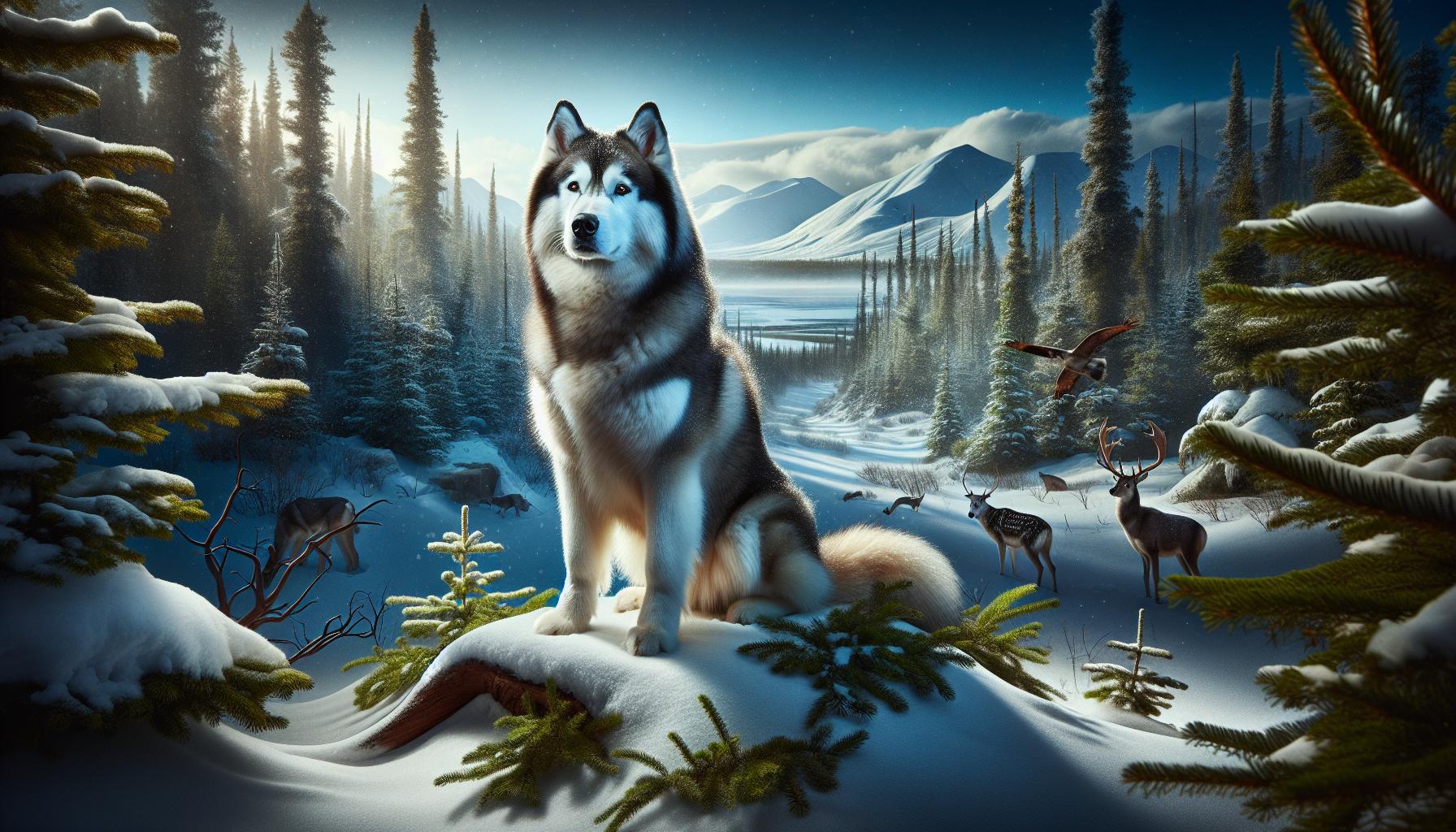
The Origins and History of the Siberian Husky
The Siberian Husky’s roots trace back to the Chukchi people of Siberia, where they were bred for their strength, endurance, and ability to thrive in harsh, icy environments. These remarkable dogs were invaluable companions, serving as sled dogs tasked with pulling heavy loads across long distances. Their historical significance is matched only by their unique physical attributes-strong yet sleek, with a dense double coat designed to provide insulation against extreme cold, allowing them to excel in frigid conditions where other breeds might falter.
Developed over thousands of years, the Husky was not just bred for labor but also for companionship. They have a friendly disposition that has captivated human hearts and made them popular both in and out of the working world. The breed’s introduction to North America in the early 1900s, primarily for sled dog racing during the Alaskan gold rush, showcased not only their strength but also their friendly, sociable nature. The famous 1925 serum run to Nome, where teams of Huskies delivered vital medicine across treacherous terrain, cemented their reputation as heroic animals integral to human survival.
Huskies gained further fame through their involvement in competitive sports and their role in popular culture, embodying the spirit of adventure and endurance. However, their fierce independence and high energy can pose challenges for prospective owners. Those interested in adopting a Husky should be prepared for an active lifestyle, as these dogs require ample exercise and mental stimulation to keep their mischievous instincts in check.
For anyone considering bringing a Husky into their home, understanding their history can provide invaluable insight. Emphasizing the importance of a well-structured environment that includes physical activities, training, and socialization will aid in caring for these spirited companions. Always remember that a Husky is not merely a pet; they are a legacy of resilience, community, and loyalty, steeped in a rich history that continues to thrive alongside their human counterparts today.
Understanding the Unique Temperament of Huskies
The Siberian Husky is a breed imbued with a unique temperament that captivates dog lovers around the globe. Renowned for their striking appearance and spirited nature, Huskies are often characterized by their friendly disposition and playful energy. They’re not just companions; they are social creatures that thrive on interaction, both with humans and other dogs. This inherent sociability is rooted in their history as pack animals, which makes them particularly affectionate and great for families.
One of the most remarkable aspects of a Husky’s temperament is their independence. Unlike many other breeds, Huskies are known for their strong will and stubbornness, which can be both a charm and a challenge for owners. This independence stems from their lineage as working dogs who were bred to make decisions while pulling sleds over vast, desolate terrains. As a result, training may require patience and consistency. Incorporating positive reinforcement techniques-such as treats and praise-can yield better results than harsh reprimands, as these dogs respond well to encouragement rather than penalization.
Huskies are also learners who need mental challenges to stay engaged and prevent boredom, which can lead to mischievous behavior. Engaging in activities that stimulate their minds, such as puzzle toys or agility training, can enhance their temperament. Additionally, socialization with various environments, people, and pets from an early age can help develop a well-rounded adult dog. Social encounters enrich their experiences and ensure they adapt well to change, an important requirement for this energetic breed.
Moreover, their vocalizations add to their unique character. Huskies are known for their howling, which is a form of communication that can resonate in harmony with their wolf ancestors. They often “talk” to their owners and may display playful responses during interactions. Embracing these quirks allows owners to appreciate the vibrant personality of Huskies. Understanding these facets of their temperament is essential for fostering a good relationship; it not only prepares potential owners for the lively nature of Huskies but also highlights why they are adored as family pets.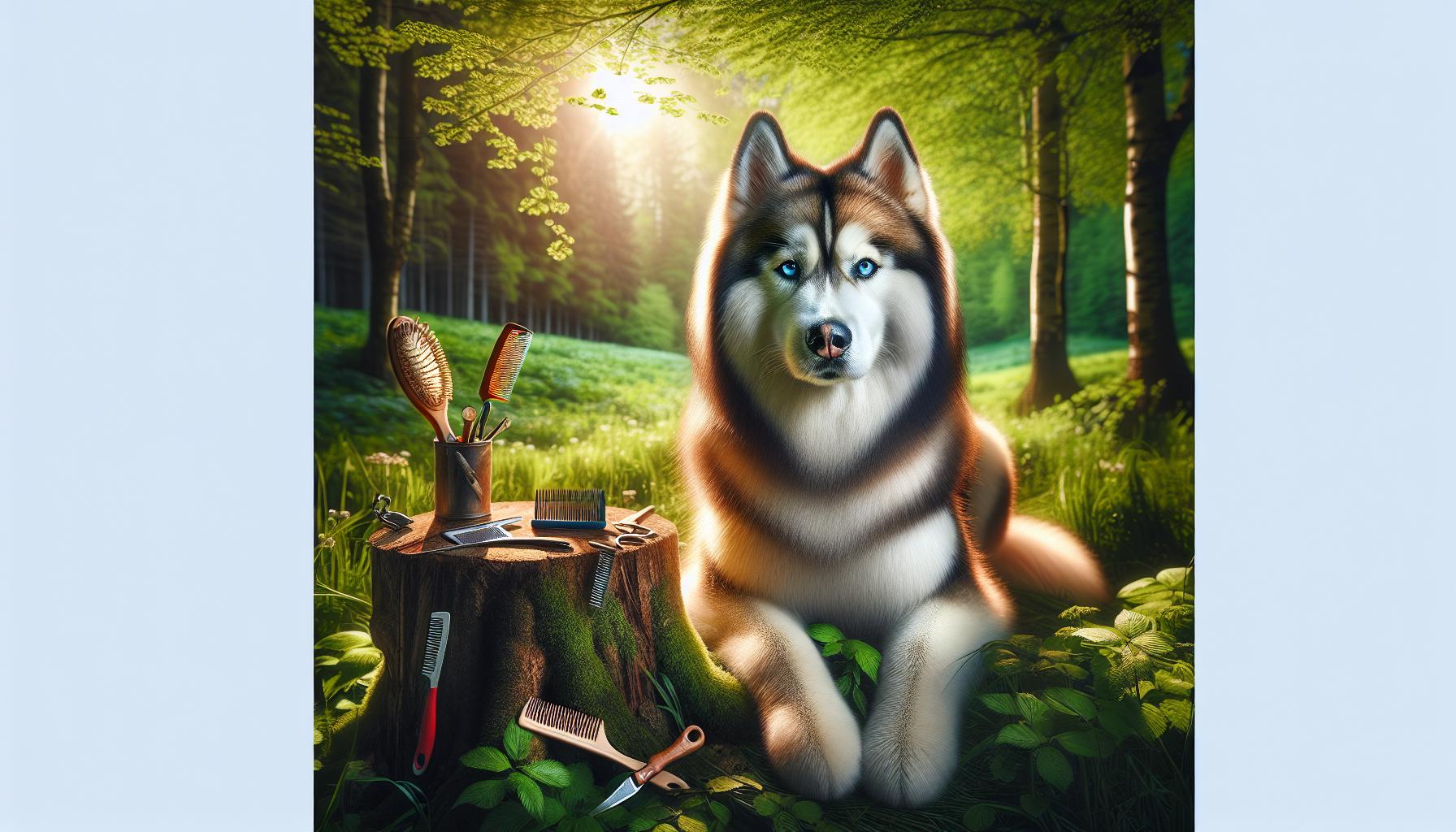
Huskies and Their Meticulous Grooming Needs
The Siberian Husky is not only beloved for its striking looks and playful spirit, but also for its thick double coat which demands attention and care. This beautiful fur serves critical functions, insulating the dog against extreme temperatures while retaining both softness and sheen. However, it comes with its own set of grooming challenges that every owner should be prepared to tackle. Neglecting grooming can lead to an unhealthy coat and dermal issues, underscoring the importance of establishing a consistent grooming routine.
A Husky typically sheds year-round, with a significant “blow out” of their coat occurring during seasonal changes-spring and fall. During these periods, the shedding can be quite dramatic, often filling rooms with fur. Regular brushing is crucial, especially during these times, to manage the shedding and keep your home fur-free. Aim for at least two to three sessions per week, using tools like a slicker brush or an undercoat rake specifically designed to reach the dense underlayer of fur. This not only removes loose hair but also helps distribute natural oils throughout the coat, promoting a healthy shine.
Bathing and Additional Maintenance
While Huskies are known for being relatively clean dogs who often groom themselves, they should be bathed every few months or as needed-especially if they’ve rolled in something they shouldn’t have! When bathing, choose a gentle dog shampoo to avoid stripping their skin of essential oils. Thorough rinsing is important to prevent skin irritation. After baths, ensure they are dried properly, especially in colder months, to avoid chills that can lead to health issues.
Nail trimming and dental care are also key components of grooming that shouldn’t be overlooked. Huskies can be prone to overgrown nails, which can lead to discomfort and walking difficulties. Trim their nails every four to six weeks and monitor their dental health regularly. Using dental chews or brushes designed for dogs can help maintain oral hygiene, which is essential for their overall health.
With dedicated grooming, you’ll not only enjoy a well-maintained Husky but also foster a deeper bond through this hands-on relationship. Regular grooming sessions can become an enjoyable routine, enhancing interaction between you and your dog while ensuring they remain healthy and vibrant.
Why Huskies are Great Family Pets
With their striking beauty and playful nature, Huskies often steal the hearts of families worldwide. These dogs are not only known for their alluring blue or multi-colored eyes but also for their unique ability to bond with family members, making them exceptional family pets. Huskies possess a friendly demeanor that typically transcends the boundaries of human and canine relationships, allowing them to thrive in environments filled with love and activity.
Huskies are energetic and playful, often described as being like perpetual puppies due to their enthusiasm for life. This endless energy can make them great companions for active families. They enjoy outdoor activities such as hiking, running, and playing fetch, and they thrive on companionship. Their friendly disposition often extends to children and other pets, as they are generally sociable and enjoy being part of a group. However, due to their high energy levels, it’s essential that families who choose a Husky are prepared to provide ample exercise and interactive play to keep them happy and healthy.
Moreover, Huskies are intelligent and often quite independent, traits that can be both a challenge and a joy. Their cleverness requires consistent training and mental stimulation; families that engage their Husky with obedience training and interactive games will find their pets to be responsive and eager companions. This bond can be further strengthened through activities such as agility training, which not only exercise their bodies but also their minds, creating a well-rounded pet that remains part of the family dynamic.
It’s worth noting that Huskies have a unique communication style. They are known for their “talking,” which can be a delightful quirk for families. The vocalizations they produce can range from howls to playful barks, making them amusing companions. This expressiveness encourages interaction and can foster a deeper connection between the Husky and each family member.
In conclusion, the combination of affection, playfulness, and intelligence makes Huskies incredible family pets. Their ability to connect with people and engage in vigorous activities ensures they not only fit into family life but enhance it, creating cherished memories for years to come. With commitment, training, and shared adventures, a family’s relationship with their Husky can be rewarding and filled with joy.
The Exercise Requirements for Huskies
Huskies are renowned for their boundless energy and vigor, qualities that stem from their origins as sled dogs in harsh Arctic conditions. These dogs were bred to run long distances, often at a fast pace. As a result, they require ample exercise to stay healthy and happy, making them an ideal pet for active families. Owners should anticipate dedicating at least one to two hours of vigorous exercise each day to fulfill their Huskies’ physical and mental needs.
Engaging Huskies in activities is essential not only for their health but for their well-being, too. Regular exercise can take various forms, including:
- Running and Jogging: Huskies thrive on long runs, so allowing them to accompany you on your jog or bike ride can be mutually enjoyable.
- Fetch and Tug-of-War: These games stimulate their minds and encourage physical activity. Huskies often enjoy a good game of tug, tapping into their playful side.
- Agility Training: Setting up obstacle courses can provide both mental stimulation and exercise. These activities help build a strong bond between owner and pet.
- Hiking: Exploring nature trails together is perfect for a husky’s adventurous spirit while providing an excellent form of low-impact exercise.
Socialization is another vital aspect of a Husky’s exercise routine. Interacting with other dogs through playdates or dog parks not only helps meet their exercise requirements but also supports their emotional health by preventing boredom and anxiety. In contrast, an under-exercised Husky may express their frustration through destructive behaviors, making it crucial to maintain a consistent exercise schedule.
In conclusion, meeting the exercise needs of a Husky is paramount for fostering a happy and well-adjusted dog. By incorporating various activities and social interactions into their daily routine, owners can ensure their furry companions enjoy a fulfilling and enriched life, all while strengthening their bond with them.
Training Tips for Your Siberian Husky
Training a Siberian Husky requires patience, creativity, and understanding, as these intelligent yet independent dogs possess a unique personality that can sometimes challenge even the most experienced trainers. Known for their strong instincts and abundant energy, Huskies thrive in an environment that balances structure with flexibility. Establishing a positive training routine early on is crucial to harnessing their intelligence and ensuring they grow into well-mannered companions.
One effective approach is to use positive reinforcement, which encourages desired behaviors through rewards such as treats, praise, or playtime. This method not only builds trust between you and your Husky but also appeals to their playful nature. For example, when teaching commands like “sit” or “stay,” reward them immediately after they obey, reinforcing the link between behavior and consequence. Incorporating training into daily activities, such as during feeding time or walks, can make the process more enjoyable and less formal, keeping your Husky engaged.
Huskies are social creatures, so training them in a group setting can be advantageous. Enroll in classes that allow them to interact with other dogs while learning commands and social skills. This not only aids in their training but also helps prevent behavioral issues stemming from boredom or loneliness. For instance, teaching commands like “leave it” can be significantly easier when they have distractions nearby to practice around, fostering impulse control in a fun, dynamic environment.
To navigate certain training challenges, remember that consistency is key. Establish clear boundaries and stick to them; for example, if jumping on guests is unacceptable, ensure everyone in your household enforces this rule. Additionally, with their high energy levels, Huskies need regular mental stimulation. Incorporating puzzle toys or training exercises that challenge their problem-solving abilities can keep them mentally sharp and reduce unwanted behaviors caused by excess energy. Ultimately, training should be a rewarding experience for both you and your Husky, fostering a lifelong bond grounded in understanding and respect.
Dietary Needs and Feeding Guidelines for Huskies
The dietary needs of Siberian Huskies are as unique as their spirited personalities. Initially bred for endurance and stamina, these dogs require a diet that supports their high-energy lifestyle, ensuring they can thrive in both physical activity and daily life. Given their history as sled dogs, Huskies possess a remarkable metabolism and can often handle a higher protein and fat intake compared to other breeds. A well-balanced diet will not only maintain their physical health but also contribute to their overall happiness.
When selecting a food for your Husky, look for high-quality, meat-based ingredients. The primary ingredient should ideally be a named protein source like chicken, beef, or fish. Huskies generally do well on a diet that contains 30-40% protein and 15-20% fat, which supports their active nature and energy needs. Additionally, carbohydrates can be beneficial for providing quick energy; opt for whole grains, fruits, and vegetables that are rich in nutrients but low in fillers. Be cautious with ingredients like corn, wheat, and soy, which can be harder for Huskies to digest and may lead to allergies in some cases.
Maintaining an appropriate feeding schedule is key. Adult Huskies typically thrive on 1-2 meals a day, while puppies may require more frequent feedings. Monitoring their weight and adjusting their food intake accordingly can help prevent obesity, a common issue in the breed. Given their love for variety, consider mixing dry kibble with wet food or meal toppers to keep mealtime exciting. Here are some specific feeding tips:
- Portion Control: Always follow the feeding guidelines on your dog food packaging and adjust based on your Husky’s age, weight, and activity level.
- Regular Monitoring: Check their body condition regularly. Huskies should have a visible waist and easily felt ribs.
- Hydration: Fresh water should always be available, especially if you’re feeding dry kibble.
- Supplements: Discuss with your vet if any specific supplements may benefit your Husky, particularly for joint health or skin care.
By tailoring their diet to meet these requirements, you can ensure your Husky remains healthy, energetic, and ready for any adventure that life brings their way.
Common Health Issues in Huskies and Prevention
Common health issues prevalent among Siberian Huskies can often surprise even seasoned dog owners due to their generally hardy nature. Despite their robust appearance and legendary endurance, Huskies can be prone to certain genetic conditions and health challenges that may affect their well-being. Awareness of these potential issues is crucial for responsible pet ownership, as early detection and preventive measures can contribute significantly to a Husky’s quality of life.
One of the most frequent health concerns is hip dysplasia, a genetic condition where the hip joint doesn’t fit perfectly into the hip socket. This malformation can lead to arthritis over time, resulting in pain and mobility issues. To prevent hip dysplasia, it’s recommended to maintain a healthy weight through proper diet and regular exercise, as excess weight puts additional strain on the joints. Regular vet check-ups can help monitor hip health, and responsible breeders often screen for this condition.
Eye diseases are another significant issue to watch for in Huskies. Conditions such as cataracts and hip dysplasia can be hereditary within the breed. Husky owners should be attentive to any signs of vision problems, such as bumping into objects or reluctance to go for walks. Regular vet visits should include eye examinations, and responsible breeders will provide health clearances to reduce the risk of these genetic problems.
Additionally, Huskies can experience skin issues, particularly allergic reactions, which may manifest as itching, redness, or hair loss. Using high-quality dog food devoid of common allergens and minimizing exposure to environmental irritants can substantially mitigate these problems. Routine grooming not only keeps their beautiful coats in check but also allows owners to spot any unusual skin conditions early.
Key Preventive Measures
- Regular Veterinary Visits: Schedule check-ups to catch health issues early.
- Healthy Diet: Prioritize high-quality, meat-based dog food to support overall health.
- Exercise: Provide consistent physical activity to maintain a healthy weight and strengthen joints.
- Grooming: Regularly groom your Husky to prevent skin problems and detect issues early.
- Genetic Screening: Choose a reputable breeder who conducts health screenings for common breed-specific conditions.
By remaining vigilant about these common health issues and implementing preventive measures, Husky owners can ensure that their beloved companions lead healthy, happy lives, filled with the spirited energy that makes the breed so beloved.
Husky vs. Other Popular Dog Breeds: A Comparison
When comparing Huskies to other popular dog breeds, such as Labradors, Golden Retrievers, and German Shepherds, distinct traits emerge that define what it means to be a Husky. Known for their striking blue or multicolored eyes and wolf-like appearance, Huskies are incredibly social and energetic, setting them apart in the realm of canines. Unlike more traditional breeds that may focus on obedient companionship, Huskies possess an inherent independence and a strong desire for exploration freedom. This spirited nature often makes them more challenging to train than breeds known for their eagerness to please.
One of the significant distinctions lies in their exercise requirements. While most dogs benefit from daily walks, Huskies thrive on high levels of activity, needing at least two hours of vigorous exercise per day. This demand is markedly higher than that of breeds like the Bulldog or Cavalier King Charles Spaniel, which are more suited to a laid-back lifestyle. The energetic disposition of a Husky motivates owners to engage in adventurous activities such as hiking, running, or even sledding-a nod to their roots as sled dogs. This activity level challenges owners to meet the needs of these high-energy dogs, all while fostering strong bonds through shared experiences.
Moreover, the temperament of a Husky is another factor in the comparison. While breeds like Golden Retrievers are renowned for their gentle and friendly demeanor, Huskies can sometimes display a mischievous streak. They are often described as “escape artists,” showcasing a natural inclination to explore their environment. This trait may be attributed to their ancestry, as they were bred for endurance and survival in harsh Arctic conditions. Owners must thus maintain a secure environment while also providing mental stimulation through games and training to satisfy their Husky’s curiosity and need for challenge.
In terms of grooming and health, Huskies generally require less maintenance compared to many long-haired breeds. Their double coat is designed to withstand extreme cold, shedding significantly during seasonal changes, which may require owners to brush them more frequently during these periods. However, they are less prone to many genetic health issues common in breeds like Bulldogs or Dachshunds, which can suffer from breathing problems and spinal disorders. This robustness makes them a fascinating choice for prospective pet owners looking for an active companion.
In summary, choosing a Husky over other popular breeds involves considerations of energy levels, temperament, and lifestyle adaptability. Potential owners must be ready to embrace the challenges that come with their spirited nature while enjoying the unique bond that forms with these captivating dogs. Balancing adventure with responsible care ensures that both the owner and the Husky live fulfilling lives together.
Activities and Games to Keep Your Husky Engaged
Engaging a Husky’s curiosity and energy can be both a fun challenge and a rewarding experience. These spirited dogs thrive on physical exercise and mental stimulation, which means that keeping them entertained requires a diverse array of activities tailored to their high-energy nature. Regular walks alone simply won’t cut it; instead, Huskies need adventures that cater to their instinctive love for exploration, play, and teamwork.
To kick things off, consider incorporating interactive games into your daily routine. Games like fetch or frisbee can be adjusted to suit your Husky’s preferences, and using items that float or bounce well can add excitement. Tug-of-war also serves as a fantastic bonding activity while allowing them to exert some of that abundant energy. Strengthening the human-canine bond through these activities encourages positive behavior and reinforces obedient tendencies.
Survival Skills: Sledding and More
Another engaging option is dog sports. Given their origins as sled dogs, many Huskies enjoy activities such as skijoring (where a dog pulls a person on skis) and canicross (trail running with dogs). These activities not only provide physical exercise but also engage their strong teamwork instincts. Training them in these sports can create a fulfilling experience for both owner and dog, enhancing communication skills and trust.
Additionally, you might consider agility training, which challenges their physical and mental abilities. Setting up an obstacle course in your backyard can stimulate their problem-solving skills while promoting fitness. Simple items like cones for weaving or jump bars for leaping over can bring agility courses to life and keep training sessions dynamic.
Social Interaction and Mental Stimulation
Socialization opportunities, such as playdates with other dogs or visits to dog parks, also play a crucial role in a Husky’s happiness. Huskies are inherently social creatures, and interactions with other dogs can provide the necessary outlet for their energy and curiosity. Moreover, regular social outings can foster good behavior around other animals and people.
To further enrich their environment, puzzle toys that dispense treats can be particularly effective. These toys stimulate their minds, easing boredom when you’re not able to play with them directly. Husky owners can also set up scavenger hunts by hiding treats around the house or yard, encouraging their natural foraging instincts.
Integrating a mix of physical activities, mental challenges, and social engagements into your Husky’s routine not only keeps them engaged but also enhances their overall well-being. A well-exercised and mentally stimulated Husky is a happy one-demonstrating why these captivating dogs are loved for their liveliness, loyalty, and zest for adventure.
The Importance of Socialization for Your Husky
The socialization of a Siberian Husky is not just a luxury-it’s a necessity that profoundly shapes their behavior and well-being. These dogs thrive on interaction, both with humans and other animals, and neglecting their social needs can lead to behavioral issues and anxiety. Engaging your Husky in varied social experiences from a young age fosters a more balanced temperament and a happier, more adaptable dog.
To effectively socialize your Husky, start by exposing them to a wide variety of environments, sounds, and experiences. This can include trips to dog parks, walks in bustling neighborhoods, and visits to pet-friendly establishments. The key is to ensure these experiences are positive and rewarding. For example, treat your Husky when they calmly interact with other dogs or greet strangers, reinforcing good behavior with the promise of tasty rewards or playtime.
Huskies are pack animals by nature, making interactions with other dogs especially beneficial. Setting up playdates with well-mannered dogs can teach your Husky essential social cues and help them learn proper doggy etiquette. Furthermore, enrolling your Husky in training classes or group activities allows them to engage with fellow canines while honing their obedience skills, creating a double benefit of learning and socializing.
Creating a balanced routine that incorporates plenty of social opportunities not only satisfies your Husky’s inherent need for companionship but also channels their energy in constructive ways. Aim to rotate activities regularly; mixing structured play with free play, and incorporating training sessions can keep your Husky mentally stimulated. Remember, a well-socialized Husky is often a happier and more well-adjusted one, truly embodying the joyful spirit that makes this breed so beloved.
Frequently asked questions
Q: What unique traits make Huskies stand out among dog breeds?
A: Huskies are known for their striking blue or multicolored eyes, thick fur, and playful nature. Their strong sled-pulling instincts, resilience in cold climates, and friendly, social demeanor contribute to their popularity. These traits offer a fascinating combination of beauty and functionality, making Huskies beloved companions.
Q: Why do Huskies have such a strong pack mentality?
A: Huskies are bred to work in teams while pulling sleds, which ingrains a strong pack mentality. This trait makes them social and communicative, thriving in family settings. Understanding and embracing this characteristic can enhance your relationship with your Husky, as they appreciate companionship and structured leadership.
Q: How do Huskies communicate their emotions?
A: Huskies are vocal dogs that express themselves through a variety of sounds, including howls, barks, and whines. Their body language, such as tail position and ear movement, also conveys emotions. Paying attention to these signals can help you better understand your Husky’s needs and moods.
Q: When is the best time to exercise a Husky?
A: The best time to exercise a Husky is early in the morning or later in the evening, particularly in warmer weather. Huskies thrive on regular, vigorous exercise and enjoy activities like running and hiking. Establishing a consistent exercise routine helps prevent boredom and destructive behavior.
Q: What are some fun activities to do with a Husky?
A: Engaging activities include running, hiking, and playing fetch. Huskies also enjoy interactive games like obstacle courses or scent tracking. To keep them mentally stimulated, incorporate training sessions for tricks and commands, which can strengthen your bond while providing necessary exercise.
Q: How do Husky puppies differ from adult Huskies in behavior?
A: Husky puppies are more energetic and curious compared to adults. They may exhibit boisterous behavior and require more patience in training. Socialization during this stage is crucial, as introducing them to varied experiences helps develop their temperament into well-adjusted adults.
Q: Why are Huskies often considered escape artists?
A: Huskies are intelligent and resourceful, which can lead to escapism if they’re bored or confined. They can jump, dig, or climb over fences. To minimize this behavior, provide ample exercise and mental stimulation, and ensure your yard is secure with high, dig-proof fencing.
Q: What specific grooming needs do Huskies require?
A: Huskies require regular brushing, especially during shedding seasons, to manage their thick coats. Bathing should be minimal to maintain natural oils. Regular ear and paw checks are essential to prevent infections. Understanding these grooming needs will keep your Husky comfortable and healthy.
In Summary
Whether you’re captivated by their striking looks or their friendly demeanor, Huskies undeniably hold a special place in many hearts. Their playful spirit and unique characteristics make them a beloved breed among dog enthusiasts and families alike. If you’re considering adding a Husky to your home, ensure you’re prepared for their energetic lifestyle and social nature. For more insights into Husky care, be sure to check out our articles on “Essential Care Tips for Huskies” and “Training Techniques for a Happy Husky.”
Eager to learn more? Join our newsletter for expert pet care tips and exclusive content tailored to dog lovers. Your journey with a Husky can be incredibly rewarding, filled with adventures and companionship. Don’t hesitate to dive deeper into all things Husky-discover the joy of this remarkable breed and connect with others who share your passion. Feel free to leave a comment below to share your own Husky stories!