In urban environments where wildlife and domesticated pets coexist, concerns about safety often arise, especially when it comes to raccoons and cats. While raccoons are typically non-aggressive toward cats, understanding their interactions is crucial for pet owners. The notion that raccoons could threaten your feline friend raises questions about safety and health, particularly in densely populated areas.
Curiosity drives both raccoons and cats, often leading to encounters that can be benign or potentially risky. Knowing how to navigate these situations can help ensure the well-being of your cat. This article will delve into the dynamics between these two animals, exploring whether raccoons can indeed harm cats and offering insights into managing these urban wildlife encounters effectively. Stay tuned as we unravel the truths behind these interactions, empowering you to make informed decisions for your pet’s safety.
Contents
- 1 Understanding Raccoon Behavior and Predatory Nature
- 2 What Happens in Urban Cat-Raccoon Encounters?
- 3 Raccoons: Friends or Foes to Cats?
- 4 Signs of Aggression: How to Spot Trouble
- 5 Is Your Cat at Risk? Examining Vulnerability Factors
- 6 Safety Tips for Protecting Cats from Raccoons
- 7 Urban Survival: Cats vs. Raccoons in City Life
- 8 What to Do if Your Cat Confronts a Raccoon
- 9 Health Risks: Diseases and Parasites from Raccoons
- 10 Preventive Measures: Keeping Cats Safe Outdoors
- 11 When to Call Animal Control: Warning Signs
- 12 Raccoon and Cat Coexistence: Possible Solutions
- 13 Frequently Asked Questions
- 14 Key Takeaways
Understanding Raccoon Behavior and Predatory Nature
The urban landscape presents a fascinating dynamic between cats and raccoons, two species that often find themselves sharing the same territories. Understanding raccoon behavior and their predatory nature is essential for pet owners concerned about their cats’ safety. Raccoons are known for their adaptability and cleverness; they are omnivores capable of foraging for various food sources, from trash to bird feeders. This dietary flexibility makes them remarkable survivors in urban areas, yet it also positions them as potential threats to smaller animals, including cats.
Raccoons display a unique mix of nocturnal activity and social behavior. Typically solitary, they may gather in groups when resources are plentiful. Their dexterous paws and heightened senses help them navigate their environment efficiently, while their intelligence allows for problem-solving skills that can lead to conflicts with domestic pets. When threatened or cornered, raccoons may exhibit aggressive defensive behaviors, making it crucial for cat owners to recognize the signs of a potential encounter.
Moreover, while raccoons can indeed injure or kill small pets, such occurrences are not a common outcome of every urban interaction. Most encounters are non-violent, often characterized by curiosity rather than aggression. However, it’s vital to remember that the risk can increase depending on factors like the number of raccoons in the area, the presence of young raccoons, or if a raccoon feels its cubs are threatened. Awareness of these factors helps pet owners make informed decisions regarding the outdoor experiences of their cats.
In light of all this, maintaining vigilance when allowing cats outdoors can prevent many unfortunate encounters with raccoons. Ensuring that cats are supervised during their time outside and providing secure areas can significantly diminish the risks associated with these urban wildlife interactions. By cultivating an understanding of raccoon behavior and their environmental role, cat owners can better navigate potential threats while still allowing their pets the freedom to explore.
What Happens in Urban Cat-Raccoon Encounters?
Urban encounters between cats and raccoons can provoke both curiosity and concern for pet owners. These two species frequently share habitats, leading to interactions that can be fascinating yet potentially dangerous. Most encounters are characterized more by curiosity than aggression, with raccoons typically more interested in foraging for food than in confronting a cat. However, the dynamics can shift unexpectedly, and understanding these interactions is crucial for ensuring your cat’s safety.
When a cat encounters a raccoon, various behaviors can unfold. The raccoon may simply approach to investigate, using its keen sense of smell and sight. In many cases, the cat will feel threatened by the larger animal and may choose to retreat. Adult cats are often instinctively cautious and aware of their size differences, allowing them to avoid unnecessary confrontations. However, the situation can escalate if the raccoon feels cornered or threatened. Signs of aggression from a raccoon include hissing, growling, or posturing in a defensive manner. In these moments, a perceived threat to its young or territory could provoke the raccoon to behave aggressively, leading to possible injury to the cat.
To understand the risks better, consider the surrounding circumstances during such encounters. Factors such as the time of day, presence of raccoon young, or even the availability of food can influence the behavior of both animals. For example, a cat that approaches a raccoon that is eating or defending its young can find itself in a precarious situation. The thrill of the urban wilderness transforms into a high-stakes game of survival. Thus, ensuring that cats are monitored while outdoors and encouraging them to avoid raccoon-rich areas after dark can minimize risks significantly.
Ultimately, awareness and education are key. Pet owners benefit from understanding the potential for conflict while also appreciating the elusive nature of raccoons. By recognizing the behaviors and contexts that lead to encounters, individuals can take proactive steps to ensure their feline companions remain safe without entirely restricting their outdoor adventures. Emphasizing supervision and creating a cat-friendly play area can help bridge the urban landscape, allowing both raccoons and cats to coexist with reduced risk of conflict.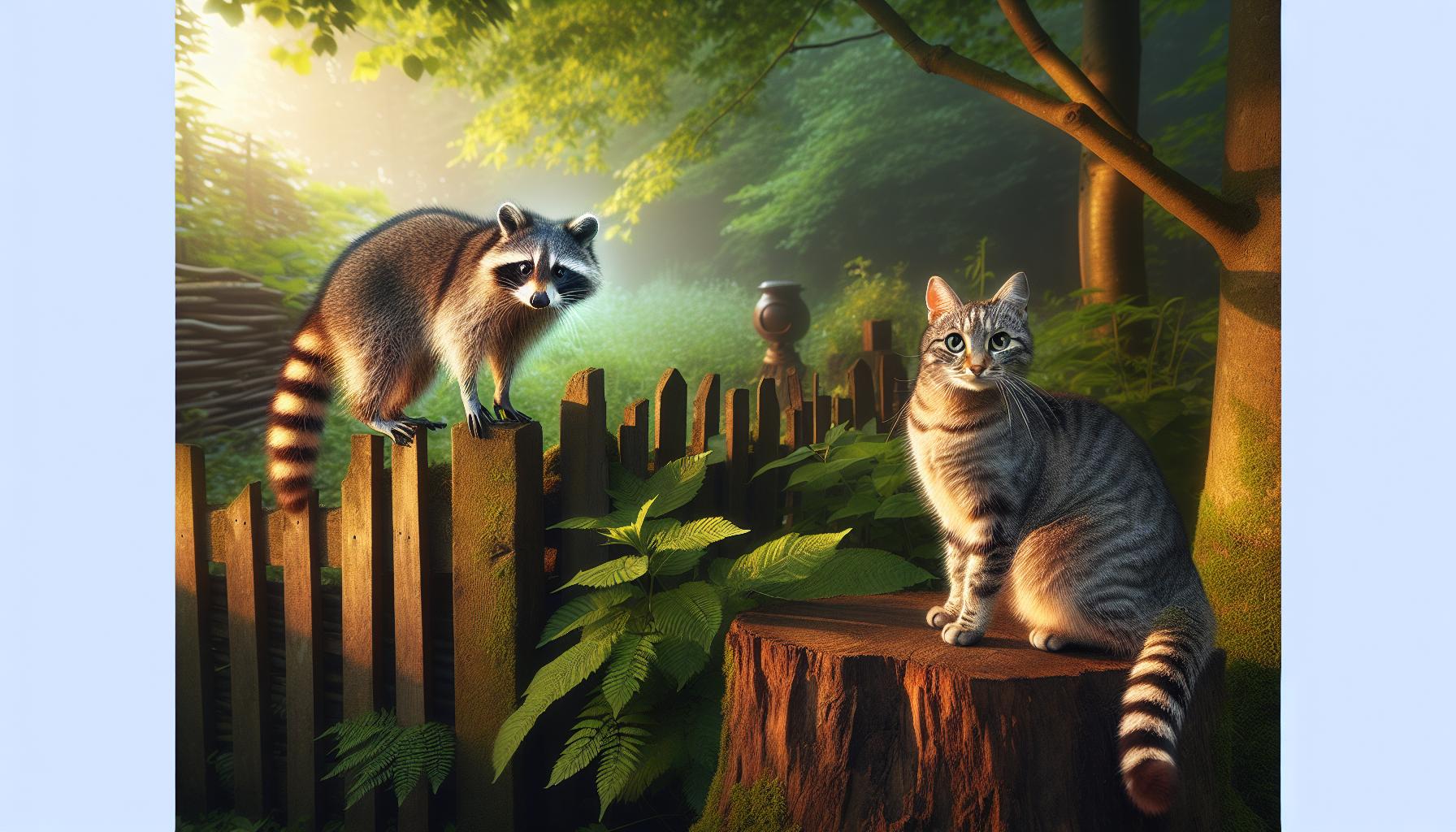
Raccoons: Friends or Foes to Cats?
Urban wildlife interactions are a fascinating aspect of city living, particularly when it comes to the relationship between raccoons and cats. These two species often share the same environments, leading to a blend of curiosity and apprehension among pet owners. While raccoons are generally seen as scavengers, their behavior towards cats can carry a spectrum of influences that determine whether they are potential friends or foes.
Raccoons are naturally inquisitive and may approach cats out of curiosity rather than aggression. Their social structure allows them to assess threats based on experience rather than instinct. In most scenarios, a raccoon will prioritize foraging over conflict, especially if the cat is non-threatening. Research indicates that adult cats are typically aware of their size and will often avoid confrontation, recognizing that a raccoon is much larger and potentially more dangerous. Thus, it’s usually the curious raccoon that initiates contact, exploring the cat’s territory without the intent to harm.
However, considerations change drastically if the raccoon feels threatened, particularly if it is protecting its young or food sources. In such cases, it can exhibit aggressive behaviors, such as hissing or growling, particularly if the cat approaches too closely. This is a critical moment when understanding the nuances of raccoon behavior can determine the outcome – while most encounters are harmless, recognizing the signs of distress in raccoons is vital for ensuring safety. Pet owners are advised to supervise their cats outdoors and steer clear of periods when raccoons are most active, typically during dusk and night.
Moreover, the urban setting often blurs the lines of territoriality as food sources can lead to unpredictable interactions. For example, a cat seeking scraps may inadvertently provoke a raccoon that perceives its food supply as threatened. Understanding this complex dynamic is essential for cat owners who want to mitigate risks while allowing their pets the freedom to explore. Encouraging safe outdoor spaces, such as enclosed gardens or supervised outings, can foster a coexistence where both species enjoy their activities without undue stress or danger. By prioritizing these safety measures, pet owners can navigate the delicate balance of urban wildlife encounters, keeping their beloved cats safe while embracing the vibrant ecosystem that surrounds them.
Signs of Aggression: How to Spot Trouble
Recognizing the signs of aggression in raccoons is crucial for ensuring the safety of your cat during their urban encounters. Raccoons, while often seen as curious scavengers, can display behaviors that signal readiness to defend themselves or their territory, particularly when they feel threatened. For pet owners, understanding these indicators can mean the difference between a harmless interaction and a potentially dangerous one.
When a raccoon is agitated, its body language will change noticeably. Look for these signs:
- Stiff posture: A raccoon standing tall with its tail held high is asserting dominance.
- Loud vocalizations: Hissing, growling, or chattering can indicate that the raccoon is feeling threatened or is trying to scare off an intruder.
- Glaring stare: Direct eye contact without blinking shows aggression and a readiness to defend itself.
- Backing away slowly: This behavior can signal that the raccoon feels cornered and may be preparing to defend itself if approached.
- Quick movements: Sudden lunges or quick changes in direction can indicate a raccoon preparing to act aggressively.
It’s essential for pet owners to remain vigilant during these encounters. If you notice any of these signs, it’s best to keep your cat at a safe distance. Providing a controlled outdoor environment, such as a fenced yard or leash walking, can help reduce the risk of direct encounters. Supervision is key, especially during dusk and dawn when raccoons are most active.
Ultimately, while raccoons do not typically seek out confrontations with cats, their unpredictable nature in certain situations can pose a threat. Understanding the signs of aggression not only fosters respect for wildlife but also ensures that our pets remain safe in their urban environments.
Is Your Cat at Risk? Examining Vulnerability Factors
Understanding the dynamics between cats and raccoons in urban environments requires insight into various vulnerability factors. While raccoons are not typically predators of cats, certain circumstances can still place your feline friend at risk. For instance, outdoor cats, particularly those that roam freely, may inadvertently encounter raccoons during the latter’s nocturnal activities, leading to potentially dangerous confrontations.
Several factors can escalate the likelihood of these encounters. The size and demeanor of the cat play a critical role; smaller or more timid cats might be perceived as vulnerable by raccoons, which could evoke predatory instincts in the latter if cornered or if food is nearby. Older cats or those with health issues may also be less agile, diminishing their chances of escape when faced with a curious or aggressive raccoon. Furthermore, a cat’s territory overlaps with raccoon habitats, often occurring in urban green spaces, gardens, or alleys where both species might scavenge for food.
Environmental factors contribute significantly as well. Outdoor food sources attract raccoons, and if cat food or human waste is left outside, it can lead to unwanted wildlife visits. Moreover, during dusk and dawn-peak activity times for both cats and raccoons-the chances of an encounter increase substantially. Understanding and mitigating these risks can make a world of difference in ensuring your cat’s safety.
Pet owners must recognize that while raccoons are more curious than aggressive, they can defend themselves if they feel threatened. To minimize risks, keeping cats indoors, especially during peak raccoon activity, and cleaning up accessible food sources can greatly reduce the potential for negative encounters. By fostering a safer outdoor environment and exercising vigilant care, owners can protect their pets while still allowing them opportunities for exploration.
Safety Tips for Protecting Cats from Raccoons
While it might seem that raccoons are merely curious neighbors in our urban landscapes, they can pose real risks to outdoor cats. To safeguard your feline friend, it is essential to implement proactive measures that minimize the chances of dangerous encounters. Raccoons, while generally not aggressive, can behave unpredictably when cornered or threatened, especially if food is involved. Here are some practical tips to help protect your cats from potential raccoon confrontations.
One of the most effective strategies is to keep your cat indoors during peak raccoon activity hours, which typically occur at dawn and dusk. These times are when raccoons are most active, searching for food. If your cat enjoys the outdoors, consider supervising their time outside or providing a secure enclosure where they can safely explore without the risk of running into a raccoon.
Additionally, food management is crucial. Raccoons are opportunistic feeders attracted to accessible food sources. Ensure that you do not leave cat food outside overnight, and secure trash bins to prevent raccoons from scavenging. Cleaning up any pet food spills and promptly disposing of food scraps can significantly reduce the likelihood of attracting these curious creatures.
Creating a barrier between your cat and potential raccoon encounters can also be beneficial. Installing sturdy fences or using motion-activated lights and sound devices can deter raccoons from wandering into your yard. These devices can make your property less appealing to raccoons, which prefer dark and quiet environments.
Finally, it’s essential to educate yourself about the signs of raccoon aggression and common behaviors. Raccoons that feel threatened may hiss, growl, or bear their teeth. Understanding these signs will prepare you to intervene if an encounter occurs, ensuring you can protect your cat promptly. By preparing and implementing these safety tips, you can help your cat safely coexist in the exciting yet sometimes perilous urban environment.
Urban Survival: Cats vs. Raccoons in City Life
In the bustling environment of urban life, where concrete jungles and green spaces coexist, both cats and raccoons face unique survival challenges. Each animal has adapted remarkably to city living, carving out niches that often bring them into contact with each other. Raccoons, with their dexterous paws and keen intelligence, are notorious for raiding trash cans and scavenging for food, making them a frequent presence in neighborhoods. Outdoor cats, on the other hand, embody a spirit of independence, roaming their territories in search of adventure and sustenance.
In these daily encounters, the dynamic between raccoons and cats can vary widely. Some cats might regard raccoons with indifference, while others may exhibit curiosity or outright aggression. This interaction often hinges on specific circumstances-if a cat feels threatened or cornered, it may react defensively. Conversely, raccoons, though generally not aggressive, can become hostile if they perceive that their food supply is at stake or if they are protecting their young. It’s essential for cat owners to recognize these potential interactions and prepare to mitigate risks.
To enhance safety amidst these urban dynamics, pet owners should adopt practical strategies for cat care. Creating a secure outdoor environment is vital. Consider building enclosed outdoor spaces, often referred to as catios, which allow outdoor exploration without the risk of unpleasant encounters. Additionally, integrating preventive measures such as motion-activated lights can deter nocturnal scavengers. By taking these proactive steps, cat lovers can help ensure their pets enjoy the richness of urban life while minimizing the potential dangers posed by raccoons and other wildlife.
Lastly, it’s crucial for owners to stay vigilant and educated about the environment their pets inhabit. Understanding the behavior and habits of raccoons can lead to more informed decisions, whether that involves recognizing signs of aggression or knowing when to intervene to protect a cat from a potentially harmful situation. This awareness fosters a more harmonious coexistence, allowing cats to navigate urban landscapes with freedom while respecting the instincts and behaviors of their raccoon neighbors.
What to Do if Your Cat Confronts a Raccoon
In the world of urban wildlife, the interaction between cats and raccoons can be both intriguing and alarming. When a cat unexpectedly confronts a raccoon, the situation can escalate quickly. Understanding how to manage this critical moment is key for every pet owner. Raccoons, while often perceived as mischievous, can display surprising aggression if they feel threatened or if their territory is encroached upon. It’s essential to approach these encounters with caution and preparedness.
Firstly, if you witness your cat in a confrontation with a raccoon, do not intervene physically. Raccoons are wild animals capable of defending themselves fiercely, especially when protecting their cubs or food sources. Instead, create distance by making loud noises, such as clapping your hands, shouting, or using a whistle. This can startle both animals and give your cat the opportunity to retreat to safety. Ensure your cat has an escape route back into your home or a safe indoor space, where it can feel secure.
Following the incident, it’s important to assess your cat for any signs of injury or distress. Look for:
- Visible wounds: Examine your cat for puncture wounds or scratches.
- Behavioral changes: Keep an eye out for signs of fear, such as hiding or aggression.
- Health issues: Monitor for symptoms like fever or lethargy, which could indicate infection.
If your cat exhibits any concerning symptoms or if you believe it has been bitten, contacting a veterinarian promptly is critical. Raccoons are known carriers of various diseases, including rabies, which poses a serious risk to both cats and humans alike.
To minimize the risks of future encounters, consider taking preventive measures. Catios-enclosed outdoor spaces-allow cats to explore safely without the threat of running into wildlife. Additionally, securing garbage cans and minimizing food sources outside can deter raccoons from frequenting your area, reducing the likelihood of unexpected meetings. Keeping your cat indoors during dusk and dawn, when raccoons are most active, further enhances their safety.
Understanding these dynamics equips pet owners with the knowledge to protect their feline companions while appreciating the complexities of urban wildlife interactions. With preparation, wisdom, and a calm approach, you can navigate these moments and foster a safer coexistence between cats and raccoons in your urban environment.
Health Risks: Diseases and Parasites from Raccoons
Raccoons are fascinating creatures, but they can also pose health risks to our pet cats. One of the most concerning threats is the potential transmission of diseases. Raccoons can be carriers of rabies, a viral infection that affects the central nervous system and can be fatal if not treated promptly. If a raccoon bites or scratches your cat, it could potentially transmit rabies. Although the likelihood of these encounters leading to infection is relatively low, especially in areas with low rabies incidence, caution is crucial.
In addition to rabies, raccoons are known to carry a variety of parasites that can affect cats. These include roundworms and raccoon latrines frequently harbor these parasites, which can be unintentionally ingested by cats that explore these areas. For instance, a cat catching a raccoon’s scent may inadvertently walk through contaminated soil, picking up eggs that can lead to parasitic infections. Symptoms of such infections can range from mild gastrointestinal upset to more severe health issues if left untreated. Regular veterinary check-ups and preventive treatments, such as deworming, can help safeguard your cat against these parasites.
Furthermore, raccoons can transmit leptospirosis, a bacterial infection that poses significant health risks. Cats that come into contact with contaminated water or soil can become infected, leading to symptoms like fever, vomiting, and abdominal pain. Ensuring your cat stays safe from raccoon habitats and contaminated areas is vital in preventing these infections.
To protect your feline friend, always remain vigilant about their surroundings. Monitor areas where raccoons may frequent, such as garbage cans and outdoor feeding spots. Consider keeping your cat indoors during dusk and dawn, the peak hours for raccoon activity, and ensure their vaccinations are up to date, including rabies. This proactive approach can provide peace of mind while allowing your beloved cat to enjoy the outdoors safely.
Preventive Measures: Keeping Cats Safe Outdoors
Keeping your cat safe from encounters with raccoons and other wildlife in urban settings is essential for their health and well-being. While raccoons are often seen rummaging through trash in neighborhoods, their unpredictable behavior can pose significant risks to our feline friends. Understanding how to mitigate these risks can help ensure your cat enjoys the outdoors without facing unnecessary danger.
One effective strategy for protection is restricting outdoor access during peak raccoon activity hours, typically during dawn and dusk. By keeping your cat indoors during these times, you reduce the chance of an encounter with these curious and sometimes aggressive animals. Additionally, creating a secure outdoor area, such as a catio, allows your pet to experience the sights and sounds of nature without direct exposure to wildlife.
Another critical measure is maintaining a clean yard. Raccoons are attracted to food, so securing garbage bins, compost piles, and outdoor pet food can minimize potential encounters. Properly store any items that could serve as an attraction, such as bird feeders, and ensure that any pet food left outside is removed after feeding.
It is also vital to provide your cat with a safe haven in the home. Ensure that any entry points, such as windows or small openings, are securely closed. Microchipping your pet can greatly facilitate their safe return if they manage to escape and encounter trouble. Lastly, keeping your cat’s vaccinations up to date, particularly for rabies and feline leukemia, can safeguard their health from potential illnesses transmitted by wildlife.
By taking these proactive steps, you can create a safe environment for your cat while allowing them to enjoy the outdoors. Remember, your vigilance is key to preventing dangerous encounters with raccoons and ensuring your furry companion remains safe and healthy.
When to Call Animal Control: Warning Signs
While raccoons are often whimsical in nature, exhibiting playful antics that can delight onlookers, their behavior can shift dramatically when they feel threatened or cornered. It’s essential for pet owners to recognize the warning signs that signal the need for intervention by animal control. The balance between coexisting with urban wildlife and ensuring the safety of your pets can hinge on your ability to recognize these critical alerts.
If you observe a raccoon that seems excessively bold or aggressive, particularly during the day, it may be displaying unusual behavior linked to illness, such as rabies. Signs to watch for include a raccoon acting disoriented, staggering, or showing little fear of humans or pets. Additionally, if a raccoon appears to be fighting with your cat or other animals, it’s crucial to respond immediately. Aggression during feeding disputes over food left outdoors or confrontations between a pet and raccoon can result in serious injuries or worse.
In cases where raccoons become a consistent presence, such as frequent visits to your yard or rummaging through garbage excessively, consider this a warning. A raccoon that feels comfortable in a human-inhabited space may lead to negative encounters with pets. Other indicators that may necessitate a call to animal control include witnessing a raccoon behaving erratically, displaying signs of injury, or being unusually vocal, like screeching or growling. Such signs not only endanger the raccoon but can also threaten the safety of your cat and other pets.
Lastly, if you ever find your cat injured after an encounter with a raccoon, whether it be bites or scratches, it’s important to inform animal control. They can assist with population management and contain potential rabies outbreaks while providing your cat with proper care and health checks. Monitoring these behaviors and taking action promptly can protect your beloved pets while promoting responsible coexistence within shared urban environments.
Raccoon and Cat Coexistence: Possible Solutions
Urban wildlife encounters can evoke a spectrum of emotions, from fascination to fear, especially when it comes to the relationship between raccoons and cats. While raccoons are often viewed as charming and intelligent creatures, their instincts can turn them into unexpected threats for smaller pets, leading many cat owners to question how to ensure their furry friends remain safe. The key to coexisting with raccoons lies in a combination of strategic precautions, behavioral understanding, and community awareness.
To effectively reduce the likelihood of negative interactions, fostering a raccoon-resistant environment is crucial. Owners should secure trash bins with tight-fitting lids, eliminate accessible food sources, and avoid leaving pet food outdoors, especially at night when raccoons are most active. Installing motion-activated lights or outdoor deterrents can also discourage these nocturnal visitors from becoming regulars in your yard. Additionally, it’s advisable to trim bushes or shrubs that provide shelter for raccoons, making your space less inviting for them and protecting your cat from unexpected encounters.
When considering the coexistence of raccoons and cats, education about raccoon behavior plays an essential role. Understanding that raccoons are generally opportunistic rather than aggressive can shift the approach to managing encounters. If a confrontation appears imminent, keeping a calm environment can prevent escalation. Ensuring that your cat has safe spaces to retreat is vital; outdoor enclosures or “catios” provide an effective solution, allowing cats to enjoy the outdoors while remaining protected from any wildlife threats.
Take proactive steps within your community by discussing responsible pet ownership with neighbors and local wildlife groups. Encouraging collective efforts, such as coordinated efforts to ensure that pets are indoors at dusk or to report aggressive raccoon behaviors, can bolster safety for all residents and their pets. Ultimately, fostering an environment that respects both the natural behaviors of raccoons and the safety of our cats is essential for harmonious living in urban settings.
Frequently Asked Questions
Q: Can raccoons attack and harm cats?
A: Yes, raccoons can attack cats, especially if they feel threatened or are competing for food. They are opportunistic predators, and while attacks are rare, they can become aggressive if cornered or provoked.
Q: What should I do if my cat encounters a raccoon?
A: If your cat encounters a raccoon, separate them immediately and ensure your cat is safe indoors. Monitor your cat for signs of distress. Avoid direct confrontation as raccoons can be unpredictable.
Q: How can I tell if a raccoon is aggressive towards my cat?
A: Look for signs such as hissing, growling, or a defensive posture in the raccoon. If the raccoon approaches your cat with its fur bristled or showing its teeth, it is likely feeling threatened and could become aggressive.
Q: Are outdoor cats more at risk of raccoon attacks?
A: Yes, outdoor cats are more vulnerable to raccoon attacks due to increased exposure. It’s advisable to keep food and garbage secured and consider cat enclosures or supervised outdoor time to minimize risks.
Q: Do raccoons and cats usually get along?
A: Generally, raccoons and cats tend to be indifferent toward each other. While they may coexist without issues, any encounter could lead to aggression, particularly if food is involved or if one feels threatened.
Q: How can I keep my cat safe from raccoons?
A: To protect your cat, keep outdoor feeding areas clean, store pet food indoors, and avoid allowing your cat outside at night. Installing motion-activated lights or noises can also deter raccoons from entering your yard.
Q: What diseases can raccoons transmit to cats?
A: Raccoons can transmit several diseases to cats, including rabies and other parasites like raccoon roundworm. Regular veterinary check-ups and vaccinations can help mitigate these health risks.
Q: When should I call animal control regarding raccoons?
A: Contact animal control if raccoons are frequenting your yard, showing signs of aggression, or if you observe sick or injured raccoons that may pose a threat to pets. It’s important to ensure both human and animal safety.
Key Takeaways
As we wrap up our exploration of whether raccoons can kill cats, it’s clear that understanding their behavior is crucial for pet owners. Remember, these curious creatures are more than just cute faces; they can pose real risks to your pets. If you’re concerned about safety, consider implementing preventive measures around your home, such as securing food sources and creating safe spaces for your pets-these steps can significantly reduce risks.
For further insights, check out our articles on “How to Keep Your Pets Safe from Urban Wildlife” and “Understanding Raccoon Behavior: What Every Pet Owner Should Know.” These resources will equip you with the knowledge needed to navigate coexistence with these urban dwellers.
Don’t forget to subscribe to our newsletter for more expert tips on wildlife and pet care. Join our community, and let’s keep the conversation going! Your questions and experiences are valuable, so share them in the comments below. Keep exploring, because the more we learn, the better we can protect our furry companions!