The honey badger, often hailed as nature’s most fearless survivor, possesses a legendary reputation for its audacity and resilience. Known for taking on formidable foes, from venomous snakes to large predators, the question remains: what can actually kill a honey badger? This inquiry opens a window into the fascinating world of animal behavior and survival strategies.
Understanding the honey badger’s vulnerabilities not only satisfies our curiosity about this remarkable creature but also sheds light on the intricate balance of ecosystems and the role that different species play within them. As we delve into the threats facing these extraordinary animals, we’ll discover surprising facts and insights that highlight their toughness while also revealing the challenges they confront. Join us as we explore the biology and behavior of the honey badger, unraveling the mysteries of what poses a true threat to this icon of fearlessness.
Contents
- 1 What Makes the Honey Badger So Fearless?
- 2 Understanding the Honey Badger’s Unique Defenses
- 3 Common Predators of the Honey Badger Explained
- 4 Are Honey Badgers Really Invincible?
- 5 The Role of Fearlessness in Survival Strategies
- 6 What Can Seriously Injure or Kill a Honey Badger?
- 7 Adaptations That Make Honey Badgers Remarkable
- 8 Comparative Analysis: Honey Badgers vs. Other Survivors
- 9 The Honey Badger’s Importance in Ecosystems
- 10 Pet Care Insights: Lessons from Honey Badgers
- 11 How Habitat and Behavior Affect Vulnerability
- 12 Myths and Facts About the Honey Badger’s Survival
- 13 FAQ
- 14 In Conclusion
What Makes the Honey Badger So Fearless?
The honey badger, often dubbed the Mellivora capensis, stands out as a marvel of fearless tenacity in the animal kingdom. Known for their audacity, these creatures confront threats far larger and more formidable than themselves, showcasing a blend of unique physical traits and psychological resilience. This tiny titan takes on predators such as lions, leopards, and even large snakes, seemingly undeterred by the potential consequences. Their boldness stems from an intricate combination of evolutionary adaptations and a ferocious attitude that cultivates a reputation for invincibility in the wild.
Honey badgers possess impressively thick skin that is both loose and durable, offering them protection against bites and scratches during confrontations. This distinctive skin can stretch and allows them to twist and turn effortlessly, making it difficult for a predator to get a solid grip. Additionally, their strong, sharp claws, designed for digging and climbing, enable them to escape unsafe situations or access food sources like honey and underground burrows where other creatures might struggle. Their remarkable resistance to venom is another extraordinary adaptation; honey badgers have been observed surviving bites from some of the most dangerous snakes in their habitat due to their rapid metabolism and unique immune response.
At the heart of a honey badger’s fearlessness lies a powerful synergy between instinct and behavior. These animals exude confidence, utilizing aggressive posturing and vocal displays to intimidate would-be attackers. They are equipped with a highly adaptive survival strategy that combines fearless confrontation with opportunistic behavior. Such traits ensure that when faced with danger, honey badgers often reinforce their reputation as nearly invincible, turning feared into truly formidable within their ecological niche. By understanding the underlying factors behind their fearlessness, we can gain insight not only into the honey badger’s survival tactics but also into broader themes of resilience and adaptability found in nature.
Understanding the Honey Badger’s Unique Defenses
The honey badger boasts an extraordinary array of defenses, making it one of the most resilient creatures in the animal kingdom. This remarkable marsupial not only has a fierce demeanor, but also a body evolutionarily crafted for survival against predators and harsh environments. One of its most notable features is the skin-thick and loose, it enables the honey badger to withstand bites and scratches. When confronted by larger foes, this flexibility allows the animal to twist away, evading a predator’s grasp, which is crucial during encounters with formidable adversaries like lions and leopards.
In addition to its impressive skin, the honey badger is equipped with extremely strong claws that serve multiple purposes: digging for food, climbing, and, when needed, defending itself. Their sharp claws are weapons of choice, used efficiently for both offense and escape. Furthermore, the honey badger’s powerful jaw and teeth are designed for cracking open tough exoskeletons of insects, particularly bees, further supplementing their food sources.
Another crucial aspect of their defensive strategy is their impressive resistance to venom. Honey badgers can survive bites from some of the most toxic snakes, including cobras and mambas. This remarkable capability stems from their rapid metabolism and unique immune system responses, enabling them to metabolize venom more effectively than most other creatures. Such adaptations not only allow them to hunt dangerous prey but also establish them as formidable adversaries in their natural habitat.
To summarize, the honey badger’s unique defenses encompass a blend of physical attributes, behavioral tactics, and biological resilience, equipping it with the tools necessary to navigate the challenges of survival. Their tenacity and defiance in the face of danger exemplify nature’s intricate balance of predator and prey, reminding us that adaptability is a powerful ally in the struggle for survival.
Common Predators of the Honey Badger Explained
Unlike many creatures that shy away from confrontation, honey badgers often confront formidable foes head-on, which begs the question: what, if anything, poses a genuine threat to them? Their reputation for fearlessness is legendary; however, they are not entirely invulnerable. In the wild, honey badgers face a range of predators that could potentially harm or kill them, despite their remarkable defenses and survival strategies.
Among the most significant threats to honey badgers are large carnivorous mammals such as lions, leopards, and hyenas. These predators are capable of overpowering honey badgers with their sheer size and strength, particularly when hunting in packs. For example, a lone lioness or hyena may not hesitate to target a vulnerable honey badger, especially if it shows signs of weakness or injury. Even large birds of prey, such as eagles, can pose risks, especially to younger or smaller badgers. The predatory instincts of these animals remind us that even the toughest of fighters can fall prey to the natural hierarchy of the ecosystem.
Unseen Dangers
Wildlife is not the only concern; environmental factors can also play a significant role in the survival of honey badgers. Prolonged drought, habitat destruction, and human encroachment can drastically alter their living conditions, forcing them into closer proximity with more dangerous animals. Additionally, incidents involving domestic dogs can become lethal, as these animals often form packs and may treat a solitary honey badger as an intruder. Such encounters can lead to serious injuries or even death, particularly when the badger is taken by surprise.
Another less visible danger lies in the venomous creatures inhabiting their environments. Although honey badgers have remarkable resistance to snake venom due to their rapid metabolism, encounters with species like the black mamba or king cobra still pose risks. While they often survive these encounters, a severe bite from a snake could incapacitate them or result in infection, particularly if they are unable to fend off the snake quickly enough.
Ultimately, while honey badgers are often portrayed as unbeatable survivors, they are not immune to the threats posed by larger predators, environmental challenges, and potentially harmful encounters with domestic animals. Understanding these threats can foster a deeper appreciation for these resilient creatures and highlight the importance of protecting their habitats to ensure their continued survival in the wild.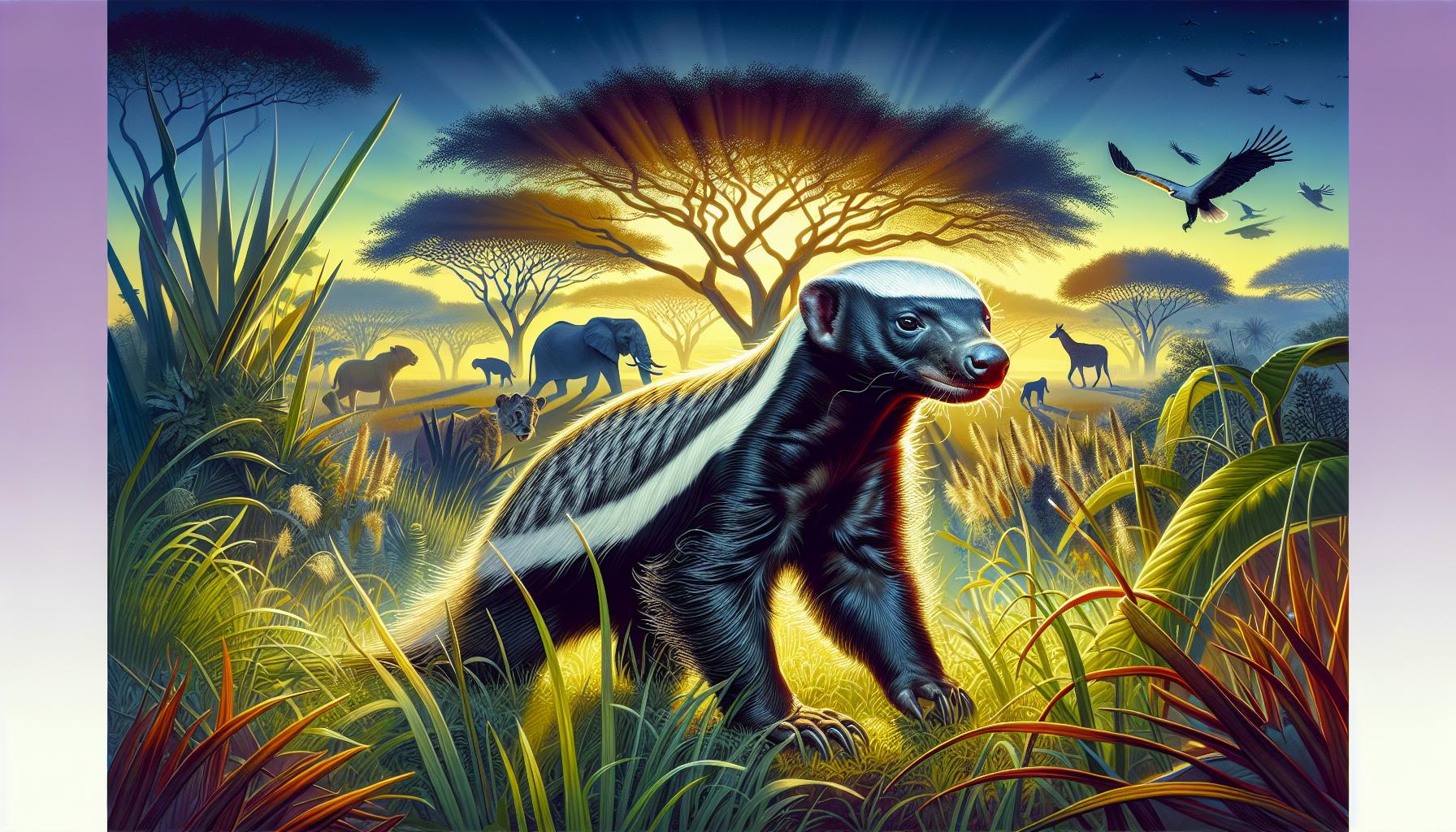
Are Honey Badgers Really Invincible?
When it comes to survival in the wild, the honey badger stands out for its audacity and relentless spirit, often leading many to believe that it possesses an invincibility that sets it apart from other animals. Their fearless approach to adversity combined with remarkable physical adaptations certainly makes them formidable. However, the notion of indomitable strength is often misleading, as these creatures are not without their vulnerabilities. While they may tackle adversaries head-on, a deeper examination reveals that several natural threats can inflict serious harm or even lead to their demise.
One of the primary factors that challenge the honey badger’s renowned toughness is its size difference relative to larger predators, such as lions and hyenas. These massive carnivores possess strength in numbers and physical size, allowing them to overpower honey badgers, particularly when the latter are injured or caught unawares. Additionally, the humble honey badger’s tenacity often aggravates these predators, leading to confrontations that can spiral out of control. Young or smaller honey badgers are particularly vulnerable to predation by birds of prey; even large eagles pose a threat due to their hunting skill and aerial advantage.
Compounding these challenges are the risks from environmental shifts caused by human actions. Habitat destruction and climate change can force honey badgers into competition with more dangerous animals or may lead them closer to human settlements, heightening the potential for encounters with domestic dogs, which may attack in packs. These encounters can be fatal, showcasing that bravery alone doesn’t guarantee survival. Furthermore, despite their astonishing resilience to certain venoms, honey badgers can still suffer devastating injuries from snake bites that might thwart their ability to escape predators or find food.
In light of these formidable threats, it becomes clear that while honey badgers exhibit extraordinary bravery, they remain susceptible to the same natural laws that govern all wildlife. Their legendary status is well-deserved, but the reality is that their life is a constant balancing act between fearlessness and the ever-present dangers of the wild-highlighting the need for awareness and conservation efforts aimed at protecting their habitats and ensuring that these remarkable animals thrive in a fluctuating environment.
The Role of Fearlessness in Survival Strategies
The honey badger’s fearlessness is not just a fascinating trait; it serves as a crucial survival strategy that equips them to thrive in an unpredictable wild. Known for their bold demeanor, honey badgers display an audacity that allows them to confront threats many animals would avoid. This fearless nature is characterized by a few key behaviors and adaptations that underscore their role in the ecosystem.
One notable aspect of their strategy involves aggressive confrontation. Honey badgers are known to tackle even the most daunting adversaries, including snakes, lions, and hyenas. Their tough, elastic skin provides an added layer of protection against bites and stings, enabling them to withstand attacks that would deter other animals. This fearlessness is often beneficial-honey badgers can disrupt the hunting patterns of larger predators simply by their presence, allowing them to access critical resources such as food and territory. Their willingness to engage with threats prevents them from becoming easy targets, promoting a survival strategy based on assertive confidence.
Moreover, this fearless behavior is also reflected in their hunting techniques. When pursuing prey, honey badgers are known to exploit their surroundings and adapt to various challenges; whether digging for ground-nesting birds or chasing away competitors from a food source, their persistence is remarkable. This adaptability showcases that fearlessness is not only about bravado but also about making strategic decisions that align with their bold approach to survival.
In addition, the role of fearlessness extends beyond individual survival; it has broader implications for ecosystem balance. By controlling populations of pests and other small animals, honey badgers contribute to the health of their environment, demonstrating that their daring nature plays a part in maintaining ecological harmony. As pet owners can learn from these traits, instilling a sense of exploration and bravery in our pets-while ensuring their safety-can lead to more enriching experiences. Creating environments that encourage boldness can foster confidence in pets, similar to the honey badger’s approach to the wilderness.
Ultimately, the honey badger’s fearless spirit blends with strategic behavior, emphasizing the importance of courage in the wild. Their lives exemplify how a tenacious attitude, combined with remarkable attributes, enables them to navigate the complexities of survival, making them truly one of nature’s most incredible survivors.
What Can Seriously Injure or Kill a Honey Badger?
While the honey badger is renowned for its brazen spirit and incredible resilience, it is not impervious to injury or death. In the wild, these fearless creatures face numerous threats that can curtail their bold adventures. Their encounters with predators, venomous snakes, and human activities illustrate the precarious balance between their survival instincts and the dangers lurking in their environment.
To understand what can seriously harm or kill a honey badger, it is essential to consider several key threats:
- Predators: Although honey badgers are formidable, they can fall prey to large carnivores. Adult lions, leopards, and hyenas may successfully hunt a honey badger, especially if it is cornered or outnumbered. These apex predators have the strength and tactical advantages necessary to overpower even the bravest honey badger.
- Venomous Snakes: Honey badgers are known to take on snakes, including venomous ones like cobras. However, a single bite can deliver lethal toxins if the honey badger fails to subdue the snake quickly enough, particularly in cases where the snake’s venom can kill rapidly.
- Habitat Loss and Human Conflict: The encroachment of human civilization has a profound effect on honey badger populations. Road accidents, habitat destruction, and retaliatory killings by farmers protecting livestock can lead to significant mortality rates among these animals.
- Disease: As with many wild species, honey badgers are susceptible to diseases like rabies or canine distemper, which can devastate populations, especially in areas where they may encounter domestic animals.
Notably, while honey badgers have unique adaptations that help them confront many life-threatening challenges, these very traits can lead them into precarious situations. Their aggressive foraging behavior, while essential for their survival, sometimes exposes them to dangerous encounters with formidable foes. In ensuring our pets embody the brave spirit of the honey badger, it’s important to consider their safety and set up environments that promote healthy play without unnecessary risks. Understanding the threats that wildlife face can guide pet owners in creating more enriching and secure habitats for their beloved companions, ultimately helping them thrive in a world that mimics the wild with its own set of challenges.
Adaptations That Make Honey Badgers Remarkable
The honey badger is not merely a creature of fearlessness; it is a master of survival, equipped with an array of remarkable adaptations that enable it to thrive in a variety of environments. One of its most notable features is its thick skin, which serves as a formidable barrier against bites and stings, allowing honey badgers to engage confidently with venomous snakes and aggressive predators alike. This skin is so resilient that it can even withstand attacks from honeybees, providing the honey badger a unique advantage when foraging for honey.
Additionally, honey badgers possess powerful jaws and sharp, strong teeth that are perfectly adapted for their omnivorous diet. They can easily crush shells, dig into the ground for roots and tubers, and tear apart the flesh of prey. Their keen sense of smell also plays a vital role in their survival; it helps them locate food sources underground or hidden in dense foliage, ensuring they are always on the hunt for their next meal.
Their agile, muscular bodies allow them to dig rapidly, which is crucial for escaping predators or finding food. They are known to climb trees and explore various terrains, demonstrating their versatility in navigating different habitats. This adaptability extends to their behavior; honey badgers are opportunistic feeders and will adjust their hunting strategies based on available resources, making them incredibly resourceful animals.
Social Structure and Intelligence
Interestingly, honey badgers display a level of intelligence rarely seen in many other species. They are known to use tools, such as stones, to break open beehives or extract food from difficult locations. Their social structure is equally intriguing; while often solitary, honey badgers can display playful and social behavior, particularly with their young. This adaptability in both behavior and intellect allows them to thrive in the ever-changing landscapes they inhabit.
In the context of pet care, understanding these adaptations can inspire pet owners to foster environments that promote safe exploration and intelligence in their pets. For instance, providing enrichment activities that stimulate foraging behaviors can mimic the honey badger’s natural tendencies, supporting mental health and well-being. By appreciating the unique traits of the honey badger, we can draw parallels about the importance of adaptability and resourcefulness in our own pets, creating a more engaging and fulfilling life for them.
Comparative Analysis: Honey Badgers vs. Other Survivors
In the realm of wildlife, honey badgers stand out for their unparalleled resilience and fearless approach to survival. They are often compared to other notorious survivors, showcasing a fascinating blend of characteristics that set them apart. For instance, while the wolverine is known for its ferocity and tenacity in the face of larger predators, the honey badger’s combination of thick skin, intelligence, and tool usage makes it a formidable opponent in its own right. This unique set of adaptations enables the honey badger to confront threats head-on, whether challenging venomous snakes or scavenging from carcasses heavily guarded by competitors.
When analyzing honey badgers alongside creatures like the porcupine or the skunk, one quickly recognizes different strategies for survival. The porcupine relies on its quills as a defensive mechanism, deterring predators with a painful reminder of their mistake. In contrast, the honey badger’s thick skin and resistance to venom allow it to sustain injuries while actively engaging in its predator-prey dynamics. Similarly, while skunks use their notorious spray as a deterrent, honey badgers have a bold approach, often confronting threats directly rather than relying solely on evasion or deterrence.
Furthermore, the intelligence demonstrated by honey badgers places them in a unique category among survivors. Their ability to use tools, such as stones to open beehives, links them to a select group of animals that exhibit problem-solving skills. This not only emphasizes their adaptability in securing food but also highlights their cognitive abilities compared to instinct-driven survival tactics seen in other species. Thus, while many animals navigate the dangers of their environment with instinct, the honey badger thrives by combining intelligence with physical prowess, showcasing an evolutionary advantage that few can rival.
Interestingly, this fearless demeanor doesn’t always equate to invincibility. While honey badgers can withstand bites and stings that would incapacitate many species, they are still vulnerable to larger predators like lions, leopards, and even crocodiles. These apex predators remind us that, despite the honey badger’s capabilities, the natural world operates on the principle of survival of the fittest, where every creature has its strengths and weaknesses. Understanding these dynamics can inspire pet owners to appreciate the complexity of animal behavior, fostering environments that encourage exploration and resourcefulness, similar to the remarkable traits exemplified by honey badgers in the wild.
The Honey Badger’s Importance in Ecosystems
In the complex tapestry of nature, honey badgers play a pivotal role that often goes overlooked due to their fierce reputation. As predators with a unique adaptability, they significantly influence their ecosystems, particularly in the control of prey populations and the promotion of biodiversity. By targeting a variety of small mammals, insects, and even venomous snakes, honey badgers help maintain the balance of species within their habitat, preventing any one population from overwhelming the ecosystem.
Honey badgers are also essential to the health of their environment through their interactions with flowering plants. As foragers, they unearth and disturb ground-level substrates, which can help in the germination of seeds and the growth of plants. This behavior not only aids in the dispersal of various plant species but also provides for a more diverse array of flora, which in turn supports other wildlife relying on these plants for food and shelter. In essence, the honey badger’s pursuit of insects and small mammals creates a ripple effect that benefits numerous other species, enabling a thriving and interconnected habitat.
Moreover, their formidable presence may deter potential competitors and predators within their ecosystem, indirectly benefiting smaller species by lessening predation pressure. In this way, the honey badger doesn’t just act as a fierce defender of its territory but also as an anchor species that stabilizes the ecological community. Understanding their role encourages responsible stewardship of wildlife habitats, reminding us that every creature, regardless of size or ferocity, has a vital contribution to its ecosystem.
Therefore, while the honey badger may be renowned for its audacity and tenacity, it is equally important to appreciate its ecological contributions. By protecting habitats that support honey badger populations, we help safeguard the myriad interactions that sustain vibrant ecosystems. For pet owners, recognizing and respecting the complexity of these relationships can inspire efforts to create environments that embrace diversity and resilience, paralleling the natural world’s interconnectedness.
Pet Care Insights: Lessons from Honey Badgers
The honey badger’s audacity is legendary, but it serves as an intriguing case study for pet owners looking to understand fearlessness, resilience, and survival in animals. One lesson from the honey badger is the importance of adaptability and resourcefulness, qualities that can also benefit pet care strategies. Just as honey badgers thrive in varied environments, pet owners should ensure their animals are versatile and can cope with changes in their surroundings.
To enhance the adaptability of pets, consider the following actions:
- Provide a Variety of Enrichment Activities: Just as honey badgers engage with different prey and habitats, offering a range of toys and activities can stimulate your pet’s mind. Rotate toys regularly and introduce new challenges to keep them engaged.
- Encourage Problem-Solving: Honey badgers are known for their clever techniques to access food. Similarly, you can set up puzzles or treat-dispensing toys that require your pets to think critically, promoting mental stimulation and reducing boredom.
- Socialization with Other Animals: Teaching pets to interact appropriately with other animals can help them develop social skills similar to how honey badgers encounter various species in the wild. Arrange playdates or safe interactions with other well-behaved pets.
- Gradual Exposure to New Environments: Just as honey badgers might explore unfamiliar territories with caution, slowly introduce your pet to new settings and experiences. This approach can reduce anxiety and make them more resilient to change.
Understanding and respecting your pet’s natural instincts can also lead to better outcomes. Honey badgers utilize their fierce reputation to deter potential threats, but effective communication and positive reinforcement can empower pets to express themselves confidently without resorting to aggression. Training sessions that reward good behavior foster a sense of security and trust.
By adopting the lessons learned from the honey badger’s fearlessness, pet owners can cultivate resilience and adaptability in their pets. This not only enriches their lives but enhances the bond between owner and animal, creating a harmonious living environment reflective of the wild’s intricate balance.
How Habitat and Behavior Affect Vulnerability
The honey badger’s fearless reputation is deeply intertwined with its habitat and behaviors, which significantly influence its vulnerability to predators and environmental challenges. Found across varied ecosystems, including savannas, forests, and deserts, the honey badger thrives in conditions that offer both cover and access to food sources. This adaptability is vital; it allows the species to exploit a range of prey, from insects to smaller mammals, which in turn shapes their behavioral responses to threats.
In environments where their natural predators, such as lions or large snakes, are fewer, honey badgers exhibit bold behaviors that might not be as pronounced in areas where threats abound. Their cunning nature enables them to utilize burrows, crevices, and dense brush as hideouts while foraging or raising young. Consequently, the choice of habitat can increase their chances of evading potential dangers. Moreover, honey badgers display a remarkable ability to modify their behavior based on surroundings; they may adopt a more cautious approach in open areas where visibility is high, while leveraging their daring nature in dense cover where they feel more secure.
Understanding these habitat influences offers valuable insights into how pet owners can create a safe environment for their animals. For instance, just as honey badgers instinctively seek shelter, pet owners should provide secure and stimulating spaces for their pets to explore. This can involve setting up varied landscapes in your home or yard that encourage natural behaviors, such as digging or climbing, promoting both mental and physical well-being. Additionally, exposure to safe, enclosed outdoor spaces allows pets to experience a taste of the wild, much like honey badgers adapt their behaviors based on their environment.
By taking inspiration from the honey badger’s survival strategies, pet owners can enhance their pets’ quality of life, accentuating the importance of environment and adaptability in fostering resilience. This not only serves to protect pets from potential dangers but also allows them to flourish in a dynamic, enriching environment that mirrors the resourceful spirit of this incredible creature.
Myths and Facts About the Honey Badger’s Survival
The honey badger is often heralded as one of nature’s most fearless creatures, but along with this reputation comes a cloud of myths that can obscure the reality of its survival abilities. A common misconception is that honey badgers are invulnerable due to their tenacity and fierce demeanor; however, this could not be further from the truth. These animals, despite their formidable defenses and audacious personalities, remain susceptible to threats from larger predators and environmental dangers.
- Predator Realities: While honey badgers are known for taking on snakes and even larger foes like lions or leopards, they are not invincible. Their survival skills allow them to fend off attacks through quick reflexes and thick skin, but they can still fall prey to animals that outperform them in size, like hyenas or packs of wild dogs.
- Competitive Adaptations: Honey badgers benefit from an uncanny ability to adapt to different predation pressures. This adaptability signifies that in areas where threats are higher, they may exhibit behavior that reflects caution, contrasting sharply with the ill-begotten bravado often associated with their reputation.
- Environmental Hazards: Beyond predators, honey badgers face dangers from environmental factors such as habitat destruction or changes in prey availability. With ecosystems under threat from human activity, their fearlessness does not shield them from declining resources.
- Human Interaction: Myths proclaiming that honey badgers are impervious to danger can lead to irresponsible behavior among humans, such as attempts to domesticate these wild creatures or inappropriate interactions that place both the animal and the individual at risk.
Understanding the nuances behind these myths highlights a vital aspect of wildlife conservation and responsible pet ownership. Recognizing that even the most fearless creatures have vulnerabilities underscores the importance of creating safe and supportive environments for pets, mirroring natural behaviors while safeguarding their well-being against potential dangers. Just as honey badgers thrive in landscapes that provide cover and food, so too should pet owners strive to cultivate enriching spaces that allow pets to express their natural instincts while remaining protected from harm.
FAQ
Q: What are the main threats to honey badgers in the wild?
A: Honey badgers face threats primarily from larger predators such as lions, hyenas, and crocodiles. Their fearless nature allows them to confront many adversaries, but these apex predators can overpower them, especially if they are caught off guard or injured.
Q: Can honey badgers be killed by environmental factors?
A: Yes, honey badgers can be adversely affected by environmental factors. Severe weather conditions, habitat destruction, and loss of prey can lead to stress and illness, ultimately decreasing their chances of survival.
Q: What would happen if a honey badger encountered a crocodile?
A: Honey badgers are known for their fearlessness, but a crocodile presents a real threat. If a honey badger attempts to invade a crocodile’s territory near water, it could be attacked and killed due to the crocodile’s speed and power.
Q: Are honey badgers resistant to poisons?
A: Honey badgers have a high tolerance for venom and toxins, particularly snake venom, but they are not completely immune. Certain poisons in plants or other animals can still be lethal, especially if ingested in large amounts.
Q: How do honey badgers defend themselves against predators?
A: Honey badgers utilize various defense mechanisms, including aggressive displays, sharp teeth, and their famous thick skin. If cornered, they can deliver painful bites and may try to escape using underground burrows to evade predators.
Q: Do honey badgers have any natural enemies in their ecosystem?
A: Yes, honey badgers have natural enemies including large birds of prey and young lions. These predators typically target young or weaker individuals, making them more vulnerable to attacks while they are still growing.
Q: How do competing species impact the survival of honey badgers?
A: Competing species can impact honey badgers by competing for food sources and territory. When resources become scarce, it can lead to increased stress and conflicts, which may indirectly lead to their decline.
Q: Can human activity lead to the death of honey badgers?
A: Yes, human activities such as poaching, habitat destruction, and vehicle accidents significantly threaten honey badger populations. Conservation efforts are essential in mitigating these risks and protecting their habitats.
In Conclusion
As we’ve uncovered in “What can kill a honey badger? Nature’s Most Fearless Survivor,” these remarkable creatures often emerge victorious against formidable foes, showcasing their resilience and tenacity. Yet, understanding their vulnerabilities can enhance our appreciation for these wild survivors. If you’re fascinated by the natural world and wish to delve deeper, check out our articles on animal behavior and survival instincts that document similar extraordinary wildlife.
Don’t let your curiosity stop here-sign up for our newsletter to receive the latest insights and tips on wildlife care and conservation right in your inbox. Plus, explore our resource section for guides on how to responsibly engage with nature while learning about animal welfare. Your journey into the wild awaits; take the next step today and become an informed advocate for these incredible creatures!