


Ligers, the incredible hybrids of lions and tigers, captivate our imagination with their sheer size and striking appearance. However, delving into the world of liger breeding unveils a complex interplay of genetics, biology, and ethical concerns that are critical for wildlife enthusiasts and pet owners alike. Understanding the science behind these majestic creatures helps illuminate the broader implications of hybridization, including issues related to their health and welfare.
As you explore the challenges and intricacies of breeding ligers, you might ponder whether the allure of creating such extraordinary animals outweighs the potential consequences. This topic is essential not just for conservationists and scientists, but for anyone invested in the future of big cats and responsible animal care. Join us as we unravel the fascinating details that shape the lives of these hybrid giants and discover the responsibilities that come with such awe-inspiring wonders of nature.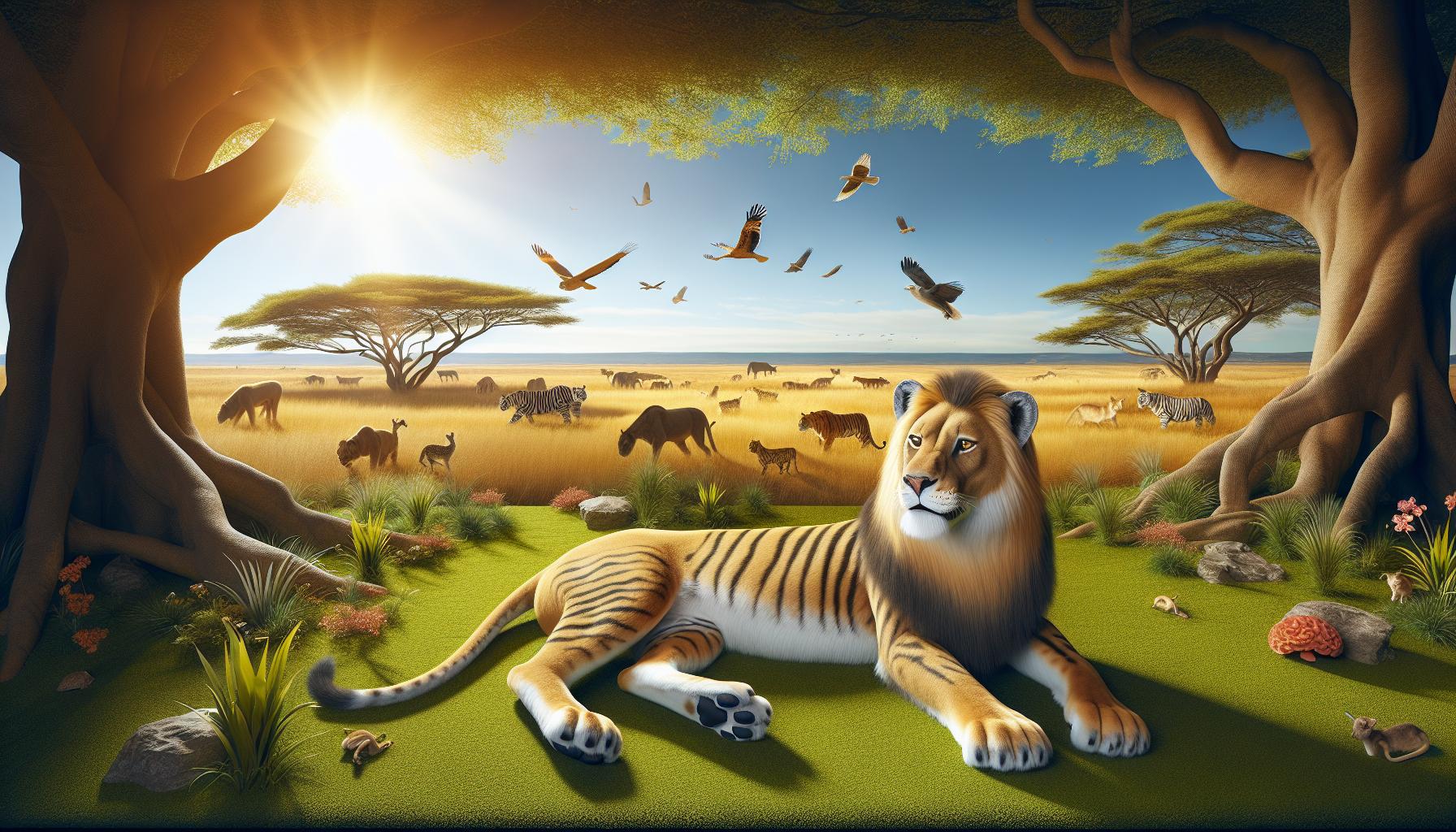
Contents
- 1 The Fascinating World of Ligers: Understanding Hybrid Big Cats
- 2 The Science Behind Hybridization: How Ligers Are Born
- 3 Physical Characteristics of Ligers: Size, Appearance, and Traits
- 4 Behavioral Insights: What Ligers Inherit from Their Parents
- 5 Health Challenges: Common Issues Faced by Ligers
- 6 The Ethics of Breeding Hybrids: Perspectives on Liger Production
- 7 Conservation Implications: Are Ligers Beneficial or Harmful?
- 8 Caring for a Liger: Essential Tips for Potential Owners
- 9 Understanding the Origins: Ligers vs. Other Big Cat Hybrids
- 10 Myths and Misconceptions: Debunking Popular Beliefs About Ligers
- 11 The Future of Ligers: What Lies Ahead for Hybrid Big Cats?
- 12 Faq
- 13 Closing Remarks
The Fascinating World of Ligers: Understanding Hybrid Big Cats
Their sheer size can leave anyone speechless: ligers, the majestic hybrids born from a male lion and a female tiger, awaken a unique blend of curiosity and admiration in the world of big cats. Weighing as much as 1,000 pounds and stretching over 12 feet in length when standing on their hind legs, ligers hold the title of the largest wild cat in the world. This impressive size results from a unique genetic interplay, where the hybrid inherits traits from both parent species. As fascinating as their size is, the world of ligers carries with it complex questions about their breeding, care, and role in conservation.
The science behind liger breeding unveils critical aspects of hybridization. When a lion and a tiger mate, they produce liger offspring due to the lack of specific growth-inhibitory genes, which are present in both species. In nature, the two species do not interbreed, and as such, ligers exist predominantly in captivity, where they are often bred for their novelty and grandeur. However, this method of breeding raises ethical concerns; many argue that breeding hybrids for commercial purposes can result in health complications and behavior issues, further compounded by the challenges of caring for such large, powerful animals.
Owners and caretakers must prepare for the unique needs of ligers when considering their existence in zoos or private collections. Due to their large size, they require expansive living spaces, specialized diets, and extensive socialization to thrive. Unlike their wild counterparts, ligers may exhibit varied behavioral traits that can be less predictable, reflecting the diverse lineage of their parent species. Awareness of these needs is crucial for anyone contemplating the responsibilities of providing a home for such extraordinary creatures.
Understanding ligers also involves recognizing their place within the broader context of big cat genetics and conservation. While they might appear as majestic attractions, this hybridization can detract from conservation efforts aimed at preserving pure species in the wild. Ligers prompt us to question the ethics of their breeding and if such efforts ultimately benefit biodiversity or merely contribute to a fascination devoid of natural authenticity. Still, the allure of these hybrids fuels continued interest and dialogue about their existence, raising important conversations about the future of big cats in both captivity and the wild.
The Science Behind Hybridization: How Ligers Are Born
In the intriguing world of animal genetics, hybridization stands as a remarkable phenomenon, and the liger-an offspring of a male lion and a female tiger-epitomizes this complexity. The science behind how ligers are born reveals both the remarkable adaptability of nature and the intricacies of genetic inheritance. Within the realm of big cats, lions and tigers are both members of the same genus, Panthera. This shared lineage allows for mating; however, in the wild, such unions are virtually nonexistent, primarily due to differing habitats and social structures. Thus, ligers predominantly emerge in controlled environments, such as zoos and exotic animal parks, where breeding is orchestrated by humans for both interest and profit.
The key to hybridization lies in the absence of certain growth-inhibitory genes, specifically the paternal growth factor gene found in both species. When a lion mates with a tiger, the absence of these genes allows the liger to grow larger than either parent-often attaining weights up to 1,000 pounds and lengths exceeding 12 feet when standing on their hind legs. This extraordinary size not only captivates audiences but also raises critical questions about the health and wellbeing of these hybrids. Ligers face unique physiological challenges; their rapid growth can lead to joint and organ complications, reflecting the detrimental aspects of crossing species lines.
For those intrigued by the notion of breeding ligers, it’s essential to recognize the responsibilities and ethical considerations involved. Potential breeders must ensure that mating pairs are healthy and that the resulting offspring are cared for in an environment that meets their specific needs. This includes providing adequate space, socialization, and dietary requirements tailored to their hybrid nature. Moreover, knowledge about the potential behavioral traits inherited from both lions and tigers is crucial, as ligers can exhibit unpredictability in social interactions and natural instincts.
In summary, the birth of a liger is an extraordinary result of genetic interplay that challenges our understanding of species boundaries. While the hybrid’s fascinating characteristics allure the public, they also highlight significant ethical debates surrounding captive breeding practices. Thus, the conversation about ligers transcends mere interest; it calls for a deeper examination of our role in animal welfare and conservation.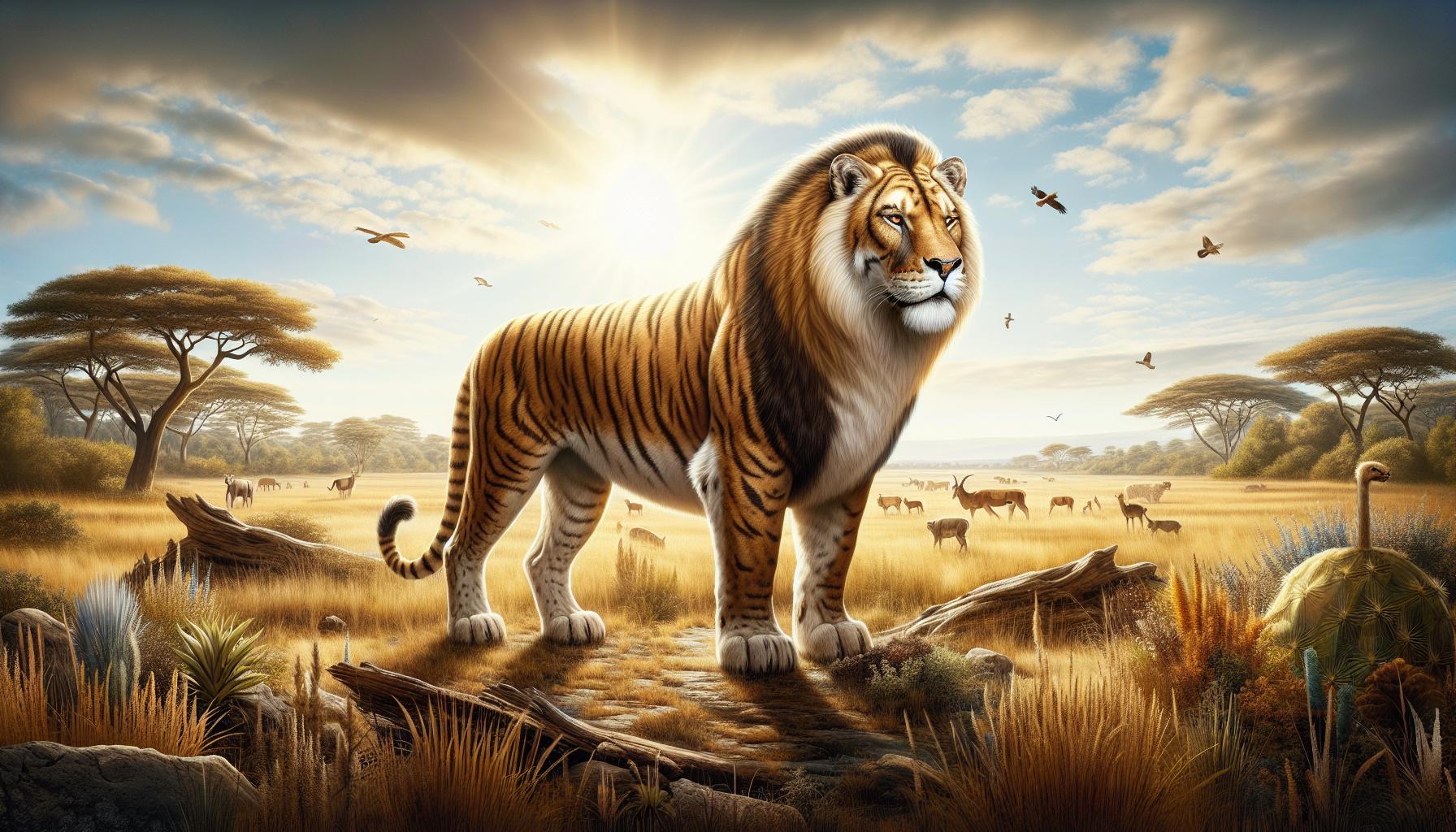
Physical Characteristics of Ligers: Size, Appearance, and Traits
The liger, a captivating hybrid of a male lion and a female tiger, stands out not just for its impressive lineage but also for its remarkable physical characteristics that make it the largest of all big cats. On average, these majestic creatures can reach lengths of about 9.8 to 12 feet (3 to 3.6 meters), with weights ranging from 705 to 1,200 pounds (320 to 550 kg) [[2](https://animalcorner.org/animals/liger/)]. The combination of their parent species allows ligers to inherit larger body frames, which can lead to an appearance that is both powerful and awe-inspiring.
In terms of aesthetic traits, ligers often showcase a combination of their lion and tiger heritage. They tend to inherit the tawny coloration of lions, interspersed with the faint stripes of tigers, creating a unique coat pattern. This dazzling fur not only serves a visual purpose but also provides essential camouflage, reminiscent of the natural environments both parent species inhabit. Typically, ligers display a muscular build, supported by robust legs and a wide head. Their size and strength render them exceptionally agile for their stature, and they can exhibit playful behavior reminiscent of both parent species.
Unique Physical Traits
Ligers possess several traits that are specific to their hybrid nature, making them distinct among big cats. Some of these traits include:
- Extra Toes: Unlike most big cats, ligers can sometimes exhibit polydactylism, meaning they may have extra toes on their paws. This anomaly contributes to their unique footprint.
- Large Feet: Their enormous feet provide stability and support for their massive bodies, enabling them to roam and play with ease.
- Lethargy in Heat: Interestingly, ligers can exhibit a more subdued demeanor, particularly as they age, which can be a reflection of their genetic inheritance.
As captivating as their physical characteristics are, those interested in owning or caring for a liger must understand the implications of their size and physical needs. Ligers require ample space to roam, mental stimulation to keep them engaged, and a diet tailored to accommodate their large size and unique metabolism. This includes high-protein food designed to mimic their natural diet in the wild, ideally comprising carnivorous sources that contribute to their overall health and vitality.
In conclusion, the physical characteristics of ligers underscore their fascinating blend of lion and tiger traits. While their extraordinary size and beauty attract attention, responsible care is essential for anyone considering their care. Understanding these magnificent animals’ physical needs and behaviors will ensure that their unique hybrid nature is respected and well cared for throughout their lives.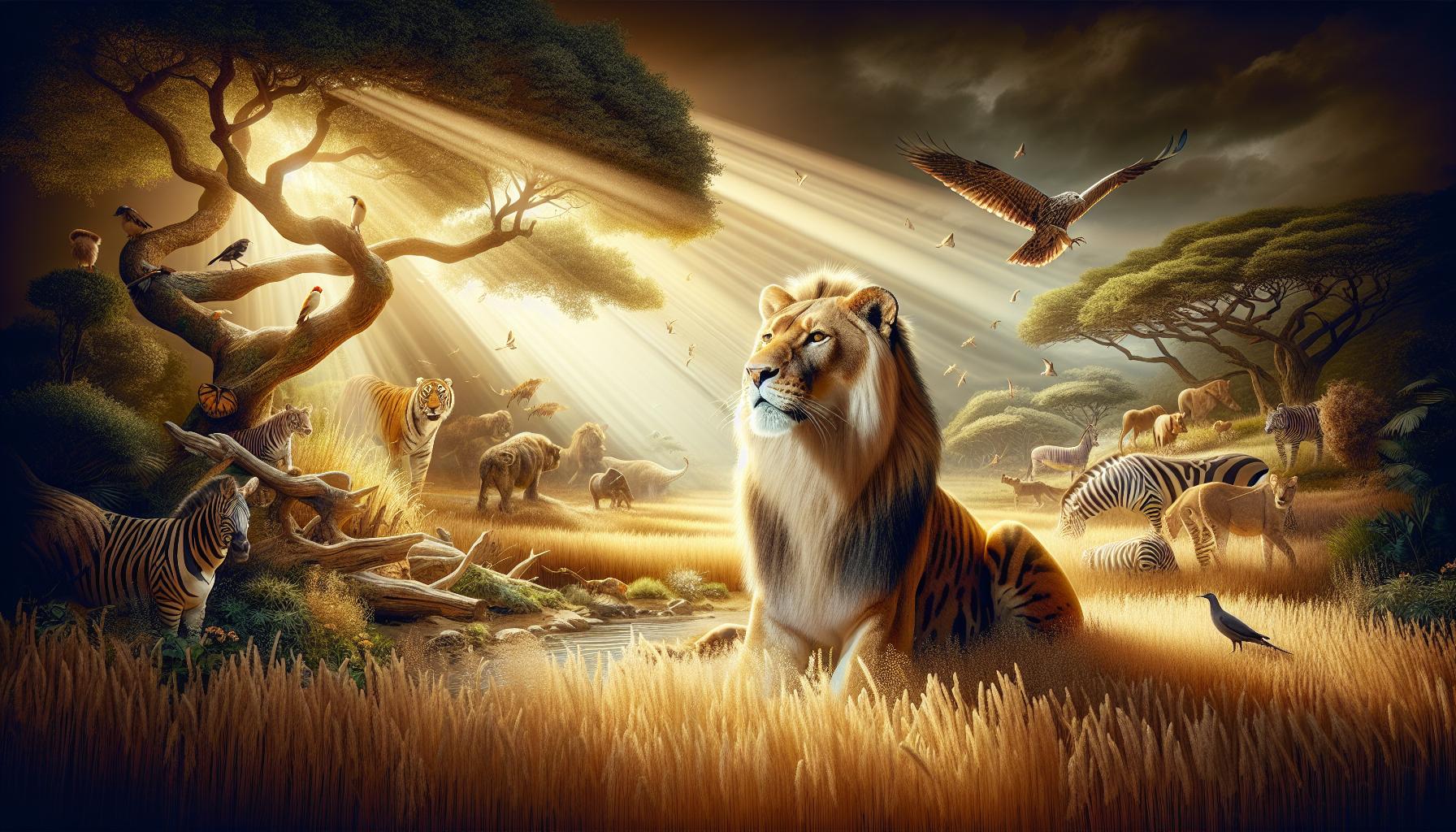
Behavioral Insights: What Ligers Inherit from Their Parents
The complex behaviors of ligers, the hybrid offspring of male lions and female tigers, offer a captivating glimpse into how genetic inheritance influences animal temperament and social interactions. While both parent species exhibit dominant traits in the wild-lions being social and tigers more solitary-ligers often display a blend of these behaviors. This unique combination can lead to intriguing social dynamics; for instance, ligers may possess a playful nature typical of young lions, while also retaining the solitary and stealthy hunting instincts seen in tigers.
Their vast size and strength allow ligers to exhibit playful antics, similar to both lions and tigers, resulting in a behavior that can be entertaining yet potentially challenging for caretakers. Unlike lions, who communicate and establish hierarchy through vocalizations and physical displays in groups, ligers may demonstrate a more subdued vocalization style inherited from their tiger lineage. However, this does not eliminate their propensity for forming bonds. Ligers can be affectionate with both human caregivers and other animals, showcasing loyalty and a desire for interaction, reminiscent of lion pride behaviors.
Understanding the behavioral nuances of ligers stresses the importance of environment and enrichment. Given their hybrid nature, these big cats require vast spaces and engaging activities to thrive. Integrating play structures, opportunities for climbing, and interactive enrichment can stimulate their physical and mental needs. Additionally, nurturing their natural instincts through puzzle feeders or scent trails can be beneficial, ensuring they remain active and engaged.
The unique blend of characteristics inherited from their lion and tiger parents positions ligers as fascinating subjects for study and understanding. Each liger is a vibrant canvas displaying a mix of their ancestry, contributing to a broader understanding of hybrid vigor and the behavioral traits that emerge in such remarkable combinations. Proper care, combined with an appreciation for their distinct quirks, allows potential owners to foster a healthy and enriching environment for these extraordinary creatures.
Health Challenges: Common Issues Faced by Ligers
Ligers, the remarkable hybrids of male lions and female tigers, are not just extraordinary in size but also in the health challenges they face due to their genetic makeup. These beautiful creatures often inherit a mix of traits from both parent species, but this hybrid vigor does not come without its share of health complications. Understanding these issues is crucial for those who admire these majestic beings and for potential caregivers who might consider providing a home for one.
The most pressing health challenges for ligers primarily stem from their sheer size and hybrid genetic background. They have been known to suffer from a range of conditions, including obesity, which can lead to serious complications such as diabetes and joint problems. Given that ligers can weigh as much as 1,200 pounds, maintaining an appropriate diet and exercise regime is essential. Excessive weight places undue stress on their joints, particularly the hips and knees, which can lead to arthritis or other degenerative conditions over time.
Additionally, ligers are prone to certain heart problems, notably cardiomyopathy, a disease that affects the heart muscle and can lead to congestive heart failure. This condition is particularly concerning because it may not present clear symptoms until it reaches a severe stage. Regular veterinary check-ups are vital to monitor their heart health and overall well-being.
Genetic Factors
Unique genetic factors tied to hybridization further complicate the health profile of ligers. While hybrid vigor is a common notion, it can yield unpredictable results. Many ligers exhibit developmental and reproductive issues, primarily due to the differences in chromosomal structures between lions and tigers. Certain rare genetic disorders may also emerge, affecting their overall health and leading to complications that don’t typically affect purebred lions or tigers.
Preventive Care
To mitigate these health challenges, owners of ligers must be proactive in their approach to care. This includes:
- Regular Veterinary Check-ups: Frequent visits to an exotic animal vet are critical for monitoring health issues early.
- Balanced Diet: Providing a controlled and nutritious diet is essential to prevent obesity and its related complications.
- Exercise Opportunities: Creating an environment that promotes physical activity can help maintain a healthy weight and ensure their muscular system remains robust.
- Environmental Enrichment: Engaging ligers mentally and physically through interactive play and varied habitats can significantly improve their quality of life.
Overall, while ligers captivate our imaginations with their grandeur, potential caregivers must approach their care with a comprehensive understanding of the health challenges at hand. By prioritizing proper care and veterinary support, it’s possible to enhance their lives and mitigate many of the health issues associated with this extraordinary hybrid.
The Ethics of Breeding Hybrids: Perspectives on Liger Production
Ethical considerations surrounding the breeding of ligers stir a complex debate, reflecting concerns for animal welfare, biodiversity, and conservation priorities. The act of creating hybrids like ligers-offspring of a male lion and a female tiger-raises pressing questions about the motivations behind such breeding and its consequences for both the animals involved and their species. While some argue that ligers attract visitors to zoos and wildlife parks, thus raising awareness and funding for conservation efforts, others contend that their creation serves more as a spectacle than a genuine contribution to wildlife conservation.
One ethical dilemma stems from the health challenges inherent to ligers. Breeding hybrids increases the likelihood of genetic defects and health issues due to the incompatibility of their parent’s DNA. As discussed previously, ligers often suffer from various health complications, such as obesity, cardiomyopathy, and developmental anomalies. The pursuit of profit and novelty in hybrid animal breeding often sidelines the well-being of these creatures, raising concerns about exploiting their unique traits for human entertainment. Ethical breeders must prioritize the animals’ health, ensuring they possess adequate facilities, proper care, and non-invasive breeding programs. This requires a commitment to understanding the complex genetics of ligers and the potential risks involved in their breeding.
Moreover, there is an argument that the focus on creating hybrids like ligers detracts from saving endangered species in the wild. Instead of directing resources toward the preservation of natural habitats or education on the plight of true African lions and Asian tigers, breeding hybrids may promote a simplistic view of wildlife that diminishes the urgency of species conservation. One alternative approach could involve breeding programs aimed at reinforcing genetic diversity within pure species populations, which would ultimately contribute to healthier ecosystems and a more sustainable future for these magnificent animals.
As potential owners or supporters of liger breeding consider their stance, they must weigh the desire for novelty against responsibility. Supporting ethical breeding practices involves advocating for organizations that prioritize animal welfare and conservation, as well as being informed about the consequences of hybrid breeding on species integrity. Ultimately, fostering a deep respect for the natural world entails understanding not just the wonder of these hybrids but also recognizing the ethical responsibilities that come with their breeding and care. By focusing on conservation efforts that support and protect the habitats and populations of lions and tigers, we can ensure that both legacy species thrive without unnecessary human-induced complications.
Conservation Implications: Are Ligers Beneficial or Harmful?
The controversy surrounding ligers extends beyond mere curiosity about these hybrid cats; it raises profound questions about conservation, animal ethics, and biodiversity. While ligers, the offspring of a male lion and a female tiger, attract much attention and draw visitors to zoos, the conservation implications of breeding such hybrids can be quite complex. Critics often argue that the existence of ligers detracts from the vital conservation efforts needed to protect their parent species-endangered wild lions and tigers. Instead of channeling resources into preserving natural habitats and promoting genetic diversity within viable populations of these species, attention may gravitate towards the spectacle of hybrid animals.
One potential perspective in favor of ligers is their ability to generate public interest. Zoos and wildlife parks that house ligers could leverage their popularity to fundraise and increase awareness about the plight of lions and tigers in the wild. Educational programs centered around ligers may provide platforms for discussing broader conservation issues, thus potentially fostering a sense of responsibility toward genuine conservation efforts. Highlighting the stark difference between hybrid existence and the struggles of their purebred relatives can connect enthusiastic visitors to critical conservation messages.
However, it is essential to recognize that the allure of hybrid animals may perpetuate a misunderstanding of conservation priorities. Instead of focusing solely on the allure of unique and visually striking creatures, conservation efforts should prioritize preserving the genetic integrity and habitats of wild cats. Hybrids like ligers may inadvertently give the impression that it is acceptable to produce animals solely for human entertainment, which could undermine the inherent value of maintaining genuine species.
In evaluating whether the presence of ligers is ultimately beneficial or harmful for conservation, it becomes crucial to align public fascination with responsible wildlife education. Sustainable conservation strategies should not only safeguard pure species but also promote their ecosystems. This means that, while ligers can serve as a vehicle for raising awareness, the focus must remain on preserving the natural order and integrity of lion and tiger populations in their respective habitats, thereby ensuring the long-term survival of these majestic creatures in the wild.
Caring for a Liger: Essential Tips for Potential Owners
Caring for a liger is a unique and complex responsibility that requires a deep understanding of both lions and tigers, as these magnificent hybrids inherit traits from both parental species. These creatures are not only the largest hybrid cats, but also possess specific needs that must be addressed to ensure their well-being and happiness. Recognizing their natural behaviors, dietary requirements, and social needs is essential for any potential owner contemplating bringing a liger into their lives.
First and foremost, the space requirement for a liger can be significant. Due to their size-some ligers can weigh over 900 pounds and measure more than 10 feet in length-it is imperative to provide them with ample space to roam and engage in natural behaviors. A large, secure enclosure simulating their natural habitat will help keep a liger physically and mentally stimulated. This enclosure should include climbing structures, hiding spots, and areas for swimming, as ligers are known to enjoy water more than either lions or tigers.
Diet is another crucial aspect of caring for a liger. They require a high-protein diet, primarily consisting of large amounts of meat, to support their rapid growth and maintain their health. Owners must ensure they provide a balanced diet that mirrors what these animals would eat in the wild. Regular veterinary check-ups are essential for monitoring their health, as ligers can be predisposed to certain genetic issues inherited from both parent species. Furthermore, enriching their diet with bones, exercises in foraging, and natural hunting simulations can keep a liger mentally sharp and physically fit.
Socialization is vital as well. While ligers can exhibit a friendly demeanor, they still possess predatory instincts and require proper socialization with humans and other animals to avoid behavioral issues. Spending time with a liger, engaging in positive reinforcement training, and ensuring they have opportunities to interact with different environments can contribute to a well-adjusted big cat. It’s also important to remember that ligers can experience social dynamics that might lead to aggression if they feel their territory is threatened.
In summary, potential owners must be thoroughly prepared for the unique challenges and requirements that come with cuidar a a liger. From providing vast living spaces and a specialized diet to ensuring social interaction and mental stimulation, the responsibilities are considerable yet rewarding. Deep commitment, knowledge, and respect for these extraordinary creatures will lead to a fulfilling relationship while promoting their health and well-being.
Understanding the Origins: Ligers vs. Other Big Cat Hybrids
The liger stands out not only as the largest hybrid big cat but also for its unique lineage, originating from the union of a male lion and a female tiger. This powerful combination creates an individual that embodies the strengths and characteristics of both parent species, making it a fascinating subject of study within the field of animal hybridization. While ligers are the most famous hybrid cats, they are part of a broader category of big cat hybrids that includes the tigon (a cross between a male tiger and a female lion), leoliger, and other less common combinations.
Hybrids Explained
The process of hybridization in big cats typically results in offspring that inherit a mix of traits from both parents. In contrast to ligers, which tend to be larger than either lions or tigers, other hybrids may not exhibit the same pronounced size differential. For example, tigons are generally smaller than ligers, as they might inherit traits that limit growth from their mother’s tiger lineage. This variability in size and characteristics highlights the unpredictable nature of hybridization, putting into perspective the significance of each parent species’ genetic contribution.
When considering the origins of these hybrids, it’s essential to recognize that they often arise under specific circumstances, predominantly in captivity. Unlike purebred lions and tigers that have distinct ecological roles in their respective habitats, hybrids like ligers and tigons do not exist in the wild naturally; they are the result of human intervention in breeding programs often aimed at attracting visitors to zoos and wildlife attractions. These creations come with a host of care and ethical challenges, as they may inherit genetic health issues from both bloodlines, complicating their well-being.
The Genetic Puzzle
Understanding hybrid vigor-that is, the tendency for hybrids to exhibit improved or superior biological qualities compared to their parents-can partially explain the appeal of ligers in captivity. However, this phenomenon is not universal. While ligers may be larger, they often suffer from a range of health issues, including skeletal deformities and organ malformations, due to the mixing of lion and tiger genes. These challenges can complicate the responsibilities of potential owners and the ethics of breeding hybrid big cats for exhibition.
Furthermore, managing the social dynamics of hybrid big cats poses another layer of complexity. Given their parental lineage, ligers might exhibit behaviors typical of both lions and tigers, necessitating well-planned environments that cater to their needs for space, stimulation, and social interaction. This call for specialized care not only enriches their lives but also reinforces the importance of ongoing research and awareness about the implications of breeding hybrids within zoological settings.
In conclusion, while ligers reign as titans among big cat hybrids, understanding their origins and comparing them to other hybrids showcases the intricate tapestry of genetics, behavior, and ethical considerations behind these magnificent creatures. Proper care and responsible breeding practices are imperative to ensure their health and well-being, offering a glimpse into the broader conversation about human interactions with wildlife.
Myths and Misconceptions: Debunking Popular Beliefs About Ligers
There are many fascinating claims surrounding ligers, but separating fact from fiction is crucial for anyone interested in understanding this hybrid creature. One prevalent misconception is that ligers are unique in their immense size and that they are a phenomenon of nature, bred exclusively in the wild. In reality, ligers are the product of human intervention, bred in captivity from a male lion and a female tiger. Unlike pure lions and tigers, ligers do not exist naturally; they are created when humans bring together these distinct species, primarily for entertainment and educational purposes.
Size and Strength
While it’s true that ligers are the largest felines, with some individuals growing over 1,200 pounds, the belief that all ligers will reach these extraordinary sizes is misleading. The growth patterns of ligers can vary significantly based on genetics and environmental factors. They often inherit the potential for larger size from their lion fathers; however, health issues linked to hybridization can affect their growth and overall well-being. This has led to the erroneous belief that every liger is massive, reinforcing a sense of awe without reflecting the reality of their physical health.
Behavioral Traits
Another common myth is that ligers exhibit an exceptional temperament and behavior that differs significantly from both lions and tigers. In truth, they often showcase a blend of traits from both parental species, leading to unpredictable behaviors. For example, while they may inherit the more social and playful tendencies of lions, they can also reflect the more solitary and reserved nature of tigers. Understanding their behavior requires a nuanced perspective, rather than relying on sweeping generalizations.
Health Issues and Living Conditions
The narrative that ligers are healthier than their parent species due to ‘hybrid vigor’ is also debunked. In many instances, these hybrids suffer from genetic complications like skeletal deformities and organ dysfunctions. The myth of superior health suggests that hybridization improves resilience, but scientists have documented numerous health issues specifically arising from these unions. Care in captivity requires a tailored approach to their diverse needs-space, diet, and social structures are significantly different than what would be afforded to purebred big cats.
In summary, while ligers are undoubtedly magnificent creatures, the fascination surrounding them should stem from scientifically accurate understanding rather than myths and misconceptions. Those interested in the world of hybrid big cats should strive to learn about the complex interplay of genetics, environmental factors, and ethical considerations involved in their breeding and care.
The Future of Ligers: What Lies Ahead for Hybrid Big Cats?
The future of ligers is a complex tapestry woven from the threads of conservation, ethics, and animal welfare. As hybrids of two magnificent species, ligers are fascinating, but their existence raises significant questions about the implications of hybrid breeding. As public interest continues to grow, the role of these hybrid big cats in zoos, conservation programs, and private ownership will need to be scrutinized more closely.
One pressing concern is the potential for hybrid cats to contribute to conservation efforts. While it might be tempting to see ligers as unique ambassadors for awareness about lions and tigers, their hybrid nature complicates this relationship. Ligers do not occur in natural ecosystems, which means their presence does not directly contribute to the conservation of their pure species. This raises ethical questions regarding whether the resources devoted to breeding and caring for ligers could be better utilized for the preservation of threatened species in their natural habitats. By redirecting these efforts towards protecting habitat loss and poaching, we can have a more meaningful impact on biodiversity.
Animal welfare groups are increasingly advocating for stricter regulations on the breeding of ligers and other hybrids. Many ligers experience a plethora of health issues, including organ failure and skeletal deformities, stemming from the very hybridization process that creates them. Ensuring that prospective owners and breeders understand the health implications and ethical considerations of owning or breeding hybrid big cats is critical. Legal restrictions may be imposed, and educational initiatives can help inform the public about the challenges of hybrid ownership. These steps are essential to ensure that ligers do not become mere spectacles but are respected as living beings with complex needs.
As we look to the horizon, the future of ligers will likely depend on growing awareness and understanding among the public, conservationists, and policymakers alike. With shifts towards more compassionate and informed animal welfare practices, it is plausible that the hybridization of big cats will decline, giving way to efforts focused on preserving and respecting the wonders of nature as they exist in their pure forms. Balancing our fascination with these spectacular animals with responsibility and ethical consideration will ultimately shape the trajectory of ligers and similar hybrids in the years to come.
Faq
Q: What challenges do breeders face when creating ligers?
A: Breeders face several challenges, including genetic health issues and ethical concerns about hybridization. Ligers may inherit potential health problems from both parent species, making careful breeding crucial. Additionally, ethical practices must be considered, as hybrid breeding often prioritizes profit over animal welfare.
Q: How does liger breeding affect conservation efforts?
A: Liger breeding often detracts from conservation efforts for pure lion and tiger populations. Focusing resources on hybrid species can divert attention from preserving their natural habitats and protecting endangered species. Ethical considerations in breeding practices further complicate their role in conservation strategies.
Q: Can ligers reproduce?
A: Ligers are generally sterile due to their hybrid genetics, which prevents successful reproduction. This sterility raises ethical questions regarding their breeding, as they cannot contribute to the population of either species, leading to concerns about the implications of producing hybrids.
Q: What are the main reasons for breeding ligers?
A: The primary reasons for breeding ligers include entertainment, novelty, and potential profit from tourism and exhibitions. This practice raises ethical questions, as the welfare of the animals often takes a backseat to financial gain, especially in captivity.
Q: Are there regulations on breeding ligers?
A: Regulations on breeding ligers vary by country and region. In some places, strict wildlife laws restrict hybrid breeding, while in others, it remains largely unregulated, allowing unethical practices to persist. It’s important for potential breeders to be aware of their local laws.
Q: What is the life expectancy of a liger compared to its parent species?
A: Ligers typically have a similar life expectancy to lions or tigers, averaging around 15-20 years. However, they may face unique health challenges due to their hybrid nature, which can impact their overall longevity and quality of life.
Q: How do ligers behave in captivity compared to their parents?
A: Ligers often display a mix of behavior traits from lions and tigers. In captivity, they may exhibit more social behaviors reminiscent of lions but retain the hunting instincts of tigers. Proper socialization and environment can greatly affect their behavior and welfare.
Q: Why is the public fascinated by ligers?
A: Public fascination with ligers stems from their unique appearance, size, and the idea of witnessing a rare hybrid. Their extraordinary traits often draw people to zoos and exhibitions. This intrigue, however, raises ethical questions about the reasons for their breeding and the implications for their well-being.
Closing Remarks
As we explore the intricate world of ligers and their unique traits, it becomes clear that breeding these magnificent hybrids presents both remarkable opportunities and significant challenges. Understanding their complexities helps ensure responsible stewardship and promotes deeper appreciation for wildlife conservation. If you’re fascinated by the science of hybrid animals, don’t miss our in-depth articles on “The Impacts of Hybridization on Wildlife” and “Ethics in Animal Breeding,” which dive deeper into this captivating topic.
Now is the perfect time to expand your knowledge further and stay updated. Subscribe to our newsletter for exclusive insights and resources that empower your understanding of exotic pets and wildlife. We encourage you to share your thoughts in the comments below-what aspects of liger breeding intrigue you the most? Your engagement could spark the next fascinating discussion!
Remember, making informed decisions about pets begins with understanding their needs. Explore our guides on caring for exotic animals and join a community passionate about wildlife and responsible ownership today!


