Did you know that the hippopotamus, weighing up to 8,000 pounds and considered one of the heaviest land animals, is often dubbed the “river horse”? Despite their size and strength, these formidable mammals face threats from certain predators. Understanding who dares to hunt these massive creatures reveals fascinating insights into the circle of life in their sub-Saharan African habitat.
As apex herbivores, hippos hold a critical position in their ecosystem, yet they’re not invincible. Exploring the natural enemies that pose a threat to hippos-notably humans, lions, and crocodiles-offers a compelling glimpse into nature’s dynamics. Furthermore, recognizing the ways in which these predators interact with hippos can deepen our appreciation for wildlife conservation and the delicate balance we must maintain to protect such majestic animals. Join us as we delve into the intriguing world of hippo predators and their impact on this iconic species.
Contents
- 1 Understanding Hippopotamus Behavior and Habitat
- 2 The Role of Predators in the Ecosystem
- 3 Top Predators of the Hippopotamus Explained
- 4 Challenges Faced by Hippo Predators
- 5 Cultural Perspectives on Hunting Hippos
- 6 Legal Protections and Conservation Status
- 7 Human Interaction: A Growing Threat
- 8 Evolutionary Adaptations of Hippos Against Predators
- 9 Infamous Hunting Incidents: Lessons Learned
- 10 Wildlife Photography: Capturing the Hippo in Action
- 11 Ethical Considerations in Hippo Hunting
- 12 Future of Hippos: Conservation Efforts and Impact
- 13 Q&A
- 14 Key Takeaways
Understanding Hippopotamus Behavior and Habitat
Hippopotamuses are fascinating creatures, embodying both grace and formidable power in their natural habitat. These massive mammals reside predominantly in sub-Saharan Africa, preferring rivers, lakes, and mangrove swamps where they can stay submerged during the day. They spend a significant amount of time in water, which helps to keep their skin cool and moist, as it is highly sensitive to sunlight. Hippos communally bask in the sun on riverbanks but retreat to water during the heat of the day, emerging primarily at dusk to graze on grasses.
In terms of behavior, hippos are social animals that live in groups known as pods, which typically consist of 10 to 30 members. These groups are predominantly female and their young, led by a dominant male. While they might appear docile, hippos are incredibly territorial, especially in the water. They communicate using a variety of vocalizations, from grunts and wheezes to barks and roars, particularly when defending their territory. Their unique behavior of yawning is actually a display of aggression rather than fatigue, and it showcases the large teeth they use for both defense and intra-species competition.
Hippos are herbivorous, primarily consuming grass, but they can travel several kilometers from water at night to find food. Despite their bulk, they can move swiftly both in water and on land. Their adaptation to a semi-aquatic lifestyle is evident in their buoyant bodies, webbed feet, and the ability to close their ears and nostrils when submerged. Understanding these behaviors and their habitat is crucial for conservation efforts, as human encroachment and habitat destruction significantly threaten hippo populations, making it more imperative to ensure their survival in the wild.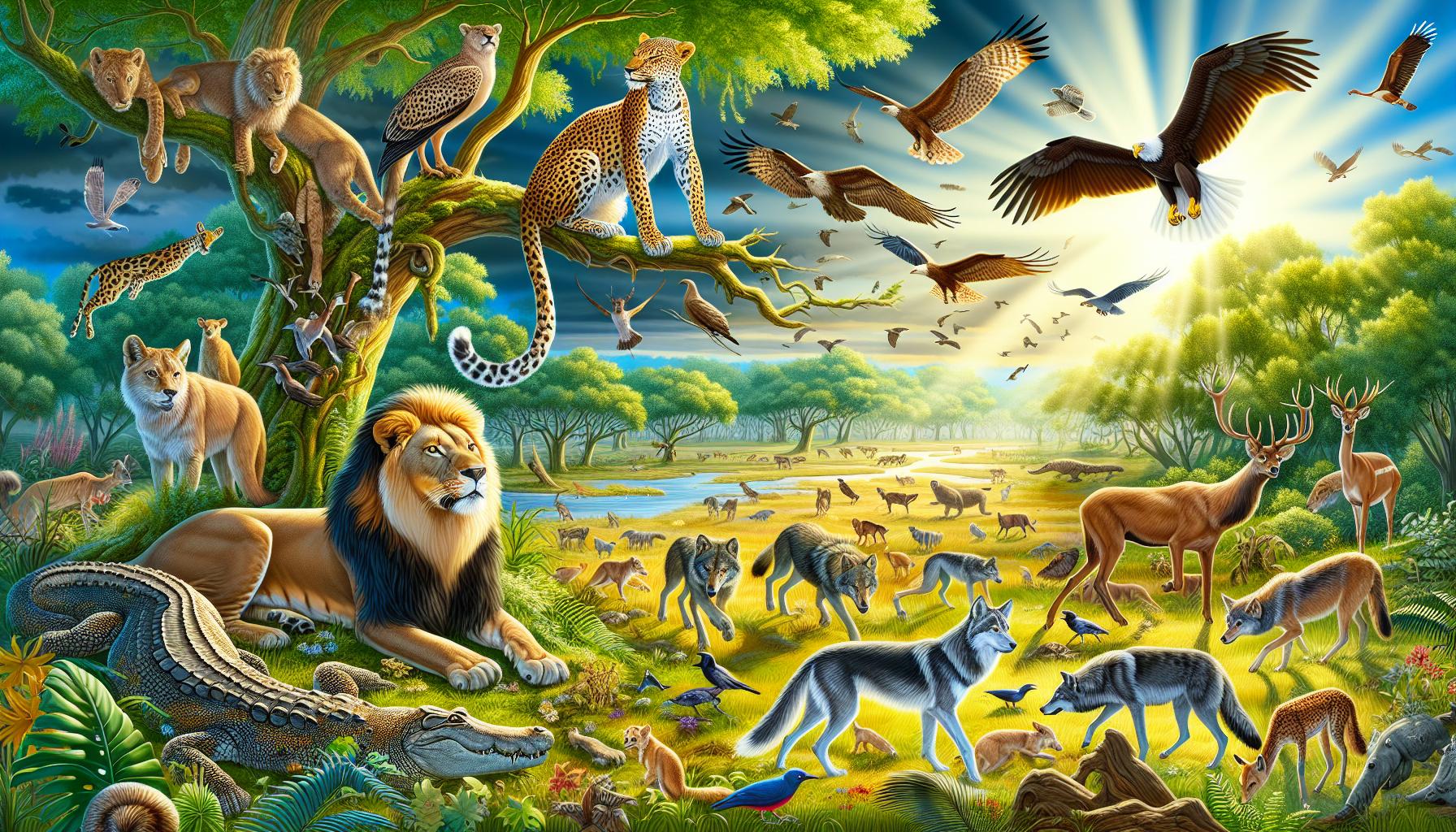
The Role of Predators in the Ecosystem
Despite their massive size and formidable presence, hippopotamuses do face predator threats in their natural environment, albeit these threats are relatively limited. In the wild, the challenge of hunting adult hippos is not an endeavor for average predators; instead, it requires a level of bravery and strategy that only a few can muster. The primary reason for this is the hippo’s sheer bulk, powerful jaws, and aggressive defense of their territory. However, young calves are more vulnerable, and their survival can be affected by predation, particularly from large carnivores.
One of the most notable natural predators of hippopotamus calves is the Nile crocodile. Found in the same aquatic habitats, these reptiles take advantage of their stealth and ambush techniques, attacking young hippos near the water’s edge. Although crocodiles are capable of inflicting harm on fully grown hippos, they generally prefer to target weaker members of the group, particularly the young. Adult hippos pose a far greater risk, as they can easily defend themselves with their powerful teeth and aggressive behavior.
The Importance of Predators in Ecosystems
Predators play a crucial role in maintaining the balance of ecosystems, even in the context of animals as robust as hippopotamuses. By preying on the weaker or younger individuals, predators help regulate hippo populations, which can prevent overgrazing in their habitats. This balance ensures that grasslands and waterways remain healthy, allowing both hippos and other species to thrive.
Furthermore, when large predators are present in an ecosystem, they often influence the behavior of prey species. For instance, hippos may alter their movement patterns or grazing habits when they sense a significant predator presence, which can lead to increased vegetation growth in other areas, allowing for biodiversity to flourish. Thus, while the relationship between hippos and their predators may seem straightforward, it is part of a complex web of interactions that sustain the health of their environments.
In understanding the roles that these predators play, we can appreciate not only the challenges faced by hippos but also the importance of maintaining a balanced ecosystem. Conservation efforts need to account for the presence of predators to foster a healthy environment for all species involved.
Top Predators of the Hippopotamus Explained
Despite their enormous size and formidable reputation, hippopotamuses are not completely safe from the threats of predation, particularly when it comes to their vulnerable young. The primary predators that dare to take on these massive creatures are large carnivores such as Nile crocodiles and lions, though the latter typically pose a greater threat to hippos in their youthful stage rather than to adults.
Crocodiles: The Silent Hunters
Nile crocodiles are perhaps the most significant predators of hippo calves. Found in the same riverine habitats as hippos, these stealthy reptiles utilize their patient ambush tactics to attack young hippos, often targeting them when they venture too close to the water’s edge. Their powerful jaws and cunning hunting strategy enable them to capture these defenseless youngsters before they can reach safety. Adult hippos have few predators due to their immense size and aggressive nature; however, crocodiles can still inflict serious injuries when they attack in packs or focus on isolated individuals.
Lions: Opportunistic Predators
Lions, though primarily terrestrial hunters, do not shy away from attempting to prey on teenage hippos or incapacitated adults. While highly unusual, these ambitious felines can coordinate their efforts and use the element of surprise to potentially take down a hippo, especially if it is separated from the protection of its group. However, the risks involved are substantial; lions can suffer severe injuries from a desperate hippo’s defense.
The Role of Hyenas and Wild Dogs
While not direct hunters of adult hippos, spotted hyenas and African wild dogs often scavenge upon hippo carcasses when they occur, taking advantage of the natural vulnerabilities within the hippo population. When an adult hippo is injured or dies, these cunning scavengers seize the opportunity to feed.
In summary, though adult hippos are formidable creatures unlikely to fall victim to predation, their young face significant risks from crocodiles, with opportunistic lions also posing a threat. Understanding these predator-prey dynamics is crucial for appreciating the intricate balance of ecosystems where these awe-inspiring mammals reside. Such knowledge can help inform conservation efforts, ensuring that measures are in place to protect both hippos and their natural predators.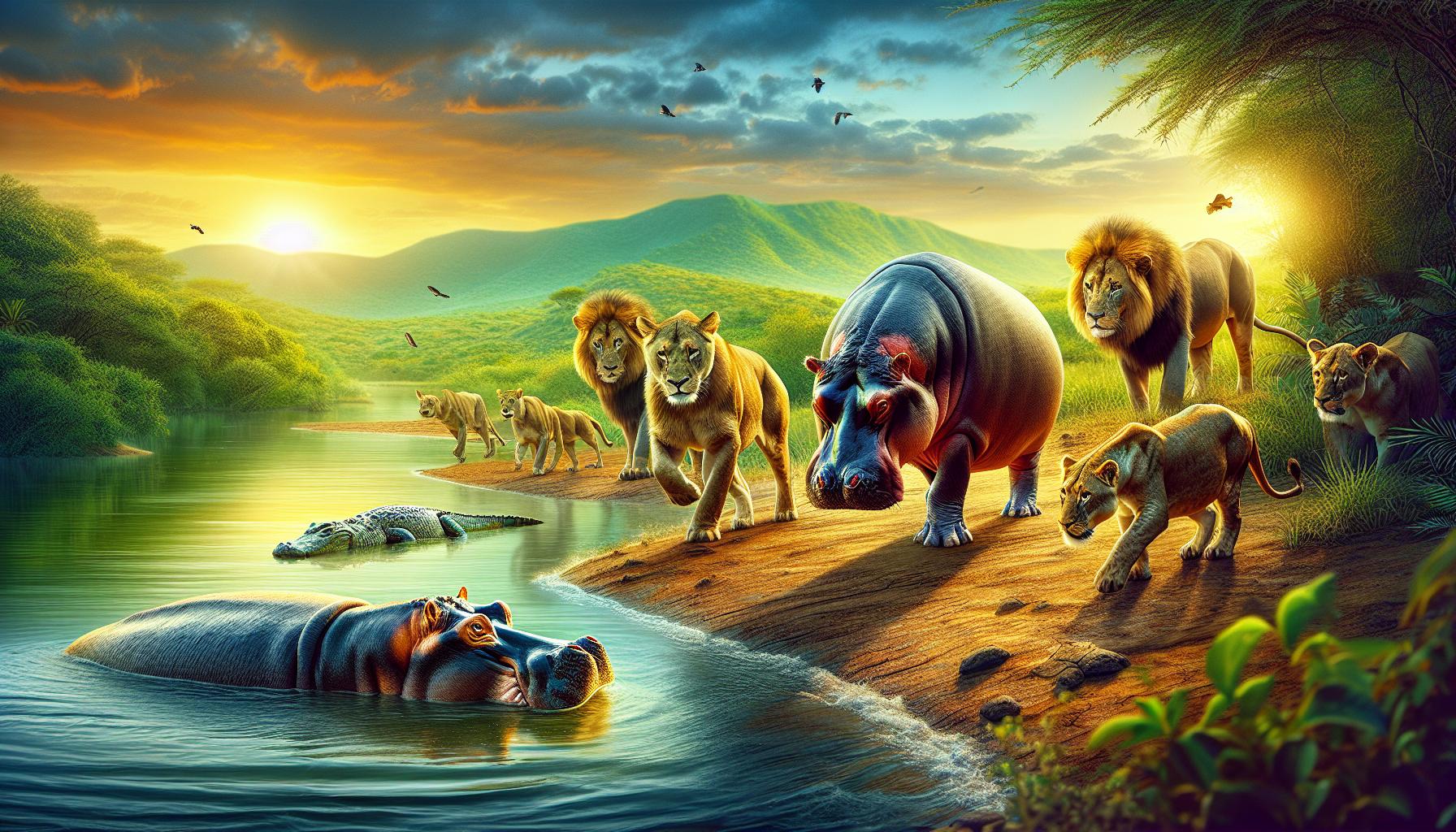
Challenges Faced by Hippo Predators
Hunting the hippopotamus can be a perilous endeavor for predators, largely due to the hippo’s impressive size, aggressive behavior, and social structure. Adult hippos can weigh up to 4,000 kilograms (over 8,800 pounds) and possess powerful jaws that can snap a crocodile in half. Consequently, most predators who target hippos typically aim for calves or weakened adults, navigating a series of significant challenges in these precarious hunts.
One of the primary difficulties for predators is the innate strength and ferocity of the hippo. With an aggressive nature, hippos are protective of their young, often forming pods that can quicken to defend against attackers. When threatened, hippos can display shocking speed on land, covering distances of up to 30 kilometers per hour (19 miles per hour) despite their bulk. This ability to move rapidly, combined with their territorial instincts, makes approaching hippos a high-risk venture for any predator.
Moreover, the hunting strategies employed by common predators such as lions and crocodiles vary significantly when faced with formidable hippo defenses. While Nile crocodiles can effectively ambush young hippos at riverbanks, the challenge lies in timing and precision-one miscalculation could be fatal. In contrast, lions, even when coordinating as a pride, must be acutely aware of the consequences their efforts could have. Hippos, when threatened, can lash out violently, leading to potentially crippling injuries for opportunistic predators.
Additionally, the ecological factors surrounding hippo predation complicate the scenario further. For example, the availability and density of prey in their environment can dictate how aggressive predators will be in pursuing hippos. When alternative food sources are scarce, predators might become more desperate, risking confrontations with hippos that they might otherwise avoid. This delicate balance illustrates the complex interplay between predator and prey dynamics, underscoring the significant challenges faced in pursuing such a formidable target as the hippopotamus.
Cultural Perspectives on Hunting Hippos
Throughout history, the hippopotamus has captured the imagination of various cultures, leading to a complex interplay of reverence, fear, and exploitation. In many African traditions, hippos are viewed as powerful symbols, representing both creation and destruction. Their formidable size and aggressive nature have made them both a source of fascination and a target for hunting. In certain communities, hunting hippos is steeped in cultural significance, often associated with rites of passage, bravery, and communal bonding.
In the past, hunting these massive creatures was not merely for food but played a pivotal role in the social fabric of societies. The capture of a hippo could signify strength and prowess, and the meat shared among community members fostered a sense of unity. Hippo tusks and bones were also valued for their utilitarian purposes, being crafted into tools and ornaments. However, as wildlife conservation awareness has grown, there has been a shift towards protecting these animals, highlighting the need for sustainable practices to preserve both the species and the cultural traditions surrounding them.
Despite the cultural heritage associated with hippo hunting, the realities of modern life and ecological awareness have led to ethical considerations. With the hippopotamus facing threats from habitat loss and poaching, many communities are re-evaluating their relationships with these animals. Initiatives promoting ecotourism present alternative ways for local populations to benefit financially while celebrating and protecting hippos, turning potential hunting exploits into opportunities for wildlife observation and education.
As discussions around hunting practices evolve, it is crucial to find balance. Engaging local communities in conservation efforts and sharing the narrative of hippos as vital parts of their ecosystems can reshape perspectives. Rather than seeing hippos solely as game, they can be appreciated as an integral part of local biodiversity, with their protection enhancing the cultural and ecological landscape of Africa.
Legal Protections and Conservation Status
The hippopotamus, a powerful semi-aquatic mammal native to sub-Saharan Africa, faces significant challenges in the wild, particularly due to increasing human activity and habitat degradation. This fascinating creature, despite its mass and ferocity, is listed as vulnerable by the International Union for Conservation of Nature (IUCN). The legal protections in place aim to mitigate threats such as poaching and habitat loss, thereby enhancing conservation efforts for this iconic species.
Legal protections vary across nations but generally encompass laws that prohibit hunting without permits and regulations designed to protect natural habitats. In some African countries, the hippo is protected under national legislation that limits or prohibits hunting, reflecting a growing recognition of its ecological importance and the need for sustainable practices. For example, places like Kenya and Tanzania have established game reserves and national parks where hippos can thrive without the threat of poaching. However, these regulations are often challenging to enforce due to limited resources and widespread poverty, which can drive local communities to exploit wildlife resources for short-term gains.
Global initiatives, such as the Convention on International Trade in Endangered Species of Wild Fauna and Flora (CITES), also play a significant role in protecting hippos. CITES regulates international trade of hippo products, including ivory from their tusks, reducing incentives for poaching. Additionally, conservation organizations work to raise awareness about the ecological significance of hippos and the threats they face. These organizations often collaborate with local communities to promote ecotourism as a sustainable alternative to hunting, showcasing the hippo’s value as a living resource and fostering a culture of conservation.
Ultimately, the future of the hippopotamus hinges not only on legal protections but also on the commitment of local communities and global stakeholders to uphold these laws and promote habitat conservation. Education and engagement are crucial in this respect; teaching communities about the benefits of preserving hippos can lead to innovative solutions that balance ecological health with socio-economic development. As conservation efforts evolve, the hope is to transform the narrative surrounding hippos from one of exploitation to one of reverence and protection, ensuring that this majestic creature continues to roam the waters of Africa for generations to come.
Human Interaction: A Growing Threat
Human encroachment on natural habitats poses a significant threat to the survival of hippopotamuses, an iconic species native to sub-Saharan Africa. As human populations grow and urban areas expand, the land traditionally inhabited by hippos is increasingly fragmented. This not only displaces these animals but also brings them into closer contact with human communities, leading to potential conflicts. For instance, when hippos venture out of their aquatic environments to seek food, they may invade agricultural lands, resulting in crop damage. Such interactions often culminate in a cycle of retaliation, where farmers may feel compelled to eliminate these animals, further jeopardizing their already vulnerable populations.
Moreover, the demand for land for agricultural development and infrastructure projects leads to significant habitat loss and degradation. Wetlands, riverbanks, and other vital ecosystems that support hippo populations are being drained and altered. This habitat destruction not only limits the space available for hippos but also disrupts the delicate balance of their ecosystem, affecting other species that share their environment. Conservationists have voiced concerns over these changes, as hippos rely on specific habitats to thrive and reproduce.
In addition to habitat loss, the illegal hunting of hippos remains a pressing concern. Despite legal protections, poaching continues, driven by the demand for hippo meat and tusks. This illegal activity is often exacerbated by poverty, as local communities seek out short-term economic benefits. Conservation efforts must therefore address the socio-economic challenges that lead to poaching while simultaneously promoting sustainable practices, such as ecotourism. By showcasing the economic value of live hippos to local communities, there is potential to shift perspectives from viewing these creatures as pests or resources to appreciating their ecological importance and intrinsic value.
To effectively mitigate these threats, education and community engagement are paramount. Programs that inform local populations about the ecological roles of hippos, alongside initiatives that provide alternative livelihoods, can foster a sense of stewardship toward wildlife. Through collaborative efforts, it is possible to create solutions that not only ensure the survival of hippos but also promote harmony between humans and the natural world, thus securing the future of this magnificent species amidst a landscape of growing adversity.
Evolutionary Adaptations of Hippos Against Predators
In the wild, where the ebb and flow of predator and prey define the balance of ecosystems, the hippopotamus stands as a formidable character, equipped with a suite of adaptations that aid its survival against potential threats. One captivating aspect of the hippo’s evolution is its impressive physicality; adults can weigh between 2,000 to 4,000 pounds, making them the third-largest land mammals, surpassed only by elephants and rhinos. This massive size serves as a primary defense mechanism, deterring many predators that might otherwise consider the hippo a meal. While lions and crocodiles are among the few animals daring enough to hunt a hippo, their chances of success are slim, especially when targeting adults.
Physical Adaptations
Hippos possess thick skin, which can measure up to 2 inches in thickness. This robust layer not only acts as armor against bites but also minimizes water loss, crucial for their semi-aquatic lifestyle. Despite their girth, hippos are surprisingly agile. They can run up to 19 miles per hour on land, making them adept at evading threats. Their large, tusk-like incisors, which can grow up to 16 inches long, are fearsome weapons that can inflict serious injuries on attackers. This adaptation is particularly useful in territorial disputes, as male hippos fiercely guard their territory and will engage in aggressive confrontation when necessary.
Behavioral Adaptations
Besides their physical prowess, hippos exhibit behavioral strategies that further enhance their defense mechanisms. They tend to wallow in water during the day, reducing exposure to the sun and staying cool, while also providing a sanctuary from terrestrial predators. They usually graze at night, which not only minimizes contact with predators but also allows them to feed when it’s cooler. Socially, hippos are known to reside in groups called pods or bloats, which can consist of up to 30 individuals. This social structure creates a collective defense system where numerous individuals can provide vigilance against predators.
Enormously territorial and protective, especially females with calves, they demonstrate an extraordinary commitment to defending their young. A mother hippo will fiercely ward off threats, showcasing an instinctual adaptation that prioritizes the breeding success of the species. This maternal behavior aligns with evolutionary pressures that favor the survival of offspring, ultimately ensuring that hippos continue to thrive in their ecological niches.
In essence, the evolutionary adaptations of the hippopotamus against predators highlight a fascinating interplay of size, strength, and social behavior. These characteristics not only reinforce the hippo’s position in the ecosystem but also present a captivating study on the balance of natural survival tactics.
Infamous Hunting Incidents: Lessons Learned
Enigmatic and formidable, the hippopotamus is not only one of Africa’s most iconic animals but also an embodiment of both beauty and brute strength. As revered as they are feared, there have been infamous hunting incidents that serve as valuable lessons in human-wildlife interactions. One of the key takeaways from these events is the inherent danger humans face when attempting to hunt such a massive and territorial animal. Hippos are responsible for more human fatalities in Africa than any other large mammal, illustrating that their aggressive defense of territory and young can quickly turn a hunting expedition into a life-threatening encounter.
In the 2010s, a hunter in Zambia set out to pursue a hippo, believing it would be a straightforward endeavor due to the animal’s generally docile water behavior. Unfortunately, he misjudged the hippo’s reaction upon being cornered. As the hunter made his approach, the hippo charged, resulting in a tragic outcome. Such incidents emphasize the importance of respecting the power and predatory instincts of hippos, even if they appear placid in their aquatic habitats. This highlights the critical need for comprehensive knowledge about hippo behavior and habitat prior to engaging in any hunting activities.
Lessons Learned from Hunting Incidents:
- Understand Hippo Behavior: Knowledge of hippo aggression during territorial defense is vital; ensure complete awareness of the surroundings and potential escape routes.
- Respect Wildlife Regulations: Compliance with legal frameworks and conservation efforts protects both humans and animals, fostering sustainable interactions with wildlife.
- Limit Contact with Young Hippos: Female hippos are especially protective of their calves, making any perceived threat a catalyst for aggression.
- Prioritize Safety: Always prioritize safety equipment and escape protocols when hunting large mammals; the best practice may often be to observe from a distance.
Such gripping narratives of human miscalculation illuminate the historical and cultural relationship with these majestic creatures. Although hunting can sometimes be perceived as a rite of passage, incidents like these serve as sobering reminders that not all encounters with wildlife go as anticipated. They serve as a call for ongoing dialogue about wildlife respect, conservation, and safety practices for those who dare to interact with nature’s most imposing figures.
Wildlife Photography: Capturing the Hippo in Action
Capturing the hippopotamus in action demands a photographer’s keen eye and a deep understanding of this powerful creature’s behavior and habitat. Known for their formidable presence both in water and on land, hippos provide unique opportunities for wildlife photography. Their natural behavior, especially during the early morning or late afternoon when they are most active, offers a striking contrast against the backdrop of their lush aquatic environments.
To photograph hippos effectively, it’s essential to have patience and respect for their nature. These animals are primarily found in rivers and lakes, and observing them without disturbing their habitat can yield magical moments. Consider using a telephoto lens to maintain a safe distance while capturing their expressions and interactions. This way, whether they are playfully splashing in the water, basking in the sun, or engaging in social behaviors, photographers can document their natural activities without intruding on their space.
Utilizing natural light is crucial, as the golden hour casts a warm glow that enhances the textures of their thick skin and the shimmering water around them. Additionally, understanding the dynamics of the hippos’ social structure can inform when and where to set up for the best shots. For instance, female hippos are often seen with their calves, and capturing a mother’s protective behavior can be a poignant representation of hippo life.
Tips for Capturing Stunning Hippo Images
- Choose the Right Time: Early morning or late afternoon provides the best lighting and activity levels.
- Use a Telephoto Lens: This allows you to photograph from a safe distance, capturing intimate moments without disturbing their behavior.
- Be Patient: Wildlife photography often requires long waits, so arrive prepared with snacks, water, and ample reserves of patience.
- Know Their Behavior: Familiarize yourself with hippo habits; this knowledge helps anticipate their movements, whether they are basking, feeding, or socializing.
This understanding not only enhances the likelihood of striking photographs but also fosters a profound respect for these magnificent creatures and their place within the ecosystem.
Ethical Considerations in Hippo Hunting
The hippopotamus, often dubbed the “river horse,” displays an intriguing blend of power and vulnerability, making it a species that evokes both fascination and ethical concern in hunting contexts. As one of the heaviest land mammals, the impact of hunting these majestic creatures extends far beyond the individual animal, affecting entire ecosystems and the cultural narratives surrounding them. Ethical hunting should begin with a profound understanding of hippos’ crucial role in their habitats. They contribute to nutrient cycling in waterways and play a significant part in maintaining biodiversity. Thus, responsible hunting practices must ensure that any actions taken do not lead to population declines that could disrupt these natural processes.
Respect for the species brings to light the importance of sustainable practices in hunting. Hunters should seek to support local conservation efforts rather than undermine them. This can include participating in regulated hunts that contribute to wildlife management and habitat preservation. It’s crucial for hunts to be accompanied by scientific guidance that monitors hippo populations and ensures that the remaining numbers maintain a healthy genetic diversity. Engaging with local communities and respecting their perspectives on wildlife can further enrich a hunter’s experience while fostering conservation through shared benefits.
Communication in hunting societies often emphasizes “fair chase” ethics, which prioritize respect for the animal and the ecosystem. This philosophy encourages hunters to educate themselves on the species they pursue-taking into account their social structures and behaviors to minimize suffering and ecological disruption. Ethical hunters understand that their actions carry weight and that they are stewards of the land, advocating for practices that protect all wildlife, not just those they target.
Finally, the conversation around hippo hunting must involve a broader narrative of conservation and coexistence. As habitats face increased pressures from human development and climate change, hunting policies must evolve to reflect these realities, prioritizing the long-term health of wildlife populations and ecosystems. This approach not only safeguards the hippo but also enriches the legacy of wildlife hunting as a responsible, informed, and ethical pursuit of a remarkable animal.
Future of Hippos: Conservation Efforts and Impact
Poised at the edge of extinction, the future of the hippopotamus is intricately entwined with a tapestry of conservation efforts aimed at preserving their populations and habitats. Despite their formidable presence as one of the largest land mammals, hippos face relentless threats from poaching, habitat loss, and human-wildlife conflict. The urgent need for comprehensive conservation strategies has never been clearer, as safeguarding this iconic species is crucial not just for biodiversity, but for the health of the ecosystems they inhabit.
One of the primary focuses of hippo conservation is the establishment of protected areas that support their natural behaviors and migration patterns. Special attention is being paid to the rivers and wetlands that serve as their habitats, which are vital for their social structure and breeding. These designated protected zones not only help maintain hippo populations but also bolster the biodiversity within these ecosystems by providing a safe haven for numerous other species that share their environment. Moreover, community-based conservation initiatives have shown promising results, fostering local stewardship of wildlife and creating partnerships that empower communities to protect hippos while benefiting economically from eco-tourism.
Education and awareness campaigns play a critical role in conservation efforts. Local communities are educated about the ecological significance of hippos, emphasizing their impact on nutrient cycling in aquatic ecosystems. By showcasing how hippos contribute to the health of rivers and lakes, conservationists can rally support for initiatives aimed at reducing habitat degradation and promoting sustainable practices. Engaging local populations not only enhances conservation outcomes but also nurtures a culture of coexistence between humans and wildlife.
Continued research is essential to monitor hippo populations and understand their ecological roles better. Utilizing technology such as GPS tracking, scientists can gather valuable data on hippo movements and behaviors, which can inform conservation strategies. Additionally, collaboration with governments to enforce legal protections against poaching and illegal hunting is critical. Policies that promote sustainable hunting practices can offer economic benefits while ensuring that hippo populations remain viable.
Ultimately, the future of hippos hinges on our collective action. By prioritizing conservation initiatives and fostering a robust framework of legal protections, we can ensure that these majestic creatures continue to thrive in their natural habitats. The confluence of conservation, community involvement, and education offers a powerful pathway to secure a future where hippos are not a fleeting memory, but a thriving part of Africa’s rich biodiversity.
Q&A
Q: What animals are the main predators of hippos?
A: The primary predators of hippopotamuses are large crocodiles and lions. While adult hippos are formidable due to their size and aggressive nature, young hippos are at risk from these predators when they stray too far from water. For deeper insights, check out the section on top predators in the ecosystem.
Q: Why are hippos so difficult to hunt?
A: Hippos are difficult to hunt due to their massive size, powerful jaws, and territorial behavior. They can be very aggressive when provoked, particularly when protecting their young. Their ability to stay submerged in water also makes them elusive. Explore more about their evolutionary adaptations against predators for additional context.
Q: How do hippos protect themselves from predators?
A: Hippos rely on their size and social structure for protection. They often gather in groups, which helps them deter potential threats. When in water, they can also immerse themselves, presenting a challenge for predators. For further understanding, refer to the section on evolutionary adaptations.
Q: Are humans a significant threat to hippos?
A: Yes, humans are a major threat to hippos through hunting and habitat destruction. Poaching for their meat and ivory tusks has drastically reduced some populations. Learn more about the impact of human interaction on hippos in our conservation status section.
Q: How do crocodiles attempt to hunt hippos?
A: Crocodiles may hunt young or weak hippos by ambushing them in the water or during their vulnerable moments at the surface. However, adult hippos can easily overpower a crocodile due to their size and strength. Discover more about these hunting strategies in the challenges faced by hippo predators section.
Q: What is the impact of hippo hunting on their population?
A: Hunting has led to significant declines in hippo populations, particularly in regions with less legal protection. Overhunting disrupts the ecological balance, as hippos play a vital role in their habitats. Additional details are available in the cultural perspectives on hunting hippos.
Q: When are hippos most vulnerable to predators?
A: Hippos are most vulnerable to predators during their younger years or when they leave the water to graze on land. Young hippos can easily be targeted by crocodiles and lions. For more on their behavior and habitat, refer to the understanding section of the article.
Q: How do lions hunt hippos?
A: Lions typically target young or injured hippos, often waiting for an opportunity to ambush them when they are out of the water. This strategy requires great caution due to the hippo’s defensive capabilities. More about this can be found in the sections discussing challenges faced by hippo predators.
Key Takeaways
As we’ve explored the fascinating world of hippos and their formidable predators, it’s clear that understanding these complex interactions not only enriches our knowledge of wildlife but also informs responsible pet ownership. Remember, the massive hippo, despite its seemingly docile nature, plays a critical role in its ecosystem, and knowing who hunts these behemoths is vital for appreciating the balance of nature.
For more insights, check out our articles on “The Unique Behaviors of Hippos” and “Caring for Exotic Pets: What You Need to Know” to deepen your understanding. Don’t miss out-sign up for our newsletter to receive the latest updates on wildlife and pet care that you won’t find anywhere else. We invite your thoughts! Share your comments below and connect with our community of wildlife enthusiasts. Let’s continue this exciting journey together!