


When we think of the Arctic’s iconic wildlife, walruses certainly come to mind, but what about their supposed diet? One common myth suggests that walruses feast on penguins. In reality, these massive marine mammals, primarily found in the Northern Hemisphere, have diets that focus on mollusks, clams, and other benthic organisms rather than their southern counterparts.
Understanding the truth behind this misconception not only highlights the fascinating dietary habits of walruses but also sheds light on their ecological role in the Arctic ecosystem. As wildlife enthusiasts or concerned pet owners, it’s crucial to distinguish fact from fiction. Dive into this exploration to uncover why the image of walruses munching on penguins is more myth than reality, and gain insight into the real-life feeding behaviors of these remarkable creatures.
Contents
- 1 Do Walrus Eat Penguins? The Antarctic Myth Debunked
- 2 Understanding Walrus Habitat and Diet
- 3 The Truth About Penguins in the Antarctic
- 4 Comparative Feeding Habits of Walruses and Penguins
- 5 Debunking Common Myths About Marine Predators
- 6 What Walruses Actually Eat in Their Ecosystem
- 7 The Impact of Climate Change on Walrus and Penguin Relations
- 8 Exploring the Unique Adaptations of Walruses
- 9 Penguin Predators: Who Really Eats Penguins?
- 10 Ecological Role of Walruses in Their Environment
- 11 Marine Food Webs: Walruses, Penguins, and Beyond
- 12 Fun Facts About Walruses and Their Feeding Behavior
- 13 Frequently asked questions
- 14 In Conclusion
Do Walrus Eat Penguins? The Antarctic Myth Debunked
The notion that walruses prey on penguins has captured the imagination of many, but it is predominantly a myth. In reality, the habitats of these two marine animals do not overlap, as walruses are found in the icy waters of the Arctic, while penguins are confined to the Southern Hemisphere, particularly Antarctica. Therefore, walruses and penguins coexist in completely separate ecosystems and have no natural contact with one another. This fundamental geographical distinction renders the idea of walruses eating penguins biologically impossible.
Walruses primarily feed on benthic invertebrates like clams, snails, and crabs, using their whiskers to detect food on the ocean floor. Their impressive tusks, which can grow several feet long, are primarily used for defense and stability on ice rather than for hunting. In contrast, penguins are adept swimmers that hunt fish and krill in their cold, nutrient-rich waters. This difference in diet further emphasizes that walruses and penguins lead distinct lifestyles within their respective marine environments.
To debunk this myth further, it’s essential to understand the ecology and evolutionary adaptations of these species. The feeding behaviors of walruses and penguins not only illustrate their specializations in different habitats but also highlight their roles in maintaining the balance of their local ecosystems. Walruses play a vital role in controlling the population of their prey, while penguins contribute to the health of the aquatic food web by transferring energy through their hunting activities.
In summary, the misconception that walruses eat penguins stems from a lack of understanding of marine habitats. The geographic separation, combined with the dietary preferences of both creatures, makes this myth implausible. Educating ourselves about these marine mammals fosters a deeper appreciation and respect for the diverse life forms that inhabit our planet’s oceans.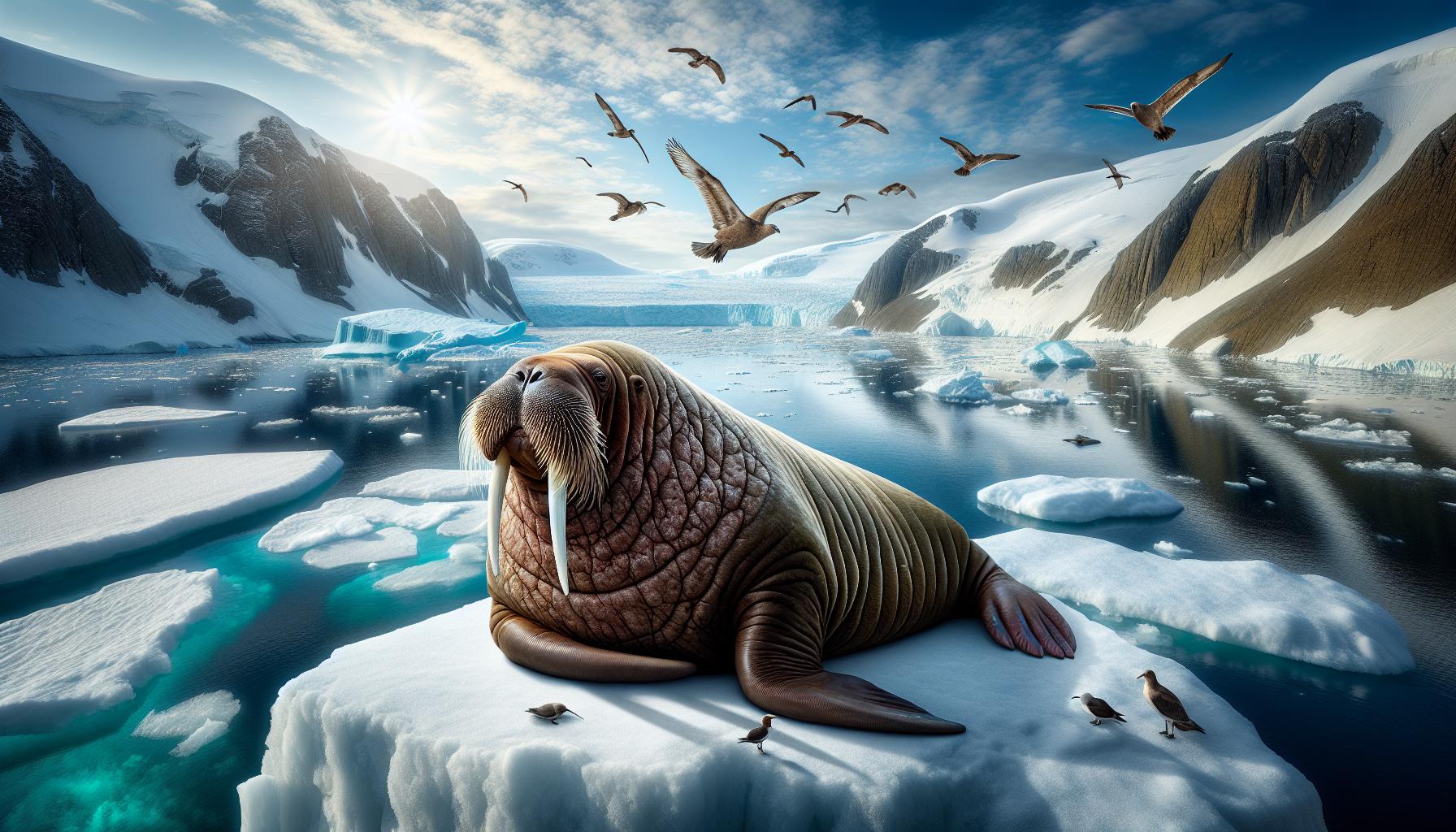
Understanding Walrus Habitat and Diet
Walruses are fascinating marine mammals that thrive in the chilly waters of the Arctic region, showcasing unique adaptations that allow them to flourish in such a harsh environment. They typically inhabit areas of shallow continental shelf waters where they can easily access their primary food sources. These majestic creatures are known for their thick blubber, which not only provides insulation against frigid temperatures but also serves as an energy reserve during lean times. One of the most striking features of walruses is their long tusks, which, contrary to popular belief, are used more for social interactions and asserting dominance rather than for capturing prey.
Their diet is a testament to their excellent adaptation to life in the icy seas. Walruses primarily feast on benthic invertebrates, including clams, snails, and crabs, which they locate using sensitive whiskers known as vibrissae. This ability to detect food on the ocean floor highlights their evolutionary development as bottom feeders. A walrus can consume a staggering amount, upwards of 4,000 clams in a single sitting, demonstrating their prowess as foragers. Their feeding method often involves blowing air to create a cloud of sediment that reveals hidden prey, an effective strategy that showcases their unique relationship with the marine ecosystem.
Understanding walrus habitat also sheds light on their ecological role. These mammals prefer coastal ice habitats, where they can haul out and rest, socializing with others in their pods. The loss of sea ice due to climate change poses a significant threat to their populations and dietary habits. As ice diminishes, walruses must travel farther to find food, leading to increased competition and stress on their natural behaviors. Recognizing these environmental challenges is crucial for conservation efforts aimed at protecting this iconic species alongside their marine ecosystem.
In summary, through their specialized adaptations and feeding strategies, walruses maintain a critical balance in their Arctic environment. Their ecological importance, coupled with the threats posed by climate change, highlights the need for ongoing education and conservation efforts to ensure that these fascinating animals continue to thrive in their natural habitats.
The Truth About Penguins in the Antarctic
The icy vastness of Antarctica is the exclusive realm of penguins, with their fascinating adaptations to harsh climates and unique behaviors. Unlike the mythology that suggests walruses prey upon these flightless birds, there is a geographical divide that keeps them worlds apart-walruses thrive in the Arctic, while penguins inhabit the southernmost reaches of our planet. This enduring myth about walruses eating penguins can be attributed to misconceptions about the habitats in which these two remarkable species exist.
Penguins, known for their social structures and communal living, primarily feast on krill, fish, and other marine life found in the frigid waters around the Antarctic continent. They are well-adapted to their environment, utilizing their streamlined bodies to glide through icy waters in search of food. Penguins exhibit remarkable foraging behaviors, diving deep and using their keen eyesight to locate prey. Their breeding cycles often coincide with the abundance of food, showcasing a delicate balance within their ecosystem.
In stark contrast, walruses are the denizens of the Arctic regions, where they hunt for a diet rich in benthic invertebrates. The absence of penguins in their environment means that walruses do not encounter these birds in their natural foraging habits. Furthermore, walruses rely on community behaviors, gathering in large groups on ice to socialize and raise their young, much like penguins but in their distinct ecological niches.
A crucial aspect of understanding these species is recognizing their role within their respective ecosystems. Penguins are vital to marine food webs, influencing the populations of the organisms they consume and serving as prey for larger predators. Conversely, walruses impact the benthic environments through their feeding activities, maintaining the health of the seafloor ecosystems. The relationship between these species and their habitats underscores the importance of conservation efforts targeted towards protecting both the Arctic and Antarctic ecosystems, ensuring the survival of these iconic creatures amidst the challenges posed by climate change and human activity.
Ultimately, the idea that walruses eat penguins stands as a myth-a reflection of the fascinating, yet often misunderstood, nature of our planet’s wildlife and their habitats. By educating ourselves about the realities of these species, we can foster a deeper appreciation for their ecological roles and the environments they inhabit.
Comparative Feeding Habits of Walruses and Penguins
In the fascinating world of marine biology, walruses and penguins showcase remarkably different feeding habits that reflect their unique adaptations and habitats. While the myth exists that walruses could prey on penguins, the truth reveals a stark contrast in diet and environment. Understanding the feeding behaviors of these animals not only dispels misconceptions but also highlights their ecological roles.
Walruses, inhabiting the cold waters of the Arctic, are primarily benthic feeders. They rely on their sensitive whiskers to detect prey on the ocean floor. Their diet mainly consists of various invertebrates, including clams, snails, and other mollusks. Using their remarkable tusks, walruses can haul themselves onto ice and break through the icy crust to access their food. This method of foraging not only sustains them but also ensures that they play a vital role in maintaining the health of the ocean floor by recycling nutrients and facilitating the growth of their prey species.
Conversely, penguins thrive in the icy waters of the Antarctic and are adept swimmers, thanks to their streamlined bodies and powerful flippers. Their diet consists predominantly of fish, krill, and squid, which they skillfully hunt while diving. Penguins exhibit a range of foraging strategies; some species, like the Emperor penguin, dive deep for fish, while others may skim the surface for krill. Their robust social structures enhance their hunting efficiency, as they often foraging in groups, demonstrating teamwork in locating and capturing food.
Both walruses and penguins illustrate the intricacies of marine food webs, yet their feeding habits reflect the unique pressures of their respective environments. Instead of competing for similar resources, they occupy different ecological niches, emphasizing the importance of biodiversity in our oceans. By appreciating these differences, we gain a deeper understanding of how each species contributes to its ecosystem and the need for ongoing conservation efforts in these delicate polar regions.
Debunking Common Myths About Marine Predators
The ocean is often presented as a dramatic arena of predator and prey, where dramatic confrontations are a staple of popular narratives. Among the many myths that swirl around marine life, one particularly inaccurate notion is that walruses could prey on penguins. This misconception likely arises from a misunderstanding of their respective habitats and dietary preferences. Walruses inhabit the frigid waters of the Arctic, while penguins are adapted to thrive in the Antarctic, an entire hemisphere apart. This geographic separation makes direct interactions between the two species categorically impossible.
Understanding the feeding behaviors of marine predators requires a closer look at their natural habitats. Walruses are bottom-dwelling foragers that primarily consume invertebrates such as clams and snails. Their specialized tusks allow them to haul themselves onto ice and break through the ocean floor, showcasing adaptations finely tuned to their Arctic ecosystem. In contrast, penguins dive into chilly Antarctic waters in pursuit of fish, squid, and krill, possessing hunting skills honed for life in a different marine environment. The adaptations between these two icons of the cold are worlds apart-there’s no overlap that would facilitate any predatory relationship.
Moreover, myths about marine predators often stem from a sensationalized portrayal of wildlife interactions. Creatures like walruses and penguins play essential roles in their ecosystems and are more often enablers of food web stability than aggressors against one another. The imaginative ideas about marine predators engaging in dramatic chases overshadow the real challenges they face, such as climate change and habitat loss, which threaten their populations. Instead of perpetuating the myth of walruses hunting penguins, it’s crucial to focus on conservation efforts aimed at preserving these unique animals and their habitats in the face of significant environmental threats.
In addressing such misunderstandings, it’s essential to rely on science and the ecological realities of these fascinating species. A robust knowledge of marine life enhances our appreciation and respect for the diversity of the ocean, ensuring we can dispel myths and advocate for the conservation of these remarkable creatures within their distinct and essential environments.
What Walruses Actually Eat in Their Ecosystem
Walruses are fascinating creatures, exhibiting a unique feeding behavior that highlights their adaptability in the diverse marine ecosystem of the Arctic. Unlike the erroneous belief that they might prey on penguins, which are found exclusively in the Antarctic, walruses are primarily benthic feeders. Their diet mainly consists of a wide variety of invertebrates, showcasing their role as essential players in the marine food web.
These magnificent marine mammals rely heavily on clams, which can make up a significant portion of their diet. Walruses use their powerful blubber and specialized, sensitive whiskers to locate and dig up these mollusks from the seabed. They are also known to consume snails, sea cucumbers, and various crustaceans. Using their long tusks, they can easily haul themselves onto ice or rocky surfaces, gaining access to their prey and often engaging in social behaviors with others while resting.
Specialized Foraging Techniques
When it comes to feeding, walruses demonstrate remarkable ingenuity. They have a fascinating foraging technique called “vacuum feeding,” in which they suck up the sediment from the ocean floor, allowing them to filter out small, edible creatures. This technique not only highlights their adaptability but also their role in maintaining ecosystem balance, as their feeding habits help aerate and disturb the seafloor, promoting biodiversity.
Interestingly, walruses are known for their social feeding behaviors too. They often hunt in pods, using collective strategies to uncover buried prey. This cooperative foraging not only maximizes their foraging efficiency but also showcases the intricate social dynamics within walrus communities.
Implications of Diet on Ecosystem
The feeding behaviors of walruses have broader ecological implications. By consuming large quantities of invertebrates, they play a crucial role in controlling the populations of these organisms, which can otherwise proliferate if left unchecked. Consequently, walruses contribute to the health of the marine ecosystem, ensuring a balanced population of various species.
As climate change threatens their habitat and food sources, the survival of walruses becomes increasingly complex. Understanding their dietary needs and feeding behaviors is vital for conservation efforts aimed at preserving not just walruses but the entire Arctic marine environment. By acknowledging the true nature of what walruses eat, rather than perpetuating myths about their dietary practices, we can foster a deeper appreciation for these remarkable animals and the critical role they play in their ecosystem.
The Impact of Climate Change on Walrus and Penguin Relations
As the effects of climate change increasingly ripple through the world’s oceans, the implications for both walruses and penguins are profound, although these two majestic species inhabit entirely different ecosystems. Walruses, native to the Arctic, and penguins, primarily found in the Southern Hemisphere, are indirectly linked through the broader ecological changes that threaten their habitats and food sources.
Shifts in sea temperature and ice cover impact walruses directly; they rely on stable ice formations for resting and breeding, as well as for access to their marine prey. As Arctic ice diminishes, walruses may be forced to travel further for food, increasing the stress on their populations. This movement can disrupt their natural feeding behaviors and lead to increased competition for dwindling resources, further endangering their survival.
Meanwhile, penguins are facing their own challenges from climate change, particularly in the Antarctic, where warming seas affect the availability of krill-their primary food source. With fluctuating temperatures disrupting the growth and migration patterns of krill, penguins are finding it more challenging to sustain themselves and raise their chicks. Effectively, both walruses and penguins are caught in a web of ecological challenges that illustrate the interconnectedness of marine life across the globe.
A significant aspect of this relationship is the cascading effect of broader ecological changes. For instance, as walruses struggle to find food and suitable resting places, stress within their populations could lead to increased predation and vulnerability to diseases. This can create shifts in marine dynamics that ultimately affect other species, including penguins, even though they do not share the same habitat. The ecological consequences of climate change are not contained, and the decline of one species can ripple through the food web, impacting many others.
Ultimately, understanding these challenges emphasizes the urgent need for conservation efforts tailored to address the unique habitats of both walruses and penguins. Protecting these ecosystems will not only ensure the survival of these incredible creatures but also help maintain the balance of marine environments that sustain a myriad of species around the world. The reality is that as we navigate the complexities of climate change, we must remain vigilant and committed to preserving the delicate tapestry of life that connects every oceanic inhabitant.
Exploring the Unique Adaptations of Walruses
Walruses are remarkable creatures, displaying a unique set of adaptations that enable them to thrive in the frigid waters of the Arctic. One of the most striking features of these marine mammals is their long tusks, which can grow up to three feet in length. These tusks, which are in fact elongated canine teeth, serve multiple purposes: they help walruses haul themselves onto ice, assert dominance during social interactions, and even play a role in foraging by helping to stir up sediment on the ocean floor to locate clams and other prey.
In addition to their impressive tusks, walruses are equipped with a thick layer of blubber that can measure up to six inches in thickness. This insulating fat not only protects them from the harsh cold but also serves as an energy reserve during periods when food is scarce. Their large size, often exceeding 2,000 pounds, can be advantageous for maintaining body heat in frigid temperatures. The combination of size, fat, and specialized fur enables walruses to withstand the extreme conditions of their Arctic habitats.
Social and Feeding Adaptations
Walruses are inherently social animals, often found in large groups, which provide benefits ranging from protection against predators to increased foraging efficiency. They communicate through a series of vocalizations, and their social structure is complex, with strong bonds forming between mothers and their young. This social behavior is vital for education and survival, as younger walruses learn essential skills from their elders.
When it comes to feeding, walruses exhibit a fascinating adaptation: their whiskers, or vibrissae, are highly sensitive and help them detect the slightest movements on the ocean floor. This is particularly useful when foraging in murky waters. A walrus can consume up to 3,000 clams in a single outing, showcasing their efficient feeding techniques that have evolved to maximize their energy intake in an environment where food sources can be sporadic.
Moreover, walruses utilize their large, flat bodies to rest on ice or beaches, allowing them to conserve energy while basking in the sun. This behavior is crucial not just for rest but also for thermoregulation, as they can manage their body temperature effectively by adjusting their time spent in the water compared to on land.
The evolutionary adaptations of walruses are not just fascinating; they also underscore the intricate relationships within their ecosystems. As they navigate the challenges presented by climate change, understanding these unique traits is critical in the conservation efforts aimed at preserving their populations and habitats.
Penguin Predators: Who Really Eats Penguins?
While walruses may seem like they belong in the same icy embrace as penguins, the two never truly share a habitat. Penguins are exclusive to the Southern Hemisphere, primarily residing in regions like Antarctica and the surrounding islands, whereas walruses inhabit the icy waters of the Arctic. This fundamental geographic separation effectively debunks the myth that walruses eat penguins; such interactions are not possible in the wild.
In the cold marine environments where penguins thrive, their predators are primarily marine animals that can traverse the waters surrounding these land-dwelling birds. Some of the most notable threats to penguins include seals, sharks, and even seabirds like the leopard seal, which is known for its predation of penguins in Antarctic waters. These predators have evolved techniques to catch penguins, which can be vulnerable during their swimming or nesting periods.
It’s critical to understand that while walruses primarily feed on benthic organisms like clams and mussels, their ecological role overlaps in other ways with the local fauna. Walruses contribute to the marine ecosystem by foraging through the ocean floor, which can disturb sediments and create habitats for various marine organisms. This ecosystem involvement can indirectly affect penguin populations by altering local food webs, but it does not lead to any direct predation by walruses on penguins.
In conclusion, the interplay between penguins and their predators highlights a diverse web of relationships in the marine environment, one that walruses are not a part of. The different ecosystems they inhabit, along with the specific adaptations of their respective predators and prey, illustrate the complexity of life in polar regions, showcasing nature’s intricate balance where each species finds its niche. Understanding these dynamics provides invaluable insight into conservation efforts that aim to preserve the unique wildlife found in extreme environments.
Ecological Role of Walruses in Their Environment
The walrus plays a crucial role in the Arctic marine ecosystem, not merely as a passive occupant of icy waters, but as an active agent of ecological change. With their impressive size and unique feeding habits, walruses contribute significantly to the health and balance of their environment. Foraging primarily on benthic organisms such as clams and mussels, walruses use their sensitive whiskers to detect prey buried in the sediment. This behavior not only sustains their diet but also influences the seabed dynamics.
By disturbing the ocean floor while foraging, walruses enhance the biodiversity of their habitat. This activity can help facilitate the growth of various marine species, from algae to smaller fish, which in turn supports the larger food web that includes seals, seabirds, and even polar bears. The ecological balance is vital, as each species, including bottom-dwelling invertebrates, plays a specific role in nutrient cycling and habitat structure.
Moreover, walruses are often seen basking on sea ice, which serves as crucial haul-out sites for resting and socializing. These gatherings promote social interactions and breeding, ensuring the continuation of their population. As a keystone species, walruses serve as indicators of environmental health, signaling shifts in their ecosystem due to climate change or human activities. Their presence or absence can reflect changes in ice coverage and prey availability, making them vital for monitoring the impacts of global warming in polar regions.
In summary, the ecological role of walruses extends beyond their feeding habits; they shape their environment, influence biodiversity, and act as crucial indicators of ongoing ecological changes. Understanding their impact can inform conservation efforts aimed at protecting not just walruses, but the entire Arctic marine ecosystem, highlighting the interconnectedness of life in these remote regions.
Marine Food Webs: Walruses, Penguins, and Beyond
The intricate tapestry of marine food webs reveals the fascinating interactions among species, showcasing how seemingly unrelated animals, such as walruses and penguins, influence each other’s environments, despite their geographic separations. Walruses, inhabiting the frigid waters of the Arctic, primarily feed on benthic organisms like clams, mussels, and other marine invertebrates found on the ocean floor. Through their foraging behavior, walruses not only satisfy their dietary needs but also alter the seabed, allowing for the proliferation of various marine species-this activity plays a crucial role in maintaining biodiversity. In contrast, penguins, thriving in the colder regions of the Southern Hemisphere, feed primarily on fish, krill, and other small marine life, while their predatory behaviors impact the populations of their prey.
In marine ecosystems, each predator and prey relationship is vital-for instance, walruses indirectly support the survival of other marine species. By foraging on the seafloor, they remove certain species from the ecosystem, potentially allowing others to flourish and enhancing the overall health of the habitat. This process highlights the idea of ecological balance, where species, whether large like walruses or small like krill, play crucial roles in nutrient cycling and energy transfer through various levels of the food web. Individual species, even when geographically isolated, demonstrate interconnectedness through global oceanic currents that influence food availability and distribution.
To better understand these dynamics, consider the role of top predators in the marine food web, such as walruses and their Arctic companions like seals and polar bears. As keystone species, walruses maintain the balance of their ecosystem, and their presence indicates the overall health of the Arctic waters. Conversely, penguins, as part of the Southern Ocean ecosystem, face pressures from both natural and human-induced changes, including climate change. The decline of sea ice can lead to increased competition among species and a potential shift in prey availability for penguins, which highlights the fragility of marine food webs.
Thus, while the myth may suggest a direct predatory relationship between walruses and penguins, the reality is that both species exemplify how interconnected ecosystems rely on myriad interactions within a broader ecological framework. Understanding these relationships can guide conservation efforts, emphasizing the need to protect not only individual species but also the diverse ecosystems they inhabit, ensuring the health and future resilience of our planet’s oceans.
Fun Facts About Walruses and Their Feeding Behavior
Walruses are truly fascinating creatures, particularly when it comes to their feeding habits. One of the most remarkable aspects of their behavior is the way they use their sensitive whiskers, known as vibrissae, to detect food on the ocean floor. These whiskers are packed with nerve endings and can sense vibrational signals in the water, helping walruses locate clams and other benthic organisms buried in sediment. This unique adaptation not only enhances their hunting efficiency but also illustrates their specialized role in maintaining their ecosystem’s health.
When it comes to their diet, walruses are primarily mollusk eaters, favoring clams, snails, and mussels, which they can consume in astonishing quantities. In fact, a single walrus can eat up to 6,000 clams in a day! They use their powerful mouths and large, tusks to dig into the seabed, extracting tasty morsels that are essential for their nutritional needs. Interestingly, walruses also have the ability to filter feed, allowing them to consume small fish and invertebrates directly from the water by sucking in their prey and expelling the water through their nostrils.
Another fun fact about walruses is their social feeding behavior. These animals tend to forage in groups, which not only helps them spot food more easily but also provides safety in numbers against potential predators. Additionally, walruses often haul out onto ice or land to rest and socialize after feeding, engaging in playful behavior that strengthens their social bonds. This communal lifestyle highlights the importance of cooperation among walruses, showcasing their complex social structure.
Ultimately, understanding walruses’ feeding habits offers invaluable insight into their ecological role. As they forage on the seafloor, walruses inadvertently shape their environment, allowing for diverse marine life to thrive. This connection exemplifies the interdependence between species in marine ecosystems, emphasizing the need for continued conservation efforts to protect these magnificent animals and their habitats.
Frequently asked questions
Q: Do walruses and penguins share the same habitat?
A: No, walruses and penguins do not share the same habitat. Walruses are primarily found in Arctic regions, whereas penguins inhabit the Southern Hemisphere, particularly Antarctica. This geographical separation makes interactions between the two species virtually impossible.
Q: What is the primary diet of walruses?
A: Walruses primarily feed on benthic invertebrates, such as clams, mollusks, and other seabed organisms. They have specialized tusks for digging and rooting in the ocean floor to find their food, which reinforces their unique role in marine ecosystems.
Q: Can walruses attack penguins?
A: No, walruses do not attack penguins as they do not cohabitate in the same regions. Walruses are more likely to prey on sea creatures like seals or fish rather than land birds such as penguins, which live in the Antarctic.
Q: What myths exist about walruses and their eating habits?
A: One common myth is that walruses could eat penguins due to their size and carnivorous nature. However, this is unfounded as their diet consists mainly of marine invertebrates. The myth likely arises from misconceptions about their predatory behavior in the ocean.
Q: How do walruses hunt their food?
A: Walruses use their sensitive whiskers to detect prey on the seafloor. They dive underwater, often to considerable depths, to forage for clams and other invertebrates, using their tusks to help access their food source effectively.
Q: Are there any other animals that eat penguins?
A: Yes, several marine animals prey on penguins, including leopard seals, sea lions, and certain types of sharks. On land, avian predators like skuas and the giant petrel are also known to attack young or unguarded penguins.
Q: How does climate change affect walrus and penguin populations?
A: Climate change significantly impacts both walruses and penguins by altering their habitats. Melting ice affects walrus breeding grounds and access to food, while penguins face threats from changing sea temperatures and reduced prey availability, affecting their survival rates.
Q: What unique adaptations do walruses have for feeding?
A: Walruses possess several adaptations, such as their long tusks that assist in breaking through ice and rooting out prey. Additionally, their thick blubber provides insulation in freezing temperatures, enabling them to hunt in harsh polar conditions.
In Conclusion
As we unravel the myth of whether walruses eat penguins, it’s clear that these fascinating marine mammals have their own unique dietary preferences, primarily consisting of mollusks and not the flightless birds of the Antarctic. This exploration not only clarifies misconceptions but also highlights the importance of understanding animal behavior in the wild. Curious about other wildlife myths? Dive into our articles on “The Truth About Polar Bears and Their Diet” and “Exploring the Dietary Habits of Seals” for more insights.
Don’t miss out on making informed decisions about your pet’s care! Sign up for our newsletter for the latest insights on animal science and responsible pet ownership. Remember, knowledge is key to fostering a deeper connection with the natural world while ensuring you’re equipped with accurate information. Join the conversation-share your thoughts in the comments below, and explore further as we continue to uncover the wonders of wildlife together!


