


Did you know that penguins are not just solitary creatures but also highly social animals that interact with various wildlife? Understanding the animals penguins engage with is crucial for appreciating their ecological roles and social behaviors. This exploration reveals how these charming birds establish social dynamics within their colonies and the broader ecosystem.
As observers of nature, we often wonder how different species coexist and influence each other’s lives. Penguins interact not only with their own kind but also with predators, prey, and even other bird species. By delving into these interactions, we can learn about the interconnectedness of wildlife and the importance of preservation efforts to maintain these delicate relationships.
Join us as we uncover the fascinating social secrets of penguins and their fellow inhabitants, revealing the vibrant tapestry of life in their environments. Whether you’re a wildlife enthusiast or simply curious about animal behaviors, this journey promises to enlighten and inspire your understanding of penguin interactions.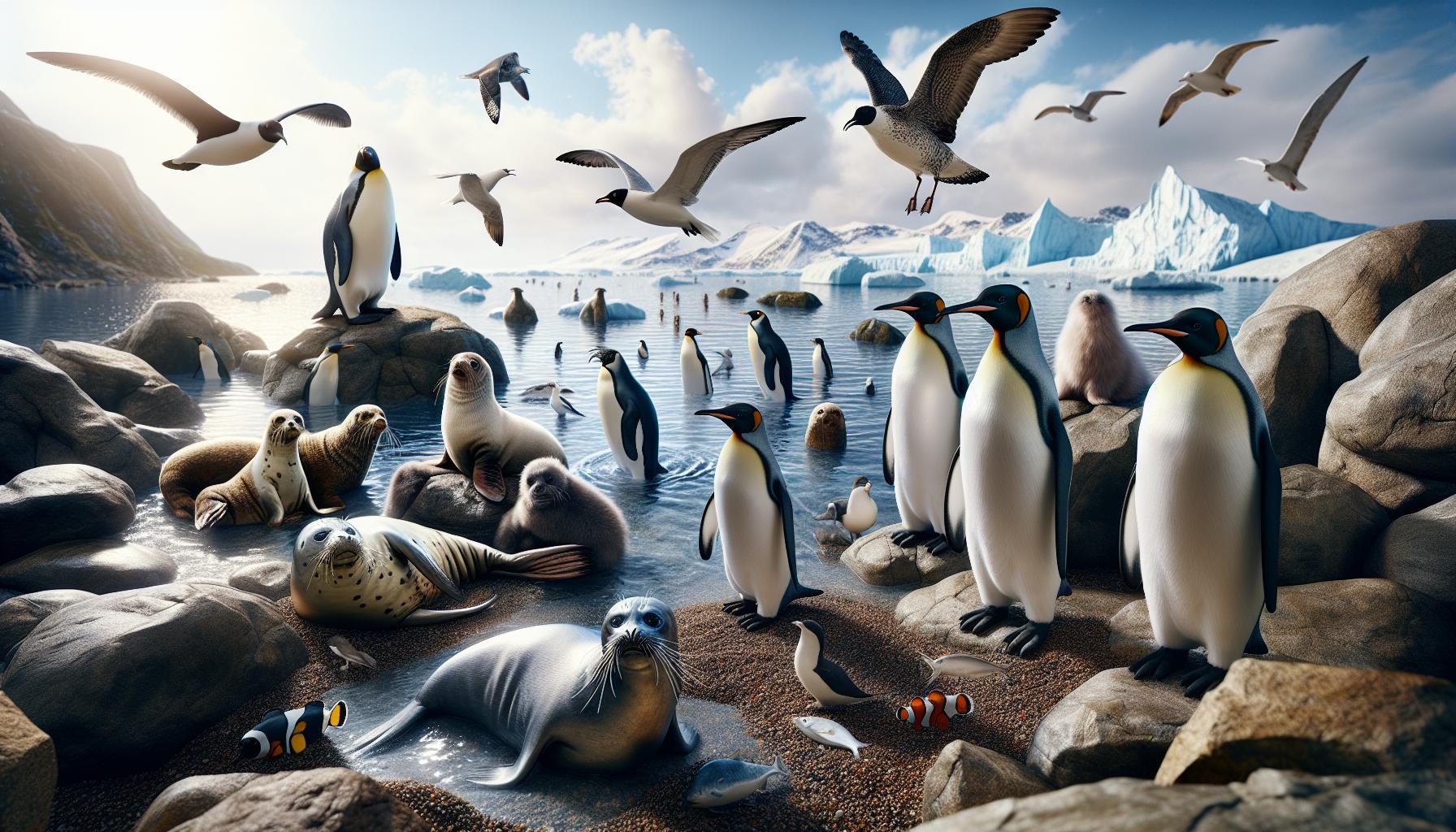
Contents
- 1 What Types of Animals Do Penguins Encounter?
- 2 The Social Structures of Penguin Colonies
- 3 How Penguins Interact with Other Bird Species
- 4 Predatory Relationships: Penguins and Their Enemies
- 5 Coexisting with Marine Life: Penguins and Fish
- 6 The Impact of Climate on Penguin Interactions
- 7 Understanding Penguin Communication Styles
- 8 Unique Partnerships: Penguins and Other Wildlife
- 9 Comparative Behavior: Penguins vs. Other Aquatic Birds
- 10 Penguins in Ecosystem Dynamics: A Broader View
- 11 Conservation Challenges: Protecting Penguin Interactions
- 12 Q&A
- 13 Insights and Conclusions
What Types of Animals Do Penguins Encounter?
Penguins inhabit some of the most extraordinary ecosystems on Earth, where they interact with a diverse array of wildlife. From fellow seabirds to marine mammals, the animal kingdom surrounding these charming birds is rich and varied. Understanding the types of animals penguins encounter reveals much about their adaptability and ecological relationships.
In their native habitats, which range from the icy shores of Antarctica to milder coastal regions, penguins often come across:
- Seabirds: Penguins share their habitat with other seabirds such as albatrosses and petrels. These birds, while not direct competitors, do engage in fascinating interactions concerning food sources and nesting areas.
- Marine Mammals: Seals and sea lions frequently share the waters with penguins. While seals can be predators of penguins, interactions often take place during breeding seasons when penguins nest on land, leading to competition for shoreline space.
- Fish and Krill: Penguins primarily feed on fish and crustaceans like krill, making them a crucial part of the marine food web. This relationship not only supports the penguins’ nutritional needs but also affects the population dynamics of these prey species.
- Land Animals: On land, penguins may encounter birds like skuas, which can prey on penguin eggs and chicks, adding another layer to the survival challenges they face.
These interactions paint a vivid picture of the ecological networks within which penguins thrive. As they navigate their environment, these birds showcase their remarkable adaptability, shifting their behaviors in response to the presence of different animal species around them. Understanding these relationships provides insight into the intricate balance of their ecosystems and the importance of preserving these delicate habitats in the face of environmental changes.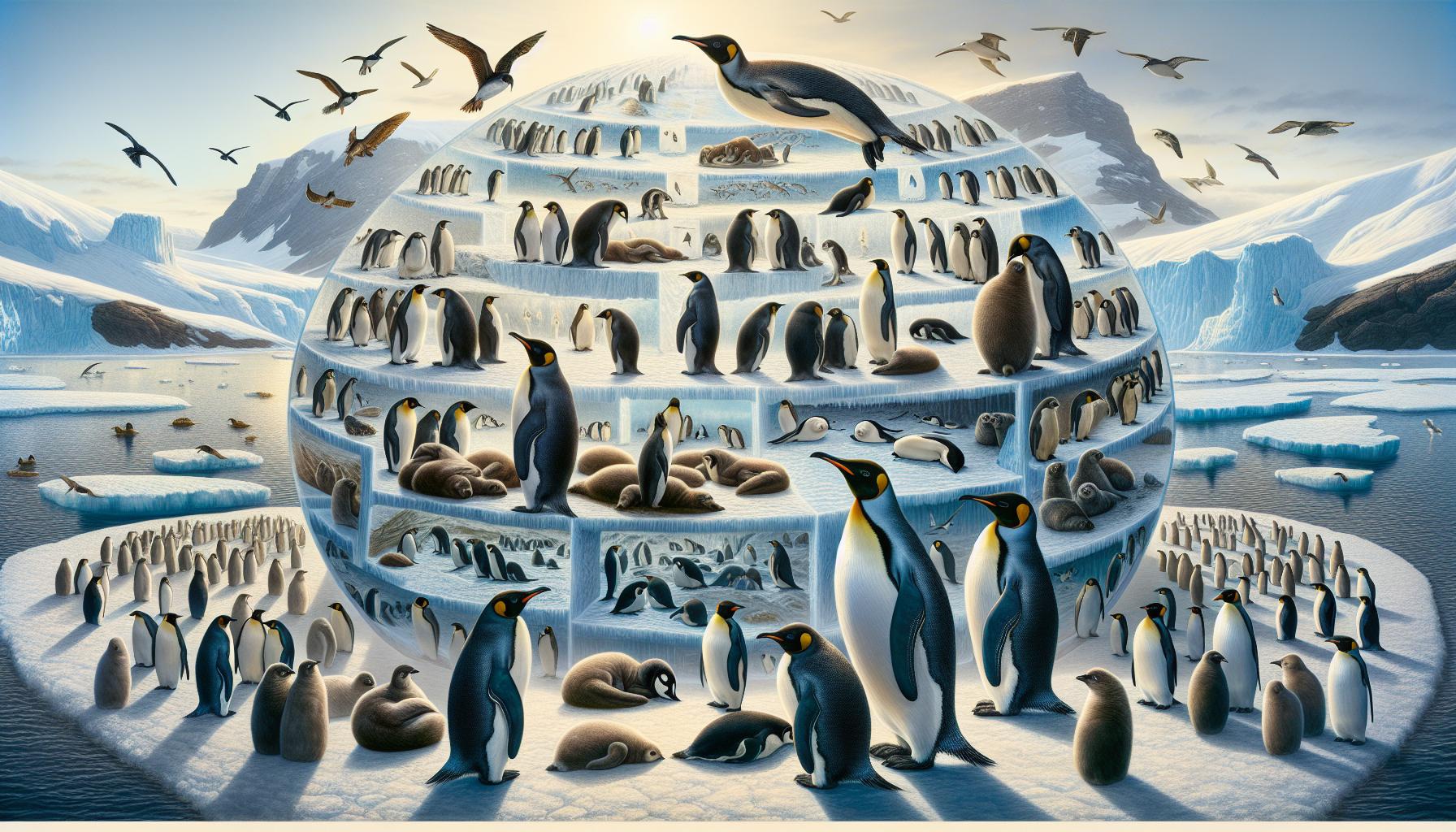
The Social Structures of Penguin Colonies
In the icy realms of Antarctica and along temperate coasts, penguins form intricate social structures that are vital for their survival and reproduction. The density of their colonies allows these charming birds to benefit from social interactions, enhancing their ability to raise young, forage for food, and defend against predators. With a keen sense of community, the social dynamics within penguin colonies reveal much about their behavior and adaptation strategies.
One of the most fascinating aspects of penguin colonies is their breeding behavior. Many species, such as the Emperor penguin, engage in cooperative breeding; this means adult penguins take turns incubating eggs, allowing one parent to forage while the other stays behind to protect the nest. This teamwork is essential in the harsh environment they inhabit, significantly increasing the chances of survival for the chicks once they hatch.
In these colonies, penguins exhibit strong bonds not only with their mates but also with their young and other colony members. The communication styles among penguins are remarkably complex. They rely on vocalizations, body language, and visual signals to convey information about food availability, threats, or the presence of predators. For instance, during feeding, parent penguins use specific calls to locate their chicks in the bustling colony, showcasing their remarkable ability to recognize individual sounds despite the noise of thousands of birds.
Furthermore, territorial behaviors play a crucial role in maintaining the social structure. During the breeding season, male penguins often engage in displays of aggression to establish dominance and secure prime nesting sites. Such interactions can lead to physical confrontations, but they also reinforce social hierarchies, ensuring a stable environment for both breeding and nurturing of the young in the colony. Understanding these social structures not only sheds light on penguin behavior but also emphasizes the importance of preserving their natural habitats, where these intricate social bonds can flourish.
How Penguins Interact with Other Bird Species
In the frigid environments of the Southern Hemisphere, where life is a constant struggle for survival, penguins share their world with a variety of other bird species, revealing intricate interactions that are essential for their survival. From the majestic albatross soaring over the sea to the opportunistic skuas scavenging along the ice, the interactions between penguins and other birds offer fascinating insights into their ecological roles and behaviors.
Many seabirds share nesting sites or hunting grounds with penguins. For instance, while penguins are diving underwater to catch fish, birds like the Brown Skua often patrol the shores, waiting for an opportunity to steal a fish from an unsuspecting penguin. This scavenging behavior not only emphasizes the competitive nature of their environment but also illustrates the delicate balance of predator and prey among avian species. Penguins, particularly those in large colonies, can sometimes benefit from the presence of other birds, as their combined vigilance helps spot potential threats, such as seals or larger predatory birds.
Cooperation and Competition
In some cases, cooperation can be observed between penguins and certain bird species. For example, the presence of seabirds can aid in locating schools of fish, which penguins can then exploit for their own feeding needs. However, this relationship is not without its tensions. During breeding seasons, territorial disputes may arise, particularly among species like the Gentoo and the Adélie penguins, as they fiercely protect their nesting areas from other birds looking to intrude or usurp.
Considering the different challenges faced by these birds, understanding their behavioral strategies in the context of these interactions can enhance our appreciation for their adaptive mechanisms. This includes recognizing when to engage in aggressive behaviors versus when to exhibit a more cooperative stance in order to thrive in a competitive ecosystem.
The Role of Climate Change
As climate change increasingly impacts marine environments, the interactions among penguins and other birds are becoming more pronounced. Changes in fish populations due to rising ocean temperatures can lead to intensified competition for food. Observations indicate that certain bird species are adapting to these changes by altering their foraging patterns, which, in turn, affects penguin feeding practices and success rates in raising chicks.
By understanding these intricate relationships among birds in their habitats, enthusiasts and conservationists can work together to protect not only penguin populations but also the diverse avian life that shares their ecosystems. This knowledge is crucial not just for academic understanding but also for implementing effective conservation strategies in the face of environmental changes.
Predatory Relationships: Penguins and Their Enemies
In the icy realms of the Southern Hemisphere, penguins must navigate a landscape fraught with both natural beauty and lurking dangers. As primarily aquatic birds, their main predators include formidable marine life, such as seals and larger fish, as well as aerial threats, notably skuas and giant petrels. Understanding these predatory relationships not only sheds light on penguin survival strategies but also highlights the complexities of their ecosystems.
The most pressing threat to penguins in the water comes from apex predators like leopard seals and orcas. These marine mammals are efficient hunters, capable of outmaneuvering penguins during their dives for fish, making for a perilous existence. To mitigate this risk, penguins have developed acute swimming techniques, utilizing their powerful flippers to dart away from attacks and employing synchronized swimming behaviors in larger groups, which increases their chances of evading capture. For example, during breeding season, when penguins are especially vulnerable while raising chicks, they may engage in less risky foraging behaviors, such as staying closer to the protection of ice floes or shallow waters.
On land, skuas and giant petrels create another layer of threat, utilizing opportunistic scavenging tactics to take advantage of penguins’ nesting periods. These birds are known to steal eggs or even prey upon unattended chicks, underscoring the high stakes involved in raising young penguins. To defend against these incursions, adult penguins often engage in aggressive posturing and vocalizations, establishing territorial boundaries that can deter potential intruders.
In the context of climate change, these predatory relationships are becoming increasingly strained. As ocean temperatures rise and ice habitats melt, the distribution and behavior of both penguins and their predators are shifting. For instance, research indicates that altered prey availability may force seals to hunt in areas closer to breeding colonies, escalating competition for penguins trying to rear their young. The intricacies of these interactions remind us of the fragile balance within ecosystems and highlight the necessity of concerted conservation efforts to preserve the delicate threads connecting various species.
Understanding the dynamics of these predatory relationships provides essential insights not only into the life of penguins but also into the broader ecological narrative of marine environments. As we deepen our knowledge, we can better appreciate the complexity of animal behavior while working to ensure the survival of these remarkable birds amidst ever-evolving challenges.
Coexisting with Marine Life: Penguins and Fish
In the vast marine ecosystems where penguins thrive, a fascinating interplay occurs between these flightless birds and a myriad of fish species. Penguins are expert hunters, relying heavily on their aquatic hunting skills to catch fish, which forms the cornerstone of their diet. Species such as krill, squid, and various types of fish-including anchovies and sardines-are often on the menu. Penguins adapt their foraging strategies based on a variety of factors like prey availability and environmental conditions, which allows them to exploit different marine resources effectively.
One intriguing aspect of this relationship is how certain fish species influence penguin foraging behavior. Penguins often hunt cooperatively, utilizing group dynamics to herd schools of fish into tight formations, making them easier to catch. This behavior mirrors social strategies seen in other marine predators, revealing a complex layer of interaction driven by necessity. Their synchronized swimming and vocalizations not only serve to boost hunting efficiency but also help maintain social bonds within the colony.
Impact of Environmental Changes
As penguins depend heavily on fish populations, they are particularly vulnerable to fluctuations in these marine ecosystems. Climate change is altering ocean temperatures and currents, consequently affecting the distribution and abundance of fish species. For instance, shifts in water temperature can lead to fish migratory patterns changing, which in turn disrupts penguin feeding grounds. In some cases, penguins have been observed traveling longer distances in search of food, potentially compromising their energy reserves and breeding success.
To navigate these challenges, penguins exhibit remarkable adaptability. Some species have been noted to adjust their diving depths and foraging times based on changes in fish behavior. Understanding these dynamics is crucial not just for penguin conservation efforts but also for maintaining the health of the oceanic environments they inhabit.
In conclusion, the relationship between penguins and fish is not just a simple predator-prey dynamic; it encompasses complex social strategies and is intricately tied to broader environmental changes. This highlights the need for comprehensive conservation strategies that consider the interconnectedness of marine life in the habitats penguins call home. By ensuring healthy fish populations and habitats, we can support the penguins that rely on them, ultimately contributing to vibrant marine ecosystems.
The Impact of Climate on Penguin Interactions
Climate change poses significant challenges to penguins, affecting their interactions with a variety of species and their overall survival. The impact of rising global temperatures leads to alterations in oceanic conditions, such as sea ice melting and changes in water temperature. These shifts can disrupt the delicate balance of marine ecosystems, thereby influencing the behavior and populations of key fish species that penguins rely on for sustenance. With penguins predominantly found in the Southern Hemisphere, this disruption not only jeopardizes their food sources but also alters the ecological relationships they maintain with other species, both marine and terrestrial.
Penguins exhibit extraordinary adaptability in response to these environmental changes. Adjustments in their foraging strategies – such as diving depths and hunting times – enable them to cope with altered fish availability. However, this adaptability has limits; as fish migratory patterns shift due to changing ocean temperatures, many penguin species are compelled to travel longer distances to find food. This increased energy expenditure can strain adult penguins during the critical breeding season when they must also care for their chicks. It poses a challenging dilemma: how to balance the demands of feeding themselves and their young while navigating an ever-changing environment.
Moreover, the repercussions of climate change extend beyond immediate survival as they can lead to modifications in social structures within penguin colonies. Environmental stressors can increase competition for dwindling resources, causing heightened aggression among individuals and altering hierarchies within groups. As penguins are social animals, the well-being of the colony is intricately linked to the health of their marine environment. As fish populations dwindle or alter their migratory patterns, the cooperative hunting behaviors that characterize penguin interactions may also decline, further jeopardizing their efficiency in foraging.
In summary, the intersection of climate change and penguin interactions underscores the intricate dynamics of marine ecosystems. Understanding these relationships is critical for the conservation and protection of penguin populations. Comprehensive strategies must consider the interconnectedness of climate change effects on marine life and the resilience of penguin species. Efforts to mitigate climate impacts, such as protecting marine habitats and ensuring sustainable fish populations, are essential not just for penguins but for the ecological balance of our oceans as a whole.
Understanding Penguin Communication Styles
In the frigid expanses of the Southern Hemisphere, where icy winds whip across the landscape, penguins have mastered the art of communication. Their interactions are not solely a matter of survival; they are vital threads in the fabric of their social lives. By utilizing a complex repertoire of vocalizations, physical gestures, and even visual signals, penguins convey messages that maintain group cohesion, coordinate activities, and nurture familial bonds.
Vocalizations are particularly fascinating among these birds. Penguins are known for their distinctive calls, which can vary widely between species and individuals. For example, the Emperor Penguin boasts a low-frequency call that can travel great distances across the icy terrain, allowing mates to locate one another amid the din of a bustling colony. In contrast, Adélie Penguins use a higher-pitched, repetitive squawking sound to communicate playful greetings and establish social hierarchies within their groups.
Physical Interactions
Alongside vocalizations, physical behavior plays a significant role in their communication. Penguins often engage in elaborate preening rituals, which serve both a hygienic function and a social one. Through these interactions, they establish and reinforce social bonds with their partners and peers. For example, when one penguin approaches another with wings slightly extended, it may indicate an invitation to socialize or strengthen ties, particularly during the breeding season. Additionally, displays of aggression, such as pecking or flapping their flippers, serve as warnings to potential rivals or threats, showcasing an intricate blend of assertive and cooperative behaviors.
Visual Signals and Contextual Understanding
Visual signals are also crucial for penguins, especially when they need to convey information quickly within the often chaotic environment of a breeding colony. The contrasting colors and distinct features of different species allow for recognition of individuals, which is fundamental during mate selection and parenting. For example, the unique markings on a Gentoo Penguin’s head can help individuals identify their mates or chicks among hundreds or thousands of others. Context matters tremendously; understanding the environment and social structure helps decipher the urgency or intention behind a penguin’s call or gesture.
In summary, the communication styles of penguins reflect their deeply social nature and adaptability to harsh environments. These fascinating interactions help maintain harmony within colonies while contributing to the survival and well-being of the species. Observing these behaviors not only unravels the mysteries of their social lives but also highlights the importance of protecting their natural habitats to ensure these remarkable interactions continue.
Unique Partnerships: Penguins and Other Wildlife
In the intricate tapestry of the polar ecosystem, penguins forge fascinating partnerships with a variety of wildlife, forming unique symbiotic relationships that enhance their survival and adaptability. Among the most notable companions are seabirds such as skuas and petrels, which can be seen trailing penguin colonies. While skuas are known for their opportunistic behavior, often preying on penguin eggs and chicks, they also serve a vital role in maintaining ecological balance by cleaning up leftover meals. As predatory scavengers, they ensure that waste is minimized around the nesting areas. In contrast, petrels often engage in mutualistic behavior, preying on the same fish species as penguins while also scavenging remains from their meals.
Marine Partnerships
Penguins also coexist with various marine creatures that enrich their habitat. Species like seals and sea lions often share similar breeding and feeding grounds. While these larger mammals can pose a threat to young penguins, they can also create opportunities for penguins to access more abundant fish stocks, as their hunting activities can drive schools of fish closer to the surface. This dynamic fosters a delicate balance within the food web of coastal regions.
Bird Interactions
Penguins aren’t the only birds navigating the same coasts; their interactions with other seabird species can be quite complex. For instance, some gull species often follow penguins, taking advantage of their feeding frenzy during the penguins’ hunting dives. This behavior, although competitive, illustrates the interconnectedness of the avian community. Penguins also rely on these interactions to help locate food sources, as gulls can signal the presence of abundant fish below the surface.
Land-Based Collaborations
On land, penguins have been observed in proximity to various land mammals. In places like the Falkland Islands, penguins coexist alongside foxes that may scavenge on abandoned nests and dead chicks. Interestingly, while these interactions can be harmful, they also highlight the adaptive strategies penguins deploy to survive in harsh environments-such as nesting in saltwater-resistant grasses that offer additional camouflage and protection.
Conservation Impacts
Understanding the role penguins play within their ecosystems and their relationships with other wildlife underscores the necessity for conservation efforts. Human activities that disrupt these partnerships-such as overfishing, habitat degradation, and climate change-can negatively impact not only penguins but also the myriad species with which they share their environment. This interconnected web of life emphasizes the importance of protecting not only penguins but the entire ecological community that relies on a healthy, balanced ecosystem.
Through these partnerships, penguins illustrate the complex interplay of survival mechanisms within their habitat, reminding us of the profound interdependence of life in the wild. Being aware of these dynamics can aid in making informed decisions about conservation and wildlife management, ensuring that future generations can continue to marvel at the wonders of penguin life.
Comparative Behavior: Penguins vs. Other Aquatic Birds
Diving into the fascinating world of aquatic birds reveals rich behavioral diversity, particularly when comparing penguins to their feathered counterparts. Penguins, with their unique adaptations for swimming, embody a distinct lifestyle that sharply contrasts with other marine birds like gulls and albatrosses. While these birds share habitats, their methods of foraging, social interactions, and parenting strategies showcase varying survival skills shaped by their ecological niches.
Penguins exhibit a remarkable hunting style characterized by agile swimming abilities, allowing them to pursue fish underwater using a technique known as “porpoising,” where they leap out of the water to gather speed. This behavior contrasts with that of seabirds such as gulls, which largely rely on opportunistic foraging strategies that involve scavenging or picking off fish at the ocean’s surface. While gulls often follow penguins to benefit from their feeding frenzies, this relationship highlights a competitive dynamic rather than a cooperative one. Penguins’ reliance on their specialized diving techniques underscores their unique adaptation where their body structure-flipper-like wings and streamlined bodies-enables them to dive deeply, often exceeding depths of 500 feet in search of prey.
Another intriguing aspect lies in parental care. Penguins are known for their centralized, cooperative breeding systems, with many species engaging in shared responsibilities during nesting and chick-rearing. For example, Emperor penguins are famed for their extraordinary commitment, where males incubate eggs on their feet in frigid temperatures while females venture to sea for nourishing. In contrast, other aquatic birds like the albatross demonstrate a more solitary breeding strategy, investing significant energy in long-distance flight to secure food, returning only to their nests at season’s end. This variance in reproductive strategies emphasizes an evolutionary trade-off: penguins invest heavily in their young at the risk of personal survival during harsh climates, whereas albatrosses adapt to a lifestyle that focuses on mobility and extended foraging trips.
As you observe penguins and other aquatic birds, consider how their interactions and behaviors elucidate the vast tapestry of adaptation in marine environments. Whether through direct competition or shared habitats, the behavioral nuances among these avian groups illustrate the intricate balance of ecosystem dynamics. Understanding these relationships enables us to appreciate not only the charm of penguins but also the broader ecological narratives woven within marine avian life.
Penguins in Ecosystem Dynamics: A Broader View
One of the many fascinating aspects of marine ecosystems is the role that penguins play within them, as they occupy a unique ecological niche. As apex predators in their environment, penguins interact with a variety of animal species, both as foragers and as prey. This dynamic relationship not only influences their behavior and survival strategies but also affects other species within the ecosystem, ultimately contributing to the intricate balance of life in oceanic habitats.
Penguins primarily feed on fish, krill, and squid, showcasing their role as significant players in marine food webs. They are highly skilled hunters, utilizing their exceptional diving capabilities to reach depths of over 500 feet in search of prey. This predatory behavior not only helps regulate fish populations but also affects the availability of resources for other marine animals. Species such as seals and orcas often prey on penguins, demonstrating the multifaceted nature of interactions within their environment. By understanding these predator-prey dynamics, we can gain insight into the broader health of marine ecosystems and highlight the importance of each species in maintaining ecological balance.
In addition to their direct interactions with other marine life, penguins also influence the social structures of avian populations. For example, seabirds like gulls capitalizing on penguin feeding frenzies reflect a competitive relationship in which gulls often follow penguins to scavenge remains from their hunts. This behavior highlights not only the opportunistic nature of these species but also the complex web of interactions that contribute to energy transfer within the ecosystem. Similar competitive dynamics can be observed with other seabirds, like albatrosses, which may encounter penguins during their foraging activities.
As climate change and human activities disrupt these delicate ecosystems, understanding penguins’ roles becomes increasingly vital. Changes in ocean temperatures and fish populations impact penguin feeding and breeding success. Conservation efforts aimed at protecting penguins and their habitats will not only benefit these incredible birds but also preserve the broader ecological interactions that rely on their presence. Maintaining healthy penguin populations is essential for sustaining the structural integrity of the marine environments they inhabit, emphasizing the interconnectedness of life in our oceans.
Conservation Challenges: Protecting Penguin Interactions
Emerging from the icy realms of the Southern Hemisphere, penguins are emblematic of the fragile interplay within marine ecosystems. As charismatic but vulnerable creatures, they underscore the urgent need for conservation efforts to safeguard their interactions with the myriad species that inhabit their environment. The intertwining of penguins and their prey-primarily fish, krill, and squid-illustrates a vital food web fraught with challenges, as both marine life and penguins face pressures from climate change, overfishing, and habitat loss.
To effectively protect penguin interactions, it’s essential to promote sustainable fishing practices. By implementing regulations that limit catch sizes and protect critical habitats, we can mitigate the impacts on fish populations, ensuring that penguins have adequate food sources. Furthermore, reducing bycatch-non-target species caught during commercial fishing-can help minimize mortality rates in seabirds and other marine wildlife that share habitat with penguins. Community involvement in local conservation initiatives can also foster a deeper understanding of the ecological roles these birds play and highlight the importance of preserving their environments.
Climate change represents another formidable threat to penguin populations. Alterations in sea temperature and ice formations can disrupt breeding and foraging patterns. Conservation organizations advocate for climate policies aimed at reducing greenhouse gas emissions, thus protecting the habitats essential for penguin survival. Monitoring programs that assess the health of marine ecosystems and the biodiversity within them can provide insights into how changing conditions affect penguin interactions with their environment.
Through education and activism, individuals can contribute to conservation efforts. Simple actions, such as supporting marine protected areas or participating in citizen science projects, can bolster the data needed to inform effective policies. Moreover, fostering awareness about the plight of penguins can inspire others to join the cause, amplifying efforts to address the multifaceted challenges these remarkable birds face. By nurturing a collective commitment to the health of marine ecosystems, we not only secure the future of penguins but also uphold the intricate balance of life within their underwater realms.
Q&A
Q: What non-predatory animals do penguins interact with?
A: Penguins often interact with various non-predatory animals, such as seals and seabirds. These relationships can be cooperative, as they share hunting grounds. Understanding these interactions enhances our knowledge of their ecological roles and social behaviors within their habitats, as discussed in the section on “Unique Partnerships: Penguins and Other Wildlife.”
Q: How do penguins communicate with other animal species?
A: Penguins communicate with other animal species through vocalizations and body language. These interactions can facilitate social bonding and territorial displays, providing insight into their complex communication styles. For more on this, check the “Understanding Penguin Communication Styles” section in the article.
Q: What role do penguins play in their ecosystem?
A: Penguins are significant players in their ecosystems, impacting marine life populations and nutrient cycling. By serving as both predators and prey, they maintain ecological balance. Their role is elaborated upon in the “Penguins in Ecosystem Dynamics: A Broader View” section.
Q: Do penguins form bonds with other bird species?
A: Yes, penguins can form bonds with other bird species. These interactions often revolve around nesting areas and foraging sites, providing mutual benefits in food availability and colony protection. For more detailed information, refer to the section on “How Penguins Interact with Other Bird Species.”
Q: What threats do penguins face from other marine animals?
A: Penguins face threats from various marine animals, notably larger predators like sharks and seals. Understanding these predatory relationships helps inform conservation efforts. The “Predatory Relationships: Penguins and Their Enemies” section explains these dynamics further.
Q: How does climate change affect penguin interactions with other species?
A: Climate change alters food availability and habitats, impacting how penguins interact with other species. They may face competition for resources or shifts in predator-prey dynamics. More details on this can be found in the “The Impact of Climate on Penguin Interactions” section.
Q: What types of fish do penguins commonly interact with?
A: Penguins frequently interact with various fish species like sardines and anchovies, which are key components of their diet. Understanding these interactions is vital for conservation strategies aimed at preserving their food sources. See “Coexisting with Marine Life: Penguins and Fish” for more insight.
Q: How do penguins adapt their social structures to interact with different species?
A: Penguins adapt their social structures to optimize interactions with other species, forming colonies that provide safety and resource sharing. This adaptability is crucial for thriving in dynamic environments. Learn more in “The Social Structures of Penguin Colonies.”
Insights and Conclusions
As we’ve explored, penguins interact with a fascinating array of wildlife-from the playful seals and majestic whales that share their habitat, to their unique social structures and interactions within their colonies. This intricate web of relationships highlights the balance of nature and the importance of every species in these ecosystems. If you’re wondering how these dynamics play out in your own environment, be sure to check out our articles on penguin habitats and caring for aquatic pets.
Don’t miss out on any of our wildlife mysteries! Subscribe to our newsletter to receive the latest insights on animal behaviors and tips for responsible pet ownership. Join the conversation below-share your thoughts or questions, and let’s dive even deeper into the wonders of nature together. Your next adventure in wildlife discovery awaits!


