


Did you know that possums have an extraordinary survival tactic that involves playing dead? This fascinating behavior, known scientifically as thanatosis, allows these marsupials to evade predators by mimicking death. Understanding why possums employ this strategy not only highlights the incredible adaptations of wildlife but also enriches our appreciation for nature’s clever solutions to survival challenges.
Whether you’re a wildlife enthusiast or a concerned pet owner, learning about this quirky yet effective defense mechanism can provide valuable insights into animal behaviors that may impact your interactions with these creatures. As we delve deeper into the reasons behind this unique survival trick, you’ll discover how this strategy has evolved over time and what it means for both possums and the ecosystems they inhabit. Join us as we explore the extraordinary world of possums and their remarkable ability to outsmart danger!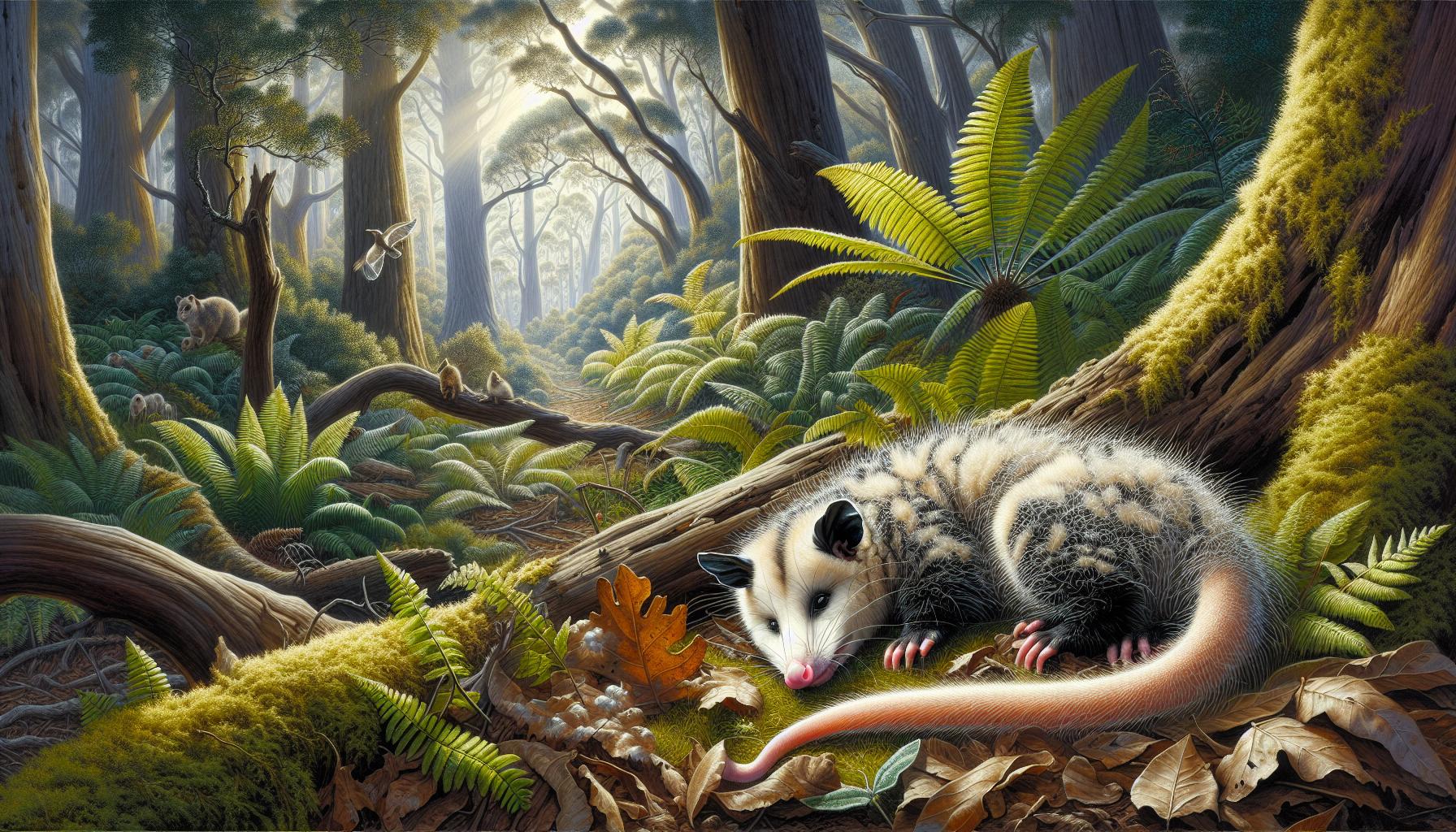
Contents
- 1 Why Do Possums Play Dead? The Science Behind It
- 2 The Evolutionary Benefits of Playing Dead
- 3 Comparing Possum Defense Mechanisms with Other Animals
- 4 Is Playing Dead Unique to Possums?
- 5 The Biology of the Possum’s Deadly Act
- 6 How Possums Use Their Smell and Sound to Survive
- 7 Understanding the Triggers that Cause Play Dead Behavior
- 8 The Role of Stress in Possum Behavior
- 9 Possum Behavior: What Pet Owners Should Know
- 10 How to Create a Safe Environment for Your Pet Possum
- 11 Potential Risks of Keeping Possums as Pets
- 12 The Fascinating World of Possum Communication
- 13 FAQ
- 14 The Way Forward
Why Do Possums Play Dead? The Science Behind It
Playing dead is an extraordinary survival tactic employed by opossums, rooted in their evolutionary biology. This instinctive behavior, known scientifically as thanatosis, allows these marsupials to feign death when threatened, effectively borrowing from the predator-prey dynamic. By becoming immobile, emitting a foul odor, and appearing lifeless, opossums can trick potential predators into losing interest, thinking they have encountered a dead or sick animal. This response can buy critical moments for the opossum to escape when the predator is distracted.
Research suggests that this behavior is not merely reflexive but can be finely tuned based on the circumstances. Opossums have developed a remarkable physiological response during this act: notably, their heart rate dramatically drops, and they enter a near-comatose state for up to several hours. This reaction can leave predators uncertain, as they are instinctively repelled by dead animals due to the potential for disease-a compelling mechanism that enhances the opossum’s chances of survival in the wild.
Understanding why opossums resort to this behavior also intersects with their overall adaptations for survival. Unlike other marsupials, the opossum’s solitary and often scavenger lifestyle requires it to navigate multiple threats, and playing dead becomes a critical tool in their arsenal for evading predators. It’s a fascinating example of nature’s ingenuity, demonstrating how a seemingly simple act can have profound implications for the survival of a species, particularly one that plays such an essential role in its ecosystem by controlling pests and disease-carrying insects.
For pet owners, recognizing this instinctual behavior can be vital. If a pet opossum exhibits signs of distress and goes limp, owners should understand that this may just be their natural reaction to stress, not necessarily an indicator of illness. Creating an environment that minimizes stress can greatly reduce instances of thanatosis, contributing to a healthier, happier opossum.
The Evolutionary Benefits of Playing Dead
The remarkable ability of opossums to play dead, or engage in thanatosis, offers extraordinary evolutionary advantages that enhance their survival. When faced with potential threats, these marsupials can enter a state that mimics death, effectively deceiving predators. This behavior is not just a simple reflex; it has profound roots in evolutionary biology, enabling individuals to escape predation through a clever manipulation of their physiological processes. The fact that opossums can linger in this state for several hours means they possess a unique survival strategy, allowing them to avoid the immediate danger of being preyed upon.
The essence of this evolutionary strategy lies in the opossum’s ecological niche as a scavenger. Unlike many animals that rely on speed or strength to fend off threats, opossums capitalize on deception. Their ability to appear unappealing to predators not only saves their lives but also fosters a sense of unpredictability in the predator-prey dynamic. By playing dead, they tap into the instinctual aversion that many predators have towards deceased animals, often associated with disease and decay. This natural aversion gives the opossum a critical window of opportunity to evade danger, demonstrating how an instinctive behavior can evolve to meet the specific challenges of an animal’s environment.
For pet owners, understanding this unique trait is essential, especially when caring for pet opossums. Recognizing that their pet may resort to playing dead in stressful situations can help prevent unnecessary panic and anxiety. It is vital to create an enriching environment that minimizes stressors, allowing the pet opossum to thrive without feeling threatened. Providing hiding spots, gentle handling, and a calm atmosphere can significantly reduce the triggers that lead to this instinctive behavior, contributing to the overall health and well-being of your pet. In watching these fascinating creatures, we gain insight into the endless ways nature adapts and evolves to secure survival-a reminder of the intricate balance within the animal kingdom.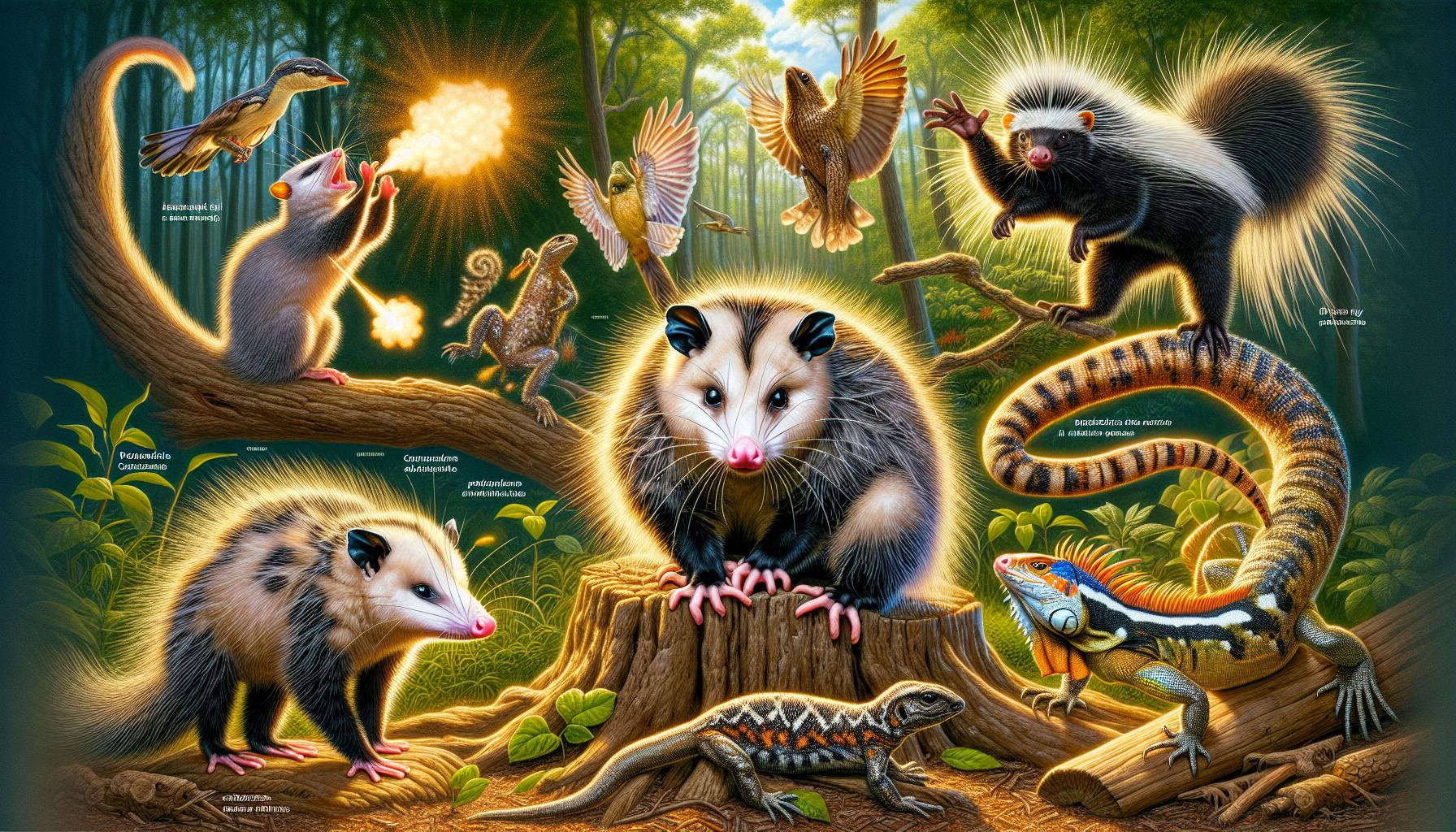
Comparing Possum Defense Mechanisms with Other Animals
The incredible variety of defense mechanisms in the animal kingdom showcases nature’s ingenuity in survival. Opossums, particularly with their unique ability to play dead, embody a fascinating strategy that contrasts sharply with the tactics employed by other species. While many animals rely on flight, fight, or camouflage, opossums have evolved thanatosis, a remarkable method that tricks predators into thinking they are no longer a threat.
Defense Mechanisms in the Animal Kingdom
Other animals adopt diverse methods to evade danger. For example, rabbits use their speed to escape while certain lizards can lose their tails to distract predators, allowing them to escape unharmed. Similarly, some species of octopus can release ink clouds, clouding the water and providing a critical moment for a retreat. Each strategy serves its purpose; however, the opossum’s intricate defense mechanism involves physiological responses that create a lifelike simulation of death. This not only involves an apparent lack of movement but also the secretion of a foul-smelling fluid that enhances the illusion, deterring scavengers and predators alike.
What Makes Playing Dead Unique?
While various animals employ their own forms of deception or defense, the opossum’s ability to remain in a state of apparent death for extended periods is quite rare. Comparatively, certain species such as the hognose snake will play dead when threatened, but this behavior often lasts only a moment before they make their getaway. In contrast, the opossum can maintain thanatosis for hours, a significant advantage that can prevent predation in tense situations.
Opossums also possess an extraordinary adaptability regarding their defensive tactics. They exhibit behaviors where they may freeze or seek hidden spots as initial responses to danger, but when those tactics fail in the presence of persistent threats, they seamlessly transition to playing dead. This layered approach to defense highlights both versatility and preparedness in their evolutionary toolkit.
For pet owners, understanding these defense mechanisms is crucial. Recognizing that your pet opossum might revert to playing dead when stressed can alleviate concerns and help create a stable environment. Providing a safe space, minimizing loud noises, and ensuring gentle handling are key to reducing anxiety in pet opossums, ultimately leading to a happier and healthier pet.
Is Playing Dead Unique to Possums?
The astounding ability of opossums to play dead, also known as thanatosis, sets them apart within the animal kingdom. While several species employ deceptive tactics to avoid predation, few can match the opossum’s mastery of this strategic ruse. Unlike the light-hearted play dead behavior seen in certain snakes, which quickly recover to escape, opossums can convincingly mimic death for several hours, providing them with a critical survival advantage. During this time, they remain completely motionless, their heart rate slows, and they emit a foul-smelling fluid that can lead predators to believe they are carrion rather than a living creature.
This behavior is not only unique in its duration but also in its execution. Other animals, like certain fish or rodents, may feign injury or use mimicry to deter predators, but the physiological processes in opossums are intricate. Their autonomic nervous system triggers a state of shock that lowers their metabolic rates, mimicking the appearance of death remarkably well. The conditions that lead to this state can be physiological as well-high-stress situations precipitated by the presence of a predator act as a catalyst for this extraordinary response.
For pet owners, understanding that playing dead can be a sign of extreme stress in opossums is vital. Creating a nurturing and quiet environment is essential. This includes minimizing loud noises, limiting sudden movements around the pet, and providing safe spaces where they can retreat if they feel threatened. Recognizing the triggers for this behavior not only helps in caring for a pet opossum but also contributes to building a stronger bond and ensuring their overall well-being.
Despite the known capabilities of a few other species employing short-term displays of thanatosis or faux injury, the opossum flourishes as a standout example of how evolutionary adaptations can shape survival strategies. Their unique ability to defy predation through an elaborate act serves as a testament to nature’s complexity and the incredible lengths to which animals will go to secure their survival in the wild.
The Biology of the Possum’s Deadly Act
The opossum’s remarkable ability to play dead is a complex interplay of biology and behavior that captivates both scientists and animal enthusiasts alike. This extraordinary act, which can last for several hours, is not merely a theatrical display but rather a sophisticated survival mechanism, deeply rooted in the creature’s physiology. During this state, the opossum’s autonomic nervous system takes control, triggering a dramatic slowdown in heart rate and breathing. This physiological change effectively simulates death, making the animal less appealing to predators.
A key aspect of this deadly act lies in the opossum’s ability to emit a foul-smelling fluid from its glands, further enhancing its disguise as carrion. This strategy not only deters potential predators but also confounds them, creating an opportunity for the opossum to escape once the threat has passed. Additionally, while in this unresponsive state, their body temperature can drop, and they can even produce a feigned discharge from the mouth, mimicking the appearance of decay. These adaptations are finely tuned to maximize their chances of survival in a predator-rich environment.
Understanding the triggers that lead to this extraordinary response is vital for pet owners. The presence of perceived threats, such as loud noises or sudden movements, can instigate this behavior. To foster a sense of security in pet opossums, it is essential to create an environment that minimizes stress. This includes providing cozy hiding spots, ensuring a quiet atmosphere, and allowing for gentle interaction. Recognizing the signs that may lead to this behavior-such as flattening of the ears, wide eyes, or sudden immobility-can help owners react appropriately and maintain the well-being of their beloved pets.
In essence, the biology behind the opossum’s ability to play dead is a fascinating example of evolutionary adaptation. By merging physiological responses with behavioral strategies, these creatures ensure their survival against formidable threats. For those caring for opossums as pets, understanding this intricate dance of biology and behavior not only enhances their appreciation of these unique animals but also promotes a nurturing atmosphere that supports their health and happiness.
How Possums Use Their Smell and Sound to Survive
The ability of opossums to survive in the wild is remarkable, not just due to their well-known tendency to play dead, but also because of their sophisticated use of smell and sound as crucial tools for evasion and communication. When faced with threats, opossums can emit a distinct foul odor from specialized glands that simulates the scent of decaying meat. This olfactory disguise is an evolutionary marvel that makes them less appealing to predators by suggesting they are already dead or unappetizing.
Additionally, opossums are equipped with a wide range of vocalizations that serve various purposes. They are known to hiss, growl, or squeal when feeling threatened, which can deter potential attackers. The sound acts as a warning to intruders, signaling that they are not an easy target. Moreover, these animals can also communicate distress or discomfort through softer sounds, ensuring they can express their needs to others in their social framework.
To enhance the survival odds of pet opossums, it’s essential for owners to understand these instinctual behaviors. Providing a habitat that mimics their natural environment may encourage the use of natural scents and sounds. For instance, including materials like leaves or wood can facilitate exploration and foraging, helping them feel secure and instinctually connected to their surroundings.
In light of these remarkable adaptations, pet owners should also respect their opossums’ unique communication style. By observing changes in vocalization or odor, one can gauge their pet’s emotional state and stress levels. Creating a calm and reassuring environment, with options for hiding and retreat, can minimize stress and replicate the comfort of their natural habitats, allowing them to thrive both mentally and physically.
Understanding the Triggers that Cause Play Dead Behavior
The instinctual behavior of playing dead, or thanatosis, is a fascinating survival strategy that opossums have perfected over millennia. When faced with an immediate threat-be it from predators like dogs, foxes, or hawks-an opossum will often fall lifeless to the ground, effectively convincing the attacker that it is deceased and unworthy of the effort to prey upon. This startling reaction, which may last several minutes to hours, is triggered by intense fear and anxiety, enabling these marsupials to evade danger in a remarkably effective way.
Several environmental and situational factors initiate this dramatic display. For instance, sudden loud noises, the presence of a stalking animal, or even the vibrational signals of approaching footsteps can all act as catalysts for opossums to engage in this behavior. Their bodies respond to these stressors by shutting down, leading to a temporary immobilization, complete with a physical appearance that mimics that of a dead animal-this includes drooling and the release of a foul-smelling liquid from their glands, further enhancing the ruse.
Opossums also possess a remarkable sensitivity to smell and sound, which they utilize not only to detect threats but also to guide their play dead response. The combination of instinctual recognition of danger and their acute sensory perception ensures they can effectively gauge when to activate this seemingly peculiar tactic. Understanding these triggers is crucial for pet owners who want to cater to the natural instincts of their opossums. Creating a safe environment that minimizes loud noises and unexpected movements can help reduce stress and potentially lessen the frequency of play dead reactions.
Moreover, being aware of the opossum’s inherent fear responses allows pet owners to recognize signs of distress before they culminate in play dead behavior. By providing a secure, enclosed space where their pet can retreat, along with enriching stimuli that keep them engaged and relaxed, owners can create a home where their opossums feel safe enough to explore their surroundings without resorting to this survival tactic.
The Role of Stress in Possum Behavior
The remarkable ability of opossums to play dead is intricately tied to their stress response, exhibiting a fascinating intersection between biology and behavior. When faced with perceived threats, opossums can enter a state of thanatosis-an involuntary response triggered by intense fear. This dramatic act is more than just a clever ruse; it’s a physiological response that involves a series of stress-related reactions designed to increase their chances of survival.
One crucial aspect of this behavior is the role of stress hormones, primarily cortisol and adrenaline, which flood the opossum’s system during a frightening encounter. These hormones can lead to an overwhelming response that causes the opossum’s body to mimic the appearance of a dead creature, complete with limpness, drooling, and the release of a foul odor to deter predators. The duration of this response can vary, often lasting from a few minutes to several hours, enhancing the creature’s chances of escaping predation.
Pet owners should be acutely aware of the stress triggers that can lead to such drastic behavior in their pets. Common stressors include abrupt noises, aggressive animals, or even sudden movements, which can instigate a fearful response. Understanding these triggers allows owners to create a more peaceful environment, minimizing potential stressors. Implementing calming measures-such as providing cozy hiding spots, reducing loud noises, and maintaining a stable daily routine-can significantly improve an opossum’s emotional well-being. By fostering a safe environment, pet owners help mitigate anxiety, reducing the likelihood that their opossum will need to resort to playing dead as a defensive strategy.
Ultimately, maintaining a close connection with an opossum’s natural instincts while creating a low-stress habitat is essential. Observing your pet’s behavior and learning to recognize early signs of stress-such as avoidance or excessive grooming-can enable proactive intervention. This not only nurtures a healthier relationship with your pet but also helps preserve the opossum’s fascinating instincts, allowing them to thrive in a home setting that respects their unique behavioral patterns.
Possum Behavior: What Pet Owners Should Know
Understanding the behavior of opossums is essential for any pet owner, as these fascinating creatures exhibit a range of unique traits that are both captivating and significant for their well-being. Did you know that opossums are the only marsupials found in North America? Their intriguing behaviors, including the notorious act of playing dead, are deeply rooted in their evolutionary adaptations and survival strategies.
When caring for an opossum, it’s crucial to create an environment that reduces stress and encourages natural behaviors. Opossums are highly sensitive to their surroundings. Disturbances such as loud noises, unfamiliar pets, or sudden movements can trigger stress responses, including the urge to play dead. This reaction, while a clever survival tactic in the wild, can be detrimental in captivity. Therefore, pet owners should prioritize a calm and secure habitat. Implementing simple strategies, such as offering cozy hiding spots, minimizing loud or sudden disruptions, and maintaining a consistent routine, can significantly enhance your opossum’s comfort and happiness.
Additionally, understanding an opossum’s communication methods offers valuable insight into their emotional state. These animals communicate through a variety of sounds, including hissing, growling, or even clicking noises. Recognizing these vocalizations can help owners identify when their pet is feeling threatened or anxious. Observing body language, such as excessively grooming or avoiding contact, is equally important, as these behaviors may indicate stress that needs to be addressed.
Lastly, it’s vital to remember that while opossums can be kept as pets, they require specific care that honors their unique nature. They thrive on a diet rich in fruits, veggies, and proteins, similar to what they would find in the wild. Responsible guardians should also be aware of the common misconceptions about these creatures: they are not aggressive and often play a beneficial role in controlling pests. By fostering an appreciation for their natural habits and needs, pet owners can ensure that their opossum leads a fulfilling and healthy life.
How to Create a Safe Environment for Your Pet Possum
Creating a nurturing environment for your pet opossum is crucial for their well-being, particularly given their instinctive behaviors such as playing dead in response to stress or threat. Opossums thrive in calm and secure settings, so a thoughtful approach to their habitat can significantly mitigate anxiety and encourage natural behaviors.
To begin, provide plenty of hiding spots. Opossums are naturally nocturnal and enjoy exploring, but they also seek refuge. Incorporate elements such as tunnels, boxes, and nesting materials to create cozy spaces where they can retreat when feeling vulnerable. These hiding places mimic their natural habitat, reducing stress and allowing them to feel safe.
Maintaining a consistent and quiet environment also plays a pivotal role. Opossums are sensitive to loud noises and sudden movements that can trigger their flight or freeze responses. Designate a serene area of your home as their sanctuary, away from high traffic and loud appliances. Simple strategies like reducing household noise during their active hours and keeping sudden disruptions to a minimum can foster a more relaxed atmosphere.
Nutrition and Socialization
Proper nutrition also contributes to overall health and psychological stability. Opossums are omnivores, so ensuring a balanced diet rich in fruits, vegetables, and proteins can help them thrive. Consider offering a diet that mirrors what they would find in the wild, addressing their nutritional needs while promoting healthy foraging behavior.
Lastly, socialization is key. While they can be solitary in the wild, opossums can benefit from gentle human interaction. Spending quiet, quality time with your pet can help them acclimate to human presence, reinforcing positive experiences in a safe environment. Watch for signs of stress, such as excessive grooming or hiding, and adapt accordingly to provide the best possible care. By creating an environment that prioritizes safety and comfort, you can enhance the quality of life for your opossum while respecting their unique natural instincts.
Potential Risks of Keeping Possums as Pets
Keeping possums as pets can be a rewarding but complex endeavor, presenting several risks that potential owners should carefully consider. As fascinating creatures, possums have adapted unique behaviors such as playing dead to evade predators. However, these instincts also reveal the stresses they experience in unfamiliar environments. Recognizing the difference between wild and domesticated settings is essential for their well-being.
One significant risk is that possums can carry diseases, including leptospirosis and certain strains of parasites like toxoplasmosis. These can pose health threats not only to the pets themselves but also to humans, particularly young children and immunocompromised individuals. Regular veterinary care is crucial, yet some vets may not have experience with this specific species, complicating proper care.
Possums are nocturnal and may be noisy during their active hours, which can disturb household tranquility. This natural behavior requires owners to adjust their living spaces accordingly, potentially impacting other pets or family members. Furthermore, these marsupials are solitary in nature and may experience anxiety when kept in captivity. They can become stressed if not provided with adequate space and stimulation, leading to destructive behaviors or health issues.
Finally, depending on local legislation, owning a possum might not be legal in some areas, which can bring about legal repercussions for pet owners. Before adopting, researching local regulations and ensuring you can meet a possum’s unique needs-such as a proper diet, environmental enrichment, and social interaction-is essential. For those equipped to handle these challenges, the opportunity to bond with such a unique creature can be an enriching experience, but awareness of these risks is key to fostering a healthy and happy habitat.
The Fascinating World of Possum Communication
Possums are not just fascinating for their unique survival traits, such as playing dead, but also for their remarkable communication methods. These marsupials employ a variety of vocalizations, body language, and even scent markers to convey messages and establish social connections. Understanding these communication techniques can enhance the bond between pet owners and their possums while providing insights into their wild counterparts.
Possums communicate through a range of sounds including hisses, growls, and chirps, each serving a different purpose. For example, a possum may hiss when threatened, signaling a need for distance, while softer chirps can indicate contentment, especially during interactions with others. This vocal variety reflects their emotional state and can be crucial for pet owners to interpret, fostering a more harmonious environment. Owners should pay attention to their pet’s sounds, as these can indicate stress or comfort, allowing for timely adjustments in their care routine.
In addition to vocal communication, possums utilize body language to express feelings. When a possum feels threatened, it may puff up its body or arch its back, displaying a defensive posture. Conversely, a relaxed possum might hang loosely, showcasing comfort and security in its surroundings. Recognizing these physical cues is vital for pet owners, as it enables them to respond appropriately to their possum’s needs. Creating a safe space where the animal can exhibit relaxed body language will help minimize stress and foster well-being.
Lastly, scent plays a significant role in possum communication. Possums have scent glands that release pheromones, which help in marking territory and signaling reproductive status. Pet owners should be mindful of their pet’s scent behaviors, as changes can indicate health issues or stress. Facilitating a clean and enriching environment allows possums to express their natural behaviors, making for a more fulfilling life for both the possum and its owner.
By delving into the captivating world of possum communication, pet owners can gain valuable insights into their furry companions. Understanding how these creatures express themselves not only improves day-to-day interactions but also nurtures a sense of trust and connection, enhancing the overall experience of keeping these unique animals.
FAQ
Q: Why do possums pretend to be dead?
A: Possums play dead as a defense mechanism known as thanatosis, which makes them appear unappealing to predators. By simulating death, they hope to deter attacks, as many predators prefer live prey. This instinctive behavior helps increase their chances of survival in the wild.
Q: What triggers a possum to play dead?
A: A possum is triggered to play dead mainly by extreme stress or fear, typically in the presence of potential threats. Sudden movements or aggressive behaviors from predators can evoke this response. Understanding these triggers is crucial for pet owners to create a safe environment.
Q: Is playing dead a common behavior in other animals?
A: Yes, various animals exhibit similar behavior. For instance, some reptiles and insects also resort to playing dead as a survival tactic. However, each species employs this strategy differently, with unique biological mechanisms behind the behavior, much like possums.
Q: How long can a possum stay in this state?
A: Possums can remain in a state of playing dead for up to several hours, depending on the level of threat perceived. This remarkable ability allows them time to escape once the danger has passed, showcasing their adaptability in survival strategies.
Q: Can playing dead be harmful to a possum?
A: While playing dead is generally safe, a possum that remains in this state for too long can become vulnerable to real threats, such as predators or environmental dangers. It’s essential for pet owners to monitor their possum’s behavior during stressful situations.
Q: What other defense mechanisms do possums have?
A: Besides playing dead, possums also use their sharp teeth and hissing sounds to deter predators. They can feign illness by emitting a foul-smelling odor when threatened. Understanding these behaviors can help pet owners address and manage aggression or fear in domestic possums.
Q: How can I tell if my pet possum is stressed?
A: Signs of stress in a pet possum include excessive aggression, hiding, vocalizations, or refusal to eat. Recognizing these behaviors early is vital, as it allows pet owners to take necessary steps to alleviate stress, such as providing a safe and calm environment.
Q: Do possums have any specific predators?
A: Common predators of possums include coyotes, foxes, and domestic dogs. Being aware of these threats can help pet owners protect their possums, especially if they allow outdoor time. Creating safe spaces for outdoor activity can mitigate these risks.
The Way Forward
Now that you’ve uncovered the fascinating survival strategy of the possum playing dead, consider how these incredible behaviors reflect the complexity of wildlife. Engaging with nature’s marvels can inspire both curiosity and responsibility. If you’re interested in learning more about similar animal adaptations, check out our articles on “Amazing Animal Defense Mechanisms” and “The Secrets of Urban Wildlife.”
Don’t forget to sign up for our newsletter to stay updated with the latest insights into wildlife behavior and pet care tips. Whether you’re a wildlife enthusiast or a pet owner, exploring these connections will enhance your understanding and appreciation of the animal kingdom. Share your thoughts in the comments below-how do you see these behaviors in your own pets? Your journey into the wonders of nature doesn’t have to end here; dive deeper with us today!


