


Did you know that ligers, the fascinating hybrids of a male lion and a female tiger, are known to be the largest of all felines? While they capture our imagination with their size and unique traits, one intriguing fact remains: ligers are largely infertile. Understanding why ligers cannot reproduce is a window into the complexities of hybrid genetics and animal biology.
This topic not only sheds light on the scientific principles of hybrid infertility, such as Haldane’s rule, but also raises important questions about the implications for conservation and animal welfare. As animal enthusiasts and potential pet owners, grasping these concepts helps us appreciate the natural order and the challenges hybrids face in a captive environment.
Dive into the science behind this phenomenon, and discover why these majestic creatures, despite their grandeur, cannot continue their lineage. Your curiosity about ligers could lead to a deeper understanding of genetics and the importance of biodiversity.
Contents
- 1 Why Ligers Are Infertile: A Biological Overview
- 2 Genetic Differences Between Lions and Tigers
- 3 The Role of Chromosomes in Hybrid Infertility
- 4 Understanding Hybrid Vigor and Its Limits
- 5 The Science Behind Hybrid Species and Fertility
- 6 Comparative Analysis: Ligers vs. Other Hybrids
- 7 Natural Selection and Hybridization: Design Implications
- 8 Ethical Considerations in Hybrid Animal Breeding
- 9 The Fascinating World of Animal Hybrids
- 10 Conservation Efforts: Protecting Endangered Species
- 11 What Pet Owners Should Know About Hybrid Pets
- 12 Frequently asked questions
- 13 Future Outlook
Why Ligers Are Infertile: A Biological Overview
Crossbreeding different species can yield fascinating hybrids, but when it comes to ligers-offspring of lions and tigers-their infertility is a notable phenomenon that piques the interest of not only wildlife enthusiasts but geneticists as well. Understanding why ligers are unable to reproduce delves into the complexities of genetics, specifically the interplay between species-specific chromosomes and the resulting hybrid vigor-or lack thereof.
One significant aspect contributing to the infertility of ligers is the genetic differences between their parent species. Lions and tigers, although closely related, possess distinct sets of chromosomes that govern their reproductive processes. These genetic differences can lead to complications during meiosis, the process where sperm and eggs are formed. When ligers are conceived, they inherit a mix of chromosomes from both parent species, creating a mismatch that affects reproductive viability. This situation is further articulated by Haldane’s Rule, which explains that in hybrids, the sex that possesses the fewer chromosomes-typically males in mammals-tends to be less viable, resulting in a higher incidence of infertility.
The idea of hybrid vigor, which suggests that crossbreeding can lead to stronger, more resilient offspring, has its limits in the case of ligers. While some aspects of hybrid vigor may apply, they do not translate into reproductive success for these hybrids. Instead, ligers often exhibit a range of health issues and developmental irregularities due to the mixed genetic lineage. Their infertility serves as a poignant reminder of the delicate balance of nature and highlights the importance of understanding species-specific reproductive parameters. Thus, while they may captivate those who behold them, ligers are ultimately reminders of the complexities and limitations inherent in the animal kingdom.
Genetic Differences Between Lions and Tigers
Lions and tigers may share a common ancestry, but the unique genetic makeup of each species sets the stage for the complexities surrounding ligers and their reproductive challenges. This divergence is not merely academic; it has profound implications for hybrid fertility. Lions (Panthera leo) possess 38 chromosomes, while tigers (Panthera tigris) also have 38, but their genetic sequences and arrangements differ significantly. This distinction contributes to the complications encountered when these two grand species interbreed. When a lion and a tiger mate, the resulting liger inherits an intricate mix of genetic material that can lead to mismatches in chromosome pairing during crucial reproductive processes.
During meiosis, the process where germ cells are formed, these chromosomal inconsistencies can lead to irregularities. The mixed chromosome pairs may not align properly, hindering the creation of viable gametes. This presents a significant challenge, particularly for male ligers, who are more likely to experience infertility due to the complexities of their hybrid genetic structure. Haldane’s Rule, which states that hybrid males with fewer chromosomes than their female counterparts often exhibit lower viability, plays a crucial role in the reproductive woes of ligers.
While hybrid vigor, or the phenomenon where crossbreeding leads to stronger offspring, is often celebrated in agriculture and other contexts, its effects are nuanced in hybrids like ligers. Despite the potential for increased vigor in certain traits-such as size and growth rate-this rarely extends to their reproductive capabilities. Ligers often face a host of health challenges, including increased susceptibility to diseases, developmental issues, and even shorter lifespans. These aspects of hybridization illustrate the delicate balance of genetics, evolution, and natural selection, further emphasizing the importance of understanding the implications of crossing species.
In reality, the breeding of ligers serves as a compelling reminder of the intricate tapestry of life on Earth and the challenges faced when manipulating these natural boundaries. For those considering hybrid animals in the realm of pet ownership, it is crucial to approach such decisions with care, fully informed about the potential complexities and responsibilities involved.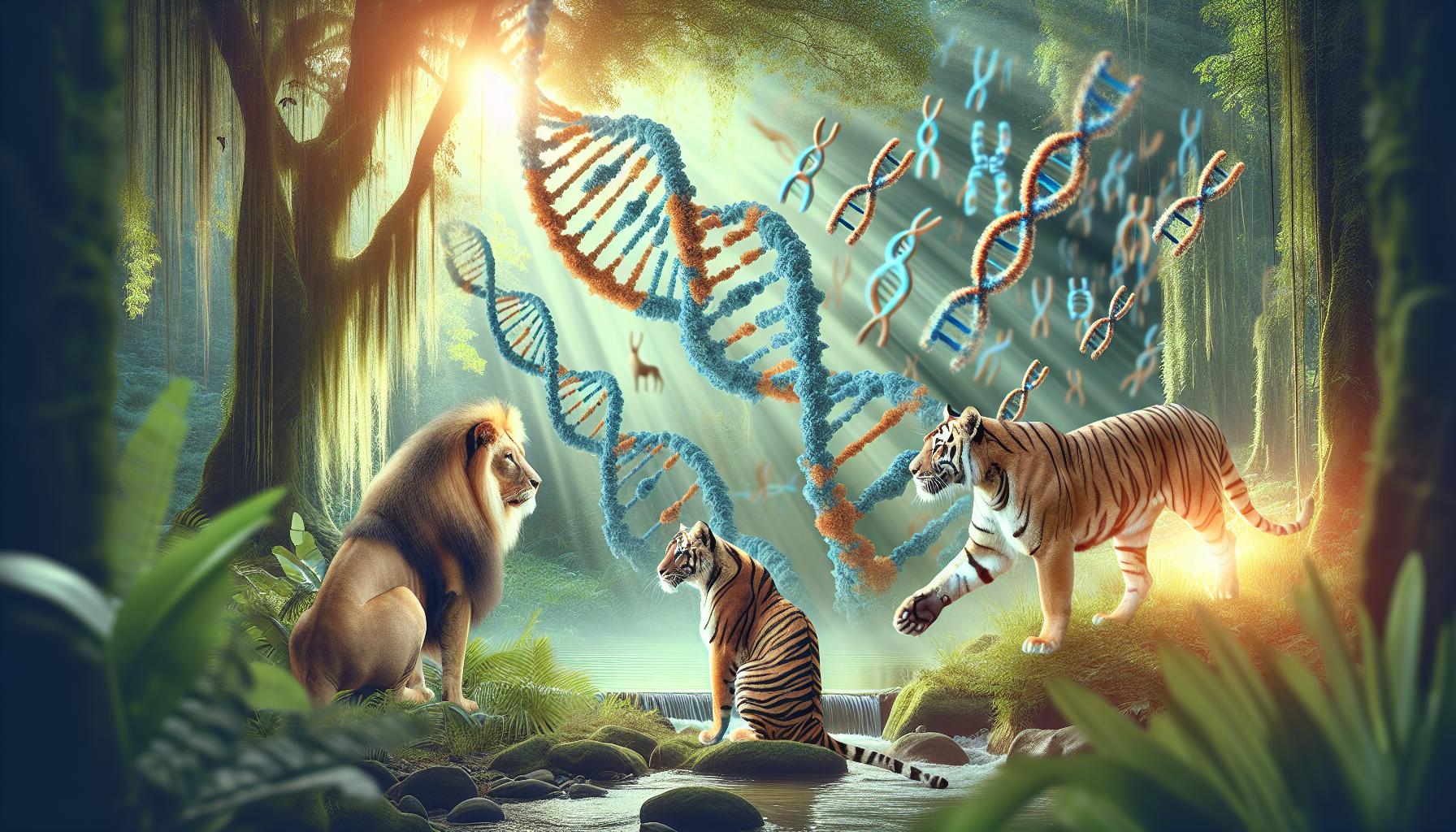
The Role of Chromosomes in Hybrid Infertility
The intricate world of animal genetics holds fascinating mysteries, particularly when it comes to hybrid species like ligers. These majestic creatures, born from the mating of a lion and a tiger, possess 38 chromosomes from each parent, yet the crucial difference lies not just in quantity but in complexity. While they share a similar chromosome count, the unique genetic sequences and arrangements present a significant challenge during reproduction, often leading to infertility in males.
During meiosis-the process of forming reproductive cells-successful chromosome pairing is essential. However, with ligers, the potential mismatches of genetic material can disrupt this delicate dance. These irregularities prevent viable gamete formation, making it exceedingly difficult for ligers, especially males, to reproduce. This situation is a practical application of Haldane’s Rule, which suggests that hybrid males-like ligers-tend to exhibit lower viability due to their unique chromosomal inheritance, often leading to infertility or reduced reproductive success.
While the idea of hybrid vigor suggests that crossbreeding can yield stronger offspring, the reality for ligers is more nuanced. The benefits of hybrid vigor, such as increased size and improved growth rates, do not extend to reproductive health. Instead, ligers often confront a range of health issues, from higher susceptibility to diseases to developmental complications. This phenomenon illustrates the delicate balance that exists within genetic diversity and the potential repercussions when species boundaries are crossed.
For individuals considering the complexities of hybrid pets, understanding the foundational role of chromosomes and the associated biological intricacies is essential. The beauty of hybrids like ligers serves as a reminder of nature’s wonders, but it also underscores the responsibility that comes with managing and caring for such unique animals. Knowledge of their genetic challenges can prepare prospective owners to navigate the complexities of hybrid pet ownership with care and informed insights.
Understanding Hybrid Vigor and Its Limits
The concept of hybrid vigor often captivates animal enthusiasts and geneticists alike, suggesting that crossing two distinct species can yield offspring that are not only larger but also healthier. In the animal kingdom, hybrid vigor reflects the increased vitality observed in some hybrids due to their diverse genetic backgrounds. However, when it comes to ligers-offspring of a lion and a tiger-the narrative becomes significantly more complex. While these hybrids often grow to impressive sizes and showcase remarkable physical traits, the expected benefits of hybrid vigor fail to extend into their reproductive capabilities, particularly in males.
The underlying reason for this disconnect lies in the intricate nature of genetic compatibility. Although ligers inherit 38 chromosomes from each parent, the unique arrangements and sequences of these chromosomes can lead to substantial mismatches during meiosis, the process that creates gametes. This chromosomal disparity hampers the formation of viable sperm, rendering male ligers virtually infertile. Female ligers, on the other hand, can sometimes reproduce, but the potential for a successful mating event does not equate to a guarantee of healthier or more fertile offspring. The health issues they often face, such as a higher risk of diabetes, heart diseases, and various developmental ailments, highlight the limitations of hybrid vigor in promoting overall fitness.
Understanding these limitations is critical for potential pet owners and those intrigued by hybrid animals. While hybrid vigor can enhance physical attributes, it often has little bearing on reproductive health and longevity. Those considering owning a liger must recognize the complexities involved, not only in their genetic make-up but also in the ethical implications of hybrid breeding practices. It’s essential to prioritize responsible breeding and care, ensuring that these magnificent creatures are treated with the respect and understanding their unique biology demands.
Navigating the world of hybrid pets requires a well-informed approach. For instance, potential owners should educate themselves about the holistic care needs of ligers, particularly regarding their diets, exercise, and social interactions. By pairing enthusiasm for these unique animals with a realistic understanding of their genetic challenges, prospective owners can better appreciate the roles that responsible stewardship and informed decision-making play in the lives of hybrid species.
The Science Behind Hybrid Species and Fertility
The intricate world of hybrid species like ligers reveals not just the complexity of genetics, but also the fascinating, and often challenging, realities of breeding across species lines. When lions and tigers mate to produce ligers-an artificially created hybrid-their offspring inherit a unique mix of genetic material that can lead to remarkable physical attributes, but also significant reproductive challenges. Ligers inherit 38 chromosomes from each parent species, yet the combination of their diverse genetic backgrounds can create mismatches during meiosis, the cellular division that produces gametes. This genetic discordance plays a pivotal role in the fertility-or lack thereof-of these hybrids.
Many people may assume that all hybrids, such as ligers, benefit from hybrid vigor, often seen in animals like mules or zonkeys, which are the hybrids of horses and zebras, respectively. However, ligers exhibit a different narrative. While they may grow larger than both parent species and showcase striking physical traits, this does not extend into their ability to reproduce successfully. Male ligers are predominantly infertile due to the ineffective formation of viable sperm. Female ligers, in contrast, can sometimes conceive, although their offspring may face an array of health concerns, diminishing the anticipated benefits of hybrid vigor. This disparity serves as a vital reminder that hybridization’s advantages can be surprisingly variable and species-dependent.
Pet owners and wildlife enthusiasts alike must approach the topic of hybrid animals with informed caution. Understanding the scientific basis of hybrid infertility is crucial not only for fostering knowledge but also for making responsible decisions regarding the care and breeding of these animals. Owners of ligers should prioritize educating themselves on their specific needs, recognizing that these hybrids require specialized diets, exercise regimens, and socialization to thrive despite their genetic challenges. Awareness about their potential health issues is equally important, guiding owners in providing comprehensive veterinary care and a nurturing environment. The vibrant world of animal hybrids, with its blend of wonder and responsibility, calls for a balanced appreciation of the intricate science underpinning these remarkable creatures.
Comparative Analysis: Ligers vs. Other Hybrids
The intricate dynamics of hybridization give rise to a fascinating world of animal hybrids, yet not all hybrids share the same reproductive fate. Ligers, born from the union of a lion and a tiger, often spark intrigue due to their remarkable size and unique traits. However, when compared with other hybrids, such as mules (horse and donkey) and zonkeys (zebra and donkey), the reproductive challenges faced by ligers become all the more pronounced.
Mules, for instance, are renowned for their vigor and resilience, yet they are typically sterile due to a mismatch in chromosome numbers; horses have 64 chromosomes while donkeys have 62, resulting in mules with 63 chromosomes. This chromosomal discrepancy prevents the formation of viable gametes during reproduction. In contrast, ligers inherit 38 chromosomes from each parent, retaining the potential for reproductive capabilities, particularly in females, who can sometimes bear offspring with either parent species. While ligers exhibit the potential for fertility in female hybrids, their male counterparts remain predominantly infertile due to issues with sperm formation. This pivotal difference illustrates how hybrid vigor can manifest variably among different hybrid species based on their unique genetic compositions.
Another example can be seen in the zedonk or zonkey, hybrids of zebras and donkeys. Like mules, these hybrids are generally sterile, but they also demonstrate the unique influence of parent species traits on their behavior and physical characteristics. Zebras, being wild animals, contribute to distinct behavioral patterns in zedonks that differ from the more domesticated nature of donkeys. Thus, the fertility limitations of ligers place them in a unique category within the hybrid landscape, where their enticing physical attributes do not necessarily equate to reproductive success.
Considering ownership and care, it is crucial for potential pet owners of hybrid animals to understand the reproductive peculiarities that accompany such unique breeds. Ligers demand specialized diets and environments to address their physical and behavioral needs but also require awareness of the inherited health problems that may arise from their hybrid lineage. Consistent veterinary care and an understanding of their genetic predispositions will help inform responsible pet ownership, ensuring that these hybrids are given the care they need to thrive despite their reproductive challenges. Understanding the diverse outcomes of hybridization, particularly between ligers and other hybrids, enhances our appreciation for the complexity of animal genetics while guiding responsible ownership practices.
Natural Selection and Hybridization: Design Implications
The interplay between natural selection and hybridization presents a fascinating canvas upon which the complexities of animal behavior and fertility are painted. Ligers, as hybrids resulting from the mating of lions and tigers, embody this interplay, revealing insights into the evolutionary implications of such pairings. While the dramatic size and strength of ligers capture our imagination, the biological realities of their existence prompt important discussions about the viability and consequences of hybrid species in natural ecosystems.
In the wild, species are finely tuned to their environments through the process of natural selection, which favors traits that enhance survival and reproductive success. When lions and tigers compete for and adapt to different niches, their distinct evolutionary paths contribute to profound genetic divergence. This divergence complicates hybridization, as the mixing of species sometimes results in hybrids that inherit advantages from both parent species yet face limitations in their reproductive capabilities. The male liger, for instance, often encounters significant challenges related to sperm production, which inhibits its ability to contribute to the gene pool.
Understanding these design implications is crucial for conservationists and pet owners alike. Successful hybridization can lead to diverse genetic expressions, but it can also result in a loss of the critical adaptations that have enabled species to thrive in their specific environments. As such, while aspects like hybrid vigor may initially promote fascinating traits, they may also mask underlying reproductive challenges. Pet owners considering hybrid animals should be acutely aware of the care requirements stemming from these complexities-hybrids may require specialized diets, living conditions, and medical attention to manage health issues tied to their mixed lineage.
As humans increasingly intervene in the natural world, either through breeding programs or wildlife management, it’s essential to weigh the ethical considerations of hybridization. By understanding natural selection’s role-shaping behaviors, traits, and even reproductive strategies-we can better appreciate and guide the interactions between species. Careful management and informed decisions can help ensure that these remarkable creatures, like ligers, find their place in a world that respects both the power of nature and the nuances of hybrid existence.
Ethical Considerations in Hybrid Animal Breeding
The allure of hybrid animals, particularly ligers, captures the fascination of many, combining the strength of lions and the grace of tigers. However, breeding these hybrids raises profound ethical considerations, particularly when acknowledging that ligers, like many other hybrids, often face infertility issues. The question of whether it is appropriate or responsible to create and maintain hybrid species must be examined closely.
One major concern is the welfare of the hybrids themselves. Breeding practices can lead to health issues stemming from genetic incompatibility, as observed in ligers. For instance, while female ligers are known to be fertile, male ligers frequently face sterility due to complex chromosomal mismatches and related reproductive challenges. These genetic hurdles can result in significant distress for the animals involved, leading to health problems that may diminish their quality of life. Thus, ethical breeding practices must prioritize the physical and psychological well-being of these animals over the novelty of producing hybrids for entertainment or profit.
Additionally, the impact of hybrid breeding on species conservation efforts cannot be overlooked. In the wild, lions and tigers have adapted to their specific ecological niches, and hybrids do not typically exhibit the full spectrum of adaptations required to thrive in either environment. Rather than concentrating on creating hybrids, conservation efforts should focus on preserving natural habitats and protecting the lineage of existing species. Hybridization can dilute genetic diversity and complicate conservation goals, which is particularly problematic for endangered species where every individual counts.
From a practical standpoint, prospective pet owners or breeders of hybrid animals should remain vigilant about the responsibilities involved. Educating oneself on the specific needs and challenges related to hybrid breeds is essential. This may include considerations such as specialized dietary requirements, health care needs, and the potential for behavioral issues stemming from their mixed origins. Pet ownership should center on a commitment to providing adequate care and consideration for the animal’s welfare.
Ultimately, while ligers may fascinate us with their unique characteristics and hybrid vigor, the ethical implications of breeding such animals must be critically assessed. By understanding the complex dynamics of hybridization and prioritizing animal well-being, we can move towards more responsible interactions with the extraordinary diversity of life on our planet.
The Fascinating World of Animal Hybrids
The world of animal hybrids is both captivating and complex, illustrating the fascinating interplay of genetics, evolution, and adaptation. Among these remarkable creatures, ligers stand out as a fascinating example of hybrid vigor, which refers to the increased biological productivity exhibited by hybrid offspring. These unique animals, born from the crossing of lions and tigers, embody an intriguing blend of traits from both parent species. However, their reproductive limitations highlight the intricate challenges faced by hybrid organisms.
Hybrid animals, such as ligers, often exhibit characteristics that make them visually striking and biologically interesting. For instance, they tend to grow larger than either parent species, showcasing the phenomenon known as “hybrid vigor.” This enhancement in size can lead to misconceptions about their general health and viability. However, the underlying genetic complexities can result in substantial reproductive challenges. Male ligers are typically sterile, a condition rooted in chromosomal incompatibilities that hinder proper gamete formation. Only female ligers have been noted to produce offspring, although mating often involves mating with a lion or tiger, not with other ligers.
Moreover, the genetic barriers that contribute to infertility among hybrids are not exclusive to ligers. Similar patterns can be observed in other hybrid species, like mules (the offspring of a horse and a donkey) and tigons (the result of a male tiger breeding with a female lion). These examples illustrate the broader phenomenon of Haldane’s Rule, which posits that if one sex of hybrid offspring is sterile, it is often the heterogametic sex-typically males in many mammals-affecting their ability to pass on genetic material to future generations. This systemic pattern raises important questions about the evolutionary implications of hybridization and the conservation of species.
As we marvel at the captivating world of hybrids, it becomes essential to remember the responsibilities associated with their existence. While they may evoke wonder, their creation is often intertwined with ethical debates surrounding breeding practices. Prospective pet owners or enthusiasts must educate themselves on the unique needs and potential challenges associated with caring for hybrids. This includes understanding their dietary requirements, environmental needs, and potential health issues stemming from their complex genetic backgrounds. Careful consideration of these factors is paramount to ensure the well-being of hybrid animals, aligning fascination with responsible ownership.
Conservation Efforts: Protecting Endangered Species
The plight of endangered species has become a pressing ecological concern, intertwining with the complexities of hybridization and conservation efforts. As hybrid animals like ligers emerge not only through deliberate breeding but also as a byproduct of human intervention, understanding their ecological roles and reproductive limitations is crucial for wildlife conservation. Ligers, born from the mating of lions and tigers, are not just fascinating for their size and appearance; their infertility serves as a reminder of the biological intricacies that conservationists must navigate when addressing the challenges faced by endangered species.
One of the significant threats to biodiversity is the potential for hybridization between endangered species and their close relatives or domesticated counterparts. When individuals from different species interbreed, such as the cross between lions and tigers, the resulting hybrid often possesses reduced fertility; in the case of ligers, primarily male offspring are sterile. This sterility halts the transmission of crucial genetic material back into the population, which can exacerbate the decline of already endangered species by skewing genetic diversity. Protecting the unique genetic traits of parent species is vital, as these traits are honed through evolution to suit specific ecological niches. If hybrids proliferate unchecked, they can overshadow or dilute the genetic integrity of the original species, ultimately leading to further reductions in population size.
Conservation efforts must also consider the ethical implications of breeding hybrid animals. Breeding programs designed to bolster the numbers of endangered species should prioritize pure populations to maintain genetic health. Programs such as captive breeding and habitat restoration are essential strategies; however, they risk losing valuable genetic diversity when hybrid animals are involved. Furthermore, educating potential pet owners about the challenges and responsibilities associated with caring for hybrid animals is critical. Owners must understand that hybrids can carry health risks and behavioral traits that diverge from those of their parent species, which can complicate their care.
Practical conservation strategies prioritizing the protection of natural habitats, anti-poaching measures, and public awareness campaigns can reinforce the importance of preserving species in their pure forms. By focusing resources on these priorities, we can mitigate the risks associated with hybridization and ensure that endangered species have the best chance for survival. As stewards of the planet, acknowledging these complex relationships between species and their genetic legacies fosters a more informed and responsible approach to conservation, benefiting not only the majestic lions and tigers but the entire ecosystem they inhabit.
What Pet Owners Should Know About Hybrid Pets
Hybrid pets, such as ligers, often capture the imagination due to their exotic traits and unique lineage-but potential owners should tread carefully. The allure of owning a liger or similar hybrids can overshadow the complex responsibilities and potential challenges associated with their care. One of the most significant considerations is the hybrid’s reproductive capacity. Most ligers are sterile, meaning they cannot reproduce, which poses unique challenges for their care and longevity. Understanding this aspect is fundamental for pet owners to make informed decisions.
When contemplating adopting a hybrid pet, it is critical to research their specific care needs, as these animals often inherit specific behavioral and health traits from their parent species. For example, ligers can exhibit characteristics typical of both lions and tigers, requiring ample space to roam and a proper diet suited for large carnivores. Owners must be committed to meeting these needs and providing an enriching environment that mimics their natural habitat. Inadequate care can lead to health issues or behavioral problems, such as aggression or anxiety.
It’s also essential to be aware of the ethical implications surrounding hybrid pets. Hybrid breeding often occurs in conditions that prioritize profit over the animals’ welfare, raising concerns about their health and well-being. Owners should ensure that they obtain their pets from reputable breeders who adhere to ethical practices. Providing a supportive and appropriate environment is not just a matter of preference; it’s a responsibility that demands thorough preparation.
Additionally, potential hybrid pet owners should familiarize themselves with local regulations regarding ownership. Some regions have strict laws concerning the keeping of large hybrids, including ligers, due to their potential risk to public safety and the challenges they pose in captivity. Understanding these legal requirements is crucial to ensure that you can provide a safe and legal home for a hybrid pet.
Ultimately, while hybrid pets like ligers may seem intriguing, they also come with a unique set of challenges. Anyone considering such an exotic companion should be prepared for the commitment involved, ensuring they can provide not only the necessary care but also a lifelong, fulfilling partnership that respects the animal’s needs and nature.
Frequently asked questions
Q: Why are ligers unable to reproduce?
A: Ligers cannot reproduce largely due to chromosomal mismatches between lions and tigers. Male ligers are typically sterile, while females may produce one or two offspring in rare cases. This infertility aligns with Haldane’s rule, which indicates that hybrids from parents of different species often face reproductive limitations.
Q: How does chromosome difference affect liger fertility?
A: Ligers inherit an uneven number of chromosomes from their lion and tiger parents, which disrupts normal gamete formation. This chromosomal discrepancy prevents successful fertilization and the development of viable offspring, illustrating the fundamental biological barriers in hybrid reproduction.
Q: Are there any hybrids that can reproduce?
A: Yes, while ligers are predominantly infertile, female tigons (the reverse hybrid of a male tiger and female lion) can sometimes produce offspring. This demonstrates that hybrid fertility can vary significantly depending on the species involved and the specific chromosomal pairings.
Q: What is Haldane’s rule in relation to ligers?
A: Haldane’s rule states that if one sex of a hybrid is sterile, it is usually the one that is rarer in nature. In ligers, male hybrids are often sterile, reflecting this rule, as it underscores the fertility challenges that hybrids face due to genetic incompatibility.
Q: Why are liger hybrids a concern for conservation?
A: Liger hybrids raise ethical and conservation concerns due to their artificial breeding, which diverts attention from protecting pure species. They often cannot reproduce, limiting their contribution to biodiversity and conservation efforts, which prioritize maintaining healthy populations of endangered lions and tigers.
Q: Can ligers ever be bred to produce fertile offspring?
A: There is currently no evidence suggesting that ligers can be bred to produce fertile offspring, as fertility is predominantly governed by the chromosomal differences inherited from their parent species. Ethical breeding practices discourage attempts to create hybrids due to associated health risks.
Q: What are the consequences of hybridization in animals like ligers?
A: Hybridization can lead to reduced fertility, health issues, and weakened genetic diversity among species. Ligers exemplify this, often facing various health complications as a result of their hybrid ancestry, further complicating species conservation efforts.
Q: How does the fertility of ligers compare to other hybrids?
A: Ligers are largely considered sterile, particularly male hybrids, while some other hybrids, such as mules (horse-donkey hybrids), are generally sterile but can occasionally produce offspring. This variability in hybrid fertility showcases the complex genetic factors influencing reproductive success.
Future Outlook
Understanding why ligers cannot reproduce sheds light on the intricate world of hybrid infertility-a fascinating intersection of genetics and evolution. As we’ve explored, this unique phenomenon not only highlights the complexities of animal biology but also raises questions that beckon further investigation. If you’re intrigued by the relationship between genetics and species survival, dive deeper into our articles on the hybridization of big cats and the role of species conservation.
Don’t miss the chance to enhance your knowledge; subscribe to our newsletter for the latest insights into wildlife science and care. Have thoughts or questions? Join the conversation in the comments below! Each click enriches your journey into the wild, so let curiosity guide you to explore more about the wonders of nature and responsible pet ownership. Keep venturing into the remarkable aspects of animal science with us-we promise it’s worth it!


