


Capuchin monkeys, renowned for their intelligence and complex social behaviors, have a remarkably varied diet that reflects their adaptability and resourcefulness. Found in the lush tropics of Central and South America, these primates primarily consume fruits, insects, and small vertebrates, showcasing their role as key players in their ecosystem. Understanding what capuchin monkeys eat is essential not only for appreciating their behaviors in the wild but also for those considering them as pets.
As more people become interested in exotic pet ownership, knowing the dietary needs of capuchins can help ensure their health and well-being. Additionally, this knowledge can foster deeper awareness about wildlife conservation and the ecological impact of their dietary habits. Join us on a fascinating journey through the daily diet of capuchin monkeys, where we’ll explore their food preferences and the significant role these remarkable creatures play in their environment. Your insights will not only enhance your understanding of these captivating animals but also contribute to informed care practices that reflect their natural needs.
Contents
- 1 What Capuchin Monkeys Eat: An Overview of Their Diet
- 2 The Natural Habitat and Its Dietary Impact
- 3 Common Foods in a Capuchin Monkey’s Diet
- 4 Nuts, Fruits, and Seeds: A Nutritional Breakdown
- 5 Understanding Their Omnivorous Nature
- 6 How Capuchin Monkeys Forage for Food
- 7 Unique Eating Habits and Dietary Preferences
- 8 Foods to Avoid: What Not to Feed Capuchins
- 9 The Role of Social Interactions in Feeding
- 10 Seasonal Diet Variations Among Capuchin Monkeys
- 11 Caring for a Pet Capuchin: Diet Essentials
- 12 The Impact of Diet on Capuchin Health
- 13 FAQ
- 14 Future Outlook
What Capuchin Monkeys Eat: An Overview of Their Diet
Capuchin monkeys are fascinating creatures with a highly adaptable diet that reflects their omnivorous nature and environmental surroundings. Found primarily in the lush tropical forests of Central and South America, these monkeys play a significant role in their ecosystems, with their foraging behaviors contributing to seed dispersal and the health of their habitats. Their dietary habits are not only crucial for their survival but also showcase their incredible intelligence and resourcefulness.
These primates consume a broad range of foods, including fruits, seeds, nuts, insects, and even small vertebrates. This variation in diet allows capuchins to thrive in diverse environments, from the forest canopy to the ground level. They exhibit unique foraging techniques, often working together to uncover hidden food sources. For instance, capuchins are known to use tools, such as rocks and sticks, to crack open hard-shelled nuts, demonstrating a remarkable level of cognitive ability that is rare in the animal kingdom.
Understanding what constitutes their diet not only highlights their natural behaviors but also informs pet owners of the nutritional needs of capuchins in captivity. A balanced diet for a pet capuchin should include a mixture of fresh fruits and vegetables, protein sources such as eggs or chicken, and appropriate commercial monkey chow. It’s essential for potential pet owners to recognize that capuchin monkeys require a diverse assortment of nutrients to maintain optimal health and well-being. Feeding practices should mimic their natural foraging habits, incorporating variety and plenty of opportunities for mental stimulation and physical activity related to their feeding.
In summary, capuchin monkeys exemplify the complexity and adaptability of animal diets in the wild. Their omnivorous dietary preferences coupled with their intelligence not only illustrate their ecological role but also guide us in ensuring their health and happiness in a domestic setting. Understanding their natural eating habits is crucial for both wildlife enthusiasts and potential pet owners alike.
The Natural Habitat and Its Dietary Impact
Capuchin monkeys thrive in the lush, tropical environments of Central and South America, where their natural habitat deeply influences their dietary selections. These regions, rich in biodiversity, provide an array of food sources that are crucial for the monkeys’ survival and health. The intricate ecosystems they inhabit offer a plethora of fruits, seeds, and nuts, which make up a significant portion of their diet. Additionally, their ability to adapt to different forest layers-from the treetops to ground level-enables them to exploit various food resources, enhancing their diet’s diversity.
Their natural habitat not only provides food but also shapes their foraging behavior. Capuchins are known for their social structures and intelligent foraging techniques, often working in groups to discover food. For example, during their daily excursions, they may travel considerable distances within their home ranges, utilizing both visual and olfactory cues to locate ripe fruits or hidden insects. This social aspect of foraging not only helps them access a broader range of food options but also reinforces their social bonds and cooperative behaviors.
While in the wild, capuchins’ dietary habits may fluctuate based on seasonal availability. In times when specific fruits are abundant, their intake of those items increases, showcasing their ability to adapt their feeding strategies to the changing environment. For pet owners, it is crucial to replicate this dynamic aspect of foraging when providing a diet for captive capuchins. A static diet can lead to nutritional deficiencies and boredom; therefore, incorporating a variety of foods that mimic their natural foraging behavior-like various fruits, vegetables, and protein sources-is essential for promoting their physical and mental well-being.
By understanding the relationship between a capuchin’s natural habitat and its dietary choices, pet owners can gain valuable insights into how to create an enriching diet that supports the health of their primate companions. This connection emphasizes the importance of variety and stimulation, as well as the need for appropriate dietary adjustments throughout different seasons, ensuring that the capuchin’s nutritional needs are met while also recreating the exhilarating challenges of foraging found in their wild environments.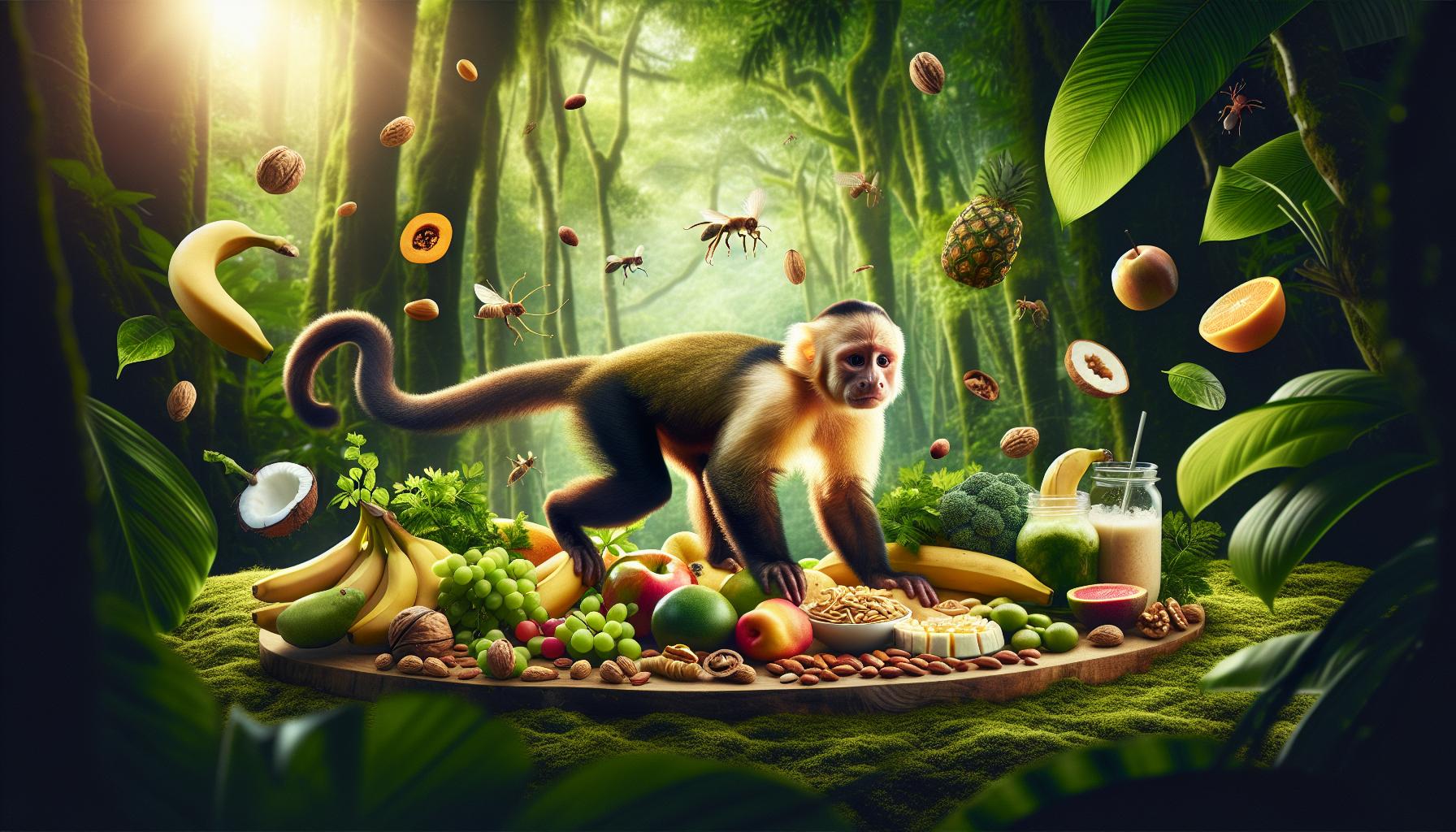
Common Foods in a Capuchin Monkey’s Diet
Capuchin monkeys are fascinating creatures, not just for their intelligence and social behaviors, but also for their diverse and dynamic diets. In the wild, these small primates exhibit a remarkable capacity to adapt their eating habits based on the availability of food sources throughout their tropical forest homes. Commonly, their diet consists of a wide array of fruits, nuts, seeds, insects, and small animals, enabling them to thrive in various ecological niches.
Fruits and Vegetables
Capuchins are particularly fond of ripe fruits, which make up a significant portion of their diet. Their favorites include bananas, mangos, and berries. The high sugar and water content in these fruits not only provide energy but also keep these playful monkeys hydrated. They are also known to eat various leafy greens and tubers, which contribute essential vitamins and minerals to their diet.
Nuts and Seeds
Nuts and seeds are another crucial part of a capuchin’s diet. These items are rich in fats and proteins, making them a valuable energy source. Capuchins have been observed using tools, like stones, to crack open hard-shelled nuts, showcasing their problem-solving skills. Common nuts found in their diet include walnuts and coconuts, which they can often find in abundance in their native habitats.
Insects and Small Animals
To fulfill their protein requirements, capuchin monkeys also forage for insects and small animals. Ants, termites, and beetles are prime examples of protein-rich food sources that they skillfully extract from tree bark and crevices. Occasionally, they may even hunt small birds or rodent-like mammals, although this constitutes a smaller part of their overall dietary intake.
Foraging Behavior
The foraging behavior of capuchin monkeys is not only about survival; it’s an essential aspect of their social structure. They usually forage in groups, employing strategies that promote cooperation and social bonding. This group dynamic allows them to cover larger areas, which increases their chances of finding diverse food sources. For pet owners, replicating this foraging behavior is key to providing an enriching environment that stimulates both the physical and mental health of captive capuchins.
Understanding the varied and adaptable nature of capuchin monkeys’ diets can help caregivers provide the right mix of foods that meet their nutritional needs while keeping them engaged and stimulated. By integrating a variety of fruits, vegetables, nuts, and even some protein sources, pet owners can create a balanced diet that mirrors the complexities of what these intelligent primates would consume in the wild.
Nuts, Fruits, and Seeds: A Nutritional Breakdown
Capuchin monkeys exhibit a remarkable preference for nuts, fruits, and seeds, which play a pivotal role in their diet. These items not only provide essential energy but also contribute to their overall health and vitality. In the wild, the availability of these foods can vary seasonally, thereby affecting their foraging habits and nutritional intake. Rich in fats, vitamins, and minerals, nuts and seeds act as a vital energy source, while fruits provide hydration and sugars necessary for their active lifestyle.
- Nuts: Capuchins are known to favor a variety of nuts, including walnuts, almonds, and coconuts. The fat content in nuts fuels their high metabolic rates, while the protein helps maintain muscle mass. Their ability to use tools, like stones, to crack open hard shells showcases their intelligence and dexterity, making them adept foragers.
- Fruits: Ripe fruits are a staple, with favorites including bananas, mangos, and berries. The natural sugars in these fruits offer quick energy, and their high water content helps keep capuchins hydrated, particularly in warmer climates. Additionally, while foraging, capuchins often engage in social behaviors, sharing fruits and reinforcing group dynamics.
- Seeds: Seeds also present a valuable nutrient source. Rich in fats and proteins, they can support capuchins’ energy needs during foraging expeditions. The practice of foraging for seeds often encourages exploratory behaviors, which are crucial for their mental stimulation and social interaction.
Understanding the nutritional quality of these food sources allows pet owners to replicate a balanced diet for captive capuchins. Incorporating a variety of nuts, fresh fruits, and seeds into their diet not only ensures they receive all necessary nutrients but also keeps their foraging instincts alive. It’s essential to provide foods that cater to their omnivorous nature and mimic their wild diet as closely as possible for optimal health and wellbeing.
In summary, the diversity and nutritional value found in nuts, fruits, and seeds are fundamental to the capuchin monkey’s diet, contributing significantly to their health, energy levels, and social behaviors. Properly understanding these nutritional components can greatly enhance the quality of care provided to pet capuchins, allowing them to thrive in a domestic environment.
Understanding Their Omnivorous Nature
Capuchin monkeys are fascinating examples of omnivorous mammals, showcasing a diverse diet that allows them to adapt to various environmental conditions. Their ability to consume a wide range of foods is not only a testament to their dietary flexibility but also essential for their survival in complex ecosystems. This adaptability stems from a combination of anatomical features, foraging skills, and social structures that allow them to thrive in both wild and captivity.
These monkeys have evolved to include a balanced mix of fruits, nuts, seeds, and small animals in their diet. Their strong jaw muscles and flat molars are designed for grinding down tough plant materials, while their sharp canines help them capture and consume protein sources, such as insects or small vertebrates. This omnivorous nature provides Capuchins with the nutritional versatility necessary to capitalize on seasonal food availability and shifts in their natural habitat. For instance, during the dry season when fruits are less abundant, capuchins may rely more heavily on nuts and seeds, showcasing their capability to modify diet based on resource availability.
Social dynamics also play a crucial role in their feeding habits. Capuchin monkeys often forage in groups, which not only increases their foraging efficiency but also enhances their ability to discover new food sources. This communal approach allows individuals to share information about food location, reinforcing social bonds while ensuring that each member benefits from the group’s collective knowledge. Pet owners can take advantage of this behavior by providing opportunities for social interaction during feeding times, whether through puzzle feeders or shared meal experiences that mimic their natural foraging strategies.
Understanding the omnivorous nature of capuchin monkeys offers pet owners valuable insights into dietary planning. A diet reflecting their wild counterparts involves a careful balance of fruits, vegetables, and protein sources, ensuring these intelligent primates receive the nutrients necessary for their health and wellbeing. Incorporating variety and stimulating feeding practices not only mimics their natural behaviors but also supports their physical and mental health, creating a well-rounded and enriching environment for pet capuchins.
How Capuchin Monkeys Forage for Food
Capuchin monkeys are not just quick-witted; they are also master foragers, utilizing their intelligence and sharp physical adaptations to seek out food in their tropical habitats. Equipped with strong jaws and dexterous hands, these primates are adept at climbing trees and maneuvering through dense foliage to locate food sources. Their foraging behavior is driven by an impressive combination of observational skills and a knack for problem-solving, which allows them to access a diverse range of foods in their environment.
One notable characteristic of capuchin foraging is their strategic use of tools. They have been observed using sticks to extract insects from crevices or rocks to crack open nuts, showcasing their ability to manipulate their surroundings to meet dietary needs. Furthermore, capuchins often forage in groups, which not only increases their foraging efficiency but also allows them to share knowledge about food locations, enhancing their collective success. This social aspect of foraging not only strengthens their communal bonds but also provides them with a competitive advantage in accessing scarce food resources.
In addition to their physical skills and social dynamics, capuchin monkeys are highly adaptable in their foraging methods, employing a variety of techniques depending on the food types they are targeting. They can switch between perceptive food selection, such as focusing on ripe fruits when they are in season, and scavenging, which might include gathering fallen nuts from the forest floor. Their dietary flexibility is a crucial survival trait, especially in environments where food availability can fluctuate significantly.
For pet owners, observing these foraging behaviors in a capuchin can inform the design of enriching feeding experiences that mimic their natural behaviors. Providing varied feeding options, such as hiding food in puzzle feeders or scattering treats in their environment, can stimulate their natural instincts and keep them mentally engaged. Such practices not only honor their wild heritage but also contribute to their overall well-being in a home setting.
Unique Eating Habits and Dietary Preferences
Capuchin monkeys showcase an extraordinary range of eating habits and dietary preferences that reflect their intelligence and adaptability in the wild. Known for their curious nature, they often exhibit selective feeding behaviors, carefully choosing the ripest and most nutritious foods available. This natural instinct not only optimizes their energy intake but also plays a crucial role in the ecosystem, as they help in seed dispersal through their foraging activities.
In their natural habitats, capuchins typically exhibit a preference for a varied diet that includes fruits, nuts, seeds, and insects. Their remarkable dexterity allows them to manipulate and consume even the most challenging food items. For example, capuchins are adept at utilizing rocks as tools to crack open hard nuts. This tool use not only highlights their cognitive abilities but also illustrates their unique approach to problem-solving in foraging environments. Additionally, their social nature means that they often forage in groups, sharing food and information, which can lead to the discovery of new food sources.
Moreover, capuchin monkeys are recognized for their omnivorous diet, allowing them to thrive in various environments. This flexible dietary approach means they can quickly adapt to seasonal changes in food availability. For pet owners, it’s important to replicate this variety in their diets by providing a mixture of fruits, vegetables, nuts, and occasional protein sources to maintain their health and mimic their natural eating habits.
When caring for a pet capuchin, aim to avoid processed and sugary foods, which can lead to health issues. Instead, focus on whole foods that they would naturally encounter in the wild. This not only promotes better health but also satisfies their instinctual foraging behavior, keeping them engaged and happy in a domestic environment. Remember, a diverse diet that mirrors their wild counterparts helps enhance their well-being, ensuring your pet capuchin remains mentally and physically active.
Foods to Avoid: What Not to Feed Capuchins
Capuchin monkeys are fascinating creatures, known for their intelligence and dexterity, which enable them to navigate their environments and forage for food effectively. However, when it comes to what you should not feed these captivating primates, the list is equally crucial as it ensures that their diet remains healthy and aligned with their natural behaviors. Understanding these dietary restrictions is essential for both wild and captive settings, where inappropriate foods can lead to significant health problems.
Firstly, processed foods should be completely avoided. These often contain additives, preservatives, and a high sugar content, none of which align with a capuchin’s natural diet. For example, snacks like chips and sweets not only lack nutritional benefits but also can lead to obesity and dental issues. Instead, opt for whole foods that mirror their natural feeding habits.
Another category to steer clear of includes citrus fruits. While fruits are a significant part of a capuchin’s diet, citrus can cause digestive upset in these monkeys. This means oranges, lemons, and grapefruits should be excluded in favor of fruits like bananas, apples, and berries that are more compatible with their digestive systems.
Additionally, high-fat foods pose risks as well. Foods such as avocados and certain nuts may be nutritious for humans but can lead to pancreatitis in capuchins if fed in excess. It’s essential to provide nuts in moderation and always choose varieties that are less fatty.
Lastly, toxic foods like chocolate, caffeine, and alcohol are a definite no-go. Just as with many animals, these substances can lead to severe health complications, ranging from gastrointestinal issues to life-threatening reactions.
To ensure your capuchin’s health, focus on providing a balanced diet comprising a variety of safe and nutritious items. Regular vet check-ups can help monitor their health and diet, ensuring that your pet capuchin remains as vibrant and curious as they are in the wild. Here’s a quick reference list of foods to avoid:
- Processed foods (chips, sweets, etc.)
- Citrus fruits (oranges, lemons, etc.)
- High-fat foods (avocados, fatty nuts)
- Toxic foods (chocolate, caffeine, alcohol)
By being mindful of these dietary restrictions, you can contribute to a long, healthy, and happy life for your capuchin, allowing their natural instincts and behaviors to thrive even in a domestic environment.
The Role of Social Interactions in Feeding
In the world of capuchin monkeys, food is not just a means of survival; it also serves as a catalyst for social bonding and interaction. These highly intelligent primates thrive in social groups and often engage in cooperative foraging, where sharing meals becomes a crucial activity that strengthens their social ties. For capuchins, eating is as much about community and relationships as it is about nutrition. This unique aspect of their feeding behavior highlights the interplay between diet and social life, emphasizing how interactions can shape their foraging habits and dietary variety.
Capuchin monkeys exhibit complex social structures that influence their feeding behaviors. Within these groups, dominant individuals often lead the way in locating food sources. Their kin and group members follow, benefiting from not only the find but also learning efficient foraging techniques. When one monkey discovers tasty fruits or nuts, the excitement can spread through the group. As a result, capuchins develop their own social hierarchy around feeding: individuals that are more skilled foragers are more likely to share the fruits of their labor with trusted companions, which can enhance their social standing within the group. Sharing food is not merely about nutrition; it solidifies relationships and builds alliances.
In the wild, capuchin monkeys are known to exhibit diverse feeding strategies, depending on their social context. They often engage in “sweeping” behaviors, where they search for hidden food together. This collaborative approach not only increases their chances of finding sustenance but also creates opportunities for social learning. Young capuchins benefit immensely from watching older, experienced individuals, a process known as social learning, which is critical for their development and survival skills. Such interactions teach them about what to eat, how to handle food, and which food sources are safe.
For pet owners, understanding the significance of social interactions in feeding is essential. Engaging your capuchin monkey in foraging activities that mimic their natural behavior can promote not only mental stimulation but also emotional well-being. Providing opportunities for social feeding, whether with other primates or through interactive feeding toys that require problem-solving, can help satisfy their instinctual behaviors and ensure a balanced, happy lifestyle. Encouraging social interactions around feeding enhances your pet’s quality of life and closely mirrors their natural tendencies in the wild.
Seasonal Diet Variations Among Capuchin Monkeys
The feeding habits of capuchin monkeys reflect a fascinating adaptability tied closely to the changing seasons of their natural habitats. During different times of the year, these resourceful primates alter their diets to make the most of the food available in their environments, ensuring they meet their nutritional needs while navigating the challenges each season presents.
In the rainy season, there is typically an abundance of fresh fruits, nuts, and leaves, which capuchins eagerly consume. They show a preference for softer fruits like figs and berries, which provide essential carbohydrates and vitamins. With these resources plentiful, capuchins can often be seen foraging in the canopy, sharing their finds with group members, reinforcing social bonds while enjoying their seasonal treats. As the seasons shift and the fruit becomes scarcer in the drier months, capuchins display remarkable behavioral flexibility. Their diet transitions to include a wider range of seeds, roots, and tubers, showcasing their omnivorous nature and ability to exploit various food sources to survive.
Understanding these seasonal variations provides crucial insights for pet owners. Just as wild capuchins adapt their diets, pet capuchins may benefit from a diverse selection of foods that mimic seasonal availability. Providing a variety of fruits, vegetables, and protein sources such as insects or small amounts of lean meat can help ensure a balanced diet. Monitoring the changes in the pet’s diet aligns closely with their natural behaviors, promoting not only their physical health but also their mental well-being. Engage them in foraging activities that reflect seasonal changes, creating opportunities for enrichment that stimulate their natural instincts and keep them mentally agile.
In essence, recognizing the seasonal dietary adaptations of capuchins fosters a deeper appreciation of their unique feeding behaviors and underscores the importance of a varied diet for both wild and captive populations. By catering to these needs, pet owners can help ensure their capuchin companions thrive, both nutritionally and socially.
Caring for a Pet Capuchin: Diet Essentials
Caring for a pet capuchin monkey can be a rewarding experience, but it also comes with the responsibility of ensuring a proper and nutritious diet to promote their health and well-being. Like their wild counterparts, pet capuchins thrive on a diverse diet that mirrors their natural feeding habits. Understanding their dietary needs is essential for any prospective capuchin owner.
Pet capuchins require a mixture of fruits, vegetables, nuts, seeds, and protein sources. Fruits serve as a vital source of carbohydrates and vitamins. Opt for a variety of options such as bananas, apples, berries, and melons, while remembering to introduce new fruits gradually to monitor reactions. Vegetables should also feature prominently in their diet; leafy greens, carrots, and sweet potatoes are excellent choices. Adding nuts-such as almonds and walnuts-in moderation can provide healthy fats and minerals but must be given sparingly due to their high caloric content. Protein sources can include cooked eggs, insects, and small amounts of lean meats.
Feeding Schedule and Portion Control
It’s vital to establish a consistent feeding schedule to help your capuchin feel secure in their environment. Providing meals twice a day offers a rhythm to their feeding routine, promoting better digestion and preventing obesity. Portion control is crucial; capuchins can quickly gain weight if their diet is not monitored closely. A balanced diet should be roughly comprised of 50% fruits and vegetables, 25% proteins, and 25% nuts and seeds.
Foods to Avoid
While it’s tempting to share human food, certain items should be strictly avoided to safeguard your pet’s health. Chocolate, caffeine, avocados, and the pits of stone fruits are toxic to capuchins and can lead to severe health issues. Additionally, refrain from offering high-sugar and high-salt snacks, as these can disrupt their diet and lead to detrimental long-term health effects.
Incorporating a variety of food not only addresses their nutritional needs but also encourages natural foraging behavior, enhancing their mental stimulation. Creating a feeding environment that mimics their wild habitat can also be beneficial. Hide food within foraging toys or scatter it around their enclosure to stimulate their instincts.
By providing a well-rounded diet that aligns with their natural preferences, pet owners can ensure that their capuchin monkeys thrive, exhibiting vibrant health and lively behaviors that reflect their fascinating wild ancestry. The joy of watching your capuchin engage with its food-searching, exploring, and enjoying-is a fulfilling part of pet care that enriches the bond between animal and owner.
The Impact of Diet on Capuchin Health
The dietary choices of capuchin monkeys significantly impact their overall health, influencing everything from their energy levels to their longevity. In the wild, these intelligent primates are known for their diverse and varied diet, which typically includes fruits, nuts, seeds, and small animals. This omnivorous nature not only helps them meet their nutritional requirements but also promotes their physical and mental well-being. A well-balanced diet is critical for domestic capuchins as the lack of certain nutrients can lead to serious health issues such as obesity, dental problems, and weakened immune systems.
To ensure capuchins thrive, their diet must mimic the variety found in their natural habitats. Offering a blend of fresh fruits and vegetables provides essential vitamins and minerals, while nuts and seeds can contribute healthy fats. However, portion sizes are essential, as overfeeding on calorically dense foods can result in weight gain and related complications. For example, fruits that are high in sugar should be balanced with high-fiber options like vegetables to aid digestion.
Moreover, incorporating protein sources such as cooked eggs or lean meats is vital for muscle health and development. A deficiency in proteins can lead to stunted growth and decreased activity levels, which could compromise a capuchin’s natural curiosity and playful spirit. Regular veterinary check-ups can help monitor health markers and ensure that dietary changes are well-suited for the individual monkey’s needs.
It’s also important to consider how dietary enrichment enhances the capuchins’ quality of life. Foraging for food is an instinctual behavior, and engaging pets in this activity can stave off boredom and promote mental stimulation. This can be done by hiding food in foraging toys or scattering treats in their environment, encouraging healthy exploration and play. Feeding these remarkable creatures the right mix of nutrients will not only support their physical health but also nurture their natural behaviors, leading to a more fulfilled and engaging life.
FAQ
Q: What types of fruits do capuchin monkeys eat?
A: Capuchin monkeys enjoy a variety of fruits, including bananas, papayas, and mangoes. These fruits provide essential vitamins and energy. For pet owners, offering fresh, ripe fruits is a great way to supplement their diet, ensuring they receive a balanced nutrient intake.
Q: How often do capuchin monkeys need to eat?
A: Capuchin monkeys typically eat several small meals throughout the day. In the wild, they forage for food about 6-8 times daily, but pet owners should provide regular feeding schedules with fresh foods to mimic their natural foraging behavior.
Q: Can capuchin monkeys eat vegetables?
A: Yes, capuchin monkeys can eat a variety of vegetables, such as leafy greens, carrots, and bell peppers. These veggies are rich in nutrients and should be included in their diet to promote overall health and digestive function.
Q: Do capuchin monkeys have dietary restrictions?
A: Capuchin monkeys should avoid foods high in sugar, salt, or unhealthy fats, such as processed snacks. Additionally, certain fruits like avocado can be toxic to them. It’s crucial to stick to a natural diet to maintain their health, as detailed in our section on Foods to Avoid.
Q: How do capuchin monkeys forage for food in the wild?
A: Capuchin monkeys use their intelligence and dexterous hands to forage for food. They may dig into tree bark for insects, climb for fruits, or even use tools to access difficult foods. This behavior is essential for their survival and is discussed in our section on Foraging Techniques.
Q: Are capuchin monkeys attracted to sweet foods?
A: Yes, capuchin monkeys are often attracted to sweet foods, particularly ripe fruits. However, pet owners should limit sugary treats and focus on healthier, more natural alternatives to maintain their monkeys’ health and prevent obesity.
Q: What is the impact of their natural habitat on capuchin monkey diets?
A: The natural habitat of capuchin monkeys significantly influences their diet. Access to diverse plants, fruits, and insects in tropical forests allows them to maintain a balanced omnivorous diet, as explored in our section on The Natural Habitat and Its Dietary Impact.
Q: How can I ensure my pet capuchin has a balanced diet?
A: To ensure your pet capuchin has a balanced diet, provide a mix of fruits, vegetables, nuts, and proteins. Regularly consult with a veterinarian specialized in exotic animals to tailor a diet plan to your monkey’s needs, reflecting insights from our section on Caring for a Pet Capuchin: Diet Essentials.
Future Outlook
Understanding the dietary habits of capuchin monkeys not only enriches your knowledge about these fascinating creatures but also helps you make informed decisions if you consider one as a pet. Remember, their diet consists mainly of fruit, insects, and nuts, crucial for their health and well-being. If you’re eager to learn how to create a balanced diet for your capuchin or are curious about their behavior, check out our articles on “Best Foods for Small Primates” and “Understanding Primate Behavior” to deepen your insights.
Don’t miss out on the chance to explore more! Subscribe to our newsletter for exclusive tips and resources tailored for pet owners and wildlife enthusiasts alike. Share your thoughts in the comments below-what interests you most about capuchin monkeys? Engaging with us not only fuels your curiosity but also builds a community passionate about wildlife care. Let’s unlock the wonders of nature together!


