


Did you know that Komodo dragons are the world’s largest lizards and can consume prey up to 80% of their body weight in a single meal? These fascinating reptiles, native to Indonesia, have a vicious diet that not only includes large mammals but also reflects their role as apex predators in their ecosystem. Understanding what Komodo dragons eat is crucial, as it reveals insights into their hunting strategies, survival techniques, and the ecological balance of their habitat.
For those intrigued by wildlife or considering keeping these reptiles as pets, knowledge of their dietary needs is vital. You’ll learn not just about their natural feeding behaviors but also about the implications of their diet on health and care in captivity. Join us as we delve into the Komodo dragon’s carnivorous cravings, exploring how they hunt, what they eat, and how their dietary habits impact their survival in the wild. Prepare to be amazed by the complexities of their vicious diet and what it reveals about these captivating creatures.
Contents
- 1 What Makes Komodo Dragons Top Predators?
- 2 Understanding the Komodo Dragon’s Natural Habitat
- 3 A Deep Dive into Their Vicious Hunting Techniques
- 4 The Role of Scavenging in Their Diet
- 5 Essential Nutrients in a Komodo Dragon’s Menu
- 6 Comparative Diet: Wild vs. Captive Komodo Dragons
- 7 The Impact of Seasonality on Their Feeding Habits
- 8 Unpacking the Myths: Komodo Dragons and Cannibalism
- 9 How Diet Influences Their Behavior and Social Dynamics
- 10 The Importance of Diet for Komodo Dragon Conservation
- 11 Feeding Tips for Aspiring Komodo Dragon Keepers
- 12 Safety Considerations for Keeping Komodo Dragons as Pets
- 13 Frequently asked questions
- 14 Key Takeaways
What Makes Komodo Dragons Top Predators?
Komodo dragons, the largest living lizards on Earth, are not just majestic creatures but also formidable apex predators. Their hunting prowess is underscored by a unique combination of physical attributes and cunning strategies that ensure their dominance in their natural habitat. With an incredible sense of smell and a surprisingly efficient ambush technique, these reptiles can detect carrion from several miles away, making them exceptional opportunists in the wild.
One of the defining features of the Komodo dragon is its potent saliva, which contains a cocktail of toxic bacteria. When they bite their prey, the wound becomes infected, often leading to the eventual death of the animal-sometimes days later. This gives Komodo dragons a strategic advantage, allowing them to overtake prey without the immediate need to kill it outright. Their diet typically consists of large mammals, including deer and wild boar, but they are not above scavenging on smaller animals or carrion when the opportunity arises.
Hunting is not just about brute strength; Komodo dragons exhibit a level of social behavior that aids their predatory success. They are known to engage in hunting as a group, showcasing a form of cooperative hunting behavior which enhances their chances of securing food. Moreover, their keen adaptability to various environments-from sandy beaches to mountainous forests-demonstrates their versatility, allowing these magnificent reptiles to thrive in different ecological niches.
For those captivated by these unique creatures, understanding their diet and predatory strategies is crucial, especially for aspiring Komodo dragon keepers. Providing an appropriate diet that mimics their natural feeding habits is essential for their well-being in captivity. This might include larger protein sources and occasional supplementation of vitamins to ensure they receive the necessary nutrients to maintain their health. Careful attention to feeding practices reflects the balance needed for both their health and the need to respect their wild instincts.
In conclusion, Komodo dragons are top predators due to their remarkable adaptations and strategic prowess. Their fascinating hunting techniques and dietary needs provide valuable insights into their role in their ecosystem and highlight the importance of understanding these creatures for conservation and responsible pet ownership.
Understanding the Komodo Dragon’s Natural Habitat
The Komodo dragon inhabits a unique ecosystem that significantly influences its diet and overall behavior. Found primarily on a few Indonesian islands-most notably Komodo, Rinca, Flores, and Gili Motang-these large lizards thrive in habitats that range from dry savannahs and scrublands to dense forests and coastal areas. Their environment is characterized by a harsh climate, with hot summers and limited freshwater resources, forcing these resilient predators to adapt in remarkable ways.
One of the most fascinating aspects of their natural habitat is the abundance of prey that roams these islands. Komodo dragons primarily feast on large mammals such as deer and wild boar, which populate these regions. This abundance is crucial, as the size and strength of their primary prey require the dragons to exercise strategic hunting methods. These lizards are not only opportunistic hunters but also skilled scavengers, taking advantage of the varied ecosystems that offer carcasses from both terrestrial and marine animals. The presence of carrion is essential, especially during dry seasons when hunting can be challenging.
In addition to prey availability, the terrain plays a pivotal role in shaping the Komodo dragon’s hunting technique. The varied landscapes-from rocky hills to open plains-allow these lizards to engage in ambush tactics, effectively utilizing the element of surprise. Their keen sense of smell can detect rotting flesh from several miles away, which means they are often the first to arrive at a carcass. For those considering keeping a Komodo dragon, replicating their natural habitat while providing dietary opportunities that mimic their wild diet is essential for their health and happiness in captivity.
Careful attention to the habitat’s temperature, humidity, and space is vital. Providing environments that reflect the dry and hot landscape of their native islands will not only support their well-being but also encourage natural foraging behaviors. By understanding the intricate connection between the Komodo dragon’s habitat and its diet, aspiring keepers can foster a healthier, more enriching environment that mirrors the wild, thus facilitating more natural behaviors in these extraordinary reptiles.
A Deep Dive into Their Vicious Hunting Techniques
The Komodo dragon, a true apex predator, employs a variety of cunning hunting strategies that solidify its position atop the food chain on its native islands. This remarkable reptile relies heavily on both its physical prowess and keen senses to track and capture prey, enabling it to hunt efficiently despite its size. One of the most defining features of their hunting technique is their ability to remain stealthy and patient. Komodo dragons can lie in wait for hours, using their camouflaged skin to blend into the environment, until an unsuspecting deer or wild boar meanders too close. This ambush strategy allows them to conserve energy while maximizing the element of surprise.
Physical Adaptations for Hunting
These lizards benefit from several adaptations that enhance their hunting capabilities. Their strong limbs and powerful tails enable swift bursts of speed when necessary, although they prefer a more calculated approach to stalking their prey. An impressive feature is their long, forked tongues, which enhance their already acute sense of smell, allowing them to detect carrion and potential prey from miles away. Beyond smell, their eyesight plays a crucial role during the day, helping them spot movement within their vicinity. Once they’ve locked onto a target, they can sprint quickly over short distances, using their strength to overpower animals much larger than themselves.
The Role of Venom
Adding to their fearsome reputation, Komodo dragons possess venomous saliva. Contrary to earlier beliefs that it was the bacteria in their mouths that subdue prey, recent studies indicate that the venom contains anticoagulants that hinder blood clotting, leading to eventual shock in wounded animals. This means that a Komodo dragon can inflict a bite and retreat, allowing its prey to succumb to the effects of the venom over time rather than engaging in a lengthy pursuit. This hunting tactic not only conserves energy but also allows the dragon to capitalize on its prey’s weakened state when it returns to feed.
For those considering keeping a Komodo dragon, understanding these vicious hunting techniques is vital for ensuring that habitat replicates those necessary for a wild lifestyle. Creating environments where they can exhibit natural behaviors such as stalking, ambushing, and scavenging is critical. Incorporating various terrains within an enclosure can offer the most fulfilling and enriching experience for these magnificent creatures. Ultimately, appreciating the intricacies of their predatory skills can lead to better care practices, fostering a deeper connection with the wild instincts that drive these extraordinary reptiles.
The Role of Scavenging in Their Diet
Komodo dragons are not just formidable hunters; they are also opportunistic scavengers, capitalizing on the remains of dead animals to supplement their diet. This behavior is vital for their survival, allowing them to coexist with other predators in their environment-by exploiting resources that might otherwise go to waste. Fascinatingly, Komodo dragons can detect carrion from several miles away, using their acute sense of smell to locate potential meals. This feature not only reflects their adaptability but also underscores their significance in the ecosystems they inhabit, acting as nature’s clean-up crew.
When it comes to scavenging, Komodo dragons display remarkable efficiency and resourcefulness. They have been observed to frantically consume an entire carcass, showcasing their robust digestive system, which is adapted to handle the consumption of large quantities of decaying meat. This behavior is often seen when larger predators, like humans or other large carnivores, leave behind remains. By doing so, Komodo dragons reduce the risk of disease spread in their habitat while satisfying their high-energy needs. Their ability to feed on a wide variety of carrion, ranging from fish to large mammals like deer, demonstrates their flexibility as foragers in an often unpredictable environment.
For those interested in keeping Komodo dragons, understanding their scavenging instincts is crucial. When creating an enclosure, it is essential to incorporate elements that mimic their natural feeding behaviors. Providing a varied diet, including whole prey items and appropriately aged meats, can help replicate their scavenging experiences. Additionally, careful temperature control is necessary, as Komodo dragons thrive in warmer environments and their digestion is heavily influenced by ambient temperature.
Ultimately, the role of scavenging in the diet of Komodo dragons emphasizes the importance of maintaining a balanced ecosystem. These remarkable reptiles contribute to the health and sustainability of their habitat, making it imperative for conservation efforts to focus not only on protecting their populations but also on preserving their natural feeding grounds. By ensuring that both wild and captive Komodo dragons can engage in their natural behaviors, we promote their well-being and the ecological balance of their environments.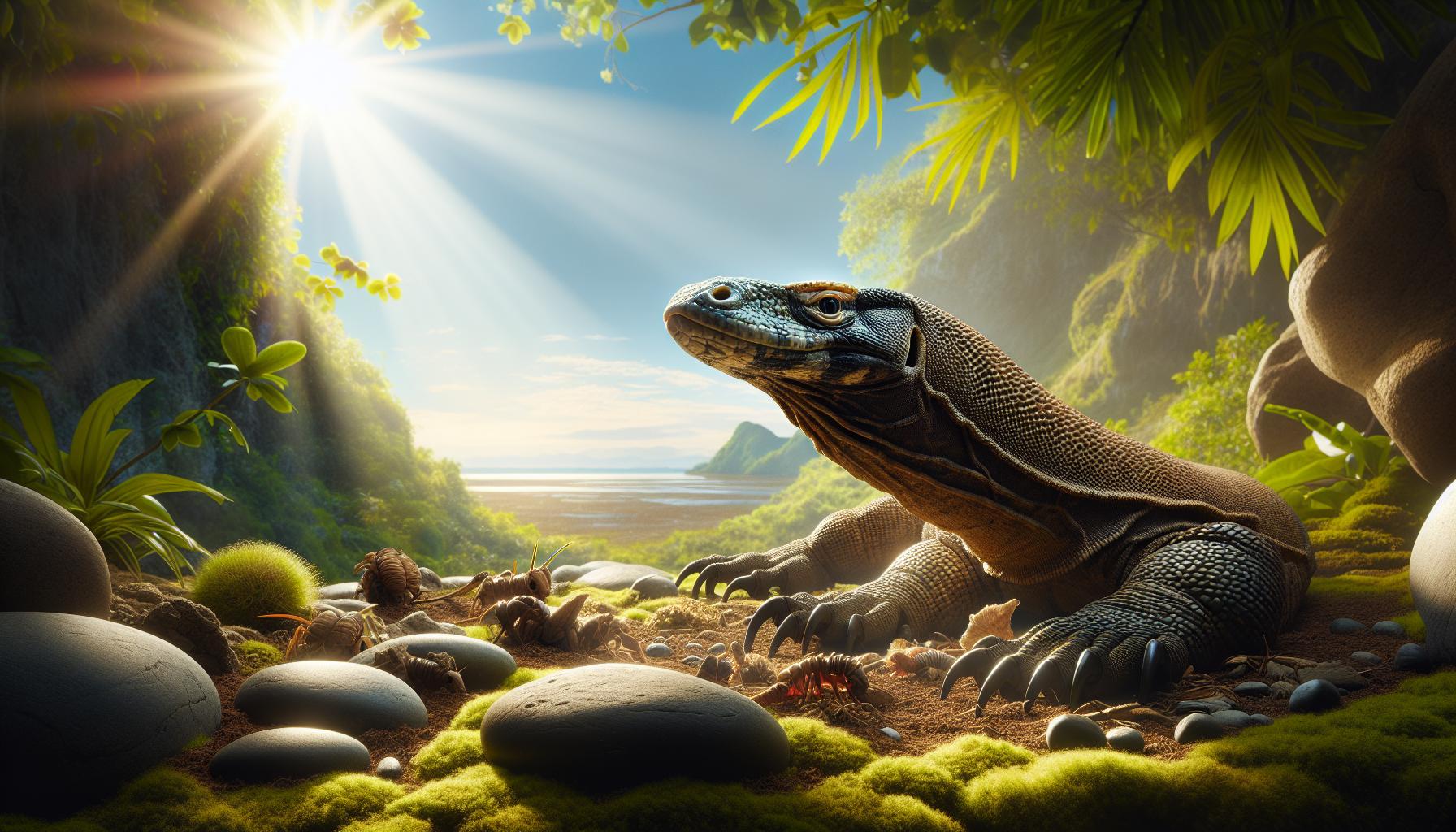
Essential Nutrients in a Komodo Dragon’s Menu
Komodo dragons have evolved into some of the most impressive apex predators, with a diet that is as varied as it is rich in nutrients. To sustain their massive bodies and high-energy lifestyles, these reptiles require an array of essential nutrients that support their growth, reproductive health, and overall vitality. Their menu predominantly includes large prey, which not only provides the necessary calories but also important biological compounds.
A significant component of a Komodo dragon’s diet is protein, critical for muscle development and repair. They hunt and consume large mammals, such as deer and wild boar, providing ample protein through muscle tissue. In addition to protein, these reptiles need fats which serve as an energy reserve. The fat stored in prey like fatty fish and deer helps Komodo dragons maintain stamina during long periods between meals. Furthermore, fats are essential for the absorption of fat-soluble vitamins, reinforcing their nutritional health.
In the wild, digestive enzymes enable Komodo dragons to maximize their nutrient intake from carrion. This adaptability is fascinating, as their digestive systems efficiently process not only fresh kills but also decaying meat. By consuming a combination of fresh and scavenged meals, they also obtain vital trace minerals and vitamins that are crucial for various biological functions. It’s noteworthy that the diverse carrion they consume contributes to their overall mineral intake, something that is often overlooked in their diet.
For aspiring keepers of Komodo dragons, replicating their natural dietary needs in captivity is essential for their health. A varied diet should include whole prey items, such as rodents and commercially available meat that mimics their wild diet. It’s also important to supplement this diet with vitamins and minerals to ensure nutritional balance. Regularly providing a mix of protein, healthy fats, and micronutrients will promote both physical health and mental stimulation, allowing these magnificent creatures to thrive in a controlled environment.
By understanding the dietary needs of Komodo dragons and ensuring a comprehensive nutrient profile in their meals, both in the wild and in captivity, we can better appreciate and care for these remarkable reptiles while contributing to their conservation.
Comparative Diet: Wild vs. Captive Komodo Dragons
In the wild, Komodo dragons thrive on a diet consisting of large prey, primarily thriving in the rich ecosystems of the Indonesian islands. They exhibit remarkable skill in hunting and scavenging, utilizing their keen sense of smell to detect decaying carcasses from several miles away. They consume a varied selection of animals, including deer, wild pigs, and smaller reptiles, feasting on protein-rich meats that provide them with essential nutrients. Their ability to take down prey that can weigh as much as themselves showcases their status as apex predators, but it also highlights a fascinating aspect of their physiology: their digestive systems are uniquely equipped to process not only fresh kills but also carrion, which enriches their diet with vital minerals and vitamins.
In contrast, captive Komodo dragons often face a more restricted dietary regimen. While the goal of keepers is to mimic the nutritional balance found in the wild, the controlled nature of captivity limits access to diverse prey. Captive diets typically consist of commercially available meats, such as whole rodents and specially formulated diets designed to meet their biological needs. This can lead to discrepancies in dietary diversity; thus, it is essential for keepers to ensure that these dragons receive not only adequate protein and fat but also vitamins and minerals that they would naturally obtain through scavenged meals in the wild.
Key Differences in Diet
- Prey Variety: Wild Komodo dragons have access to a wide variety of prey and carrion, while captive dragons often consume a limited selection of commercially prepared meats.
- Nutritional Balance: In the wild, the mixed diet provides an array of essential nutrients; keepers must carefully supplement captive diets to ensure similar nutritional balance.
- Feeding Frequency: Wild dragons may go days without food, whereas captive dragons are often fed regularly to maintain health and manage their feeding routines.
For those looking to maintain the health of captive Komodo dragons, replicating their natural diet with whole prey items and supplements is key. Offering a variety of protein sources, including fatty meats that mimic the diverse fats found in wild prey, helps to recreate the nutrient profile they would naturally consume. Additionally, incorporating occasional whole prey animals enhances mental stimulation and encourages natural hunting behaviors, vital for their psychological well-being. Through thoughtful dietary practices, keepers can ensure a thriving environment that respects the beauty and complexity of these magnificent reptiles.
The Impact of Seasonality on Their Feeding Habits
The changing seasons in the Indonesian archipelago profoundly influence the feeding habits of Komodo dragons, reflecting their remarkable adaptability and survival strategies. During the dry season, when prey is scarcer due to diminished vegetation and the migration patterns of animals, these formidable reptiles are forced to cover more ground in search of food. This often leads them to rely heavily on scavenging, taking advantage of their acute sense of smell to locate carrion from miles away. The ability to consume not only fresh kills but also decomposing remains is a crucial aspect of their diet, enabling them to thrive in fluctuating environmental conditions.
In contrast, the wet season brings an abundance of prey as flora flourishes and herbivores become more active. At this time, Komodo dragons can more actively seek out larger prey, including deer and wild boar, bolstering their intake of protein and essential nutrients. In this season of plenty, their hunting techniques might shift; they may engage in more vigorous ambush tactics, capitalizing on the lush undergrowth for concealment. This adaptability not only satisfies their dietary needs but also solidifies their position as apex predators within their ecosystem.
For keepers of captive Komodo dragons, understanding these seasonal patterns is vital for replicating a naturalistic diet. Owners should strive to offer varied diets that reflect seasonal changes, ensuring that the nutritional needs of these reptiles are met year-round. During times of food abundance, offering whole prey items can mimic the richness of the wet season diet, while during leaner periods, supplementing with high-quality proteins can help maintain their health. By aligning feeding practices with seasonal natural behaviors, caretakers can enhance the well-being of these magnificent creatures in captivity, providing them with the stimuli they would encounter in the wild.
To facilitate this understanding, it may be beneficial to keep a seasonal feeding log that tracks available food types and seasonal availability. This approach will help ensure that the diet remains diverse and nutritionally balanced, closely mirroring the natural feeding behaviors of wild Komodo dragons. By fostering such thoughtful dietary practices, keepers can contribute significantly to the health and longevity of these remarkable reptiles, establishing an environment that respects their unique adaptations to the rhythms of nature.
Unpacking the Myths: Komodo Dragons and Cannibalism
The concept of cannibalism among Komodo dragons often stirs intrigue and concern, demanding a closer look at their complex dietary behaviors. While these reptiles are primarily known as formidable hunters and scavengers, instances of one dragon consuming another highlight their opportunistic feeding strategies. This phenomenon predominantly occurs when resources are scarce, typically during the dry season when prey availability diminishes.
In the wild, juvenile Komodo dragons face significant predation pressure from their larger kin, including adults who may resort to cannibalism as a survival tactic. This occasionally behaviors can be attributed to several factors, such as a lack of sufficient food and the need to eliminate competition for resources. While cannibalism may seem shocking, it underscores the harsh survival reality in the competitive ecosystems of the Indonesian islands.
For those considering keeping Komodo dragons in captivity, understanding this aspect of their behavior is crucial. It is essential to provide an enriched environment that minimizes stress and reduces the likelihood of cannibalistic behavior. This can be achieved by ensuring that each dragon has adequate space, hiding spots, and sufficient food to meet their dietary needs.
Here are a few practical tips for aspiring keepers:
- Separate Enclosures: Keep individuals in different enclosures to prevent stress and territorial disputes.
- Balanced Diet: Provide a varied diet that mimics their natural feeding patterns; include whole prey, chicken, and supplements to meet nutritional needs.
- Monitor Behavior: Observe interactions closely; stressful conditions can provoke aggression or anxiety.
- Habitat Enrichment: Ensure they have environmental enrichment to keep them engaged and less focused on other dragons.
By appreciating the nature of their carnivorous habits, pet owners can foster a healthier environment that respects these majestic creatures’ needs while reducing the potential for cannibalistic tendencies. Ultimately, informed care and ethical practices will ensure that Komodo dragons thrive in captivity, reflecting the balance of nature that exists within their wild habitats.
How Diet Influences Their Behavior and Social Dynamics
The dietary habits of Komodo dragons profoundly affect their behavior and social dynamics in ways that reflect their position as apex predators. These reptiles, equipped with an impressive array of hunting tools-from powerful jaws to a keen sense of smell-exhibit complex interactions driven largely by their need for food. Their hunting strategies, which include ambush and endurance tactics, create a competitive environment where only the fittest thrive.
In the wild, food availability dictates social interactions within the species. For instance, when prey is abundant, Komodo dragons engage in less aggressive behaviors, enabling them to coexist more peacefully. However, as prey becomes scarce, competition escalates, often resulting in significant territorial disputes. Adult dragons may exhibit dominance behaviors, using size and strength to maintain control over prime hunting grounds. This hierarchy among individuals can lead to aggressive encounters, particularly in juvenile dragons, which are often preyed upon by larger individuals, highlighting the brutal reality of their food-driven social structure.
Feeding environments in captivity must consider these dynamics to promote healthy behavior. Pet owners should mimic the natural conditions under which these dragons thrive, ensuring ample space and sufficient food to reduce stress and aggression. Balanced diets that include a variety of protein sources, such as whole prey and supplements, can prevent competitive behaviors that arise from hunger, promoting a more harmonious living situation. Additionally, providing environmental enrichment can serve to engage these intelligent creatures and alleviate the boredom that might lead to aggression.
Understanding how diet impacts the social dynamics of Komodo dragons can enhance the care provided by their keepers. By simulating their natural feeding behaviors and recognizing the implications of food scarcity, owners can foster a more balanced environment that respects the complexities inherent in these fascinating reptiles.
The Importance of Diet for Komodo Dragon Conservation
The survival of Komodo dragons is intricately tied to their diet, underscoring the critical importance of conservation efforts aimed at preserving their natural food sources. These remarkable reptiles, as apex predators, play a vital role in maintaining the ecological balance of their habitats, contributing to the health of various species within their ecosystems. As such, understanding what fuels their voracious appetites can significantly influence strategies for their conservation.
Komodo dragons primarily consume large prey, which includes deer, wild boar, and sometimes even smaller dragons. This predation shapes their habitats by controlling herbivore populations, thereby allowing vegetation to thrive. The interdependence of these relationships highlights how the loss of prey species due to habitat destruction, overhunting, or climate change can severely impact Komodo populations. Conservation strategies must therefore prioritize protecting these prey species alongside the dragons themselves.
In a captive environment, the dietary needs of Komodo dragons must also be met to promote health and longevity, serving as an extension of the natural behaviors seen in the wild. It is essential for caretakers to provide a balanced diet that mimics their natural hunting and eating habits. A diet rich in whole prey items combined with necessary supplements can prevent dietary deficiencies and promote natural foraging behaviors, which in turn supports their overall health and vitality.
Proper nutrition not only helps maintain individual health but also fosters robust breeding programs, critical for the survival of this endangered species. Educating both the public and potential keepers on the nuances of these dietary needs forms an essential part of conservation outreach. This knowledge empowers responsible pet ownership and enhances support for broader conservation initiatives, ensuring that the fascinating world of Komodo dragons continues to thrive for generations to come.
Feeding Tips for Aspiring Komodo Dragon Keepers
Aspiring keepers of Komodo dragons step into a world filled with the ancient mystique of nature’s most formidable reptiles. With a diet steeped in raw power-devouring large prey such as deer and wild boar-understanding how to replicate this in captivity becomes paramount for their health and longevity. These immense lizards are not just apex predators in their native habitats; they rely on a carefully balanced diet to maintain their vital energy levels and robust physique, echoing the wild even when enclosed in captivity.
To create a species-appropriate diet, consider offering a combination of whole prey items, such as rodents, rabbits, and even appropriately sized fish. The inclusion of whole prey provides essential nutrients and encourages natural hunting instincts. It’s also crucial to add variety-rotating different prey items keeps the diet broad and reduces the risk of nutritional deficiencies. For instance, incorporating tough, fibrous materials can help maintain their dental health, mirroring what they might encounter in nature.
Supplementation for Optimal Health
Even with a varied diet, supplements are vital. Komodo dragons benefit from vitamins and minerals that can be difficult to provide through prey alone. Calcium supplements, for instance, can support bone health, particularly in younger dragons as they grow. Additionally, providing vitamins A and D3 can foster healthy skin and proper metabolic functions.
Feeding Frequency and Techniques
Understanding the feeding frequency is equally important. Juvenile Komodo dragons generally require nourishment every other day, while adults may thrive on a less frequent schedule, eating once every week or two, depending on size and metabolic demands. It’s beneficial to create a feeding environment that mimics their natural habitat, possibly utilizing simple barriers and hiding spots that encourage hunting behavior during mealtime.
Always remain vigilant about safety and proper hygiene when managing feeding practices. Introducing prey should be done with care to prevent stress or aggression, ensuring the feeding area is secure. Monitoring their weight and health through regular veterinary check-ups further enhances their well-being, providing invaluable insights into their dietary needs and adjusting as necessary.
By understanding the intricacies of a Komodo dragon’s dietary needs and replicating the thrill of their natural hunting experiences, keepers can not only ensure their health but also develop a captivating partnership with these extraordinary creatures. Responsibility now yields rewards in the form of enhanced conservation awareness, engaging the public in the fascinating lives of Komodo dragons. By sharing knowledge and best practices, we contribute to the future of these magnificent reptiles and their preservation in the wild.
Safety Considerations for Keeping Komodo Dragons as Pets
Keeping a creature as powerful and ancient as the Komodo dragon comes with inherent risks, making safety a paramount consideration for any potential owner. Unlike conventional pets, these formidable reptiles are not just large lizards; they possess a lethal combination of size, strength, and a powerful bite that can pose dangers to humans. Their saliva contains venomous bacteria, which can lead to severe infections, necessitating a deep understanding of their behavior and ecology before considering them as companions.
To ensure both the safety of the keeper and the well-being of the Komodo dragon, it’s crucial to invest in secure housing. Strong, escape-proof enclosures with solid locking mechanisms are vital, as these reptiles are intelligent and capable of manipulating their environments. The enclosure should reflect their natural habitat as closely as possible, featuring a variety of environmental enrichments that offer both stimulation and comfort while preventing boredom and stress. This not only aids in their mental well-being but also reduces aggressive behaviors stemming from confinement.
Feeding practices also demand mindful attention, as improper handling of prey can lead to hazardous situations. Always use long feeding tongs to maintain a safe distance when offering food. Avoid introducing live prey, which could provoke a hunting response, potentially leading to unpredictable aggression. Instead, opt for pre-killed whole items to mitigate stress during feeding and prevent injuries. Maintaining cleanliness during and after feeding sessions is critical to minimize health risks. Regularly sanitize the enclosure to prevent odor buildup and bacterial growth, ensuring a healthier environment for both the animal and the individual caring for it.
Furthermore, it’s essential to acknowledge that Komodo dragons have specialized dietary needs that should be met consistently. As they are accustomed to devouring large prey, a balanced diet replicating their natural food intake is not only crucial for health but also influences their temperament. Observing feeding schedules and behaviors can provide insights into their health; any changes could indicate stress or health issues that require immediate veterinary attention. Keepers should familiarize themselves with the specific medical needs of Komodo dragons, including regular health check-ups and vaccinations to preemptively address potential health concerns.
Engaging with the Komodo dragon community through local herpetological societies can be invaluable. Building a network with experienced keepers and veterinarians who specialize in reptiles can provide critical guidance and support. With profound respect for these majestic creatures, safety considerations must always precede personal desires, ensuring that both the Komodo dragon and its keeper can coexist harmoniously and healthily in a shared environment.
Frequently asked questions
Q: What are the primary prey items in a Komodo dragon’s diet?
A: Komodo dragons primarily prey on large mammals such as deer, wild boar, and even water buffalo. They have also been known to eat smaller animals like birds and rodents. Understanding their diet can help indicate the health of their habitat and broader ecosystem.
Q: How do Komodo dragons hunt their prey?
A: Komodo dragons utilize a combination of stealth and speed when hunting. They often ambush prey, relying on their powerful bite and keen sense of smell to track carcasses from considerable distances. Their hunting techniques are covered in detail in the article’s section on hunting strategies.
Q: Do Komodo dragons eat carrion?
A: Yes, Komodo dragons are opportunistic scavengers and consume carrion to supplement their diet. This scavenging behavior plays a crucial role in their survival, particularly in ensuring nutrient intake during lean times.
Q: How much food does a Komodo dragon eat at once?
A: A Komodo dragon can consume up to 80% of its body weight in a single meal. Due to their large size and energy needs, they often feast on large prey, which provides them with energy sustained for long periods without needing to eat frequently.
Q: Are there any specific seasonal changes in their diet?
A: Yes, Komodo dragons experience fluctuations in their diet based on seasonal availability of prey. During the dry season, food sources become scarce, leading them to adapt their hunting and scavenging behaviors, which is explored in greater detail in the article section on seasonal feeding habits.
Q: Can Komodo dragons eat fruits or vegetables?
A: While Komodo dragons are primarily carnivorous, they may consume small amounts of fruits or vegetation. However, these do not constitute a significant part of their diet, which is heavily focused on meat. This unique dietary choice helps maintain their role as top predators in their ecosystem.
Q: How does captivity affect a Komodo dragon’s diet?
A: In captivity, Komodo dragons are typically fed a balanced diet that mimics their natural prey, including meat and whole prey animals. This ensures they receive essential nutrients required for their health, which is a point of discussion in our comparison of wild versus captive diets.
Q: What role do Komodo dragons play in their ecosystem?
A: As apex predators, Komodo dragons play a pivotal role in their ecosystem by controlling prey populations and contributing to the process of scavenging, which helps maintain the balance of their habitat. Understanding their role emphasizes the importance of conservation efforts.
Key Takeaways
Understanding the dietary habits of Komodo dragons reveals much about their role in their ecosystems and the nature of these fascinating reptiles. With their formidable predatory skills and unique feeding behaviors, these majestic creatures inspire both curiosity and respect. As you contemplate the complexity of their carnivorous diet, consider exploring related topics, such as “The Habitat of Komodo Dragons” and “Conservation Efforts for Komodo Dragons” to deepen your knowledge and appreciation.
Don’t miss out on the chance to become a part of our wildlife community! Sign up for our newsletter for more intriguing insights and practical tips on responsible care for exotic pets. If you have questions or experiences to share about Komodo dragons or other reptiles, join the conversation in the comments below. Your engagement helps foster a deeper understanding of these curious beings and their intricate behaviors. Keep exploring, and uncover more about the wonders of the animal kingdom!


