


The hippopotamus, a formidable creature in the animal kingdom, is often perceived as nearly invincible. However, even these massive semiaquatic mammals face threats in the wild. Understanding the true predators of hippos is crucial not only for wildlife enthusiasts but also for those passionate about conservation and the complexities of ecosystem dynamics.
While hippos are known for their strength and aggressive nature, they are not at the top of the food chain. Their primary threats come from surprising sources that reveal the often-unseen vulnerabilities of large mammals. This exploration into what can kill a hippo is not just about identifying predators; it’s about appreciating the delicate balance of life in sub-Saharan Africa. Join us as we delve into the manifold challenges these giants face, and uncover the fascinating truths behind their survival.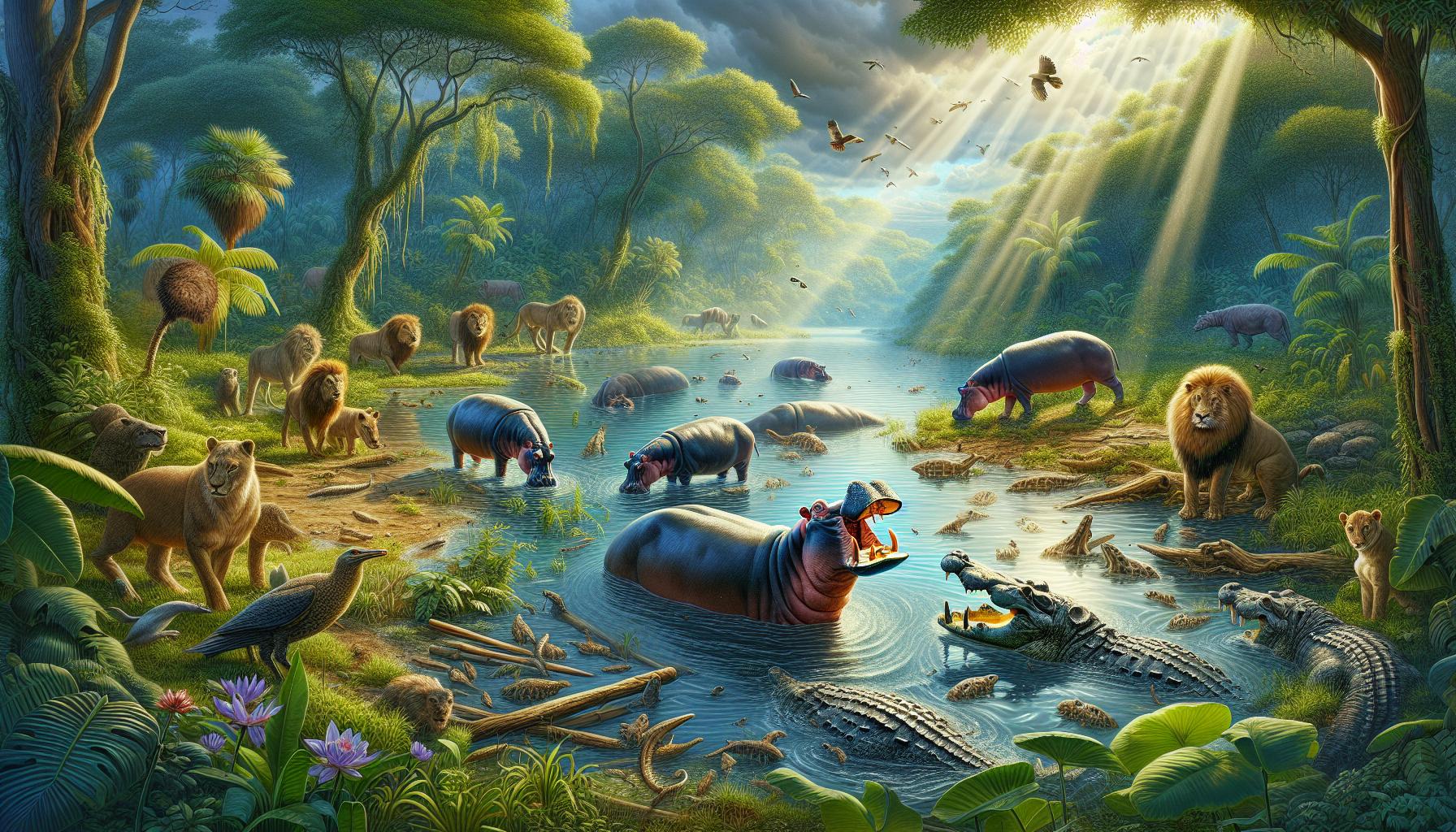
Contents
- 1 What Truly Threatens Hippos in the Wild?
- 2 The Anatomy of a Hippo: Nature’s Design
- 3 Common Predators of Hippos: Who Are They?
- 4 Unlikely Threats: Human Impact on Hippos
- 5 Escape Strategies: How Hippos Defend Themselves
- 6 The Role of Environment in Hippo Survival
- 7 Inter-species Rivalries: Hippos vs. Other Giants
- 8 Health Issues: Disease as a Silent Killer
- 9 Impact of Climate Change on Hippo Habitats
- 10 Conservation Efforts: Protecting Hippos from Extinction
- 11 Myths and Misunderstandings About Hippos
- 12 Lessons from Hippo Behavior: Survival in Action
- 13 FAQ
- 14 To Conclude
What Truly Threatens Hippos in the Wild?
Hippos, despite their enormous size and strength, face a variety of threats in the wild that can impact their survival. The most well-known dangers come from their few natural predators. Adult hippos have virtually no enemies due to their massive size and territorial nature, but young hippos are vulnerable to predators such as crocodiles and lions, particularly when they are near the water or separated from the protection of their mothers. Among aquatic threats, crocodiles are particularly notorious for targeting calves when they are within striking distance.
However, it is the less visible threats that loom larger for the hippopotamus population. Human activities present a significant peril, often through habitat destruction, illegal hunting, and poaching. The quest for land-whether for agriculture, urban development, or mining-can lead to the degradation of hippo habitats, forcing these semiaquatic giants into smaller, more dangerous areas where they face increased competition for resources. Hunting for bushmeat and, more disturbingly, for their ivory-like canine teeth adds another layer of danger to their existence. Both legal and illegal hunting can drastically reduce their numbers, pushing them toward extinction if current trends continue.
The complex dynamics of their ecosystem also play a role in the threats faced by hippos. When the balance is disrupted, whether through changes in water availability or modification of their environment, hippos become increasingly stressed. Overcrowding in shrinking habitats can lead to aggression among individuals and increase mortality rates. Pollution from agricultural runoff and human waste severely impacts the water quality in rivers and lakes where hippos live, exacerbating survival challenges as the animals rely on clean water to thrive.
In conclusion, while hippos are formidable creatures that command the respect of their ecosystem, a combination of natural predation, human impact, and environmental stressors collectively contributes to the threats they face in the wild. Addressing these issues is crucial not only for the survival of the hippos but for the health of the ecosystems they represent. Understanding these threats fosters a sense of urgency for conservation efforts to ensure that this iconic species continues to inhabit our planet’s rivers for generations to come.
The Anatomy of a Hippo: Nature’s Design
Hippopotamuses are remarkable creatures that embody the power and grace of nature, optimized over millennia for thriving in their unique aquatic habitats. These semi-aquatic mammals boast an array of anatomical features that enhance their survival in both water and on land. With an adult hippo weighing as much as 4,000 kilograms (8,800 pounds) and measuring up to 4 meters (13 feet) in length, their sheer bulk alone is enough to deter most potential predators. However, their physical design is not just about size; it’s a sophisticated adaptation for their lifestyle.
One of the most striking features of the hippo is its large mouth, which can open up to 150 degrees. This intimidating aspect houses long, tusk-like canine teeth that can grow over 50 centimeters (nearly 20 inches) in length. These formidable teeth serve multiple functions: they are used for fighting rivals over territory and access to females, as well as for defending against threats. While adult hippos have few natural predators due to their size and strength, their impressive teeth make them effective adversaries against even the largest attackers, unusual for a prey animal.
Hippos are also equipped with unique physiological traits that support their lifestyle. Their bodies are adapted for a life spent mostly underwater; they can hold their breath for up to five minutes while submerged. Despite their enormous mass, hippos are surprisingly agile in the water, capable of running along the riverbed or leaping onto land quickly. Their skin secretes a natural sunscreen that not only protects them from sunburn but also acts as an antibacterial agent, keeping them healthy in environments that can often harbor pathogens.
Furthermore, their eyes and nostrils are located on the top of their heads, allowing them to see and breathe while staying mostly submerged. This design minimizes exposure to predators and rivals while they rest in water, maintaining a low profile. Together, these anatomical features not only define the hippo’s physical presence in the wild but also contribute significantly to its ability to navigate the complexities of its ecosystem, revealing the intricate balance of form and function critical to survival in a world filled with danger.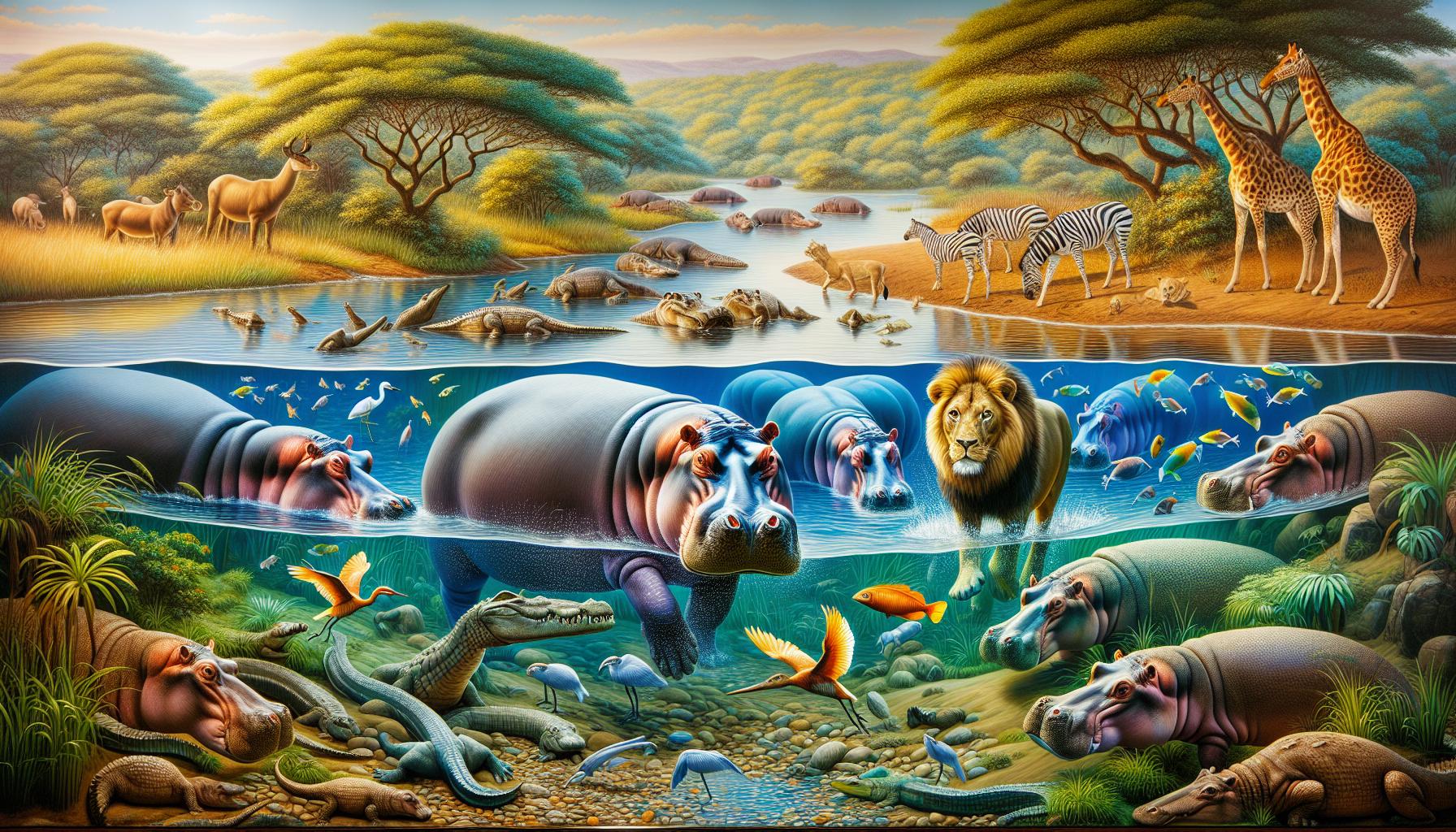
Common Predators of Hippos: Who Are They?
Hippopotamuses are undeniably among the largest and most fearsome creatures inhabiting the African waterways, instilling both respect and caution in the wider animal kingdom. The sheer size and strength of an adult hippo, reaching up to 4,000 kilograms (8,800 pounds), renders it formidable; however, they are not entirely impervious to threats. While they face few natural predators due to their size, there are still a few adversaries who dare to challenge the mighty hippo.
Large carnivores such as lions, especially in prides, have been known to take on young or vulnerable hippos. These alpha predators utilize their teamwork and stealth to ambush their target, often aiming for weak or isolated individuals. Nile crocodiles also pose a significant danger, particularly to young hippos. They can deliver powerful bites and can drag a hippo into the depths of the water, where the hippo’s size becomes a disadvantage. The vast waterways of Africa provide an environment where speed and stealth can dictate the balance of predator and prey.
Unlikely Allies Gone Wrong
Interestingly, hippopotamuses have also been observed competing with other large herbivores like elephants and rhinoceroses for resources, though these encounters rarely morph into predation. Instead, conflicts over territory or food can lead to aggressive behavior. While these rivalries may not present a traditional predator-prey dynamic, they can have severe consequences for the hippos involved, affecting their access to water sources and grazing areas critical for their survival.
In summary, while adult hippos possess numerous physical advantages and are at the top of their aquatic ecosystems, they remain vulnerable to specific predators like lions and crocodiles, as well as interspecies conflicts that can threaten their existence. Understanding these dynamics is crucial in protecting these magnificent animals and ensuring their continued survival in the wild.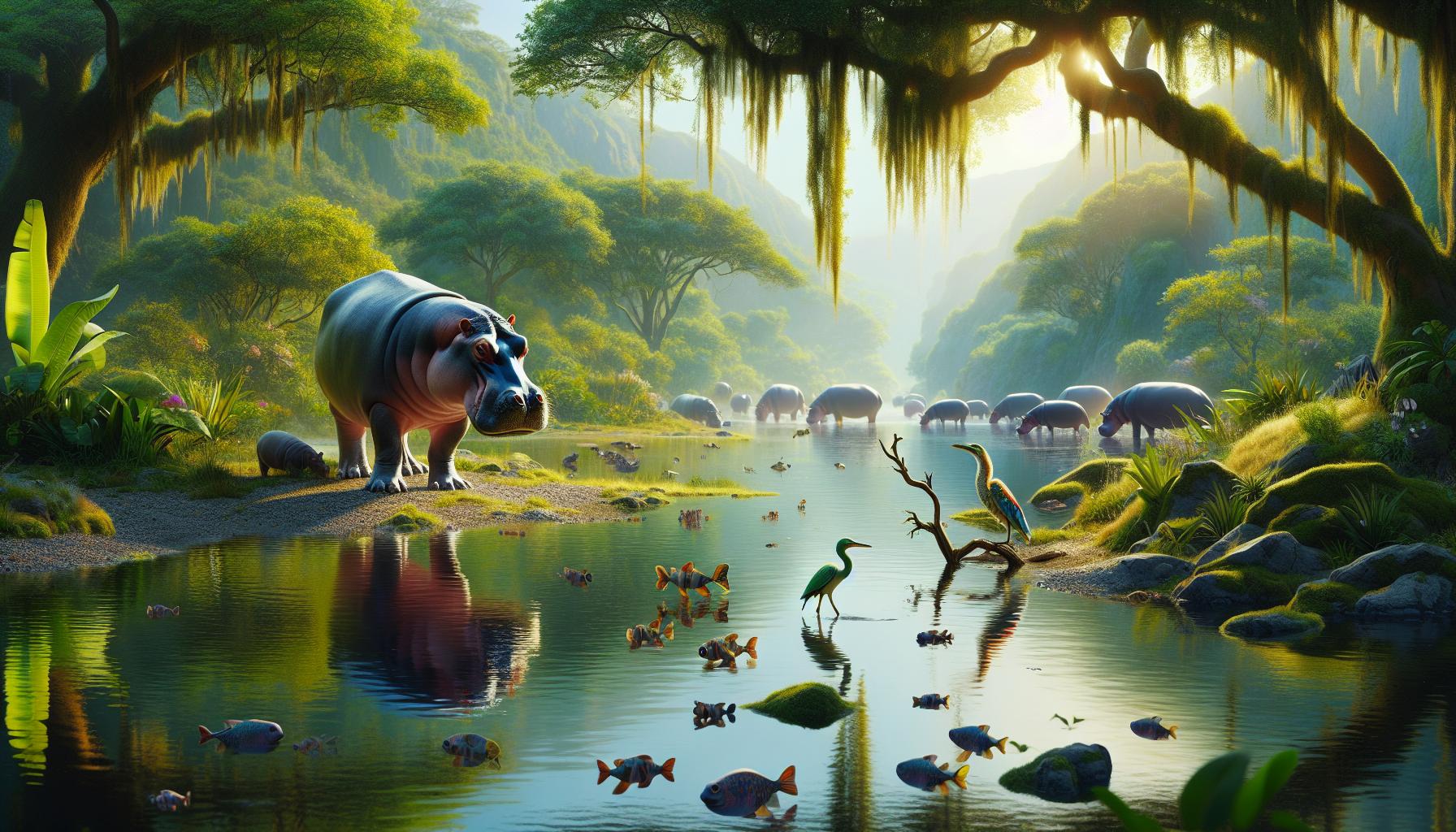
Unlikely Threats: Human Impact on Hippos
Human activities pose significant threats to the survival of hippos, challenging their existence in ways that natural predators cannot. While these creatures are giant, powerful, and adapted to their environments, human encroachment has become one of the most substantial risks they face. Habitat destruction, through agriculture, urban development, and dam construction, fragments the waterways they rely on for cooling and food. With diminished access to these essential resources, hippos often find themselves struggling for territory and grazing opportunities.
Furthermore, poaching exacerbates the plight of hippos. Driven by demand for their ivory-like teeth and meat, illegal hunting has led to population declines in various regions. The appeal of hippo meat, which is considered a delicacy in some cultures, adds additional pressure to their numbers. Protection laws may exist, but enforcement is often weak, allowing poachers to exploit these magnificent animals with relative impunity.
Another unseen yet potent threat is water pollution. Industrial runoff and agricultural pesticides can contaminate the freshwater bodies where hippos live. This not only affects the health of hippos directly but also diminishes the quality of their habitat, leading to further complications in foraging for food. Reduced water quality can lead to outbreaks of disease, compromising their immune systems and overall health.
Moreover, human-wildlife conflict is on the rise. As people encroach on natural habitats, hippos may venture into human territories, leading to confrontations and retaliatory killings. In areas where hippos are perceived as threats to crops or livestock, local communities may resort to lethal measures, further diminishing hippo populations.
In addressing these challenges, it becomes essential for conservation efforts to focus on habitat preservation, stricter anti-poaching laws, and community education about the ecological importance of hippos. By fostering coexistence between humans and hippos, we can help ensure that these incredible creatures continue to thrive in their natural habitats.
Escape Strategies: How Hippos Defend Themselves
While hippos may appear to be massive and clumsy creatures, they have developed an impressive array of escape strategies to defend themselves against the threats they face in the wild. One of the most striking defense mechanisms of a hippopotamus is its sheer size and strength. Weighing up to 8,000 pounds, their bulk allows them to dominate their environment, deterring potential predators. When threatened, hippos can charge with astonishing speed on land, despite their stocky build, reaching speeds of 19 miles per hour, making them one of the fastest animals relative to their size.
In addition to their impressive physical capabilities, hippos are highly social animals that rely on group dynamics for protection. Often found in pods, these groups provide safety in numbers, allowing them to keep a vigilant watch for predators such as lions or crocodiles. When confronted with danger, hippos will group together, intimidating threats with their size and vocalizations, which can include deep grunts and loud snorts, warning off intruders. They can also engage in displays of aggression, including showing their teeth, which can be as long as 20 inches, essentially weapons that signify their formidable nature.
Another critical aspect of a hippo’s escape strategy involves their ability to navigate water effectively. Hippos are excellent swimmers and can hold their breath for up to five minutes underwater, allowing them to evade threats by submerging and moving silently through the murky waters of their aquatic habitats. Their large mouths can open wide, delivering powerful bites that can cause serious harm to anyone or anything that threatens them. Moreover, hippos can often use their understanding of the water currents and underwater vegetation to camouflage themselves, blending into their surroundings and escaping the notice of predators.
In essence, the combination of their physical strength, social behaviors, and aquatic abilities makes hippos formidable in the wild, allowing them to defend themselves and thrive in their natural habitats. Emphasizing conservation efforts is crucial to ensure that these remarkable creatures continue to play their vital role in the ecosystem, as their survival strategies are intricately woven into the fabric of their environment.
The Role of Environment in Hippo Survival
The survival of hippopotamuses is intricately tied to their unique environment, primarily the freshwater ecosystems of sub-Saharan Africa. These massive mammals thrive in rivers, lakes, and swamps where they find not only refuge from the heat, but also rich grazing grounds for their herbivorous diet. The lush banks and submerged vegetation in these habitats support their feeding habits, allowing hippos to consume approximately 80 pounds of grass each night. Thus, the health of the aquatic and nearby terrestrial ecosystems plays a critical role in the survival of hippos, as any degradation in their environment can lead to food shortages and stress.
Hippos are fascinatingly adapted to their semi-aquatic lifestyle. Their bodies are built for buoyancy and maneuverability in water, which is crucial for escaping predators. They can submerge for up to five minutes, utilizing this ability to evade threats from lions and crocodiles. However, this specialized adaptation is threatened by environmental changes such as pollution, habitat destruction, and even climate change, which can reduce water levels and lead to desiccated landscapes. For instance, the drying of water sources can force hippos into smaller, more confined areas, increasing competition and vulnerability to predation.
Beyond the immediate aquatic environments, the surrounding geography also provides essential features for hippo survival. Riverbanks that are rich in mud and soft earth allow hippos to wallow, a behavior that not only helps them regulate their body temperature but also protects their skin from sunburn and parasites. The availability of such thermal refuges is becoming increasingly jeopardized due to human encroachment and agricultural practices. This illustrates the delicate balance within which hippos operate, reinforcing the necessity for strategies that prioritize the conservation of their natural habitats.
In acknowledging , it becomes evident that protecting these ecosystems is essential not just for hippos, but for the myriad other species that coexist within these rich biomes. Efforts such as creating protected areas, restoring degraded habitats, and regulating water usage can contribute significantly to the survival of these iconic animals. Emphasizing such measures not only guards against the potential threats faced by hippos but also fosters biodiversity that is vital for the health of the entire ecosystem.
Inter-species Rivalries: Hippos vs. Other Giants
Hippos, despite their enormous size and formidable presence, often find themselves in unassuming inter-species rivalries that can impact their survival. While they primarily inhabit freshwater ecosystems, their territories overlap with other large mammals such as elephants and crocodiles, leading to competition for resources and occasional conflicts. Elephants, for instance, can rapidly change the landscape with their feeding and wallowing habits, sometimes destroying water sources that hippos depend on. Such environmental change can create scarcity, forcing hippos into closer quarters with these giants, leading to territorial clashes.
Crocodiles are perhaps the most direct competitors and threats to hippos, especially to young or vulnerable individuals. While adult hippos boast few natural predators due to their sheer size, young calves can fall prey to larger crocodiles lurking in the water. This predation highlights a unique aspect of hippo social behavior; adult hippos are known to fiercely protect their young. When confronted by crocs, mothers have been observed displaying aggressive behavior, demonstrating the lengths to which they will go to shield their offspring.
Moreover, conflicts can occur during mating seasons or in areas with overlapping territories of both hippos and other giants. When competing for prime grazing spots or prime nurseries for their young, these encounters can escalate into violent confrontations. Hippos are social animals that live in groups called pods; thus, a confrontation often involves multiple individuals. During these disputes, hippos use their powerful jaws and formidable teeth, which can crush bone, to assert dominance.
In the face of these rivalries, it’s essential for hippos to adapt with a mix of aggression and social cohesion. Their ability to maintain large territories that encompass enough resources is crucial. Understanding these dynamics is vital for conservation efforts, which must consider the intricate relationships between different species in their habitats. Protecting the ecosystems that hippos share with other giants ensures a balanced environment, reducing conflicts and fostering coexistence among these majestic creatures.
Health Issues: Disease as a Silent Killer
While the hippopotamus commands respect with its massive size and formidable presence, the reality is that disease often poses a more insidious threat than any predator in the wild. These creatures, which can weigh up to 4,000 kilograms (about 8,800 pounds), face numerous health challenges, primarily stemming from their aquatic environment and social nature. One of the most dangerous aspects of their health is the susceptibility to bacterial infections due to the highly bacterial-laden waters they inhabit. Contaminated environments can lead to diseases such as anthrax and tuberculosis, which can decimate populations and disrupt social structures.
Common Health Risks
The health issues that plague hippos often go unnoticed until significant damage occurs. Here are a few of the most concerning diseases and health challenges:
- Tuberculosis: This debilitating disease can significantly impact hippo populations, particularly in captivity or in areas with high human-wildlife interaction.
- Anthrax: Known to cause sudden deaths in hippos, this bacterial infection is particularly lethal and can thrive in the contaminated soils of riverbanks.
- Leptospirosis: A waterborne bacterial disease that can cause severe kidney and liver damage, impacting their health and reproductive success.
- Waterborne parasites: Hippos are also vulnerable to parasites like schistosomiasis, which can cause anemia and other health issues over time.
In addition to infectious diseases, the stress of environmental changes, including habitat destruction and food scarcity, can weaken their immune systems, making them more susceptible to illness. Factors such as pollution in waterways and competition for resources with other species exacerbate these health-related issues.
The Impact of Disease on Populations
The impact of diseases on hippos can be devastating, not just for individual animals but also for entire populations. For instance, a disease outbreak can lead to rapid declines in local hippo numbers, affecting their social structure and reproductive potential. Understanding the interconnectedness of their ecosystem is vital, as the decline in hippo health can have ripple effects on the environment, influencing vegetation along waterways and altering habitats for other species.
Conservation efforts must therefore address the health of hippos holistically, ensuring their habitats are protected from pollution and human interference while promoting monitoring for diseases. Health initiatives combined with habitat preservation can be paramount in safeguarding these magnificent creatures for future generations.
Disease remains one of the quietest yet deadliest foes of hippos, often overshadowed by more visible threats like poaching and habitat loss, making it crucial for both researchers and conservationists to keep a vigilant watch on the health of this incredible species.
Impact of Climate Change on Hippo Habitats
As climate change progresses, the habitats of hippopotamuses are becoming increasingly threatened, posing significant risks to their survival. Historically, these semi-aquatic mammals have thrived in the rivers and lakes of sub-Saharan Africa, relying on stable water levels and abundant vegetation for sustenance. However, rising temperatures and shifting precipitation patterns are altering their environments in profound ways, triggering a cascade of issues that jeopardize their existence.
The most immediate concern is the reduction of their aquatic habitats due to prolonged droughts. Rivers and lakes are shrinking, forcing hippos to compete for space and resources in increasingly crowded conditions. This scarcity not only affects their feeding habits-forcing them to graze farther from water-but also heightens stress levels and aggression, which can lead to decreased reproductive success and disrupted social structures. In regions where water sources dry up, hippos may be pushed into closer proximity to human settlements, leading to conflicts that can endanger both animals and humans.
Another critical factor is the impact of increased flooding, which can wash away vegetation necessary for hippos’ diets and disrupt their traditional breeding grounds. These heavy rains can also lead to water contamination, exacerbating the spread of diseases such as anthrax and parasites, which thrive in polluted conditions. With a weaker immune response due to poor nutrition and heightened stress, hippos become more vulnerable to these health threats, further threatening their populations.
Furthermore, climate change has implications for the flora and fauna within hippo habitats. As ecosystems shift, the loss of flora affects the food web and can lead to reduced biodiversity, further destabilizing hippo populations. Conservationists emphasize the need for targeted efforts to mitigate these effects, such as habitat restoration and sustainable water management practices. By safeguarding and enhancing the quality of their environments, we can help protect hippos from the dire consequences of climate change while fostering resilient ecosystems that support a variety of wildlife.
Conservation Efforts: Protecting Hippos from Extinction
Despite their immense size and fearsome reputation, hippopotamuses face a multitude of challenges that threaten their very existence in the wild. With a declining population and increasing habitat destruction, conservation efforts play a crucial role in ensuring that these remarkable creatures do not vanish from our planet. Effective conservation strategies encompass habitat restoration, community involvement, anti-poaching initiatives, and bolstering legal protections.
One of the most vital aspects of hippo conservation is habitat preservation. Initiatives that focus on protecting water bodies from pollution and managing river systems sustainably are essential for maintaining the ecosystems in which hippos thrive. For instance, conservation organizations often work alongside local communities to promote sustainable agriculture and water management practices. These collaborations can significantly reduce deforestation and enhance the quality of water sources, which is critical for hippos who rely heavily on aquatic environments for food and shelter.
Community engagement is equally important. Educating local populations about the ecological significance of hippos fosters a sense of shared responsibility, encouraging them to protect these magnificent animals. Programs that provide economic incentives for eco-friendly tourism or community-based conservation can help align human interests with wildlife preservation. Creating jobs that involve the monitoring of hippo populations or guiding tours to observe them in their natural habitat not only protects hippos but also instills pride in local communities.
To combat the growing threat of poaching, which targets hippos for their ivory tusks and meat, legislation must be enforced rigorously. Organizations working in this field emphasize comprehensive law enforcement that protects hippos through stronger anti-poaching laws and penalties. In tandem with this, the promotion of local conservation laws and international treaties, such as the Convention on International Trade in Endangered Species (CITES), can provide essential protections for hippos, ensuring they are not exploited.
In summary, the survival of hippopotamuses hinges on robust conservation efforts that address habitat loss, engage local communities, and enforce protective legislation. By fostering a collaborative approach that highlights the importance of hippos to their ecosystems and local livelihoods, we can help mitigate the risks that threaten these extraordinary creatures, ensuring they remain a vibrant part of the natural world for generations to come.
Myths and Misunderstandings About Hippos
When contemplating the threats to hippos in the wild, it’s essential to sift through the myths that often surround these colossal creatures. One common misconception is that hippos have no natural predators due to their immense size and fearsome reputation. However, this belief oversimplifies the complexities of their ecology. In reality, while adult hippos face little threat from other animals, calves are vulnerable to predators such as crocodiles and lions, particularly in the water or shallow zones where they cannot escape quickly.
Another myth is the notion that hippos are fully aquatic. While they spend a significant amount of time in water to keep their massive bodies cool and to stay hydrated, they are terrestrial animals that require land for grazing. This often leads to misunderstandings about their habitat needs and behaviors, as many assume they are solely river dwellers. In fact, hippos are primarily nocturnal grazers, emerging from the water at night to feed on grasses, which can expose them to threats from humans and other predators.
Additionally, there’s a longstanding belief that hippos are simply gentle giants due to their seemingly calm demeanor in water. However, this is misleading. Hippos are known for their territorial aggression, especially during the breeding season or if they feel their young are threatened. Their jaw strength, which can crush bones, makes them far more dangerous than often perceived. Public perception can influence conservation efforts; underestimating their aggression may lead to inadequate protection measures.
Understanding these myths is crucial for effective conservation strategies. Misconceptions can lead to inadequate habitat protection and misunderstandings among local communities regarding the species’ needs and behaviors. Addressing these beliefs fosters a better appreciation of hippos’ ecological roles and the necessity of preserving their habitats, ensuring their survival in an increasingly human-dominated world. By dispelling myths and promoting accurate information, we can contribute to more successful conservation efforts aimed at the protection of these unique animals.
Lessons from Hippo Behavior: Survival in Action
In the vibrant tapestry of African wildlife, the hippopotamus stands out not only for its size but for its fascinating behaviors, which underscore its remarkable survival strategies. Among these giants, learning how hippos defend themselves reveals a lot about their ecological roles and interactions within their habitats. Hippos possess strong social structures, typically living in groups called pods, which can consist of up to 30 individuals. These pods provide security in numbers, primarily protecting calves from potential threats like crocodiles and large predators. When in water, a mother hippo will often position herself between her young and any perceived threat, illustrating an instinctive behavior driven by protective maternal instincts.
Moreover, hippos are territorial animals, notably during the breeding season, and this territorial nature extends to both land and water. They utilize vocalizations, such as grunts and bellows, to communicate warnings within their group and to assert dominance over rival hippos, often engaging in displays of aggression. During confrontations, hippos may open their mouths wide, showcasing their formidable teeth, which can deliver powerful bites. This demonstrates how their aggressive behavior serves not only as a defense mechanism but also as a means of maintaining social order within the pod.
Surprisingly, hippos have also adapted their behaviors based on their interactions with other species. For instance, they share their environment with many smaller animal species, including birds that often clean parasites from their skin. This interspecies relationship illustrates a lesser-known survival tactic: while hippos journey to graze on land nightly, they also benefit from these associations, which help reduce their parasite load.
As climate change and human encroachment threaten their habitats, examining these survival lessons becomes increasingly critical. Understanding the delicate balance hippos maintain between aggression, social structure, and environmental interactions can inform conservation strategies that aim to protect these majestic creatures. By fostering awareness of their behavioral adaptations, we not only appreciate the hippo more deeply but also advocate for their continued survival in a rapidly changing world.
FAQ
Q: What are the main threats to hippos in the wild?
A: The primary threats to hippos include human activity such as poaching for their ivory teeth, habitat destruction due to agriculture and urban development, and competition for dwindling water resources. Environmental changes and pollution also significantly impact their survival, leading to increased stress on their populations.
Q: Do hippos have any natural predators?
A: Adult hippos have very few natural predators due to their size and aggression. However, young hippos can fall prey to lions, crocodiles, and hyenas, especially when separated from their mothers. Their defensive behavior and strength deter most potential threats.
Q: How does climate change affect hippos?
A: Climate change disrupts hippo habitats by altering water availability and quality, resulting in more severe droughts. This can lead to reduced access to mud wallows, which are crucial for thermoregulation and skin protection, ultimately affecting hippo health and survival rates.
Q: What diseases threaten hippo populations?
A: Hippos are susceptible to various diseases, including anthrax and the effects of increased parasites in polluted waters. These health threats can be exacerbated by weakened immune systems due to environmental stressors and reduced habitat quality.
Q: How do human activities impact hippo survival?
A: Human activities impact hippo survival through habitat loss, poaching, and increased competition for water sources, especially during droughts. This results in conflict between humans and hippos as both seek to utilize limited resources, leading to further threats for these mammals.
Q: Why do hippos kill more people than any other African animal?
A: Hippos are responsible for more human fatalities annually due to their territorial nature and aggressive behavior when threatened. They may attack boats and people near water, perceiving them as intruders in their territory, leading to dangerous encounters.
Q: Can hippos adapt to changing environmental conditions?
A: While hippos are robust, their ability to adapt to rapidly changing environments is limited. They rely on stable water bodies and access to grasslands for feeding. Changes in these conditions can lead to stress, lower reproductive success, and increased mortality rates.
Q: How can we help protect hippos from extinction?
A: Protecting hippos requires conservation efforts focused on habitat preservation, enforcing anti-poaching laws, and educating local communities on the ecological value of hippos. Supporting organizations dedicated to wildlife conservation can also aid in safeguarding their future.
To Conclude
As we’ve unveiled the truth about what can kill a hippo, it’s clear that these formidable creatures face few natural predators, standing as giants in their aquatic realms. Yet, understanding their ecological challenges is crucial for their conservation. If you found this exploration fascinating, dive deeper into related topics like the impact of climate change on wildlife or discover how poaching threatens hippo populations.
Your curiosity doesn’t have to end here-join our community for more wildlife insights and strategies to safeguard these magnificent animals. Sign up for our newsletter today to stay informed and engaged with animal conservation efforts. Every click helps raise awareness! If you have thoughts or questions, we invite you to share them in the comments below. Let’s continue this important conversation together!


