


In the wild, survival often depends on ingenuity, and few strategies are as remarkable as playing dead. Various animals, from opossums to certain species of frogs, have perfected the art of feigning death to escape predators. This fascinating behavior not only captures our imagination but also highlights the complex adaptions animals employ to thrive in dangerous environments.
Understanding this unique survival tactic can deepen our appreciation for the animal kingdom and provide insights into the evolutionary pressures shaping wildlife behavior. As curious observers of nature, recognizing the intricate strategies that animals use to survive can enhance our connection to the natural world.
Dive into the captivating realm of animal deception and discover how these masters of mimicry navigate life’s challenges. From the biology behind their remarkable abilities to practical lessons for pet owners about stress response and behavior management, there is much to learn and explore. Your journey into the hidden complexities of animal life begins now!
Contents
- 1 What Is Playing Dead in the Animal Kingdom?
- 2 Surprising Benefits of Playing Dead for Survival
- 3 Famous Masters of Deception and Their Tactics
- 4 Evolutionary Perspectives: Why Animals Play Dead
- 5 Common Animals That Exhibit Play Dead Behavior
- 6 The Science Behind the ‘Playing Dead’ Phenomenon
- 7 How Play Dead Behavior Varies Across Species
- 8 Pet Care Insights: Handling Pets That Play Dead
- 9 Deceptive Tactics in Nature: An Overview
- 10 Comparative Analysis: Play Dead vs. Other Defense Mechanisms
- 11 Cultural Significance of Playing Dead in Folklore
- 12 FAQs About Animal Deception Techniques
- 13 FAQ
- 14 To Conclude
What Is Playing Dead in the Animal Kingdom?
Playing dead, or thanatosis, is a compelling survival strategy employed by various species in the animal kingdom. This fascinating behavior occurs when an animal feigns death to evade predators, a tactic that can often save its life when fleeing or fighting is not an option. The act of playing dead can involve a range of behavioral adaptations, such as rolling onto one’s back, going limp, or even emitting an odor that mimics that of a decaying body. Such deceptive tactics not only distract predators but can also create an opportunity for the prey to escape once the perceived threat passes.
Several species are renowned for their mastery of this technique. For instance, the opossum is perhaps the most famous practitioner, capable of entering a state of apparent death that can last for hours, allowing it to avoid the attention of would-be predators. Similarly, some species of toads and lizards can drop their tails in moments of danger and later regenerate them-an adaptation that indirectly promotes a “playing dead” response by giving the animal a chance to escape while leaving a part of itself behind. Insects, too, such as certain caterpillars, utilize mimicking behaviors that simulate death to blend into their environment, avoiding predation through sheer deception.
Understanding this behavior not only highlights the innovative survival strategies within the animal kingdom but also has implications for pet owners. For pets that may be inclined to mimic such behaviors under stress, recognizing the signs can help owners intervene appropriately. For instance, understanding that a pet may “play dead” due to fear can guide owners in providing a safer and more comforting environment, ensuring that their companion feels secure enough to avoid such defensive strategies. Thus, both wildlife enthusiasts and pet owners should appreciate the intricacies and benefits of this fascinating defensive behavior, acknowledging its role in the survival of countless species across various ecosystems.
Surprising Benefits of Playing Dead for Survival
In the intricate dance of survival within the animal kingdom, playing dead emerges as a remarkable tactic that offers myriad benefits. This strategy, known as thanatosis, allows prey to exploit their surroundings and evade predators by feigning death. The advantages of adopting such a deceptive behavior are not only immediate but can also contribute significantly to the long-term survival of various species.
One compelling benefit of playing dead is the ability to buy precious time. When an animal goes limp or mimics death, predators are often confused or lose interest, providing the prey with a chance to escape unnoticed. For instance, the opossum’s ability to remain motionless for hours can lead a predator to abandon its hunt. This tactic is particularly effective for smaller animals that might otherwise fall victim to larger, more aggressive predators. Additionally, some species utilize this strategy to enhance their mimicry in their environment, blending into the scenery and avoiding detection altogether.
Another fascinating aspect of this behavior is its evolutionary significance. Animals that successfully employ thanatosis are more likely to survive and reproduce, passing on these advantageous traits to future generations. Species that exhibit this behavior, such as certain toads and lizards, demonstrate how adaptations can enhance survival rates in the face of predation. The evolutionary arms race between predators and prey fosters innovative strategies like playing dead, ensuring that both survival and adaptability remain at the forefront of natural selection.
For pet owners, understanding the implications of this behavior can be invaluable. Some pets may display similar defensive tactics when feeling threatened or stressed. Recognizing signs such as going limp or hiding instinctively can help owners respond appropriately, providing reassurance and a safe environment. By addressing the root causes of stress and fear, pet owners can mitigate the need for these defensive behaviors, enhancing their pet’s overall well-being. In this fascinating interplay of survival and adaptation, animals like the opossum not only captivate our curiosity but also offer essential lessons in care and compassion for our own animal companions.
Famous Masters of Deception and Their Tactics
In a world where the stakes of survival are high, some animals have evolved remarkable strategies to outsmart predators. Among these, the art of playing dead, or thanatosis, showcases some of nature’s most ingenious masters of deception. Many species have refined this tactic to such an extent that their very lifelines hinge upon their ability to convincingly mimic death.
The opossum is perhaps the most famous artist in this field. When threatened, it can enter a state of near-complete paralysis, complete with droopy eyes and a lolling tongue, and emit a foul odor to mask its fresh vulnerability. This lifelike ruse not only creates the illusion of death but often deters predators who are instinctively averse to eating carrion. Additionally, the opossum’s ability to remain in this state for hours allows it to bide its time until the danger has passed, before casually reawakening and continuing on its path.
Another remarkable deceiver is the Eastern Hognose snake, known for its theatrical displays when confronted. When threatened, this snake will initially flatten its body and hiss dramatically. If this fails, it resorts to rolling over and playing dead, allowing its stomach to display vibrant colors that may deter some predators. Its unique ability to mask its scent enhances its disguise, making it less appealing as prey. This multi-layered approach ensures that the hognose snake remains one step ahead of its adversaries.
Beyond these well-known examples, many other creatures employ similar tactics, showcasing the versatility and effectiveness of this behavioral strategy. Certain species of toads will remain motionless, and some fish will drop to the ocean floor, blending in with the substrate until the threat recedes. For pet owners, understanding these natural instincts can provide insights into their own pets’ behavior. If a pet appears to go limp or feigns death when scared, recognizing this as a natural defensive maneuver can inform more compassionate responses, ensuring a safe and reassuring environment for your furry companion.
Playing dead is more than mere survival; it’s a testament to the remarkable adaptations found within the animal kingdom, reminding us of the intricate dynamics between predators and prey and the lengths to which life will go to endure.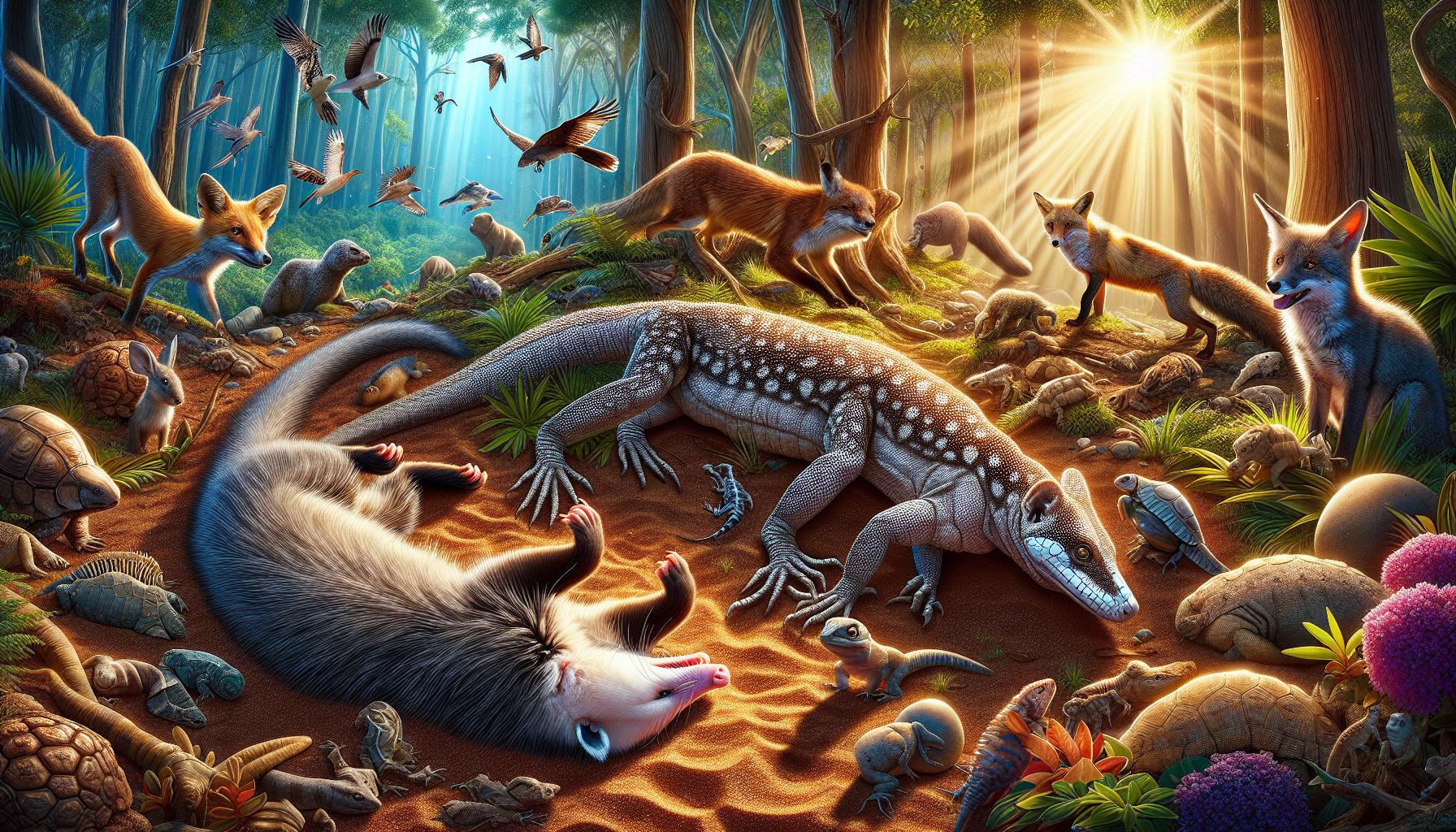
Evolutionary Perspectives: Why Animals Play Dead
In the grand tapestry of evolution, animals have developed an incredible array of survival strategies to evade predators, and one of the most intriguing of these is the act of playing dead, or thanatosis. This fascinating behavior is not just a random tactic but a well-honed evolutionary adaptation that increases an animal’s chances of survival in a world filled with threats. By mimicking death, these creatures exploit the instincts of their predators, often triggering an aversion to carrion that protects them from becoming a meal.
The evolutionary success of thanatosis can be attributed to several key factors. First, it serves as a remarkably effective deterrent against predation. When an animal like the opossum goes limp and emits a foul odor, it presents a challenge to a predator’s appetite-they must decide whether to gamble on the freshness of the “dead” prey. This instinctual fear of consuming carrion allows the opossum to survive encounters that would otherwise lead to its demise. Similarly, the Eastern Hognose snake’s dramatic display and subsequent play dead routine send a clear message to potential threats: this prey is not worth the effort, as it could just be packed with disease or toxins.
Another perspective involves energy conservation. In an environment where escaping predators often requires significant energy expenditure, playing dead allows animals to remain motionless and undetected, effectively waiting out the danger. This energy-saving tactic not only aids in individual survival but also can result in the long-term viability of the entire species. By reducing the number of confrontations with predators, animals that employ thanatosis can contribute more effectively to their populations’ genetic diversity and adaptability over time.
For pet owners, understanding these complex survival strategies enhances not only their appreciation for wildlife but also their interactions with household pets. Many pets exhibit behaviors reminiscent of thanatosis, such as going limp during stressful situations. Recognizing these responses as natural coping mechanisms allows for informed and compassionate handling of anxious pets, promoting a nurturing environment. As owners become more attuned to these instincts, they can provide better care that respects and understands these deep-seated biological responses.
Common Animals That Exhibit Play Dead Behavior
In the wild, numerous species rely on the fascinating tactic of playing dead-also known as thanatosis-to evade predators. This dramatic response showcases nature’s creativity in survival strategies and highlights the extraordinary adaptations animals have developed over millennia. Among the most notable are the opossum and the Eastern Hognose snake, both masters of deception when it comes to mimicking death.
Opossums are perhaps the most famous practitioners of thanatosis. When faced with danger, they can go limp, roll over, and even emit a foul odor to mimic the scent of decay, effectively convincing potential threats that they are no longer alive. This behavior is so convincing that predators often lose interest, deeming the opossum an unappetizing meal. Similarly, the Eastern Hognose snake employs an elaborate display; when threatened, it may puff up, hiss, and then dramatically roll onto its back, presenting itself as a deceased creature. This tactical performance is aimed at dissuading predators who may fear illness or decay.
Other animals also utilize this bizarre yet effective behavior. Many species of frogs can go into a state of apparent death by becoming completely still, while some species of fish and birds exhibit similar tactics. Even insects such as certain beetles will fold their limbs and remain motionless to avoid predation. These adaptations not only enhance individual survival rates but also play a crucial role in the ecological balance by allowing these animals to persist in environments fraught with danger.
For pet owners, recognizing these behaviors can deepen one’s understanding of animal instincts. While domestic pets like dogs may not play dead as a survival tactic, they often display similar behaviors when frightened or overwhelmed. Acknowledging these responses can help owners provide appropriate environments that respect their pets’ natural instincts. Understanding why animals, both wild and domesticated, exhibit such fascinating behaviors allows for a greater appreciation of wildlife and informs better care practices at home.
The Science Behind the ‘Playing Dead’ Phenomenon
In the animal kingdom, the phenomenon of playing dead, or thanatosis, reveals the intricate relationship between survival strategies and biology. This fascinating behavior is more than a mere act; it’s a sophisticated evolutionary response that has developed over countless generations as a direct measure against predation. When animals engage in this behavior, they utilize a complex interplay of physiological changes and instinctual reactions designed to deceive potential predators into believing they are no longer alive.
For instance, upon sensing danger, an opossum may go limp, entering a virtual state of suspension, during which its heart rate drops and breathing becomes nearly imperceptible. This is not merely a psychological trick; the opossum can modify its internal body functions to mimic the biological signs of death, such as releasing a pungent odor that signals decay. Similarly, reptiles like the Eastern Hognose snake can puff up, hiss, and roll over, showcasing behaviors that communicate vulnerability in a dramatic fashion aimed at deterring threats. Such reactions illustrate an impressive level of adaptation, where the animal’s biology effectively supports their behavioral tactics.
For pet owners observing their animals in precarious situations, it’s essential to understand this behavior’s biological roots. While most domesticated pets do not exhibit playing dead as a survival tactic, they may display similar signs of distress that signal a need for intervention. Recognizing these behaviors can aid in providing the right care. For example, if a dog appears to be playing dead or suddenly goes limp, it might be responding to fear or anxiety. Providing a calming environment or consulting with a veterinarian can ensure their psychological and physical well-being.
Encouraging a deeper appreciation of thanatosis in animals not only enhances our understanding of wildlife ingenuity but also enlightens pet owners on how to create supportive environments that respect their pets’ instinctual behaviors, thereby fostering healthier, happier lives.
How Play Dead Behavior Varies Across Species
Many animals have mastered the art of deception through the intriguing behavior of playing dead, known scientifically as thanatosis. This behavior is not uniform; it varies significantly among species and serves distinct purposes tailored to their unique environmental challenges and predation threats. For instance, while an opossum may choose to go limp and emit noxious odors to deter predators, other creatures employ more theatrical displays.
Unique Strategies Across Species
In the animal kingdom, various methods of thanatosis can be observed, tailored to the ecological niche of each species. The opossum’s nonchalant collapse is perhaps one of the most famous adaptations, triggering a physiological reaction that mimics death. Its ability to slow its heartbeat and alter its body temperature enhances this act of trickery, making it an effective strategy against would-be predators.
Conversely, the Eastern Hognose snake takes a more dramatic approach. When threatened, it not only rolls over and plays dead, but it may also hiss loudly and puff itself up, creating an illusion of greater danger. This showy performance can confuse predators, giving the snake a chance to escape.
Insects and the Art of Deception
Interestingly, even insects have developed their own versions of playing dead. Certain species of beetles, when threatened, will feign death by dropping to the ground and remaining motionless, relying on their small size and color to blend into their surroundings. This behavior works well because many predators prefer moving prey, thus allowing these insects to survive through stillness.
Practical Pet Care Tips
For pet owners, recognizing signs of distress or fear in pets is crucial, especially if they appear to be imitating this behavior. If a dog suddenly goes limp, it might be responding to anxiety, rather than an instinctual survival mechanism. Creating a safe and calm environment can help ease such fears. Engaging pets in play and providing comfort during stressful situations can minimize the likelihood of distress-induced behaviors resembling playing dead.
Understanding the varied manifestations of thanatosis not only paints a fascinating picture of survival in the wild but also informs responsible pet ownership practices. By observing and interpreting our pets’ behaviors, we can better support their emotional needs while appreciating the amazing diversity of life and survival strategies in the animal kingdom.
Pet Care Insights: Handling Pets That Play Dead
To witness the phenomenon of a pet “playing dead” can be both fascinating and concerning. When dogs or other domestic animals mimic this behavior, it often raises questions about their emotional well-being and instinctual responses. Interestingly, while the act of playing dead is a survival tactic seen in nature-helping animals like opossums escape predators-when it appears in our pets, it usually stems from anxiety or fear rather than an evolutionary adaptation. Understanding this response can aid in fostering a nurturing environment that aligns with your pet’s emotional needs.
Understanding the Behavior
Pets may resort to a form of thanatosis when they feel threatened or overwhelmed. For example, if a dog suddenly goes limp during a stressful situation, it might be exhibiting a reaction to anxiety rather than an instinctive survival mechanism. This could occur during loud noises, encounters with aggressive animals, or unfamiliar settings. Recognizing these triggers is essential for pet owners.
Immediate Actions to Take
When faced with a pet displaying such behavior, consider the following strategies:
- Stay Calm: Your demeanor significantly influences your pet’s behavior. Approach them calmly to create a reassuring atmosphere.
- Provide Comfort: Gently pet or hold your pet if they seem distressed. Offer a familiar toy or blanket to help ease their anxiety.
- Observe Triggers: Identify what prompts your pet to play dead. Is it a specific sound, sight, or situation? Understanding this will help you manage their environment better.
- Gradual Exposure: If your pet exhibits anxiety in certain situations, try gradual desensitization. Gradually expose them to the stimulus in a controlled manner, paired with positive reinforcement.
Enhancing Emotional Resilience
Creating a safe and stimulating space can prevent instances of anxious behavior. Regular exercise is an excellent way to reduce stress, as it releases endorphins and diminishes anxiety levels. Additionally, engaging your pet in regular playtime can help distract them from stressors and build positive associations.
Ultimately, understanding the nuances of your pet’s behavior not only cultivates a deeper bond but also allows for proactive measures that promote a calming, secure environment. By recognizing their signals and responding appropriately, you can enhance their emotional wellness and appreciate the rich tapestry of instinctual behaviors woven into their being.
Deceptive Tactics in Nature: An Overview
In the vast and intricate tapestry of the animal kingdom, deception plays an essential role in the survival strategies of many species. One of the most fascinating and dramatic tactics employed by various creatures is playing dead, also known as thanatosis. This behavior serves as an effective means of evading predators by convincing them that the prey is no longer a viable target. The act of feigning death has been observed across diverse species, showcasing nature’s remarkable ingenuity in adaptation and survival.
Certain species, such as the opossum, are well-known for their expertise in this emotional ruse. When threatened, opossums will collapse, emit a foul odor, and even drool to simulate death, effectively prompting predators to lose interest. This dynamic strategy exploits the predator’s instinctual response; many hunters prefer live prey, thus granting the opossum a second chance to escape unharmed. Similarly, some species of grasshoppers and other insects have been observed to play dead-remaining motionless to avoid detection, banking on their inconspicuousness to survive predatory attacks.
Among fish, the hognose snake puffs up its body and rolls onto its back when threatened, dramatically increasing its chances of survival by appearing unpalatable and lifeless. This theatrical pose not only dissuades potential predators but also illustrates the lengths to which animals will go to ensure their survival. The snake’s performance is so convincing that it can maintain this facade for several minutes, waiting patiently for danger to pass.
This remarkable ability to deceive is not limited to just a few species; many animals throughout the animal kingdom utilize variations of this tactic. From the iconic “death-feigning” responses of certain insects to the elaborate ploys of larger mammals, the ability to simulate death reflects a broader evolutionary strategy. As such, understanding these deceptive tactics offers insight into the complexities of survival in a world where the stakes are high, and capturing or avoiding a meal can mean the difference between life and death. Recognizing these behaviors in nature enriches our appreciation for wildlife and highlights the intricate relationships between predator and prey dynamics.
Comparative Analysis: Play Dead vs. Other Defense Mechanisms
In the animal kingdom, the strategy of playing dead, or thanatosis, stands out as a remarkable tactic among various defensive behaviors. This tactical behavior is often compared with other survival strategies, such as fleeing, camouflage, or active defense. Understanding these different approaches provides insight into the diverse evolutionary adaptations animals have developed to increase their chances of survival against predators.
Playing dead is unique because it leverages deception; it convinces predators that the prey is no longer a viable meal. This tactic has proven effective for animals like the opossum and the hognose snake. Each has perfected the art of feigning death, which can significantly delay predator engagement, allowing the animal to escape once the threat has passed. In contrast, behaviors such as fleeing capitalize on speed and agility, relying on an immediate escape route. For instance, gazelles use their impressive speed and agility to outpace predators like lions-a strategy that can fail if the predator’s ambush is successful.
Camouflage is another essential defense mechanism that operates differently from playing dead. Many animals-ranging from the leafy sea dragon to certain species of moths-utilize colors and patterns that blend seamlessly into their environments, effectively making them invisible to potential threats. While thanatosis relies on a convincing act of death, camouflage focuses on avoidance through concealment. Both methods, however, highlight a fundamental aspect of survival: minimizing detection by predators.
Comparative Efficiency
When comparing the effectiveness of playing dead versus other defensive strategies, context is crucial. In environments where predators are highly visual and rely on movement to detect prey, staying still can be more beneficial than attempting to flee. Conversely, in situations where escape is feasible, speed becomes the best defense. Each method can be understood as a response to specific predation pressures and ecological contexts.
Moreover, the risks associated with each tactic differ significantly. Playing dead might leave an animal vulnerable if a predator does not respond as expected or if scavengers are nearby. On the other hand, active flight can lead to injury if the animal is caught or if it must navigate through dense vegetation that slows its escape.
Given these varied approaches, pet owners should be aware of the different instincts that their pets may exhibit when feeling threatened. For instance, some dogs may instinctively play dead when startled, while others may flee or even behave aggressively. Understanding these behaviors can aid in managing your pet’s reactions in stressful situations, ensuring you can provide a safe and supportive environment. Adapting training methods to accommodate your pet’s natural instincts can lead to improved behavior and increased comfort.
This comparative analysis of playing dead against other defense mechanisms enriches our understanding of animal behavior, illustrating not only the beauty of nature’s adaptations but also the complexity of survival strategies in the wild.
Cultural Significance of Playing Dead in Folklore
The fascinating behavior of playing dead, known scientifically as thanatosis, transcends mere survival tactics in the animal kingdom; it has woven itself into the fabric of cultural folklore around the world. Legends and stories depicting animals that can feign death reflect human fascination with nature’s ability to adapt and deceive. This concept not only captivates our imagination but also evokes deeper meanings and moral lessons within various societies.
In many cultures, the ability to play dead is revered as a symbol of wisdom and strategy. For example, in Native American lore, certain animals such as the opossum are celebrated for their cunning. The opossum’s ability to outwit predators by lying still evokes admiration and serves as a cautionary tale about the importance of cleverness and resourcefulness. Such stories often highlight the idea that sometimes, appearing weak or defeated can in fact be a strength-an idea that speaks to broader life experiences where patience and strategy prevail over brute force.
The act of playing dead also resonates in creation myths and stories of transformation. In some narratives, animals that feign death are believed to undergo a transformation into a more powerful or liberated being after successfully deceiving their aggressors. This trope illustrates the theme of resilience and rebirth, allowing tales to channel human emotions relating to struggle and survival. It invites listeners to consider their journeys and the deceptive appearances that situations may embody, encouraging deeper reflection on the nature of conflict and resolution in life.
Moreover, the practice of playing dead in folklore is not limited to animals; it is mirrored in human tales where strategic feigning of demise is employed to escape danger. For instance, the clever hero in stories who pretends to be dead to outsmart enemies reflects the broader theme of using one’s wits to navigate perilous situations. Readers are left with a powerful takeaway: cleverness, patience, and understanding one’s environment-much like the masters of deception in the animal kingdom-can lead to survival and success against the odds.
Understanding the cultural significance of this behavior provides useful insights for pet owners, too. Observing and interpreting their pets’ instinctual responses, such as playing dead when threatened, contributes to better management of anxious or easily startled animals. By nurturing an environment that appreciates these natural instincts, pet owners can forge deeper connections with their furry companions and provide supportive, enriching home lives.
FAQs About Animal Deception Techniques
The remarkable strategy of playing dead, also known as thanatosis, is a fascinating survival mechanism found in numerous species. This behavior serves as a brilliant example of nature’s ingenuity, allowing prey animals to trick their predators into believing they are no longer a threat. Questions often arise around this intriguing technique, including which animals employ it, how it works, and why it is effective.
Many animals are celebrated for their mastery of deception. For instance, the opossum is perhaps the most famous, capable of feigning death for several minutes to confuse predators. Similarly, certain species of frogs and lizards can freeze in place, relying on camouflage and their unassuming appearance to evade detection. Some notable contenders that utilize this tactic include:
- Opossums
- Hognose snakes
- Ground-nesting birds
- Certain species of insects
Understanding the evolutionary advantages of such deception is key. By playing dead, these animals can avoid predation, allowing them to survive and reproduce. This remarkable ability underscores the complex interplay between predator and prey in evolutionary biology. For pet owners observing their animals, recognizing similar behaviors can foster better understanding and management of their pets’ natural instincts and fears.
When caring for pets, it’s essential to consider their instinctual responses to perceived threats. Some pets may display a form of playing dead if they feel overwhelmed. Understanding this behavior can help owners respond appropriately, providing reassurance or creating a safe space, allowing pets to feel secure in their environment. Awareness of these instincts not only aids in better pet care but also enriches our connection with our furry companions.
In summary, the art of deception through playing dead is a sophisticated survival strategy utilized by various animals. Recognizing these behaviors enhances our appreciation for wildlife and encourages responsible and empathetic pet ownership practices.
FAQ
Q: What is the purpose of playing dead in animals?
A: Animals play dead, or “thanatosis,” primarily as a survival tactic. By appearing lifeless, they may evade predators who prefer live prey. This behavior can also exploit the reactions of predators, sending mixed signals and giving the animal a better chance to escape.
Q: Which animals are known for their ability to play dead?
A: Various animals, including opossums, certain reptiles, and some insects like the Bombardier beetle, are famous for playing dead. Opossums are particularly well-known for this behavior, using it as a defense strategy against threats.
Q: How do animals that play dead trigger their instinct?
A: The instinct to play dead can be triggered by stress or fear. Animals, like the opossum, have a physiological response that slows their heart rate and induces a state resembling death, helping them avoid predation effectively.
Q: Are there any specific strategies animals use while playing dead?
A: Animals use diverse strategies when playing dead, such as becoming limp, emitting foul odors, or hiding in plain sight, enhancing their camouflage. These tactics aim to convince potential predators that they are not a viable target.
Q: How does playing dead affect an animal’s survival rates?
A: Animals that exhibit thanatosis can significantly increase their survival rates against predators. By effectively simulating death, many can escape fatal encounters, allowing them to continue thriving within their ecosystems.
Q: When are animals most likely to play dead?
A: Animals are most likely to play dead when they perceive an immediate threat. This behavior often occurs during predator encounters when escape routes are limited and the risk of being caught is high.
Q: Can playing dead be learned behavior in animals?
A: Yes, playing dead can sometimes be learned behavior. Young animals may observe older, experienced individuals using this tactic successfully, leading them to adopt similar strategies in threatening situations.
Q: What should pet owners know about pets that exhibit play dead behavior?
A: Pet owners should understand that while some pets, like dogs, may learn to “play dead” through training, it’s essential not to confuse this behavior with distress. Training should be positive and reinforce calmness, ensuring the pet feels secure during the process.
To Conclude
As we’ve explored, the art of playing dead is a fascinating survival tactic employed by various animals to evade predators. Understanding these masters of deception enriches our appreciation of the intricate strategies in the animal kingdom and reminds us that nature is full of surprises. If you’re intrigued by animal behaviors, dive deeper with our articles on animal mimicry and unique defense mechanisms, where you’ll discover even more astounding stories from the wild.
Don’t miss out on the latest insights! Subscribe to our newsletter for up-to-date articles and expert tips on both wildlife and pet care. If you’re considering adopting a pet, check our resources to ensure you’re prepared for their needs. Engaging with wildlife, whether at home or in nature, brings joy and responsibility. Share your thoughts below-what surprised you the most about the animals that play dead? Your interaction fuels our community’s conversation and exploration of the animal kingdom!


