


Raccoons are naturally curious creatures, often attracted to human food, but not all offerings are safe for them. In fact, certain foods can be toxic and even deadly to your raccoon. Understanding what not to feed your furry friend is crucial for their health and wellbeing. As a responsible pet owner, it’s your job to ensure their diet supports their unique nutritional needs while keeping them safe from harmful substances.
Did you know that common items found in our kitchens, like chocolate or certain nuts, can pose serious threats to raccoons? Many pet owners are unaware that well-meaning treats can lead to distress or serious medical issues. By learning about the toxic foods you should never feed your raccoon, you can promote a healthy lifestyle for your pet and avoid potentially dangerous situations. Continue reading to uncover the surprising ingredients that can jeopardize your raccoon’s health and find out how to provide a balanced diet that’s safe and nutritious.
Contents
- 1 Toxic Foods: An Overview for Raccoon Care
- 2 Common Human Foods That Are Dangerous
- 3 The Science Behind Raccoon Digestion
- 4 Understanding Raccoon Nutritional Needs
- 5 Signs of Food Poisoning in Raccoons
- 6 Safe Foods for Raccoons: What to Feed Instead
- 7 Household Items: Unexpected Dangers for Raccoons
- 8 Preventative Measures to Keep Raccoons Safe
- 9 Myths About Raccoon Diets Debunked
- 10 Alternatives to Toxic Foods for Wild Raccoons
- 11 The Role of Veterinary Advice in Raccoon Care
- 12 FAQ
- 13 Future Outlook
Toxic Foods: An Overview for Raccoon Care
Many well-intentioned raccoon caregivers may unwittingly sabotage their pet’s health by offering inappropriate foods. Just like humans, raccoons have specific dietary needs and sensitivities that must be respected. Certain foods that are commonly found in human diets can be toxic or harmful to raccoons, posing serious risks to their health. Understanding which foods fall into this category is essential for any caregiver aiming to provide a long and healthy life for their raccoon companion.
Among the most problematic items on the raccoon ‘do not feed’ list are chocolate, caffeine, and foods high in sugar or salt. Chocolate contains theobromine, which is highly toxic to many animals, including raccoons. Even small amounts can lead to severe health complications. Caffeine, present in coffee, tea, and some sodas, affects the central nervous system and can result in similar toxic effects. Additionally, human foods laden with sugar, such as candies and desserts, can lead to obesity and diabetes in raccoons, much like in humans. Salt, when consumed in excess, can lead to kidney damage and other health issues.
Other dangerous foods include grapes and raisins, which have been associated with acute kidney failure in pets. Onions and garlic can cause oxidative damage to red blood cells, leading to hemolytic anemia. Additionally, avocado contains persin, a compound that can be harmful to raccoons.
To ensure your raccoon enjoys a healthy diet, focus on foods that mimic their natural foraging behavior. Raccoons are omnivores, so safe options include fruits like berries and melons, vegetables such as corn and cooked squash, and proteins like cooked eggs or lean meats. Always introduce new foods gradually and consult with a veterinarian to tailor a diet that meets your raccoon’s individual nutritional needs. By avoiding toxic foods and favoring safe alternatives, you can greatly enhance the wellbeing of your raccoon, allowing it to thrive in a caring environment.
Common Human Foods That Are Dangerous
Raccoons are curious creatures known for their dexterous paws and highly adaptable nature, but when it comes to their diet, knowledge is power. Many foods commonly consumed by humans can be surprisingly harmful to these animals, and understanding which items to avoid is crucial for any raccoon caregiver. Even foods that seem innocuous can pose serious health risks, so it’s imperative to establish a clear “do not feed” list to protect these furry companions.
One of the most notorious culprits in human diets is chocolate, which contains theobromine-an agent that is toxic to many animals, including raccoons. Even a small amount can lead to vomiting, diarrhea, increased heart rate, and potentially fatal complications. Similarly, items laden with caffeine, such as coffee and certain teas, can stimulate the central nervous system in a dangerous manner. Signs of caffeine toxicity include restlessness, rapid breathing, and heart palpitations, all of which are highly concerning for a raccoon.
Another alarming addition to the raccoon “danger zone” includes grapes and raisins, which have been associated with acute kidney failure in pets. Likewise, onions and garlic can cause oxidative damage to red blood cells, resulting in hemolytic anemia; the symptoms may not surface until significant damage has occurred. Furthermore, the avocado contains persin, a natural toxin that can induce vomiting and diarrhea, leading to severe dehydration.
- Chocolate: Contains theobromine, which is toxic.
- Caffeine: Found in coffee and tea; stimulates the nervous system dangerously.
- Grapes & Raisins: Linked to acute kidney failure.
- Onions & Garlic: Causes oxidative damage to red blood cells.
- Avocado: Contains persin, harmful to raccoons.
Caregivers must be vigilant, keeping these harmful foods out of reach and fostering safe feeding practices. Always opt for natural foraging options and consult with a veterinarian to create a tailored diet plan. By recognizing these to raccoons, you can ensure a longer, healthier life for your beloved companion.
The Science Behind Raccoon Digestion
Raccoons are fascinating creatures with a remarkable digestive system intricately adapted to their omnivorous diet. Their scavenging nature means that they often consume a wide variety of foods, which has resulted in a complex gastrointestinal pathway capable of processing everything from fruits and vegetables to meats and insects. This flexibility allows raccoons to thrive in diverse environments, but it also makes them vulnerable to certain toxic substances found in human food.
The raccoon’s stomach functions similarly to that of many other mammals. It is designed to initially break down food, employing gastric juices that create a highly acidic environment. This acidity helps to break down proteins and kill off harmful bacteria. However, despite this formidable digestive system, raccoons are not equipped to handle all substances. For instance, their inability to process certain compounds, such as theobromine in chocolate or raisins that lead to kidney failure, can result in severe health consequences, highlighting the precarious balance of their diet.
One captivating aspect of raccoon digestion is their ability to adapt based on food availability and season. They practice selective foraging, which means they will vary their diet depending on what is accessible and nutritious. However, unfamiliar or artificially processed foods, particularly those laden with toxins, can overwhelm their digestive systems. Caregivers should be acutely aware of what constitutes a safe diet, preferably focusing on natural options that align with their biological needs.
It’s essential for those caring for raccoons to recognize the signs of digestive distress, which can include symptoms such as vomiting or lethargy. By understanding , caregivers can make informed decisions about what foods to provide-and what to absolutely avoid-for the health and well-being of these inquisitive animals. Incorporating a variety of safe, natural foods while avoiding toxic items is crucial to maintaining their digestive health and ensuring a longer life.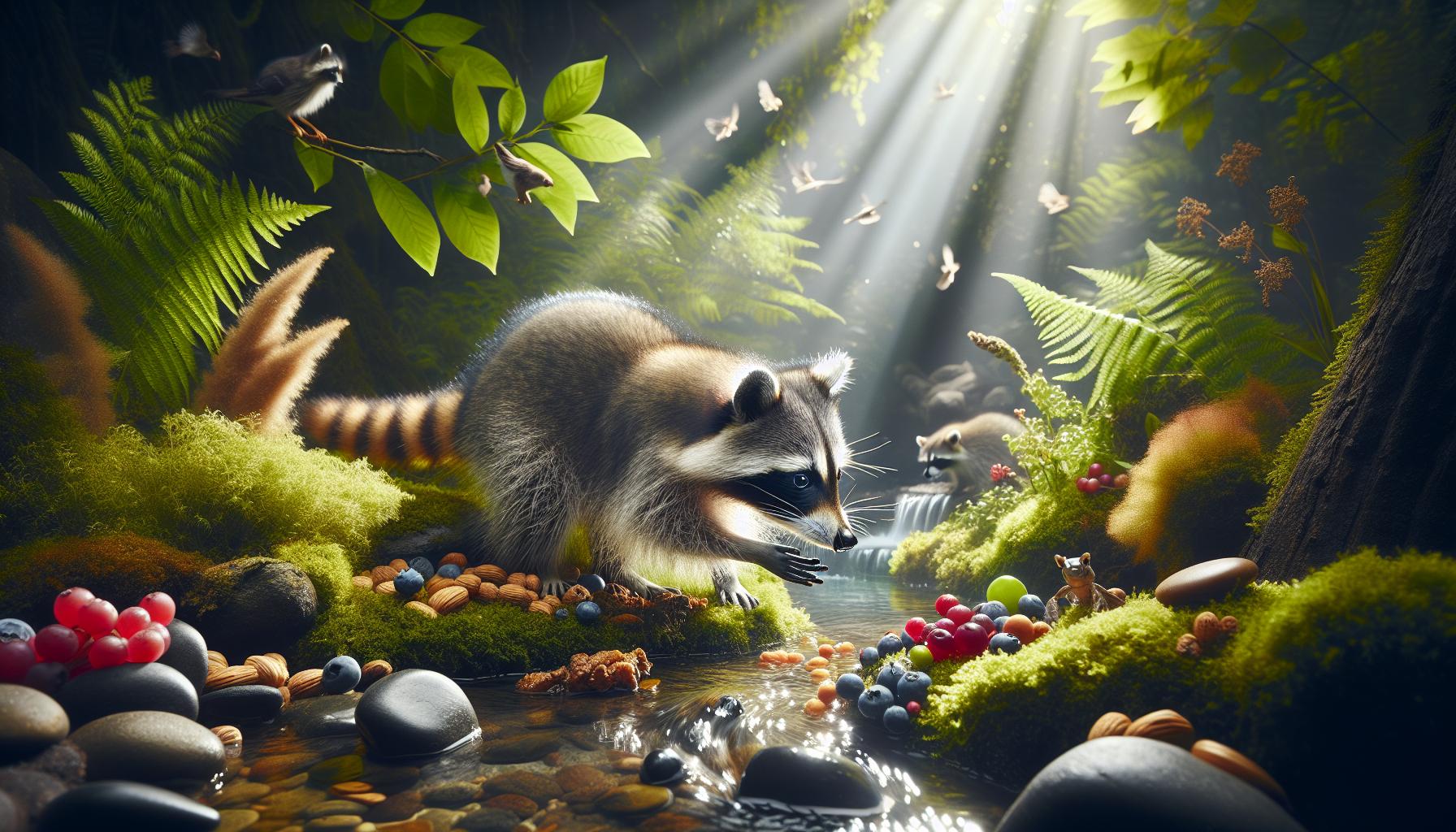
Understanding Raccoon Nutritional Needs
Raccoons are not just cute faces rummaging through your trash; they are highly adaptable omnivores with specific nutritional needs that reflect their complex feeding habits. Understanding these needs is crucial for anyone caring for raccoons, whether in the wild or as pets. Unlike typical domesticated animals, raccoons thrive on a varied diet that can support their physical health and vibrant lifestyle. These creatures are natural foragers, consuming an eclectic mix of foods that includes fruits, vegetables, nuts, seeds, insects, and even small vertebrates.
To nourish a raccoon effectively, it is essential to mimic their natural dietary patterns, which require a balance of macronutrients and micronutrients. Ideally, a raccoon’s diet should comprise a significant portion of protein, sourced from both animal and plant-based foods, as well as carbohydrates and healthy fats. When feeding a raccoon, consider offering a variety of safe foods that align with their biological needs:
- Fruits: Apples, berries, and bananas can serve as nutritious treats.
- Vegetables: Leafy greens like kale and cooked squash provide vital nutrients.
- Proteins: Cooked eggs, lean meats, and insects can cater to their high protein requirements.
- Grains: Cooked grains such as rice or oats can round out their diet.
However, it’s equally important to be aware of the toxic foods to avoid. Certain human foods such as chocolate, grapes, and anything high in sugar or fat should never be introduced into their diet, as these can lead to severe health issues including digestive distress and even organ failure. Raccoons are particularly sensitive to certain substances, and misjudging their dietary needs can lead to fatal results. Caregivers must remain vigilant and ensure that any food provided is both safe and appropriate for their unique digestive systems.
Ultimately, a tailored diet founded on their natural feeding habits not only promotes optimal health but also enhances the well-being of these intelligent creatures. By providing a balanced, nutrient-rich diet devoid of toxic substances, you can help ensure that your raccoon remains a happy, healthy, and curious participant in the world around them.
Signs of Food Poisoning in Raccoons
Food poisoning can be a severe threat to raccoons, affecting their health and well-being dramatically. These clever creatures often find themselves in precarious situations, foraging for food that could be harmful. Understanding the signs of food poisoning is essential for anyone caring for raccoons, whether as pets or in rehabilitation settings. Quick identification and response to these symptoms can often mean the difference between recovery and severe complications.
When a raccoon ingests toxic foods, it’s crucial to watch for various clinical signs. Common indicators include vomiting, diarrhea, and loss of appetite, all of which can emerge within hours of consumption. A raccoon might exhibit lethargy, seeming uninterested in usual activities, which can be a red flag for caregivers. Additionally, if you notice any unusual behaviors such as circling, stumbling, or seizures, these could signify a more severe reaction to toxic substances. Changes in their breathing patterns or the presence of excessive drooling can also point towards gastrointestinal distress.
It’s vital to promptly address these symptoms. If a raccoon exhibits signs of food poisoning, action should be taken immediately-contacting a veterinarian who specializes in wildlife or exotic animals is essential. Providing a detailed account of the raccoon’s diet and symptoms can aid in diagnosing the problem swiftly. Additionally, if certain foods are suspected to have caused the issue, having that information ready can be invaluable for treatment purposes.
As guardians of these fascinating creatures, being proactive by learning the signs of food poisoning and knowing what to avoid can significantly enhance their quality of life. Ultimately, safeguarding raccoons from toxic foods and responding quickly to signs of distress is a vital responsibility that requires knowledge, attentiveness, and compassion. By fostering a safe and healthy environment, you contribute positively to the health and longevity of these intelligent animals.
Safe Foods for Raccoons: What to Feed Instead
Raccoons, with their nimble paws and playful antics, have a diverse palate that leans towards omnivorous tendencies. When caring for these intelligent creatures, it is crucial to provide them with safe and nutritious food options that align with their natural dietary needs. Recognizing what constitutes a healthy meal can help you create an optimal diet for their well-being.
A balanced raccoon diet can include the following safe foods:
- Fruits: Many raccoons enjoy a variety of fruits such as apples (without seeds), bananas, blueberries, and strawberries. These provide essential vitamins and hydration.
- Vegetables: Leafy greens like kale or spinach, and root vegetables like carrots and sweet potatoes are excellent choices that offer fiber and important nutrients.
- Proteins: Cooked lean meats, such as chicken or turkey, along with eggs (scrambled or hardboiled), provide necessary protein without excessive fat.
- Grains: Whole grains like brown rice or oats can be included in moderation, helping to ensure they have sufficient energy.
- Commercial Raccoon Food: Specialized raccoon food blends are available, offering balanced nutrition tailored to their needs. These can be a reliable staple when formulated correctly.
While introducing new foods, always remember to do so gradually to monitor their reaction and avoid any gastrointestinal upset. Additionally, fresh water should always be available, ensuring hydration. The key to an enriching diet is variety and balance, ensuring they receive a wide array of nutrients necessary for their health.
Providing nourishing and safe foods not only enhances the quality of life for raccoons but also helps forge a bond built on trust and care. Understanding their dietary needs empowers owners to make informed decisions, fostering a safe and healthy environment for these fascinating animals to thrive.
Household Items: Unexpected Dangers for Raccoons
Household environments may appear safe, but they often harbor items that can pose serious risks to raccoons. These curious animals have an innate tendency to investigate their surroundings, which can lead them to ingest harmful substances commonly found in many homes. Understanding these potential hazards is crucial for any raccoon caretaker, ensuring a safe and supportive environment for these intelligent creatures.
One of the most significant dangers comes from common cleaning products. Many household cleaners contain chemicals like bleach, ammonia, and other toxic ingredients that can cause severe respiratory issues, skin irritation, or digestive problems if ingested. It’s wise to store these products securely, ideally in high cabinets, to prevent raccoons from accessing them. Similarly, certain plants, such as lilies, azaleas, and philodendrons, can be highly toxic to raccoons and should be kept out of reach or avoided altogether.
Another often-overlooked threat comes from food packaging. Items like plastic wrap, aluminum foil, and other non-food materials can pose choking hazards or lead to intestinal blockages if a raccoon tries to consume them. Always ensure that trash bins are secured and that food waste is disposed of properly to discourage scavenging. Even leftover food can be deceptive; while certain scraps might seem harmless, foods seasoned with garlic, onion, or excessive salt can be toxic to raccoons and should never be offered.
Additionally, electrical cords and other small household objects can be enticing to raccoons due to their texture and playfulness. Chewing on these items not only risks electrocution but can also lead to gastrointestinal obstruction from ingesting non-digestible materials. As a precaution, keep cords organized and out of interest’s reach, and consider using protective coverings if necessary.
Prioritizing the safety of raccoons within the home requires vigilance and proactive measures. By increasing awareness of these unexpected dangers, caretakers can help create a secure environment where their raccoon companions can thrive, free from harm. This not only fosters a healthy lifestyle for these fascinating animals but also enhances the bond between raccoons and their human caregivers, rooted in mutual safety and care.
Preventative Measures to Keep Raccoons Safe
Understanding how to safeguard raccoons from toxic foods is essential for any responsible caretaker. These intelligent creatures often assume that human food is safe, yet many common items can be harmful or even fatal. Therefore, being proactive in this regard not only protects the health of your furry companions but also nurtures a loving environment that respects their unique dietary needs.
To prevent accidental ingestion of toxic substances, make a comprehensive list of foods and ingredients that raccoons must avoid. Examples of toxic foods include chocolate, caffeine, garlic, onions, grapes, and anything high in salt or sugar. Secure these foods in tightly sealed containers and store them in areas that raccoons cannot access, such as high cabinets or locked pantries. Additionally, educate yourself on the specific symptoms of food poisoning to ensure prompt action in the event your raccoon accidentally ingests something harmful.
An equally important aspect of preventative measures involves monitoring their eating habits. Regularly inspect feeding areas to guarantee that no toxic foods or hazardous substances are left within reach. Consider using a dedicated raccoon feeding station that limits their access to potentially harmful items. Moreover, establishing a routine feeding schedule can help you manage their diet more effectively, allowing you to track what they consume better.
Creating a raccoon-friendly environment goes beyond food safety. Implement additional protective measures by eliminating potential poison dangers like insecticides and cleaning products that might appeal to their curiosity. Ensure your home displays a raccoon-proof design by securing trash bins with tight-fitting lids and maintaining tidy outdoor areas to minimize foraging opportunities. These proactive steps contribute significantly to a safe habitat, enabling your raccoons to explore their surroundings without the risk of encountering toxic substances.
By adopting a vigilant approach to their diet and surroundings, you not only safeguard your raccoons from toxic foods but also embark on a rewarding journey that nourishes your bond with these fascinating animals.
Myths About Raccoon Diets Debunked
Contrary to popular belief, raccoons are not simply trash pandas that can eat anything thrown their way. This notion fosters several dangerous myths about their diets, which can lead to unintentional harm. For instance, a common misconception is that all fruits and vegetables are safe for raccoons. While many fruits can be beneficial, certain types like grapes and avocados are outright toxic. Grapes, in particular, can cause severe kidney damage in these creatures, while avocados contain persin, a compound that is harmful to them. Educating yourself on what’s truly safe for raccoons is crucial to their well-being.
Another myth suggests that raccoons can thrive solely on human food without adverse effects. The truth is that many human food items, often considered treats, can be detrimental to their health. Foods high in salt, sugar, or preservatives can lead to obesity, diabetes, and other long-term health issues. This misunderstanding can be particularly harmful when potential caretakers mistakenly believe that sharing their diet will help foster a bond with raccoons, ignoring the specialized nutrition these animals require. Instead, a well-structured diet that takes into account their wild habits is essential.
Moreover, some people think raccoons are omnivorous in the way humans are, capable of digesting an extensive range of foods without consequences. In reality, their digestive systems are sensitive, and many seemingly harmless foods can lead to gastrointestinal distress. For example, dairy products, often thought to be nutritious snacks, can cause upset stomachs because raccoons, like many adult mammals, lose the ability to digest lactose effectively. Understanding their dietary needs involves recognizing that their bodies are not equipped to handle an array of foods that humans consume daily.
To debunk these myths effectively, it is beneficial to stick to a structured feeding regimen using foods specifically suited for the nutritional needs of raccoons. This approach not only promotes their overall health but also mitigates the risks associated with feeding them harmful items. Engaging with reliable sources or consulting with veterinarians experienced in wildlife care can further enhance your understanding, ensuring that your raccoon thrives in a safe, nurturing environment.
Alternatives to Toxic Foods for Wild Raccoons
Raccoons are intelligent and resourceful foragers, often getting themselves in trouble by eating unsuitable foods. To care for these delightful creatures, it’s crucial to provide them with safe, nutritious alternatives that align with their natural dietary habits. Species like raccoons thrive on a diet that closely resembles their wild counterparts, primarily consisting of fruits, vegetables, proteins, and grains. By steering away from toxic foods, caretakers can ensure these curious beings maintain their health and vigor.
A great starting point is to offer a variety of fresh fruits. Raccoons can safely enjoy many fruits, such as bananas, apples (without the seeds), and berries. These fruits not only provide essential vitamins and minerals but also satisfy their natural foraging instincts. Moreover, leafy greens like kale and spinach can be introduced as well, supplying dietary fiber and additional nutrients. It’s essential to wash all fruits and vegetables thoroughly to remove pesticides or contaminants before serving.
In addition to plant-based options, incorporating protein sources is vital for raccoon health. Cooked chicken, fish, or eggs serve as excellent protein alternatives and should be provided in moderation. Ensure that all meats are free from seasoning, as spices and salts can lead to health issues. Furthermore, including small portions of unsalted nuts can provide healthy fats while catering to raccoons’ foraging nature.
Grains for Balanced Nutrition
Grains can also play a significant role in a raccoon’s diet. Offering whole grains like oats, brown rice, and barley can contribute to their energy levels and overall health. These grains are easy to digest and can be mixed with fruits or proteins to create a balanced meal. Avoid any processed grains or cereals high in sugar and additives, as these can lead to obesity and other health complications.
By prioritizing these alternatives and avoiding harmful foods, caretakers can offer raccoons a diverse and wholesome diet that reflects their natural eating habits. Regularly consulting with a veterinarian experienced in wildlife care can further refine feeding practices, ensuring raccoons lead happy and healthy lives in both wild and domestic settings.
The Role of Veterinary Advice in Raccoon Care
Veterinary advice is essential for ensuring the health and safety of raccoons, especially when it comes to their dietary needs. These remarkable mammals are not only intelligent but also have a unique digestive system that requires careful consideration of their food intake. Having a qualified veterinarian, particularly one experienced with wildlife, can provide invaluable insights into what raccoons should and shouldn’t eat, helping to avoid toxic foods that can lead to serious health issues.
When it comes to feeding raccoons, knowledge of their nutritional requirements is vital. Raccoons are omnivores, but not all human foods are safe for them. For instance, chocolate, caffeine, onions, and certain nuts can be extremely harmful. A veterinarian can help identify these and other dangerous foods, creating a comprehensive diet plan that aligns with the raccoon’s natural foraging instincts while keeping them safe. Regular check-ups can also help monitor their overall health and intervene at the first signs of dietary mismanagement.
Moreover, veterinarians can play a key role in educating caretakers about the myths surrounding raccoon diets. Many believe that raccoons can eat anything they find, but this is far from the truth. With their propensity to scavenge, it’s easy for raccoons to ingest harmful substances inadvertently. Debunking these misconceptions with professional guidance is crucial to preventing food poisoning and promoting longevity. One well-informed veterinarian can bolster community efforts by sharing data about safe versus harmful foods, boosting awareness, and facilitating better raccoon care practices.
In conclusion, incorporating seasoned veterinary advice when caring for raccoons not only fosters a deeper understanding of these creatures’ needs but also enhances their health and well-being. From offering tailored dietary recommendations to dispelling dangerous myths, a vet’s guidance is indispensable in ensuring these resourceful animals thrive, whether in the wild or as companions.
FAQ
Q: What human foods are toxic to raccoons?
A: Raccoons should never be fed chocolate, caffeine, alcohol, grapes, raisins, onions, garlic, or foods high in fat and sugar. These items can cause severe health issues, including gastrointestinal distress and even death. For a safer diet, refer to the “Common Human Foods That Are Dangerous” section of our article.
Q: Why is chocolate harmful to raccoons?
A: Chocolate contains theobromine, which is toxic to raccoons and can lead to symptoms like vomiting, diarrhea, increased heart rate, and seizures. Always keep chocolate products out of reach to ensure your raccoon’s safety.
Q: Can raccoons eat dairy products?
A: While raccoons may enjoy dairy products, they can be lactose intolerant. Consuming dairy can lead to digestive upset, such as diarrhea. It’s best to avoid feeding them milk or cheese and stick to safer alternatives.
Q: Are citrus fruits safe for raccoons?
A: Citrus fruits are not recommended for raccoons. The acidity can upset their stomachs and lead to gastrointestinal issues. Opt for fruits like apples or bananas in moderation instead.
Q: How do I recognize food poisoning in a raccoon?
A: Signs of food poisoning in raccoons include vomiting, diarrhea, lethargy, loss of appetite, and unusual behavior. If you notice any of these symptoms, consult a veterinarian immediately for appropriate care.
Q: What household items can be toxic to raccoons?
A: Many household items are toxic to raccoons, including antifreeze, certain plants (like poinsettias and azaleas), and cleaning products. Ensure these items are stored safely away to prevent accidental ingestion.
Q: Can raccoons eat nuts and seeds?
A: While nuts and seeds can be safe in small amounts, they should not constitute a significant portion of a raccoon’s diet due to high-fat content. Avoid salted or flavored varieties, as these can be harmful.
Q: What should I do if my raccoon eats something toxic?
A: If your raccoon consumes a toxic substance, contact a veterinarian immediately. Provide details about the ingested item and any symptoms noticed. Quick action can save your raccoon’s life.
For more detailed insights into maintaining a healthy diet for raccoons, including safe food options, visit our “Safe Foods for Raccoons” section.
Future Outlook
Keeping your raccoon healthy and happy means understanding what foods are harmful to them. By avoiding toxic items, you safeguard their well-being and prevent serious health issues. Remember, raccoons are curious creatures, so always supervise their snack choices! For more insights into raccoon behavior and care, check out our articles on “A Raccoon Out During the Day?” and “When Do Raccoons Have Babies?” to better understand how to create a safe, stimulating environment for your furry friend.
Don’t hesitate to share your experiences with raccoons in the comments below, and sign up for our newsletter to stay updated on the best practices for pet care and wildlife conservation. Your commitment to understanding and respecting their needs makes a world of difference-start exploring today, and ensure your raccoon thrives!


