


Did you know that raccoons are among the most adaptable creatures in Texas, thriving in both urban and rural environments? These remarkable animals, known for their distinctive masks and dexterous paws, not only capture the interest of wildlife enthusiasts but also present challenges for homeowners. Understanding the unique traits and survival strategies of Texas raccoons is essential for effectively coexisting with them.
As these intelligent foragers navigate our backyards, they raise concerns about property damage and potential health risks, especially when they invade attics or tip over trash cans. By learning about their habits and behaviors, you can take proactive steps to protect your home while appreciating the resilience of these fascinating animals. Join us as we delve into the world of Texas raccoons, uncovering their unique adaptations and the roles they play in the ecosystem, ensuring you are well-informed for a safe and harmonious coexistence.
Contents
- 1 Unique Traits of Texas Raccoons That Fascinate
- 2 Habitat Diversity: Where Texas Raccoons Thrive
- 3 Dietary Habits: What Do Texas Raccoons Eat?
- 4 Behavioral Adaptations for Survival in Texas
- 5 The Role of Texas Raccoons in Local Ecosystems
- 6 Common Myths and Misconceptions About Raccoons
- 7 How to Safely Coexist with Raccoons in Your Area
- 8 Caring for a Texas Raccoon: Essential Guidelines
- 9 Legal Considerations for Keeping Raccoons as Pets
- 10 Health Issues Unique to Texas Raccoons
- 11 Conservation Efforts for Texas Raccoons and Their Habitats
- 12 Understanding Raccoon Communication and Social Behavior
- 13 Q&A
- 14 To Wrap It Up
Unique Traits of Texas Raccoons That Fascinate
Raccoons are often celebrated for their adaptability and intelligence, making them truly fascinating creatures of the Lone Star State. One captivating trait of Texas raccoons is their exceptional dexterity; they possess highly sensitive front paws equipped with agile fingers that enable them to manipulate objects with remarkable precision. This unique physical adaptation allows them to open containers, unlatch doors, and forage for food efficiently, contributing to their reputation as clever scavengers.
In addition to their dexterous abilities, Texas raccoons exhibit an intriguing behavior called “handedness.” Researchers have discovered that like humans, raccoons may exhibit a preference for using one paw over the other, which adds to their complex motor skills. This can affect how they interact with their environment, whether they’re washing their food in water-a behavior often observed as “rinsing”-or deftly solving puzzles in their quest for snacks.
Moreover, the coloration and markings of Texas raccoons not only serve aesthetic purposes but also play a role in their social interactions. The distinct black “mask” around their eyes helps reduce glare and enhances their night vision, crucial for their crepuscular lifestyle. These markings also serve as a form of visual communication, signaling to other raccoons about age, health, and status within social structures.
Understanding these unique traits not only deepens our appreciation for Texas raccoons but also informs how we interact with them in urban and suburban settings. By recognizing their intelligence and adaptability, residents can foster a coexistence that respects both wildlife behavior and community safety.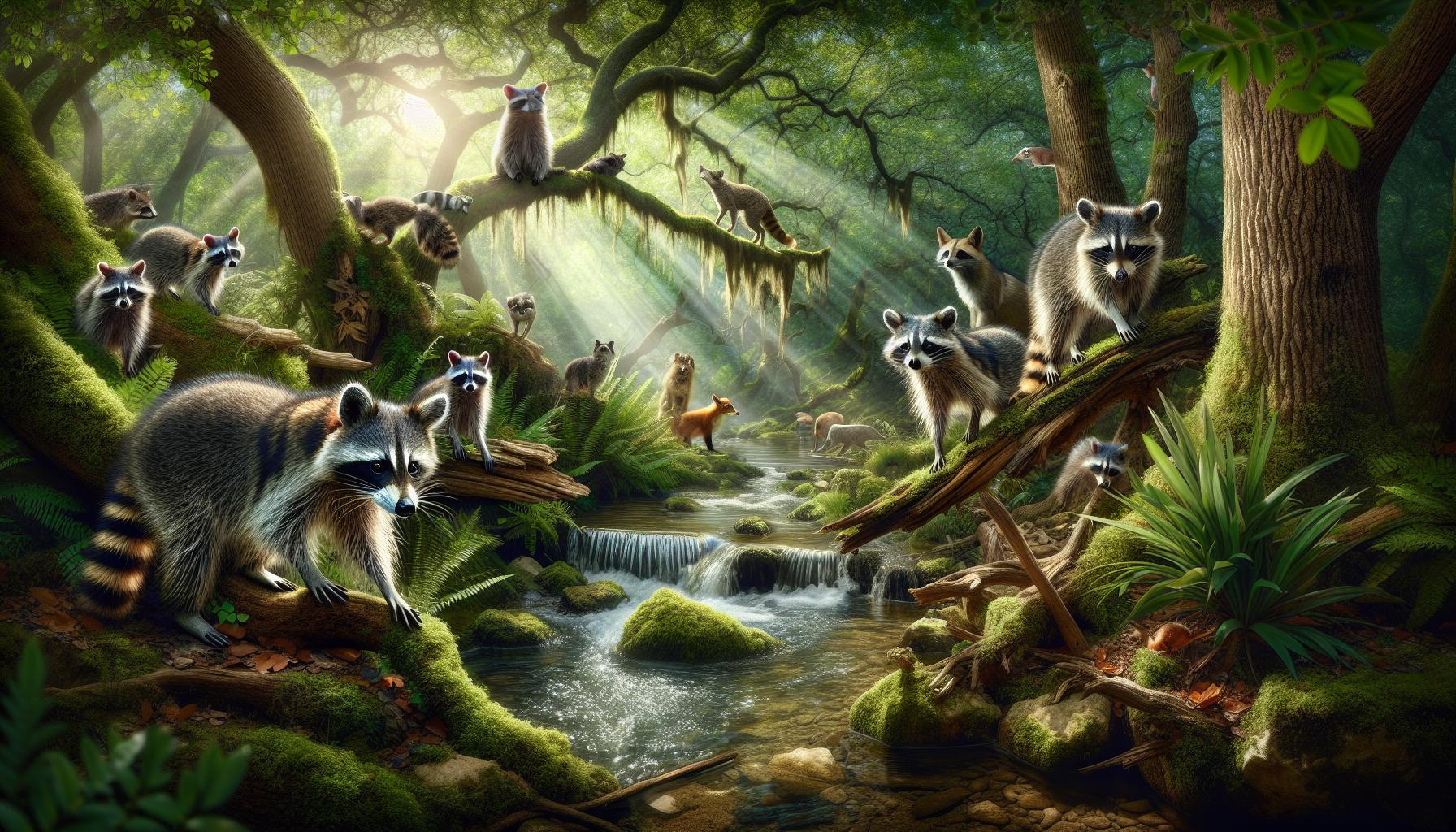
Habitat Diversity: Where Texas Raccoons Thrive
Texas raccoons thrive in a remarkable variety of habitats that showcase their extraordinary adaptability. From dense forests to urban landscapes, these creatures have carved out their niches, allowing them to flourish across the Lone Star State. Raccoons are particularly fond of areas near water sources, such as rivers, lakes, and creeks, where they can find abundant food and suitable shelter. This preference for aquatic environments is not just a coincidence; it empowers them to forage for aquatic organisms while also providing them with a place to wash their food-a behavior that has become a distinguishing feature of their feeding habits.
The habitat diversity in Texas also allows raccoons to exhibit flexible behaviors that further enhance their survival. In rural areas, you may find them nesting in tree cavities or abandoned burrows, while in suburban settings, they’ll readily take advantage of attics, garages, and even drain pipes. This adaptability maximizes their opportunities for shelter, especially in urban environments where they become skilled scavengers, rummaging through trash cans and finding food in easily accessible locations. Texas raccoons display remarkable problem-solving skills as they navigate these diverse habitats, using their dexterous paws to open latches and containers with astonishing ease.
The climate of Texas, with its range of temperatures and seasonal changes, additionally impacts raccoon behavior and habitat choice. In the warmer months, raccoons tend to be more active during the night, allowing them to avoid daytime heat while foraging for food. Conversely, colder months may prompt them to seek out more insulated areas to maintain warmth. Residents in areas frequented by these clever mammals should consider installing secure trash receptacles and minimizing open food sources to mitigate unwanted raccoon encounters.
Ultimately, the ability of Texas raccoons to adapt to such a wide array of environments not only helps them survive but also enriches local ecosystems. Their presence plays a role in seed dispersal and helps control insect populations, showcasing how their habitat choices are intrinsically linked to their ecological impact. By understanding where raccoons thrive, we can better appreciate their role in the environment while making informed decisions about coexistence.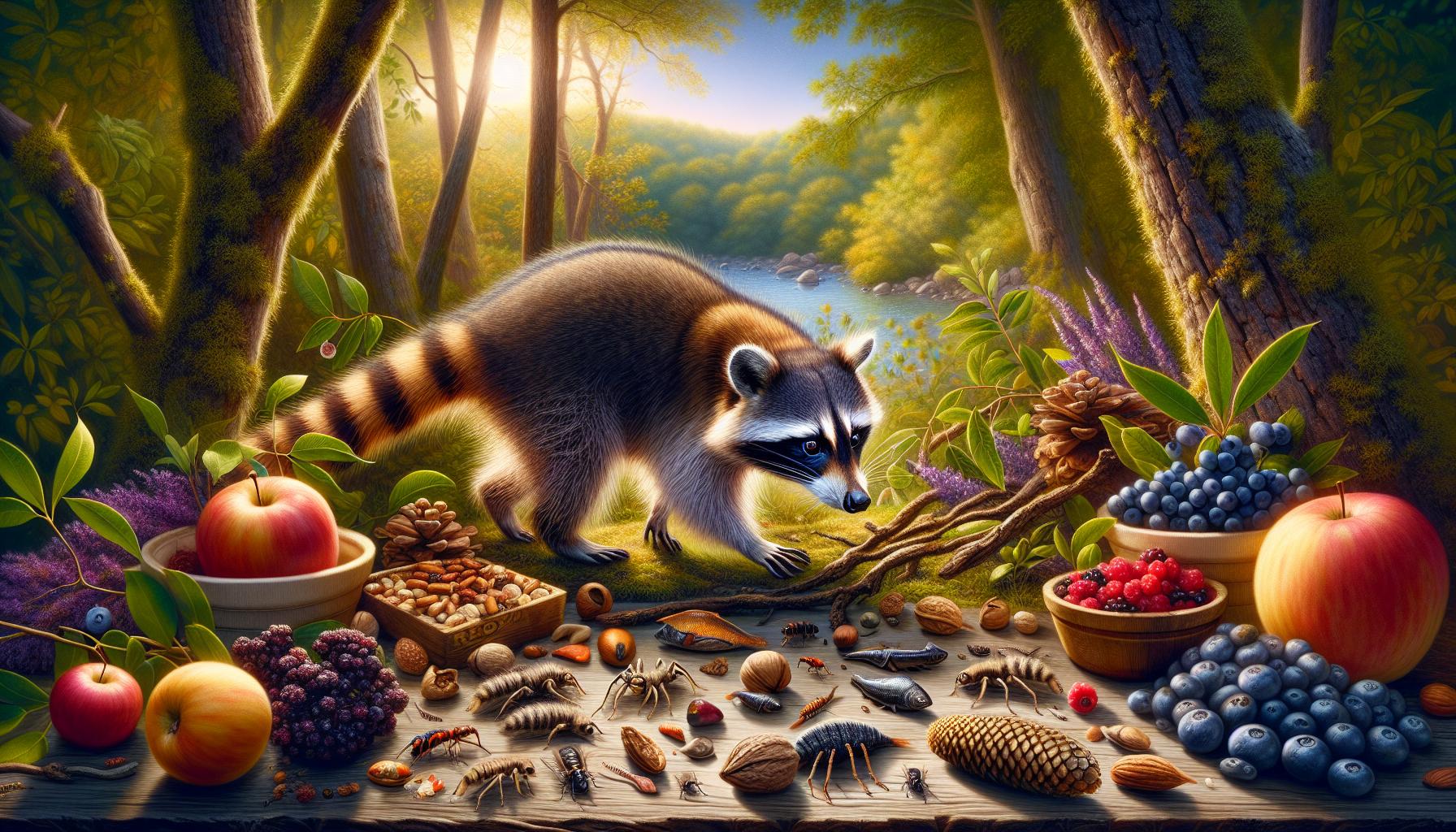
Dietary Habits: What Do Texas Raccoons Eat?
Raccoons are renowned for their omnivorous diets, showcasing an impressive adaptability that allows them to thrive in diverse environments across Texas. These clever mammals have a remarkable ability to forage in various habitats, which means their meals can vary dramatically based on seasonal availability and location. From urban neighborhoods to rural forests, raccoons have developed an eclectic menu that includes items such as fruits, insects, small mammals, and even human refuse. Their dexterous paws enable them to manipulate objects, opening latches and sifting through debris to discover hidden treasures.
What Do Texas Raccoons Eat?
Texas raccoons primarily feed on a mix of plant and animal matter, which they often scavenge from their surroundings. Their diet typically includes:
- Fruits and Nuts: Berries, apples, acorns, and various tree fruits provide essential vitamins and energy.
- Invertebrates: They consume a wide range of insects, worms, and crustaceans, vital for protein intake.
- Small Mammals: Opportunistic hunters, raccoons may catch rodents, birds, or even the young of larger mammals.
- Aquatic Organisms: Living near water, they often hunt for fish, frogs, and crayfish, showcasing their dexterous foraging skills.
- Human Food Sources: In urban areas, raccoons are known to rummage through garbage cans or pilfer pet food, demonstrating their adaptability to human environments.
Raccoons are primarily nocturnal foragers, a behavior that aids their food search while avoiding daytime predators. In Texas, they exhibit a highly varied feeding strategy as crops ripen throughout the year. This opportunistic feeding behavior not only ensures their survival but also makes them a vital part of the ecosystem, as they help control insect populations and disperse seeds through their droppings.
To safely coexist with these foraging marvels, homeowners should secure trash bins and minimize accessible food sources, understanding that this not only protects their properties but also supports raccoon health by encouraging more natural foraging behaviors. By recognizing their dietary habits and ecological significance, we can foster a harmonious relationship with these fascinating creatures of the night.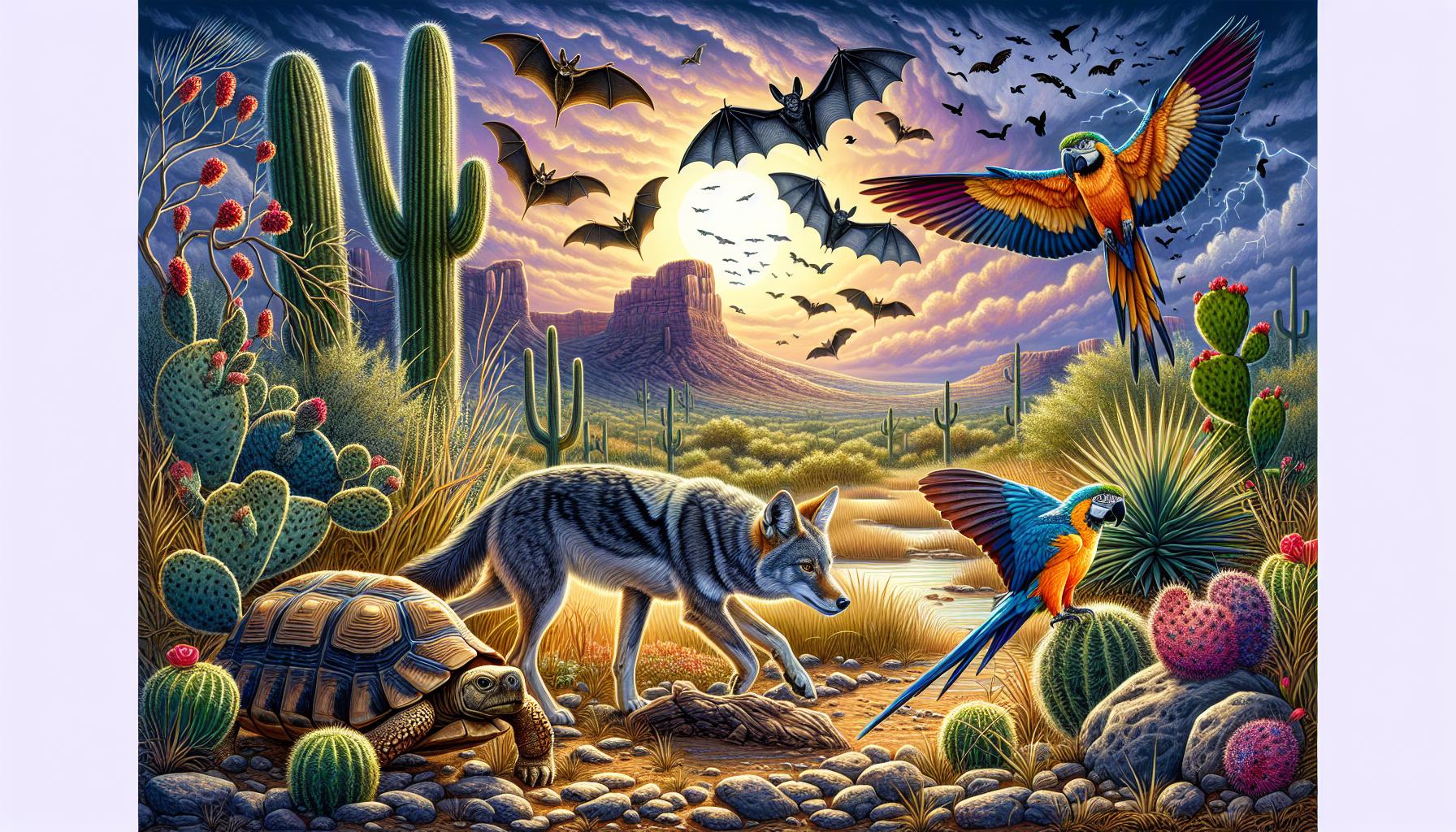
Behavioral Adaptations for Survival in Texas
One of the most remarkable aspects of Texas raccoons is their impressive adaptability, which has allowed them to thrive in a wide variety of environments across the Lone Star State. These intelligent mammals exhibit a range of behaviors and characteristics that enhance their survival, particularly in the face of changing habitats and human encroachment. For instance, their keen problem-solving skills enable them to navigate urban landscapes with ease. They can quickly learn how to open trash cans, access pet food, and maneuver around obstacles, showcasing their ability to exploit resources effectively.
Raccoons are primarily nocturnal, a behavioral adaptation that helps them avoid many predators and disturbances in their environment. By staying active at night, they reduce direct competition with other species for food and resources that are more readily available during this time. Their excellent night vision and heightened sense of hearing allow them to forage efficiently under the cover of darkness. This nocturnal lifestyle is complemented by their dexterous forepaws, which are equipped with highly sensitive tactile receptors that help them manipulate various objects in their search for food.
Socially, raccoons are relatively solitary, though they may form loose groups when food is abundant or during the breeding season. Their communication techniques, including vocalizations and body language, play a crucial role in their social interactions. For example, raccoons use various sounds to express emotions or notify others of potential threats. This adaptability in both behavior and social interaction allows them to navigate complex environments while maintaining a level of caution necessary for survival.
In terms of environmental challenges, Texas raccoons have developed a diverse diet that enables them to adjust quickly to food availability fluctuation. They are opportunistic feeders, which means they can thrive on whatever food sources are present, from fruits and insects to small mammals and human waste. This omnivorous diet is particularly advantageous in urban settings, where traditional feeding grounds may be diminished. By understanding these adaptations, individuals can better appreciate how raccoons maintain their presence in various ecosystems and the importance of their role in the environment.
The Role of Texas Raccoons in Local Ecosystems
The Texas raccoon plays a vital role in local ecosystems, functioning as both a predator and prey within a complex web of biodiversity. These adaptable creatures contribute to the balance of their habitats by aiding in seed dispersal, pest control, and scavenging, which ultimately supports the health of their environment. Their omnivorous habits allow them to feed on a wide array of food sources, from fruits and nuts to insects and small animals, making them important participants in maintaining ecological integrity. By consuming pests and decaying matter, raccoons help regulate populations and recycle nutrients, ensuring the ecosystem thrives.
Raccoons are also integral to the food web. As prey for larger predators such as coyotes or hawks, they provide a crucial source of sustenance, showcasing the interconnectedness of species within their habitats. Their foraging behaviors, often conducted at night, can lead to the relocation of seeds and the propagation of various plant species, thereby promoting plant diversity and growth. This natural seed distribution is especially significant in regenerating ecosystems and sustaining the overall health of flora.
Furthermore, as urban environments expand, raccoons exemplify resilience and adaptability, often serving as indicators of ecosystem health. Their presence in both rural and urban settings highlights the need for harmonious coexistence with wildlife. Understanding their role helps communities appreciate the importance of maintaining surroundings that support raccoon populations, which in turn fosters biodiversity. By advocating for conservation efforts and responsible waste management, residents can mitigate human-wildlife conflicts while allowing raccoons to continue their ecological contributions.
To foster coexistence with these intriguing animals and protect their ecosystem roles, consider taking the following actions:
- Secure trash bins: Ensuring that garbage is contained prevents raccoons from scavenging and encourages them to seek food naturally in their habitat.
- Provide natural habitats: Maintaining gardens with native plants can offer food and shelter, supporting beneficial wildlife.
- Educate others: Share knowledge about raccoon behavior and their ecological significance to foster a community ethos that values wildlife.
Embracing these practices can enhance the relationship between humans and raccoons, ensuring that these fascinating animals continue to thrive within Texas’s diverse ecosystems.
Common Myths and Misconceptions About Raccoons
Raccoons often evoke a mixed bag of emotions, swinging from fascination to fear. Yet, many of the beliefs surrounding these clever creatures are steeped more in myth than reality. For instance, it’s commonly believed that raccoons are aggressive and will attack humans. In truth, raccoons are typically shy and prefer to avoid confrontation. They may display defensive behaviors if threatened, particularly if they feel cornered. Understanding that these animals are generally non-aggressive can help reduce unnecessary fear and promote coexistence.
Another widespread misconception is that raccoons are dirty and disease-ridden animals. While it’s true they can carry certain diseases, the risk is often overstated. Good hygiene practices, such as keeping trash secured and removing food sources, significantly lower the chances of attracting raccoons. These animals actually engage in meticulous grooming, and their dexterous front paws assist them in cleaning up after themselves. This behavior highlights their intelligent, problem-solving nature, as they often have to navigate human environments for food.
A particularly intriguing myth is that raccoons are solitary creatures. On the contrary, while they can be solitary, raccoons often display social behaviors and are known to form groups, especially when foraging. They communicate through vocalizations and body language, reflecting a complex social structure that contrasts with their solitary reputation.
By debunking these myths, we can foster a greater appreciation for Texas raccoons and recognize their role in maintaining ecological harmony. Embracing knowledge about their behavior and habits can help individuals and communities create safer, more welcoming environments for these remarkable animals. Encouraging a respectful understanding of their presence is essential in mitigating conflicts and ensuring these creatures continue to thrive in their natural habitats.
How to Safely Coexist with Raccoons in Your Area
Raccoons are surprisingly adaptable creatures, thriving in diverse environments from urban settings to rural woodlands in Texas. This adaptability, paired with their innate curiosity and intelligence, can sometimes lead to conflicts with humans. However, coexisting peacefully with these remarkable animals is entirely possible with a few thoughtful strategies that respect their behaviors and needs.
To deter raccoons from invading your space, it’s essential to secure food sources. Ensure trash cans are tightly closed with heavy lids and consider using raccoon-proof containers. Avoid bird feeders after dark, as these can attract raccoons looking for an easy meal. Moreover, if you have pet food outside, bring it in at night to remove another potential food source. Additionally, clearing away any fallen fruit from your yard or garden will help minimize enticing odors that might encourage raccoons to visit.
Cultivating an understanding of raccoon behavior can enhance your coexistence. Raccoons are largely nocturnal, meaning they are most active during the night. Being proactive in your protective measures during these hours can reduce unwanted encounters. Installing motion-activated lights can not only deter raccoons but also keep other nocturnal wildlife at bay. Moreover, fencing can be effective, but it should be at least four feet high and buried several inches underground since raccoons are excellent diggers.
In case you find yourself in a conflict situation, such as a raccoon in your garage or backyard, it’s important to remain calm. Never attempt to corner or trap the animal yourself; instead, give it space to escape back into the wild. If necessary, contact local wildlife control for assistance. By creating a raccoon-friendly environment that still respects human habitation, you can foster a harmonious relationship with these fascinating animals while preserving your peace of mind.
Caring for a Texas Raccoon: Essential Guidelines
Caring for a Texas raccoon requires an understanding of their unique needs and behaviors, as these intelligent creatures are not typical pets. First and foremost, it is crucial to recognize that owning a raccoon may come with specific legal regulations depending on your area. Before considering keeping a raccoon, ensure you are in compliance with local wildlife laws and regulations to foster a safe and responsible environment for both you and the raccoon.
When bringing a raccoon into your care, consider their dietary preferences. Raccoons are omnivores with a diverse palate, including fruits, vegetables, nuts, small insects, and even meat. However, it’s vital to provide a balanced and nutritious diet that mimics their natural intake. A combination of high-quality raccoon food, supplemented with fresh fruits and vegetables, will support their health. Avoid giving them processed foods or anything high in sugar, as their digestive systems are not equipped to handle such diets.
Creating an engaging environment is essential for the mental stimulation of a raccoon. These animals are naturally curious and require space to explore. A raccoon-proofed yard or an adequately sized enclosure that features items such as climbing structures, tunnels, and toys will satisfy their inherent need to explore and play. Ensuring they have areas to dig and forage can also help reflect their wild instincts, keeping them both physically and mentally healthy.
Socialization is another critical aspect of caring for a raccoon. Raccoons are social animals with complex behaviors; thus, providing companionship-either through a second raccoon or spending ample quality time with them-is vital. However, interactions should be approached with caution, especially since young raccoons can be playful and even mischievous, leading to potential nips and scratches. This highlights the importance of gentle training and positive reinforcement to foster appropriate behaviors while building a strong human-animal bond.
Essential Considerations:
- Conduct thorough research on local laws regarding raccoon ownership.
- Provide a balanced diet rich in nutrients and variety.
- Design an engaging and safe environment for exploration.
- Focus on socialization and training to develop a trusting relationship.
By nurturing these aspects, you can ensure a fulfilling life for a Texas raccoon while respecting their wild nature and inherent needs.
Legal Considerations for Keeping Raccoons as Pets
Keeping raccoons as pets is a captivating idea, yet it demands a thorough understanding of legal regulations and responsibilities that vary significantly by state. In Texas, raccoons are classified as wild animals, which means ownership is not straightforward. The possession of raccoons as pets is heavily regulated to prioritize public safety and wildlife conservation. It’s essential to note that even well-meaning individuals can unintentionally violate wildlife laws, leading to legal repercussions or the potential for the raccoon to be displaced into the wild, where survival chances can be slim.
Each county in Texas may have distinct laws governing raccoon ownership, and it’s crucial to research these regulations thoroughly before contemplating bringing one of these intelligent creatures into your home. For instance, certain areas may require permits or impose restrictions on the number of raccoons one can keep. Failure to comply with these provisions could lead to fines or repercussions from local wildlife authorities. Engaging with local wildlife conservation organizations can provide guidance on legal avenues for raccoon care and necessary permits if you’re serious about adopting one.
It’s also vital to consider the ethical implications of adopting a raccoon. While they can be incredibly engaging and interactive pets, they have complex behavioral needs. These nocturnal animals thrive in environments that mimic their natural habitats, and keeping them cooped up can lead to significant stress for the animal. Understanding the legal framework can help ensure that any decision made is not only lawful but also in the best interest of the raccoon’s welfare.
In conclusion, aspiring raccoon owners must not only be aware of the laws surrounding their ownership but also reflect on their capability to provide an enriched and safe environment for these wild animals. Research, responsible planning, and compliance with local regulations are paramount to ensure that one’s journey into caring for a raccoon aligns with both legal standards and the well-being of these fascinating creatures.
Health Issues Unique to Texas Raccoons
The vibrant ecosystems of Texas present both opportunities and challenges for raccoons, leading to various health issues unique to the state’s wildlife. One prominent condition affecting these animals is raccoon distemper, a viral disease that poses a serious threat to their health. The disease is highly infectious among raccoons and can lead to severe respiratory distress, neurological symptoms, and ultimately death. It can also affect other species, including domestic pets; thus, understanding the risks and ensuring vaccinations for household pets is crucial if raccoons are nearby.
Another significant health concern for Texas raccoons is the prevalence of parasites, particularly due to their omnivorous diet and adaptable nature. Intestinal parasites like roundworms and coccidia can be quite common, especially in raccoons that inhabit urban environments where food sources, including trash and pet food, are easily accessible. These parasites can lead to malnutrition and other gastrointestinal complications, impacting the overall health and survival of raccoons. Therefore, monitoring wildlife populations and implementing control measures can be critical to managing such outbreaks.
Exposure to environmental toxins is another issue. Raccoons often rummage through garbage and industrial waste, making them susceptible to harmful substances like heavy metals and chemicals found in urban settings. Such exposure can result in long-term health problems, including neurological disorders, kidney damage, and other systemic failures. It underscores the importance of environmental stewardship and reducing pollution to safeguard not only the raccoon population but the entire ecosystem.
Lastly, behavioral health impacts due to habitat fragmentation and urban encroachment should not be overlooked. With decreasing natural habitats, raccoons are often forced into closer proximity with humans, leading to stress and altered behaviors, such as increased aggression or timidness, which can compromise their survival. Awareness of these health issues allows for better conservation efforts, protecting both raccoons and the environments they inhabit, which is vital for maintaining ecological balance in Texas.
Conservation Efforts for Texas Raccoons and Their Habitats
Efforts to protect raccoons and their habitats in Texas are vital not only for the species but also for the health of the ecosystems they inhabit. Raccoons, as adaptable omnivores, play significant roles in their environments, so conservation initiatives often aim to ensure their survival while maintaining ecological balance. Through a variety of strategies, from habitat restoration to public education, conservationists are working tirelessly to safeguard these fascinating creatures.
One of the cornerstones of raccoon conservation in Texas is the protection of their natural habitats. Raccoons thrive in diverse environments, ranging from wooded areas to urban settings, but habitat loss due to urbanization poses severe threats. Conservation groups collaborate with local governments to promote land-use planning that protects green spaces, ensuring raccoons have access to food sources and shelter. Initiatives such as the establishment of wildlife corridors help mitigate habitat fragmentation, allowing raccoons to move freely between populations, which is essential for genetic diversity and long-term survival.
Public education plays a crucial role in conservation success. Initiatives to raise awareness about local wildlife-focused education programs aim to dispel myths and foster coexistence between humans and raccoons. Community workshops may cover topics such as safely securing trash to deter raccoons from urban areas or understanding their behavioral patterns to minimize conflicts. Engaging local populations not only helps protect raccoons but also enhances public appreciation for wildlife, promoting stewardship of natural spaces.
Furthermore, monitoring programs are essential for assessing the health and population dynamics of raccoons in Texas. By studying their habits, researchers can identify emerging health threats like diseases and parasites that may influence raccoon populations. Veterinary clinics and wildlife rehabilitators actively participate in these efforts, providing assistance in managing raccoon health issues while sharing insights with conservationists about on-the-ground conditions. This collaborative approach ensures that conservation efforts are grounded in scientific research and real-world observations, making them more effective.
In conclusion, the conservation of raccoons in Texas encompasses habitat protection, public engagement, and ongoing research. By understanding the unique challenges faced by these animals, stakeholders can implement strategies that not only support raccoon populations but also enhance the overall health of the ecosystem. This holistic approach demonstrates a commitment to safeguarding a species that, despite its adaptability, requires protection in an ever-changing landscape.
Understanding Raccoon Communication and Social Behavior
Raccoons are not only fascinating creatures due to their unique traits but also for their intricate communication and social behaviors. These intelligent animals utilize a diverse range of vocalizations, body language, and even touch to convey messages within their social structures. For instance, they produce sounds such as grunts, growls, and purrs, each serving a different purpose-whether it’s to communicate with young or to signal danger to others in the group. Research suggests that raccoon vocalizations vary significantly depending on the situation, showcasing their adaptability and intelligence in social interactions.
In their natural habitats across Texas, raccoons often exhibit a high degree of social organization, particularly when foraging for food. They can often be seen working in small groups, demonstrating cooperative behaviors that can be critical for survival. The ability to communicate effectively with one another helps them share information about food sources, warn of threats, and strengthen social bonds. A raccoon’s social interactions often depend on its age, gender, and experience, with older raccoons typically displaying more dominant behaviors in group settings.
Building complex relationships is vital not only for group cohesion but also for individual raccoon success. For example, during mating season, males will engage in elaborate displays and vocalizations to attract females, highlighting the intricate social dynamics at play. Their social structures can also shift in response to environmental changes, such as food availability or habitat disturbances, making their communication skills essential for navigating these challenges.
- Vocalizations: Raccoons produce a variety of sounds, including clicks, huffs, and whines, serving as calls for alarm or companionship.
- Body Language: Their posture and movements can signal aggression, submission, or curiosity, which is crucial during encounters with both peers and potential predators.
- Tactile Communication: Raccoons often use physical interactions, such as grooming, to strengthen bonds and establish hierarchies within groups.
Understanding these aspects of raccoon communication can significantly enhance human interactions with them, particularly in areas where humans and raccoons share space. By recognizing their signals and behaviors, individuals can better manage coexistence, minimizing conflicts that arise from misunderstandings or fear. For those interested in caring for a raccoon or learning to observe them in their natural habitats, appreciating their social behaviors provides a deeper insight into the complexities of their lives and the rich ecosystems they inhabit.
Q&A
Q: What is the lifespan of a Texas raccoon in the wild?
A: The average lifespan of a Texas raccoon in the wild is about 2 to 3 years, though some individuals can live up to 7 years with favorable conditions. Factors such as habitat quality and food availability contribute significantly to their longevity.
Q: How do Texas raccoons adapt to urban environments?
A: Texas raccoons have adapted to urban environments by exploiting food sources like garbage, pet food, and bird feeders. They are highly intelligent and resourceful, exhibiting behaviors like problem-solving to navigate human-made obstacles.
Q: What health issues are common in Texas raccoons?
A: Common health issues among Texas raccoons include rabies, distemper, and parasites such as mange. Monitoring their health is crucial, especially in areas where they interact with domestic animals, to prevent disease transmission.
Q: Are Texas raccoons solitary or social animals?
A: Texas raccoons are generally solitary, although they can exhibit social behaviors, especially in rich food areas. They communicate through various vocalizations and scents, establishing territories while being opportunistic foragers.
Q: What is the best way to deter raccoons from my property?
A: To deter raccoons from your property, secure trash bins with tight lids, remove food sources, and seal entry points into buildings. Installing motion-activated lights and sprinklers can also be effective in keeping them at bay.
Q: When is raccoon mating season in Texas?
A: Raccoon mating season in Texas typically occurs from late winter to early spring, usually from February to April. During this time, males actively seek out females, and litters of 2-7 kits are born in spring.
Q: What are the unique features of Texas raccoons compared to other regions?
A: Texas raccoons may exhibit slightly larger body sizes and different fur coloring due to environmental adaptations. Their diet is also more varied based on the local fauna and flora, reflecting Texas’ diverse ecosystems.
Q: How can I safely help an injured raccoon in Texas?
A: If you find an injured raccoon, do not attempt to handle it yourself. Contact a licensed wildlife rehabilitator who can properly assess and treat the animal. Always prioritize your safety and the well-being of the raccoon.
These FAQs are designed to enhance reader engagement while providing valuable and actionable information regarding Texas raccoons. For detailed coverage, refer to the respective article sections.
To Wrap It Up
As we explored the fascinating world of Texas raccoons, we’ve uncovered their unique traits and survival strategies in the Lone Star State. From their adaptable behavior to their essential role in the ecosystem, these remarkable creatures showcase the beauty of wildlife resilience. If you’re intrigued by their nature and looking to deepen your understanding, be sure to check out our articles on Texas Wildlife Conservation and How to Care for Raccoon Pets for practical insights and expert guidance.
Don’t miss out! Subscribe to our newsletter for the latest updates and tips on wildlife care, and feel free to share your thoughts in the comments below. Your engagement helps foster a community passionate about understanding and preserving our natural companions. Remember, knowledge is power-explore further and embrace the wonderful world around you!


