


Imagine a creature that not only captivates the eye with its vibrant green blood but also offers a unique insight into evolutionary adaptations. Enter the skink, a lizard species that showcases an extraordinary, yet baffling, biological phenomenon. This article delves into the science behind skinks’ green blood, exploring its implications for survival and the potential benefits it holds for our understanding of reptilian biology.
Understanding this unique adaptation sheds light on how certain species thrive in their environments, and why this matters extends beyond mere curiosity. As pet owners and wildlife enthusiasts alike seek to learn more about these fascinating creatures, unraveling the complexities of their biology can help inform responsible care and appreciation. Join us on this journey to explore the bizarre science of skink green blood-where intrigue meets authenticity in the natural world.
Contents
- 1 Skink Blood: A Remarkable Adaptation Revealed
- 2 The Chemistry Behind Green Blood Explained
- 3 Ecological Role of Green Blood in Skinks
- 4 How Skinks Acquire Their Unique Color
- 5 Comparative Analysis: Skinks vs. Other Reptiles
- 6 The Evolutionary Advantages of Green Blood
- 7 Health Implications of Coloration in Skinks
- 8 Caring for Skinks: What Owners Should Know
- 9 Why Green Blood Inspires Scientific Curiosity
- 10 Skinks in Popular Culture: Myths vs. Facts
- 11 Exploring Skink Habitats: Where They Live
- 12 Future Research Directions on Skink Biology
- 13 FAQ
- 14 The Way Forward
Skink Blood: A Remarkable Adaptation Revealed
The unusual green blood of certain skinks, particularly those from the genus Prasinohaema, represents an extraordinary adaptation in the animal kingdom, capturing scientists’ curiosity and prompting wider interest in these remarkable reptiles. This vibrant hue comes from high concentrations of a green bile pigment called biliverdin, which, while toxic in large amounts, provides unexpected benefits such as enhanced protection against blood-borne diseases and harmful pathogens. This unusual trait not only contributes to their striking appearance but also plays a critical role in their survival by acting as a natural defense system.
In the realm of pet care, knowledge of skinks’ unique blood characteristics is essential. Owners should understand that the green coloration is not merely aesthetic; it can indicate the overall health and resilience of these reptiles. Skinks with higher levels of biliverdin tend to exhibit robust health, giving potential owners compelling reasons to choose them as pets. Additionally, this raises considerations about their habitat and diet. A balanced diet rich in calcium and protein can help maintain their health and support their notable adaptations. Pet owners should strive to replicate the skinks’ natural environment, with proper UV lighting and temperature gradients, to bolster their longevity and vitality.
In comparing skinks with other reptiles, their green blood sets them apart, not only visually but also in terms of their ecological role. Unlike many reptiles that rely solely on camouflage for protection, the green blood of skinks provides extraordinary advantages. It allows them to thrive in their native habitats, while also emphasizing the need for careful observation and study in understanding evolutionary biology across various species. For enthusiasts fascinated by the peculiarities of wildlife, these adaptations highlight the diversity and complexity of life, serving as a reminder of nature’s ingenuity.
Ultimately, the green blood of skinks is a testament to the evolutionary wonders of the natural world. By understanding this remarkable adaptation, pet owners and wildlife enthusiasts alike can gain deeper insight into the lives of these captivating reptiles, promoting better care and appreciation for their unique biology. This understanding not only enhances the quality of care for skinks in captivity but also inspires ongoing curiosity into the astonishing adaptations found throughout the animal kingdom.
The Chemistry Behind Green Blood Explained
Certain skinks, notably those in the genus Prasinohaema, possess a striking and unusual trait: green blood due to the presence of high levels of a bile pigment called biliverdin. This pigment is typically toxic in high concentrations, yet in these fascinating reptiles, it serves as a remarkable adaptation, benefitting their survival in the wild. Biliverdin’s unique properties not only contribute to the vibrant coloration of their blood but also play a crucial role in how these skinks manage health and combat environmental stressors.
When we explore the chemistry behind this phenomenon, it becomes evident that biliverdin arises as a breakdown product of heme, the component in hemoglobin responsible for carrying oxygen in blood. This transformation occurs naturally during the metabolic processes in the skink’s body. The high levels of biliverdin result in an extraordinary green coloring that sets skinks apart from their more popularly known reptilian relatives. To maintain optimal health, these skinks utilize the biliverdin as a protective mechanism, potentially offering them increased resistance to certain pathogens and reduced risk of blood-borne illnesses.
For pet owners, understanding this unique biology is essential. Skinks that exhibit vibrant green blood may indicate a vigorous, healthy creature. Potential owners should be aware that diet and care significantly affect the levels of biliverdin, highlighting the importance of a balanced nutrition plan rich in vitamins and minerals. A diet incorporating leafy greens, insects, and a proper calcium-to-phosphorus ratio can enhance the health of these reptiles and promote the expression of their unique coloration.
Moreover, creating an environment that mirrors their natural habitats-complete with appropriate temperatures and UV lighting-is critical for the overall well-being of the skinks. By replicating these conditions, owners can support the biochemical processes that sustain the skinks’ remarkable green blood, fostering a long and healthy life for these fascinating reptiles.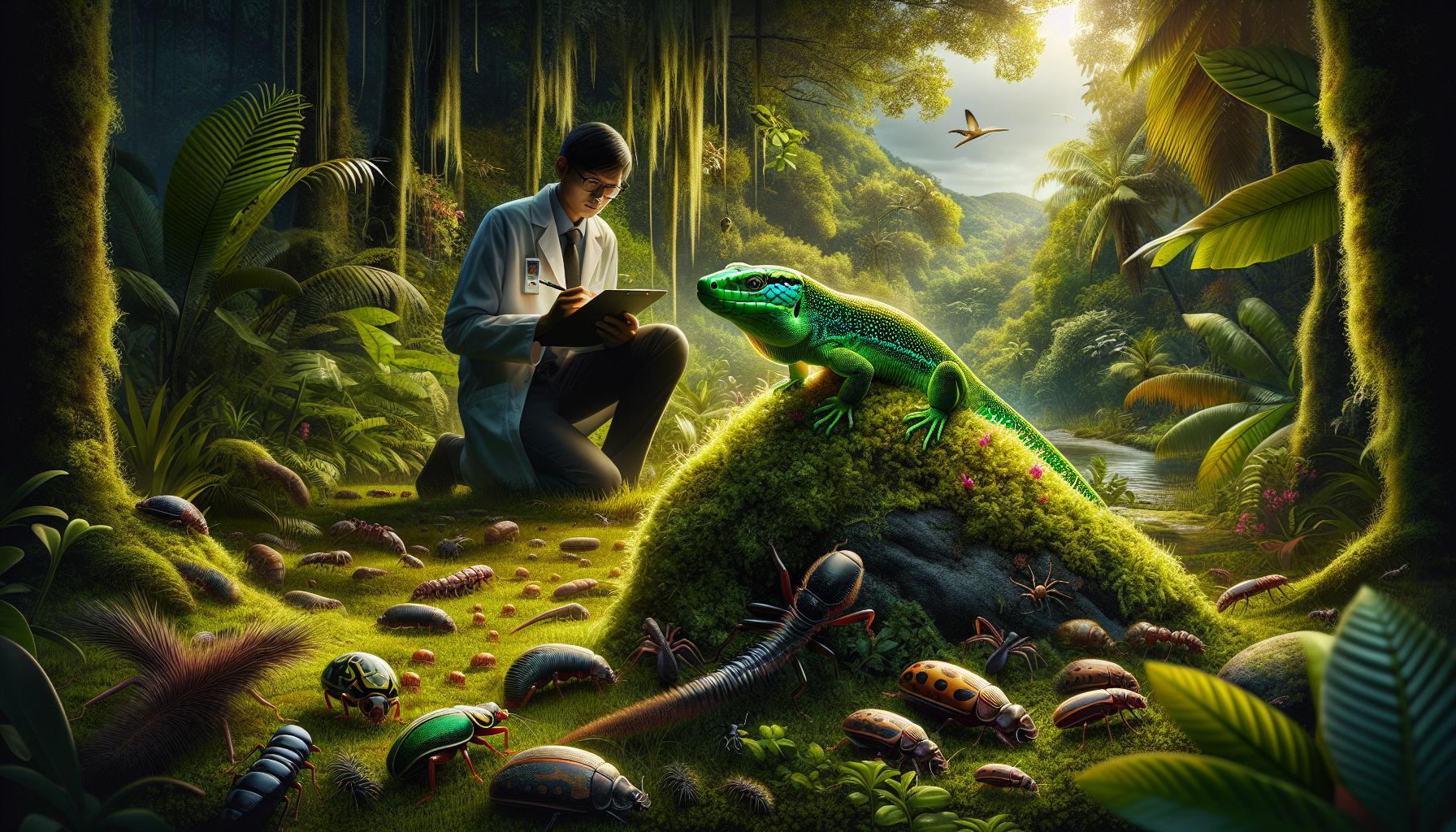
Ecological Role of Green Blood in Skinks
The striking green blood of certain skinks, particularly those in the genus *Prasinohaema*, is not just a peculiar trait-it plays a crucial ecological role that enhances their survival in their natural habitats. One of the remarkable aspects of this adaptation is how it helps these skinks cope with environmental challenges, such as high levels of stress and potentially harmful pathogens. The presence of biliverdin, the bile pigment responsible for their unique coloration, provides a fascinating survival advantage: it acts as a potent antioxidant, aiding in the detoxification of harmful byproducts produced during metabolic processes. This adaptation may significantly reduce the impact of oxidative stress, allowing skinks to thrive in habitats where other reptiles may struggle.
- Enhanced Immune Response: The high levels of biliverdin in green-blooded skinks have been proposed to bolster their immune systems, potentially providing a greater resistance to various diseases and infections. This assistance in immune function is critical for survival in ecosystems where pathogenic threats are prevalent.
- Thermoregulation: The distinctive color may also play a role in thermoregulation. The ability of these skinks to manage their body temperature effectively can enhance their activity levels and foraging success, contributing to their overall fitness.
- Camouflage and Altruism: Interestingly, the green pigmentation can offer a form of camouflage within their specific habitats, helping them evade predators. This characteristic plays a vital role in their ecological niche, allowing them to escape threat while also providing essential benefits to their population dynamics.
Understanding the ecological role of green blood not only highlights the intricate adaptations of these reptiles but also informs pet owners of the potential health benefits tied to this unique characteristic. For those interested in keeping skinks, providing an environment that mirrors their natural ecological conditions can enhance the expression of biliverdin and support their unique biology. Maintaining a balanced diet that caters to their nutritional needs, alongside a habitat that promotes natural behaviors, will ensure that pet skinks can thrive, reflecting their incredible adaptability seen in the wild.
How Skinks Acquire Their Unique Color
The vibrant green blood of some skinks is not merely a striking aesthetic feature; it originates from fascinating biochemical processes involving the pigment biliverdin. This pigment arises from the breakdown of hemoglobin in red blood cells. In traditional vertebrates, this process results in bilirubin, a yellowish compound. However, certain skinks, specifically those in the genus Prasinohaema, have a unique adaptation that allows them to accumulate biliverdin in their bloodstream instead. This unusual trait stems from mutations in the enzymes responsible for converting biliverdin to bilirubin, leading to an excess of this vivid green pigment in their circulatory systems.
The accumulation of biliverdin serves multiple functions essential to these reptiles. First, the presence of this pigment is thought to provide potent antioxidant properties. Animals exposed to high-stress environments or harmful pathogens can benefit significantly from reduced oxidative stress, which biliverdin supports. Additionally, the skinks’ ability to detoxify harmful byproducts from metabolic processes means they can thrive in diverse habitats that may be inhospitable to other reptiles, giving them an evolutionary edge.
Many pet owners may wonder if the unique blood coloration among skinks has any implications for their care. Providing a habitat that mimics their native ecosystems can enhance the expression of biliverdin, benefitting the age-old principle of maintaining pet health through familiarity with natural behavior and environmental conditions. Additionally, enriching their diet with fresh fruits and vegetables can contribute to their overall health, promoting the metabolism essential for processing and harnessing the benefits of biliverdin.
Ultimately, the color of skinks’ blood is a remarkable testament to nature’s ingenuity, showcasing survival tactics that have developed over millions of years. Understanding the mechanisms behind this adaptation not only highlights the beauty of biodiversity but also offers practical insights for those who keep these unique reptiles as pets, ensuring they remain vibrant and healthy.
Comparative Analysis: Skinks vs. Other Reptiles
The fascinating green blood of certain skinks sets them apart from other reptiles, providing a unique lens through which to examine the diversity of adaptations among these creatures. Most reptiles, such as snakes and lizards, typically have red blood due to the presence of hemoglobin, which transports oxygen. This pigment, however, converts to bilirubin as red blood cells break down, resulting in the golden-yellow hue characteristic of many vertebrates. In stark contrast, skinks from the genus Prasinohaema possess an extraordinary adaptation: they retain biliverdin, a green pigment that offers intriguing advantages in their ecological habitats.
One of the most notable distinctions between these green-blooded skinks and other reptiles lies in their ability to manage oxidative stress. The antioxidant properties of biliverdin not only enhance their resilience in challenging environments but may also serve as a defense mechanism against various pathogens. While other reptiles rely on traditional immune responses, skinks appear to have harnessed this biochemical quirk, allowing them to thrive in ecosystems where others might struggle. This adaptability can be particularly valuable in areas with high levels of environmental toxins or fluctuating temperatures, demonstrating a remarkable evolutionary strategy.
When considering pet care for these unique reptiles, it’s essential for owners to understand how their care requirements may differ from those of more common species. Unlike many standard lizards, Prasinohaema skinks thrive in a habitat that mimics their lush, moist natural environments, necessitating humidity and temperature control specific to their needs. Providing a varied diet rich in fruits and vegetables can further support their health, particularly by enabling them to maximize the benefits of biliverdin. Owners should also be aware of the potential for stress in captivity, which could impact the skinks’ health and blood characteristics, reinforcing the need for a well-planned, tranquil living environment.
In the grand tapestry of reptilian diversity, the exceptional adaptation of green blood in skinks highlights the myriad evolutionary paths life can take. As you explore the captivating world of reptiles, understanding these differences not only deepens your appreciation of nature’s ingenuity but also informs better care for these extraordinary pets. By creating an environment that echoes their natural habitat, you empower skinks to flourish, allowing their vibrant colors, health, and intriguing behaviors to shine through.
The Evolutionary Advantages of Green Blood
The astonishing green blood of certain skinks, particularly those from the genus Prasinohaema, is not just a quirky trait; it represents a remarkable evolutionary adaptation that provides multiple advantages in their natural environments. Unlike most reptiles that rely on hemoglobin, which can convert to the yellow pigment bilirubin, these skinks retain biliverdin, a green pigment critical for their survival. This unique adaptation allows them to withstand oxidative stress more effectively than their red-blooded counterparts, making them resilient in ecosystems where environmental hazards abound.
One of the significant evolutionary benefits of biliverdin lies in its potent antioxidant properties. As these skinks navigate habitats often high in toxins or fluctuating conditions, their blood composition helps mitigate damage from free radicals generated by such stresses. This antioxidant capability may also provide enhanced resistance to infections, as it enables these reptiles to avoid the detrimental effects of pathogens that plague other species. For pet owners, understanding this aspect of skink biology is crucial, as it highlights the importance of a balanced diet rich in nutrients that can further bolster their immune system.
Additionally, the adaptation of green blood can have implications beyond physical health. It influences the skinks’ ecological roles, enabling them to occupy niches that would be challenging for other reptiles. This flexibility can lead to a broader range of available habitats, from tropical forests to coastal regions with high humidity. For those considering keeping these lizards as pets, mimicking their natural habitat by creating a humid, warm environment can help ensure their well-being and allow them to flourish, ultimately leading to vibrant coloration and active behavior that reflects their health and vitality.
In conclusion, the evolution of green blood in skinks illustrates a fascinating interplay between biology and environmental adaptation. For pet owners and reptile enthusiasts, acknowledging these evolutionary advantages not only enhances appreciation for the complexity of skink biology but also informs proper care strategies to maintain their health and happiness in captivity. By fostering conditions that mirror their natural habitats, owners can empower their skinks to thrive, showcasing the unique beauty and resilience that this extraordinary species embodies.
Health Implications of Coloration in Skinks
The striking green blood of certain skinks, particularly those from the genus Prasinohaema, serves far more than an aesthetic purpose; it plays a pivotal role in their overall health and adaptability. This unique coloration arises from the presence of biliverdin, a pigment that grants these reptiles remarkable antioxidant properties. By maintaining high levels of biliverdin, skinks can combat oxidative stress more effectively than their red-blooded relatives, which often rely on hemoglobin and its byproduct, bilirubin. This adaptation allows skinks to thrive in environments laden with toxins and fluctuating conditions, showcasing how color can be a direct indicator of health resilience.
Another fascinating aspect of skink coloration revolves around its implications for immunity. The antioxidant capabilities of biliverdin not only mitigate cellular damage but also bolster the skinks’ immune responses. This means that these lizards are better equipped to fend off infections that may afflict other reptiles, allowing them to occupy ecological niches that are often perilous for less resilient species. For pet owners, this insight underscores the importance of a well-rounded diet rich in antioxidants, vitamins, and minerals to further enhance the immune health of skinks in captivity.
While the vibrant green hue is a marker of health and resilience, it also underscores the need for ideal care practices among owners. A supportive environment that mimics their native humid and warm habitats is crucial. Maintaining optimal humidity levels, providing a varied diet-including insects and fruits, depending on the skink species-can all contribute to the vibrancy of their coloration and overall health. Pet owners should be proactive in creating an environment that optimally supports these adaptations, leading to not only healthier skinks but also more vivid displays of their unique color, reflecting their vitality.
In conclusion, the go beyond mere aesthetics. The green pigment serves a critical function in their survival, influencing aspects such as oxidative stress response and immune system functionality. Understanding these factors allows skink owners to appreciate the complex biology behind their pets while also emphasizing responsible care strategies essential for maintaining their health and enhancing their vibrant appearance. By fostering an environment that caters to their unique biological needs, owners can help ensure their skinks lead long, healthy lives enriched by the brilliant coloration that defines them.
Caring for Skinks: What Owners Should Know
Providing proper care for skinks, especially those boasting the remarkable green blood of the Prasinohaema genus, requires understanding the specific environment and dietary needs that support their unique biology. Recognizing that their vibrant coloration is not just for show but integral to their health and resilience adds an exciting layer to skink ownership. To ensure that your skink thrives in captivity, focusing on their habitat, diet, and overall well-being is crucial.
Creating an Optimal Habitat
Skinks require a carefully controlled environment that mimics their natural habitats. A terrarium with ample space, adequate ventilation, and a substrate that retains humidity is essential. Maintaining humidity between 60-80% will help replicate their moist rainforest or tropical settings. Use a digital hygrometer to monitor these levels. Additionally, include hiding spots, such as cork bark or foliage, to provide security and comfort for your skink. The temperature should range between 75°F (24°C) at the cooler end and up to 90°F (32°C) basking areas, facilitated by appropriate heat sources like UVB light fixtures that not only heat but also promote healthy vitamin D3 synthesis.
Nutrition: Fueling Their Unique Biology
In the wild, skinks feed on a diverse diet, which is key to their health and stress resilience. In captivity, it’s vital to recreate this balance. A combination of high-quality insects (such as crickets, roaches, and mealworms), soft fruits, and occasionally leafy greens will provide the essential proteins, vitamins, and antioxidants needed for their immune system. Consider the following tips for feeding:
- Variety is vital: Rotate different protein sources and vegetables weekly to ensure a broad range of nutrients.
- Supplements: Use a calcium supplement bi-weekly and a multivitamin once a month to support their robust immune system facilitated by biliverdin.
- Hydration: Provide fresh water in a shallow dish and mist the habitat regularly to increase humidity and encourage drinking.
Understanding Health and Monitoring Changes
As a skink owner, being attentive to your pet’s behavior and physical condition is essential. Watch for signs of appetite changes, lethargy, or abnormal coloration, as these could indicate health issues. Apart from their vibrant coloration being a health indicator, regular vet check-ups are recommended to preemptively catch any potential health issues. Educate yourself on common skink illnesses to be alert and responsive, ensuring a timely intervention when needed.
Caring for skinks, particularly those with their distinctive green blood, is a deeply rewarding endeavor that requires knowledge and commitment. By creating the right environment, providing a varied diet rich in nutrients, and being vigilant about their health, you can support not only a healthier skink but also one that showcases the vibrant beauty of their unique biology.
Why Green Blood Inspires Scientific Curiosity
The remarkable green blood of certain skinks, particularly those of the genus Prasinohaema, has captivated scientists and reptile enthusiasts alike. What lies behind this unusual coloration is not merely aesthetic; it serves as a window into the evolutionary adaptations and ecological strategies that these creatures employ to survive in their habitats. The green coloring results from the presence of biliverdin, a bile pigment that functions as a potent antioxidant, potentially offering these skinks resistance to bacteria and parasites that threaten their health.
Scientific curiosity is piqued by the oddity that, while most reptiles have blood that is various shades of red or yellow, these skinks have evolved a distinct and vibrant hue. This divergence raises fascinating questions about the evolutionary processes at play. For instance, why did nature select this particular path? What environmental pressures contributed to this adaptation? Such questions not only deepen our understanding of Prasinohaema but also challenge conventional narratives about reptilian biology and the diverse strategies life can employ to thrive.
In addition to its biological significance, studies of skink green blood inspire broader interest in evolutionary biology and conservation efforts. Understanding such peculiar adaptations helps illuminate the intricate web of life and the interdependent relationships within ecosystems. As researchers delve into the biochemical pathways that produce this green blood, they uncover potential applications in medicine and biotechnology. The unique properties of biliverdin might inform approaches to antioxidant therapies or developing new methods for managing diseases.
For pet owners, this scientific intrigue translates to a greater appreciation of their skink companions’ unique biology. Knowing that a pet skink’s striking appearance is not only a fascinating spectacle but a testament to evolution can enrich the experience of keeping these creatures. By being aware of their biology, owners can make informed decisions that contribute to a thriving habitat, reinforcing the delicate balance of nature that these extraordinary reptiles represent.
Skinks in Popular Culture: Myths vs. Facts
The striking green blood of certain skinks, particularly those in the genus Prasinohaema, has crossed the boundaries from scientific curiosity into the realms of myths and popular culture. This unusual characteristic gives rise to various misconceptions about these fascinating reptiles. One common myth is that the vivid green coloration is a defensive mechanism-much like the toxicity seen in some amphibians. In reality, the green blood is due to high levels of biliverdin, a bile pigment that serves primarily as an antioxidant rather than a means of deterring predators.
Moreover, many might wonder if the green blood indicates the skinks are somehow “alien” or extraterrestrial. This notion plays into broader cultural narratives about unusual animals. In truth, while the green blood is indeed rare among reptiles, it reflects an extraordinary evolutionary adaptation rather than a signal of otherworldly origins. Skinks, as creatures deeply rooted in their ecosystems, play critical roles in their environments, dispelling myths of them being mere curiosities or fantasy creatures.
In popular culture, depictions of skinks often lack scientific accuracy, leading to misconceptions about their behavior and ecology. For example, while skinks are often portrayed as stealthy and rogue-like creatures lurking in the shadows, in reality, they can be quite social and exhibit distinct communication behaviors. Such portrayals detract from the realities of their biology and their interactions with both their environment and other species.
Understanding the fascinating science behind green blood in skinks not only enriches our appreciation of these reptiles but also empowers responsible pet ownership. For enthusiasts considering a skink as a pet, knowing that their unique physiology links back to specific environmental adaptations can foster a deeper connection. It’s essential for owners to appreciate these creatures not just for their exotic appearance but also for the complex biological narratives they embody, thus encouraging a commitment to their care and conservation.
Exploring Skink Habitats: Where They Live
Skinks inhabit a diverse array of environments, showcasing remarkable adaptability that accentuates their intriguing biology, including their distinctive green blood. These lizards can be found in various settings ranging from moist forests to arid deserts, and even grasslands. The ability of certain skinks, especially those with green blood, to thrive in such varied habitats highlights their evolutionary prowess in overcoming ecological challenges.
Typically, skinks prefer environments rich in cover-like leaf litter, fallen logs, and rocky outcrops-where they can quickly hide from predators and hunt for their primary sources of food, which often include insects and other small invertebrates. In tropical regions, particularly where the genus *Prasinohaema* is found, these skinks favor dense vegetation. This selection of habitat not only offers protection from predators but also provides a stable microclimate that assists in thermoregulation, crucial for their metabolic processes.
For potential pet owners, understanding the natural habitats of skinks is essential for recreating an appropriate environment in captivity. Providing climbing structures, hiding spots, and suitable substrate that mimic their native ecosystems will help them feel secure and express natural behaviors. Consider the following factors when setting up a habitat for skinks:
- Temperature: Ensure a temperature gradient in the enclosure, with a basking area of around 90°F (32°C) and a cooler area at approximately 75°F (24°C).
- Humidity: Maintain appropriate humidity levels that vary depending on the species, generally between 40-60% for most skink species.
- Feeding: Offer a balanced diet rich in insects, supplemented with fruits for those skink species that are herbivorous.
Understanding the habitat preferences of skinks not only enhances their care but provides insights into the evolutionary significance of traits like green blood. In their natural environment, the high levels of biliverdin, responsible for their unique coloration, may offer protective advantages amidst specific ecological pressures. Ultimately, educating oneself about their habitats fosters a deeper appreciation for these remarkable reptiles, contributing to responsible ownership and conservation efforts.
Future Research Directions on Skink Biology
The intriguing phenomenon of green blood in certain skinks has opened a treasure trove of research possibilities, capturing the attention of scientists eager to understand the underlying mechanisms and implications of this unique adaptation. One of the primary areas of focus revolves around the biochemical pathways responsible for the production of biliverdin, the pigment that gives their blood its striking green hue. Future studies are likely to investigate how this high concentration of biliverdin affects metabolic processes, immune responses, and overall health, shedding light on how skinks utilize this pigment as a potential defense against parasites or predators.
Exploring Genetics and Evolution
Another promising research direction involves delving into the genetics of green-blooded skinks. By sequencing their genomes, researchers aim to identify specific genetic markers that facilitate the synthesis and regulation of biliverdin. Understanding these genetic underpinnings could illuminate the evolutionary pressures that led to this distinct trait. Moreover, comparative studies with other reptiles could elucidate why some species develop such striking adaptations while others do not, providing a broader context for the evolutionary implications of coloration in reptiles.
Ecological and Environmental Interactions
Investigating the ecological role of skinks with green blood within their habitats offers another rich avenue for study. Researchers could examine how these skinks interact with their environment, particularly in terms of prey selection and predator avoidance. Observational studies in diverse ecosystems will be crucial in determining whether their coloration provides effective camouflage or serves as a warning signal to potential threats. Understanding these interactions not only enriches our knowledge of skink biology but also contributes to conservation efforts, informing habitat preservation strategies that support these unique reptiles.
Implications for Veterinary Medicine and Pet Care
From a practical perspective, the insights gained from future research on skink biology, particularly regarding their green blood, could have significant implications for veterinary medicine and the care of skinks in captivity. As owners learn more about the health benefits of biliverdin, they can make informed decisions about diet and habitat conditions that promote the overall well-being of their pets. Research may uncover specific dietary requirements or environmental needs that enhance the health and longevity of skinks, guiding caretakers in creating optimal living conditions.
In summary, the study of green-blooded skinks is a fascinating intersection of ecology, genetics, and husbandry, promising to reveal not only the wonders of evolution but also actionable insights for pet care enthusiasts. As science continues to unravel the mysteries behind this unusual adaptation, both wildlife enthusiasts and pet owners can look forward to a deeper understanding of these remarkable reptiles.
FAQ
Q: What causes the green blood in skinks?
A: The green blood in skinks is primarily caused by the presence of a high concentration of biliverdin, a green bile pigment. This unusual adaptation may help in oxygen transport and provide protection against predators, highlighting the unique evolutionary pathways of these reptiles.
Q: Are all skinks’ blood green?
A: No, not all skinks have green blood. The green blood adaptation is specific to certain species like the Prasinohaema genus, while most skinks possess red blood due to the presence of hemoglobin. This distinction highlights the diversity within skink biology.
Q: How does the green blood affect a skink’s health?
A: The high levels of biliverdin in skinks’ green blood are not harmful; instead, they may protect against oxidative stress and provide other health benefits. This adaptation can enhance their survival in specific ecological niches. For more information, refer to the section on health implications.
Q: What evolutionary advantages do skinks with green blood have?
A: Skinks with green blood may have advantages such as better camouflage against certain environments and improved resistance to blood parasites. These traits can enhance their survival and reproductive success in the wild.
Q: How do skink owners care for pets with green blood?
A: Owners should provide a suitable habitat that mimics their natural environment, including appropriate humidity and temperature levels. Understanding their unique biology and health needs, as discussed in the care section, is essential for proper maintenance.
Q: Why are skinks with green blood of interest to scientists?
A: Skinks with green blood broaden our understanding of biological adaptations and evolutionary processes. Their unique physiology can offer insights into blood chemistry and potential applications in medicine. For further exploration, look into the scientific curiosity section of the article.
Q: Where can skinks with green blood be found in the wild?
A: Skinks with green blood, primarily from the Prasinohaema genus, are found in the tropical regions of New Guinea and nearby islands. These habitats are crucial for studying their ecological roles and evolutionary adaptations.
Q: What myths exist about skinks with green blood?
A: Common myths include the belief that green blood indicates toxicity or danger, which is false. The green coloration is an adaptation rather than a sign of venom or harm. For a deeper dive, refer to the myths versus facts section of the article.
The Way Forward
As we conclude our exploration of the fascinating world of skinks and their extraordinary green blood, it’s clear that nature continues to astound us with its unique adaptations. Remember, the striking characteristics of these lizards serve not only as a topic of scientific intrigue but also highlight the broader complexities of wildlife biology and conservation. If you’re curious about more captivating animal adaptations, check out our articles on “The Secrets of Reptilian Defense Mechanisms” and “Understanding Animal Coloration: Nature’s Palette.”
Don’t miss the chance to enhance your knowledge further-subscribe to our newsletter for the latest insights on wildlife science and pet care tips. Have questions or thoughts? We invite you to leave a comment below! Engaging with our community adds value to everyone’s learning experience. Your journey into the wonders of wildlife is just beginning, so dive deeper, stay curious, and let’s celebrate the marvels of nature together!


