


In the wild, the opossum employs an extraordinary survival tactic known as “playing dead” to evade predators. This fascinating behavior not only highlights the ingenuity of nature but also serves as a powerful reminder of the instincts present in our own pets. As many pet owners have witnessed, animals can display remarkable behaviors that reflect survival strategies rooted in their ancestry.
Understanding how and why animals resort to such tactics can deepen our connection with them and enhance our ability to care for and protect our furry companions. By recognizing these behaviors, pet owners can better respond to their pets’ needs and ensure their safety in various situations.
Join us as we explore the science behind this captivating tactic and uncover how recognizing similar behaviors in our pets can lead to crucial insights about their well-being. Whether you’re a seasoned pet owner or a curious newcomer, you’ll find valuable information that enriches your understanding of animal behavior and promotes responsible pet care.
Contents
- 1 Understanding the Fascinating Behavior of Possums
- 2 The Science Behind Playing Dead: Why It Works
- 3 Life-Saving Benefits: How Playing Dead Aids Survival
- 4 Comparative Analysis: Possums vs. Other Animals’ Defense Mechanisms
- 5 Evolutionary Advantage: The Role of Playing Dead
- 6 Practical Implications for Pet Owners: What to Know
- 7 Safety Tips for Pets: Responding to Dead Possums
- 8 Myths and Misconceptions About Possums and Their Behavior
- 9 How to Help Wildlife in Distress: When to Intervene
- 10 Educational Activities: Engaging with Wildlife at Home
- 11 Exploring the Ecosystem: The Importance of Possums
- 12 Conservation Efforts: Protecting Our Essential Wildlife
- 13 Frequently asked questions
- 14 Wrapping Up
Understanding the Fascinating Behavior of Possums
Possums are remarkable creatures whose survival tactics have fascinated biologists and wildlife enthusiasts alike. One of their most intriguing behaviors is the ability to play dead, or “playing possum.” This defense mechanism is not just a quirky trait; it is a potentially life-saving strategy that has evolved over generations. When threatened, possums can enter a state resembling death, complete with a stiffening of the body and a release of a foul-smelling fluid from their glands. This behavior effectively deters predators that prefer live prey, allowing possums to escape danger and return to confidence once the threat has passed.
While some may view this as merely an oddity, the science behind this behavior is deeply rooted in the possum’s evolutionary history. Possums, being marsupials, have developed unique adaptations that help them navigate their environment amidst predators. By mimicking the appearance and scent of a decaying animal, they can trick predators into believing they are not a viable meal. This not only saves their lives but also enhances their chances of survival in environments where threats are prevalent.
For pet owners, understanding such fascinating animal behaviors can offer valuable insights into wildlife interactions. It is essential to remember that possums are beneficial to ecosystems; they control pest populations and help maintain a balance. When encountering a possum, whether dead or alive, it is advisable to observe from a distance, allowing these unique animals to continue their essential roles in nature. In an age where wildlife is increasingly threatened, educating ourselves about their behaviors fosters appreciation and informs responsible actions towards coexistence with our wild neighbors.
By understanding the complexities of possum behavior, including their remarkable ability to play dead, we can engage more thoughtfully with wildlife and contribute to their conservation. Encouraging curiosity about these animals enriches our connection to nature and promotes coexistence strategies that benefit both humans and wildlife alike.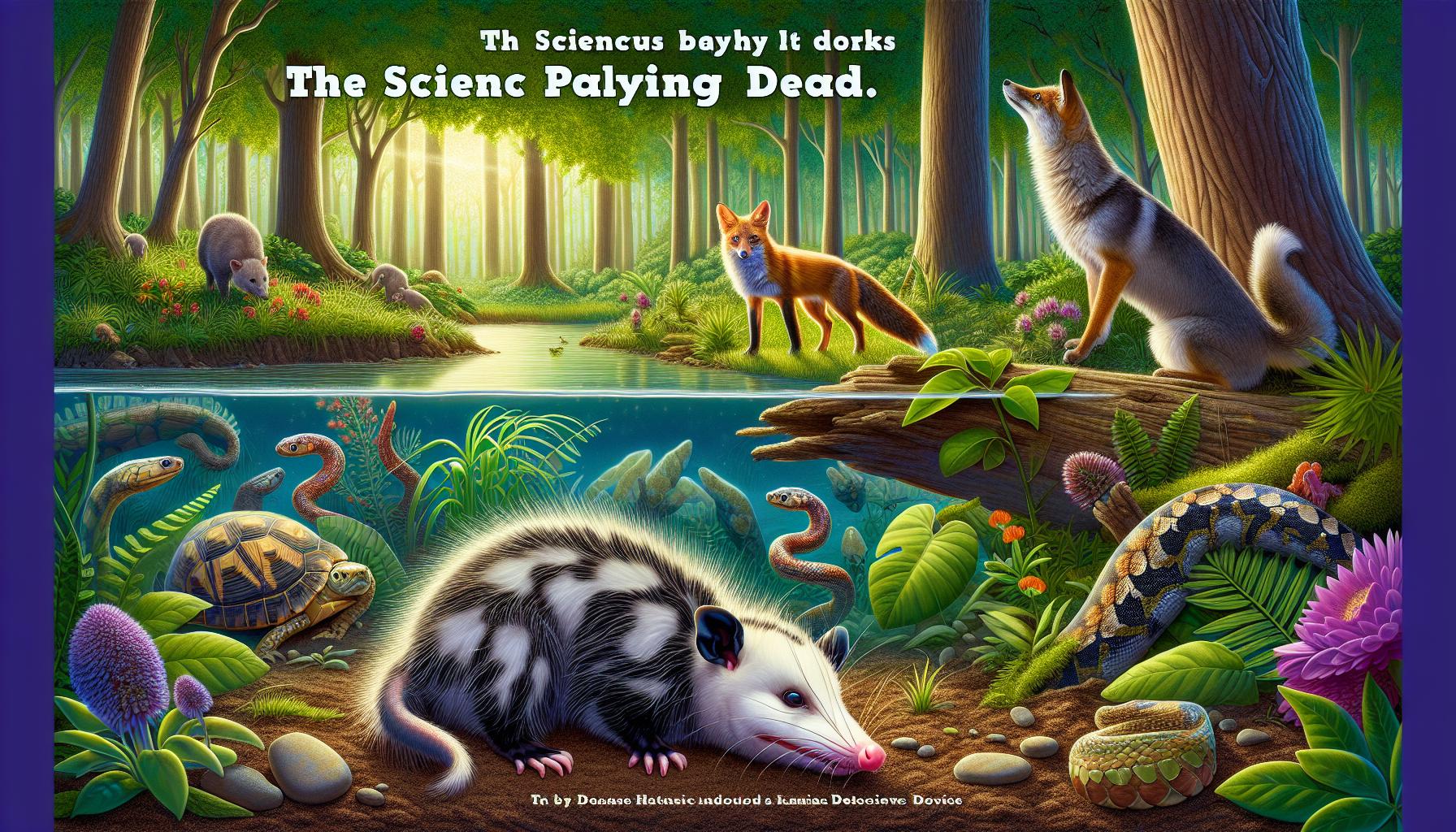
The Science Behind Playing Dead: Why It Works
When faced with danger, some animals employ remarkable survival tactics, and among these, the ability of possums to play dead stands out as one of nature’s most intriguing strategies. This extraordinary behavior is not merely an eccentricity; rather, it’s a finely tuned response shaped by millions of years of evolution. When threatened, possums can enter a state that mimics death, characterized by a complete stiffening of their body, the release of a foul-smelling fluid, and sometimes even a blank stare. This act of feigning death is termed “playing possum” and serves a vital purpose in evading predators.
The science behind this behavior hinges on both psychological and physiological responses. By imitating the appearance of a dead animal, possums deter predators that prefer live prey. Studies suggest that many predators are not inclined to eat carrion, as it may pose health risks associated with disease. Possums are adept at selecting the precise moment for this deception, often timing it with the approach of a threat. This ability not only helps them escape immediate danger but also affords them the opportunity to resume normal activity once the perceived threat has drifted away.
It’s fascinating to consider how this strategy compares to those employed by other animals. For example, many species resort to camouflage or aggressive displays to ward off threats, while some reptiles may drop their tails to escape capture. However, the possum’s tactic is unique in its stark emphasis on deception. By not only becoming motionless but also emitting a scent reminiscent of decay, possums enhance their chances of survival in environments where predators are common.
Understanding this behavior has practical implications, especially for pet owners living in areas where possums roam. Awareness of the possum’s defensive strategies is crucial in minimizing interactions between pets and wildlife. If your pet comes across a possum, recognizing that it may be playing dead can help avoid unnecessary stress for both the animal and your pet. As fascinating as possums are, their presence in the ecosystem is beneficial. They play an important role in controlling insect populations and scavenging carrion, which contributes to the health of their habitat. Therefore, respecting their space and allowing them to continue their natural behaviors is vital for maintaining ecological balance.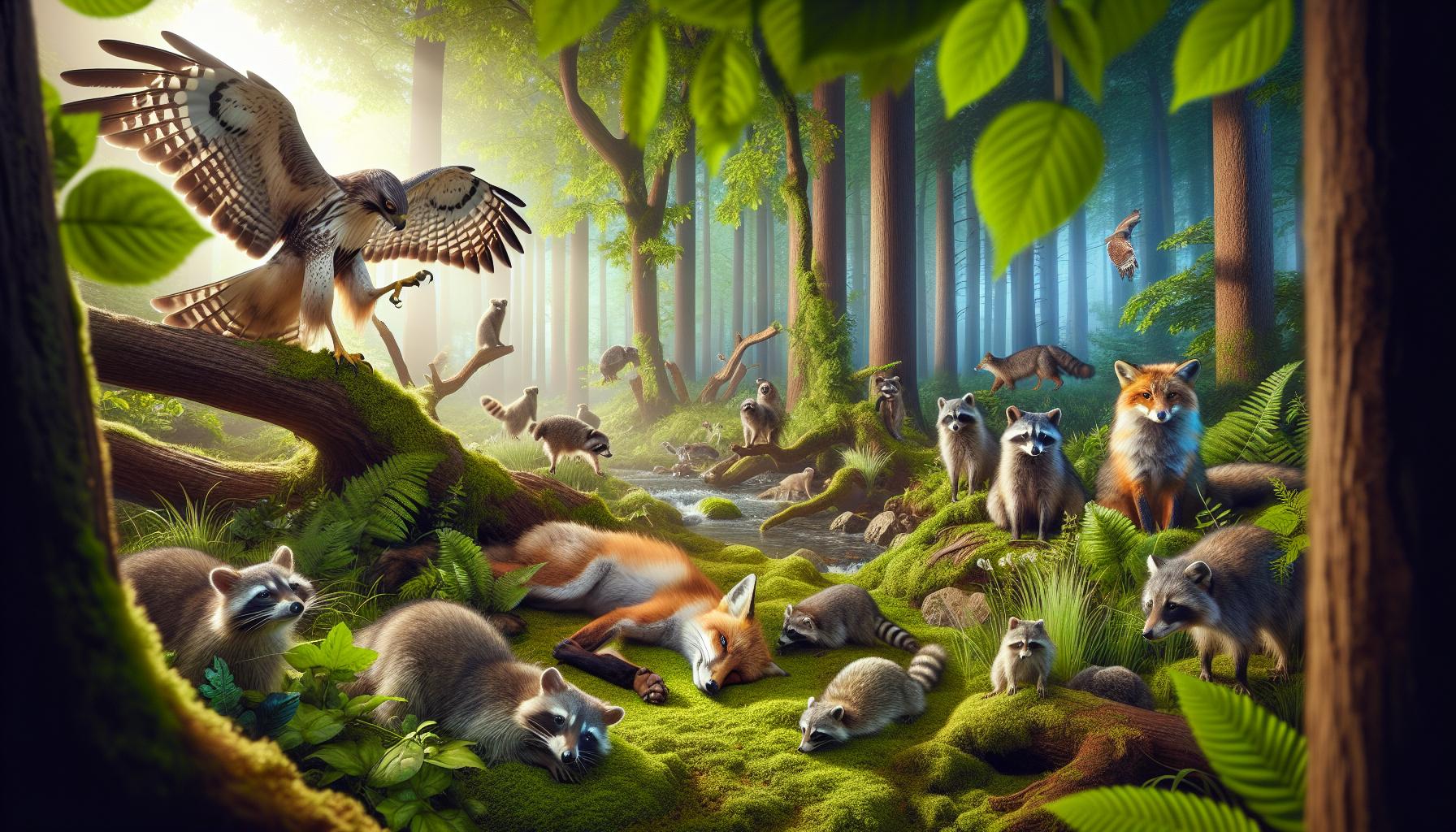
Life-Saving Benefits: How Playing Dead Aids Survival
When confronted with the imminent threat of attack, possums possess an extraordinary survival mechanism that may seem absurd but is strikingly effective: the ability to feign death. This remarkable tactic, known as “playing possum,” is not merely a reflex but rather an intricate behavioral adaptation that enhances their chances of survival in a world filled with hungry predators. By mimicking a lifeless creature, possums leverage the instinctual aversion many predators possess towards carrion-food that is often tainted with pathogens and decay.
This instinctual response is biological and behavioral, allowing possums to minimize their risk of predation. Their ability to enter this state of tonic immobility includes physiological changes such as a complete stiffening of their body, and often, the secretion of a foul-smelling fluid that reinforces the illusion of death. Studies have shown that when faced with potential threats, this behavior can last for several minutes or even hours, during which the possum remains motionless. Once the danger has passed, the possum swiftly regains its composure and continues on its way, effectively escaping a deadly encounter.
For pet owners, understanding the significance of this behavior can foster responsible interactions between domestic animals and wildlife. If a pet encounters a possum that appears immobile, it is vital to recognize that the animal may not be injured but simply employing its defense mechanism. This knowledge can aid in preventing unnecessary stress for both your pet and the possum. Instead of prodding or attempting to “rescue” a seemingly incapacitated possum, keeping a respectful distance allows the animal to safely resume its natural activities once the perceived threat has subsided.
In conclusion, the ability of possums to play dead is an evolutionary marvel that exemplifies nature’s creativity in ensuring survival. By understanding these unique survival strategies, pet owners can better appreciate the complexities of wildlife behavior while promoting harmony between domestic pets and their wild counterparts. Embracing this knowledge not only enriches our understanding of animal behavior but also enhances our ability to coexist responsibly within the ecosystems we share.
Comparative Analysis: Possums vs. Other Animals’ Defense Mechanisms
In the wild, survival often hinges on the ability to outsmart predators, and different animals have evolved a variety of defense mechanisms-each unique to their species and circumstances. The possum’s remarkable ability to play dead is but one fascinating strategy among many, and it reveals an intriguing contrast to the survival techniques employed by other species. From chemical warfare to sheer speed, these defenses showcase the diversity of adaptation in the animal kingdom.
Many animals rely on overt strategies to deter their foes. For instance, some species of skunks possess the ability to spray a potent, foul-smelling liquid that can incapacitate or repel threats. This chemical defense not only serves to dissuade predators but also provides the animal with a chance to escape while its assailant is momentarily blinded by the noxious odor. Similarly, the infamous puff adder employs venom as a defensive tactic-its swift strike can deter would-be predators by delivering a lethal bite. In contrast, possums do not use aggression or adaptations that rely on physical prowess; instead, they rely on subterfuge, presenting the guise of death to evade harm.
Additionally, some creatures opt for sheer speed and agility as their primary means of defense. For example, the swift movements of rabbits and deer can often lead them to evade predators successfully. Their strategy involves fleeing from danger, which relies on reflexes and physical ability rather than a change in behavior. In stark contrast, possums will stand their ground, banking on the hope that their ruse as lifeless prey will signal safety until the threat has passed. This behavioral adaptation may seem counterintuitive, but it effectively capitalizes on a predator’s instinctual aversion to carrion, thus minimizing risk without the exertion of a flight response.
For pet owners, awareness of these varying defensive strategies fosters a deeper understanding of how wildlife interacts with domestic animals. When encountering a possum, it’s essential to remember that its “playing dead” is an evolutionary adaptation and not an indication of injury. Educating oneself and others about these differences in animal behaviors can lead to more compassionate interactions with wildlife. Being vigilant and knowledgeable about second chances in nature can lay the groundwork for respectful coexistence between pets and their wild neighbors, ultimately ensuring harmonious living alongside fascinating creatures exhibiting a multitude of survival strategies.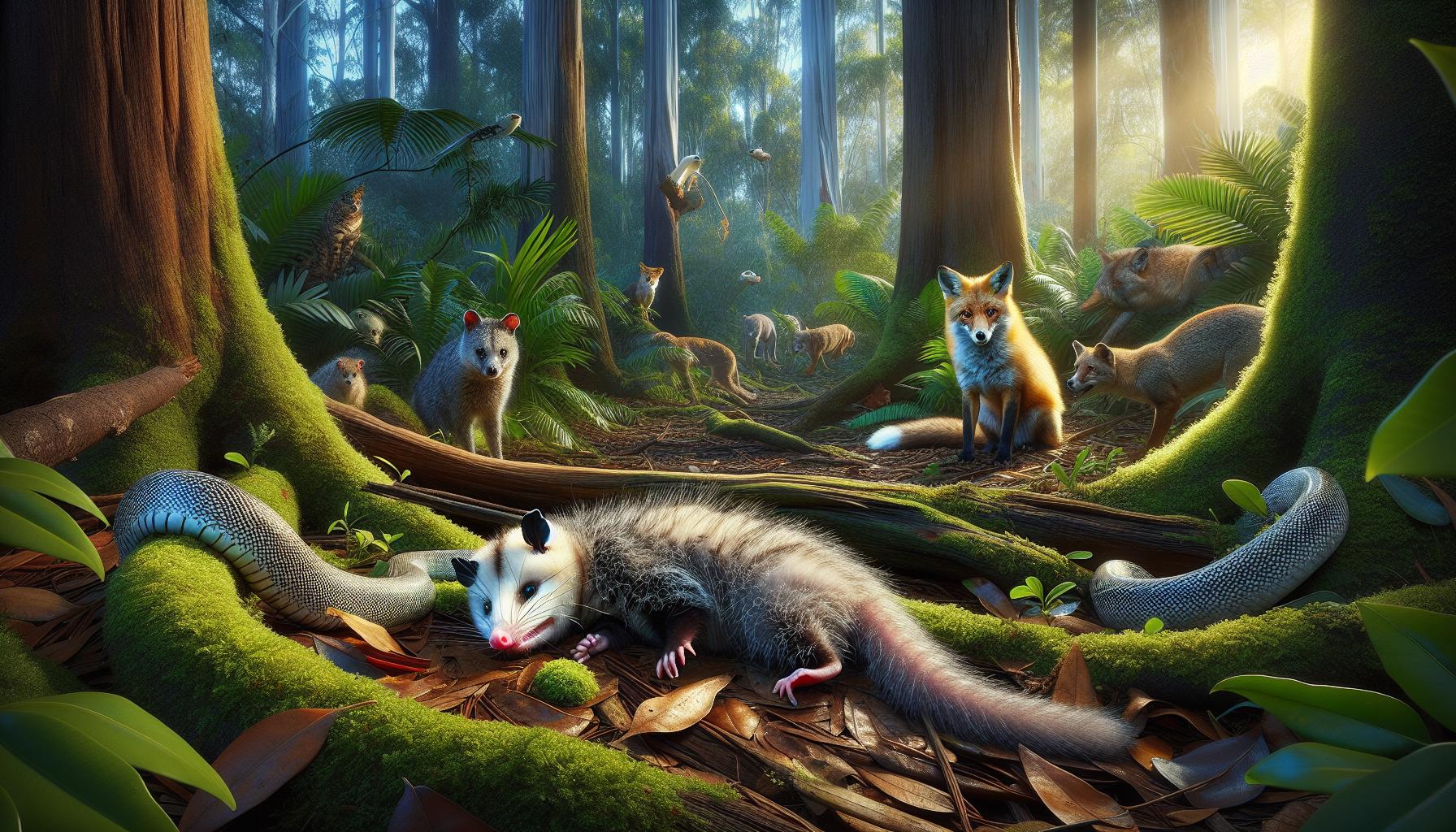
Evolutionary Advantage: The Role of Playing Dead
The ability to play dead, known scientifically as thanatosis, is a remarkable survival strategy that has evolved in possums over millions of years. This instinctual behavior serves a vital purpose in helping possums evade predators. When faced with a threatening situation, these marsupials collapse, entering a state that mimics death. During this act, their breathing becomes shallow, their bodies go limp, and they can even emit a foul-smelling substance from their glands, simulating the scent of decay. This combination makes them unappealing to predators that prefer living prey.
Possums possess a unique niche in the ecosystem that supports the evolutionary advantage of playing dead. Unlike animals that rely on speed or aggression for defense, their strategy capitalizes on a predator’s fear of carrion. Many predators instinctively avoid dead or decaying animals due to the potential risk of disease or the fear of ambush from unseen threats. By playing dead, possums exploit this behavioral quirk, allowing them to escape potential danger without the expenditure of energy associated with escape or aggression. This tactic is not just limited to possums; other species, such as some reptiles and insects, also exhibit thanatosis, highlighting the universal adaptability of survival strategies across the animal kingdom.
For pet owners, understanding this evolutionary mechanism is essential. Should you encounter a possum that appears lifeless, it is crucial to recognize that this behavior is a defensive tactic rather than a sign of illness or injury. Approach wildlife situations with caution and consider observing from a distance, allowing the animal to feel secure enough to resume its natural behavior. Education on the significance of such adaptations can empower pet owners to foster a respectful coexistence with wildlife, reducing the urge to intervene unnecessarily and thereby protecting both pets and wildlife alike.
Engagement with the ecosystem through responsible pet ownership can lead to thoughtful actions, such as supervising pets outdoors and ensuring they don’t chase or corner wildlife. By appreciating the nuances of how animals like possums survive, owners can create a harmonious environment that respects the complexity of wildlife and their essential roles within the ecosystem.
Practical Implications for Pet Owners: What to Know
Understanding the remarkable behavior of possums, particularly their ability to play dead, can significantly inform responsible pet ownership. This evolutionary tactic, known as thanatosis, is not merely a fascinating quirk of nature; it carries practical implications for pet owners who may encounter a possum in their vicinity. An opportunity exists for pet owners to play a vital role in respecting and protecting wildlife and ensuring the safety of their own pets during unexpected encounters.
When observing a possum that appears lifeless, it is crucial to understand that this is a defense mechanism rather than a sign of distress or injury. For pet owners, this knowledge allows for better situational responses: instead of rushing in to “help,” it’s vital to give the possum space and time to recover. Here are some proactive measures to keep in mind:
- Maintain Distance: If your pet comes across a ‘dead’ possum, keep them at a safe distance. While the possum is engaging in this protective behavior, your pet might unintentionally provoke it.
- Leash Your Pets: In areas where possums are common, keeping dogs on a leash can prevent unwanted encounters. This offers not only control but also protects your pets from potential stress or injuries.
- Teach Appropriate Behavior: Train your pets to respond calmly around wildlife. Commands such as “leave it” or “come” can be effective in diverting their attention away from a possum.
- Observe, Don’t Intervene: Encourage observation from a distance rather than interaction. This respect for wildlife promotes a healthier coexistence and allows possums to engage in their natural behaviors.
Educating oneself about the ecological role that possums play can enhance this respectful coexistence. Possums contribute significantly to pest control by eating insects, ticks, and even small rodents. This ecological service underscores the importance of considering their well-being, especially in suburban areas where human-animal interactions are common. By recognizing the various dimensions of this relationship, pet owners become allies in wildlife conservation efforts.
In addition to the immediate reactions to wildlife encounters, understanding the broader implications can foster a culture of empathy and awareness. For instance, by sharing experiences and insights regarding possum behavior within local communities or through social media, pet owners can raise awareness and collaboratively work towards a community approach to wildlife safety, all while enjoying the wonders of nature and its intricate players.
Safety Tips for Pets: Responding to Dead Possums
When encountering a possum that appears to be lifeless, it’s essential to remember that this behavior, known as thanatosis, is an effective defense mechanism. While it might provoke concern, especially for pet owners, understanding how to respond can significantly impact the safety of both pets and wildlife. Keeping your pets protected during such encounters is not just about immediate reactions; it’s about fostering an environment where wildlife can thrive undisturbed.
To ensure safety, maintaining a safe distance is key. Pets, especially dogs, can inadvertently provoke a stressed possum that is merely playing dead. By keeping your pets at a distance, you prevent them from potentially worsening the situation. A quiet observer is less likely to trigger an unnecessary confrontation.
Leashing your dogs in areas inhabited by possums can provide a vital layer of control. A simple command to leave it can redirect your pet’s attention and minimize risk. This command, practiced consistently, can be invaluable during unexpected wildlife encounters, fostering a calm and manageable response.
Moreover, it’s crucial to foster awareness rather than intervention. Encourage your pets to observe rather than engage. This strategy not only respects the natural behaviors of wildlife but also enhances their understanding of coexistence with their environment.
In scenarios where intervention seems necessary, such as a possum in distress, approach with caution. If the animal is truly injured and at risk, consider contacting a local wildlife rehabilitation center instead of attempting to handle the situation yourself. They are equipped with the knowledge and tools to assess and aid wildlife effectively.
Through these actions, pet owners can play a critical role in preserving the delicate balance of our ecosystems, ensuring that both pets and wildlife can thrive side by side. Understanding the unique behaviors of possums deepens awareness and fosters responsible pet ownership in shared habitats.
Myths and Misconceptions About Possums and Their Behavior
Despite their often maligned reputation, possums are misunderstood creatures that play a vital role in our ecosystems. Many people mistakenly believe that possums are aggressive or rabid; in fact, these nocturnal marsupials are typically shy and non-confrontational. When faced with potential threats, they utilize a unique survival tactic known as thanatosis, or “playing dead,” which is designed to deter predators. This fascinating behavior not only saves their lives but challenges the common misconceptions about their nature.
Many assume that a possum playing dead is merely faking weakness, but this strategy is rooted in an evolved response that enhances their chances of survival. This response can trigger a predator’s instinctual behavior to lose interest in such a seemingly unappetizing, lifeless creature. Additionally, many myths circulate regarding possums’ health-particularly their supposed tendency to carry rabies. In reality, possums have a remarkably low body temperature, making it difficult for the rabies virus to thrive within them. Their unique physiology allows them to remain largely immune to most common diseases affecting other mammals.
When it comes to encounters with pets, several misconceptions can lead to dangerous situations. For instance, some might incorrectly believe that approaching a “dead” possum poses no threat, but it’s essential for pet owners to understand that even in this state, a possum can become defensive if it perceives danger. Keeping a safe distance and training pets to remain calm in the presence of wildlife can foster coexistence while ensuring safety for both animals. Moreover, educating ourselves about these creatures can dispel harmful myths and enrich our understanding of the roles possums play as scavengers, helping control pests and diseases within their environments. By approaching possession of knowledge about these critters with open minds, we can appreciate their contributions to biodiversity.
How to Help Wildlife in Distress: When to Intervene
When encountering wildlife in distress, particularly possums that may be exhibiting their unique survival tactic of playing dead, it’s crucial to respond thoughtfully and knowledgeably. Observing a possum in this state can be alarming, yet understanding their behavior is key to making informed decisions. Playing dead is an involuntary response called thanatosis, a mechanism that has evolved to evade predators. While it might be tempting to intervene immediately, the best approach often involves careful observation.
If you come across a possum that appears lifeless, give it time and space. Many times, these animals will remain in this state until they sense that the threat has passed. If the possum is in a safe location, simply monitoring from a distance can allow it to recover and resume normal activity without human interference. However, should the possum remain unresponsive for an extended period or seem injured, it may require intervention. In such cases, contact a local wildlife rehabilitator who can assess the animal and provide appropriate care.
Signs That Intervention is Necessary
It’s essential to recognize the indicators that a possum might truly need help. Consider the following signs:
- Physical Injury: Visible wounds, blood, or signs of trauma suggest the animal requires immediate assistance.
- Strange Behavior: If the possum is unable to move, unresponsive to noise, or appears lethargic over an extended time, intervention may be warranted.
- Location Hazards: If the animal is in a dangerous environment, such as near busy roads, it should be relocated safely.
Always prioritize safety-both for yourself and the possum. Approaching a seemingly dead possum can provoke unexpected defensive reactions, as these creatures can indeed become aggressive if they feel threatened. Use gloves when handling if required, and cover the animal gently with a cloth to avoid startling it while you assess the situation.
Responsible Intervention Tips
When deciding to intervene, follow these practical steps:
- Keep Your Distance: Observe the animal without getting too close, which may stress it further.
- Do Not Attempt to Feed It: Wildlife has specific dietary needs and offering food can harm them.
- Contact Professionals: When in doubt, calling local wildlife rescue or rehabilitation services can provide guidance tailored to your situation.
Engaging with wildlife in distress requires both understanding and responsibility. By respecting the natural instincts of creatures like possums, you contribute to their preservation and your local ecosystem while simultaneously fostering a safer environment for your pets. Educating yourself and others about the nuanced behaviors of these often-misunderstood animals enhances coexistence and promotes empathy towards all creatures.
Educational Activities: Engaging with Wildlife at Home
Witnessing wildlife, particularly possums, can spark a curious fascination. One surprising aspect of possum behavior is their remarkable ability to play dead, also known as thanatosis, an instinct evolved as a survival tactic against predators. Engaging with wildlife at home provides a unique opportunity to enhance understanding and appreciation for these incredible animals while promoting a safe environment for both pets and local wildlife.
To spark interest, homeowners can create a wildlife observation area in their yards. Setting up bird feeders and squirrel-friendly spaces can attract various animals, including possums. Encourage safe observation by providing field guides or apps that help identify the wildlife, including possum tracks, feeding habits, and behaviors. This can be a fun family activity that generates discussions about each animal’s role in the ecosystem and their unique adaptations, such as the possum’s impressive immune system and resistance to rabies, enhancing the educational aspect.
Another engaging activity is to host a wildlife-themed art project. Children and adults alike can draw or paint representations of possums and other local wildlife, helping to stimulate awareness and curiosity about their natural behaviors, including playing dead. Creating simple posters or art pieces to explain the survival strategy of playing dead can further increase understanding of how such techniques benefit animals in the wild, showing real-world applications of animal behavior studies.
Incorporating practical elements into wildlife engagement is essential. For those living in areas where possums may visit, discussions on creating wildlife-friendly backyards can be invaluable. Homeowners should consider providing natural shelters and safe pathways for possums to move about without hazards. Understanding the balance between cohabitation and safety can foster a community that respects local wildlife while caring for their pets. Sharing tips on how to coexist with wildlife, such as securing trash and using pet barriers during nighttime activities, can make a significant difference in community safety and wildlife preservation.
Ultimately, enhancing daily life with wildlife education not only deepens appreciation for nature but fosters responsible stewardship of local ecosystems. By promoting engagement through observation, creativity, and protective practices, individuals can support wildlife like possums while ensuring a harmonious environment for pets and humans alike.
Exploring the Ecosystem: The Importance of Possums
Possums play an essential role in our ecosystems, acting as nature’s cleanup crew. They consume large amounts of pests, including insects, ticks, and even small rodents, which helps maintain a balanced environment. Remarkably, a single possum can eat over 5,000 ticks in one season, reducing the likelihood of tick-borne diseases and benefiting not only the ecosystem but also human health. This natural pest control service underscores the importance of these creatures; without them, pest populations could spiral out of control, affecting both flora and fauna in varying ways.
Moreover, possums are unique for their adaptability and resilience. Their diet is not only limited to pests; they also consume fruits, vegetables, and even carrion, contributing to nutrient recycling within their habitats. By feeding on dead animals, possums help prevent the spread of disease, thus facilitating a cleaner environment. This scavenging behavior is part of their survival strategy, exemplified in their capacity to play dead when threatened. This remarkable defense mechanism-playing possum-technical term known as thanatosis-enables them to evade predators, further allowing them to fulfill their ecological role effectively.
Providing wildlife-friendly environments promotes opportunities for possums to thrive. Homeowners can contribute by creating habitats with natural shelters, along with native plants that not only attract possums but also feed other wildlife. Protecting local ecosystems enhances biodiversity, fostering landscapes where all species can co-exist harmoniously. To engage children and families, consider setting up observation points in gardens where possums can be safely viewed without disturbance. This not only educates the community about the significance of possums but cultivates a sense of appreciation for the delicate balances of our natural world.
When it comes to caring for pets, understanding the importance of possums in the ecosystem is paramount. Implementing safety measures, like securing trash bins and ensuring pets are kept indoors at night, helps coexist with these beneficial creatures without conflict. Educating pet owners about the vital roles possums play fosters cooperation in wildlife preservation efforts, highlighting how protecting these animals ultimately benefits our shared environment. By appreciating the ecological contributions of possums, we champion their protection and nurture a healthier planet for future generations.
Conservation Efforts: Protecting Our Essential Wildlife
Possums are often misunderstood creatures, yet they are indispensable to our ecosystems. Their ability to play dead-or thanatosis-serves not only as a defense mechanism against predators but also as a poignant reminder of the complexities of survival in the wild. By implementing robust conservation efforts, we can ensure that these remarkable animals continue to thrive, contributing to the balance of our environments.
One of the key aspects of protecting possums lies in habitat preservation. As urban development encroaches on natural landscapes, possums lose essential habitats that provide food and shelter. By advocating for wildlife corridors and green spaces, we can facilitate safe passageways for possums and other wildlife. Community initiatives, such as tree planting and native vegetation restoration, can enhance local biodiversity, creating a more hospitable environment for possums. Homeowners can support these efforts by planting native species that attract possums and provide food sources, while also creating safe nesting sites.
Public education is another vital component of conservation strategies. Many people hold misconceptions about possums, believing they are threats to pets or transmitters of disease. In reality, possums are generally non-aggressive and perform a critical role in pest control. Hosting workshops or informational sessions can help dispel myths and encourage responsible wildlife interactions. For pet owners, understanding how to coexist with possums is essential; securing trash cans, keeping pets indoors at night, and educating children about the importance of native wildlife can greatly reduce negative encounters.
Support for local wildlife organizations through volunteering or donations can also significantly impact conservation efforts. Many groups focus on rehabilitation, education, and advocacy for urban wildlife, including possums. These organizations often provide resources for rescuing injured possums and educating the public about the importance of these creatures in the ecosystem. By engaging with and supporting such initiatives, individuals can contribute to a collaborative approach in protecting essential wildlife and the valuable roles they play in our environment. Together, we can foster a future where possums continue to thrive, showcasing the wonders of nature and the intricate dance of survival that occurs every day.
Frequently asked questions
Q: How do possums play dead and why?
A: Possums play dead as an involuntary survival tactic, often triggered when they feel threatened. This behavior, known as thanatosis, mimics death and can deter predators, as they may avoid eating decomposing prey. Refer to the section on “The Science Behind Playing Dead” for more insights.
Q: Can possums control when they play dead?
A: No, possums cannot control this behavior. Playing dead is an instinctive response to extreme stress or danger. It’s a last resort strategy, allowing them to escape predation. For more details on survival tactics, check the section “Life-Saving Benefits: How Playing Dead Aids Survival.”
Q: How long can a possum stay in a dead state?
A: A possum can remain in a state of playing dead for several hours, depending on the situation’s intensity. During this time, they become unresponsive and may even release a foul odor to further convince predators of their demise. Explore “Comparative Analysis: Possums vs. Other Animals’ Defense Mechanisms” for comparisons with other species.
Q: Do all possums play dead?
A: While most species of possums exhibit this behavior, the effectiveness and occurrence may vary by individual and context. Certain stressors might trigger playing dead more frequently in some possums than others. Delve into the “Myths and Misconceptions About Possums” section for common beliefs surrounding their behavior.
Q: What does it mean if a possum is playing dead?
A: If a possum is playing dead, it signifies that they perceive danger and are using this tactic to avoid predation. This behavior serves as a defense mechanism, highlighting their evolutionary adaptation for survival. Refer to “Evolutionary Advantage: The Role of Playing Dead” for further information.
Q: What should I do if I see a possum playing dead?
A: If you encounter a possum playing dead, it’s best to leave it alone. They will eventually revive and leave when the threat is gone. Intervening could cause unnecessary stress. For practical tips, review “How to Help Wildlife in Distress: When to Intervene.”
Q: Are possums harmful when they play dead?
A: No, possums are not harmful when playing dead. In fact, they serve a vital role in ecosystems by controlling pests and cleaning up carrion. They should not be considered a danger during this behavior. Refer to “Exploring the Ecosystem: The Importance of Possums” for more on their ecological role.
Q: How can I recognize a possum that is truly dead versus one that is playing dead?
A: To differentiate, check the possum’s nose: if it’s pink, the animal is likely alive but playing dead; a white nose may indicate it has truly passed. For more animal care guidelines, see “Safety Tips for Pets: Responding to Dead Possums.”
Wrapping Up
Understanding the fascinating yet practical tactic of playing dead, as observed in opossums, reveals crucial insights into the survival strategies of wildlife and their application in pet care. This approach not only emphasizes the importance of instinctual behaviors but also inspires us to think about how we can ensure our pets are safe and well-informed in their environments.
If you’re eager to learn more about responsible wildlife interactions and how similar tactics can benefit our pets, explore our articles on identifying common wildlife behaviors and creating a safe outdoor space for pets. Don’t forget to subscribe to our newsletter for ongoing tips that connect animal behavior with practical pet care! Your engagement not only enriches your own understanding but helps foster a community of responsible pet owners. How do you plan to incorporate wildlife insights into your everyday pet care? Share your thoughts and experiences in the comments below!


