


Did you know that some reptiles can live for over 100 years? These ancient creatures are not just fascinating additions to our ecosystems; they also make incredible pets. Understanding the unique characteristics of reptiles-from their incredible adaptability to their often misunderstood behaviors-can enhance our appreciation for these remarkable animals.
In “Interesting facts about reptiles: Mind-Blowing Reptile Realities,” we delve into the intricate world of reptiles, revealing surprising truths that highlight their importance in our environment and the responsibilities of pet ownership. Whether you’re a seasoned herpetologist or a curious beginner, this exploration will empower you with knowledge that can transform your perspective on reptilian life. Get ready to discover the astonishing realities that make reptiles not only awe-inspiring but also crucial to our planet’s biodiversity.
Contents
- 1 Unique Traits That Make Reptiles Fascinating
- 2 The Science Behind Reptilian Adaptations
- 3 Exploring the Diverse World of Reptile Species
- 4 Understanding Reptile Behavior and Communication
- 5 The Importance of Reptiles in Ecosystems
- 6 How to Care for Popular Pet Reptiles
- 7 Debunking Common Myths About Reptiles
- 8 Reptiles in Popular Culture: Myths vs. Reality
- 9 Conservation Challenges Facing Reptiles Today
- 10 Unique Reptile Reproduction: Strange and Surprising
- 11 Future of Reptile Research: What We’re Discovering
- 12 Frequently asked questions
- 13 Future Outlook
Unique Traits That Make Reptiles Fascinating
Reptiles possess an array of unique traits that make them both fascinating and intriguing to study. From the ability to survive in extreme environments to their remarkable adaptations, these creatures have evolved a wide variety of characteristics tailored to their habitats. One standout feature is their ectothermic nature; unlike mammals, reptiles rely on external sources to regulate their body temperature. This adaptation allows them to thrive in diverse climates, from scorching deserts to lush rainforests.
Moreover, many reptiles exhibit extraordinary sensory capabilities. For instance, certain species of snakes have heat-sensitive pits that enable them to detect infrared radiation, allowing them to locate warm-blooded prey even in complete darkness. This unique adaptation not only enhances their hunting efficiency but also highlights the incredible evolutionary paths these animals have taken.
Additionally, the reproductive strategies of reptiles are equally captivating. Oviparous reptiles, like most turtles, lay eggs that develop outside of the mother’s body, while others, such as some species of boas and vipers, give birth to live young. This diversity in reproductive methods underscores their adaptability to various environmental pressures.
As pet owners and enthusiasts engage with these amazing creatures, understanding these unique traits is crucial for ensuring proper care and meeting their environmental needs. Knowledge of their natural behaviors, dietary requirements, and habitat preferences can lead to better health and well-being for both captive and wild reptiles alike.
The Science Behind Reptilian Adaptations
Reptiles are marvels of evolution, embodying a multitude of adaptations that leave us in awe of their ecological prowess. One fundamental aspect of their biology is their ectothermic nature, which allows them to inhabit a variety of environments by regulating their body temperature through external sources. For instance, a basking iguana absorbs sunlight to increase its metabolic rate, while during cooler nights, it conserves energy by finding a sheltered spot. This thermoregulation strategy not only enhances their survival but also informs potential pet owners about the essential heating requirements needed in captivity, such as heat lamps or basking spots.
In addition, reptiles boast remarkable sensory adaptations that enhance their interaction with their surroundings. Take the pit vipers as an example; they possess specialized heat-sensing pits on their faces capable of detecting thermal radiation. This ability provides a significant advantage when hunting, allowing them to locate warm-blooded prey even in darkness. Pet owners can create enriched environments by strategically placing heat sources in terrariums, mimicking these natural predator-prey interactions to ensure their reptiles engage in instinctual behaviors.
Reptilian adaptations also extend to their reproductive strategies. In species such as the green sea turtle, females return to the shore to lay eggs in sandy nests, exhibiting a strong homing instinct that ensures their young are born in suitable environments. Conversely, some snakes give birth to live young, demonstrating flexibility in reproductive methods influenced by environmental factors such as climate and available nesting sites. For pet owners, understanding these reproductive habits can help inform breeding practices and proper housing requirements for different species.
Overall, the intricate adaptations of reptiles highlight their roles within ecosystems and the importance of preserving their habitats. With an understanding of these fascinating traits, pet owners can foster a more profound appreciation for their reptiles, as well as implement appropriate care strategies that reflect their pets’ natural histories and behaviors. By combining the wonder of the natural world with responsible ownership, we can ensure these remarkable creatures thrive both in the wild and in our homes.
Exploring the Diverse World of Reptile Species
The world of reptiles is a treasure trove of diversity, featuring over 10,000 species that inhabit environments ranging from tropical rainforests to arid deserts. Each group of reptiles showcases unique adaptations that enable them to thrive in their specific habitats. For instance, consider the astonishing variety found among lizards; from the tiny, vibrant anole to the imposing Komodo dragon, these reptiles exhibit a wide range of sizes, colors, and behaviors. This diversity isn’t just visually striking; it plays a crucial role in their survival and adaptability.
Reptiles can be broadly categorized into four main groups: turtles, lizards and snakes, crocodilians, and tuataras. Each of these classes brings its own set of fascinating features. Turtles, for example, possess protective shells that serve as armor against predators, while crocodilians, closely related to birds, are exceptional ambush predators with a remarkable ability to remain submerged for extended periods. Snakes, meanwhile, have evolved various hunting techniques, from constriction to venom injection, making them proficient at capturing a wide array of prey.
When it comes to caring for pet reptiles, understanding the specific needs of different species is paramount. Some reptiles, such as bearded dragons, are social and thrive in interactive environments, requiring ample space to roam and bask under UVB lighting. In contrast, certain snake species, like the corn snake, can flourish in smaller habitats while still needing secure hiding spots and proper humidity levels. Whether you are drawn to the mesmerizing colors of chameleons or the serene presence of tortoises, ensuring that their environmental conditions mimic their natural habitats is critical for their health and well-being.
Moreover, the diverse reproductive strategies of reptiles offer further insight into their extraordinary adaptations. Species such as sea turtles demonstrate parental instincts as they return to the same beaches to lay eggs, while some snakes give birth to live young. Recognizing these behaviors can enhance a pet owner’s ability to provide appropriate care. By respecting the diversity within the reptile kingdom and embracing responsible ownership practices, enthusiasts can create enriching environments that cater to the unique needs and behaviors of their reptilian companions.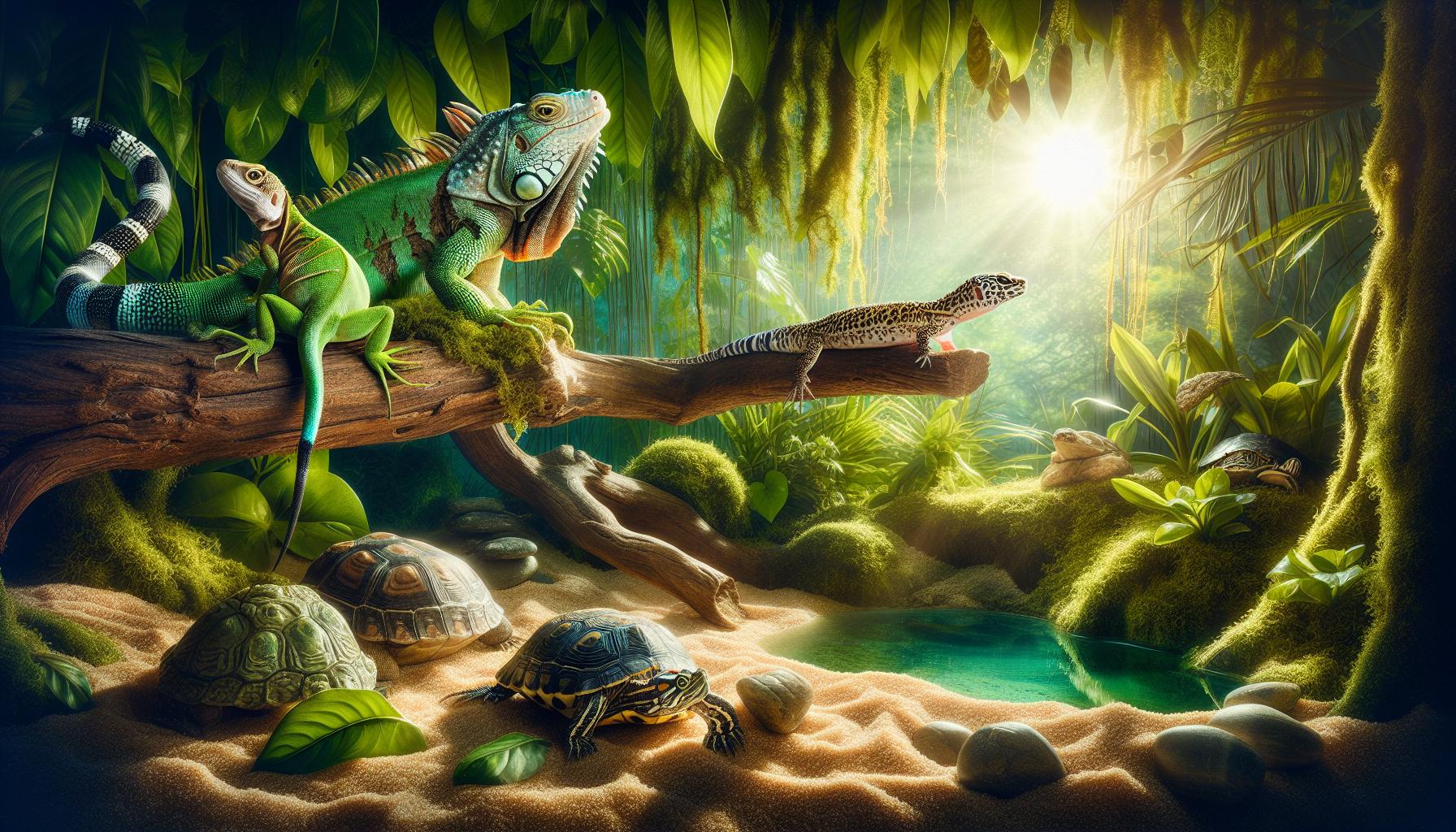
Understanding Reptile Behavior and Communication
In the intricate world of reptiles, communication is as diverse as the species themselves. Unlike mammals that heavily rely on vocalizations, reptiles utilize a variety of silent yet dynamic methods to express themselves and interact with their environment. For instance, behaviors such as basking, body posture, and tail movements play critical roles in establishing dominance, signaling submission, or attracting mates. The green iguana, for example, showcases its vibrant dewlap during courtship rituals, while a defensive snake may flatten its body and hiss as a warning to potential threats.
Understanding these behaviors is paramount for enthusiasts and pet owners alike, as recognizing signs of stress or contentment can significantly enhance their care. Behavioral cues such as tongue flicking in snakes or head bobbing in lizards can indicate their level of comfort or stress. Owners should pay attention to their pet’s daily routines and dietary habits, as changes in appetite or activity levels can often signal underlying health issues. By providing environments that allow for natural behaviors-such as climbing structures for tree-dwelling species or ample hiding spots for more terrestrial reptiles-owners can help alleviate stress and promote well-being.
The context of communication varies significantly across reptilian species. For example, crocodilians, with their advanced social structures, utilize a repertoire of vocalizations such as growls, hisses, and even bellows, especially during mating season. Temperature also plays a crucial role in behavior and communication; many reptiles are ectothermic and rely on external temperatures to dictate their activities, so understanding the gradient in their enclosure can enhance their natural behaviors. Ensuring a proper thermal gradient in habitats allows them to express behaviors like basking or burrowing, emulating their natural instincts.
Moreover, reptiles often engage in fascinating mating displays that involve more than just physical appearance. The elaborate courtship rituals of species like the anole involve intricate body movements and color changes, showcasing the remarkable adaptability and communication strategies of these creatures. By creating a tranquil and enriched environment that mimics their natural habitats, owners foster opportunities for reptiles to thrive and express their unique behaviors, driving home the importance of understanding these remarkable animals not just as pets but as complex beings with rich behavioral lives.
The Importance of Reptiles in Ecosystems
The intricate web of life that forms our planet’s ecosystems is profoundly influenced by reptiles, which play multifaceted roles that sustain ecological balance. These remarkable creatures not only serve as predators and prey but also contribute to nutrient cycling and habitat formation. For example, many reptiles, such as snakes and lizards, help manage populations of insects and rodents, maintaining a delicate equilibrium in their food webs. The absence of these predators can lead to overpopulation of certain species, resulting in negative impacts on vegetation and ultimately disrupting the ecosystem.
In addition to their role in controlling pests, reptiles are vital for soil health and nutrient cycling. Tortoises and some lizards feed on plants and, through their natural processes, help disperse seeds across environments. This behavior not only aids in plant reproduction but also enhances genetic diversity within flora, which is crucial for resilient ecosystems. Furthermore, the decaying matter of reptiles and their waste products enrich the soil, fostering healthy plant life that supports a variety of other species.
Reptiles as Indicators of Environmental Health
Reptiles also serve as indicators of environmental health. Their sensitivity to changes in habitat conditions, such as temperature and humidity, makes them excellent bioindicators. For instance, a decline in reptile populations often signals issues like pollution or habitat degradation before these changes affect other wildlife. Monitoring reptile health can provide insights that assist in conservation efforts and habitat management practices, ensuring ecosystems remain vibrant and sustainable.
To protect the crucial roles that reptiles play in our ecosystems, it is imperative for pet owners and enthusiasts to adopt responsible ownership practices. This includes creating environments that mimic natural habitats, ensuring that reptiles can thrive both in captivity and in the wild. Additionally, advocating for conservation programs and participating in citizen science initiatives can help raise awareness about the importance of reptiles in their natural habitats, further safeguarding these incredible creatures for future generations.
How to Care for Popular Pet Reptiles
Providing loving homes for reptiles can be a deeply rewarding experience, as these creatures often exhibit remarkable behaviors and unique traits that captivate their owners. Proper care for popular pet reptiles, such as snakes, lizards, and tortoises, involves creating an environment that reflects their natural habitat and addresses their specific needs. From temperature and humidity control to diet and social interaction, meeting these requirements is essential for their health and well-being.
One of the most critical aspects of reptile care is setting up a suitable habitat. For example, bearded dragons thrive in a warm environment with basking spots around 100°F while requiring cooler areas to regulate their body temperature. Providing a heat lamp and a UVB light is vital, as these reptiles need UVB rays to synthesize vitamin D3, which is crucial for calcium absorption. Additionally, substrate choices like coconut fiber or reptile carpet can enhance their living space while being easy to clean.
Feeding plays a significant role in your reptile’s health as well. Different species have varying nutritional requirements. Corn snakes, for instance, primarily eat rodents, while green iguanas need a diet rich in leafy greens and vegetables. It’s essential to establish a feeding schedule, ensuring your reptile receives the appropriate food in the right amounts. Overfeeding can lead to obesity, especially in species that are less active, such as tortoises. Regular vet check-ups can help monitor weight and overall health, catching potential issues early.
Understanding social behavior is equally important. While some reptiles, like African fat-tailed geckos, can be social and enjoy interaction, many prefer solitude and should not be housed together to prevent stress or aggression. Observing your pet’s body language will provide insights into their comfort levels and social needs, allowing you to establish a mutually enjoyable relationship. Creating a safe and enriching environment not only enhances their quality of life but also fosters trust between you and your pet.
Lastly, commit to learning about your reptile’s specific needs before bringing them home. Online resources, forums, and books dedicated to reptile care can offer invaluable insights. Joining communities of reptile enthusiasts can also provide support, advice, and camaraderie as you navigate the rewarding journey of reptile ownership, elevating both your experience and your pet’s happiness.
Debunking Common Myths About Reptiles
The world of reptiles is often shrouded in myths and misconceptions that can lead to misunderstandings about their behavior, needs, and even their ecological roles. One common myth is that all reptiles are cold-blooded and therefore unable to live in a variety of environments. In fact, while reptiles are ectothermic, meaning they rely on external sources of heat for temperature regulation, many species have adapted to thrive in diverse climates. For instance, some lizards are capable of tolerating cooler temperatures by basking in the sun during the day, allowing them to maintain optimal body temperatures necessary for digestion and activity.
Another prevalent myth is that reptiles are dangerous and aggressive creatures. The reality is much more nuanced. Most reptiles, including popular pet species like corn snakes and leopard geckos, are generally docile and can be well-socialized with the right care and handling. Understanding species-specific behavior is crucial. For example, bearded dragons often enjoy human interaction and can be very affectionate pets, while other species like some skinks prefer solitude. Learning about the individual temperament of each species helps potential owners dispel the fear surrounding reptiles.
Many believe that reptiles are not intelligent and lack social structures. However, studies have shown that certain reptiles, like monitors and turtles, exhibit problem-solving abilities and can form specific social bonds, particularly during mating seasons or when raising young. Their communication methods, from body language to visual displays, are complex and effective. For pet owners, recognizing these behaviors allows for a richer and more rewarding relationship with their reptiles.
Additionally, there is a misconception about the care requirements of pet reptiles. Some people think they can thrive in simple setups with minimal care, which can lead to severe health issues. However, reptiles require specialized habitats that mimic their natural environments. The importance of providing appropriate temperature gradients, humidity levels, and dietary needs cannot be overstated. New owners should research specific species’ requirements to create optimal living conditions, ensuring a healthy and happy pet.
In sum, debunking these myths is essential not only for fostering a better understanding of reptiles but also for promoting responsible ownership and care. It allows potential owners to forge meaningful connections with their pets while appreciating the remarkable adaptations and behaviors these creatures possess.
Reptiles in Popular Culture: Myths vs. Reality
Reptiles have captured our imagination for centuries, prominently featuring in myths, movies, and folklore. From the terrifying dragons of ancient legends to the slimy serpents in horror films, their portrayal often strays far from reality. For instance, many cultures depict snakes as malevolent creatures, yet in the natural world, most snakes are harmless and play crucial roles in maintaining ecological balance by controlling pest populations.
The fascination with reptiles extends into popular media, where their characteristics are sometimes exaggerated for dramatic effect. Take the Komodo dragon, often portrayed as a ferocious beast. While they are formidable predators with powerful bites, these lizards are not the mythical monsters they are often made out to be. In fact, they primarily scavenge and can be quite vulnerable in the wild. Instead of rampaging beasts, they are fascinating subjects for study, demonstrating complex behaviors such as hunting strategies and social interactions, especially during mating seasons.
Another common misconception is that reptiles, particularly turtles and lizards, are emotionless and devoid of social structures. Yet, research shows that certain species exhibit social behaviors and complex communication methods. For example, bearded dragons display a range of emotions through body language, allowing them to interact meaningfully with both their environment and humans. Such intelligence and capacity for interaction can reshape how we perceive these creatures in our lives, particularly for those considering reptile pets.
When it comes to pet ownership, the myths surrounding reptiles can lead to inadequate care. Many believe that reptiles can be low-maintenance pets, forgetting that they require specific habitats that mimic their natural environments to flourish. A well-informed owner should understand the importance of providing appropriate heating, lighting, and dietary needs to ensure a healthy pet. Therefore, debunking these myths not only enlightens our understanding of these unique animals but also promotes better care practices among reptile enthusiasts, allowing for a more enriched experience for both owner and pet.
Conservation Challenges Facing Reptiles Today
Despite their incredible adaptability and resilience, reptiles face a myriad of conservation challenges that threaten their survival in the wild. A staggering more than 25% of reptile species are currently at risk of extinction due to human activity. Habitat loss due to urbanization, agriculture, and deforestation is one of the most significant threats these creatures encounter. As forests and wetlands are transformed into farms or cities, the delicate ecosystems that reptiles depend on for food and shelter vanish, forcing many species to adapt or perish. Even seemingly minor habitat alterations, such as road construction, can fragment populations and isolate genetic groups.
In addition to habitat destruction, climate change poses a severe risk to reptiles. Relying on external temperatures to regulate their body heat, many reptiles are sensitive to temperature fluctuations, which can affect their breeding cycles and food availability. For instance, studies have shown that the sex of turtle hatchlings is influenced by temperature, with warmer nests producing more females. As global temperatures rise, this could lead to skewed sex ratios and threaten future generations. Rising sea levels also threaten coastal species, like sea turtles, that rely on specific nesting sites available solely in certain environmental conditions.
Furthermore, the illegal wildlife trade exacerbates the plight of many reptiles. Over-collection for the pet trade, traditional medicine, and exotic food markets has decimated populations of many species. The demand for unique reptiles can lead to unsustainable harvesting practices and a significant impact on wild populations. Conservationists argue that responsible ownership and increased public awareness about the detrimental impact of these actions could help mitigate this crisis.
Ultimately, effective conservation efforts depend on protecting existing habitats, establishing reserves, and promoting responsible pet ownership. By fostering a deeper appreciation of reptiles and understanding their ecological importance, we can motivate changes in behavior and policy that directly benefit these remarkable animals. Reptiles play crucial roles in their ecosystems, from pest control to seed dispersal, and safeguarding their future is integral to maintaining biological diversity.
Unique Reptile Reproduction: Strange and Surprising
Reptile reproduction is a remarkable and diverse spectacle that often surprises even the most seasoned animal enthusiasts. Many reptiles, like snakes and lizards, are oviparous, meaning they lay eggs, but some, such as certain species of snakes and skinks, exhibit viviparity and give live birth. For instance, the Boa constrictor retains its eggs internally until they hatch, showcasing a fascinating adaptation to various environmental pressures. This reproductive diversity illustrates how reptiles have evolved differently to survive in their respective ecosystems.
Not only do reproductive strategies vary among species, but they are also influenced by environmental factors. Temperature plays a critical role in determining the sex of some reptiles, such as turtles and crocodiles. In species like the green sea turtle, warmer incubation temperatures lead to a higher proportion of females, while cooler conditions produce more males. This temperature-dependent sex determination raises concerns regarding climate change, as shifting temperatures could disrupt the natural balance of populations and threaten future generations.
Unique Reproductive Behaviors
In addition to their reproductive strategies, some reptiles display bizarre mating rituals. The male anole lizard, for instance, performs a captivating display to attract females by bobbing its head and extending its colorful throat flap, or “dewlap.” Such courtship behaviors not only help attract a mate but also serve to establish territory among competing males.
Another astonishing reproductive adaptation can be observed in the Eastern diamondback rattlesnake, which is known for its communal birthing. Females may gather in large groups during the birthing process, providing mutual protection against predators and ensuring that their young have a better chance of survival in the wild.
Caring for Pet Reptiles
If you are a pet owner considering breeding reptiles, it’s essential to learn about the specific reproductive needs of your species. For oviparous reptiles, providing a proper nesting area is crucial. Consider the following tips:
- Humidity: Ensure that the incubation environment has the right humidity level for your species, as this can affect egg development.
- Temperature: Use thermometers to monitor heat, keeping it stable and appropriate for the incubation period.
- Nesting Materials: Offer a nesting substrate, such as vermiculite or moistened sphagnum moss, for the female to lay her eggs.
- Handling Hatchlings: Minimize handling of newborns until they are fully absorbed, often taking a few days after hatching.
Understanding these unique reproductive traits and behaviors allows for deeper appreciation of reptiles and informs pet care practices, ensuring the well-being and continued success of these ancient and fascinating creatures.
Future of Reptile Research: What We’re Discovering
Researchers are uncovering astonishing truths about the reptilian world, revealing complexities that challenge traditional perspectives. One of the most exciting areas of exploration is reptile genetics, where advancements in genomic technologies are allowing scientists to delve into the evolutionary histories and adaptive traits of various species. For instance, studies on the genes affecting color patterns in chameleons and the hardiness of desert-dwelling reptiles help us understand how these animals thrive in their specific environments. This knowledge not only enhances our understanding of biodiversity but also informs conservation strategies tailored to individual species’ needs.
Another frontier in reptile research is the exploration of reptilian intelligence and cognitive abilities. Contrary to the outdated view of reptiles as mere instinct-driven creatures, recent findings suggest that many reptiles exhibit complex behaviors. For example, some species of lizards can solve problems and may recognize individual human caretakers, indicating higher cognitive functions than previously attributed. Such insights challenge conventional views and encourage pet owners to appreciate their reptiles as more than just beautiful decorations but as sentient beings with distinct personalities and behaviors.
As we continue to investigate these fascinating creatures, the importance of conservation cannot be overstated. The impact of climate change, habitat destruction, and illegal wildlife trade poses significant threats to reptilian populations. Research initiatives aimed at understanding these pressures are vital for developing strategies that promote the sustainability of both wild and captive reptile populations. For pet owners, this means being informed about the origins of their reptiles and supporting ethical breeding practices.
Ultimately, the future of reptile research holds immense promise, unveiling secrets that have eluded us for centuries. Staying engaged with ongoing studies and contributing to conservation efforts can help ensure that these remarkable species endure for future generations to marvel at. By offering informed and responsible care, pet owners can play a crucial role in this broader narrative of discovery and preservation.
Frequently asked questions
Q: What are some unique adaptations that reptiles possess for survival?
A: Reptiles have developed fascinating adaptations such as the ability to change color for camouflage and temperature regulation. Many, like chameleons, can alter their skin color, while others possess scales that provide protection against predators and environmental elements. These traits enhance their survival in diverse habitats.
Q: How do reptiles communicate with each other?
A: Reptiles use a variety of methods to communicate, including body language, color changes, and vocalizations. For instance, many lizards exhibit territorial behaviors through displays and posturing. Understanding these signals is critical for studying their social interactions and mating rituals.
Q: Why are reptiles important for ecosystems?
A: Reptiles play a crucial role in ecosystems as both predators and prey. They help control pest populations, contributing to the balance of their environments. Additionally, their presence indicates the health of ecosystems, making them vital for biodiversity and ecological studies.
Q: What are some of the most common misconceptions about reptiles?
A: Common myths include the belief that all reptiles are dangerous or that they lack emotions. In reality, many reptiles can be friendly pets, and they exhibit behaviors suggesting emotional capacity. Understanding their behavior can enhance human-animal interactions and reduce fear.
Q: How do reptiles reproduce, and what is unique about their reproduction methods?
A: Reptiles have unique reproductive strategies, including oviparity (laying eggs) and viviparity (giving birth to live young). Some species, like certain snakes, can exhibit parthenogenesis, where females reproduce without males. These variations demonstrate the adaptability of reptiles in different environments.
Q: What adaptations do reptiles have for thermoregulation?
A: Reptiles are ectothermic, meaning they rely on external heat sources to regulate their body temperature. They can bask in the sun to warm up or seek shade to cool down. This adaptation allows them to conserve energy, which is crucial for survival in varying climates.
Q: How do reptiles contribute to medical research?
A: Reptiles are valuable in medical research due to their unique physiological traits. For example, the study of snake venom has led to advancements in anticoagulant medications. By exploring reptilian biology, scientists can discover new treatments and deepen their understanding of biological processes.
Q: Why is it essential to focus on reptile conservation?
A: Reptile populations are declining globally due to habitat loss and climate change. Conserving reptiles is crucial not only for biodiversity but also for maintaining ecosystem stability. Supporting conservation efforts helps protect these remarkable creatures and the ecological roles they fulfill.
Future Outlook
As we wrap up our journey through the intriguing realm of reptiles, it’s clear that these remarkable creatures have much to teach us about adaptation, survival, and even our own pet care practices. From their fascinating biological adaptations to their unique behaviors, the world of reptiles is ripe for exploration. Don’t miss out on deepening your knowledge-check out our detailed guides on specific reptile care, or explore the latest in reptile legislation to stay informed and responsible as a pet owner.
Feeling inspired to learn more? Sign up for our newsletter to receive expert insights and tips straight to your inbox, and join the discussion in the comments below-what reptile fact surprised you the most? Whether you’re a seasoned herpetologist or new to the reptile hobby, there’s always more to discover. Dive into the wealth of resources available on our site, and stay curious about the astounding realities of the reptilian world!


