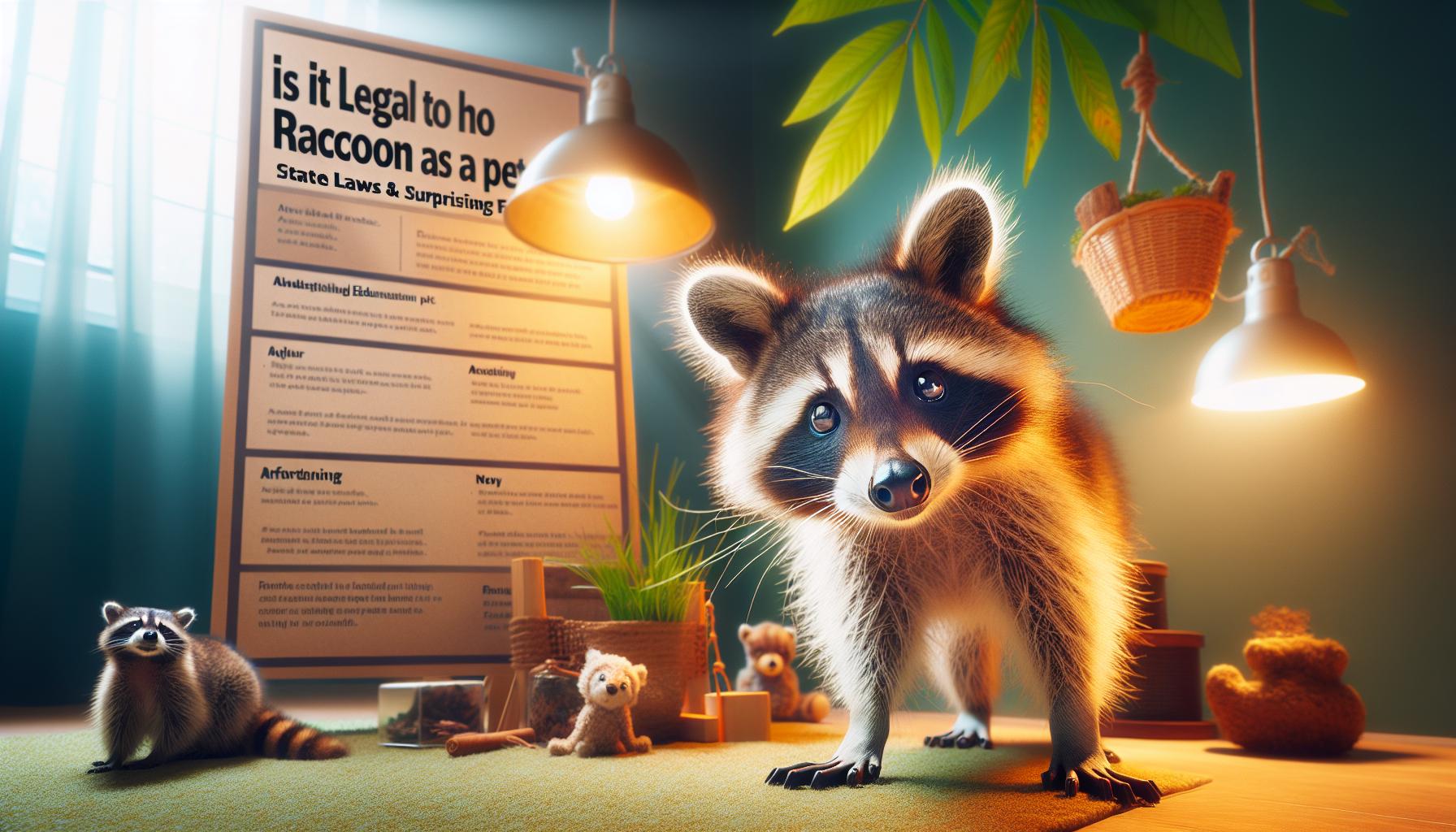

Raccoons are fascinating creatures known for their intelligence and playful nature, making them an increasingly popular choice for exotic pet enthusiasts. However, owning a raccoon comes with its own set of complexities, particularly regarding legal regulations. Understanding how to navigate the permitting process is vital for anyone considering adding these adventurous animals to their lives.
In this guide, we’ll break down the essential steps to obtain a raccoon ownership permit, addressing common concerns and legal stipulations. Whether it’s the thrill of having a unique pet or the responsibility of ensuring it is well cared for, this journey requires thoughtful preparation and knowledge. Join us as we explore not just the legalities, but also the responsibilities that come with being a raccoon owner, ensuring that you’re informed and ready for this exciting adventure.
Contents
- 1 How to Determine If Raccoon Ownership Is Legal in Your Area
- 2 Understanding Raccoon Behavior and Care Requirements
- 3 Step-by-Step Process for Applying for a Permit
- 4 Essential Documentation Needed for Your Application
- 5 Preparing for an Inspection: What to Expect
- 6 Tips for Successful Permit Application Approval
- 7 Navigating State-Specific Regulations and Guidelines
- 8 Cost Considerations: Permit Fees and Ownership Expenses
- 9 Best Practices for Responsible Raccoon Ownership
- 10 Creating a Safe and Enriching Environment for Your Raccoon
- 11 Health and Nutrition Tips for Your Raccoon Companion
- 12 Establishing a Bond: Training and Socialization Techniques
- 13 Faq
- 14 In Conclusion
How to Determine If Raccoon Ownership Is Legal in Your Area
To embark on the journey of owning a raccoon, first ensure that it’s permissible in your area. Understanding the legality of raccoon ownership can safeguard you from future complications that might arise due to local laws or regulations. Each state or municipality often has distinct rules governing wildlife ownership, highlighting the importance of preliminary research.
Start by consulting your state’s wildlife agency or department. Most states provide a clear guideline on pets and controlled wildlife species, outlining which animals can be kept as pets. Some areas permit raccoon ownership under strict regulations, while others may entirely prohibit it. You can often find this information on official government websites or by contacting local wildlife officials directly. If necessary, check for specific ordinances in your city or county that might impose additional restrictions.
In addition to reviewing state laws, consider the implications of owning a raccoon in your community. Local regulations may involve zoning laws or neighborhood restrictions that could affect your ability to keep such a pet. It’s also beneficial to engage in community discussions or reach out to other raccoon owners to gain insights into practical experiences that are often overlooked in legal documents.
By taking the time to thoroughly investigate the legal landscape surrounding raccoon ownership, you not only prepare yourself for a responsible pet ownership experience but also respect the wildlife guidelines that help maintain ecological balance. This due diligence is the first step towards ensuring that your pet raccoon can thrive in a safe and compliant environment.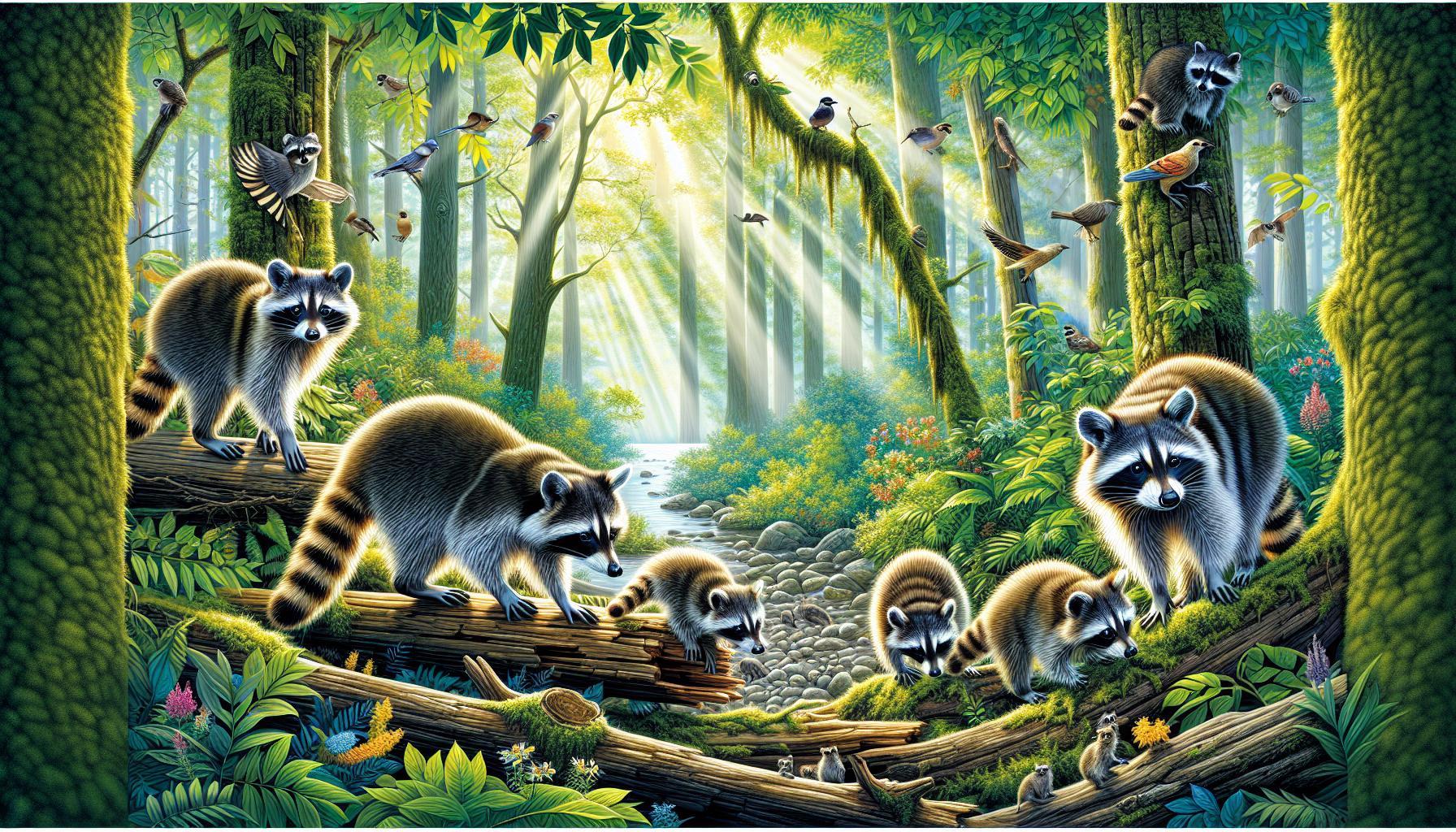
Understanding Raccoon Behavior and Care Requirements
Raccoons are undeniably intriguing creatures, known for their dexterous front paws and curious nature. In the wild, they exhibit complex behaviors that reflect their intelligence and adaptability. As potential pet owners, understanding these behaviors and their care requirements is essential for fostering a healthy and enriching environment for your raccoon companion.
To start, it’s crucial to recognize that raccoons are highly intelligent and social animals. They are often compared to domesticated pets like dogs and cats due to their playful disposition and ability to bond with humans. However, they come with unique challenges that can make them less suited for the average household. Raccoons require stimulation, both mental and physical, to thrive. Lack of activity can lead to boredom, which may result in destructive behaviors. To counter this, provide interactive toys, climbing structures, and regular playtime to keep their minds engaged.
Their natural foraging behavior also means that their diet must be thoughtfully curated. In the wild, raccoons have an omnivorous diet, feeding on fruits, insects, small animals, and more. When kept as pets, they require a balanced diet that mimics their natural eating habits, consisting of high-quality protein, vegetables, and fruits. Be cautious, though-some foods, such as chocolate or grapes, are toxic to raccoons. Regular veterinary check-ups are essential to monitor their health and dietary needs, ensuring that they remain happy and healthy.
Socializing and Training Your Raccoon
Training raccoons can be an enjoyable and rewarding experience, but it requires patience and consistency. Start with basic commands, using positive reinforcement techniques-like treats and praise-to encourage good behavior. Establishing a routine helps them feel secure and can ease transition anxiety. Remember, bonding with your raccoon may take time; they are naturally independent animals and might exhibit caution before fully engaging with their human caregivers.
By providing the right environment and care, you can ensure that your pet raccoon leads a vibrant and fulfilling life. Understanding their behaviors and care requirements is not just about meeting their needs; it’s about forming a unique companionship that respects their wild nature while integrating them into your home.
Step-by-Step Process for Applying for a Permit
To embark on the journey of owning a raccoon, the first step is navigating the often intricate process of obtaining a permit. Each state has its own regulations governing the ownership of wildlife, making it crucial to familiarize yourself with local laws before proceeding. Generally, the process involves several critical steps that can lead you toward legal ownership while ensuring that you are prepared for the responsibilities that accompany welcoming a raccoon into your life.
Start by researching your state’s laws regarding exotic pet ownership. This may include visiting official state wildlife websites or contacting local wildlife authorities. Look for information about permit requirements, age restrictions, and any specific regulations pertaining to rabies vaccination or health inspections. The clarity gained from understanding the legal landscape will serve as a foundation for your permit application process.
Once you are aware of the regulations, the next step is to complete the application form required by your state’s wildlife agency. This application typically asks for personal details, the purpose of ownership, and whether you can offer adequate care for the animal. Be detailed in your responses and ensure you are honest about your experience and capability to care for a raccoon.
After submission, you will often be prompted to schedule an inspection of your living space to verify that it is suitable for a raccoon. This inspection usually assesses your home environment to ensure it meets the necessary standards regarding space, safety, and facilities. Prepare for this by creating a safe and enriching habitat for your raccoon, reflecting your understanding of its needs.
Finally, be mindful of the timeframe for the approval process, which can vary significantly between jurisdictions, and be ready to respond to any inquiries from the wildlife agency regarding your application. Following these steps diligently not only increases your chances of receiving a permit but also sets you on a path toward becoming a responsible raccoon owner. Always remember, with the privilege of ownership comes the responsibility to ensure the well-being and humane treatment of your new companion.
Essential Documentation Needed for Your Application
To successfully navigate the permitting process for raccoon ownership, it’s essential to submit a comprehensive set of documents that can substantiate your qualifications and intentions. Without proper documentation, your application may face delays or outright rejection.
Begin with your completed application form-this is your first opportunity to detail who you are and why you seek raccoon ownership. The application generally requires personal information, including your name, address, and contact details, along with a declaration of your experience with wildlife or exotic pets. Honesty is vital; embellishing your experience could jeopardize your chances of approval.
Next, consider including proof of suitable housing for the raccoon. This could take the form of photographs or a brief description that illustrates your living environment. Make sure to highlight the safety measures you have in place to accommodate your new companion, including secure enclosures that prevent escape and minimize contact with wild raccoons. A well-organized layout of your raccoon’s living space can demonstrate your commitment to its well-being.
Additionally, you may need to submit vet documents, especially those related to vaccinations or health checks. Some states require proof of a recent veterinary examination, confirming the animal is free from infectious diseases, which is critical for both the raccoon’s health and the safety of other pets in your household.
Lastly, consider preparing a statement outlining your plan for care and enrichment, showcasing your understanding of a raccoon’s behavior and needs. For instance, explain how you will provide a balanced diet, social interaction, and mental stimulation, as this not only reflects your preparedness but also emphasizes your commitment to responsible ownership. Such detailed documentation can significantly strengthen your application and increase your chances of a successful permit approval.
Preparing for an Inspection: What to Expect
When welcoming an inspection for your potential raccoon ownership, preparation is key to ensuring a smooth and successful process. Think of this step as an opportunity to showcase your dedication to responsible pet ownership, as inspectors are there to assess your commitment and the environment you have created for the raccoon. It’s essential to understand what inspectors typically look for during their visits and how you can meet their expectations.
First and foremost, ensure your living space is clean and organized. Inspectors will examine the area designated for your raccoon, so present it as a safe and accommodating environment. This means having a secure enclosure that adheres to local regulations, and providing ample space for your raccoon to explore. Use materials that are non-toxic and appropriate for wildlife. Additionally, it helps to have items like toys, climbing structures, and enrichment activities visible, demonstrating your commitment to keeping your raccoon mentally stimulated.
Prepare to discuss your care plan in detail. Inspectors may ask about diet, veterinary care, and interaction routines. Having documentation of your raccoon’s care regimen, including any planned enrichment activities, can support your case. Providing a clear and completed feeding schedule, along with details on vet appointments and vaccination status, can showcase your preparedness.
Moreover, consider the external factors affecting the inspection process. Have responsible, legal-proof solutions for any potential issues, like outdoor enclosures that prevent interactions with wild raccoons, and ensure that your lifestyle aligns with the needs of a raccoon. Understand the inspections may involve checking for community safety factors, so demonstrate how your ownership does not pose a threat to the neighborhood or its wildlife.
Ultimately, showcasing your knowledge and thorough preparation can greatly influence the inspector’s perception. Being proactive in addressing their questions and concerns can bolster your chances of securing a permit to care for a raccoon, emphasizing your commitment to responsible ownership of this unique companion.
Tips for Successful Permit Application Approval
To navigate the often complex process of obtaining a permit for raccoon ownership, it’s essential to approach your application with a solid strategy and an understanding of the necessary steps. A successful permit application hinges on demonstrating your preparedness and commitment to responsible animal care. Remember, your goal is not just to meet the requirements but to exceed expectations.
Start by gathering and organizing all required documentation early in the process. This includes proof of prior experience with exotic pets, detailed care plans, and any certifications you may have related to animal care. Having a comprehensive care plan can reassure inspectors about your capability in handling a raccoon. Also, it’s vital to understand the specific regulations of your state or locality, as these can vary widely. Familiarize yourself with local wildlife laws, the screening process, and any required permits ahead of time to ensure you’re compliant.
Insights for a Strong Application
- Detail Your Setup: Outline how you’ll provide a safe and enriching environment for your raccoon. Include specifics about enclosures, toys, and activities that promote natural behavior.
- Expertise Matters: Show that you have not only researched raccoon behavior but are also prepared for their care needs, including dietary requirements and socialization techniques.
- Documentation is Key: Keep records of any veterinary consultations you plan, vaccination schedules, and emergency care steps ready for review.
- Community Safety: Address any potential concerns regarding the impact of raccoon ownership on your neighborhood. Consider how you’ll prevent encounters with wild raccoons and demonstrate your proactive measures for community safety.
When preparing your application, clarity and thoroughness are paramount. Small details, such as a professionally written cover letter outlining your dedication to responsible ownership, can set your application apart. Use this opportunity to express your passion for raccoon care and your commitment to a legal and ethical ownership experience. By following these tips and providing a well-rounded, organized application, you’ll enhance your chances of receiving approval to welcome your raccoon companion into your home.
Understanding the intricate legal landscape surrounding raccoon ownership is crucial for aspiring owners, as regulations can vary dramatically from one state to another. For instance, while some states have stringent requirements and outright bans on raccoon ownership, others may allow it with specific permits. This patchwork of laws is designed to protect both local wildlife and the community, reflecting each area’s unique ecological and public safety concerns.
To successfully navigate state-specific regulations, start by researching the wildlife laws in your state or locality. Check the official state wildlife agency website for detailed information regarding the legality of owning raccoons, including any necessary permits or licenses. Make note of any age restrictions, as some states may only permit ownership by individuals above a certain age. Furthermore, familiarize yourself with regional regulations regarding the enclosure and care of raccoons, which often include specific guidelines on habitat size, diet, and enrichment activities to ensure the well-being of the animal.
Another critical aspect is understanding the permit application process, which can vary significantly across states. Some states might require a comprehensive background check or proof of prior experience with exotic pets, while others may have less stringent requirements. It’s advisable to reach out to local animal control or wildlife agencies for clarity; they can offer insights into the specific documentation needed, potential fees, and what inspections you might face as part of the application process.
Finally, stay informed about any ongoing legislative changes that may impact raccoon ownership. Join local exotic pet owner forums or wildlife advocacy groups to keep abreast of updates and network with other raccoon owners. These communities can provide invaluable support and share firsthand experiences that help demystify the permit process, ensuring you remain compliant while enjoying the unique companionship of a raccoon.
Cost Considerations: Permit Fees and Ownership Expenses
Navigating the financial landscape of raccoon ownership is as crucial as understanding its legalities. Owning a raccoon can come with a variety of costs, ranging from initial permit fees to ongoing care expenses. Before embarking on this wild journey, it’s essential to evaluate your budget to ensure that you’re well-prepared for the financial commitment involved in maintaining a raccoon as a companion.
Permit Fees
The first financial hurdle often involves securing the appropriate permits. The cost of a raccoon ownership permit varies significantly depending on the state or locality. For instance, some states charge a nominal fee of around $50, while others may impose fees that soar to several hundred dollars. Make sure to check your local wildlife agency’s website for specifics regarding permit costs, as they can also change based on regulatory updates.
Initial Setup Costs
Initial expenses for raccoon ownership don’t stop at obtaining a permit. Creating a suitable habitat for your raccoon is paramount and generally includes:
- Cage or enclosure: Expect to spend anywhere from $400 to $2,000, depending on size and quality.
- Feeding supplies: Raccoons require a specialized diet, leading to monthly food costs of about $30 to $50.
- Toys and enrichment items: To keep your raccoon mentally stimulated, invest about $10 to $100 initially.
Regular Maintenance and Healthcare
Once you’ve set up your raccoon’s environment, consider the ongoing expenses. Annual veterinary check-ups, which are crucial for preventative care, can range from $200 to $500, and should include vaccinations and parasite treatments. Don’t forget about costs for health supplements and special dietary needs, which can add another $15 to $30 monthly.
Moreover, basic supplies such as bedding, toys, and cleaning products will add to your monthly budget. As a rough estimate, you might spend an additional $50 to $100 every month to ensure that your raccoon thrives in a clean and enriching environment.
Investing in raccoon ownership is not just about fulfilling a desire for a unique pet; it’s also about ensuring that you meet all legal and welfare requirements. Understanding the financial responsibilities upfront allows for more informed decisions, ensuring that your new companion will receive the best possible care while complying with the laws that protect both animals and owners.
Best Practices for Responsible Raccoon Ownership
Owning a raccoon is not just a whimsical decision; it comes with significant responsibilities that require dedication, knowledge, and a solid understanding of their unique needs. These intelligent and curious creatures thrive on mental and physical stimulation, prompting owners to create engaging environments that mimic their natural habitats. Fostering a safe, nurturing space can profoundly impact a raccoon’s well-being and happiness, enhancing the bond between pet and owner.
To embark on this journey of responsible ownership, start by ensuring you have a secure, spacious enclosure. Raccoons are adept climbers and escape artists, so investing in a sturdy cage that offers both height and depth is essential. The enclosure should include various platforms and perches, allowing your raccoon to explore and play safely. Regularly check for wear and tear, as raccoons can be incredibly determined when it comes to finding their way out.
Next, pay close attention to their diet. Raccoons are omnivores, necessitating a balanced diet to maintain health. A combination of high-quality commercial raccoon food, supplemented with fruits, vegetables, and proteins like cooked meats or eggs, will ensure they receive the nutrients they require. Establish a feeding schedule to mimic their natural eating patterns, which helps prevent obesity and promotes healthier eating habits.
Moreover, socializing your raccoon is crucial for their emotional health. Spend time interacting through play and basic training, which can reduce territorial behaviors and help your pet be more adaptable to home life. Incorporate various enriching activities, such as puzzle toys filled with treats, to keep their minds active.
Lastly, regular veterinary check-ups cannot be overstated. Maintenance of their health through routine vaccinations, parasite control, and overall wellness exams will not only keep your raccoon thriving but also ensure compliance with your local regulations. Many veterinarians specialize in exotic animals and can offer insights specific to raccoon care, enhancing your understanding of your new companion’s unique needs.
By embracing these practices, you lay the groundwork for a rewarding relationship with your raccoon while remaining committed to responsible ownership and their well-being.
Creating a Safe and Enriching Environment for Your Raccoon
Creating a stimulating environment for your raccoon is essential for their mental and physical well-being. Raccoons are naturally curious creatures who’s instinctual need for exploration can lead them to potential mischief if their surroundings lack enrichment. A well-designed enclosure not only fosters a sense of security but encourages healthy behaviors crucial for their development.
To begin, your raccoon’s living space must offer ample vertical and horizontal space. A multi-level enclosure with sturdy shelves allows your raccoon to climb and explore, making use of their natural climbing abilities. Additionally, incorporating various ramps, tunnels, and safe hiding spots simulates the diverse environments they might encounter in the wild. This not only satisfies their exploratory instincts but also provides opportunities for physical exercise, essential for preventing obesity and associated health issues.
Enrichment Activities should be a daily staple in your raccoon’s life. Rotate toys frequently to maintain novelty and keep boredom at bay. Simple items like cardboard boxes, crumpled paper, and small hanging treats can stimulate their curiosity and encourage play. Interactive toys, such as treat-dispensing puzzles or foraging toys that require problem-solving skills, are particularly effective in providing mental stimulation. Furthermore, consider engaging in supervised outdoor playtime where your raccoon can interact with their natural environment safely, under strict control.
Safety Precautions are paramount; ensure that the enclosure is escape-proof and free from hazards. Use sturdy materials that cannot be easily chewed or clawed through, and regularly inspect for wear and tear. Additionally, avoid using plastic items that can be ingested or cause choking-opt for safe, non-toxic materials instead. Monitor their interaction with any new additions to their environment carefully, ensuring they do not inadvertently harm themselves.
By meticulously designing your raccoon’s habitat with these principles in mind, you create not just a living space, but a vibrant world that fosters their natural behaviors and enhances their quality of life. This care will pay dividends in the form of a healthy, happy raccoon that thrives under your attentive ownership.
Health and Nutrition Tips for Your Raccoon Companion
The health and nutrition of your raccoon are pivotal to their overall well-being and happiness. Unlike traditional pets, raccoons have unique dietary needs that reflect their wild foraging behaviors. In the wild, these highly adaptable creatures are omnivores, thriving on a varied diet that includes fruits, vegetables, insects, and even small animals. To ensure that your raccoon flourishes under your care, it’s essential to mirror this diverse diet closely.
Start by incorporating a balanced mix of high-quality commercial raccoon food, which is formulated to meet specific nutritional needs. This food should be supplemented with fresh produce such as apples, bananas, berries, and leafy greens to provide essential vitamins and minerals. In addition to fruits and vegetables, offer protein sources like cooked chicken, fish, and insects (mealworms and crickets) to maintain their dietary balance. Remember to limit high-fat and sugary foods, as raccoons can easily gain weight, which may lead to obesity and other health complications.
Feeding Schedule and Portion Control
Establishing a consistent feeding schedule can benefit not only your raccoon’s nutrition but also their psychological well-being. Aim to feed your raccoon twice a day, providing measured portions to help prevent overeating. An effective strategy is to mix high-quality pellets with fresh fruits and vegetables while monitoring their body condition and adjusting food amounts as necessary. Each raccoon is unique, so keep a close eye on their weight and energy levels and consult a veterinarian experienced in exotic animals to tailor a feeding plan specific to your raccoon.
- Water: Always provide access to fresh, clean water to prevent dehydration, especially during hotter months.
- Treats: Use healthy treats sparingly – things like small amounts of nuts or yogurt can be delightful, but moderation is key.
- Dietary Changes: Whenever introducing new foods, do so gradually to prevent gastrointestinal upsets.
To maintain your raccoon’s health, regular veterinary check-ups are crucial. Annual visits should include vaccinations and health screenings, allowing for the early detection of any potential dietary deficiencies or health issues. A raccoon’s diet should be as diverse and stimulating as their environment, ensuring they remain not only healthy but also engaged and curious. With proper care and attention to their dietary needs, you’ll foster a vibrant and happy companion that thrives in your home.
Establishing a Bond: Training and Socialization Techniques
Creating a strong bond with your raccoon is crucial for ensuring both their well-being and your ability to coexist harmoniously. Raccoons are naturally curious and intelligent animals, which makes them capable of forming deep connections with their human companions. Engaging in positive socialization experiences from a young age can help mitigate the challenges that come with their wild instincts. Early interactions play a vital role in shaping their behavior, so it’s essential to approach this process with patience and care.
Start by establishing a routine that includes playtime, feeding, and gentle handling. Raccoons thrive on consistency, and predictable interactions will help them feel secure in their environment. Use interactive toys to stimulate their natural curiosity and intelligence, which can foster an understanding of boundaries and improve their social skills. Simple games such as hide-and-seek or puzzle feeders can keep them entertained while also promoting their cognitive development.
Incorporate training sessions into your daily routine to enhance communication and reinforce positive behaviors. Utilizing treats as rewards encourages compliance and helps solidify the bond you share. For example, teaching simple commands like “come” or “sit” not only builds trust but also provides mental stimulation. It’s important to keep training sessions short and fun, ensuring that they don’t feel overwhelmed or stressed. Remember that raccoons can have short attention spans, so frequent, brief sessions are more effective than long, taxing ones.
Socialization with Other Pets
When introducing a raccoon to other pets, the process requires careful monitoring to ensure safety and comfort for all animals involved. Gradually introducing them can allow both your raccoon and existing pets to acclimate to one another’s presence. This should be done in neutral spaces, where both parties feel secure. Always supervise initial interactions and be prepared to separate them if needed. Over time, with patience and gradual exposure, many raccoons can learn to coexist peacefully with other animals in the household.
Maintaining an enriching environment is also vital for your raccoon’s emotional health. Providing a variety of toys, perches, and hiding places enables them to express their natural behaviors, which can lead to a happier, more securely bonded pet. Enrichment activities mimic the diverse experiences a raccoon would encounter in the wild, fostering a sense of safety and engagement in their new home, which is essential for a mutually fulfilling relationship.
Faq
Q: What are the age requirements for obtaining a raccoon ownership permit?
A: Age requirements vary by state; however, many states require applicants to be at least 18 years old. Check your local regulations for specific age restrictions related to owning a raccoon.
Q: What type of insurance is needed when owning a raccoon?
A: Many jurisdictions require liability insurance for exotic pets like raccoons. It typically covers potential damages caused by the animal. Investigate local laws to ensure compliance.
Q: How long does the permit application process for raccoon ownership take?
A: The permit application process can take from several weeks to a few months, depending on your area and the agency involved. Prepare all documents thoroughly to speed up the process.
Q: Can I apply for a raccoon ownership permit online?
A: Many states offer online applications for wildlife permits, including raccoons. Visit your state wildlife agency’s website for detailed instructions and online application options.
Q: What should I do if my raccoon ownership permit is denied?
A: If denied, review the reasons given and improve your application based on feedback. You may also appeal the decision or reapply after addressing the concerns highlighted.
Q: Are there any training requirements for raccoons before applying for a permit?
A: Some states may require evidence that you can properly care for and train a raccoon. Familiarize yourself with its needs and demonstrate your readiness to own one through prior experience or training certifications.
Q: How can I prepare for a home inspection for my raccoon permit?
A: Ensure your home meets safety and space requirements for a pet raccoon. Prepare a clean living environment and provide necessary supplies, demonstrating you’re ready for responsible ownership as outlined in your state’s regulations.
Q: What are the penalties for owning a raccoon without a permit?
A: Penalties for owning a raccoon without a permit can include hefty fines, mandatory removal of the animal, and possible legal action. It’s crucial to follow regulations to avoid these consequences.
In Conclusion
Now that you’re equipped with the knowledge to secure a permit for owning a raccoon, it’s time to take action! Remember, responsible pet ownership begins with understanding your obligations and ensuring a proper setup for your new furry friend. Explore our detailed articles on raccoon habitats and care essentials to enhance your understanding and prepare for your journey ahead.
Don’t hesitate to dive deeper into related topics, such as how to create the perfect environment for raccoons or understanding their unique dietary needs. Your adventure into raccoon ownership awaits-share your insights or experiences in the comments below, and sign up for our newsletter to stay updated with the latest tips and resources on wildlife care. Ensure you’re ready to provide the best life for your raccoon while embracing the wonder of nature responsibly!