


Imagine encountering a creature so massive it commands respect in the wild – the gaur, the world’s largest wild cattle. These magnificent animals can weigh up to 2,200 pounds, showcasing not only their impressive size but also their crucial role in maintaining ecological balance in their habitats. Understanding the gaur’s weight and its implications for conservation efforts is vital, as it highlights the challenges these majestic creatures face due to habitat loss and poaching.
As wildlife enthusiasts or pet owners, grasping the significance of such an apex species can inform our stewardship of nature. The gaur’s sheer presence in the ecosystem illustrates the intricate connections between species and their environments. This article delves into the fascinating world of the gaur, exploring its weight and importance, ultimately encouraging us to appreciate and protect these incredible animals. Join us as we uncover the secrets of the gaur and its vital place in our natural world.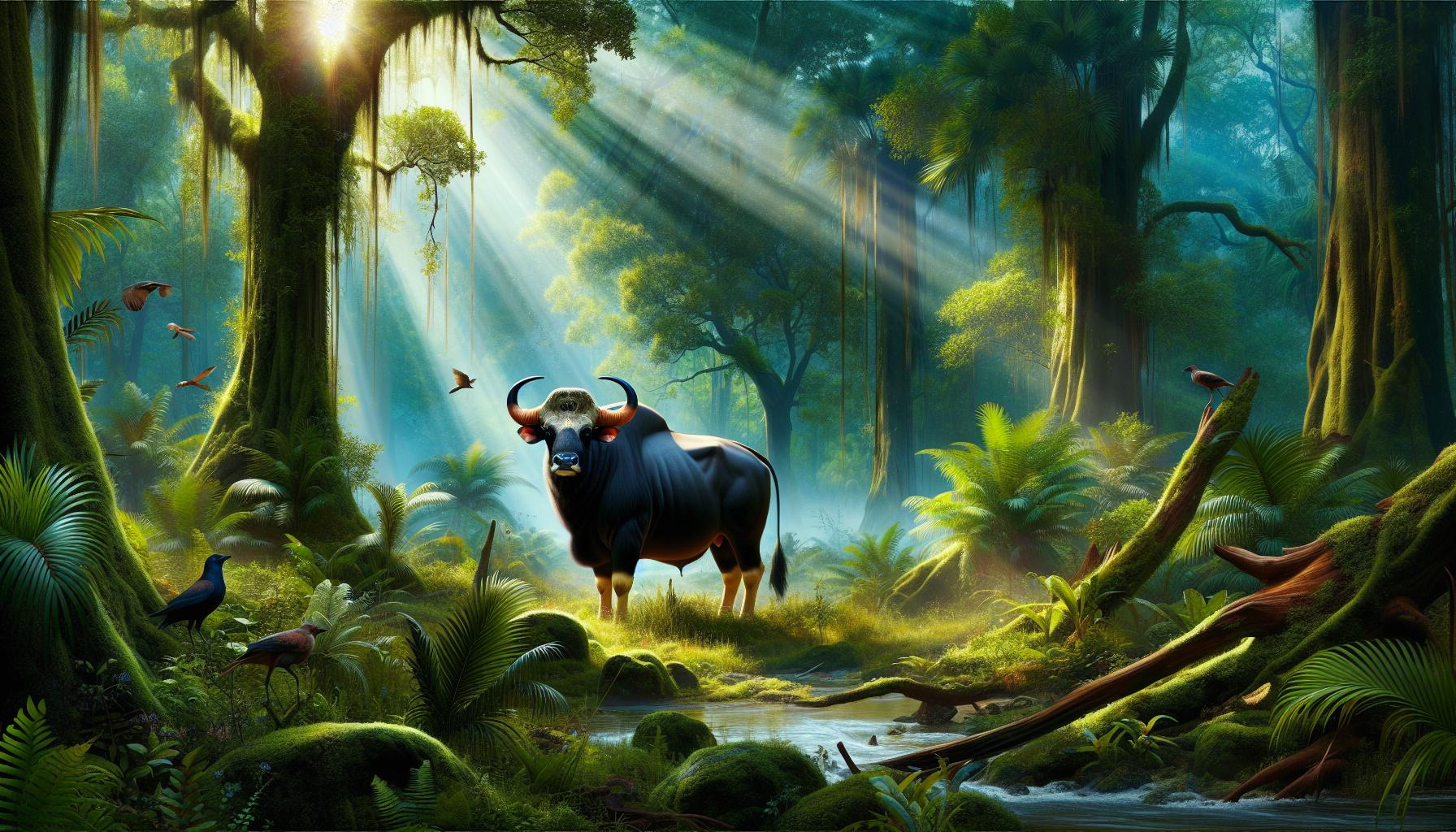
Contents
- 1 Gaur Weight: Discovering the Size of the Largest Wild Cattle
- 2 Incredible Facts About the Gaur’s Weight
- 3 Comparing Gaur Weight to Other Cattle Species
- 4 Understanding the Habitat and Lifestyle of the Gaur
- 5 Factors Influencing a Gaur’s Weight and Growth
- 6 The Role of Diet in Gaur Weight Development
- 7 Gender Differences in Gaur Size and Weight
- 8 Conservation Status and Threats to Gaur Populations
- 9 The Importance of the Gaur in Ecosystems
- 10 How Gaur Weight Affects Their Behavior
- 11 Interesting Gaur Weight Records and Anecdotes
- 12 Tips for Observing and Appreciating the Gaur in the Wild
- 13 Q&A
- 14 To Wrap It Up
Gaur Weight: Discovering the Size of the Largest Wild Cattle
The gaur, often regarded as the largest species of wild cattle, commands attention not only for its impressive stature but also for its striking presence in the wild. Adult gaurs can weigh between 880 to 2,200 pounds (400 to 1,000 kg), with males typically weighing more than females. This extraordinary weight, combined with their robust physique, allows gaurs to navigate diverse habitats ranging from dense forests to grassy plateaus across India, Southeast Asia, and parts of Nepal and Bhutan. The sheer scale of these animals is a testament to their adaptation as browsers and grazers, capable of consuming vast amounts of vegetation, which plays a crucial role in their overall growth and energy levels.
Interestingly, the weight of gaurs not only reflects their health and diet but also serves as a significant factor in their social dynamics and behaviors. For example, larger males often dominate feeding areas and compete more successfully during mating rituals, showcasing the importance of weight in securing reproductive opportunities. Furthermore, this weight impacts their locomotion; despite their bulk, gaurs are surprisingly agile, capable of running at speeds up to 40 km/h (25 mph), which is vital for evading predators and competing for territory.
In addition to their physical prowess, gaurs exemplify the balance of ecology and evolution. Their substantial weight allows them to interact dynamically with their environments, contributing to seed dispersal and grazing patterns that shape their habitats. As keystone species, their presence influences the structure and composition of vegetation in their ecosystems. Consequently, understanding the weight and size of gaurs provides insights into not only the species itself but also the broader ecological networks they inhabit.
Incredible Facts About the Gaur’s Weight
The astonishing weight of the gaur truly sets it apart in the animal kingdom, making it not only the largest species of wild cattle but also a remarkable subject of study in terms of adaptation and ecosystem dynamics. Adult gaurs can tip the scales between 880 to 2,200 pounds (400 to 1,000 kg), with males dominating the upper range. This impressive size is a result of evolutionary adaptations that enable gaurs to thrive in diverse habitats, from dense tropical forests to open grasslands across India and Southeast Asia. In fact, the sheer muscle mass and weight of these animals allow them to forage efficiently, utilizing their strong jaws and large bodies to consume a wide variety of vegetation, from leaves to shrubs.
One intriguing aspect of the gaur’s weight is its direct correlation to environmental influences and social behavior. For instance, heavier males often emerge as leaders within their social structures, controlling access to food and potential mates. This advantage isn’t merely physical; it shapes their roles in mating competitions, where size can often be paramount. Additionally, the strength required to support such body mass translates into the ability to engage in vigorous displays of dominance, including head-on clashes with rivals, further emphasizing the role of weight as a social determinant in their lives.
Another fascinating consideration is how their substantial weight impacts their movement and survival strategies. Despite their bulk, gaurs exhibit surprising agility and can sprint at speeds of 40 km/h (25 mph) when threatened, illustrating that weight does not solely equate to sluggishness. This adaptability facilitates their survival against predators and enables them to traverse varied terrain effectively. In the grander scheme of their ecosystem, these massive herbivores play a critical role in maintaining vegetation health. By grazing, they influence plant diversity and structure, ensuring a balanced habitat that benefits a multitude of species.
Overall, the weight of the gaur is much more than a mere statistic; it encompasses a complex interplay of factors that define their role in the wild. As one delves deeper into the incredible biology of these majestic creatures, one finds a rich tapestry of relationships that underscores the significance of their size not only for individual animals but also for the ecological frameworks in which they exist.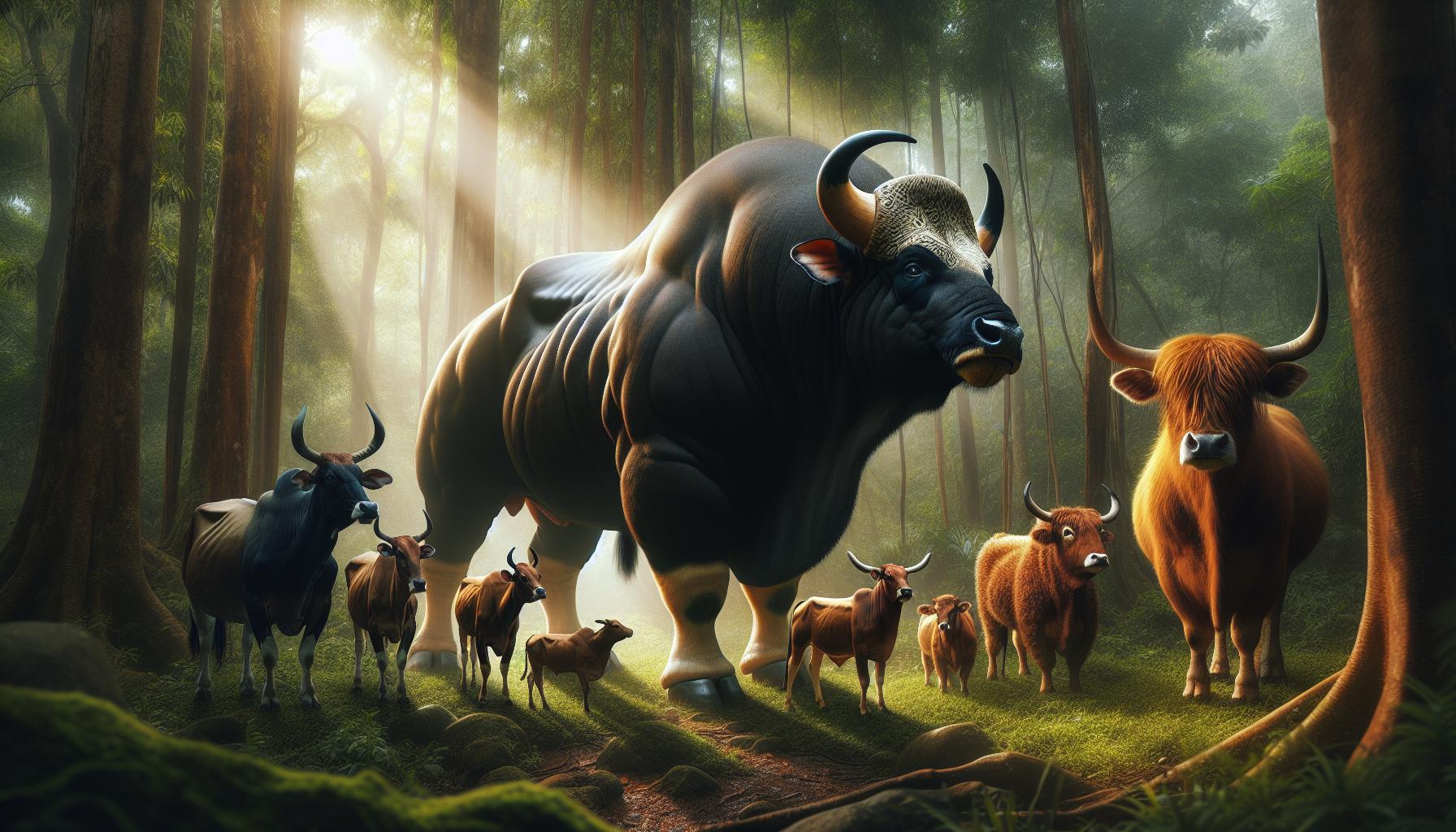
Comparing Gaur Weight to Other Cattle Species
The gaur, towering above its cattle relatives, serves as a striking example of nature’s remarkable diversity. Adult gaurs can weigh between 880 to 2,200 pounds (400 to 1,000 kg), making them the heaviest species of wild cattle. To put this into perspective, consider the common domestic cow, which typically weighs around 1,000 to 1,800 pounds (450 to 800 kg). In comparison, even the largest breeds of domesticated cattle, such as the Holstein, do not reach the same upper weight limits as gaurs. This substantial difference in weight highlights not only the physical prowess of the gaur but also its evolutionary adaptations that are necessary for thriving in the wild.
Comparison with Other Cattle Species
When examining the weights of other notable cattle species, it becomes clear how the gaur holds its unique position. For instance, the American bison, another large herbivore, can weigh between 1,000 to 2,200 pounds (450 to 1,000 kg), similar to the upper range of the gaur’s weight. However, the bison lacks the same level of agility, as its bulky body structure limits its quick maneuvers. In contrast, gaurs, with their muscular build paired with surprising speed, can reach speeds of up to 40 km/h (25 mph).
On the flip side, lighter cattle breeds, such as the Jersey or Guernsey, generally range from 800 to 1,400 pounds (360 to 630 kg). These breeds, prized for their milk production, underline the ecological niche that domesticated cattle occupy compared to their wild counterparts. This contrast in weight also impacts their respective behaviors and habitats. While gaurs are adapted to roam forested slopes and grasslands, smaller cattle are typically kept in managed agricultural environments that restrict their movement and natural behaviors.
Understanding the weight variations among cattle species is essential for appreciating their respective adaptations, lifestyles, and ecological roles. The gaur’s impressive size not only underscores their dominance in the wild but also raises fascinating questions about the influence of weight on social behavior, habitat use, and survival strategies within the rich tapestry of cattle species.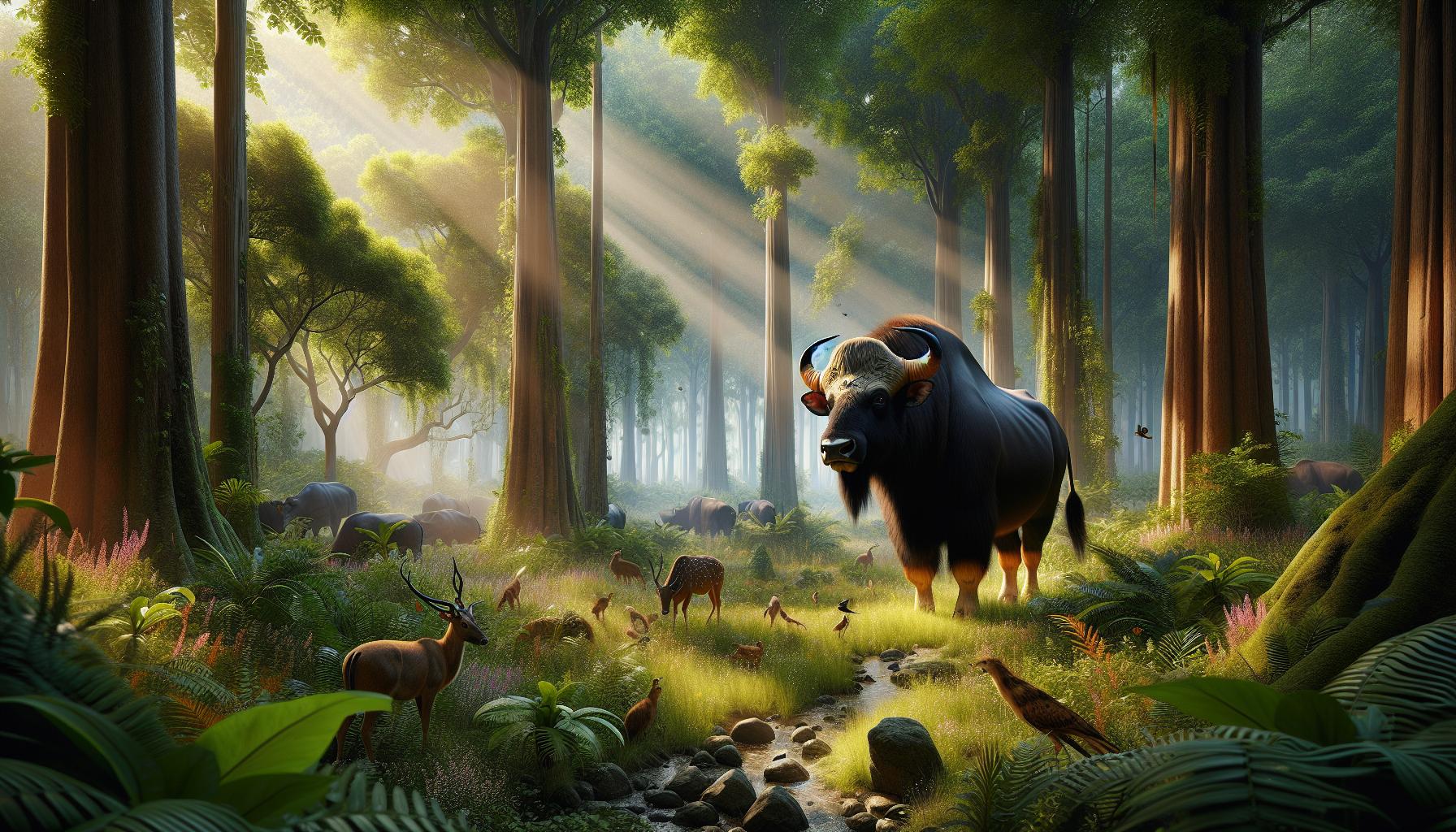
Understanding the Habitat and Lifestyle of the Gaur
In the shadow of dense forests and rolling grasslands, the gaur thrives in an environment perfectly tailored to its majestic size and weight. These colossal wild cattle are primarily found in the tropical and subtropical regions of South Asia, including India, Nepal, Bhutan, and parts of Southeast Asia. Their chosen habitats-tropical forests, hilly terrain, and even open grasslands-provide an essential balance between shelter and grazing opportunities, enabling them to maintain their powerful physiques.
Gaur prefer the cover of dense woodlands, which not only offers protection from predators but also allows them to graze on a diverse range of vegetation. Their diet mainly consists of grasses, leaves, shoots, and fruits-many of which are found in their forested homes. This choice of habitat is vital as it supports their need for ample forage to sustain their impressive weight, which can reach up to 2,200 pounds (1,000 kg). As herbivores, gaurs play a crucial role in their ecosystems; by consuming vast quantities of foliage, they aid in regulating plant growth and contribute to the structural diversity of their habitats.
Socially, gaurs are often seen in small groups or herds, primarily composed of females and their calves, while males tend to roam alone or form bachelor groups. This social structure influences their lifestyle, as the need for foraging and socializing drives their movement through various habitats. Furthermore, gaurs are generally crepuscular, being most active during the early morning and late afternoon, which helps them avoid the heat of the day and makes them more alert to potential threats.
However, the combination of their large size and specific habitat needs makes gaurs particularly sensitive to environmental changes. Deforestation and habitat encroachment pose significant threats to their populations, reducing their available grazing land and disrupting their natural behaviors. Understanding and protecting the habitats of these magnificent beasts is essential for their conservation and the overall health of the ecosystems they inhabit. By appreciating their lifestyle and ecological role, we gain insight into the fragility of wild spaces and the importance of preserving them for future generations.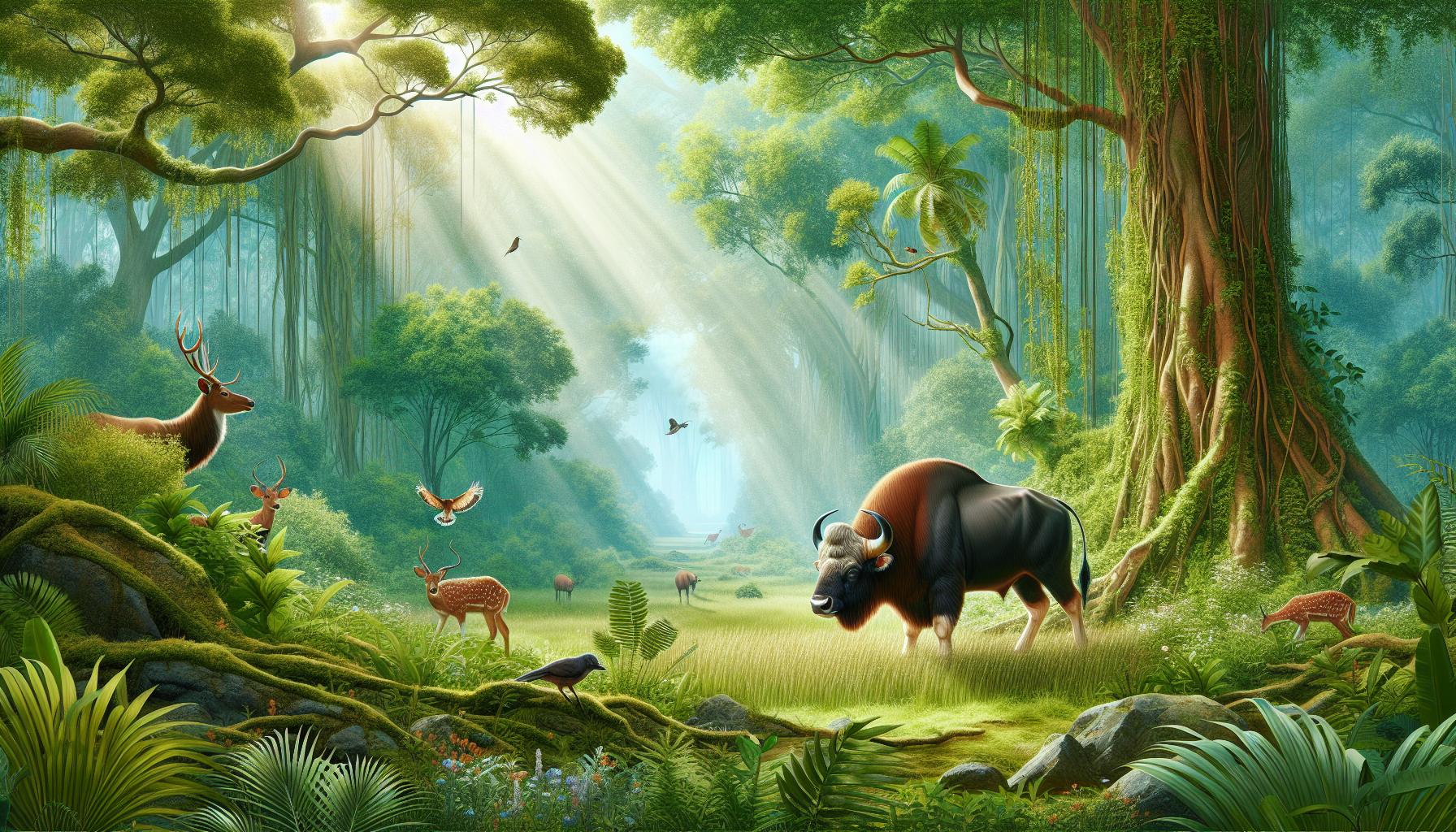
Factors Influencing a Gaur’s Weight and Growth
The gaur, an imposing figure in the wild, is not just defined by its sheer size. Various factors contribute to its remarkable weight and growth, ranging from genetics to environmental conditions. Understanding these elements is crucial for appreciating how gaurs achieve their status as one of the largest wild cattle species on the planet. For instance, genetic predispositions play a vital role in determining an individual gaur’s maximum potential weight. Larger genes may lead to heavier offspring, similar to livestock breeding practices where desirable traits are selected.
Nutrition is another pivotal factor in the growth of gaurs. In their natural habitats, these herbivores forage on a diverse array of vegetation, including grasses, fruits, and leaves. The availability and nutritional quality of these food sources greatly influence their growth rates and overall health. During times when forage is plentiful, gaurs can attain their maximum weights, which can soar to a staggering 2,200 pounds (1,000 kg). Conversely, diet restrictions due to environmental changes can stunt their growth and impact their reproductive success.
The Impact of Habitat on Weight
The habitat where gaurs thrive is intrinsically linked to their weight and growth. Found mainly in dense forests and hilly terrains, access to expansive grazing areas enables them to consume sufficient nutrients to support their growth. However, habitat degradation caused by human activities like deforestation reduces their food supply and affects their weight gain. This relationship highlights the urgency of conserving their natural environments for their survival and optimal growth.
Behavioral Factors in Growth
Social dynamics also play a role in a gaur’s growth trajectory. For instance, gaurs are generally seen in female-led herds, which can influence the foraging behavior and feeding patterns of individuals, especially during different life stages. Young gaurs may benefit from the guidance of their mothers in identifying nutritious food sources. Therefore, maintaining healthy social structures is as significant as habitat conservation in ensuring the robust growth of these magnificent animals.
Understanding these multifaceted factors not only enriches our knowledge of gaurs but also underscores the importance of holistic conservation efforts aimed at preserving their ecosystems. By ensuring that gaurs have access to quality nutrition and stable social structures, we can help safeguard their status as one of the largest wild cattle species in the world.
The Role of Diet in Gaur Weight Development
The weight of a gaur, one of the largest wild cattle species, is significantly influenced by its diet, which consists of a variety of vegetation found in its natural habitat. These magnificent creatures are naturally herbivorous, primarily foraging on grasses, leaves, fruits, and other plant materials. Their ability to access nutrient-dense food sources directly correlates to their growth and overall health. For instance, a well-nourished gaur can weigh up to an astonishing 2,200 pounds (1,000 kg). This immense weight is not merely an outcome of physical size; it arises from a balanced and plentiful diet that allows for maximal growth during their life stages.
Understanding the components of a gaurs diet reveals much about their weight development. They thrive in lush environments where they can consume large quantities of fibrous plants, which are essential in promoting digestive health through their complex ruminating process. When these animals consume high-quality vegetation with ample nutrients, they can not only reach their maximum weights but also support additional physiological needs like reproductive health and resilience against diseases. Seasonal variations in food availability can lead to significant fluctuations in weight, underscoring the importance of stable habitats free from destructive human activities like deforestation.
Key Dietary Components Influencing Weight
Several factors shape the diet of gaurs, which ultimately affects their growth and weight. Key dietary elements include:
- Grasses: These form the bulk of their diet and are rich in carbohydrates, providing energy crucial for weight gain.
- Leaves: Tender leaves from trees and shrubs offer essential vitamins and minerals that support holistic health.
- Fruits: Occasionally, ripe fruits contribute vital sugars and hydration, enhancing their energy levels.
The nutritional balance of their diet directly influences their weight gain, particularly in younger gaurs who are still growing. By ensuring access to these quality food sources, gaurs can optimize their weight development. When food items are scarce, such as in areas affected by climate change or habitat loss, the consequences can be detrimental, leading to stunted growth, weakened immune systems, and decreased reproductive success.
In conclusion, the diet of the gaur is pivotal in shaping its weight and overall vitality. Each element in their diet plays a crucial role in achieving their impressive stature, reinforcing the delicate balance of their ecological niche. Understanding these dietary requirements can enhance conservation efforts, emphasizing the need for protecting their habitats to ensure that gaurs continue to thrive as one of the largest wild cattle species in the world.
Gender Differences in Gaur Size and Weight
The intriguing world of gaurs reveals not only impressive weight figures but also notable gender differences that shape their size and general characteristics. Males typically outweigh females by a significant margin, showcasing a classic example of sexual dimorphism common in many animal species. Fully grown male gaurs can weigh between 2,000 to 2,200 pounds (900 to 1,000 kg), while females usually range from 1,100 to 1,600 pounds (500 to 725 kg). This disparity in size is not merely a matter of aesthetic variance; it plays a crucial role in their roles within the herd and contributes to their survival strategies.
Male gaurs feature a more muscular build, prominently displaying a pronounced hump on their shoulders, which houses powerful muscles that facilitate movement and bolster their physical strength. This robust frame enables males to compete for mates and assert dominance within hierarchies, particularly during mating seasons when they engage in displays of strength and aggression. In contrast, females exhibit a sleeker, more agility-focused physique; their lighter frame allows them to evade potential predators while also being equipped for nurturing their calves effectively.
The gender differences extend beyond physical characteristics; they significantly influence social behaviors within a herd. Males tend to be more solitary or form loose bachelor groups, venturing alone or with a small number of other males, particularly during mating season. Females, in contrast, are often found in larger groups that include younger offspring, fostering a community-based approach to raising their young. This social structure not only enhances the calves’ chances of survival but also gives the females a better opportunity to share foraging locations and follow stable migratory patterns.
Understanding these gender differences enhances our comprehension of the guars’ ecological roles and needs. Conservation efforts can benefit from recognizing that protecting both sexes and their specific habitats is vital for maintaining a balanced population and ensuring the long-term viability of this remarkable species.
Conservation Status and Threats to Gaur Populations
The gaur, or Indian bison, is not only an impressive giant of the wild but also a species facing significant ecological challenges. Known for their imposing size, gaurs are among the largest wild cattle, with males reaching weights of up to 2,200 pounds (1,000 kg). This remarkable weight is matched only by their critical role in their ecosystems, as they facilitate grassland maintenance and play a key part in the food chain. However, this magnificent species is currently listed as Near Threatened by the International Union for Conservation of Nature (IUCN), primarily due to habitat loss and poaching.
Deforestation poses one of the most immediate threats to gaurs. As forests are converted into agricultural lands or urban areas, the natural habitats of these creatures are fragmented and diminished. This not only limits the space in which gaurs can roam and graze but also restricts their migration routes, making it increasingly difficult for them to find sufficient food. With their weight and unique dietary needs, gaurs require substantial grazing lands, typically found in tropical and subtropical forests, which are increasingly at risk.
In addition to habitat loss, poaching remains a dire concern. Gaurs are hunted for their meat and hides, significantly impacting their populations in areas where wildlife enforcement is weak. Even in protected areas, illegal hunting can still occur, leading to unstable population numbers. Conservation programs that include anti-poaching initiatives, along with reforestation efforts, are crucial in ensuring that these majestic animals have a safe environment in which to thrive.
Education and awareness are paramount in conservation efforts. By informing locals about the ecological roles of gaurs and the importance of preserving their habitats, communities can be encouraged to engage in sustainable practices. Ecotourism also offers a valuable opportunity, as it can provide financial incentives for local populations to protect wildlife rather than exploit it. In this way, the enormous presence of gaurs can serve as both a symbol of wilderness and a catalyst for conservation, emphasizing the interconnectedness of all life and the importance of maintaining biodiversity.
The Importance of the Gaur in Ecosystems
The gaur, often overshadowed by other large herbivores, is a vital component of its ecosystem, playing roles that stretch far beyond its impressive bulk. Weighing up to 2,200 pounds, these majestic creatures help shape the landscapes they inhabit. Their grazing habits facilitate the growth of various plant species, particularly grasses, which can flourish in environments altered by their feeding behaviors. This selective grazing not only prevents overgrowth but also preserves natural grassland habitats, making room for diverse flora and fauna to thrive.
As a keystone species, gaurs influence the dynamics of their ecosystem. They create pathways through dense vegetation as they move, which can benefit other animals by providing easier access to resources. The nutrients from their manure enrich the soil, promoting plant growth and maintaining the health of their habitats. In a broader context, this interaction underscores the critical balance within ecosystems-the presence of large herbivores like the gaur directly correlates to the richness of biodiversity in their regions.
Furthermore, the gaur’s role extends into the food web. While they primarily feed on leaves, grasses, and shoots, they also serve as prey for apex predators, such as tigers and leopards. This predation helps control herbivore populations and promotes a balanced ecosystem. Without gaurs, both predator and prey dynamics could become destabilized, illustrating how each species plays a crucial role in maintaining ecological integrity.
Conservation efforts aimed at preserving gaurs and their habitats are essential not just for the survival of this impressive species but for the health of entire ecosystems. Protecting their natural environments leads to a ripple effect that benefits countless other organisms, highlighting the interconnectedness of life on Earth. Engaging local communities through education about the importance of gaurs can foster sustainable practices, allowing these spectacular animals to continue their pivotal role in nature.
How Gaur Weight Affects Their Behavior
The sheer mass of a gaur can impact its behavior in numerous fascinating ways. These impressive creatures can weigh up to 2,200 pounds, which influences not just their physical capabilities but also their social dynamics and interactions within their habitat. For instance, a gaur’s bulk provides it with a significant advantage when competing for resources such as food and water. Their size allows them to access higher foliage that smaller herbivores cannot reach, making them less competitive for forage with other animals. This dietary flexibility enables gaurs to thrive in various ecological niches, promoting stability within their environments.
Furthermore, the weight of a gaur affects its movement patterns and energy expenditure. Given their considerable size, gaurs generally move at a slower pace, which may appear leisurely but is actually an energy-efficient way of managing their large bodies. They have developed a unique behavioral adaptation: rather than rapid movements that waste energy, gaurs utilize strategic grazing habits, often spending hours feeding in select areas. This slow, deliberate movement not only conserves energy but also allows them to carefully survey their environment for potential threats, such as predators.
Social behavior among gaurs also exhibits interesting dynamics related to their weight. During mating rituals, larger males often display dominance through physical displays, utilizing their size to intimidate rivals. Their bulk can have a profound effect on their social hierarchy, with the largest individuals typically gaining priority access to mates and prime grazing locations. This dominance is evident during mating seasons or when resources are scarce, underlining how weight influences intra-species interactions.
Additionally, the weight of gaurs plays a critical role in habitat selection. Due to their large size, gaurs generally prefer open forests and grasslands where they can conveniently maneuver without becoming entangled in dense underbrush. Their grazing habits contribute significantly to shaping these environments, promoting biodiversity and influencing plant community structures. Thus, understanding how the weight of gaurs affects their behavior provides valuable insights into their ecological roles and the importance of conservation efforts aimed at preserving these majestic herbivores and their habitats.
Interesting Gaur Weight Records and Anecdotes
The gaur, known as the largest wild cattle species, can awe any nature enthusiast with its impressive size and weight. These magnificent animals have been recorded to weigh an astonishing 2,200 pounds, with some exceptional individuals tipping the scales even higher. One remarkable anecdote comes from the forests of India, where wildlife biologists spotted a particularly large male that was estimated to weigh around 2,500 pounds! Such extraordinary weights not only highlight the gaur’s stature but also their adaptability to the diverse ecosystems they inhabit, including grasslands and deciduous forests.
The sheer mass of gaurs has led to fascinating records in animal husbandry and conservation efforts. For instance, in a notable breeding program aimed at preserving this species, researchers have documented the weight gain of gaurs in controlled environments, revealing insights that can help inform more effective conservation strategies. In captivity, it’s not uncommon for young gaurs to gain significant weight when provided with a nutrient-rich diet, demonstrating how diet plays a crucial role in their overall growth and health.
In addition to sheer weight records, gaurs have become the subjects of various interesting stories and observations. Many wildlife photographers have recounted encounters with gaurs displaying their weight dominance during territorial disputes. One famous incident occurred in a national park where a massive male successfully defended its grazing area from encroaching buffalo herds, showcasing not only physical strength but also behavioral strategies influenced by its weight.
These interactions and records of weight serve as a testament to the gaur’s role in the ecosystem, acting as both a keystone species and an indicator of environmental health. By understanding their weight and social dynamics, we can gain deeper insights into their behavior, which is essential for conservation efforts aimed at ensuring the survival of this majestic species for generations to come. Observing gaurs in their natural habitat not only provides a thrill for wildlife enthusiasts but also allows for a greater appreciation of the delicate balance in nature they help maintain.
Tips for Observing and Appreciating the Gaur in the Wild
To experience the majesty of gaurs in their natural habitat, preparation and knowledge are essential. These colossal creatures, weighing up to 2,500 pounds, can be elusive, but knowing when and where to look can enhance your chances of a memorable sighting. One of the best times to observe gaurs is during the early morning or late afternoon when they are most active. During these times, they tend to graze in open grasslands or near forest edges, making them more accessible for wildlife enthusiasts.
To maximize your chances of a successful observation, consider the following tips:
- Choose the Right Location: Gaurs are predominantly found in parts of India, Southeast Asia, and some regions of China. National parks and wildlife sanctuaries like Bandhavgarh, Kanha, and the Western Ghats are known for their gaur populations.
- Utilize Binoculars: Their large size makes them easier to spot, but keeping a good pair of binoculars handy can help you appreciate the details of their striking features from a safe distance.
- Be Patient and Respectful: Observing wildlife requires patience. Keep noise to a minimum and let your surroundings acclimate to your presence. This will increase the chances of witnessing natural behavior.
- Join Guided Tours: Consider joining guided wildlife tours led by experts. Local guides can provide valuable insights into gaur behavior, their habitat, and help you navigate the best spots for viewing.
Another aspect to appreciate is the ecological significance of gaurs. As keystone species, they help maintain the health of their ecosystems, influencing vegetation patterns and serving as prey for larger predators. Observing their interactions with the environment can deepen your understanding of biodiversity. Engage with these impressive animals by respecting their space and contributing to conservation efforts, which can be as simple as supporting organizations focused on protecting their habitats.
Finally, capture the experience-not just through photographs but by taking mental snapshots of the environment, behaviors, and the overall experience. Whether it’s witnessing a male displaying dominance or a group of them grazing peacefully, every encounter adds to the richness of your wildlife appreciation journey. By adhering to these tips, you not only enhance your chances of seeing these majestic animals but also foster a responsible attitude towards wildlife observation.
Q&A
Q: How much does a Gaur weigh?
A: A Gaur typically weighs between 1,000 to 2,200 pounds (450 to 1,000 kg), making it the heaviest species of wild cattle. Their size can vary significantly based on gender and age, with males generally being larger than females.
Q: What is the average height of a Gaur?
A: Adult Gaurs stand about 5.5 to 6.5 feet (1.7 to 2 meters) tall at the shoulder. Their impressive size contributes to their status as one of the largest wild cattle species in the world.
Q: What factors influence Gaur weight?
A: Gaur weight can be influenced by genetics, diet, age, and habitat quality. Access to nutrition-rich food sources plays a crucial role in their growth and overall health.
Q: How does the weight of a Gaur compare to domestic cattle?
A: Gaurs are significantly heavier than most domestic cattle. For example, a typical Holstein cow weighs around 1,500 pounds (680 kg), while Gaurs can exceed this weight, with bulls reaching up to 2,200 pounds.
Q: Are there distinct weight differences between male and female Gaurs?
A: Yes, male Gaurs are generally larger and heavier than females. Adult males can weigh up to 2,200 pounds, while females usually weigh between 1,000 to 1,500 pounds.
Q: What role does diet play in the weight development of Gaurs?
A: The diet of Gaurs, primarily consisting of grasses, leaves, and fruits, is vital for their weight gain and maintenance. A nutrient-rich diet supports growth, especially in younger individuals.
Q: What are some of the largest recorded weights of Gaurs?
A: Some of the largest Gaurs recorded have weighed as much as 2,500 pounds (1,134 kg). Such exceptional cases highlight the incredible variability within the species.
Q: How does habitat affect the growth of Gaurs?
A: The specific habitat where Gaurs live influences their access to food and water, which in turn affects their growth and weight. A healthy habitat with abundant vegetation supports better physical conditions.
To Wrap It Up
As we’ve explored the remarkable weight and size of the Gaur, the world’s largest wild cattle, it’s clear that understanding these majestic creatures deepens our appreciation for wildlife’s diversity. Whether you’re enchanted by their towering presence or seeking to learn more about their habitat, every new fact paves the way for greater knowledge. Ready to expand your exploration? Dive into our articles on the unique behaviors of other wild bovines or discover how to care for large animals in your own home.
Don’t let your curiosity end here! Join our newsletter for the latest insights on wildlife and responsible pet care, ensuring you stay informed and connected. Share your thoughts in the comments below-what surprised you most about the Gaur? Continue your journey with us and explore the incredible connections between human care and the animal kingdom. Your next adventure in wildlife knowledge is just a click away!


