


As wildlife enthusiasts increasingly consider the exotic allure of keeping a raccoon as a pet, it’s vital to understand the legalities and realities behind this decision. Raccoons, with their playful personalities and intelligent behaviors, can seem like a perfect addition to the household. However, potential owners need to navigate a landscape filled with legal restrictions, ethical considerations, and practical challenges.
Before you get swept away by adorable videos of raccoons mastering tricks, take a moment to reflect on the responsibilities of pet ownership. Unlike traditional pets, raccoons require specialized care, enrichment, and environments to thrive, not to mention that their social and behavioral needs are significantly different. This guide will unravel the complexities of raccoon ownership, highlighting important legalities and offering insights into their unique nature, helping you determine whether this captivating creature can truly fit into your life.
Contents
- 1 Legal Considerations for Pet Raccoons
- 2 Understanding Raccoon Behavior and Needs
- 3 Pros and Cons of Keeping a Raccoon
- 4 Daily Care Requirements for Raccoon Pets
- 5 Socialization and Training Techniques for Raccoons
- 6 Health Concerns and Veterinary Care for Raccoons
- 7 The Environmental Impact of Pet Raccoons
- 8 Ethical Considerations in Raccoon Ownership
- 9 Alternatives to Keeping a Raccoon as a Pet
- 10 Regulations and Restrictions by Region
- 11 Creating a Safe Living Environment for Raccoons
- 12 Q&A
- 13 Key Takeaways
Legal Considerations for Pet Raccoons
While raccoons may seem like cute, mischievous companions, prospective owners must navigate a complex landscape of legal considerations before bringing one home. Across many states and regions, keeping a raccoon as a pet can be either heavily regulated or outright prohibited. In many jurisdictions, these animals are classified as wild and may require special permits or licenses to own legally. The laws vary significantly: some states allow ownership with specific conditions, while others ban it entirely due to the potential health risks and challenges in keeping wild animals.
It’s crucial for potential raccoon owners to research local and state regulations. Many areas require comprehensive documentation, including proof of acquisition from a licensed breeder or rescue organization. This ensures that the animal has been ethically sourced and is healthy. Additionally, owners may be liable for any damage or disturbances caused by their raccoon, which can pose unique challenges given their playful and often destructive nature. Neglecting to comply with legal standards can result in fines, confiscation of the animal, and other legal repercussions.
Beyond legalities, potential owners should also consider the ramifications of raccoon ownership on community dynamics. Neighbors may have concerns about potential noise, property damage, or even health risks, as raccoons can be carriers of diseases such as rabies. Open communication with neighbors and understanding local community regulations is vital for creating a positive living environment for both the pet and the community at large. In summary, ensuring compliance with local laws and being mindful of community impact are foundational steps for anyone considering the thrill of having a raccoon as a pet.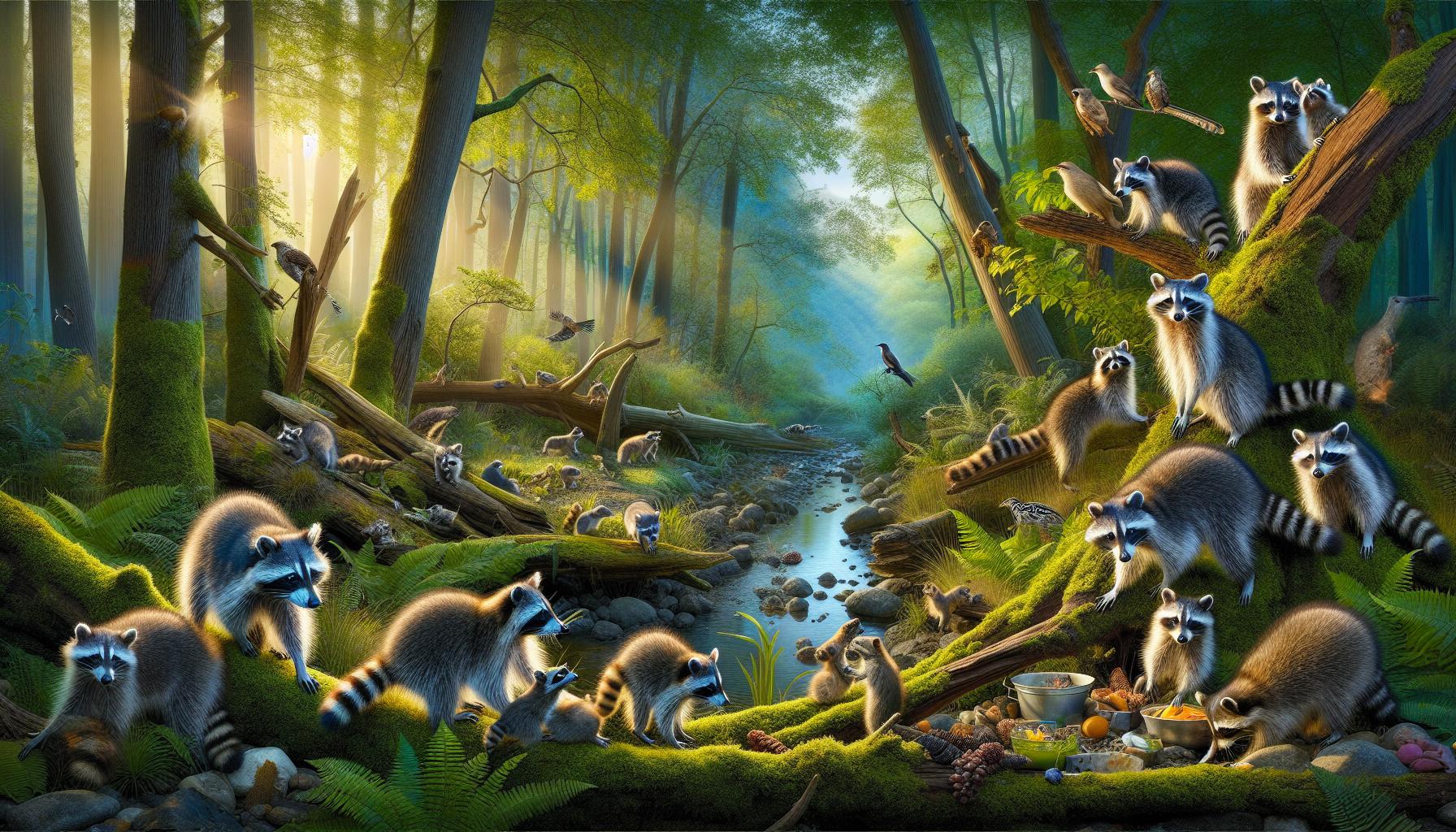
Understanding Raccoon Behavior and Needs
Raccoons are fascinating creatures, often seen rummaging through trash cans with their nimble paws or playfully engaging with each other in urban environments. Understanding their behavior and needs is crucial for anyone considering them as pets; these highly intelligent and adaptable animals have complex social structures and instincts that make them both captivating and challenging companions.
Their natural behaviors, such as foraging, climbing, and exploring, reflect a deep-rooted necessity for mental and physical stimulation, which can significantly affect their well-being in a domestic setting. Raccoons are nocturnal by nature, meaning they are most active during the night. This can lead to potential issues for pet owners, particularly in terms of noise and activity levels during sleeping hours. Providing a stimulating environment that mimics their natural habits is essential to prevent boredom and destructive behaviors. Essential enrichment activities may include digging boxes filled with safe materials, climbing structures, and puzzle toys that encourage their characteristic curiosity.
Socialization is another key factor to consider. Raccoons are known to form tight bonds with their families. In captivity, they may require significant interaction with their owners to foster this bond. However, it’s important to recognize that while raccoons can become affectionate, they are still fundamentally wild animals. Their playful antics can quickly turn assertive if they feel threatened or bored. Owners should employ gentle training techniques to manage their behavior, emphasizing positive reinforcement and empathy to build trust and understand their unique emotional needs.
Moreover, dietary considerations play a crucial role in their health. Raccoons are omnivores, meaning they thrive on a varied diet that includes fruits, vegetables, and proteins. Owners must be vigilant in providing a balanced and appropriate diet while avoiding common human foods that can be harmful. Regular veterinary check-ups are essential to monitor their health, as they are prone to specific conditions such as obesity and dental issues if not cared for properly.
In summary, potential raccoon owners must invest time and effort to understand the behaviors and needs of these animals fully. This commitment not only enhances the overall welfare of the raccoon but also enriches the ownership experience, allowing for the development of a rewarding bond between pet and owner.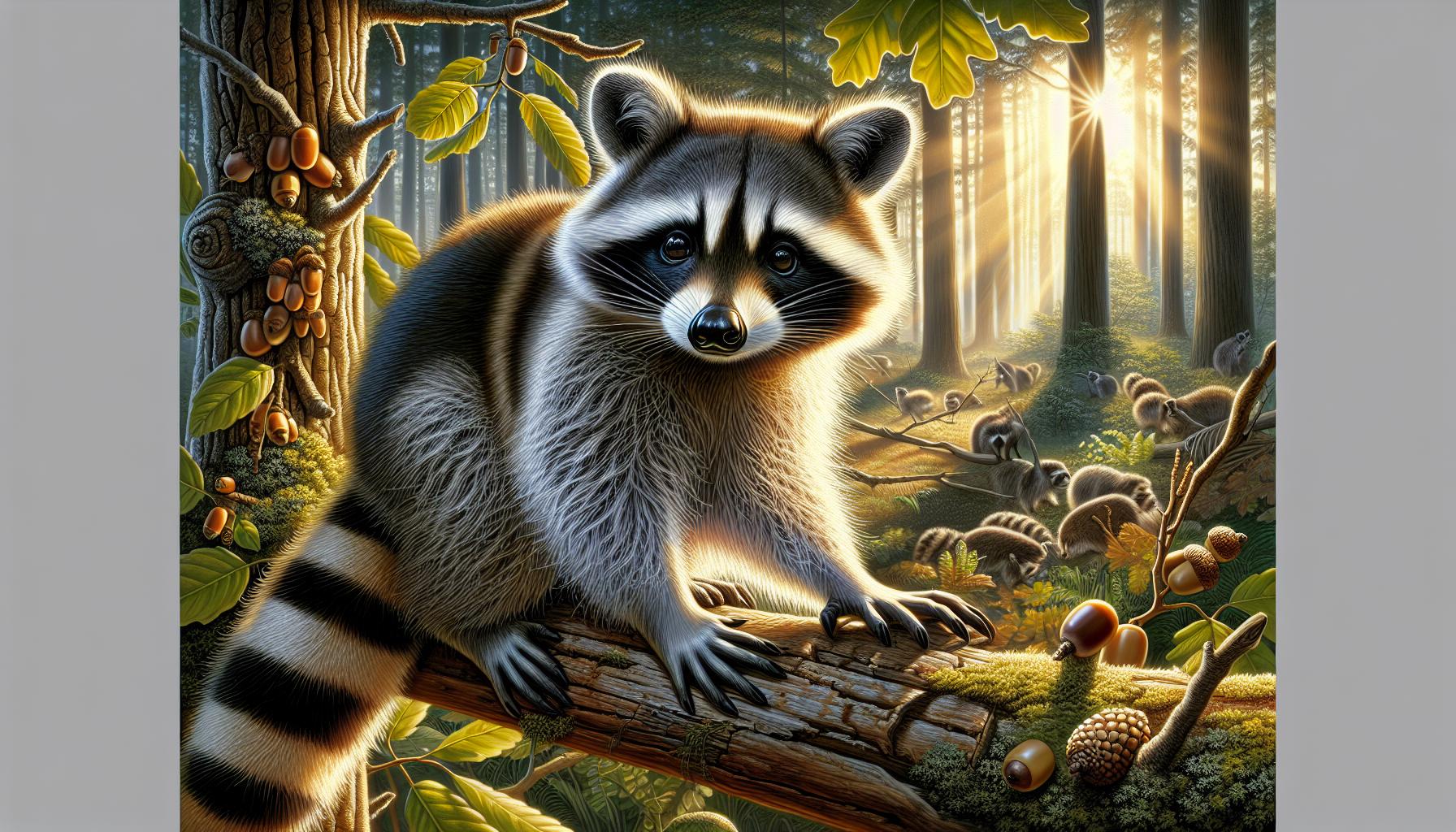
Pros and Cons of Keeping a Raccoon
Raccoons are undeniably intriguing pets, often captivating the hearts of animal lovers with their playful antics and curious nature. However, potential owners should weigh the numerous pros and cons before deciding to welcome one of these wild creatures into their home. Understanding these factors can significantly impact not only your experience as a pet owner but also the well-being of the raccoon you choose to care for.
Among the advantages is their intelligence; raccoons are known for their problem-solving skills and adaptability. This intelligence allows them to engage in interactive play, making them entertaining companions. They can also form strong bonds with their owners, demonstrating affection and loyalty similar to that of dogs. Furthermore, raccoons are highly social animals that thrive on interaction, often bringing joy and lively energy to the household.
On the flip side, the challenges of keeping a raccoon as a pet are equally significant. Their innate curiosity can lead to destructive behaviors if not properly managed, as they may explore their environment in ways that could damage property or pose safety risks. Additionally, their nocturnal nature means they are more active at night, which can conflict with human sleep patterns and may leave owners with sleepless nights. Raccoons also have specific dietary needs and require a varied, balanced diet to thrive, which can demand a level of commitment from their owners that is higher than that for more traditional pets.
Moreover, legal considerations vary widely by region, with some areas prohibiting raccoon ownership altogether due to public health concerns and potential risks of transmitting diseases. Therefore, it’s essential for anyone considering a raccoon as a pet to carefully review local regulations and be prepared for the responsibilities that come with caring for such a unique and wild animal. Ultimately, while raccoons can offer enriching companionship, they require dedicated care, understanding, and respect for their wild heritage.
Daily Care Requirements for Raccoon Pets
Raccoons, with their dexterous paws and inquisitive nature, thrive on routine and environmental enrichment that mimics their wild habits. Providing proper daily care is essential not only for their physical health but also for their mental well-being. Owners must be prepared to meet their complex needs, which include varied dietary intake, exercise, social interaction, and stimulation.
Start your raccoon’s day with a carefully balanced diet that reflects their omnivorous tendencies. A typical raccoon needs a mix of meat, fruits, vegetables, and specially formulated raccoon food. This diet should include:
- Protein: Lean meats such as chicken, fish, and cooked eggs.
- Fruits: Offer berries, apples, and bananas as occasional treats.
- Vegetables: Include greens like kale, and cooked carrots or sweet potatoes.
- Commercial Diets: High-quality raccoon kibble can provide necessary nutrients.
Hydration is equally vital; always ensure fresh water is available.
In terms of exercise, raccoons are energetic beings that need ample space to explore and play. Indoor owners should set up obstacle courses using tunnels, climbing structures, and interactive toys to promote physical activity. A few hours outside in a secure, enclosed space can also provide natural stimulation, allowing them to engage in behaviors typical of their wild counterparts.
Social interaction is a key pillar of raccoon care. They are highly social animals that require regular engagement with their human companions. Daily playtime and training sessions can not only strengthen your bond but also keep their intelligent minds sharp. Familiarizing them with basic commands through positive reinforcement techniques enhances their understanding of household rules while catering to their playful nature.
Finally, regular health checks are crucial. Monitor their weight and behavior for any changes that may indicate illness. Establish a relationship with a veterinarian experienced in exotic animals, as health screenings and vaccinations are important for preventing diseases like canine distemper and leptospirosis.
Adopting a raccoon as a pet involves significant commitment, knowledge, and understanding of their unique needs. By providing proper daily care, their belonging in a domestic setting becomes a rewarding experience that honors their wild heritage while ensuring their health and happiness.
Socialization and Training Techniques for Raccoons
Raccoons are not just adorable and clever; they are also incredibly social creatures that thrive on interaction and engagement with their owners. To ensure a harmonious relationship with a pet raccoon, understanding the nuances of their socialization and effective training techniques is crucial. These mammals possess an innate curiosity and intelligence, making them capable of learning various commands and behaviors with the right approach and methods.
Socialization Techniques
Establishing trust is the foundation of successful socialization with a pet raccoon. From day one, spend quality time interacting with your raccoon, allowing them to explore their surroundings at their own pace. Begin with gentle handling and speaking softly to create a calm atmosphere. Expose them to various environments within your home, gradually introducing new sounds, sights, and people to avoid overwhelming them. This gradual acclimatization builds confidence and helps the raccoon adapt to human environments, ensuring they become more comfortable as a social pet.
Routine is also essential in promoting good behavior. Raccoons are creatures of habit, and establishing consistent daily schedules for feeding, playtime, and social interaction can lead to a more balanced and secure pet. Integrate play sessions that challenge their problem-solving skills, such as hide-and-seek with treats or puzzle toys that dispense food rewards. Tailoring these activities to your raccoon’s preferences fosters not only physical activity but also mental stimulation, further enhancing your bond.
Training Techniques
Training a raccoon requires patience and positive reinforcement techniques that appeal to their playful and intelligent nature. Using treats as rewards during training sessions can be particularly effective. For instance, when teaching basic commands like “sit” or “come,” always reward with a small treat, affection, or play when the desired behavior is displayed.
Consider breaking down training tasks into manageable steps for easier comprehension. For example, to teach your raccoon to “sit,” first hold a treat above their nose, slowly moving it upwards while saying the command clearly. As they sit to reach for the treat, reward them immediately to reinforce the behavior. Through repetition and positive feedback, your raccoon will learn to associate the command with the action.
Regularly integrating training sessions into your routine not only helps with obedience but also nurtures the special bond you have with your raccoon. These interactive learning experiences can pave the way for more complex tricks and behaviors, such as teaching them to fetch or navigate simple obstacle courses. Remember, the key to successful training is consistency and a lot of patience, as each raccoon will learn at their own pace.
Engaging with your pet raccoon through socialization and training not only prepares them for life as a companion but also allows you to appreciate their unique talents and characteristics, making raccoon ownership a rewarding journey filled with fun and discovery.
Health Concerns and Veterinary Care for Raccoons
Raccoons are captivating creatures, but their unique biology and behaviors come with specific health needs that potential pet owners must consider seriously. These intelligent mammals, known for their dexterous paws and curious nature, can be prone to various health issues that require vigilant care. Regular veterinary check-ups are essential for maintaining their health, enabling owners to monitor for common problems such as parasites, obesity, and behavioral issues that can stem from improper care or diet.
A crucial aspect of raccoon health is their susceptibility to certain zoonotic diseases, which can be transmitted between animals and humans. For instance, raccoons can carry the Baylisascaris procyonis parasite, which poses significant health risks. Other diseases to be aware of include rabies, leptospirosis, and distemper. Ensuring your raccoon is vaccinated and receiving routine health screenings will not only protect your pet but also safeguard human family members from potential exposure.
Beyond vaccinations, proper nutrition plays a pivotal role in the overall health of your pet raccoon. They require a balanced diet rich in protein, fiber, and essential nutrients. Commercial raccoon diets are available, but it’s important to verify that any food provided is appropriate and complete. Regular consultations with a veterinarian who has experience with exotic pets can help tailor a diet plan that suits your raccoon’s specific needs, considering their stage of life and health conditions.
Raccoons are also prone to stress-related issues if their living environment is not properly managed. Providing a stimulating and enriching space, complete with opportunities for physical activity and mental engagement, can significantly reduce stress and associated health risks. Incorporating activities such as climbing structures and interactive toys will keep your raccoon active and promote a healthy lifestyle. Be vigilant for signs of stress or illness, such as changes in appetite, behavior, or energy levels, and seek veterinary assistance at the first indication of trouble.
In summary, the health care of a pet raccoon demands a commitment to regular veterinary visits, appropriate diet, and an enriching environment. Recognizing the specific health concerns and being proactive in their management will ensure that your raccoon thrives as a cherished member of your family.
The Environmental Impact of Pet Raccoons
The decision to keep a raccoon as a pet carries significant environmental implications that extend beyond the confines of an individual household. Native to North America, raccoons play a vital role in their ecosystems as omnivores, foragers, and scavengers. They help to control insect populations and play a part in seed dispersal, which contributes to plant diversity. When removed from their natural habitats, raccoons’ absence can lead to unbalanced ecosystems, where certain species may thrive unchecked or others struggle to survive. Furthermore, keeping raccoons as pets can increase the risk of potential escape or release into local environments, where they can become invasive and disrupt established ecological dynamics.
In addition to ecological concerns, pet raccoons can create unintended consequences for urban wildlife. Their naturally curious and intelligent nature leads to behaviors that can encroach upon neighborhoods as they seek out food and shelter. Encounters with domestic animals and humans can increase conflict situations, leading to public health risks associated with spreading diseases like rabies or leptospirosis. Additionally, as raccoons become acclimated to human environments, they may lose their innate survival skills, compromising their well-being should they ever return to the wild.
Responsible ownership is not just about providing care and safety for your pet raccoon; it also includes understanding your role in mitigating these environmental impacts. Here are essential steps potential owners should consider:
- Research Local Regulations: Understand laws and guidelines concerning raccoon ownership in your area to avoid contributing to ecological imbalance.
- Prevent Release: Ensure your raccoon is securely contained and cannot escape to reduce the risk of introducing non-native individuals to local ecosystems.
- Contribute to Conservation Efforts: Engage with wildlife organizations that focus on protecting habitats and managing raccoon populations responsibly.
- Public Education: Share knowledge about the realities of pet raccoon ownership to help discourage impulse decisions that can negatively impact local wildlife.
By fully grasping the environmental ramifications of keeping a raccoon as a pet, potential owners can make informed decisions that prioritize ecological health alongside their desire for companionship. Recognizing that these fascinating creatures belong in the wild is a fundamental part of responsible and ethical pet ownership.
Ethical Considerations in Raccoon Ownership
Owning a raccoon may seem like an exciting prospect due to their playful nature and unique personalities, but numerous ethical considerations must be taken into account before deciding to bring one into your home. Raccoons, with their adorable masked faces and nimble hands, are wild animals that thrive in natural environments where they can exhibit their instinctual behaviors. Capturing their inherent essence in a domestic setting can lead to unintended challenges both for the raccoon and the owner.
First, it’s essential to recognize that raccoons are social creatures that typically live in family units. When removed from their natural environment, they may experience stress, anxiety, or behavioral issues. Raccoons require a complex and stimulating environment to remain healthy and engaged. Pet owners must commit not only to providing basic care but also to creating an environment that mimics their natural habitat as closely as possible. This includes plenty of space to roam, enrichment activities, and opportunities for social interaction-ideally with other raccoons.
Moreover, raccoons can pose certain challenges, such as potential health risks. They can carry zoonotic diseases like rabies, which can affect both pets and humans. Owners must take proactive steps to ensure their pet’s health, including regular veterinary check-ups, vaccinations, and parasite control. Ethical ownership also entails being prepared for the financial responsibilities associated with medical care, as well as recognizing that not all veterinarians are equipped or willing to treat exotic pets like raccoons.
Legal and Environmental Responsibilities
Aside from the individual responsibilities that come with pet ownership, there are broader ethical implications concerning local ecosystems. Raccoons play a vital role in their natural habitats as scavengers and foragers. When people keep them as pets, there’s a risk of their escape or release, which can disrupt local wildlife populations and lead to competition for food and space among native species. Owners should understand local laws regarding raccoon ownership, as many areas have strict regulations or bans in place due to the risks associated with keeping them as pets.
Ultimately, the decision to own a raccoon should not be taken lightly. It involves understanding and accepting the complexities of the animal’s needs, the potential risks involved, and the ethical responsibilities of ensuring their well-being. By fostering an informed, conscientious approach to pet ownership, individuals can help maintain the delicate balance between human desire for companionship and the intrinsic needs of wildlife.
Alternatives to Keeping a Raccoon as a Pet
With their endearing masked faces and dexterous hands, raccoons might seem like the perfect companions. However, the complexities of their care and well-being can make owning one a significant challenge. Instead of keeping a raccoon as a pet, consider enriching your life and the lives of these unique creatures through alternatives that respect their wild nature and your desire for companionship.
One fascinating way to engage with raccoons is through volunteer opportunities at wildlife rehabilitation centers or sanctuaries. Many facilities allow volunteers to assist in the care of rescued raccoons and educate the public about their needs and behaviors. This hands-on experience provides insight into their natural behaviors while allowing you to contribute positively to their well-being. Such interactions promote a deeper understanding of the species and help raccoons that cannot return to the wild due to injury or habituation.
Another alternative is to explore adopting other species that are more suitable as pets while still offering an engaging and lively presence. Consider domestic animals like ferrets, which share similar playful and inquisitive traits but are domesticated and better suited for a home environment. Other small mammals, such as rabbits or guinea pigs, can provide companionship without the complexities associated with keeping a raccoon. Ensure to research their specific care requirements, which include proper diets, social needs, and habitat setups.
Engaging in wildlife photography or observing raccoons in their natural habitats can also satisfy your desire to appreciate these captivating animals without the responsibilities of ownership. Setting up a wildlife camera in your yard to observe local raccoons can provide hours of entertainment and a chance to study their behaviors in a non-invasive way. Educating others about raccoons through workshops or community discussions can also nurture a respect for wildlife and the importance of preserving their habitats.
By choosing , you not only respect their natural instincts and ecosystem roles but also foster a greater understanding of wildlife and their needs. Embracing these alternatives allows for a fulfilling connection to nature while contributing to the welfare of wild animals.
Regulations and Restrictions by Region
Navigating the complex landscape of raccoon ownership requires a keen understanding of regional regulations and restrictions, as these laws can vary significantly across different areas. In many regions, raccoons are classified as wild animals, and keeping them as pets can be illegal without specific permits. This classification reflects the inherent challenges of domestication due to their wild instincts, behavior, and dietary needs. Additionally, raccoons are often carriers of rabies and other zoonotic diseases, leading to stricter regulations aimed at protecting public health.
In the United States, laws regarding pet raccoons are inconsistent and can be influenced by state, county, and even city regulations. For example, in regions like California and Washington, it is illegal to keep raccoons as pets, whereas in states such as North Carolina or North Dakota, permits might be available under certain conditions. Prospective owners need to check with local wildlife agencies or departments of agriculture to understand the specific regulations that apply in their area.
Understanding the Legal Landscape
Considerations around legality often include:
- Permits: Some areas require special permits for ownership, while others may prohibit ownership altogether.
- Wildlife Rehabilitation: In some regions, you might be permitted to care for rehabilitated raccoons under certain guidelines, which typically promote their eventual return to the wild.
- Public Health: Regulations typically aim to minimize the risk of disease transmission and safeguard both public health and wildlife conservation interests.
Prospective owners should also be aware of responsible ownership guidelines that advocate for the raccoon’s welfare, which will ensure that both the animal and the owner can coexist harmoniously. Raising awareness about local wildlife regulations can also foster a greater understanding of raccoons’ role in the ecosystem, as well as the impact of potential captivity on their well-being.
As wildlife enthusiasts consider the allure of owning a raccoon, it becomes essential to weigh the legalities against the ethical implications of keeping such a spirited animal as a pet. Knowledge of the local regulations not only performs a crucial role in compliance but also emphasizes the importance of understanding and appreciating raccoons in their natural habitats rather than attempting to domesticate them.
Creating a Safe Living Environment for Raccoons
Creating an appropriate living environment for a raccoon involves understanding their unique needs and ensuring their surroundings cater to their instincts and behaviors. Raccoons are naturally curious and adventurous, often needing spaces that engage their minds and allow for physical activity. Their intelligent nature requires an environment that prevents boredom and encourages exploration while ensuring safety from potential hazards.
When designing a habitat for a pet raccoon, consider these essential elements:
- Secure Enclosure: A well-constructed enclosure is crucial for preventing escape and protecting the raccoon from external threats. Use materials that are sturdy, with a double-layered fence or cage structure to withstand raccoon tampering, as they are known for their ability to pry open lids and doors.
- Space to Roam: Raccoons need ample space to move around, play, and explore. An indoor cage should be large enough for climbing and engaging in natural behaviors, while an outdoor area should provide additional room for exercise. A minimum of 75-100 square feet is recommended for an outdoor pen, with vertical space for climbing.
- Environment Enrichment: Providing a variety of toys, climbing structures, and hiding spots can help mimic their natural environment. Natural branches, logs, and tunnels can stimulate their curiosity and promote physical activity.
- Temperature Control: Raccoons are sensitive to extreme temperatures. Ensure they have access to a shaded area in the summer and a warm, insulated space during colder months. Indoor living will need climate control to keep the raccoon comfortable year-round.
- Safe Access to Water and Food: Fresh water should always be available, with a feeding area that encourages foraging behaviors, such as food puzzle toys or scattered meals. Avoid using conventional pet food; raccoons are omnivorous and need a varied diet including fruits, vegetables, and high-quality protein sources.
Furthermore, ensure that your living environment is free of toxic plants, hazardous materials, and anything that could be harmful if chewed or ingested. Raccoons are notorious for their explorative nature and can easily get into trouble if their habitat is not adequately secured. Regularly inspecting the enclosure for wear and tear is crucial to maintaining safety and comfort.
Ultimately, creating a safe and stimulating living environment is essential to fostering a healthy and happy life for your raccoon. Understanding their wild instincts and behaviors can lead to a more enjoyable companionship, ensuring that both their needs and the needs of their owners are respected.
Q&A
Q: Is it legal to own a raccoon as a pet in my area?
A: The legality of owning a raccoon as a pet varies significantly by location. In many states, raccoons are considered wild animals and require special permits or licenses. It’s crucial to check local wildlife regulations and consult your state’s wildlife agency for specific laws regarding ownership.
Q: What special permits are needed to have a raccoon as a pet?
A: Many regions require special permits to own a raccoon. These permits often mandate specific housing conditions and proof that you can care for the raccoon properly. Refer to your local wildlife authorities for the exact requirements needed to secure a permit.
Q: How do raccoons behave as pets compared to traditional pets?
A: Raccoons have unique and sometimes unpredictable behaviors. They are intelligent and curious but can also be mischievous and challenging to train. Unlike traditional pets, raccoons require more socialization and mental stimulation to prevent boredom and destructive behaviors.
Q: Can raccoons be litter trained like cats?
A: Yes, raccoons can be litter trained, but it requires patience and consistency. Using a designated litter box and rewarding them for using it can help the training process. However, expect accidents, especially early on in their training.
Q: How much does it cost to care for a pet raccoon?
A: Caring for a pet raccoon can be expensive. Initial costs include permits, habitat setup, and purchase from a breeder or rescue. Monthly expenses cover food, healthcare, and enrichment items, potentially totaling several hundred dollars per month. Consider your budget before committing to a raccoon.
Q: What type of diet do pet raccoons need?
A: Pet raccoons require a balanced diet that includes fruits, vegetables, and protein sources like lean meats or commercially prepared raccoon food. Consult a veterinarian familiar with wildlife to develop a proper dietary plan tailored to your raccoon’s needs.
Q: Do raccoons require companionship from other raccoons?
A: Raccoons are social animals and may benefit from having another raccoon for companionship. However, they can also bond closely with humans if socialized properly. Consider your pet’s personality and needs when deciding on companionship.
Q: What are the ethical considerations of keeping a raccoon as a pet?
A: Ethical considerations include the welfare of the raccoon, the impact on local wildlife, and the challenge of meeting their complex needs in a domestic environment. Potential owners should carefully weigh these factors and consider alternatives to wild animal ownership, such as adopting domestic pets.
Key Takeaways
As you consider the complexities of owning a raccoon, remember that while these fascinating creatures boast unique personalities, their needs and behavior can be challenging to manage. If you’re captivated by wildlife, why not explore our articles on other exotic pets or dive deeper into the legal considerations of animal ownership? Don’t miss our comprehensive guide on the best small pets for families, or check out tips for creating a raccoon-friendly environment in the wild.
If you’re still on the fence about whether a raccoon fits into your lifestyle, consult our expert resources for guidance tailored to your situation. Engage with us in the comments-share your thoughts or concerns, and join a community that values responsible pet ownership. Transform your initial curiosity into informed action today!


