


Raccoons are often seen rummaging through our trash and scavenging for food, showcasing their remarkable adaptability. But can these clever creatures safely indulge in chocolate? Understanding the dangerous truth behind raccoons and chocolate consumption is crucial for pet owners and wildlife enthusiasts alike. While these masked bandits possess an impressive ability to thrive in various environments, their dietary choices, particularly regarding sweets like chocolate, can have dire consequences.
As responsible pet caretakers and wildlife admirers, it’s important to discern which foods are safe and which can pose serious health risks. Chocolate, beloved by many, is toxic to raccoons and can lead to severe health issues. Join us as we unravel the facts about raccoons and chocolate, ensuring that their safety-and yours-remains a top priority. Your insights into their dietary habits will enhance your understanding of these fascinating creatures while fostering a compassionate approach towards their well-being.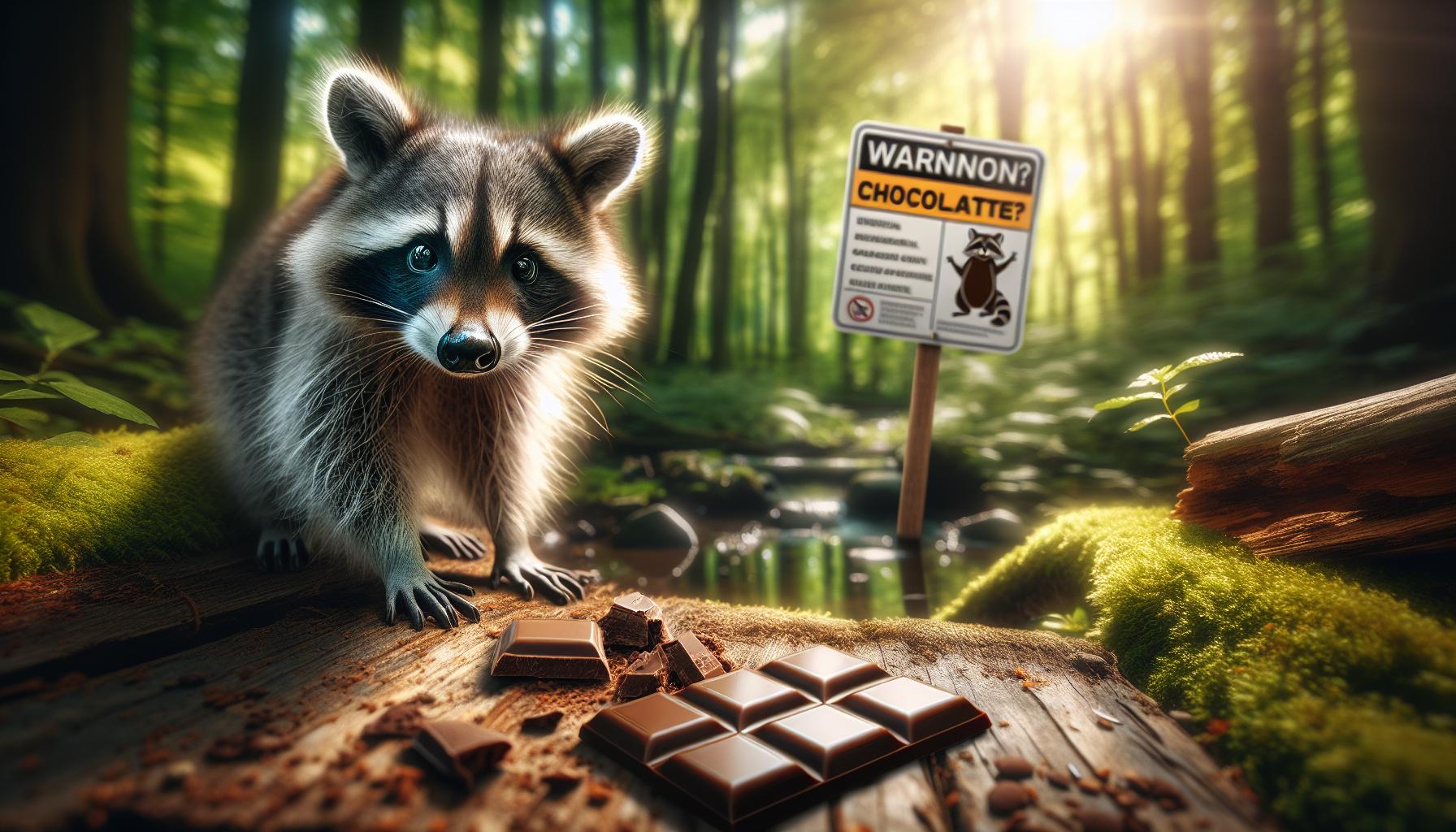
Contents
- 1 The Dangers of Chocolate for Raccoons
- 2 Understanding Raccoon Anatomy and Metabolism
- 3 What Happens When Raccoons Eat Chocolate?
- 4 Signs of Chocolate Poisoning in Raccoons
- 5 Safe Treat Alternatives for Raccoons
- 6 How to Keep Raccoons Away from Chocolate
- 7 The Importance of a Balanced Diet for Raccoons
- 8 Common Misconceptions About Raccoon Diets
- 9 Rescuing Injured Raccoons: What to Do
- 10 Raccoons in the Wild: Feeding Behavior and Diet
- 11 Understanding the Legalities of Keeping Raccoons as Pets
- 12 Frequently asked questions
- 13 To Wrap It Up
The Dangers of Chocolate for Raccoons
Chocolate is a beloved treat for humans, but for raccoons, it can be a deadly confection. While it may seem harmless to share a few scraps with these curious critters, chocolate contains theobromine and caffeine, both of which are toxic to raccoons and other animals. Unlike humans, raccoons metabolize these compounds very slowly, making even a small amount of chocolate potentially fatal. This metabolic difference means that the danger is not just theoretical; incidents of chocolate poisoning in raccoons can lead to serious health consequences and, in many cases, death.
The symptoms of chocolate poisoning in raccoons can manifest within a few hours of consumption. An affected raccoon may exhibit restlessness, rapid heart rate, or muscle tremors. In severe cases, seizures and cardiac arrest may follow as the toxins build up in their system. Understanding these risks highlights why it is crucial for pet owners and wildlife enthusiasts to avoid feeding raccoons any food that is chocolate-based or contains cacao. Taking extra precaution to secure trash and avoid leaving tempting treats within reach can protect these animals from the risks of chocolate ingestion.
Strong educational efforts can significantly help prevent accidental poisonings. Ensure that your community understands the dangers associated with feeding raccoons human foods, particularly chocolate. By taking a proactive role in raccoon care and education, individuals can help safeguard the well-being of these clever and captivating woodland companions while enjoying their presence in a responsible manner.
Understanding Raccoon Anatomy and Metabolism
Raccoons are fascinating creatures, known for their dexterous front paws and intelligence, which rival that of many domestic pets. However, their unique anatomy and metabolic processes can lead to severe health issues when they consume certain human foods, especially chocolate. Unlike humans, whose bodies can efficiently process theobromine and caffeine found in chocolate, raccoons possess a significantly slower metabolism. This difference makes them highly susceptible to the toxic effects of these compounds.
A raccoon’s digestive system is adapted for an omnivorous diet, allowing them to eat a wide range of foods from fruits and nuts to insects and small animals. Their stomachs are not built to handle the same high-fat, high-sugar content found in many human treats, particularly chocolate. This mismatch can lead to gastrointestinal upset and more severe systemic reactions when attempting to digest substances they are not evolutionarily designed to process. Moreover, raccoons’ liver functions are also critical, as their bodies rely on this organ to filter out toxins. The obstructions created by the toxic substances in chocolate can overwhelm their liver, leading to life-threatening conditions.
When addressing the risks associated with raccoons consuming chocolate, it is crucial to understand not just their delicious curiosity but also the dangerous consequences of sharing such treats. Pet owners and wildlife enthusiasts alike should prioritize providing raccoons with a balanced diet tailored to their natural foraging behavior. This ensures that their nutritional needs are met without exposing them to the dangers of foods, like chocolate, which can lead to severe poisoning episodes and necessitate veterinary intervention.
To keep these remarkable animals healthy, consider creating a feeding environment rich in natural foods. You can offer raccoons safe treats such as fruits and vegetables that mimic their wild diet. Avoid any high-sugar or fatty human foods, especially chocolate. Communities can significantly reduce the risk of accidental poisoning by educating others about the importance of raccoon-friendly feeding practices, thereby enhancing the health and safety of these intelligent creatures in both wild and domestic settings.
What Happens When Raccoons Eat Chocolate?
Feasting on chocolate may evoke joyous memories for many humans, but for raccoons, it can spell disaster. The delectable treat contains theobromine and caffeine-two substances that, while harmless to us, can wreak havoc on a raccoon’s delicate metabolic system. When a raccoon ingests chocolate, its body struggles to process these compounds due to its slow metabolism, leading to a range of toxic effects that can be both immediate and severe.
Once chocolate enters a raccoon’s system, the theobromine quickly begins to affect its heart and nervous system. Symptoms may not be immediately evident, as it can take several hours for the toxic effects to manifest. In many cases, the first sign of trouble is restlessness or hyperactivity. As the situation progresses, more alarming symptoms may appear, including muscle tremors, seizures, or even elevated heart rates that can lead to serious cardiovascular distress. In severe cases, ingestion can be fatal if not addressed promptly.
It’s vital for pet owners and those who care for raccoons to understand the gravity of this situation. A raccoon’s liver is the organ responsible for filtering out toxins, and the presence of theobromine can overwhelm it, causing potential liver damage. Immediate veterinary attention is essential if a raccoon is suspected of consuming chocolate. Time is of the essence, as the sooner treatment begins, the better the chance of recovery.
Preventive measures are equally important. By maintaining a raccoon-friendly habitat that limits access to human food, especially sweets and chocolates, owners can significantly reduce the risk of accidental poisoning. Education on the dangers of feeding inappropriate foods is crucial in promoting the health and safety of raccoons in both domestic and wild environments. Understanding these dynamics not only helps protect these remarkable creatures but also enriches the overall experience of engaging with wildlife.
Signs of Chocolate Poisoning in Raccoons
When a raccoon ingests chocolate, it’s crucial for caretakers to recognize the signs of chocolate poisoning as quickly as possible to intervene effectively. The toxic compounds found in chocolate, specifically theobromine and caffeine, can lead to severe physiological disruptions in raccoons. Understanding the behavioral and physical changes that signal distress can mean the difference between life and death for these creatures.
Initially, a raccoon may exhibit signs of restlessness or increased hyperactivity shortly after chocolate consumption. This could manifest as erratic movements or an inability to settle down. As the toxins progress through their system, more concerning symptoms can become apparent. These may include muscle tremors, which often appear as involuntary shaking, and can escalate to seizures. Raccoons may also experience elevated heart rates, leading to cardiovascular issues that can be fatal without prompt treatment.
In addition to these dramatic signs, caretakers should be vigilant for a few other critical indicators of distress. The raccoon may display changes in appetite, refuse food, or appear lethargic and withdrawn. If you notice excessive drooling or vomiting, these symptoms can confirm that something is seriously amiss. It’s vital for anyone responsible for raccoons-whether in a household setting or in wildlife rehabilitation-to remain alert to these warning signs and act promptly.
Should you observe any combination of these symptoms, immediate veterinary care is essential. Bring the animal to a professional whether it’s a pet or a rescued wildlife. Remember, the sooner treatment is initiated, the better the chances of recovery. Recognizing the signs of chocolate poisoning not only protects the health of raccoons but also offers peace of mind to those who care for them. Educating yourself about these symptoms reinforces the critical nature of responsible raccoon care and the importance of avoiding feeding harmful substances like chocolate.
Safe Treat Alternatives for Raccoons
When seeking safe and enjoyable treats for raccoons, it’s essential to offer options that align with their dietary needs while avoiding hazardous substances like chocolate. The enchanting foraging behavior of raccoons illustrates their adaptability and curiosity-they are naturally omnivorous and thrive on a varied diet. Exploring safe alternatives can keep these clever creatures healthy and satisfy their inclination to snack.
One excellent substitute is fresh fruits and vegetables, which raccoons can enjoy in moderation. They particularly like berries, apples, and bananas, all of which are packed with vitamins and hydration. Vegetables like carrots and sweet potatoes not only provide essential nutrients but also serve as stimulating chew toys that can help maintain dental health. Moreover, these foods are far more aligned with a raccoon’s natural diet.
Another safe option includes lean protein sources such as cooked chicken, turkey, or fish. These proteins deliver essential amino acids necessary for muscle development and overall well-being. It’s crucial to avoid any seasonings, sauces, or bones, as these can be harmful. Offering small pieces of boiled eggs can also serve as a delightful treat and a great protein boost.
Furthermore, consider commercial raccoon diets or treats specifically formulated for their nutritional requirements. These products are designed to provide a balanced mix of essential vitamins and minerals. Always read the labels to ensure that they contain no harmful additives or preservatives. Offering these treats can enhance enrichment activities and prevent boredom, all while ensuring that the raccoon receives proper nutrition.
Always remember to introduce new foods gradually to avoid upsetting a raccoon’s digestive system and to observe how they react. Utilizing these safe alternatives will help satisfy a raccoon’s natural curiosity and foraging behavior, while ensuring their health and safety. In the realm of wildlife care, knowledge is power, and the right treats can make a palpable difference in the well-being of these endearing animals.
How to Keep Raccoons Away from Chocolate
To protect raccoons from the dangerous effects of chocolate, it’s essential to create an environment that discourages unwanted access to this harmful treat. Raccoons are notorious for their curiosity and dexterity, often getting into places you wouldn’t expect. Here are some effective strategies to keep them away from chocolate and other unsafe foods.
Secure Food Storage
Ensure that all food, especially items containing chocolate, is stored securely. Use tamper-proof containers or heavy-duty trash cans with tight-fitting lids. Raccoons are skilled at opening weak lids or pulling down bags, so any gap or unsecured trash can serve as an invitation.
Remove Attractants
Keeping the yard clean and free of food scraps is essential. Clear away any fallen fruit or leftover pet food from outside. Raccoons are drawn to scents, so keeping the area tidy can significantly reduce their interest in your property.
Use Natural Deterrents
Certain scents can repel raccoons. Consider using natural deterrents like citrus peels or vinegar, which can be effective in keeping unwanted wildlife at bay. Sprinkling cayenne pepper or other spicy substances around potential entry points can also dissuade raccoons from coming near.
Block Entry Points
Inspect your home and yard for potential entry points that raccoons might utilize, such as gaps in fences, holes in sheds, or openings in attics. Seal these gaps to prevent access, ensuring that raccoons cannot enter and scavenge for food within your property or trash.
By taking proactive measures to secure your food and environment, you can help safeguard raccoons from the dangers of chocolate. Remember, while raccoons are fascinating and intelligent creatures, their health must be prioritized by preventing access to harmful foods.
The Importance of a Balanced Diet for Raccoons
Maintaining a balanced diet is crucial for the health and well-being of raccoons, creatures known for their omnivorous eating habits and remarkable adaptability to various environments. Unlike humans, raccoons metabolize food differently; their digestive systems are finely tuned to handle a wide variety of nutrients. A well-rounded diet not only supports their daily energy needs but also enhances their immune system, fosters healthy growth, and promotes longevity.
In the wild, raccoons are foragers, consuming an eclectic mix of foods ranging from fruits and insects to small animals and human refuse. This dietary diversity allows them to thrive in various habitats. It’s essential for their health that pet raccoons, or those resembling wild counterparts, replicate this nutritional variety as closely as possible. A proper diet can include staple foods such as lean meats, fruits, and vegetables, which provide vital vitamins and minerals necessary for their survival and vitality.
Key Components of a Balanced Diet:
- Proteins: Essential for muscle development and energy, proteins can come from sources like chicken, fish, or commercially prepared raccoon food.
- Fruits and Vegetables: These provide necessary vitamins. Safe options include berries, apples (without seeds), and leafy greens.
- Fats: Healthy fats, such as those found in nuts and seeds, contribute to a raccoon’s energy needs.
- Water: Fresh, clean water should always be available as it is vital for hydration and overall health.
Raccoons’ dietary needs can vary based on age, activity level, and whether they are in a wild or domestic setting. Regularly providing balanced nutrition helps prevent obesity and related health issues, ensuring that these curious creatures lead healthy, active lives. By prioritizing a balanced diet and understanding their nutritional needs, raccoon caretakers can significantly contribute to their pets’ overall health and happiness, avoiding the dangers of inappropriate foods, like chocolate, that can cause serious harm.
Common Misconceptions About Raccoon Diets
Despite their inquisitive nature and penchant for scavenging, many myths persist about what raccoons can safely eat. One of the most dangerous misconceptions is the belief that raccoons can consume food meant for humans with little to no consequences. While raccoons are opportunistic omnivores, their dietary needs differ significantly from ours, and many human foods-especially those rich in sugar, fat, and certain toxins-can lead to severe health issues.
One prevalent myth is that raccoons can thrive on a diet consisting solely of leftovers and trash. While it’s true that raccoons will often rummage through garbage for their next meal, relying on such a diet can lead to malnutrition and obesity. A balanced diet must include a variety of fresh fruits, vegetables, proteins, and fats. The fatty and sugary foods often found in human diets can cause liver damage and other metabolic disorders in raccoons, leading to tragic outcomes.
Another misconception centers around the notion that all fruits and vegetables are safe for raccoons. In reality, certain foods-like chocolate, grapes, and avocados-are toxic and can lead to serious health repercussions. It’s crucial for raccoon caregivers to research which foods are safe and include them in a balanced diet to avoid potentially lethal poisoning. Always focus on whole, natural foods that mimic a raccoon’s wild diet while steering clear of harmful human treats.
Moreover, some people mistakenly believe that raccoons can be trained to eat anything without consequence, overlooking their complex dietary needs. It’s essential to understand that raccoons have specific nutritional requirements that need to be met to maintain their health. Educating oneself about proper raccoon nutrition not only helps in caring for wild visitors but also supports responsible pet ownership for those who consider these fascinating animals as companions. By debunking these misconceptions, pet owners can ensure a healthier, happier life for their raccoons, steering clear of the perils associated with an unbalanced diet.
Rescuing Injured Raccoons: What to Do
When encountering an injured raccoon, swift and informed action can make a critical difference in their recovery chances. These resilient creatures, known for their adaptability and intelligence, often find themselves in precarious situations-be it from vehicle collisions, entrapment, or harmful food ingestion. Recognizing the signs of injury and understanding how to assist is essential for any wildlife enthusiast or concerned citizen.
If you see a raccoon that appears to be injured, it’s crucial to first assess the situation from a safe distance. Observe for signs of distress, such as lethargy, unusual behavior, or difficulty moving. If the animal is in immediate danger, such as in a busy road, carefully ensure the area is secure before proceeding. Remember, raccoons are wild animals and can react unpredictably if they feel threatened.
Here’s what to do if you decide to assist:
- Contact Wildlife Rehabilitation Centers: The first step is to contact a local wildlife rescue or rehabilitation center. These organizations are equipped to handle and rehabilitate injured wildlife. Provide them with specific details about the raccoon’s condition and where it is located.
- Avoid Direct Handling: Do not attempt to handle the raccoon yourself. Wild animals can be carriers of diseases such as rabies, and their instinctive reactions can lead to bites or scratches.
- Create a Safe Space: If possible, create a safe and quiet area nearby where the raccoon can remain undisturbed until professionals arrive. Ensure that there are no accessible threats, such as dogs or vehicles, nearby.
- Keep Others Away: It’s important to keep other people and pets away from the location to reduce stress for the injured raccoon.
In cases where the raccoon shows signs of chocolate ingestion, note the situation carefully. Chocolate is toxic to raccoons, leading to severe health crises. If any person has inadvertently fed a raccoon chocolate, relay this information to the wildlife rehabilitators as it is vital for their treatment plan.
Recovering an injured raccoon takes patience, knowledge, and respect for their wild nature. While the impulse to help is commendable, following proper procedures and seeking assistance from professionals ensures the best chance of recovery for these magnificent creatures. By understanding how to respond to injured wildlife responsibly, you can contribute positively to their well-being and survival in the wild.
Raccoons in the Wild: Feeding Behavior and Diet
Raccoons are often celebrated for their remarkable dexterity and intelligence, which makes them incredibly adept at foraging for food in various environments. In the wild, they exhibit omnivorous feeding behaviors, indulging in a rich and varied diet that reflects their opportunistic nature. This adaptability allows them to thrive in diverse habitats, from forests and wetlands to urban areas, where they often exploit human food sources. Notably, raccoons possess a unique physiological trait: a high level of sensory perception and nimble forepaws that enable them to manipulate objects and access food within intricate environments.
In their natural foraging expeditions, raccoons consume a plethora of food items, including fruits, nuts, seeds, insects, crustaceans, and small vertebrates. They are particularly fond of high-calorie foods, which are crucial for supporting their high metabolism. However, introducing foreign substances, such as chocolate, into their diets can have devastating effects. Chocolate contains theobromine, a compound that is highly toxic to raccoons and can lead to severe health complications or even death. It’s essential for wildlife enthusiasts to recognize the dangers of human food, as these beloved creatures may seek out easily accessible items like chocolate, unaware of the risks involved.
When considering raccoon diets, it’s also critical to dispel common misconceptions. Some people might view raccoons as garbage eaters and assume they can survive on scraps alone, but a balanced diet is vital for their health. Raccoons need an array of nutrients found in different food categories, and reliance on unhealthy human foods can lead to nutritional deficiencies and associated health problems. Therefore, if you encounter raccoons in your area, it’s essential to respect their natural behaviors and avoid feeding them human foods, especially toxic items like chocolate. Instead, encouraging natural feeding behaviors by leaving natural food sources available, such as fruits or nuts, can foster healthier interactions with these fascinating animals.
In conclusion, understanding the feeding behavior and dietary needs of raccoons enhances our appreciation for their role in the ecosystem, while also highlighting the importance of keeping potentially harmful foods out of their reach. By protecting raccoons from toxic food and ensuring they have access to their natural diet, we contribute to their survival and well-being in the wild.
Understanding the Legalities of Keeping Raccoons as Pets
Many animal enthusiasts find raccoons utterly charming, drawn to their playful nature and remarkable intelligence. However, before considering bringing one of these wild creatures into your home, it’s crucial to understand the complex legal landscape surrounding their ownership. In many areas, keeping a raccoon as a pet is not just a matter of preference-it can be illegal. Laws vary widely by country, state, and municipality, often reflecting concerns for public safety, wildlife conservation, and animal welfare.
In the United States, for example, some states outright prohibit ownership of raccoons, while others allow it with specific permits or licenses. These legal requirements are often in place due to the potential health risks associated with raccoons, including zoonotic diseases such as rabies or raccoon roundworm. For anyone considering a raccoon as a pet, it’s essential to check local regulations thoroughly. Failing to comply can result in hefty fines or the confiscation of the animal.
If legislation permits raccoon ownership in your area, prospective owners should still consider the responsibilities involved. Raccoons are not domesticated animals and require specialized care that mimics their natural habitat. They need to maintain a balanced diet, engage in mental and physical activities, and receive social interaction to thrive. Moreover, understanding their diet is crucial since, as discussed, foods like chocolate can be toxic.
For those who do navigate the complexities of legal ownership, establishing a safe and healthy environment is vital. This includes ensuring secure enclosures to prevent escapes and to avoid interactions with wild raccoon populations. Always seek advice from wildlife experts or veterinarians with experience in exotic species to create a nurturing atmosphere that respects their wild nature while fulfilling their biological and emotional needs.
Frequently asked questions
Q: Why is chocolate toxic to raccoons?
A: Chocolate contains theobromine and caffeine, compounds that are toxic to raccoons and other mammals. These substances can cause severe health issues, including cardiac problems and neurological disturbances, which can be life-threatening if ingested.
Q: What should I do if a raccoon eats chocolate?
A: If a raccoon consumes chocolate, contact a wildlife veterinarian or local animal control immediately. Quick action is essential, as symptoms of chocolate poisoning can develop rapidly and may require professional treatment.
Q: How do I know if a raccoon is suffering from chocolate poisoning?
A: Symptoms of chocolate poisoning in raccoons include vomiting, restlessness, rapid breathing, and seizures. Observing these signs requires immediate veterinary attention, as timely intervention can be lifesaving.
Q: Are there any safe foods I can give to raccoons instead of chocolate?
A: Yes, safe alternatives for raccoons include fruits like apples and berries, vegetables such as carrots, and commercially prepared raccoon food. Offering a balanced diet ensures their health without exposing them to harmful substances.
Q: Can wild raccoons find and eat chocolate?
A: Yes, wild raccoons are opportunistic feeders and may encounter chocolate in human habitats. This scavenging behavior poses risks to their health, making it crucial to prevent access to chocolate products in areas frequented by raccoons.
Q: What are safe ways to keep raccoons away from chocolate?
A: To deter raccoons from accessing chocolate, securely store human food indoors, use animal-proof trash bins, and avoid feeding wild raccoons. Maintaining a clean environment reduces the chance of attracting raccoons to hazardous food sources.
Q: Is it common for pet raccoons to crave chocolate?
A: Pet raccoons may show curiosity toward chocolate due to its sweetness; however, it is crucial to never give them chocolate. Educating pet owners about safe dietary habits is essential for their health and well-being.
Q: How can I create a healthy diet for my raccoon?
A: A healthy raccoon diet should primarily consist of fruits, vegetables, and specially formulated raccoon food. Ensuring a balanced intake of nutrients while avoiding harmful substances like chocolate is essential for their well-being. For more dietary tips, refer to the section on the importance of a balanced diet for raccoons in the main article.
To Wrap It Up
While it may be tempting to share a treat like chocolate with raccoons, it’s crucial to remember the dangers it poses to their health. Raccoons, being curious scavengers, must be kept safe from harmful foods. If you’ve been wondering how to care for raccoons or what else they should avoid, check out our articles on keeping raccoons healthy and the common myths surrounding their diets.
Feeling inspired to learn more about wildlife and responsible pet care? Subscribe to our newsletter for updates on the latest research and expert advice. Have questions or experiences to share? We encourage you to leave a comment below-your insights could help others in the community! Remember, your choices can make a difference in the lives of these adorable creatures. Explore our site for additional resources on raccoon behavior, habitat, and their fascinating lives in the wild. Your adventure into understanding wildlife starts now!


