


Did you know that bears and dogs share a common ancestry that dates back millions of years? Despite their differences, both belong to the order Carnivora and share intriguing evolutionary ties that reveal much about their behaviors and biology. Understanding this relationship can deepen our appreciation for these magnificent creatures and inform pet owners about the wild instincts and traits that may linger in their canine companions.
As fascinating as their ancestry is, many pet owners are unaware of how these connections might influence their dogs’ behaviors or their care needs. By exploring the surprising similarities and differences between bears and dogs, we not only uncover the wonders of animal evolution but also gain insights that can enhance our relationships with our pets. Join us on this journey of discovery as we delve into the remarkable world of bears and dogs, illuminating their shared paths and unique characteristics!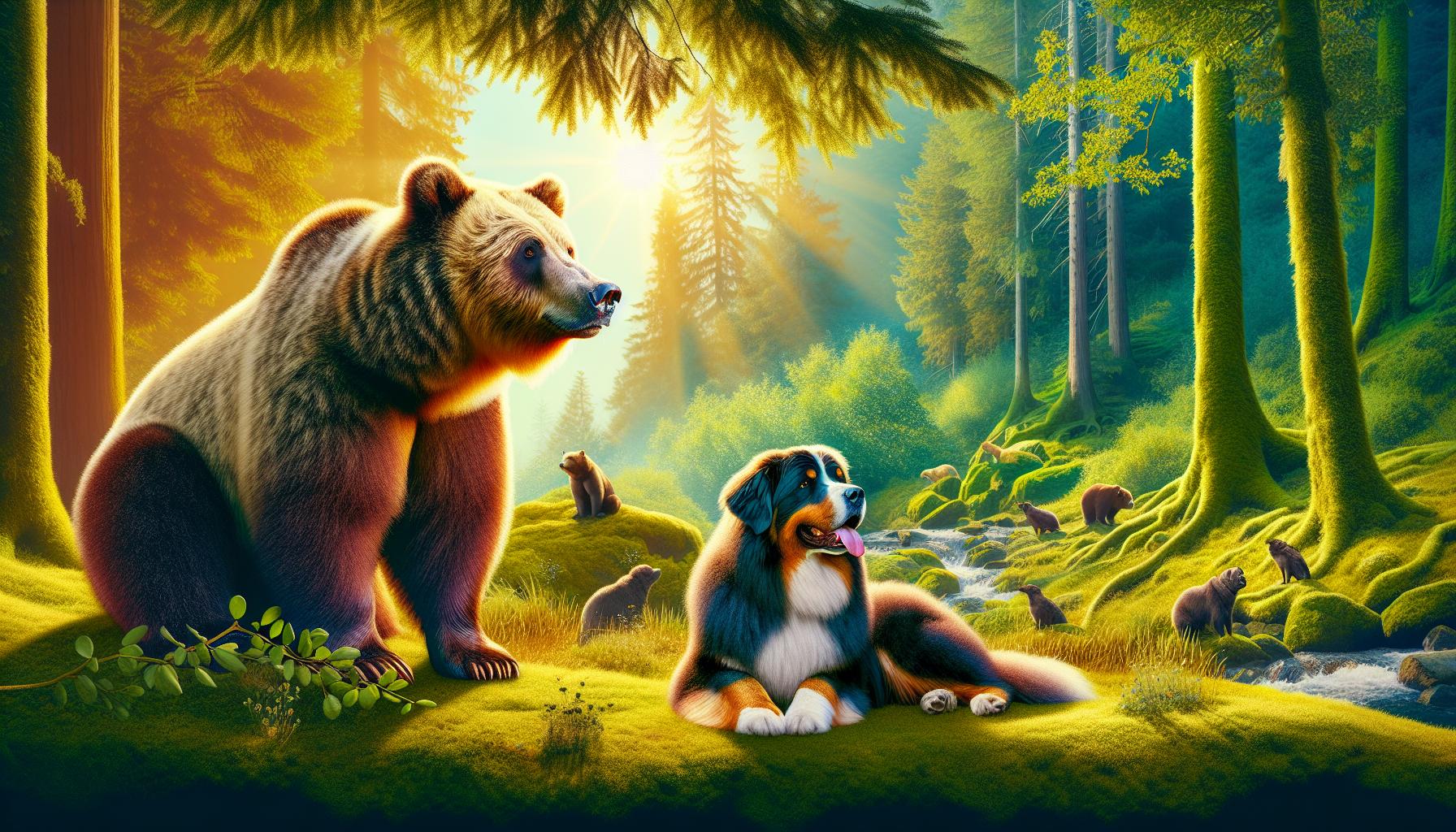
Contents
- 1 Physical and Genetic Similarities Between Bears and Dogs
- 2 The Evolutionary Journey: From Ancestors to Modern Breeds
- 3 Remarkable Behavioral Traits: Bears vs. Canines
- 4 The Role of Domestication: How Dogs Diverged
- 5 Dietary Connections: What Bears and Dogs Eat
- 6 Social Structures: How Bears and Dogs Relate in Packs
- 7 The Science of Communication: Understanding Their Language
- 8 Fascinating Facts: Lesser-Known Links Between Bears and Dogs
- 9 Conservation and Care: Lessons from Bear Habitats for Dog Owners
- 10 Myth-Busting: Common Misconceptions About Bears and Dogs
- 11 Implications for Pet Ownership: Insights from Bear Biology
- 12 Frequently asked questions
- 13 In Summary
Physical and Genetic Similarities Between Bears and Dogs
The bond between bears and dogs traces back to their shared ancestry, sparking intrigue and fascination for many animal lovers. Both are part of the Caniformia suborder, which includes various carnivore families that exhibit some notable physical and genetic traits. Understanding these similarities can not only enhance our appreciation of these species but also inform responsible pet ownership and wildlife conservation.
Bears and dogs both have physical characteristics that reflect their predatory lifestyles. Both animals possess strong limbs, sharp claws, and acute senses that are essential for hunting and foraging. Bears, with their powerful bodies and robust build, are designed for strength, allowing them to tackle large prey and navigate vast landscapes. In contrast, dogs have a wider variety of body shapes and sizes due to selective breeding, but they also retain strong limbs suited for running and jumping. The genetic makeup of both groups reveals similarities in certain genes responsible for muscle composition and coat types, highlighting their common lineage despite vast differences in size and habitat.
Moreover, behavioral traits offer another layer of connection. Both bears and canines exhibit social behaviors, such as playfulness, nurturing instincts, and complex communication signals. Dogs are known for their pack mentality, which fosters strong social bonds among group members. Similarly, certain bear species, like the American black bear, display social behaviors during foraging and nurturing their young. Understanding these behaviors can be beneficial for pet owners who strive to replicate enriching environments that stimulate social interaction, thereby enhancing the care and well-being of their pets.
Recognizing the physical and genetic similarities between these two groups can enrich our understanding of their roles in ecosystems and their conservation needs. As caretakers of domestic dogs, adopting insights gleaned from bear biology can lead to better care practices, ensuring that our pets thrive while respecting the wild counterparts that share their lineage.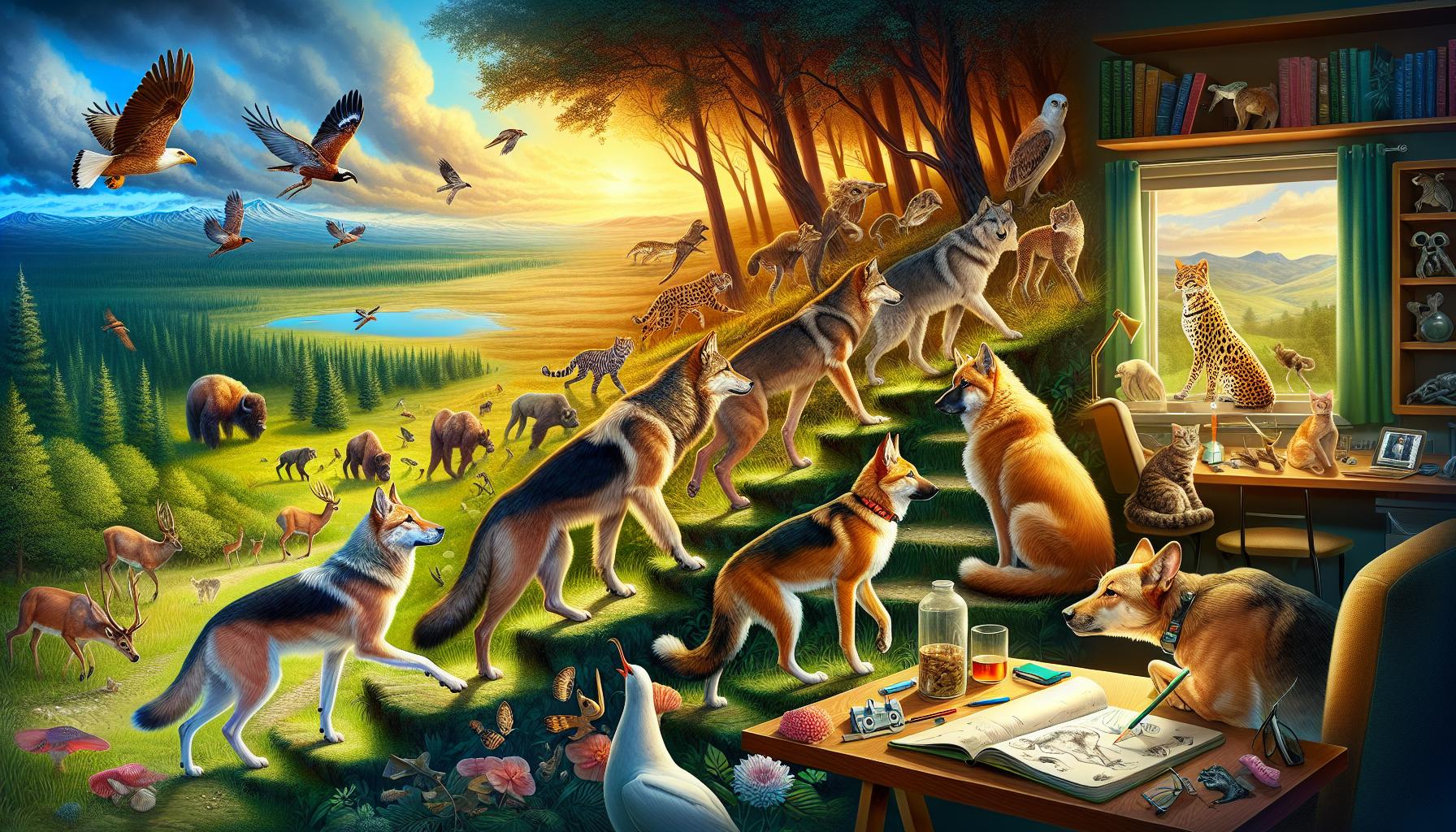
The Evolutionary Journey: From Ancestors to Modern Breeds
The evolutionary journey of bears and dogs showcases a captivating tale of adaptation and divergence, tracing back to a common ancestor that roamed the earth millions of years ago. Both belong to the suborder Caniformia, highlighting their close genetic ties, although they have followed distinct pathways that have shaped their current forms and behaviors. This ancestral link underpins many of their shared physical traits-strong limbs, acute senses, and the ability to thrive in varied environments-but also sets the stage for understanding their unique adaptations in terms of diet, behavior, and social structures.
As they evolved, bears and dogs adapted to different lifestyles reflecting their ecological niches. Bears, typically larger and more robust, have evolved to become omnivorous foragers, relying on their strength to hunt large prey and forage for roots, berries, and fish. In contrast, dogs have undergone significant domestication through selective breeding, leading to a remarkable diversity in breeds engineered for various roles-ranging from hunters and herders to companions. This domestication process has further emphasized certain behavioral traits within dogs, such as a heightened social instinct and trainability, which are less pronounced in their wild bear relatives.
The timeline of their evolution is marked not just by physical changes, but also by genetic adaptations that facilitated their survival strategies. For example, while both species share genes associated with the sense of smell, which is crucial for hunting and scavenging, dogs have an acute olfactory capability that has been exaggerated through breeding. In contrast, bears have developed traits that allow them to enter a state of hyperphagia-a phase where they eat excessively to prepare for hibernation. Understanding these differences fosters deeper insights into caring for dogs today, allowing pet owners to appreciate the instinctual behaviors and dietary needs that have evolved from this shared ancestry.
In practical terms, pet owners can draw important lessons from this evolutionary context. Recognizing that behaviors exhibited by domestic dogs often stem from their wild ancestors, owners can create environments that mimic aspects of these natural instincts. For instance, engaging dogs in activities that stimulate their foraging instincts-such as puzzle toys or scent trails-can provide mental enrichment that resonates with their evolutionary background. Meanwhile, being aware of the bear’s instinctive behavior, especially when dogs are present in natural environments, can assist in promoting safer encounters with wildlife, encouraging responsible pet ownership that respects the broader ecosystem.
Remarkable Behavioral Traits: Bears vs. Canines
While bears and dogs may appear vastly different on the surface, they share remarkable behavioral traits that hint at their common ancestry. Both species exhibit a range of instincts honed for survival in their respective environments. For instance, both bears and canines are territorial animals, often marking their domains through scent marking and vocalizations. This shared behavior stems from their need to communicate boundaries to others of their species-an instinct that resonates deeply within their respective social structures.
Instinctual Behaviors
Bears are known for their solitary nature, often coming together only for mating or a concentrated food source. Their behavior is driven largely by instincts shaped by the need to forage, hunt, and navigate their territories. In contrast, dogs, descendants of wolves, thrive in social packs. This pack mentality influences not only their hunting strategies but also their relationships with humans, making them highly trainable and eager to please. Understanding this distinction can help pet owners create environments that cater to their dogs’ social instincts-activities such as playgroups or training sessions that promote teamwork can appeal to their natural tendencies.
Communication Styles
When it comes to communication, both species utilize body language and vocalizations extensively. Bears often convey their emotions through postures and sounds, such as huffing or growling, which can signal everything from alarm to aggression. Dogs, on the other hand, have evolved a more complex set of vocalizations and behaviors to communicate with humans and other animals-think of the excited barks of a dog welcoming its owner home versus the low growl of a bear defending its territory. Dog owners can foster better communication with their pets by honing in on their body language and vocal cues, thereby strengthening the bond between them.
Play and Hunting
Play behavior serves a crucial role for both bears and dogs, fostering physical fitness and honing survival skills. Young bears engage in play-fighting to develop strength and dexterity needed for future hunting, while puppies often wrestle and chase each other, mimicking adult behaviors that will aid in their eventual roles as hunters or protectors. Incorporating play that simulates natural hunting or foraging activities-like hide-and-seek or fetch-can enrich a dog’s life and help fulfill its instinctual needs.
Understanding these behavioral traits not only enhances our appreciation of the wild instincts that lie beneath the surface but also guides responsible pet ownership. By creating enriching environments that resonate with their pets’ natural behaviors-whether through play, social interaction, or training-owners can better support the well-being of their dogs while acknowledging the fascinating connection they share with bears.
The Role of Domestication: How Dogs Diverged
The journey of domestication transformed the wild ancestors of dogs into the beloved companions we know today, creating a fascinating divergence from their bear relatives. Approximately 20,000 to 40,000 years ago, wolves began to establish a new relationship with humans, who offered food and shelter. This mutual benefit led some wolves to evolve traits favorable for living closely with people, marking the birth of domestic dogs. In contrast, bears, following their ecological paths, continued to live independently, adapting to their environments without human intervention.
Domesticated dogs exhibit a plethora of traits resulting from selective breeding focused on temperamental and physical characteristics. Breeding for specific functions, such as herding, hunting, and companionship, has led to a wide variety in size, shape, and behavior, diverging significantly from their wild ancestors. Features such as shorter muzzles, varying ear shapes, and a more diverse range of coat colors emerged as humans favored certain traits for specific tasks. Meanwhile, bears maintained their raw physical prowess and survival instincts, adapted for foraging, territorial defense, and seasonal behaviors.
Understanding the Divergence
While dogs and bears share a common ancestor, their evolutionary paths have made them fundamentally different in behavior and lifestyle. Dogs became more social and dependent on human interactions, relying on humans for sustenance and care. This domestication has sometimes led to challenges in understanding their needs; owners must address this dependency by providing appropriate socialization, training, and mental stimulation to help pets thrive.
Conversely, bears are solitary creatures with specialized diets suited for their environments, relying on seasonal food availability and territorial instincts. Recognizing these differences is crucial for effective wildlife conservation and understanding how human encroachment affects bear habitats. For pet owners, there are lessons to be learned from the bear’s self-sufficient nature-encouraging independence in dogs through structured activities and play can bolster their confidence and wellbeing.
In summary, the role of domestication not only highlights the incredible adaptability of species but also serves as a guide for owners in providing enriched and fulfilling lives for their dogs, taking inspiration from the robust behaviors of their wild counterparts. Embracing and understanding these evolutionary connections encourages a deeper appreciation of both dogs and bears, fostering respect for their unique needs and behaviors.
Dietary Connections: What Bears and Dogs Eat
Bears and dogs, despite their different lifestyles and habitats, share some surprising dietary connections rooted in their evolutionary past. Both species belong to the order Carnivora, which influences their nutritional needs, but their diets diverge significantly based on their ecological adaptations. Understanding these differences can help pet owners make informed choices about dog nutrition and may even draw parallels to the wild diets of bears.
Bears are omnivores, with diets varying greatly depending on the species and the environment they inhabit. For example, black bears primarily consume a wide variety of plants, fruits, nuts, and insects, supplemented by small mammals or carrion when available. Grizzly bears, on the other hand, are known for their seasonal diets that can include salmon during spawning runs, which provides essential proteins and fats. Their ability to adapt their diet with changing seasons is crucial for their survival, enabling them to store fat for hibernation.
In contrast, domestic dogs, having evolved alongside humans, have more varied diets influenced by their roles as companions and working animals. While dogs are descendants of wolves and share some dietary similarities, their modern diet is often high in carbohydrates, proteins, and fats, aligning with human food practices. This means that pet owners need to cater to dietary needs based on their dog’s age, size, and activity level, balancing between premium dog foods and home-cooked meals, ensuring that they receive essential nutrients akin to their wild ancestors.
When considering dietary needs, it is vital for dog owners to focus on high-quality protein sources, like lean meats, poultry, and fish, which can parallel the protein-rich aspects of a bear’s diet, especially for breeds known for their energetic and active lifestyles. Moreover, incorporating elements like fruits and vegetables can enhance their meals, providing vitamins and minerals akin to what bears naturally forage in their environments.
Recognizing the dietary connections between bears and dogs not only offers valuable insight into their nutritional needs but also underscores the importance of understanding animal health through a lens of evolution. By embracing these connections, dog owners can foster better health outcomes for their pets, inspired by the resilient and adaptive dietary habits of their wild counterparts.
Social Structures: How Bears and Dogs Relate in Packs
In the animal kingdom, social structures can greatly influence the behavior and well-being of different species. While bears and dogs exist primarily in distinct environments and social frameworks, they share some intriguing similarities influenced by their shared ancestry. Both bears and dogs belong to the Caniformia suborder, leading to certain commonalities in how they organize themselves socially, albeit manifested differently based on their lifestyles and ecological needs.
Bears are typically solitary creatures, preferring to roam large territories alone or with their offspring. However, they can exhibit social behaviors during specific times, such as during the abundance of food sources or mating seasons. For instance, grizzly bears are known to congregate in areas with plentiful food, such as salmon streams, where they can interact and establish a loose social hierarchy based on size and strength. This occasional sociality contrasts sharply with domestic dogs, who thrive in more structured social groups.
In the canine world, dogs exhibit complex pack dynamics influenced by their ancestry, stemming from wolves. They often live in groups where social bonds are critical for various activities, such as hunting, protecting territory, and rearing young. In a pack, dogs rely on a hierarchy that helps maintain order and facilitates cooperation. This structure is usually led by a dominant male and female, known as the alpha pair, who govern the pack’s activities. This social organization significantly influences their behavior, making them more adaptable to human companionship and training, as their instinctive need for social structure aligns well with the companionship roles that dogs have taken on alongside humans.
The understanding of how both bears and dogs relate to social structures can offer valuable insights to pet owners. Dogs, with their pack-oriented nature, benefit from structured routines and clear training methods that mimic their natural instincts. Engaging dogs in socialization with other dogs and people can enhance their emotional well-being, much like how bears adapt their behavior in social contexts. Observing a dog’s social interactions can also provide clues for adjusting training approaches and improving their behavior and responsiveness.
Moreover, pet owners can learn from the behaviors of bears as well. Even though they are solitary, understanding a bear’s preference for personal space and territory can help dog owners recognize when their pets may need downtime or feel overwhelmed in crowded situations. Creating a safe environment that respects these instincts can lead to happier and healthier dogs, echoing the importance of social structures in wildlife.
Through these parallels and distinctions in social structures, we can gain a deeper appreciation for the intricate connections between bears and dogs, highlighting both the inherent wildness present in our pets and the need for understanding and nurturing their social needs within a domestic setting.
The Science of Communication: Understanding Their Language
Understanding the ways in which bears and dogs communicate unveils fascinating insights into their behaviors and evolutionary adaptations. Both animals rely on a rich tapestry of vocalizations, body language, and scent markings to convey information, albeit in ways that reflect their unique lifestyles and environmental demands. For instance, while dogs have developed a complex set of sounds ranging from barks to whines, bears utilize a more limited yet effective repertoire, including growls, huffs, and grunts, to express emotions such as aggression or contentment.
Vocal Communication
Dogs communicate primarily through vocalizations, each serving a unique purpose. Barking can indicate excitement, alarm, or the desire for attention, while whining often expresses anxiety or the need for comfort. For pet owners, recognizing these sounds is crucial in understanding their dog’s emotional state and responses to different stimuli. In contrast, bears use vocalizations more for communication within their limited social interactions. For example, a mother bear may huff to call her cubs or signify discontent, while a growl can deter rivals or warn of danger.
Body Language
Body language is another critical aspect of animal communication. Dogs utilize an extensive range of postures and movements to express their feelings. A wagging tail often indicates happiness or excitement, while a lowered body posture can signal submission or fear. Observing your dog’s body language can provide immediate insights into their mood and comfort level in various situations. Bears, though more solitary, also communicate through body language. A bear standing on its hind legs is not necessarily being aggressive but is often assessing its surroundings. Understanding these cues is vital for both species, highlighting their innate ability to signal their intentions and emotional states effectively.
Scent Markers
Scent plays a pivotal role in the communication of both species, grounding their interactions in their olfactory capabilities. Dogs possess a highly developed sense of smell, using scents to gather information about their environment and communicate with one another through urine marking and pheromones. On the other hand, bears also rely heavily on scent, marking their territory with secretions from scent glands or by rubbing against trees. This signaling system allows bears to communicate their presence to other bears without direct interaction, ensuring effective territorial management.
In understanding these communication methods, pet owners can enhance their relationship with their dogs by become attuned to the nuances of their vocalizations and body language. Additionally, appreciating the communication styles of bears can inform how owners create safe spaces for their pets, acknowledging their need for both social interaction and solitude. By fostering an environment that respects these instinctual communication practices, pet owners can cultivate a stronger bond with their dogs, ensuring a harmonious coexistence that celebrates their shared ancestry and distinct characteristics.
Fascinating Facts: Lesser-Known Links Between Bears and Dogs
While bears and dogs may seem worlds apart in terms of behavior and habitat, they share a surprising number of links that reveal their evolutionary relationship. Both belong to the order Carnivora, which suggests they share a common ancestor dating back about 50 million years. This ancient kinship provides fascinating insights into their similarities, including aspects of their physical traits, social structures, and instincts.
For instance, the Karelian Bear Dog, a breed originating in Finland, was specifically bred for hunting bears and stands as a testament to these connections. With a stocky build and a keen sense of smell, this breed exemplifies how dogs have adapted characteristics that resonate with their wild ancestors, making them proficient at tracking game similar to their bear cousins. Much like bears, this breed displays formidable loyalty and protective instincts when it comes to family.
Both bears and dogs exhibit a variety of complex social behaviors. Bears, primarily solitary creatures, possess a certain degree of sociality during the mating season or in their nurturing of cubs. Similarly, dogs, although domesticated, have an innate pack mentality and thrive on social interactions. This instinctive behavior can see dogs forming close bonds within their human families, mimicking the social structures seen in animal packs. Furthermore, both species engage in play as a critical aspect of learning and socialization. Observing these playful interactions can provide pet owners with valuable insights into their dogs’ emotional states and behavior patterns.
Communication and Senses
Beyond social structures, the way both species communicate is rooted in their shared ancestry. Both bears and dogs utilize a rich combination of vocalizations and body language to express themselves. While dogs bark, whine, or growl, bears use growls, huffs, and other vocalizations to communicate their feelings. Interestingly, both rely heavily on scent-dogs have an exceptionally keen sense of smell, while bears utilize scent to mark territory and communicate with each other, highlighting another commonality in their behavior. Understanding these communication methods can enhance interactions between dogs and their owners, fostering stronger human-animal bonds.
In light of these connections, it’s clear that both bears and dogs, despite their different lifestyles, demonstrate intriguing parallels that enrich our understanding of animal behavior. Recognizing these traits can not only deepen one’s appreciation for wildlife but also guide responsible pet ownership practices, ensuring the well-being and emotional health of domestic dogs as they navigate their roles in human families.
Conservation and Care: Lessons from Bear Habitats for Dog Owners
The environments that bears inhabit offer intriguing lessons for dog owners, shedding light on how habitat impacts behavior, health, and well-being. Bears, as apex predators, thrive in diverse ecosystems ranging from lush forests to open tundras. These habitats are essential not only for their physical survival but also for their behavioral enrichment-elements that can provide valuable insights for enhancing the lives of domestic dogs.
One of the primary lessons is the importance of space for both mental and physical health. In the wild, bears roam vast distances, engaging in natural behaviors critical for their well-being. Dogs, while domesticated, also benefit from ample space and stimulating surroundings. Creating an environment that allows for exploration is vital. This can be achieved through regular outdoor activities, providing safe areas where dogs can run, play, and interact with their surroundings. Incorporating elements of nature into walks-like varied terrains or park visits with scents from trees and other wildlife-can significantly enhance your dog’s sensory experiences.
Additionally, the social structures observed in bear populations can be mirrored in canine care. Bears may be solitary yet form connections during mating season or while raising cubs. Dogs, inherently social animals, thrive on positive interactions with other dogs and humans. Organizing playdates, dog parks visits, and group training sessions can facilitate social bonding and enrichment. Just as bears engage in communication through vocalizations and body language, enhancing your dog’s communication skills through training and socialization fosters a healthier relationship.
Lastly, understanding dietary needs rooted in wild bear diets can guide dog owners in providing balanced nutrition. Bears are omnivorous, consuming various foods that contribute to their overall health. Similarly, a well-rounded diet for dogs-rich in protein, fiber, and essential nutrients-is crucial. Consulting with veterinarians about dietary choices, incorporating natural foods, and avoiding excessive processed products can lead to healthier, happier pets. By adopting these conservation lessons and practices from the bear kingdom, dog owners can create nurturing environments that support their canine companions’ emotional and physical well-being.
Myth-Busting: Common Misconceptions About Bears and Dogs
Despite their physical similarities, it is crucial to address several misconceptions regarding the relationships and behaviors of bears and dogs. One common myth is that bears and dogs belong to the same family and share similar temperaments. In reality, while both species fall under the broader classification of carnivores, they belong to separate families-Ursidae for bears and Canidae for dogs. This classification underscores significant differences not only in their evolutionary paths but also in their inherent behaviors.
Another prevalent misconception is that dogs and bears communicate in the same way. While both species utilize body language and vocalizations, the context and meaning can vary dramatically. Bears are typically more solitary, employing their communication methods mainly during mating or cub-rearing periods. In contrast, dogs are highly social animals, often requiring social interactions to thrive. Therefore, pet owners should recognize that the communication style for dogs involves extensive social cues, which can help them engage positively with other animals and humans.
Furthermore, many people mistakenly believe that dogs are naturally aggressive towards bears, which can lead to dangerous situations. It’s essential to understand that most bear species are generally shy or reclusive, often avoiding encounters with dogs unless provoked. In fact, dogs can exhibit curiosity or even fear when faced with a bear, prompting instinctive flight rather than aggression. Educating dog owners about proper training and responsible management in bear habitats can significantly reduce risks during outdoor excursions.
Lastly, there’s a myth that bears and dogs can be easily domesticated and raised together. This misconception can be dangerous, as bears are wild animals with instincts that cannot be fully tamed or adapted to domesticated life. Understanding the inherent behaviors and needs of both species is imperative for safe interactions and effective pet ownership. Acknowledging these distinctions not only fosters a deeper appreciation of wildlife but also empowers dog owners to create secure and enriching environments for their pets.
Implications for Pet Ownership: Insights from Bear Biology
Bears and dogs, while distinctly different in classification, share fascinating biological insights that can significantly influence pet ownership practices. Understanding the similarities and differences between these two species not only enriches our appreciation of wildlife but also informs responsible pet care, especially in shared habitats. For instance, both bears and dogs belong to the order Carnivora but represent separate families-Ursidae for bears and Canidae for dogs. This distinction is crucial in understanding their behavioral patterns, needs, and social structures.
One striking insight derives from examining the dietary habits of both species. Bears are omnivorous, relying on a varied diet that includes fruits, nuts, insects, and small mammals, depending on seasonal availability. Dogs, conversely, are more opportunistic carnivores, often requiring a protein-rich diet tailored to their health needs. Pet owners should be aware of these dietary requirements when considering what foods to feed their dogs, particularly if they live in areas where they might encounter bears. For example, dogs should not be fed outdoors as leftover food can attract bears, posing safety risks. Adopting practices that minimize food waste can help in reducing bear encounters and ensure a safer environment for both pets and wildlife.
Additionally, examining the behavioral traits of bears can offer valuable lessons for dog ownership. Bears tend to be solitary creatures with social interactions that are largely centered around mating and the rearing of cubs. In contrast, dogs thrive in social environments, requiring regular interaction to stay mentally stimulated and emotionally balanced. By understanding that dogs are inherently social animals, owners can create enriching environments that promote positive interactions with both humans and other pets. This includes regular socialization with other dogs, active engagement in play, and mental stimulation exercises, which can help mitigate behaviors that may arise from boredom or frustration.
Moreover, emerging from the connection between bears and dogs is the concept of communication. While both species utilize vocalizations and body language, the context differs. Bears will generally display their communication during specific situations, such as during breeding or when cubs are present, whereas dogs communicate their needs and emotions continually through a social lexicon that includes barking, whining, and various gestures. Pet owners should be attentive to their dogs’ cues and recognize the need for adequate training to channel these communications appropriately, fostering better understanding and interaction between pets and humans.
Incorporating insights from bear biology into pet ownership not only enhances the care provided to dogs but also promotes an understanding of wildlife dynamics. By recognizing how these insights influence daily practices, pet owners can create safer, more harmonious environments for their pets and foster a respect for the natural world surrounding them.
Frequently asked questions
Q: Are bears and dogs from the same family?
A: No, bears and dogs belong to different families within the order Carnivora. Bears are classified under the family Ursidae, while dogs belong to the family Canidae. However, they share some common ancestry, which links them within the suborder Caniformia, often referred to as “dog-like” carnivores [3[3].
Q: What do bears and dogs eat, and how do their diets compare?
A: Bears are omnivorous and consume a varied diet that includes fruits, plants, and small animals, while dogs, as domesticated animals, typically eat a balanced diet of meats and formulated pet food. Both species have adapted to their environments, influencing their dietary choices [3[3].
Q: Can bears and dogs communicate with each other?
A: While bears and dogs may not understand each other’s specific signals, both species use body language and vocalizations to communicate within their species. However, interspecies communication can lead to misunderstandings due to the differences in their signaling methods [3[3].
Q: What are the unique behavioral traits of bears compared to dogs?
A: Bears are generally more solitary and opportunistic compared to the pack-oriented behavior of dogs. Bears exhibit unique traits like hibernation, while dogs have developed complex social structures through domestication, enhancing their social behaviors [3[3].
Q: Are bears protective of their young like dogs?
A: Yes, both bears and dogs exhibit protective behaviors towards their young. Mother bears fiercely protect their cubs, while dogs demonstrate loyalty and protective instincts for their puppies. These parental instincts stem from their evolutionary adaptations to ensure offspring survival [3[3].
Q: What historical connections exist between bears and dogs?
A: Historically, both bears and dogs evolved from a common ancestor millions of years ago, leading to shared characteristics. However, they diverged in their evolutionary pathways, resulting in the distinct traits and behaviors observed today [1[1].
Q: How can dog owners learn from bear behaviors?
A: Dog owners can gain insights from bear behaviors, especially regarding social structures and environmental adaptation. Understanding how bears manage resources and protect their territory can inform dog training practices, promoting a more harmonious relationship between pets and their owners [3[3].
In Summary
As we’ve uncovered, the connection between bears and dogs highlights not only fascinating evolutionary ties but also shared behaviors that enrich our understanding of both species. If you’re intrigued by this relationship, dive deeper into our articles on canine care tips and the intricacies of wildlife behavior. Don’t miss out- subscribe to our newsletter for more insights into animal science that can help you become the best pet owner you can be.
Feel free to share your thoughts in the comments below. What surprises you most about the bond between these animals? Your engagement not only fuels our content but also builds a community united by a love for wildlife and responsible pet care. Explore more on our site, and discover how you can bring the wonder of nature into your everyday life while caring for your furry friends.


