


Did you know that Tasmanian devils are the world’s largest carnivorous marsupials? These fascinating creatures, native to Tasmania, boast fierce personalities and remarkable behaviors that captivate wildlife enthusiasts and pet owners alike. Understanding their wild nature not only enriches our appreciation for these unique animals but also underscores the importance of conservation efforts as they face threats from habitat loss and disease.
In this exploration of “All About Tasmanian Devils: Fierce Facts and Wild Behaviors,” we’ll delve into their intriguing lifestyles, social structures, and the remarkable adaptations that allow them to thrive in the wild. From their notorious vocalizations to their distinct feeding habits, every aspect of the Tasmanian devil’s life reveals its evolutionary wonders. Join us on this journey to uncover what makes these creatures truly extraordinary and learn vital insights that will enhance your understanding whether you’re a wildlife lover or considering their care as exotic pets.
Contents
- 1 The Fascinating World of Tasmanian Devils
- 2 Unique Physical Characteristics of Tasmanian Devils
- 3 Social Structure and Communication Among Devils
- 4 Diet and Hunting: What Tasmanian Devils Eat
- 5 Breeding Behavior and Life Cycle Explained
- 6 Threats to Tasmanian Devils: Conservation Challenges
- 7 Tasmanian Devils in Popular Culture and Myths
- 8 How to Care for a Tasmanian Devil as a Pet
- 9 Comparing Tasmanian Devils to Other Carnivorous Marsupials
- 10 Health Issues: Common Concerns for Tasmanian Devils
- 11 The Role of Tasmanian Devils in Their Ecosystem
- 12 Future of Tasmanian Devils: Conservation Efforts and Hope
- 13 Frequently Asked Questions
- 14 In Retrospect
The Fascinating World of Tasmanian Devils
The Tasmanian devil, a captivating marsupial native to Tasmania, has long fascinated wildlife enthusiasts with its unique traits and behaviors. Known for their fierce appearance and remarkable vocalizations, these animals have evolved to fulfill essential roles in their ecosystem. Tasmanian devils possess a stout body and a large head, with powerful jaws capable of crushing bone. Their dark fur, combined with distinctive white markings on their chest and face, not only gives them a striking look but also serves as camouflage in their rugged habitat.
One of the most intriguing aspects of Tasmanian devils is their extraordinary adaptability. Living primarily in forests and scrublands, these nocturnal carnivores have developed a varied diet that allows them to thrive in their specific niche. Their keen sense of smell helps them locate carrion from miles away, proving invaluable as scavengers in the wild.
Adaptations and Role in the Ecosystem
Tasmanian devils play a critical role in maintaining the health of their environment. By consuming dead animals, they help to control the spread of disease and recycle nutrients back into the ecosystem. This scavenging behavior makes them a vital species for ecological balance. With their powerful bite and remarkable endurance, they are adept at competing with larger predators, ensuring they can secure their place in the food chain.
Despite their fierce reputation, these creatures are surprisingly social animals, often seen engaging in playful interactions with each other. Their vocalizations range from growls to high-pitched screams, particularly during feeding frenzies, which reflect their complex social dynamics. Overall, the Tasmanian devil is not just a biological curiosity; it represents a vivid reminder of the intricate relationships within Earth’s ecosystems.
Unique Physical Characteristics of Tasmanian Devils
The Tasmanian devil is a fascinating marsupial, not just for its fierce demeanor, but for its striking physical features that contribute to its survival in the wild. Measuring about 55 to 75 centimeters in length and weighing between 6 to 12 kilograms, these creatures are compact and muscular, equipped with powerful jaws that can crush bones-a noteworthy adaptation that sets them apart from many other scavengers. Their dark fur, typically black with white markings on the chest and face, serves both aesthetic and practical purposes, offering camouflage against the backdrop of their forested and rugged habitat.
In addition to their muscular build, Tasmanian devils possess a large head and strong neck muscles, enabling them to exert incredible bite force. This strength is vital when feeding on carrion, as they often encounter challenging remains. Their teeth are also uniquely adapted; the sharp incisors help in gripping and tearing flesh, while the molars are ideal for grinding tougher materials like bone. Furthermore, their keen sense of smell, which is among the most advanced in the animal kingdom, assists them in locating food sources from impressive distances-demonstrating how their physical attributes are finely tuned for scavenging.
The ear structure of Tasmanian devils is another remarkable aspect; their large, rounded ears enhance their hearing abilities, crucial for locating prey or detecting potential threats. Their whiskers, or vibrissae, provide sensory feedback about their environment, further aiding in navigation through dense underbrush during nocturnal foraging.
Despite their fearsome reputation, it’s essential to appreciate the intricate balance of their physical characteristics with their role in the ecosystem. Understanding these unique traits allows wildlife enthusiasts and potential pet owners to recognize the capabilities and needs of this extraordinary species, emphasizing that these animals are more than just their formidable appearance; they are a crucial part of Tasmania’s natural heritage.
Social Structure and Communication Among Devils
In the tightly woven social fabric of Tasmanian devils, complex interactions shape their behaviors and survival strategies. While often perceived as solitary animals, these creatures exhibit a fascinating social structure, particularly notable during feeding events and breeding seasons. Tasmanian devils are known to gather in groups around carrion, where they engage in intricate displays of communication that help establish dominance hierarchies, ensure access to food, and maintain cohesion within their social groups.
Communication among Tasmanian devils is primarily auditory, with a range of vocalizations serving distinct purposes. They employ a series of growls, snarls, and screeches that convey information about their emotional state, territorial presence, and hierarchical rank. For instance, during feeding, more dominant individuals may produce deep, threatening growls to deter less dominant devils from approaching. Conversely, softer sounds can indicate submission or the need for social bonding. This vocal repertoire is crucial not only for navigating their interactions but also for coordinating movements in the dense, sometimes treacherous Tasmanian bush.
Social structures within devil populations can also be influenced by factors like maternal bonds and sibling interactions. Mothers rear their young in dens, and these familial units provide the cubs with initial social experiences critical for their development. As cubs grow, they learn essential survival behaviors from both their mothers and each other, preparing them for life as independent adults. Observing the nuances of these interactions may offer insights into the role of social learning in their behavioral ecology, ultimately enhancing the adoptive care strategies for those interested in housing a Tasmanian devil as a pet.
When considering the prospect of caring for a Tasmanian devil, understanding their social needs is imperative. While they can adapt to life in captivity, isolation can lead to stress and health issues. Creating an enriched environment that allows for physical activity and social interaction-whether with other devils or through structured human interaction-can significantly enhance their quality of life. Incorporating elements such as climbing structures and opportunities for exploration mirrors their natural habitats, fostering healthy, stimulated animals capable of expressing their innate behaviors. Hence, fostering a deep understanding of their social structure and communication patterns is a cornerstone of responsible pet ownership for this extraordinary marsupial.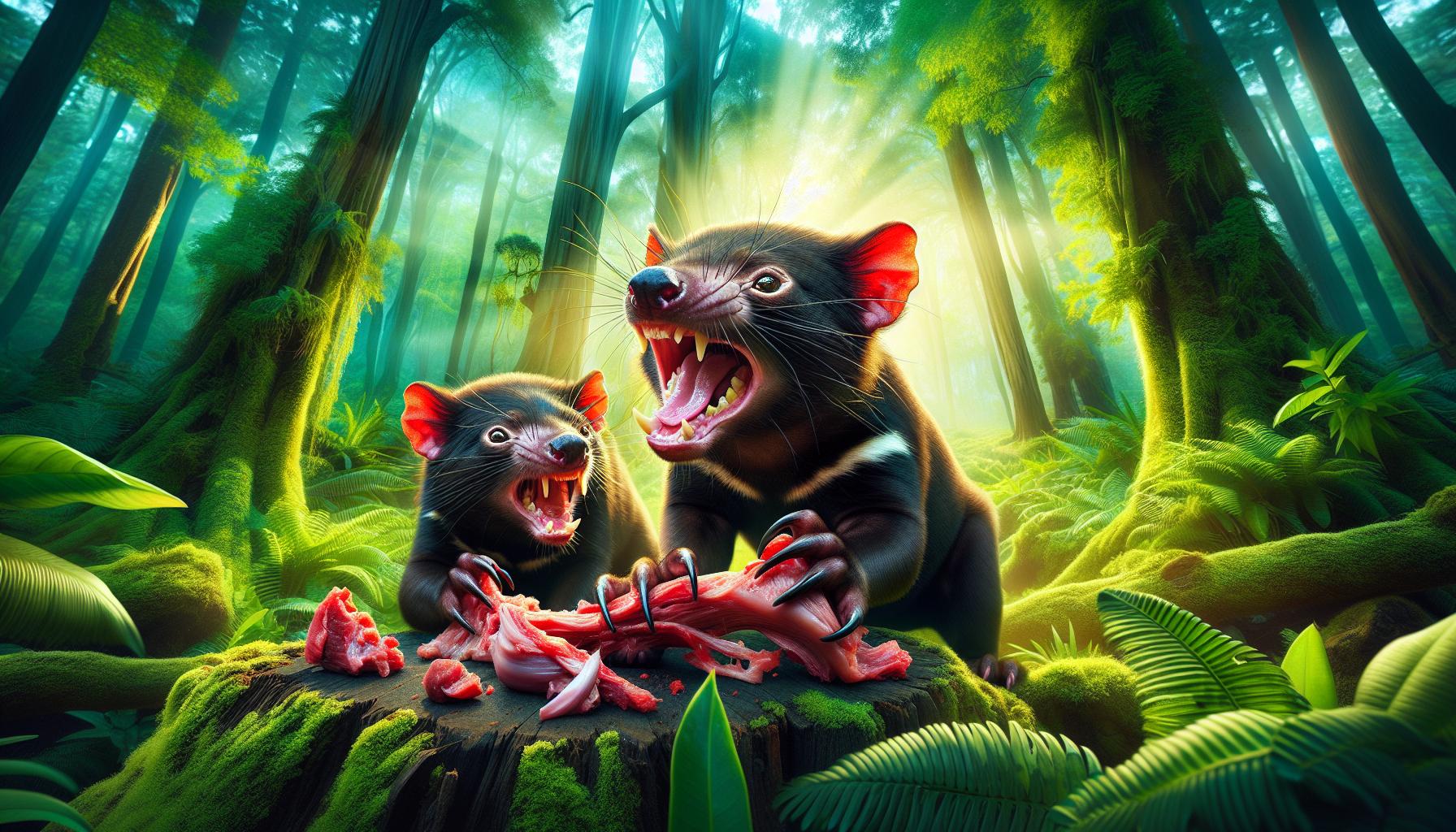
Diet and Hunting: What Tasmanian Devils Eat
Tasmanian devils are not just cute but also remarkable scavengers and predators, making their dietary habits a fascinating topic. These carnivorous marsupials primarily feast on carrion, meaning they play a crucial role in their ecosystem by recycling nutrients and preventing the spread of disease. On a single feeding occasion, a Tasmanian devil can consume up to 40% of its body weight-an impressive feat that highlights their efficiency as scavengers. This high caloric intake supports their high-energy lifestyle, especially given their nocturnal habits.
In the wild, devils utilize their powerful jaws and robust teeth to tear into tough hides and bones, enabling them to access nutrients that many other scavengers might leave behind. Their diet typically includes:
- Large native mammals such as wallabies and possums
- Birds and reptiles
- Insects in addition to carrion from dead animals.
Tasmanian devils are also known for their aggressive feeding behavior, often fighting among themselves to secure access to food. This behavior is particularly visible when a carcass is available, revealing their social hierarchies and communication methods during feeding frenzies. The sounds they make-growls, snarls, and screeches-serve as vocal cues for establishing dominance, signaling that they mean business when it comes to mealtime.
For those considering the intriguing prospect of keeping a Tasmanian devil in captivity, it’s essential to mimic their natural diet as closely as possible. High-protein diets that include meat, bones, and occasional fruits can help replicate their nutritional needs. However, it is crucial to provide varied protein sources to ensure a well-rounded diet. Always prioritize animal welfare by offering appropriate food types in safe quantities, considering that overfeeding can lead to obesity and other health issues in captivity.
In conclusion, understanding what Tasmanian devils eat not only illustrates their critical role within their ecosystems but also informs pet owners on how best to provide for the dietary needs of these extraordinary creatures, ensuring they lead healthy, enriched lives.
Breeding Behavior and Life Cycle Explained
In the wild, Tasmanian devils experience a fascinating and complex breeding cycle that significantly impacts their population dynamics. Typically, the breeding season occurs from late February to early April, during which males engage in aggressive behaviors to court females. A male may travel long distances and confront other males to establish dominance and access to mates. Interestingly, females are choosy and will often select mates based on their size and strength, hinting at the evolutionary advantages of such traits.
Once a female mates, she gives birth to a litter averaging 20 to 30 tiny, underdeveloped young after a short gestation period of about three weeks. However, these joeys face fierce competition as the mother has only four teats in her pouch. The joeys that manage to attach to a teat will continue to develop in the safety of their mother’s pouch for approximately 3 to 4 months. This phase of dependency is crucial, as the survival rate is determined by the strength and tenacity of each joey during this initial period.
After exiting the pouch, the young devils will remain in the nest, suckling on their mother’s milk for several more months while beginning to explore their environment. By around 5 to 6 months of age, they are weaned and start to eat solid foods, following their mother’s lead and consuming the same carrion and meats she finds. The mother will often stay with her young until they are around 10 months old, during which they learn essential survival skills, including foraging and social interactions.
However, the challenging life cycle of a Tasmanian devil does not end without peril. High mortality rates occur among young devils, correlating with environmental factors and predation risks. For those considering caring for Tasmanian devils as pets, it’s essential to understand that their early development mimics natural survival instincts, emphasizing the importance of a structured diet and environment that allow for growth and learning. Providing enriched habitats that encourage natural behaviors can dramatically improve their quality of life in captivity, making a significant difference in their overall well-being.
Threats to Tasmanian Devils: Conservation Challenges
The Tasmanian devil, a unique marsupial native to Tasmania, faces numerous challenges that threaten its survival in the wild. One of the most formidable threats is the transmissible facial tumor disease (DFTD), a cancer that has devastated populations since its discovery in the late 1990s. This disease spreads through bites during social interactions-a crucial aspect of Tasmanian devil behavior. Infected individuals develop painful tumors that significantly impede their ability to eat and reproduce, leading to a steep decline in the species’ numbers. By understanding this disease and its transmission, conservationists are developing strategies to isolate healthy populations and ensure genetic diversity.
In addition to DFTD, habitat loss poses a significant threat. Deforestation for agriculture, urban development, and other land-use changes alters the natural habitats that Tasmanian devils rely on for food and shelter. The fragmentation of their habitats not only reduces the availability of prey but also increases mortality risks due to encounters with vehicles and human settlements. For individuals interested in preserving the species, advocating for the protection of natural habitats and supporting sustainable land-use practices can create a more favorable environment for Tasmanian devils.
Moreover, competition with introduced species such as foxes and feral cats exacerbates the challenges these devils face. These non-native predators can decimate local wildlife populations, further putting pressure on the already vulnerable Tasmanian devil. Understanding the ecosystems in which these devils exist is crucial for effective conservation plans, as controlling invasive species can help restore balance and support the recovery of the Tasmanian devil population.
To support the ongoing conservation efforts, individuals can contribute by participating in local wildlife protection initiatives, supporting organizations dedicated to Tasmanian devil conservation, and raising awareness about their plight. Engaging in responsible practices, such as driving with caution in areas known for devil populations, can also mitigate roadkill incidents that significantly impact their numbers. As we appreciate the wild behavior and unique characteristics of the Tasmanian devil, it is essential to recognize our responsibility in ensuring their long-term survival.
Tasmanian Devils in Popular Culture and Myths
The Tasmanian devil’s reputation has been significantly shaped by its portrayal in popular culture, where it often oscillates between fearsome and comical. One of the most iconic representations is that of the animated character from Warner Bros., known simply as “Taz.” This whirlwind of chaos and sound effectively encapsulates the devil’s fierce and frenetic nature, albeit exaggerated for entertainment purposes. Taz’s portrayal has appealed to audiences worldwide, but it has also contributed to misconceptions about the actual behaviors and characteristics of the real Tasmanian devil. While Taz is a comedic beast, the true Tasmanian devil is a vital part of its ecosystem, with its distinct behaviors and physiology deserving of respect and protection.
In addition to cartoons, Tasmanian devils have inspired numerous myths and legends. For Indigenous Australians, these creatures held various significances, often seen as symbols of strength and ferocity. However, their reputation has also been marred by the misconception that they are wholly vicious, driven by their scavenging habits and powerful vocalizations. As nocturnal carnivores, these marsupials are critical scavengers that not only keep ecosystems healthy by consuming carrion but also play an important role in maintaining population dynamics of other species. Understanding these facts helps dispel myths and reiterates the importance of conservation.
Moreover, the fascination for Tasmanian devils extends to merchandise, art, and various media forms, driving awareness about their decreasing populations due to diseases like DFTD and habitat loss. For example, eco-tourism initiatives highlight the opportunity to observe these remarkable animals in their natural habitats while educating visitors about conservation. The Tasmanian devil’s unique characteristics, such as its powerful jaws and distinctive growls, are remarkable selling points in attracting public interest.
To care for Tasmanian devils appropriately, whether in a conservation setting or a hypothetical pet situation, it’s crucial to reject sensationalism and focus on their biological needs. Responsible care involves understanding their dietary requirements, social interactions, and the specific environments they thrive in. Potential pet owners should remember that keeping a Tasmanian devil is not practical or ethical for most individuals, as these animals require large territories and are best appreciated and protected in the wild. Instead, supporting conservation efforts and participating in education programs ensures that future generations can enjoy these extraordinary creatures in their natural habitats.
How to Care for a Tasmanian Devil as a Pet
Caring for a Tasmanian devil, even hypothetically, unveils a complex web of needs that these incredible creatures have in their natural habitat. Known for their fierce personalities and powerful jaws, Tasmanian devils are far from traditional pet material. Their wild nature and specific dietary and environmental requirements make them unsuitable as pets for most people. Indeed, they are best appreciated in the wild or in conservation settings dedicated to protecting their populations.
These carnivorous marsupials thrive in large territories, which can exceed 20 square kilometers in the wild. If someone were to attempt to care for one as a pet, an expansive living space, designed to mimic their natural environment, would be essential. A typical enclosure would need various substrates, vertical spaces to explore, and enrichment items like logs and rocks to stimulate their foraging instincts. Regular interaction with other devils is also crucial, as these animals have social structures that play a significant role in their well-being.
Diet is another critical concern. Tasmanian devils are scavengers in the wild, feasting on carrion and small prey. A captive devil would require a carefully curated diet consisting of high-quality meat, bones for dental health, and occasional fruits and vegetables. Feeding them raw or processed diets akin to what they would naturally consume supports their health. Moreover, any feeding routine would need to be monitored to prevent obesity, a common health issue for captive devils due to insufficient exercise and overfeeding.
Furthermore, owning a Tasmanian devil would come with significant ethical considerations and legal restrictions in many areas, as they are classified as endangered due to disease and habitat loss. Instead of trying to care for one as a pet, supporting reputable wildlife organizations and participating in conservation efforts can play a crucial role in saving this unique species and ensuring they continue to thrive in their natural environment. In light of their fascinating yet delicate nature, the best course of action is to admire these incredible animals while advocating for their preservation in the wild.
Comparing Tasmanian Devils to Other Carnivorous Marsupials
The Tasmanian devil, with its unmistakable black fur and vocal ferocity, is often regarded as one of the most iconic carnivorous marsupials, yet it shares its lineage with several other fascinating species. Understanding how Tasmanian devils compare to their relatives, like the quokka and the numbat, sheds light on the diverse adaptations and behaviors found within this distinctive branch of the marsupial family tree.
Physical Traits and Adaptations
While Tasmanian devils are known for their stout body and powerful jaws, the quokka charms with its small size and friendly demeanor. The quokka’s diet consists primarily of grasses and leaves, showcasing a different adaptation to its environment. In contrast, the Tasmanian devil’s scavenging habits are facilitated by its robust physique, which allows it to consume carrion that larger predators might overlook. The numbat, a more insectivorous marsupial, possesses specialized teeth and a long tongue, designed to efficiently extract termites from their nests, illustrating how dietary needs drive physical diversity among these marsupials.
Behavioral Differences
Social structures also vary significantly among species. Tasmanian devils are solitary for much of their lives, coming together primarily to feed on carrion. This behavior contrasts sharply with the social nature of quokkas, which are often seen interacting in small groups and displaying curious behaviors towards human observers. Their sociability makes quokkas popular in ecotourism, unlike the elusive Tasmanian devil, which is more likely to be heard than seen. The numbat’s behavior, characterized by its diurnal lifestyle, contrasts with the nocturnal habits of devils, illustrating how varied adaptations to environmental pressures define their lifestyles.
Conservation Status and Challenges
All these species face their own conservation challenges. The Tasmanian devil is currently endangered due to facial tumor disease (DFTD), which has drastically reduced its population. Meanwhile, the quokka enjoys a more stable number, although habitat loss still poses significant threats. Such disparities highlight the importance of targeted conservation efforts and how understanding the unique needs of each species can inform successful interventions.
In essence, comparing the Tasmanian devil to other carnivorous marsupials not only enhances our understanding of their unique traits but also emphasizes the need for conservation strategies tailored to each species’ ecological role and challenges. Recognizing their differences and similarities enriches our appreciation of these incredible animals and underscores the common goal of preserving their futures.
Health Issues: Common Concerns for Tasmanian Devils
The survival of Tasmanian devils is intricately linked to a range of health issues that pose significant threats to their populations. One of the most severe challenges is the facial tumor disease (DFTD), a transmissible cancer that has dramatically impacted devil numbers since it was first identified in the late 1990s. DFTD spreads through direct contact during feeding and mating, leading to facial tumors that can hinder feeding and ultimately result in death. Research has shown that some devils are developing a degree of immunity to this disease, sparking hope for their survival, but the overall population remains critically endangered.
Beyond DFTD, Tasmanian devils face other health concerns including parasites and infections. Intestinal parasites like roundworms and tapeworms can strain their health, especially in juvenile devils, affecting their growth and overall vitality. Additionally, like many wild animals, devils are susceptible to various viral and bacterial infections, particularly when under environmental stress or when their populations become dense due to food scarcity. This heightened competition can compromise their immune systems, making them more vulnerable to illness.
Maintaining a habitat that supports a healthy devil population is essential for their well-being. For example, creating reserves with ample food sources and minimizing human interference can help reduce stress factors that lead to health issues. Conservationists emphasize the importance of genetic diversity in the population, which can enhance resilience against diseases. Moreover, captive breeding programs are being implemented to bolster the wild population and ensure the genetic variation necessary for long-term survival.
For those considering caring for a Tasmanian devil as a pet-though legality and ethical implications are a significant consideration-it is crucial to understand these health issues. Potential owners should be prepared for the responsibilities of managing diet, health monitoring, and veterinary care tailored to the unique needs of these animals. Being informed and responsible can help mitigate some of the health concerns that these fascinating marsupials face in the wild.
The Role of Tasmanian Devils in Their Ecosystem
The Tasmanian devil plays a crucial role in its ecosystem as a top carnivore, influencing the health and balance of its habitat. These fierce marsupials are primarily scavengers, which means that they contribute significantly to the clean-up of their surroundings by consuming carrion-decaying animal matter that would otherwise pose a health hazard. By efficiently consuming dead animals, they help reduce the spread of disease and promote nutrient recycling within the ecosystem.
In addition to their scavenging habits, Tasmanian devils also impact the populations of other species. Their predatory nature helps manage the populations of smaller mammals, birds, and insects, fostering biodiversity. This ecological balance is vital; without natural predators like the devil, certain species could become overabundant, leading to resource depletion and habitat degradation. As such, the presence of Tasmanian devils is a clear indicator of a healthy ecosystem, highlighting their importance in maintaining the delicate web of life in Tasmania.
Unfortunately, the decline in devil populations due to threats like the transmissible facial tumor disease poses serious implications for the ecosystem. As their numbers dwindle, the overpopulation of prey species might emerge, which can lead to a cascade of ecological consequences, including increased competition for resources and potential disruption of plant communities. Conservation efforts aimed at preserving Tasmanian devils not only seek to protect this unique species but also aim to maintain the ecological integrity of the environments they inhabit.
For those interested in responsible pet care or conservation education, understanding is essential. By supporting conservation initiatives, individuals can contribute to safeguarding these vital creatures and the balance of nature they help maintain. If considering exotic pets like the Tasmanian devil, one must weigh the potential ecological impacts and understand that true fulfillment comes from supporting wildlife in their natural habitats rather than removing them from the wild.
Future of Tasmanian Devils: Conservation Efforts and Hope
The remarkable adaptability and resilience of Tasmanian devils shine a light on the potential for recovery within this iconic species. As conservationists and wildlife enthusiasts rally around these unique marsupials, various innovative initiatives are underway to combat the challenges they face, particularly the devastating transmissible facial tumor disease (DFTD) that has affected their populations since it was first identified in the late 1990s. One promising approach is the establishment of insurance populations in mainland sanctuaries, away from DFTD’s grasp. These efforts not only aim to safeguard the species from extinction but also serve as vital research hubs to understand their biology and health better.
Moreover, the collaboration among researchers, wildlife organizations, and local communities is fostering a renewed hope for the future of Tasmanian devils. Programs focused on habitat preservation and restoration are crucial, as these animals require expansive territories to thrive. By protecting their natural environments and promoting biodiversity within Tasmanian ecosystems, conservationists facilitate a healthier living space for devils and other local fauna. Community awareness campaigns also play a pivotal role, as educating the public about the significance of Tasmanian devils encourages support for conservation initiatives and reduces human-wildlife conflicts.
In addition to habitat efforts, breeding programs have shown promising results. By carefully managing breeding between devils that are genetically diverse and healthy, researchers are creating a stronger population that may be more resilient to diseases like DFTD. The establishment of sanctuaries allows for controlled conditions where these breeding initiatives can flourish, ensuring the future of the species is not just surviving but potentially thriving in the wild again.
As a responsible pet owner interested in unique wildlife, one must recognize the challenges faced by Tasmanian devils and support ongoing conservation efforts. Whether by contributing to local wildlife organizations, participating in awareness campaigns, or advocating for policies that protect the natural habitats of these extraordinary creatures, individuals can play a part in securing a brighter future for Tasmanian devils. In doing so, we not only ensure the survival of this remarkable species but also contribute to a balanced ecosystem where the fierce spirit of the Tasmanian devil continues to inspire awe and reverence in generations to come.
Frequently Asked Questions
Q: What is the habitat of Tasmanian Devils?
A: Tasmanian Devils are found primarily in forests, woodlands, and coastal scrub of Tasmania. They prefer habitats that provide adequate cover for hunting and denning, which are essential for their nocturnal lifestyle and protection from predators.
Q: How do Tasmanian Devils communicate with each other?
A: Tasmanian Devils communicate using vocalizations, body language, and scent markings. They produce growls, grunts, and screams during mating or while defending territory, while scent markings help them convey information about their reproductive status and social hierarchy.
Q: Why are Tasmanian Devils considered endangered?
A: Tasmanian Devils are classified as endangered mainly due to the Devil Facial Tumor Disease (DFTD), habitat loss, and road fatalities. Conservation efforts focus on disease management and habitat protection to improve their chances of survival in the wild.
Q: What unique behaviors do Tasmanian Devils exhibit?
A: Tasmanian Devils are known for their scavenging behavior, where they consume carrion. They have powerful jaws that allow them to crush bones. Their social structure includes aggressive feeding rituals, showcasing dominance and establishing social hierarchies.
Q: Can Tasmanian Devils be kept as pets?
A: While it is technically possible to keep Tasmanian Devils as pets in some regions, it is highly discouraged. They have specific dietary, environmental, and social needs that can be difficult to meet in captivity. Consider learning about responsible pet care instead.
Q: What role do Tasmanian Devils play in their ecosystem?
A: Tasmanian Devils are crucial scavengers in their ecosystem, helping to keep the environment clean by consuming dead animals. Their feeding habits aid nutrient recycling and support a balanced ecosystem, influencing populations of other species.
Q: How do Tasmanian Devils hunt and what is their diet?
A: Tasmanian Devils are opportunistic scavengers and carnivores. They primarily hunt small animals, including birds and mammals, and are known to consume carrion. Their keen sense of smell helps them locate food from great distances, enhancing their hunting efficiency.
Q: What is the conservation status of Tasmanian Devils today?
A: The conservation status of Tasmanian Devils is endangered, primarily due to diseases like DFTD and habitat destruction. Ongoing conservation initiatives focus on disease research, habitat restoration, and creating safe zones to help protect and stabilize their populations.
In Retrospect
As we uncover the fierce and fascinating world of Tasmanian devils, remember that your role in their conservation is crucial. These remarkable creatures showcase behaviors that are both wild and vital to their ecosystem. By deepening your understanding of these unique marsupials, you equip yourself to make informed choices that can impact their survival positively. Whether through supporting wildlife initiatives or simply sharing these captivating facts with friends, every action counts.
Curious to explore more about wildlife and how to care for our furry companions? Check out our detailed articles on unique animal adaptations and pet care best practices to enhance your knowledge. Don’t miss out-sign up for our newsletter to stay informed and inspired. Together, we can appreciate the wonders of nature while committing to responsible ownership. Your journey into the wild awaits-dive deeper today!


