
Did you know that the hippopotamus is one of Africa’s largest and most formidable animals, renowned for its size and power? However, despite their impressive presence, these river giants are not without threats. Understanding hippo natural predators is crucial for appreciating the delicate balance of their ecosystems and the challenges they face in the wild.
As we delve into the various species that pose a danger to hippos, from humans to other apex predators, we highlight the impact of habitat loss and environmental changes on these magnificent creatures. What strategies do hippos employ to safeguard their territory, and how can we contribute to their survival? Join us on this fascinating journey to uncover what truly threatens these majestic animals and why their conservation matters now more than ever.
Contents
- 1 Natural Predators of Hippos: Who Are They?
- 2 The Impact of Habitat Loss on Hippo Populations
- 3 Lions, Crocodiles, and Other Threats to Hippos
- 4 Invasive Species: A Growing Concern for Hippos
- 5 Human-Wildlife Conflict: How It Affects Hippos
- 6 Climate Change and Its Effects on Hippo Habitats
- 7 Conservation Efforts to Protect Hippos
- 8 Understanding the Role of Hippos in Ecosystems
- 9 How Local Communities Can Help Hippos
- 10 Educational Resources on Hippos and Their Predators
- 11 The Future of Hippos in a Changing Environment
- 12 Addressing Misconceptions About Hippo Predators
- 13 Q&A
- 14 The Way Forward
Natural Predators of Hippos: Who Are They?
In the wild, hippos may appear formidable with their tremendous size and powerful jaws, weighing up to 3,200 kilograms (7,000 pounds) and producing a bite force that can crush bones. However, despite their dominance in their semi-aquatic habitats, young and vulnerable hippos face real threats from natural predators. Understanding who these predators are can illuminate the delicate balance of ecosystems where these river giants reside.
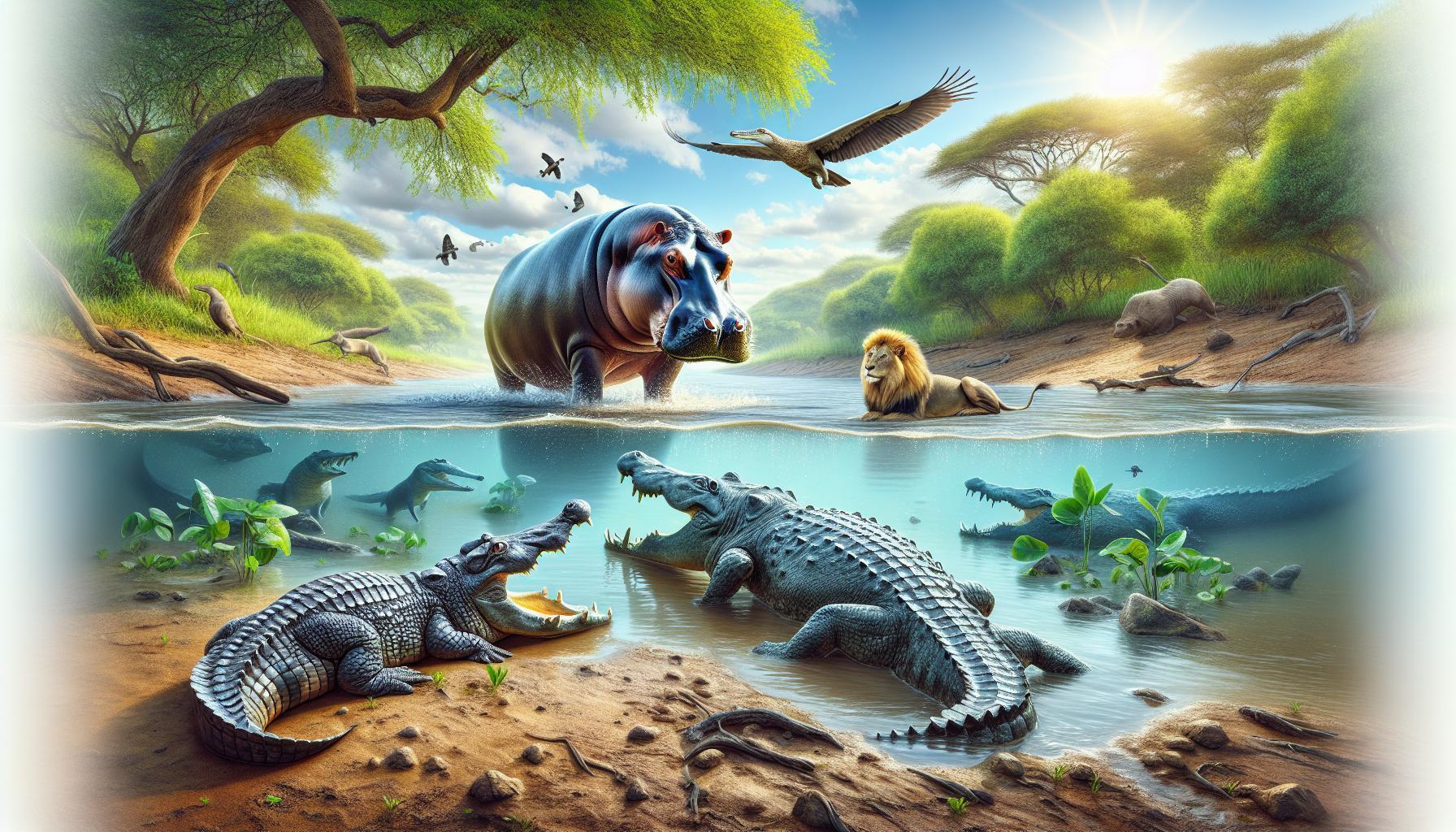
The primary natural threat to young hippos commonly comes from large carnivores. Crocodiles, particularly Nile crocodiles, are notorious for preying on hippos, especially calves. These reptiles, lurking in the water, can execute a surprise attack when a young hippo is vulnerable, such as during its initial forays away from the protecting presence of its mother. Adult hippos are generally safe from crocodilian predation due to their size and protective behavior; however, it is important to note that mother hippos are fiercely protective. If they perceive any threat to their offspring, they won’t hesitate to confront and aggressively fend off predators.
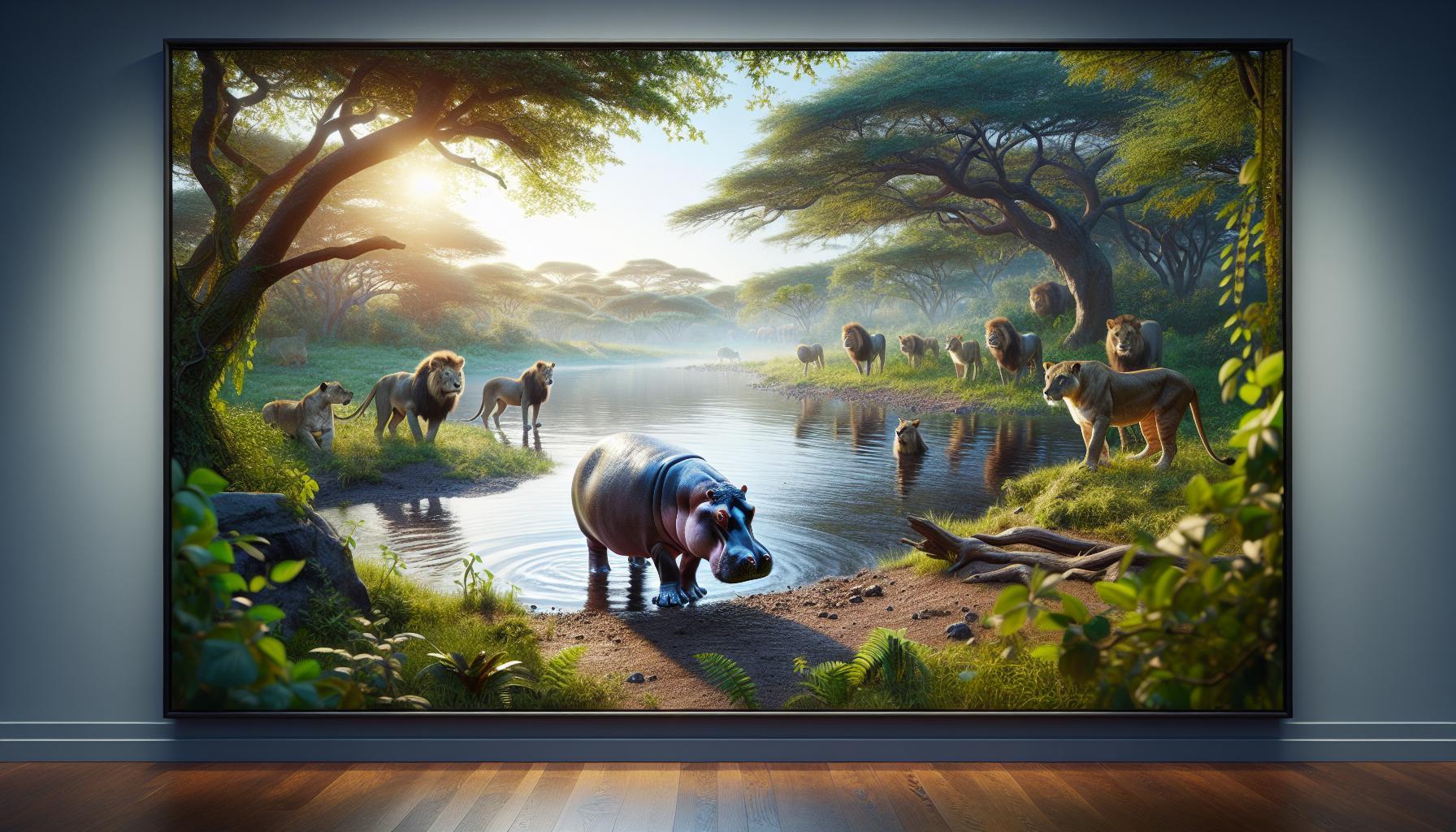
Lions also pose a significant threat, particularly in regions where their territories overlap with hippo populations. While adult hippos are too large for a pride to take down, lionesses may target young or sick individuals that have strayed from their herd. The most opportunistic predators are often scavengers, including hyenas and vultures, who will arrive once a hippo succumbs to natural causes or predation.
With a deeper understanding of these threats, wildlife enthusiasts can appreciate the essential balance of predator and prey dynamics within African ecosystems. Observing these interactions reinforces the need for habitat preservation, which is crucial for maintaining the population numbers and viability of hippos, as well as their natural predators. Recognizing the myriad challenges faced by hippos can inspire conservation efforts to protect not only these magnificent creatures but their ecosystems as a whole.
The Impact of Habitat Loss on Hippo Populations
As one of Africa’s most iconic creatures, hippos are not just fascinating due to their sheer size and unique behavior but also because they play a critical role in their ecosystem. However, these river giants face a dire threat from habitat loss, a consequence of expanding human activities. With their natural environments being depleted or altered due to urbanization, agriculture, and industrial development, hippo populations are rapidly declining. This loss isn’t just about space; it disrupts the delicate ecological balance and impacts numerous species, including the predators that target hippos and the local communities that rely on wildlife for tourism and cultural identity.
The habitats that hippos depend on-primarily lakes and rivers-are crucial for their survival. These water bodies provide not only hydration and cooling from the scorching sun but also vital areas for social interactions and breeding. Disruption of these habitats limits the accessibility of safe foraging zones, leading hippos to migrate into less secure areas where they are more vulnerable to predation from natural enemies like crocodiles and lions, as well as threats from human activities. With habitat fragmentation, young hippos are particularly at risk; they are more prone to being separated from their mothers and exposed to predators when they venture into unfamiliar territories.
Moreover, habitat loss incites increased human-wildlife conflicts. As hippos search for food and water, they may encroach upon agricultural lands, leading to dangerous encounters with local farmers. These conflicts can escalate, causing harm to both hippos and humans, often resulting in retaliatory killings of hippos, which further diminishes their population. The diminishing habitat not only fuels competition for resources among hippos and their predators but also exacerbates the socioeconomic pressures faced by local communities, making conservation efforts all the more essential.
To mitigate these challenges, there is a vital need for effective conservation strategies that include habitat protection and restoration, community engagement, and sustainable development initiatives. Collaborating with local communities to create eco-friendly agricultural practices and protecting vast wetlands can create a safer environment for both hippos and their predators while promoting biodiversity. By prioritizing the preservation of their natural habitats, we not only safeguard these magnificent animals but also support the intricate tapestry of life that exists around them, ensuring a balanced ecosystem where both hippos and their natural predators can thrive.
Lions, Crocodiles, and Other Threats to Hippos
As one of the largest land mammals, the hippopotamus is often perceived as an indomitable giant of the African waterways. However, these river behemoths are not invulnerable; they face a host of natural predators and threats that can challenge their survival. Among these, crocodiles and lions stand out as significant adversaries in different contexts. While hippos can weigh up to 4,000 pounds and possess formidable teeth that can crush bones, they are still vulnerable, especially when they are in water or on land during certain times.
Crocodiles: Silent but Deadly
Crocodiles, particularly the Nile crocodile, are one of the primary threats to hippos, especially for young or weak individuals. These reptiles are adept ambush predators, lying in wait beneath the water’s surface for unsuspecting hippos coming to drink. While adult hippos can fend off a crocodile attack due to their massive size and strong jaws, the young or injured hippos are often targeted during foraging or when they are separated from their mothers. The unpredictability of crocodile attacks means that the safest areas for hippos can often be a matter of chance.
Lions: The Apex Predators
On land, lions pose another significant threat, particularly in areas where hippos venture away from water to graze. Lions are known for their cooperative hunting techniques and can take down larger prey, including weak or solitary hippos. While encounters between fully grown hippos and lions are relatively rare, for younger hippos or those that are sick or injured, the risk becomes much more pronounced. For instance, during the dry season when food is scarce, lions might increase their predation on hippos, leading to higher mortality rates in the hippo population.
Other Threats
In addition to crocodiles and lions, hippos face various other threats that challenge their survival. These can include:
- Human Activity: Habitat destruction, poaching, and conflicts with local communities significantly reduce the numbers of hippos. As humans expand agriculture and development, they encroach upon the hippo’s natural habitats.
- Pollution: Contaminated water sources affect hippo health and their reproductive capabilities.
- Climate Change: Changes in weather patterns can alter water availability, affecting hippos’ access to suitable habitats.
Overall, while adult hippos are formidable creatures in their own right, they must navigate a web of threats that underscore the precarious nature of their existence in a rapidly changing environment. Understanding these dynamics is vital for creating effective conservation strategies that can ensure the survival of these majestic animals.
Invasive Species: A Growing Concern for Hippos
In recent years, the struggle for survival among hippopotamuses in Africa has been increasingly complicated by the rise of invasive species. These non-native organisms can disrupt local ecosystems and, in some cases, pose direct threats to hippos. As the integrity of the environments that hippos depend on becomes compromised, the ripple effects can be felt throughout the wildlife community.
One notable example of an invasive species affecting hippo habitats is the water hyacinth (Eichhornia crassipes). This fast-growing aquatic plant can blanket water bodies, restricting both the movement of hippos and the access they have to their primary feeding grounds. When water hyacinths proliferate, they not only reduce available resources for hippos but can also lead to decreased water quality by limiting oxygen levels and trapping pollutants. Rapid coverage of lakes and rivers can also alter the entire aquatic ecosystem, making it difficult for other native species to thrive.
Additionally, non-native fish species, such as tilapia introduced for commercial fishing, can further stress the delicate balance of these ecosystems. These fish often compete for resources with native species that are integral to the hippos’ food web. The decline of these native species can ultimately affect the health of the river ecosystem, indirectly impacting hippos by diminishing their food sources.
The advancement of invasive plant and animal species challenges not only the physical presence of hippos but also their adaptability to changing environmental conditions. With ongoing habitat loss, climate change, and direct human conflicts, the added pressure from invasive species makes conservation efforts even more crucial for ensuring the future of these iconic river giants.
Efforts to mitigate the impact of invasive species can include community education on the environmental consequences of introducing non-native organisms, as well as initiatives aimed at controlling or eradicating these invasives from sensitive habitats. Understanding the interconnectedness of these ecological components is vital, and local communities can play a significant role in protecting hippo habitats while fostering biodiversity.
Human-Wildlife Conflict: How It Affects Hippos
Conflicts between humans and wildlife can have profound implications for the survival of iconic species like the hippopotamus. In the rugged landscapes of Africa, where hippos dwell, the struggle for resources often spills over into disputes with local communities. As these majestic creatures venture into agricultural areas searching for food or water, they can unintentionally wreak havoc on crops and property, leading to a classic clash of needs. This encroachment can escalate tensions, resulting in retaliatory actions from farmers aimed at protecting their livelihoods.
Another facet of this conflict arises from land use changes accelerated by urbanization and agriculture. With rivers and lakes becoming scarce, hippos face increasing pressure as they lose critical habitats. This loss is not just detrimental to their existence but also disrupts local ecosystems, as hippos play a significant role in maintaining the health of water bodies. Their dung nourishes aquatic plants, and their movements create channels that benefit other wildlife. When humans restrict their natural behaviors through fencing or drainage of wetlands, these ripple effects can cascade through the ecosystem, adversely affecting biodiversity.
Innovative solutions to mitigate these human-wildlife conflicts are emerging, focusing on coexistence strategies. Local communities can engage in conservation efforts that educate farmers on non-lethal deterrents, such as noise-making devices, and fencing designed to protect crops without harming hippos. Additionally, creating wildlife corridors can facilitate safe passages for hippos, allowing them to access water sources while minimizing encounters with human activity.
Ultimately, fostering a relationship of understanding and respect between humans and hippos is essential for the future of these magnificent giants. By addressing the root causes of conflict and promoting harmony, we can ensure that both people and wildlife thrive in Africa’s rich ecosystems.
Climate Change and Its Effects on Hippo Habitats
The survival of hippos in their natural habitats is increasingly threatened by climate change, an insidious force that alters ecosystems in profound and often unpredictable ways. As temperatures rise and weather patterns shift, the delicate balance that supports the complex aquatic environments where hippos thrive is disrupted. This global phenomenon poses significant challenges to their well-being and ultimately endangers their populations.
Water availability is a critical aspect of hippo habitats. These massive animals depend on rivers, lakes, and wetlands not only for hydration but for refuge from the oppressive heat of the African sun during the day. Climate change intensifies drought conditions, leading to reduced water levels in these bodies, making it more difficult for hippos to find sufficient space to wallow and cool off. Without adequate water, hippos may be forced to travel farther in search of suitable habitats, elevating the risk of encounters with both natural predators and human settlements.
Moreover, altered rainfall patterns can lead to flooding in other regions, which can affect the vegetation that hippos feed on. Changes in plant productivity can drastically influence hippos’ diets, which primarily consist of grasses. As the availability of food fluctuates, hippos may find it increasingly challenging to meet their nutritional needs, leading to malnutrition and reduced reproductive success. In severe cases, this could push local hippo populations into decline.
The role of hippos in ecosystems also faces jeopardy amid these changing conditions. By grazing on aquatic vegetation and contributing nutrients through their feces, they help maintain the health of waterways and support the myriad species that depend on these environments. Disruptions caused by climate changes threaten not just hippos but also the wider ecological balance, resulting in cascading effects that impact numerous species. Addressing the consequences of climate change is essential for the preservation of hippos and the ecosystems they inhabit, emphasizing the urgency of global conservation efforts that tackle climate issues at their roots.
Conservation Efforts to Protect Hippos
Conservation efforts aimed at protecting hippos are crucial not only for their survival but also for the health of the ecosystems they inhabit. These incredible creatures, often overlooked in conservation dialogues, face significant threats from habitat loss, climate change, and poaching. One of the most effective strategies has been the establishment of protected areas and national parks that preserve vital habitats, ensuring that hippos have access to safe and ample water sources. Protected areas provide critical refuge for hippos, allowing them to thrive away from human encroachment and predation risks.
Engagement of local communities is another cornerstone of hippo conservation. By involving local populations in conservation efforts, organizations can promote awareness of the ecological importance of hippos, illustrating their role in maintaining healthy water systems through grazing and nutrient cycling. Initiatives that offer economic incentives for conservation, such as ecotourism or community-based wildlife management, work to align the interests of local communities with the preservation of hippos. These programs can empower communities to protect the very habitats that support these magnificent animals, fostering a sense of stewardship that benefits both people and wildlife.
Moreover, research and monitoring play pivotal roles in conservation strategies. By studying hippo populations, their behaviors, and the impacts of environmental changes, scientists can identify threats and develop targeted interventions. Innovative tracking technologies, such as satellite collars and drone surveillance, enable researchers to gather data on hippo movements and health, providing insights into how environmental factors influence their survival. This data is essential for developing adaptive management plans that can respond to changing conditions in their habitats.
Finally, collaboration among governments, non-governmental organizations, and international bodies is paramount. Initiatives like the African Elephant and Rhino Conservation Program often extend their focus to include hippos, recognizing their ecological significance. Joint efforts to combat poaching and illegal wildlife trade, alongside policies aimed at conserving freshwater ecosystems, are vital for safeguarding the future of hippos. Through these collaborative efforts, the message that conserving hippos is integral to maintaining biodiversity and healthy ecosystems can reach a global audience, fostering a collective commitment to protect Africa’s river giants.
Understanding the Role of Hippos in Ecosystems
The mere presence of hippos in freshwaters profoundly influences their ecosystem, acting as a keystone species that underpins the health of aquatic environments. Despite their bulky size and seemingly lethargic nature, hippos play a dynamic role in maintaining the balance of the habitats they inhabit, making their conservation critical for the overall ecological fabric of their environments.
Hippos are notorious for their grazing habits, where they consume vast amounts of grass along riverbanks. This foraging behavior not only helps to manage the vegetation in these areas but also supports a variety of smaller wildlife. By toning down overgrowth, they maintain open spaces that benefit numerous species, allowing light to penetrate and fostering biodiversity. Furthermore, as they submerge in water and defecate, they release nutrients that aid in supporting aquatic flora. This nutrient cycling is fundamental for sustaining algal communities and benefiting fish populations, which in turn support larger predators within the food web.
Moreover, hippos contribute to the physical shaping of their environment. Their movement through waterways helps to create and maintain channels, influencing the flow and structure of rivers. This natural engineering helps regulate sediment distribution and impacts the overall health of riparian ecosystems. In this way, hippos are not just passive inhabitants; they actively shape the landscapes around them, cultivating conditions favorable for a myriad of life forms.
On a broader ecological scale, the decline of hippo populations can lead to a cascade of effects throughout their habitats. The absence of these animals could destabilize local ecosystems, leading to overgrown vegetation, diminished biodiversity, and weakened nutrient cycling. Protecting hippos is, therefore, not just about safeguarding a single species but ensuring the resilience and health of entire ecosystems, underscoring their vital role in the tapestry of life in Africa’s rivers.
How Local Communities Can Help Hippos
Local communities hold a key position in the protection and sustainability of hippo populations in Africa. Engaging them in conservation efforts not only fosters a sense of stewardship for these magnificent creatures but also enhances local economies through eco-tourism and sustainable practices. When communities understand the ecological importance of hippos and the threats they face, they can become powerful allies in conservation.
One effective way communities can assist is through education and awareness programs that emphasize the ecological role of hippos as keystone species. By organizing workshops and community meetings, local leaders can share information about how hippos contribute to maintaining healthy aquatic ecosystems. This understanding can shift perspectives and behaviors, encouraging community members to safeguard local waterways and preserve the habitats that support hippos and other wildlife.
Involving local communities in monitoring hippo populations and habitats can also yield positive results. By training residents to observe and report changes in hippo behavior or numbers, communities can help researchers gather valuable data while fostering a deeper connection to their local wildlife. Engaging in citizen science initiatives not only empowers individuals but also instills pride and ownership over conservation efforts.
Individuals and communities can further promote hippo conservation by advocating for policies that protect habitats from development and pollution. Collaborating with non-governmental organizations (NGOs) to create protected areas helps ensure that hippos have safe environments to thrive. Additionally, promoting sustainable agricultural practices along riverbanks can mitigate habitat degradation while benefiting local farmers, creating a win-win situation for both hippos and communities.
By understanding the interconnectedness of their well-being and hippo conservation, local communities can play a pivotal role in protecting Africa’s river giants. This collaborative approach not only enhances the survival of hippos but also strengthens community resilience and ecological health, creating a harmonious balance between humans and nature.
Educational Resources on Hippos and Their Predators
Astonishingly massive yet surprisingly agile, hippos are magnificent creatures that have captivated human interest for centuries. Their formidable presence in African waterways is a testament to their resilience, but they also face numerous challenges. Understanding these challenges begins with education, and a variety of resources are available to deepen knowledge about the hippo’s natural predators and the threats they encounter.
Books and Documentaries
Engaging literature can provide profound insights into hippos and their ecological context. Books such as *”The Last Great Ape”* by Michel Strobel delve into the complexities of wildlife survival, featuring hippos and their predators among broader ecological conversations. Documentaries, like *”Africa’s Deadliest”* from National Geographic, offer gripping visuals that showcase the interplay between hippos and their natural threats, such as lions and crocodiles, highlighting both the beauty and brutality of their habitat.
Online Courses and Webinars
Numerous online platforms offer courses and webinars focused on African wildlife, including hippos. For example, organizations like the African Wildlife Foundation frequently host informative sessions discussing ecosystem balance and predator-prey relationships. These resources provide a modern, engaging approach to learning, often led by experts in wildlife conservation.
Citizen Science Initiatives
Participating in citizen science projects allows individuals to contribute to hippo conservation while gaining firsthand exposure to their environment. Initiatives like Hippo Watch encourage community members to report sightings and behaviors of hippos, fostering a deeper connection with these majestic animals. These projects not only aid scientific research but also educate participants about the threats facing hippos from invasive species and human activities.
Local Conservation Organizations
Support local conservation efforts by connecting with organizations dedicated to hippo protection. Many of these organizations, such as the African Conservation Foundation, offer educational programs that inform the public about the challenges hippos face, including habitat loss and climate change. Engaging with such groups not only enhances knowledge but also enables individuals to take actionable steps towards conservation.
By leveraging these educational resources, individuals can transform their curiosity into impactful action, contributing to hippo conservation while deepening their understanding of these remarkable animals and the challenges they face in the wild.
The Future of Hippos in a Changing Environment
Amidst the challenges posed by a rapidly changing environment, hippos face an uncertain future. These majestic creatures, known for their sheer size and dynamic presence in their aquatic habitats, are increasingly threatened by factors such as habitat loss, climate change, and human encroachment. While they possess natural defenses against predators like lions and crocodiles, these threats can overwhelm their resilience and adaptability.
One significant concern is habitat degradation, primarily due to agricultural expansion, urbanization, and infrastructure development. As rivers and wetlands are transformed into farmland or urban landscapes, hippos are deprived of the aquatic ecosystems essential for their survival. The fragmentation of their habitats not only isolates populations but also reduces the availability of resources such as food and breeding grounds.
Climate change exacerbates these issues, with altering weather patterns leading to droughts and fluctuations in water levels. Such changes can result in diminished water sources, making it increasingly difficult for hippos to find suitable living conditions. Moreover, rising temperatures can influence the distribution of prey species, potentially disrupting the delicate balance of their ecosystems.
To counter these challenges, proactive conservation efforts are essential. Local communities play a crucial role in protecting hippos by advocating for sustainable land-use practices that prioritize wildlife corridors and wetland preservation. Engaging in community-based conservation programs allows residents to see firsthand the benefits of eco-tourism and the ecological importance of hippos within their environments.
Moreover, promoting awareness and education about hippos’ ecological roles can galvanize support for conservation initiatives. By fostering a culture of respect and stewardship towards hippos and their habitats, we can work towards a sustainable future that allows these river giants to thrive amidst the complexities of a changing world. In supporting responsible wildlife management and conservation efforts, we can ensure that hippos remain an integral part of Africa’s rich biodiversity for generations to come.
Addressing Misconceptions About Hippo Predators
While many view hippos as formidable creatures, their lives are often perceived through a lens of misconceptions, especially regarding their predators. A common misunderstanding is that adult hippos have no natural enemies due to their imposing size and strength. However, this is far from the truth. While it is true that adults are seldom predated upon, younger hippos are vulnerable to a few opportunistic hunters, particularly crocodiles. These reptiles, lying in wait beneath the water’s surface, can pose a significant threat to calves, especially when they venture too far from protective adults.
Another common fallacy is that the relationship between hippos and other large predators, like lions, is predominantly competitive. In reality, such encounters are rare and usually end with the hippo using its size and aggression to defend itself and its group. Lions may occasionally target the young or weak, but hippos generally occupy a top-tier position in their habitat, often deterring other predators through sheer presence and territorial behavior.
Misconceptions extend beyond predator dynamics. Some people believe that hippos are solely aquatic animals that cannot defend themselves outside of water. In truth, while they are semi-aquatic and spend much of their time submerged, hippos are extremely mobile on land and can sprint surprisingly fast, reaching speeds of up to 30 km/h (about 19 mph) over short distances. Their formidable size, combined with powerful jaws and sharp tusks, make them more than capable of defending against potential threats-both from other wildlife and, increasingly, from human encroachment.
Understanding these aspects is crucial for effective conservation efforts. Promoting accurate information about hippos and their interactions with predators can foster a more nuanced appreciation of these magnificent animals and the ecosystems they inhabit. This awareness is vital, especially as human-wildlife conflict becomes more prevalent due to habitat loss and climate change. By addressing these misconceptions, we can cultivate a culture of respect and protection for hippos, ensuring their survival in a changing world.
Q&A
Q: What are the primary threats to hippos in their natural habitat?
A: The primary threats to hippos include habitat loss, human-wildlife conflict, poaching for meat and ivory, and climate change affecting their water sources. These factors severely impact their populations and require timely conservation efforts to support these iconic animals.
Q: How do humans impact hippos and their predators?
A: Humans impact hippos through habitat destruction, often due to agriculture and urbanization, which leads to a reduction in suitable areas for hippos. Additionally, increased fishing and hunting target their predators, destabilizing the local ecosystem and affecting hippo dynamics in the region.
Q: What role do crocodiles play in the predation of hippos?
A: While adult hippos are largely safe from predators, young hippos can fall prey to crocodiles. Crocodiles tend to ambush hippos when they are vulnerable, especially when they are near the water’s edge, which can threaten hippo calves.
Q: Are there any diseases that pose a risk to hippo populations?
A: Yes, diseases such as anthrax and tuberculosis can pose significant risks to hippos. In dense populations, outbreaks can rapidly spread, leading to high mortality rates and subsequently affecting population recovery efforts.
Q: How does climate change specifically affect hippo habitats?
A: Climate change impacts hippo habitats through altered rainfall patterns, leading to drying rivers and lakes, which reduce available water for cooling and access to food sources. These changes threaten their survival and can increase competition for resources.
Q: What invasive species threaten hippos in their native ecosystem?
A: Invasive species, such as certain plant species, can threaten hippos by disrupting their natural food supply and altering their habitat. These invasive plants can take over riversides, limiting access to the short grass that hippos prefer for feeding.
Q: Can conservation efforts truly protect hippos from predation?
A: Yes, effective conservation efforts can help protect hippos by restoring habitats and reducing human-wildlife conflict. Educating local communities about the importance of hippos and their role in ecosystems can foster coexistence and safeguard against both direct and indirect threats.
Q: What can local communities do to help in hippo conservation?
A: Local communities can engage in sustainable land-use practices, participate in awareness campaigns, and support eco-tourism initiatives. By valuing hippos as vital to their ecosystem and economy, they can help secure a future for these majestic animals.
The Way Forward
As we explore the natural predators that threaten Africa’s river giants, it’s vital to remember that understanding these dynamics aids in their conservation. The hippopotamus, despite its formidable presence, faces challenges from both natural predators and human activities. If you want to dive deeper into the fascinating world of hippos, check out our articles on “Hippo Social Behavior” and “The Impact of Habitat Loss on African Wildlife.”
Don’t miss your chance to contribute to these conversations! Share your thoughts in the comments below or subscribe to our newsletter for regular insights on wildlife conservation and animal behavior. Together, we can uncover even more about these incredible creatures and how we might protect their future. Keep exploring and stay curious about the wonders of wildlife!